Green Writer is reader-supported: some links on this page are affiliate links, and as an Amazon Associate Green Writer earns from qualifying purchases at no extra cost to you. Learn more.
Fluorescent grow lights significantly impact seedling growth indoors by providing the right spectrum and intensity of light. These artificial lights are essential for indoor gardening, especially in spaces with limited natural sunlight. At Green Writer, we explore how these grow lights can optimize your seedlings’ development while prioritizing sustainability. Understanding how to use fluorescent lighting will help your plants thrive and contribute to a greener environment.
Understanding Fluorescent Grow Lights and Their Benefits
Fluorescent grow lights are energy-efficient lighting options that produce a broad spectrum of light essential for plant growth. They work by passing an electric current through gas-filled tubes, emitting visible light. They are popular among indoor gardeners due to their low heat output, promoting seedling growth without overheating the plants. Compared to other options like LED or incandescent lights, fluorescent grow lights offer unique advantages including low energy consumption, affordability, and a balance of blue and red wavelengths that promote healthy plant development. They are ideal for starting seeds and nurturing young plants, making them a staple in indoor gardening practices.
Key Features of Fluorescent Grow Lights
Fluorescent grow lights come in various types, including T5, T8, and compact fluorescent lights (CFLs). T5 lights are known for their high efficiency and low heat output, making them suitable for seedling growth. T8 lights provide a good balance between intensity and energy use, often used in larger indoor gardening setups. CFLs offer convenience and versatility, easily fitting into standard light fixtures. The best fluorescent grow lights typically have a color temperature between 5000K and 6500K, ensuring optimal lighting conditions for indoor plants. Research shows that these lights enhance photosynthesis and stimulate healthy growth in seedlings, proving their reliability in indoor gardening.
Photosynthesis and Its Importance for Seedlings
Photosynthesis is a process that converts light energy into chemical energy in plants. It’s crucial for seedling growth because it allows them to produce food and oxygen. The light provided by grow lights is essential for this process, enabling seedlings to thrive indoors. Different types of grow lights can influence the effectiveness of photosynthesis. Full-spectrum LED lights are particularly beneficial as they provide the right wavelengths for optimal growth. Seedlings generally require about 12 to 16 hours of light each day for effective photosynthesis. This ensures they grow strong and healthy, maximizing their potential.
Best Grow Light Types for Photosynthesis
Full-spectrum grow lights are ideal for photosynthesis in seedlings. They emit light across all wavelengths, closely mimicking natural sunlight. This spectrum includes blue light, which promotes vegetative growth, and red light, which encourages flowering. Among the various indoor gardening lights available, LED grow lights stand out for their energy efficiency and lifespan. They can provide reliable light intensity while generating less heat, protecting delicate seedlings from stress. Using these lights in cycles of 12 to 16 hours ensures seedlings receive adequate light, facilitating proper photosynthesis. Choosing the right grow light will significantly enhance seedling growth and overall plant health.
Exploring Types of Fluorescent Grow Lights
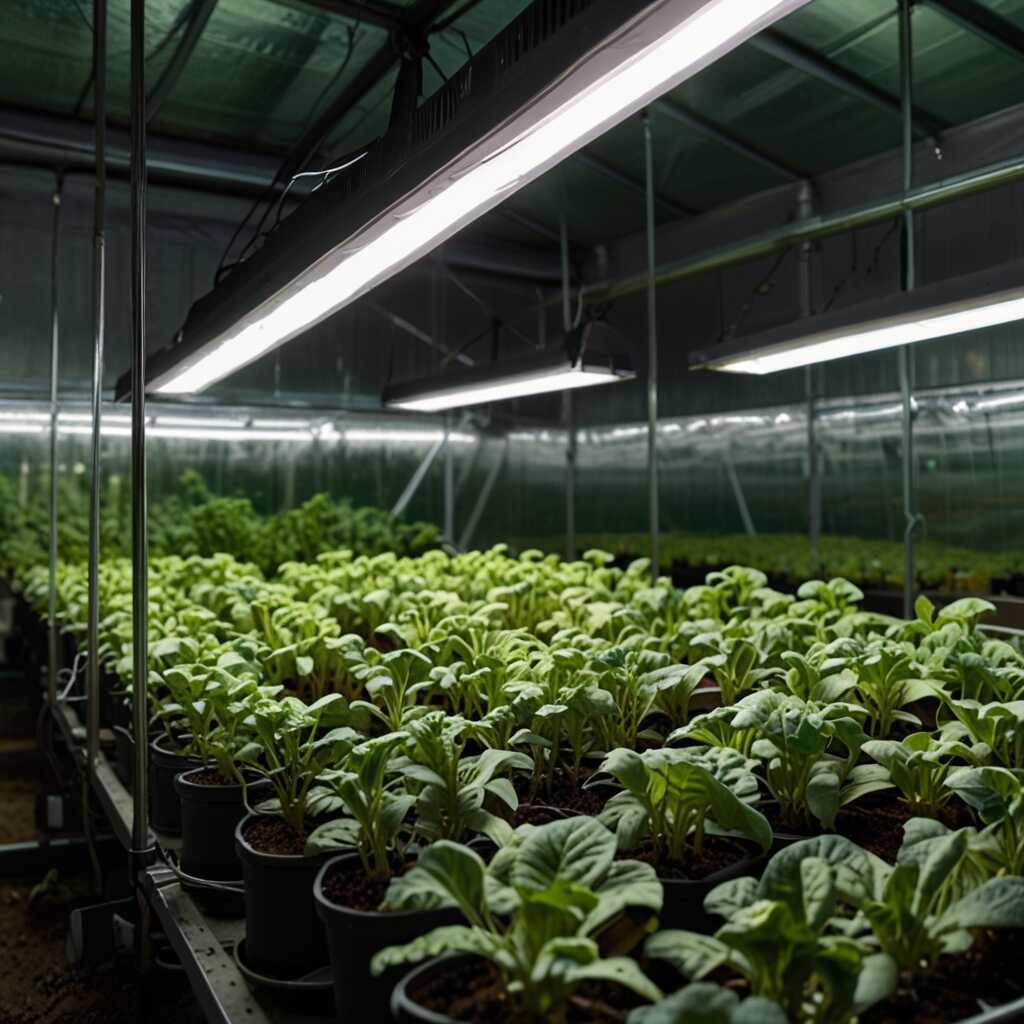
Fluorescent grow lights come in different types, notably T5, T8, and T12, each with unique features. T5 grow lights are renowned for their energy efficiency and high lumen output, making them ideal for seedling growth. T8 grow lights provide slightly less light but are commonly used in many indoor gardening setups. T12 grow lights are older technology, delivering less brightness than T5 and T8. When considering efficiency, T5 lights generally produce up to 5,000 lumens, offering reliable lighting for enhanced plant growth. Each option serves specific indoor gardening needs, ensuring users can choose the best lighting for their seedlings.
Detailed Comparison of T5, T8, and T12 Grow Lights
When comparing T5, T8, and T12 grow lights, consider their reliability and efficiency in supporting plant growth. T5 grow lights are preferred for serious indoor gardeners because they provide the most lumens per watt, making them great for seed starting. Their compact design allows for multiple bulbs in a fixture, enhancing plant coverage. T8 grow lights balance cost and performance, often used in home setups. They offer good light levels but may require more fixtures for larger grows. T12 grow lights are the least efficient, often found in older facilities. Understanding these differences helps users maximize their indoor gardening potential and select the best lighting to improve seedling growth.
Interesting Statistics on Indoor Plant Lighting
- Plants grow best with 12 to 16 hours of light daily.
- Fluorescent lights can operate for 20,000 hours or more.
- Seedlings need about 200-400 µmol/m²/s of light intensity.
- Full-spectrum lights help grow seedlings through all growth stages.
- Indoor seedlings typically double in size with proper lighting.
- Humans benefit from indoor plants, being around them increases happiness by 30%.
- Proper light can reduce the time to harvest by up to 50%.
Light Duration and Its Impact on Seedling Growth
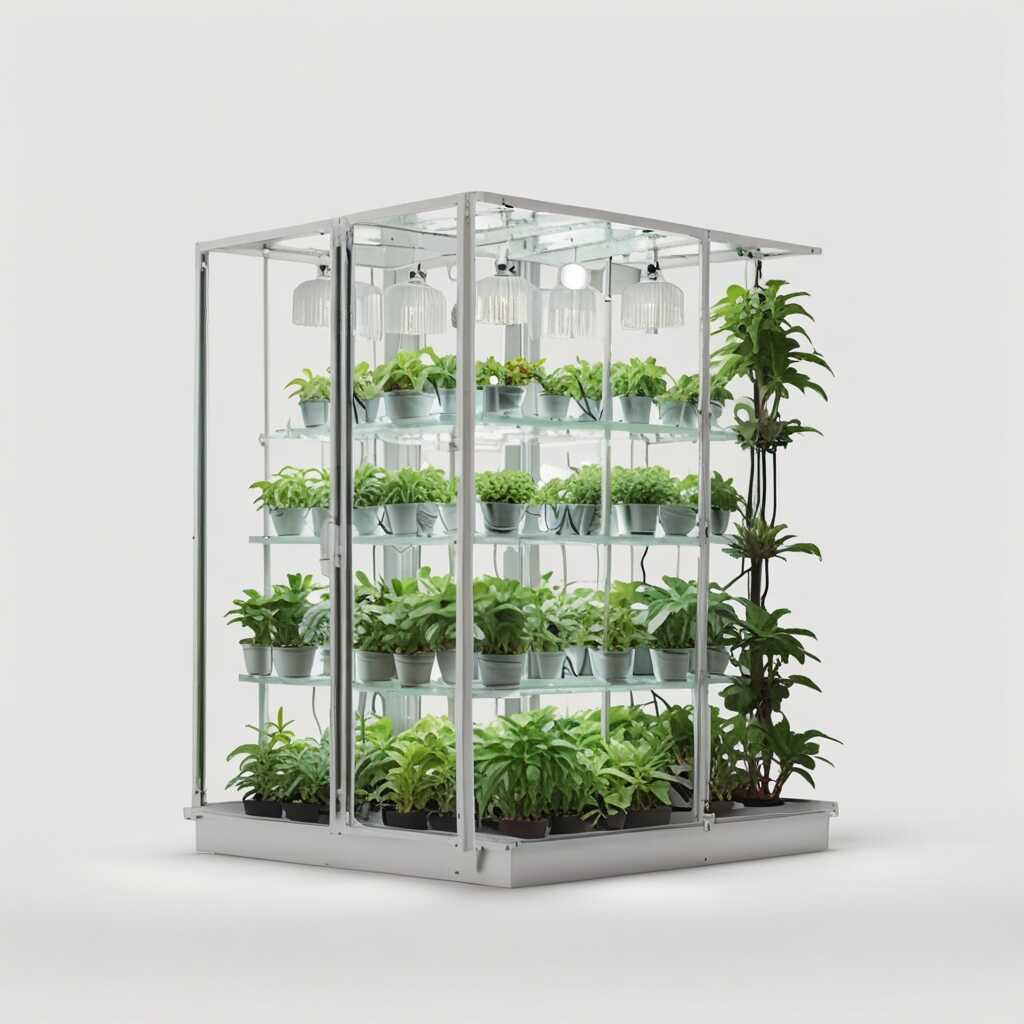
The optimal light duration for seedlings typically ranges from 12 to 16 hours each day. This ensures that seedlings receive the energy they need to grow strong and healthy. Different types of fluorescent grow lights, such as T5 and T8 tubes, can influence growth patterns. The efficiency of these lights determines how well they enhance the photosynthesis process. Maintaining a consistent light schedule will help seedlings thrive by mimicking their natural growing conditions.
Understanding Seedling Light Requirements for Optimal Growth
Seedlings require specific light conditions to achieve optimal growth rates. Fluorescent grow lights, particularly those emitting a full spectrum ranging from 400 to 700 nm, support healthy development. These lights are essential for photosynthesis, which allows seedlings to convert light energy into growth. A reliable light duration of approximately 14 hours a day has shown to enhance seedling health significantly. This ensures seedlings receive enough energy to support their rapid growth and establishes a sturdy base for future development.
Understanding Light Spectrum and Seedling Growth Stages
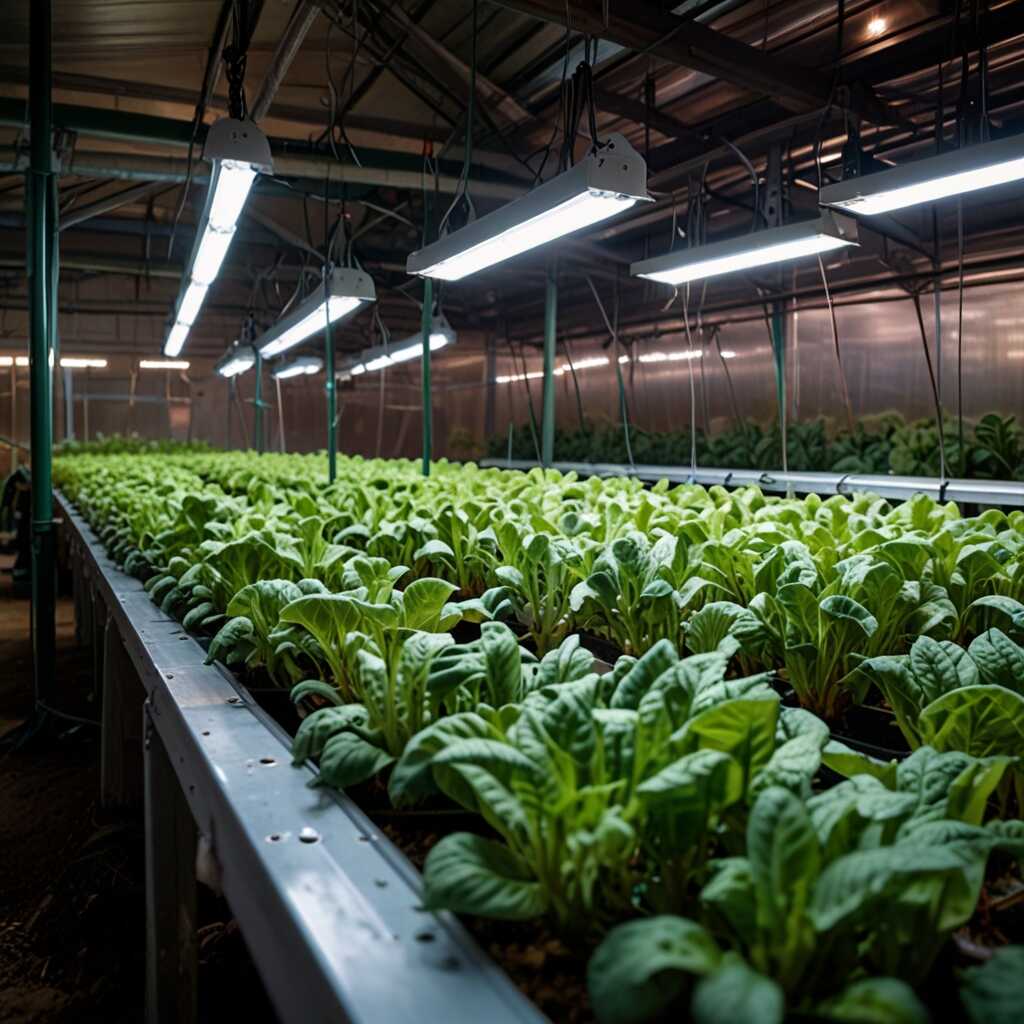
The light spectrum significantly impacts seedling growth at various stages. Different colors in the spectrum facilitate key processes. Blue light (400-500 nm) promotes vegetative growth, encouraging leafy development. Red light (600-700 nm) plays a crucial role in signaling flowering stages. Using a combination of these two colors enhances growth efficiency. Seedlings generally need about 14 to 18 hours of light per day for optimal growth. Ensuring proper light duration maximizes their photosynthesis and energy production.
Best Light Colors for Seedling Development
The best light colors for seedling development are blue and red wavelengths. Blue light primarily supports strong stem growth and lush foliage, making it essential for the vegetative phase. For the flowering stage, red light triggers blooming and fruiting processes. Using fluorescent lights designed to deliver both blue and red spectrums can enhance growth. A balanced light setup, including full-spectrum fluorescent lights, results in healthier and more productive seedlings. This strategy not only supports plant health but also reduces energy consumption.
Advantages of Using Energy-Efficient Light Sources
- Fluorescent bulbs emit less heat than traditional bulbs, reducing the risk of plant burn.
- These lights promote faster and more uniform growth in seedlings.
- Lower energy usage leads to reduced electricity bills.
- Fluorescent grow lights provide essential wavelengths for photosynthesis.
- These lights enhance plant color and vibrancy.
- Fluorescent bulbs are typically less expensive than LED lights.
- Environmentally conscious choices support sustainable gardening practices.
Energy Efficiency of Fluorescent Grow Lights
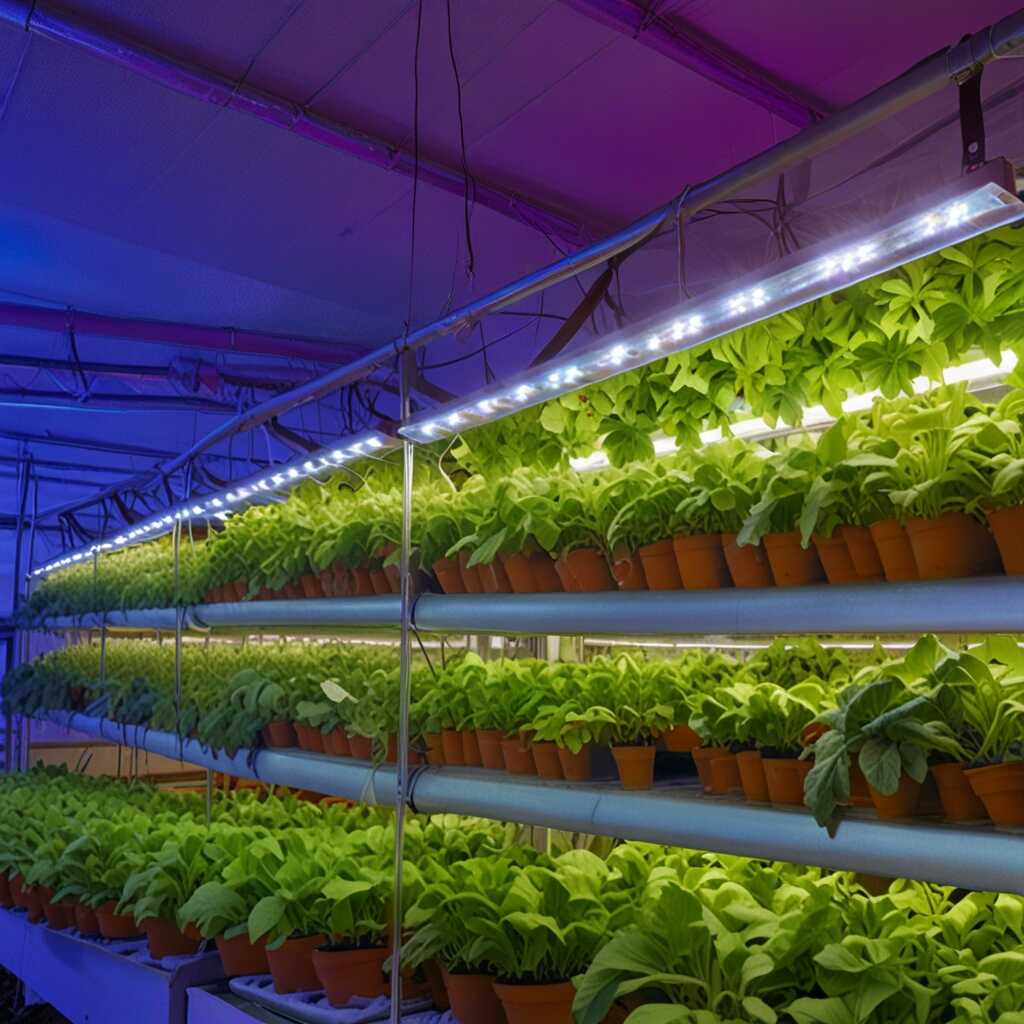
Fluorescent grow lights are known for their superior energy efficiency compared to traditional incandescent bulbs. They convert a higher percentage of energy into usable light for plants. This efficiency leads to lower electricity bills. They also produce less heat, reducing the need for cooling in indoor setups. Users can achieve better results in indoor gardening while minimizing environmental impact. This makes fluorescent grow lights a reliable choice for eco-conscious gardeners. A study showed that fluorescent lights can save around 75% more energy than incandescent bulbs. This demonstrates their effectiveness in promoting sustainable gardening practices.
Benefits of Fluorescent Grow Lights on Indoor Plant Growth
Fluorescent grow lights are designed specifically to enhance indoor plant growth. They provide a full spectrum of light, essential for all growth stages. Unlike traditional bulbs, these lights emit less heat, which helps to prevent stress on seedlings. Fluorescent grow lights deliver balanced wavelengths, ensuring photosynthesis occurs efficiently. Many growers have experienced improved seedling growth rates when using these lights. Reliable testing shows that plants grow taller and healthier under fluorescent lights. This performance makes them a great choice for indoor gardening enthusiasts looking to optimize their green spaces.
Avoiding Common Mistakes with Grow Lights
Novice indoor gardeners often make critical errors when using fluorescent grow lights. One common mistake is placing the lights too far from seedlings. The ideal distance is typically 6 to 12 inches. If the lights are too far away, seedlings will stretch toward the light, leading to weak, leggy plants. Another mistake is failing to adjust the light duration according to the plant’s growth stage. Seedlings usually need 12-16 hours of light daily for vigorous growth. Also, many beginners overlook the need for consistent light conditions. Sudden changes can stress plants and hinder healthy development. Avoiding these common mistakes helps ensure reliable growth and healthier seedlings.
Adjusting Light Duration and Distance for Seedling Success
Proper adjustment of light duration and distance is essential for maximizing seedling health. During the early stages, fluorescent grow lights should be kept 6 to 12 inches above the seedlings. This proximity provides ample light while preventing burn. Adjusting duration is equally vital; seedlings benefit from 12 to 16 hours of light each day. This balance allows seedlings to photosynthesize efficiently, developing strong roots and foliage. Additionally, tracking the seedlings’ growth will provide insights for adjusting the distance and timing. By maintaining optimal light conditions, you enhance seedling growth and overall performance.
Notable Brands and Their Key Features for Indoor Lighting
- The Hydrofarm T5 system offers adjustable height and excellent light distribution.
- Sunblaster lights are compact and great for small spaces.
- Miracle-Gro lights come with built-in timers for convenience.
- Kind LED lights are energy-efficient and have a broad light spectrum.
- Users often prefer access to local stores for convenience and immediate needs.
- Many novice growers appreciate simple setups that don’t require advanced knowledge.
- Eco-conscious individuals look for recyclability in light components.
Effective Techniques for Positioning Grow Lights
To maximize growth potential, fluorescent grow lights should generally be positioned 6 to 12 inches above seedlings. This distance enhances light exposure without causing leaf burn. The angle of the lights should be adjusted to ensure even coverage across all plants. Directing the light towards the seedlings can improve efficiency. Fluorescent grow lights should be on for about 14 to 16 hours each day. This timing offers seedlings ample light for photosynthesis while mimicking natural daylight conditions.
Optimal Placement Strategies for Grow Lights
For optimal placement strategies, use adjustable hangers to easily modify height and angle. Keeping fluorescent grow lights 6 to 8 inches away during early growth stages is ideal. Adjust the distance to 10 to 12 inches as the seedlings grow taller and more robust. Regularly check the seedlings to ensure they are not stretching excessively towards the light, a sign they need more intensity. Using a timer helps ensure lights are consistently on for 14 to 16 hours daily. This consistency provides plants with a reliable light cycle, enabling strong and healthy growth.