
Calculating the ideal light intensity for greenhouse plants is crucial for their growth and health. By understanding the specific lighting needs of different plant varieties, you can create an optimal environment that enhances their yield. Green Writer provides practical resources and expert advice to help greenhouse growers and indoor gardening enthusiasts determine the right light intensity for their plants. Our commitment to sustainability also ensures that your gardening practices contribute positively to the environment.
Understanding the Role of Light Intensity in Plant Growth
Light intensity plays a vital role in the photosynthesis process. Photosynthesis is how plants transform light energy into chemical energy. Sufficient light intensity ensures that plants can absorb enough energy to grow healthy. Inadequate light can hinder growth stages, affecting overall health and yield. Different light sources, like LED grow lights and fluorescent bulbs, impact plant growth in various ways. LED lights are energy efficient and provide full spectrum lighting essential for facilitating photosynthesis at every growth stage. Common greenhouse plants like tomatoes and peppers thrive at light intensities between 200-800 µmol/m²/s, depending on their growth stage. Understanding these optimal ranges is crucial for maximizing growth and yield.
Choosing the Right Light Source for Greenhouse Plants
When selecting a light source for greenhouse plants, consider factors like energy efficiency and spectral output. LED grow lights offer significant advantages due to their designed efficiency and longevity, lasting over 50,000 hours. They provide the essential light spectrum that enhances photosynthesis across different growth stages. Fluorescent lights can also be useful but generally have a shorter lifespan and less efficiency compared to LEDs. Proper placement of lights is crucial to achieve optimal light intensity. Hanging lights too high can reduce their effectiveness, while placing them too low can cause overheating. Using a light meter can assist in determining ideal light levels for specific plants and growth stages.
Tools and Techniques for Measuring Light Intensity
Several tools can measure light intensity effectively in a greenhouse. These include handheld light meters, smartphone apps, and electronic sensors. Handheld light meters provide reliable and precise readings, essential for testing various light conditions. Smartphone apps can offer useful estimates, but their accuracy may vary based on the device used. Electronic sensors are designed for continuous monitoring, providing data that helps in making informed decisions about greenhouse lighting. To ensure optimal lighting for plants, understanding the reliability of different tools is crucial. Research shows that professional-grade handheld meters are often the best, delivering very good accuracy. This reliability enhances confidence in your lighting setup.
Choosing the Right Light Meter for Your Greenhouse
Selecting the right light meter can improve your greenhouse’s effectiveness. Consider factors like accuracy, durability, and ease of use when comparing meters. A good light meter should provide accurate light readings in micromoles per square meter per second, which is essential for effective plant growth requirements. Look for models that have been tested for reliability. Reviews highlight that meters with a wide light spectrum can handle the needs of various plants. Also, some meters offer data logging, enhancing monitoring efficiency over time. Using a reliable light meter can greatly enhance your plant care experience, ensuring optimal lighting for each growth stage.
Key Factors Influencing Light Intensity Needs
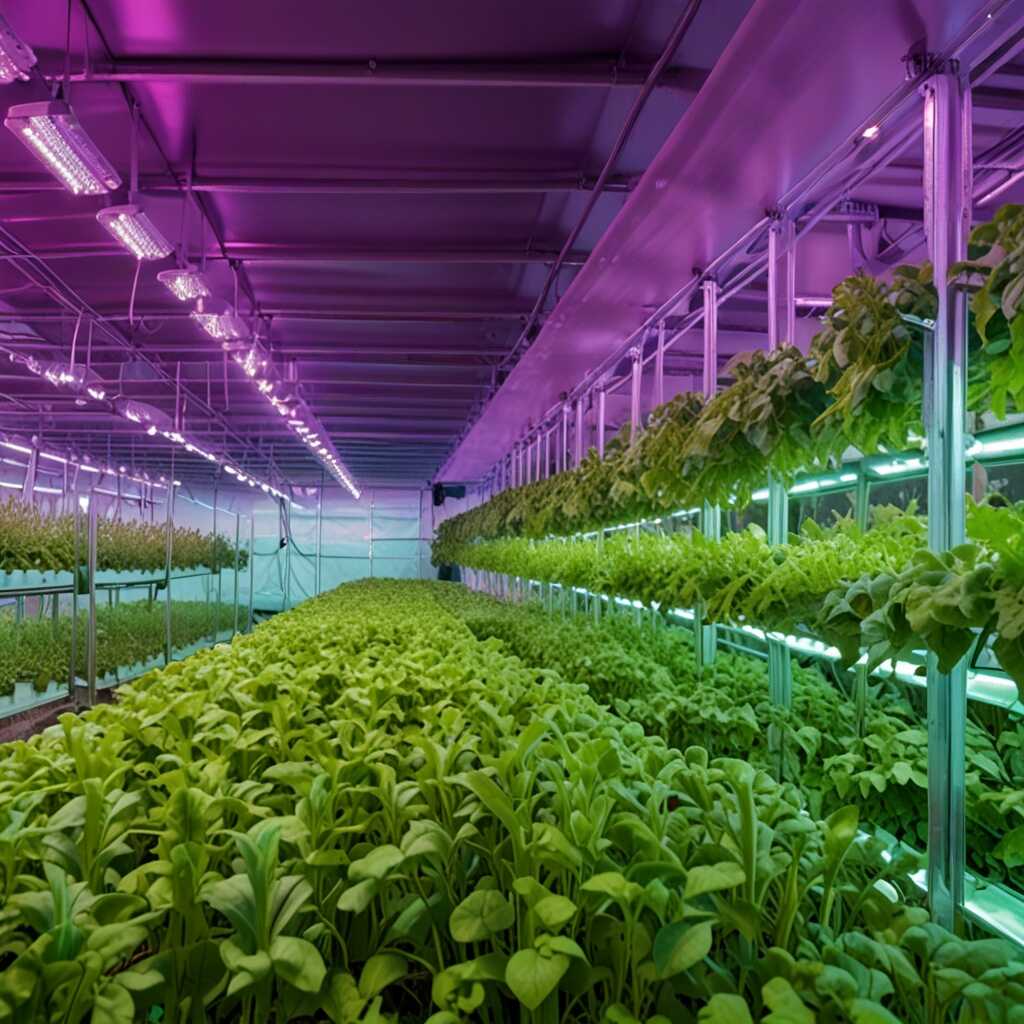
Light intensity needs of plants depend on various environmental factors. Key factors include light duration, light quality, temperature, humidity, and plant variety. Different greenhouse plant varieties, such as tomatoes and peppers, have specific light intensity preferences. Tomatoes thrive with about 600-900 micromoles per square meter per second, while peppers grow well with 400-700 micromoles. Understanding these factors helps customize lighting strategies for ensuring optimal growth conditions for each plant.
Specific Light Intensity Requirements for Popular Greenhouse Plants
Popular greenhouse plants like basil, lettuce, and cucumbers each require different light intensities for their best performance. Basil prefers around 500-700 micromoles, while lettuce thrives with 200-300 micromoles. Cucumbers need approximately 300-800 micromoles for optimal growth. Research indicates that proper light conditions enhance plant health and yield significantly. By providing the right light intensity, greenhouse growers can achieve great results and improved satisfaction from their plants.
Key Numerical Insights for Optimal Plant Growth
- Most greenhouse plants need light intensity levels between 200-800 µmol/m²/s.
- For leafy greens, aim for 200-400 µmol/m²/s for healthy growth.
- Flowering plants typically thrive with 400-600 µmol/m²/s of light.
- Vegetative state of plants may require 300-500 µmol/m²/s of light intensity.
- Consider a light duration of 12-16 hours a day for optimal growth.
- Adjust light intensity according to seasonal changes and plant type.
- Measure light intensity regularly with a PAR meter for accuracy.
Selecting Appropriate Grow Lights for Your Plants
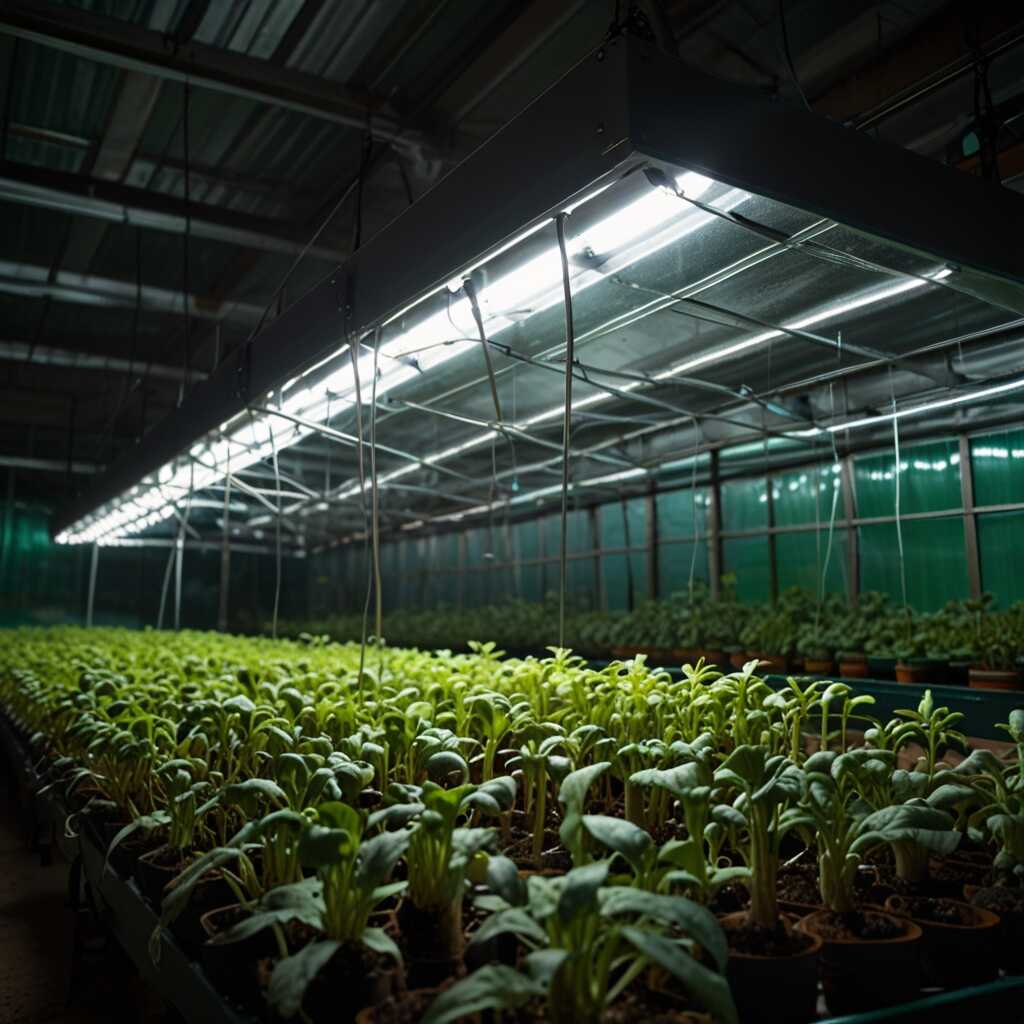
When choosing grow lights for greenhouse plants, understanding the options available is essential. LED grow lights are efficient, lasting over 50,000 hours, and provide a full spectrum of light that is beneficial for all growth stages. On the other hand, fluorescent light systems offer a different approach. They are less expensive and generally good for seedlings and herbs. However, their lifespan and energy efficiency fall short compared to LEDs. The ideal light intensity for plants varies but is typically around 2,000 to 4,000 lumens per square foot for optimal growth. Selecting the right type ensures that plants receive the adequate light they need for healthy growth.
Understanding the Differences Between LED and Fluorescent Grow Lights
LED grow lights deliver targeted wavelengths essential for plant photosynthesis, enhancing growth during all stages. They use less energy, which lowers your electricity bill. In contrast, fluorescent lights generate more heat and can require more frequent replacement. Both types provide unique benefits. It is crucial to consider your plants’ specific light intensity needs and growth stages when making a decision. Research shows that a good combination may involve using LEDs for flowering and fluorescents for seedling growth to optimize performance. Taking the time to compare features ensures that you choose the best lighting system for your greenhouse.
Benefits of Full Spectrum Lighting for Plant Health
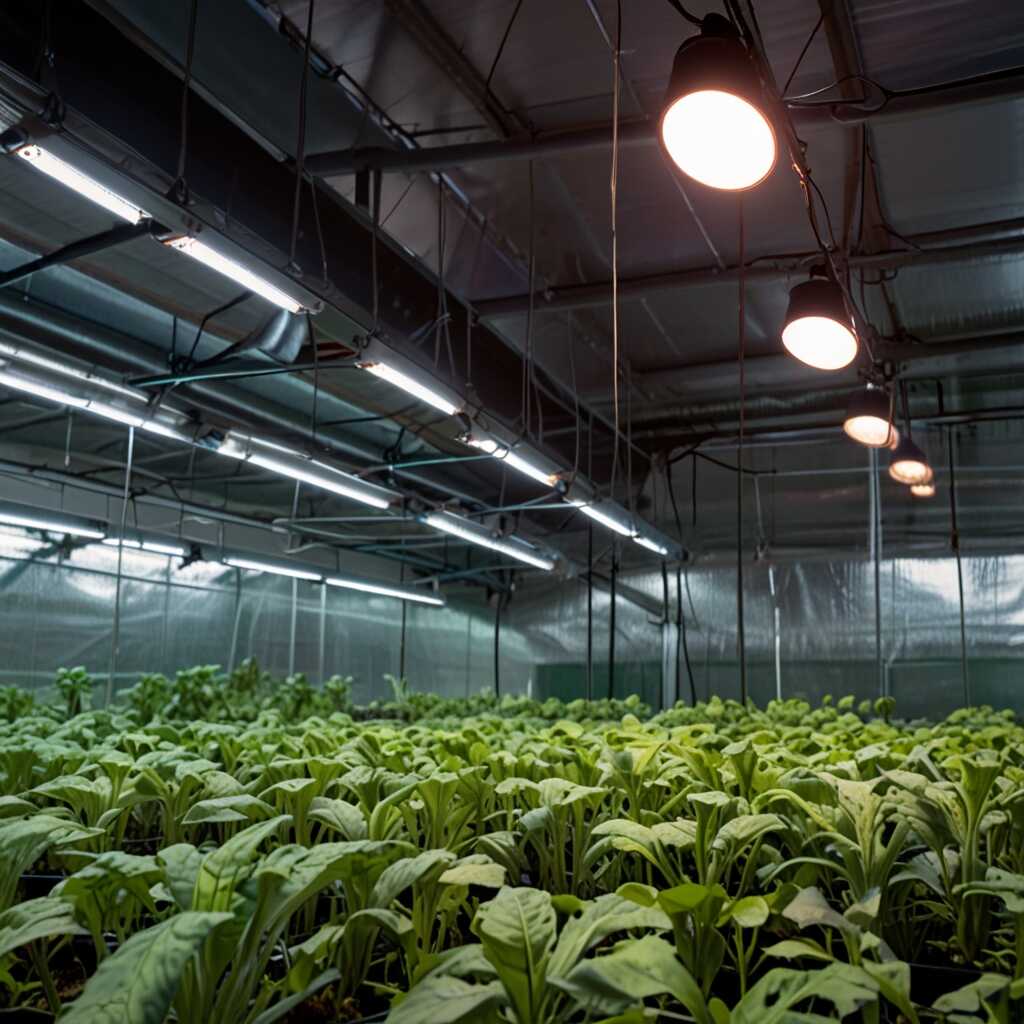
Full spectrum lighting provides essential support to plant health throughout various growth stages. It encompasses different wavelengths that significantly impact photosynthesis, enabling plants to produce their food efficiently. Research shows that blue light fosters vegetative growth by promoting leaf development. In contrast, red light enhances blooming and fruiting processes. Each light color offers specific benefits, ensuring your greenhouse plants thrive. For many species, using full spectrum lighting can improve growth rates and yields, resulting in healthier plants overall.
Understanding the Role of Light Wavelengths in Plant Development
Different light wavelengths are crucial in determining how plants respond to lighting conditions. Blue light, ranging from 400-500nm, is vital for chlorophyll synthesis, improving photosynthesis and robust leaf growth. Red light, from 600-700nm, supports flowering and fruit production by triggering growth hormones. Green Writer recommends using a balanced mix of these wavelengths for optimal results. In practical terms, this balance enables each plant species to achieve its best performance, enhancing overall health and productivity. Reliable full spectrum lighting fixtures are designed to deliver these essential wavelengths efficiently, ensuring your greenhouse’s success.
Advantages of Assessing Illumination Levels for Plants
- Proper light exposure boosts photosynthesis and plant vitality.
- It enhances growth rates and yields, leading to healthier harvests.
- Using optimal light levels reduces stress on plants, increasing resilience.
- Identifying lighting needs tailors care specific to plant varieties.
- Growers save energy costs by using only necessary light levels.
- Understanding light intensity helps manage pests and diseases better.
- It allows for better planning and scheduling of greenhouse activities.
Creating an Optimal Light Environment in Your Greenhouse
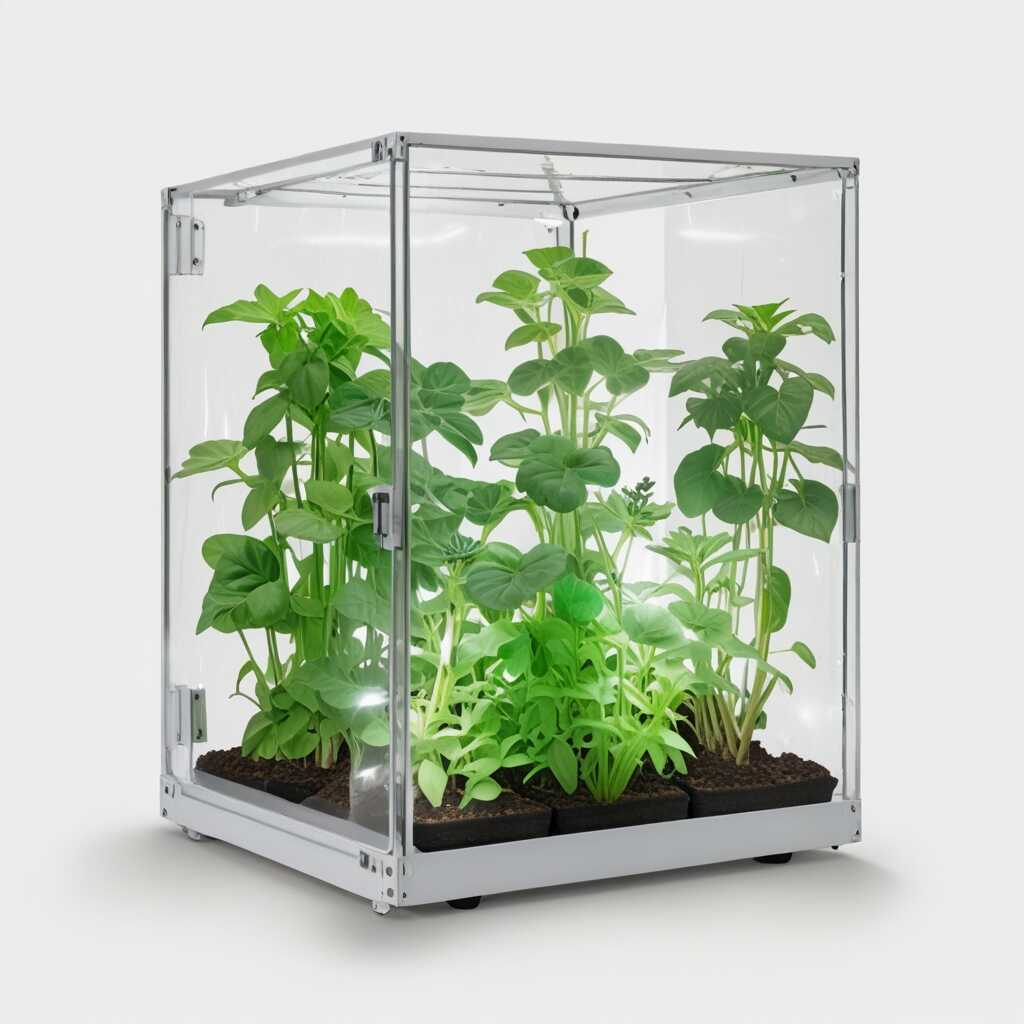
To optimize light exposure for different plant species in your greenhouse, consider their unique requirements. Each plant has different light intensity needs. For example, leafy greens thrive under low to moderate light, while flowering plants often require higher light levels. Understanding this helps ensure that you meet their specific needs. Ideal light intensity ranges also play a significant role. Most vegetables need around 200-600 μmol/m²/s of light, herbs generally prefer 300-800 μmol/m²/s, and flowering plants can benefit from light intensities of 400-1000 μmol/m²/s. Furthermore, quality light exposure duration is crucial; most greenhouse plants require 12-16 hours of light daily for optimal growth. This will enhance their health and improve yields.
Understanding Light Intensity Needs for Each Plant Type
Understanding the light intensity needs for each plant type enhances their overall growth. Leafy greens, like spinach and lettuce, thrive best with moderate light at 200-400 μmol/m²/s. Herbs such as basil and thyme flourish under higher intensities of 300-800 μmol/m²/s. Flowering plants like tomatoes require even more light, often reaching 600-1000 μmol/m²/s. Maintaining these levels ensures plants produce vigorous growth and abundant yields. Use a light meter to measure the intensity accurately. Adjusting your greenhouse setup allows you to provide the right light exposure through the seasons, promoting healthy plant development.
Adjusting Light Intensity Throughout the Seasons
Light intensity shifts during the year due to changes in natural daylight. During spring and summer, temperatures rise, leading to longer days. Most greenhouse plants thrive in bright light during these seasons. Common plants like tomatoes and peppers require around 12-16 hours of light daily to grow well. In the fall and winter, light diminishes and plant growth slows down. Adjusting light intensity is crucial to accommodate these changes. Add artificial light sources such as LED grow lights to maintain 8-10 hours of light during darker months. Varieties like leafy greens may adjust better to lower light levels than flowering plants, which need higher intensities.
Key Factors in Seasonal Light Adjustments
Consider factors like the geographical location and time zone when adjusting light intensity. Northern regions may experience significant changes in light availability, affecting plant health. Use light meters to measure intensity accurately in foot-candles. For spring and summer, aim for 1500-5000 foot-candles for most flowering plants. For the fall and winter, reduce this to around 1000 foot-candles. This method ensures plants receive the right amount of light throughout the seasons, maximizing their growth potential. Regular testing helps maintain optimal conditions, enhancing plant vitality and yield.
Brands and Demographics Impacting Lighting Choices
- Hydrofarm makes quality LED grow lights, known for their efficiency.
- Germicidal lights design products tailored for serious horticulturists.
- Beginner gardeners favor simple plug-and-play grow lights for ease.
- Commercial growers often require high-output solutions for large areas.
- Eco-conscious consumers look for sustainable options that reduce energy use.
- Educational institutions explore light intensity measurements for research.
- Greenhouse enthusiasts appreciate products that combine function and style.
Avoiding Common Mistakes in Plant Lighting Management
Many greenhouse growers make critical mistakes in light intensity management. One common mistake is using the same light intensity for all plant types. Different plants have unique growth requirements. For instance, tomatoes need higher light levels than leafy greens. Another mistake is not adjusting light levels during different growth stages. Seedlings require lower intensity, while mature plants thrive in brighter conditions. Failing to monitor light duration can also lead to poor plant health. Too much light can cause stress, while too little inhibits growth. Always ensure to adjust light intensity and duration according to individual plant species.
Understanding Light Intensity Needs for Different Plants
Different greenhouse plant varieties have specific light intensity needs. For instance, vegetables like tomatoes often thrive between 600-800 µmol/m²/s. In contrast, herbs such as basil may only need 300-400 µmol/m²/s. Research shows that light intensity can directly influence plant growth, yield, and quality. Understanding these requirements helps improve plant health and yield. Testing different plant species can lead to optimal conditions. To ensure successful growth, always check specific light requirements for each plant. Incorporating monitoring tools can provide valuable data on light exposure.