Green Writer is reader-supported: some links on this page are affiliate links, and as an Amazon Associate Green Writer earns from qualifying purchases at no extra cost to you. Learn more.
Grow lights effectively extend greenhouse growing seasons by providing essential light for plants during darker months. These lights simulate sunlight, helping plants thrive and flourish all year round. At Green Writer, we focus on the benefits of energy-efficient lighting, especially in indoor gardening and greenhouse operations. Understanding how grow lights enhance plant growth can lead to better yields and a more sustainable gardening experience.
Understanding How Grow Lights Influence Plant Growth Stages
Grow lights serve essential functions in indoor gardening, promoting healthy plant growth by mimicking natural sunlight. They provide the necessary light spectrum for various growth stages, including germination, vegetative, and flowering phases. Different plant species require specific light colors that correspond to their developmental needs. For instance, blue light supports leaf growth, while red light induces flowering. The proper duration of light exposure is crucial, with most plants thriving on 12 to 16 hours of light daily. By ensuring optimal lighting conditions, growers can enhance plant health and yield.
Light Spectrum and Plant Species Needs
The light spectrum plays a significant role in plant growth. Plants use specific wavelengths for photosynthesis, primarily in the red (600-700 nm) and blue (400-500 nm) ranges. For indoor gardeners using grow light technology, understanding these needs helps improve performance and plant health. Different species, such as succulents and leafy greens, have specific light requirements. For example, leafy greens thrive under blue spectrum light, while flowering plants require more red spectrum light for optimal development. Using the right combination within the indoor gardening lighting setup will ensure the best results for diverse plant types.
The Many Benefits of Using LED Grow Lights in Greenhouse Environments
LED grow lights offer several advantages in greenhouse environments. Their energy efficient lighting consumes less electricity compared to traditional bulbs. This efficiency leads to significant savings on energy bills, allowing greenhouse operators to allocate resources elsewhere. LED grow lights also have an impressive long lifespan of over 50,000 hours. This durability means fewer replacements, reducing waste and minimizing maintenance costs. Research shows that LED grow lights enhance plant growth by delivering the right wavelengths, supporting photosynthesis and healthy development. They also generate less heat, ensuring a stable environment for plants. These factors make LED grow lights a smart choice for greenhouse operators looking to maximize productivity and sustainability.
What Makes LED Grow Lights Effective for Plant Growth?
LED grow lights are effective due to their ability to emit specific light spectrums that cater to different stages of plant growth. The full spectrum offered by these lights includes essential wavelengths ranging from blue to red, which are crucial during various growth phases. Blue light encourages vegetative growth while red light promotes flowering and fruiting. These tailored wavelengths improve photosynthesis, resulting in healthier and more robust plants. Additionally, the lower heat output prevents temperature spikes, reducing the risk of heat stress on plants. Studies confirm that greenhouse plants under LED grow lights show a 20-30% increase in growth rate compared to those under conventional lighting. This reliability provides growers with consistent and proven results for their indoor gardening efforts.
Guidelines for Selecting the Ideal Grow Lights for Your Greenhouse Needs
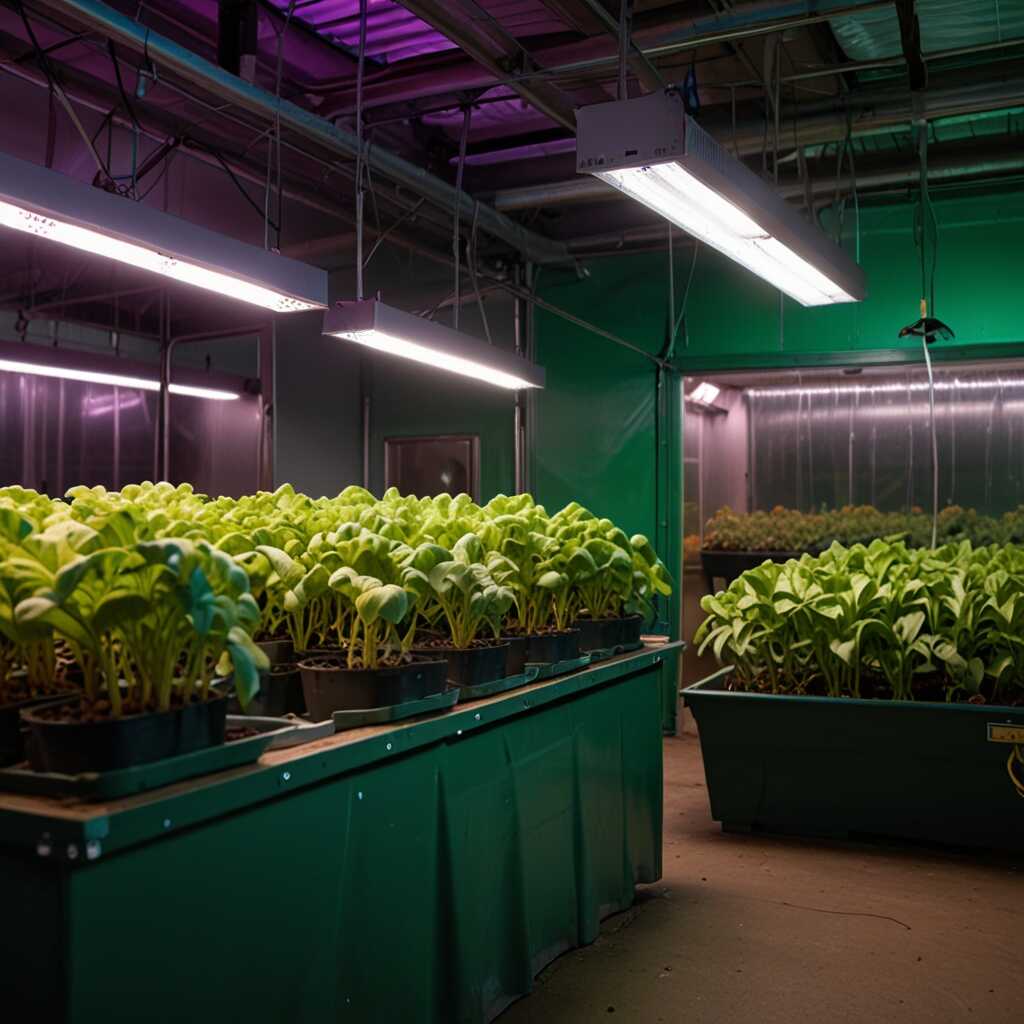
When selecting grow lights for your greenhouse, consider factors like light spectrum, wattage, and bulb type. The light spectrum indicates the wavelengths of light that plants require for photosynthesis and growth. Different plants may need varying spectra at different growth stages; for instance, blue light promotes vegetative growth, while red light encourages flowering. LED grow lights are highly efficient and have a long lifespan, making them a popular choice for greenhouse operators. In terms of wattage, most plants thrive with about 20-30 watts per square foot, ensuring adequate light penetration without overheating your plants.
Understanding Light Spectrum Requirements for Different Plants
Understanding the specific light spectrum needs of your plants is crucial for their successful growth. Most plants require a balance of blue and red light wavelengths. Blue light (400-500nm) is essential during the vegetative stage, as it supports leaf development. Red light (600-700nm) plays a vital role during the flowering stage, aiding in fruit and bud production. Some grow lights offer full spectrum support, mimicking natural sunlight and providing all necessary wavelengths in one fixture. By choosing lights with adjustable spectrums, you can enhance various growth stages effectively. This adaptability makes LED grow lights ideal for dynamic greenhouse environments.
Statistics Related to Light Use in Horticulture
- Grow lights can increase plant growth speed by 30-50% compared to natural light.
- Grow lights can extend the growing season by several months.
- LED lights consume up to 80% less energy than traditional grow lamps.
- Plants exposed to full-spectrum lighting often yield 20% more produce.
- Many grow lights last over 50,000 hours, reducing replacement costs.
- Utilizing heat from grow lights raises greenhouse temperatures by 5-10°F.
- A single LED grow light can cover a growing area of about 4 square feet.
Techniques for Optimizing Growing Seasons with Grow Lighting
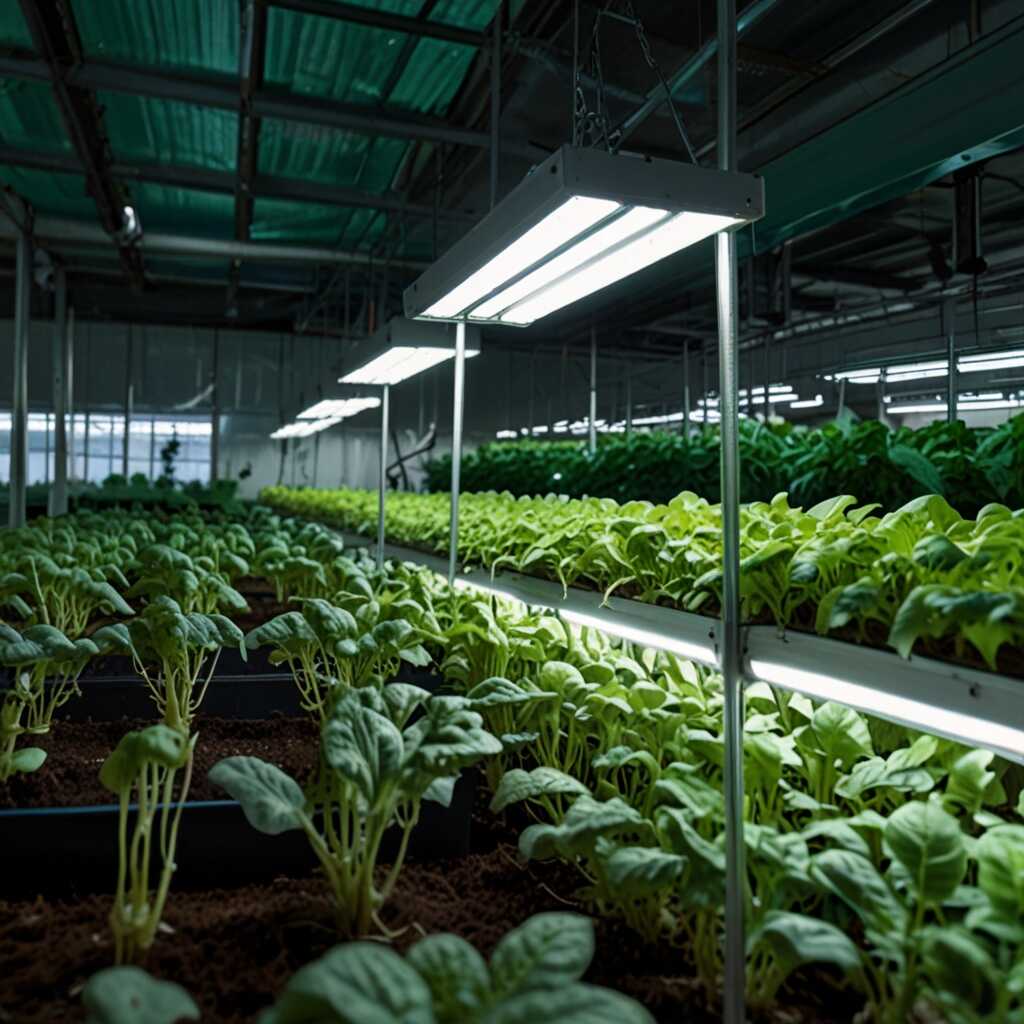
Using grow lights can significantly enhance your greenhouse’s growing seasons. Proper timing is essential. Place grow lights to target specific plant growth stages. For instance, use a full spectrum grow light during the initial vegetative stage. For flowering, shift to a light that emphasizes reds and oranges. Indoor gardeners should manage light exposure carefully. Most plants thrive with 12 to 16 hours of light daily. Some tropical plants may need more, while others may do well with less. Rotate plants periodically to ensure even light exposure and prevent leggy growth. Energy-efficient lighting options help reduce electrical costs while maintaining performance.
Understanding Light Spectrum for Plant Growth
Understanding light spectrum is essential for optimizing plant growth. Full spectrum lights provide a balance of wavelengths from 400 to 700 nanometers. This range supports both photosynthesis and flowering. Different plants have unique light needs during various growth stages. For instance, leafy greens like lettuce thrive best under cooler light temperatures, while fruiting plants like tomatoes require warmer light. Quality LED lights can deliver specific wavelengths to meet these requirements, improving efficiency and reducing energy consumption. Regularly testing and adjusting your grow light setup can ensure optimal performance. Look for grow lights with a proven track record for reliability and effectiveness.
Identifying and Avoiding Common Pitfalls with Grow Lights
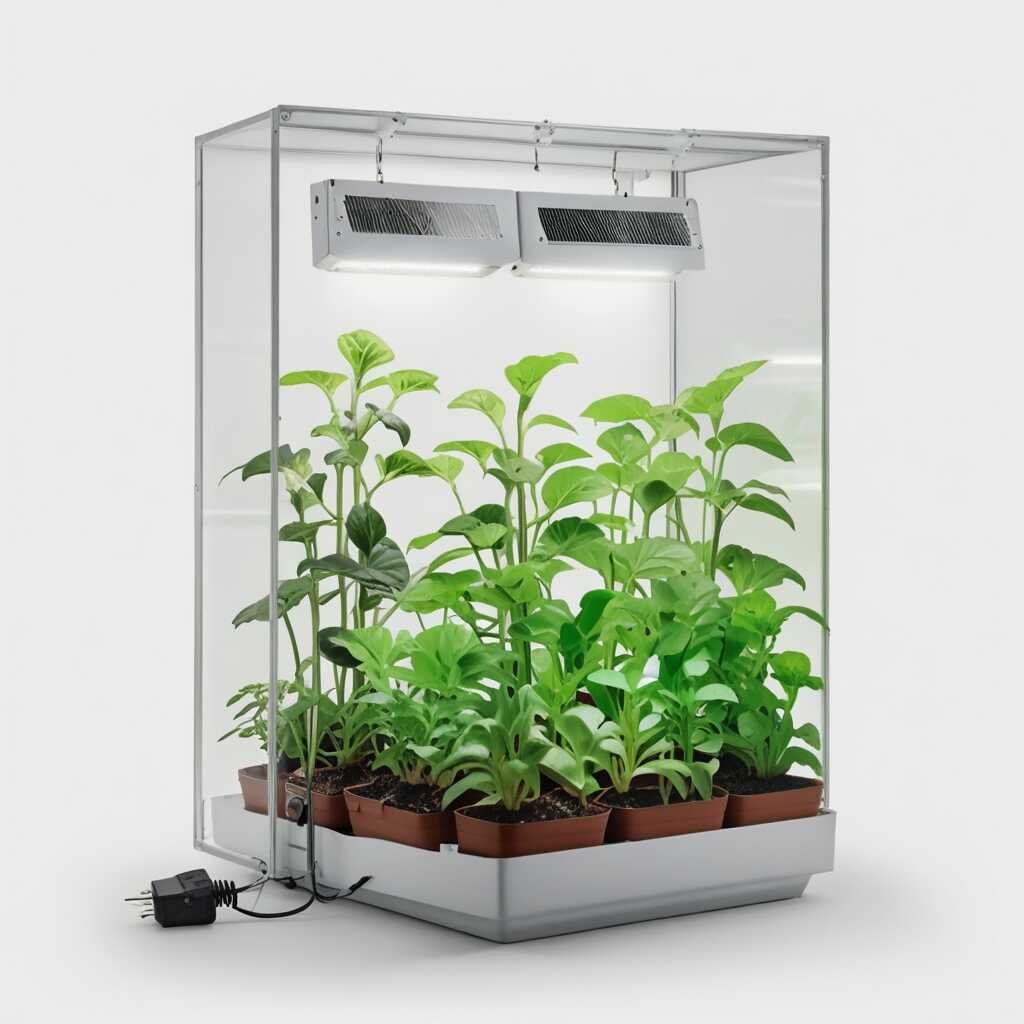
Many gardeners make common mistakes when using grow lights. Issues include improper light placement, inadequate spectrum selection, and overexposure or underexposure of plants to grow lights. Effective light positioning is essential for optimizing plant growth. Gardeners should consider factors such as the light requirements of specific plants, ensuring they receive the right amount of light at the right distance. For example, some plants thrive with full-spectrum light, while others prefer a more narrow wavelength. Learning from expert reviews helps identify what works best for different species. Misjudging distances can lead to poor results. For best results, position lights typically 12 to 24 inches from the top of plants, depending on their stage of growth.
Optimal Light Distance and Placement
Understanding the optimal distance between grow lights and plants is crucial for promoting healthy growth and maximizing efficiency. Each light type has specific guidelines. For instance, fluorescent lights should be placed around 6 to 12 inches above the soil, while LED grow lights can be safely positioned 12 to 24 inches above plants. Adjusting the distance based on plant height and growth stage ensures they receive adequate light without causing damage. This approach enhances photosynthesis, enabling plants to reach their full potential. Utilizing energy-efficient lighting options improves both the quality and quantity of light delivered while reducing energy costs.
Advantages of Artificial Lighting for Plant Growth
- Energy-efficient lights help lower electricity bills for greenhouse operators.
- Grow lights support year-round crop production regardless of weather.
- They provide tailored light wavelengths for optimal growth phases.
- Plants grown under grow lights tend to develop stronger root systems.
- They enable home gardeners to cultivate exotic plants not suited for local climates.
- Grow lights reduce dependency on natural sunlight, eliminating season limits.
- The adjustable brightness of lights caters to various plant needs easily.
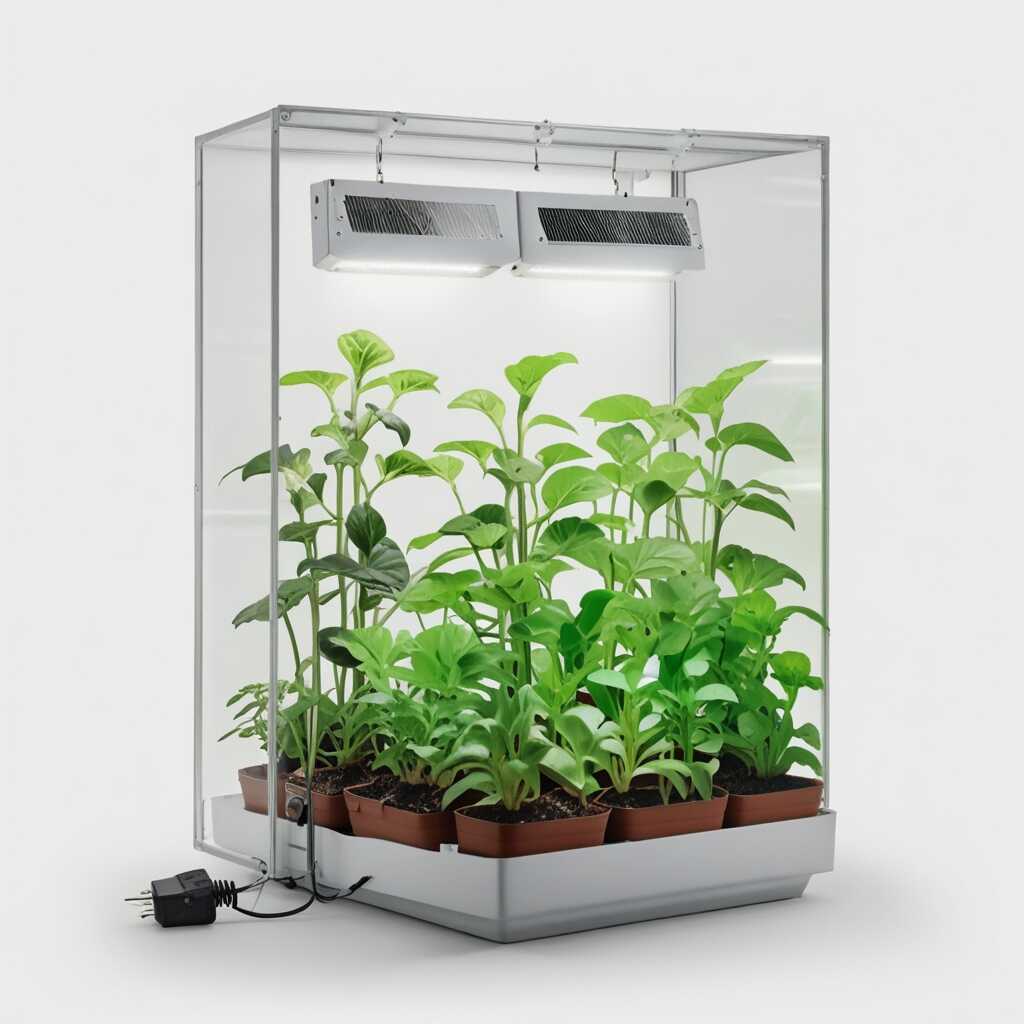
The Importance of Light Spectrum in Plant Development
Different light spectrums play essential roles in various stages of plant growth. For instance, blue light (400-500nm) significantly encourages vegetative growth, while red light (600-700nm) boosts flowering. Understanding these spectrums helps indoor gardeners choose effective lighting strategies for their greenhouses. Specific plants like tomatoes benefit from balanced blue and red wavelengths, whereas leafy greens such as lettuce thrive under more blue light. The optimal light spectrum range for enhancing flowering is typically around 600-700nm. This core knowledge offers indoor gardeners the reliability to create healthy, thriving plants, maximizing overall greenhouse efficiency.
Choosing the Right Spectrum for Your Plants
To achieve optimal growth conditions, selecting the correct light spectrum based on plant types is crucial. Full spectrum lighting provides a balanced mix that supports all growth stages. For example, using grow lights with a spectrum that includes both blue and red wavelengths ensures that plants like herbs experience robust growth when transitioning from seedlings to maturity. Research shows that using a good combination of red and blue light improves photosynthesis rates, resulting in healthier plants faster. Understanding plant light needs helps enhance efficiency in greenhouse operations and ensures successful harvests.
How to Ensure Energy Efficiency with Your Grow Lighting Choices
To ensure energy efficiency in greenhouse grow lighting, focus on using energy-efficient grow lights, such as LEDs. LED lights use significantly less electricity compared to traditional fluorescent lighting, providing the same light intensity. When selecting grow lights, consider their wattage and ensure that they include features designed to enhance energy efficiency. Regular maintenance, including cleaning light fixtures, can also improve performance and ensure consistent light output. Implementing timers for lighting schedules can prevent excessive usage, further reducing energy consumption.
Comparing LED and Fluorescent Grow Lights for Energy Efficiency
LED versus fluorescent comparison shows that LED grow lights consume up to 75% less energy than fluorescent models. The lifespan of LED lights commonly exceeds 50,000 hours, compared to 15,000 hours for fluorescent lights. This longevity translates to lower replacement costs and less frequent disposal, benefiting sustainability. For optimal results, research reliable brands that provide comprehensive energy savings data. Testing different setups can reveal which lighting configuration offers the best performance while maintaining energy efficiency.
Preferences and Profiles of Indoor Plant Enthusiasts
- Homeowners prioritize sustainable solutions for gardening and energy efficiency.
- Urban dwellers often seek indoor gardening due to space limitations.
- Eco-conscious consumers prefer energy-efficient grow lights for less impact.
- Greenhouse operators rely on grow lights to ensure consistent crop yields.
- Beginners appreciate simple-to-use lights for growing easy-care plants.
- Schools engage in gardening projects utilizing grow lights for education.
- Families cultivate indoor gardens to teach children about sustainability.
Real-Life Success Stories from Greenhouse Growers Utilizing Lights
Greenhouse growers have shared impressive testimonials about using grow lights, highlighting their effectiveness. Many reported increased yield due to controlled light conditions. Some growers experienced improved plant growth duration, allowing for multiple harvests within a year. For instance, a grower in Oregon mentioned that the use of LED grow lights led to a 30% increase in harvest size. By offering a full spectrum of light, these lamps enabled plants to flourish through different growth stages, from seedlings to flowers. They specifically noted the energy efficiency of LED options, which lowered their electricity bills while enhancing plant health and productivity.
How Grow Lights Enhance Plant Growth for Greenhouse Operations
Grow lights play a crucial role in enhancing plant growth for greenhouse operations. By providing full-spectrum light, these lights support essential processes like photosynthesis. Greenhouse growers discovered that using grow lights effectively allows them to tailor light exposure to each plant type. For example, leafy greens typically thrive with 14-16 hours of light, while flowering plants benefit from a slightly shorter cycle. This tailored approach not only improves growth rates but also enhances the overall quality and flavor of the harvest. Growers utilizing LED technology reported longer lifespan and greater reliability, contributing to sustainable practices throughout their cultivation processes.