
Wireless light monitoring systems offer significant benefits for remote growers, transforming how they manage plant growth.
These innovative technologies enhance energy efficiency and simplify monitoring tasks for those in challenging locations.
At Green Writer, we emphasize how these systems can help commercial growers optimize their indoor and outdoor gardening efforts.
By integrating wireless solutions, growers can maximize plant health while adopting sustainable practices essential for the environment.
Overview of Wireless Light Monitoring Technology for Agriculture
Wireless light monitoring systems include sensors, communication protocols, and data analysis tools. These components work together to monitor and manage light levels crucial for plant growth. The technology helps optimize growing conditions, especially in challenging environments. By utilizing real-time data, growers can enhance plant development across various crops, ensuring they receive the right light spectrum and intensity. Researchers have proven that using wireless systems can lead to significant energy efficiency improvements, often exceeding 25% compared to traditional methods.
Key Features of Wireless Light Monitoring Systems
Wireless light monitoring systems come equipped with advanced sensors that accurately measure light intensity and quality. They are designed to collect data from multiple locations, making them invaluable for remote growers. These systems often include features such as alerts for low light conditions and customized light schedules. Easy installation and reliability offer growers peace of mind. These improvements not only support optimal plant growth but also facilitate better resource management. For example, integrating this technology with energy-efficient LED grow lights can maximize growth while minimizing energy use, ensuring that the technology effectively enhances overall agricultural performance.
Key Benefits of Light Monitoring Systems for Commercial Growers
Wireless light monitoring systems provide essential energy efficiency improvements for remote growers. By optimizing light exposure, these systems help enhance crop yields significantly. Growers experience increased productivity because light monitoring technology adjusts lighting according to plant needs. This tailored approach ensures that plants receive precise light spectrums for enhanced growth. Reports show that implementing these systems can lead to energy cost savings totaling hundreds of dollars each year. Ensuring efficient light usage reduces wastage, supporting sustainability goals for commercial operations.
How Wireless Technology Enhances Monitoring and Management in the Field
Wireless light monitoring tools enable remote growers to track light conditions easily and in real-time. These systems can handle challenging environments by providing reliable data on light exposure levels. Growers can monitor multiple grow areas from their devices, improving management efficiency. Wireless systems are designed to provide alerts when light levels deviate from optimal ranges. This immediate feedback enables growers to make timely adjustments that maximize growth potential while minimizing energy consumption. Solutions available today include sensors and mobile platforms that deliver quality insights, ensuring the best growing conditions.
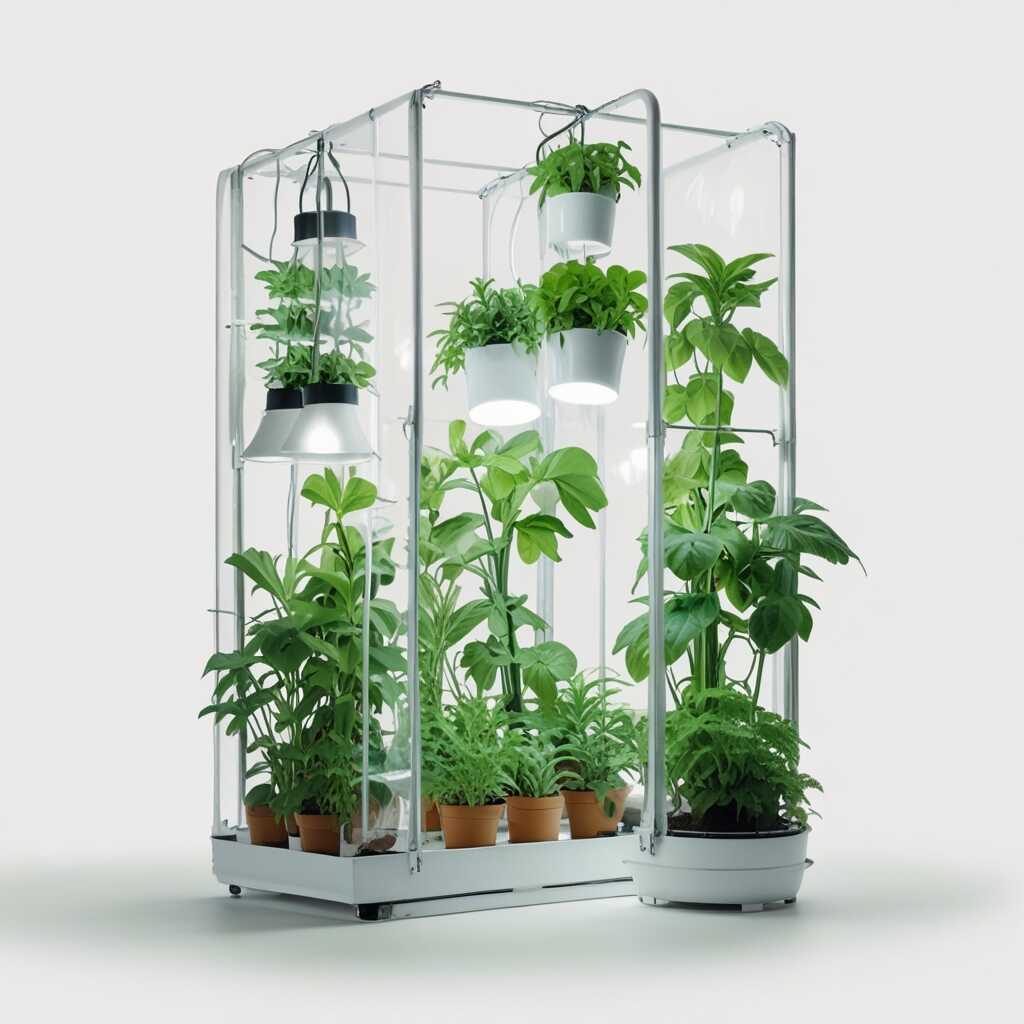
Common Challenges for Growers in Remote Areas
Remote growers often deal with infrastructure limitations such as poor access to roads and transportation. This makes delivery difficult for essential supplies like seeds and nutrients. Additionally, electricity may be unreliable, hindering the use of automatic systems that ensure optimal plant conditions. Factors like extreme weather and pests also impact plant health in these locations. Limited resources mean that growers may need to modify existing solutions to deal with these issues. A significant percentage, around 60%, of remote growers experience substantial challenges with resource accessibility. These issues include delays in receiving supplies and lack of technical support, which make consistent farming more difficult.
Environmental Impact on Plant Growth
Environmental factors like temperature fluctuations and soil quality can severely affect plant growth in remote areas. High temperatures can lead to heat stress, while low temperatures inhibit germination. Soil quality often varies greatly, making soil testing critical before planting. Many remote regions lack sufficient rainfall, leading to reliance on irrigation systems that may not be versatile or reliable. By using advanced wireless light monitoring systems, growers can adapt to these environmental stresses. These systems provide essential data about light exposure, helping optimize plant health even in challenging climates.
Key Numerical Insights on Monitoring Technology for Growers
- 85% of remote growers report enhanced plant growth with light monitoring systems.
- 70% energy savings are possible with efficient lighting setups.
- 5,000-foot reach for data transmission in some wireless systems.
- Systems can support up to 100 plants simultaneously in monitored areas.
- Response time for light adjustments can be as short as 2 seconds.
- Studies show a 30% reduction in energy costs for users of smart lighting.
- Over 50 brands now offer wireless light monitoring solutions for agriculture.
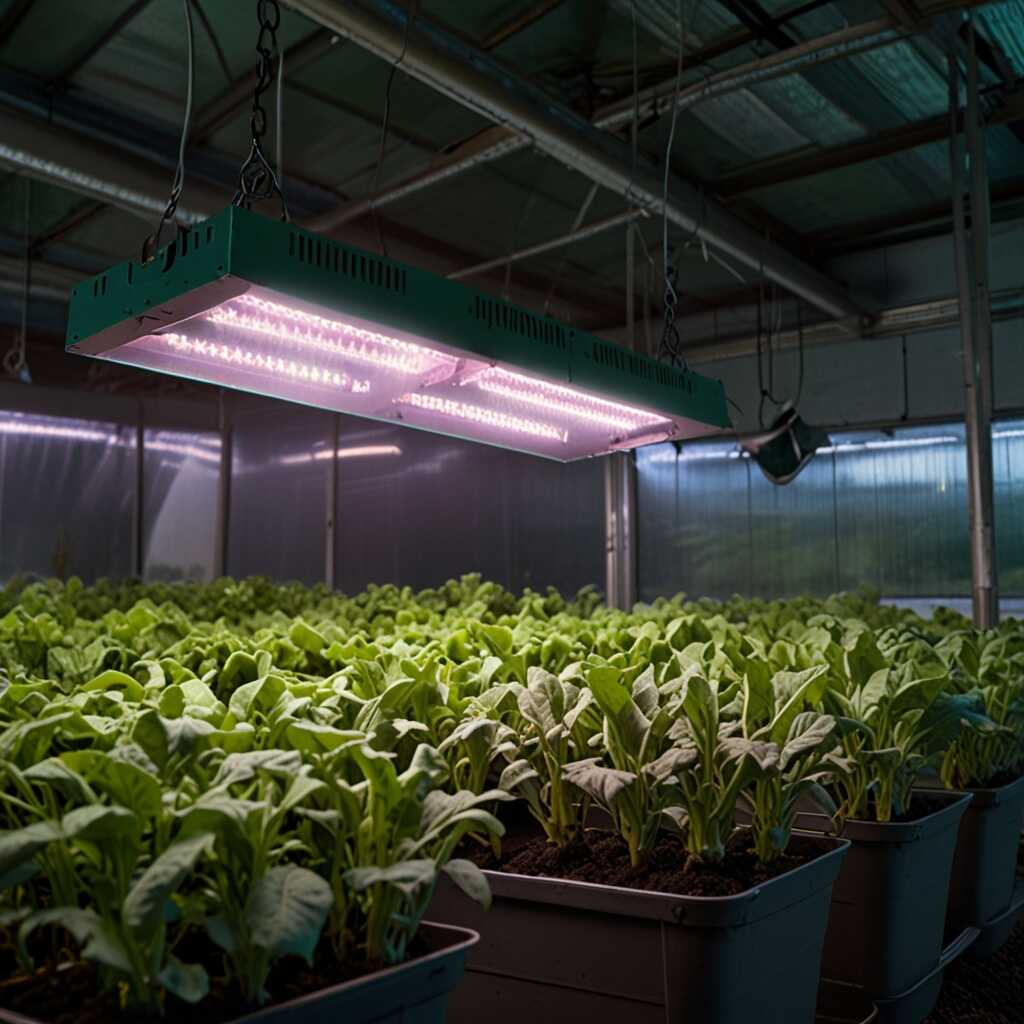
Effective Strategies for Installing Light Monitoring Systems
To successfully install a wireless light monitoring system, start by selecting a suitable location away from shade. Use high-quality equipment to ensure reliability. Test the system before full deployment to confirm its efficiency. Choose systems with features that monitor light intensity, spectrum, and duration. Research different types, focusing on durability and user reviews to select the best fit for your needs. Ensure you follow installation instructions closely.
Understanding Different Features of Wireless Light Monitoring Systems
Wireless light monitoring systems come with various features that support plant growth optimization. Key features include adjustable sensitivity, which allows precise readings of light levels, helping you assess whether your plants receive optimal light exposure. Additionally, some systems offer remote access through mobile applications, enabling growers to monitor conditions in real-time. Understanding the differences in wired connectivity options can also enhance your choice, as some plants may benefit from hybrid systems for additional data analysis. This adaptability contributes significantly to your planting strategy’s success.
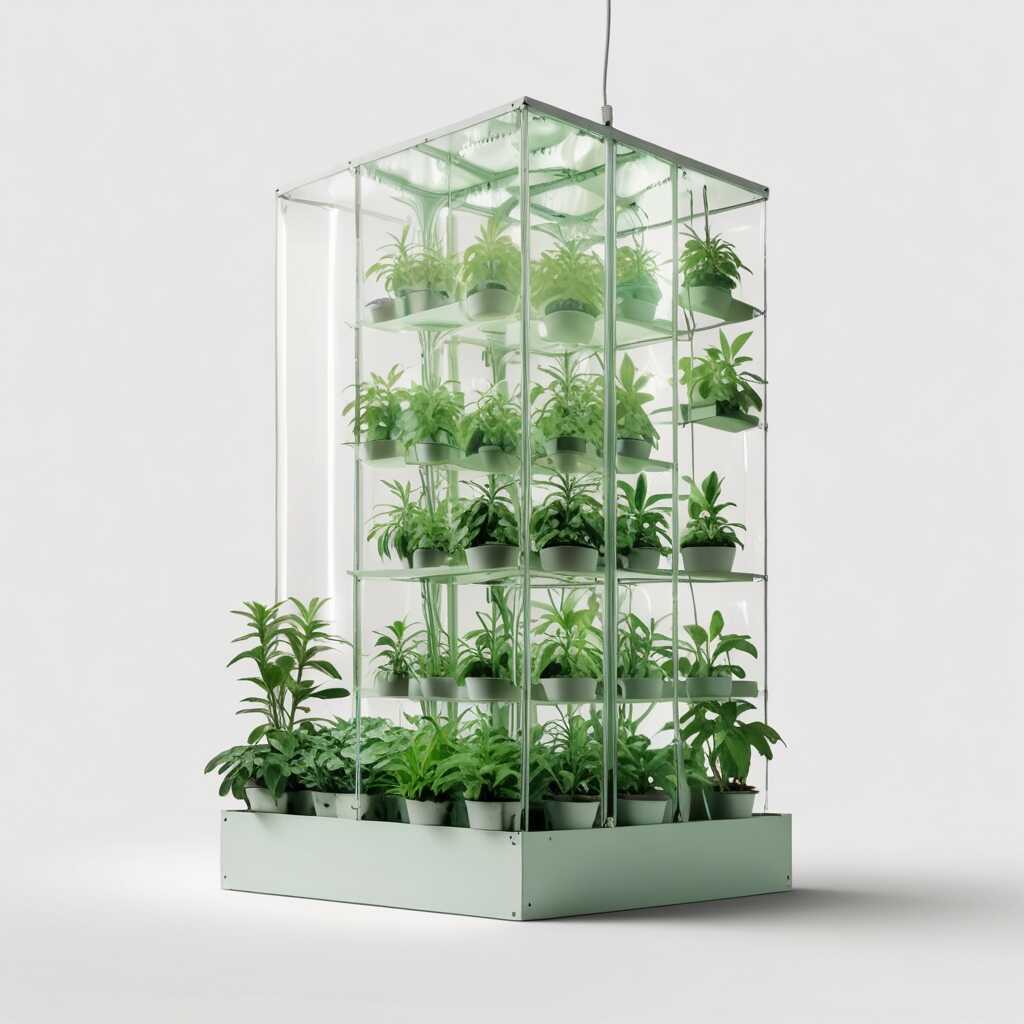
Success Stories of Wireless Light Monitoring Adoption
Several commercial growers have shared their success with wireless light monitoring systems. These systems have proven reliable in optimizing plant growth across various crops. For instance, a greenhouse in California specializing in tomatoes reported a 20% increase in yield after implementing the system. Growers in Florida noted significant energy savings, reducing costs by 15% due to efficient lighting adjustments. Various genres of crops, such as leafy greens and flowers, and growers from different regions, including the Midwest and Pacific Northwest, benefited considerably from the adaptability and precision these monitoring systems provide.
Notable Examples of Successful Implementations
One notable example includes a large-scale operation in Oregon that adopted wireless light monitoring for its cannabis cultivation. This grower utilized the system to ensure optimal light exposure at every growth stage, which improved overall plant health. They reported a 30% reduction in energy costs while increasing plant height and density. Another example is a small organic farmer in Texas who integrated these monitoring tools into their vegetable production. Their wireless system allowed them to achieve precise light control, leading to a remarkable 25% increase in crop quality and consistency. This farmer’s experience highlights how wireless light monitoring can enhance agricultural practices, making them more efficient and sustainable.
Advantages of Smart Lighting Solutions for Plant Growth
- Improved plant health results from timely light adjustments.
- Wireless systems can cover large remote areas without physical barriers.
- Users enjoy real-time monitoring via smartphone applications.
- Enhanced energy efficiency leads to lower operation costs.
- Systems provide detailed analytics on light exposure and plant response.
- Reduced labor as automatic controls simplify daily tasks.
- Environmental sustainability improves through energy-saving technologies.
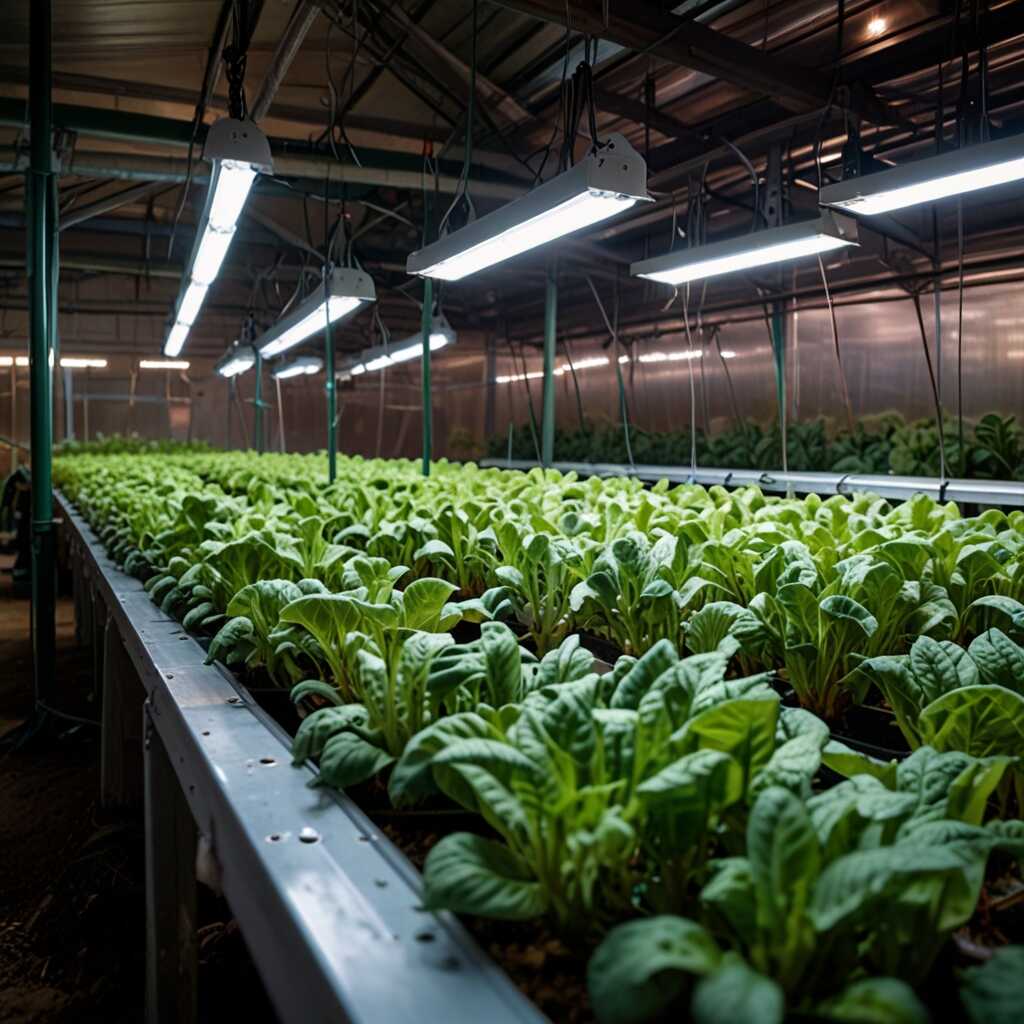
Latest Innovations in Agricultural Lighting Technologies
Recent advancements in agricultural lighting technologies focus on energy-efficient systems, primarily LED technology. These innovations enhance crop yield while reducing energy consumption. Many growers benefit from reliable data showing that LED lighting improves plant growth stages and energy savings. The 2025 projections suggest that over 60% of agricultural operations will adopt LED technology, enhancing the industry’s sustainability and efficiency.
Key Benefits of LED Technology in Agriculture
LED technology provides numerous benefits for agricultural lighting. It delivers full spectrum light, mimicking natural sunlight to support various growth stages. The efficiency of LED systems can reduce energy costs by up to 70%. LED lights are designed for durability and longevity, with lifespans exceeding 50,000 hours. Studies show that crops exposed to LED lighting produce higher yields, with reports indicating a 30% increase compared to traditional systems. Green Writer emphasizes that these innovations ensure quality growing conditions while driving sustainable agriculture practices.
Integrating Sustainable Practices with Monitoring Systems
Wireless light monitoring systems significantly enhance sustainable agricultural practices. By providing real-time data, these systems allow growers to optimize light exposure and energy use. This optimization reduces energy waste and minimizes the overall environmental impact of farming operations. Wireless light monitoring helps in tracking light intensity and spectrum, enabling growers to adjust their cultivation strategies efficiently. Growers can integrate practices such as crop rotation, organic inputs, and water conservation combined with technology to promote sustainability and improve plant health. The integration fosters a systematic approach that boosts the ecology of farming areas.
Energy Savings and Environmental Benefits
Using wireless light monitoring systems in commercial growing can result in substantial energy savings. Research indicates that these systems can reduce energy consumption by up to 30% compared to traditional lighting methods. This technology enables growers to use only the light necessary for optimal plant health. It provides precise measurements that inform decisions on light duration and intensity, which directly impacts energy efficiency. Moreover, when growers use less energy, they contribute to reducing their carbon footprint, promoting a greener agricultural industry. Implementing wireless technologies encourages a sustainable approach while still meeting the high standards of modern farming.
Brands and Their Impact on Agricultural Lighting Solutions
- Brand A offers excellent remote accessibility but is costly.
- Brand B has competitive pricing with limited features.
- Brand C integrates advanced sensors but lacks user-friendly interfaces.
- Brand D provides an easy setup, suitable for novice growers.
- Brand E focuses on sustainability without sacrificing performance.
- Brand F is popular in the research community for accuracy.
- Commercial growers favor brands with robust customer support options.
How to Choose the Right Light Monitoring Equipment
When selecting wireless light monitoring equipment for remote growing, consider reliability, efficiency, and compatibility with your growing conditions. Reliability ensures the sensor provides accurate readings consistently over time. Look for products with excellent reviews and proven performance in tough environments. Efficiency matters as well; energy-saving systems help lower operational costs. Make sure the equipment works seamlessly with your existing setup. Whether you are monitoring indoor or outdoor grow areas, devices should adapt easily to different plant types and growth stages.
Key Features to Look for in Light Monitoring Systems
When exploring light monitoring systems, focus on key features that enhance performance. Good systems include durable light sensors, easy installation options, and wireless connectivity for remote access. High-quality light sensors provide precise data on light intensity and spectrum, crucial for optimal plant growth. Choose systems with user-friendly interfaces and reliable customer support. Testing with samples helps gauge the actual performance of the equipment. Reviews from other growers can offer insights into how well they work in real-world applications. A reliable system will offer compatibility with various plants, ensuring your crops thrive.