Green Writer is reader-supported: some links on this page are affiliate links, and as an Amazon Associate Green Writer earns from qualifying purchases at no extra cost to you. Learn more.
Customizable spectrum LED grow lights are crucial for thriving indoor plants, offering tailored light solutions to meet specific plant needs. These lights allow indoor gardeners to adjust wavelengths that support different growth stages, enhancing plant health and productivity. At Green Writer, we emphasize the significance of energy-efficient lighting in sustainable gardening practices. Our guidance helps horticulture enthusiasts select and maintain the best customizable spectrum LED grow lights for their indoor gardens.
Core Advantages of Customizable Spectrum Grow Lights
Customizable spectrum grow lights offer numerous benefits for indoor gardening. These lights enhance plant growth by providing differentiated wavelengths tailored to each growth stage. For example, blue light encourages leafy growth, ideal for seedlings, while red light promotes flowering and fruiting. Customizable spectrum grow lights outperform traditional lighting by ensuring the right spectrum is delivered precisely when plants need it. This allows for stronger, healthier plants throughout the entire growth cycle. These lights also exhibit energy efficiency by consuming less power over time, making them a sustainable choice for gardening enthusiasts. A significant advantage of these grow lights is their lifespan, often exceeding 50,000 hours, compared to traditional bulbs that typically last under 2,000 hours.
How Light Spectrum Control Affects Indoor Plant Health
Light spectrum control plays a crucial role in indoor plant health. With customizable spectrum grow lights, gardeners can adjust the light output to fit the specific needs of various plant species. For example, herbs like basil thrive under specific wavelengths that promote essential oil production, while flowering plants benefit from a mix higher in red light. The versatility of customizable spectrum grow lights ensures plants receive optimal lighting, helping them grow robustly. Research shows that plants exposed to tailored light spectra grow faster and yield more, demonstrating the importance of precise light control. Investing in these advanced grow lights delivers both efficiency and excellent results for dedicated indoor gardeners and eco-conscious consumers.
Specific Light Requirements of Plants Through Growth Phases
Seedlings require low-intensity light during germination to promote healthy growth while preventing leggy development. As plants progress into the vegetative stage, they thrive on 14 to 18 hours of bright light daily. During flowering, the focus shifts to shorter light cycles, ideally 12 hours of light and 12 hours of darkness. Understanding these phases allows gardeners to create an effective lighting plan tailored to their plants’ unique needs.
Understanding Ideal Light Spectrum for Each Growth Phase
For seedlings, the ideal light spectrum is focused on the blue wavelength between 400 and 500nm, which promotes compact growth and strong stems. During vegetative growth, a balanced spectrum that includes both blue and red light enhances leaf production and overall vigor. In the flowering phase, emphasizing red light in the 620 to 750nm range helps trigger flowering and fruiting. Customizable spectrum LED grow lights can provide these specific wavelengths, ensuring plants receive the best light environment at every stage of growth.
Guidelines for Selecting the Perfect Custom Grow Light
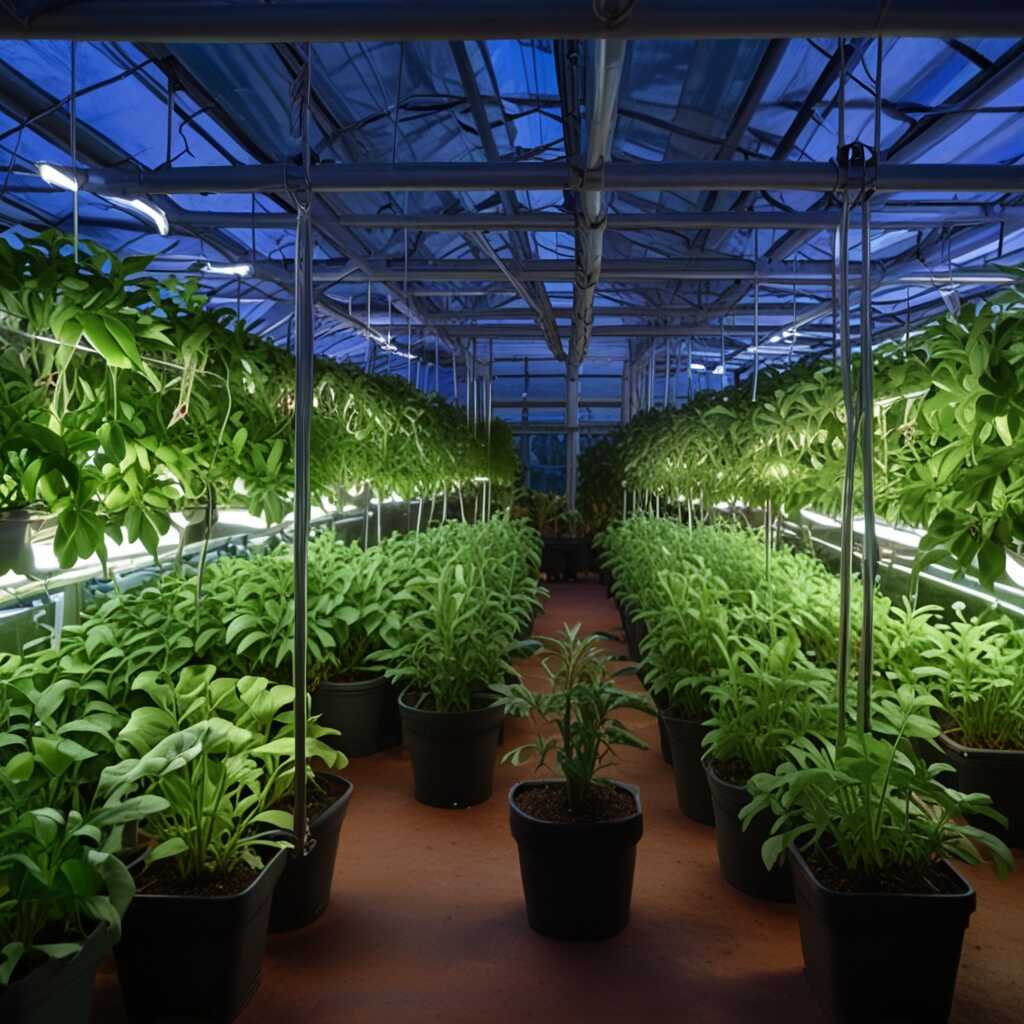
When selecting customizable grow lights, consider plant types, growth stages, and your available space. Different plants have unique light requirements. Succulents may need less intense light, while flowering plants often thrive under more powerful light. Understand the growth stages—seedlings require a different spectrum compared to mature plants. Measure your space accurately to ensure the chosen lights fit well without overheating. Efficiency comparison among various types of customizable spectrum LED grow lights will help you identify the best choice for your indoor garden. Look for lights that provide a full spectrum and last 50,000 hours or longer. Wattage requirements are essential; most plants benefit from lights in the 25-50 watt range, depending on their needs.
Understanding the Importance of Light Spectrum for Different Plants
Different plants respond uniquely to varied light spectrums. Full-spectrum LED lights provide wavelengths that support all growth stages. For example, blue light (400-500nm) helps with vegetative growth, while red light (600-700nm) encourages flowering. Customizable grow lights help you adjust this spectrum based on your plants’ feedback. Research shows that plants like tomatoes and peppers prefer around 400-700nm for optimal growth. Testing various spectrums will enhance your indoor gardening experience. Ensuring your plants receive the right light enhances their overall health and yield, making customizable grow lights invaluable for successful indoor gardening.
Interesting Figures About Plant Lighting Technology
- LED grow lights can last over 50,000 hours, significantly reducing replacement costs.
- Wavelengths from 400 to 700nm cover the spectrum necessary for plant growth.
- Plants require approximately 12-16 hours of light daily for optimal growth.
- Customizable lights allow for adjusting spectra to cater to different growth stages.
- Using LED lights can reduce energy costs by up to 80% compared to incandescent bulbs.
- Different light colors support photosynthesis, with red and blue being most beneficial.
- Indoor gardeners can expect faster growth rates of up to 30% with proper lighting.
Distinct Features of Full Spectrum and Custom Spectrum Lights
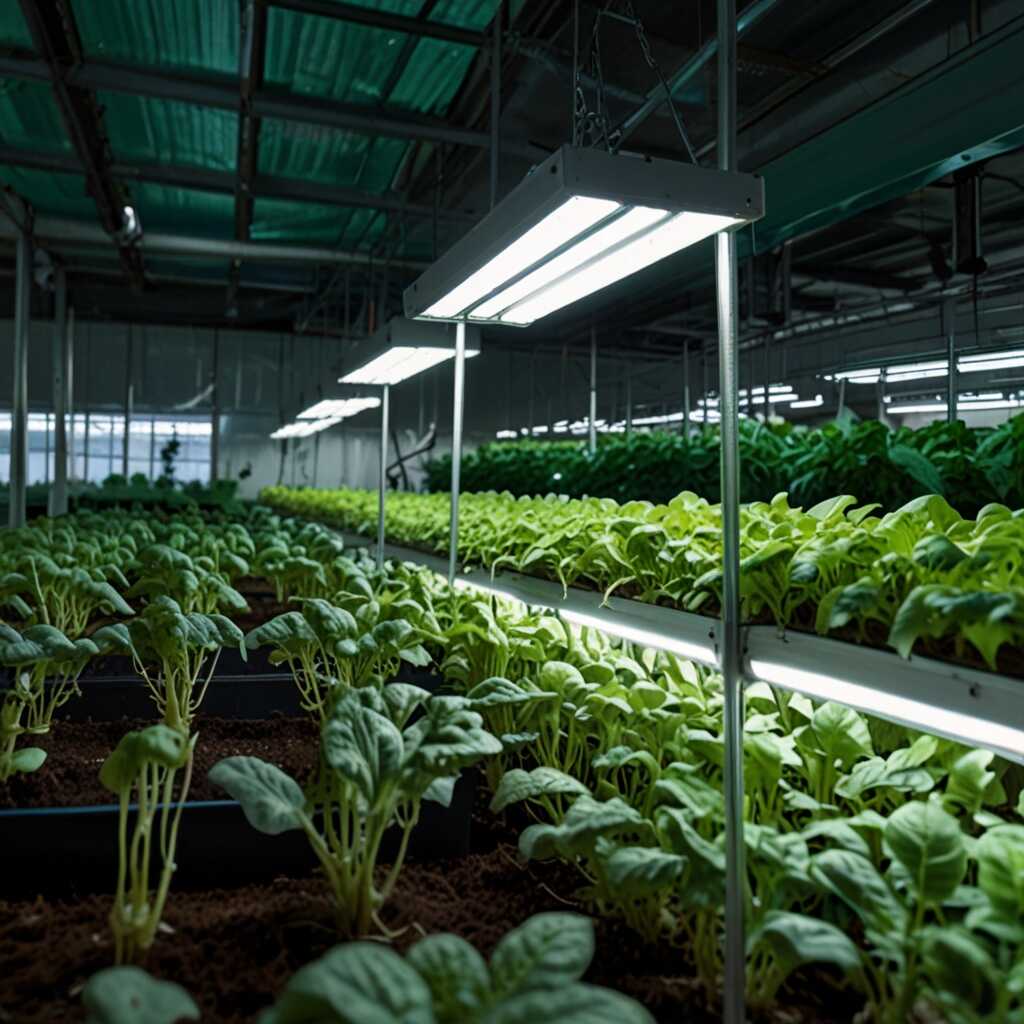
Full spectrum lighting covers a wide range of wavelengths from 400 to 700 nanometers, mimicking natural sunlight. This type of lighting provides all the essential wavelengths necessary for plant growth, making it ideal for various growth stages like seedling, vegetative, and flowering phases. Customizable spectrum lights allow users to adjust specific wavelengths according to the plants’ unique needs. This adaptability can enhance plant health and yield, particularly beneficial when focusing on a single growth stage or species. Both lighting types offer reliability and efficiency, but the choice depends on your indoor gardening requirements.
Which Plants Thrive Under Full Spectrum vs. Custom Spectrum Lights?
Plants such as basil, tomatoes, and peppers thrive under full spectrum lighting, benefiting from all wavelengths. In contrast, customizable spectrum lights are perfect for specific needs. For example, leafy greens like lettuce can flourish under blue light during vegetative growth stages, while flowering plants like orchids benefit from enhanced red wavelengths. Choosing the right spectrum improves growth and maximizes yield. Research shows that using tailored spectra for specific plants leads to higher productivity, enabling gardeners to tailor their approach for optimal results.
The Impact of Light Intensity on Plant Growth
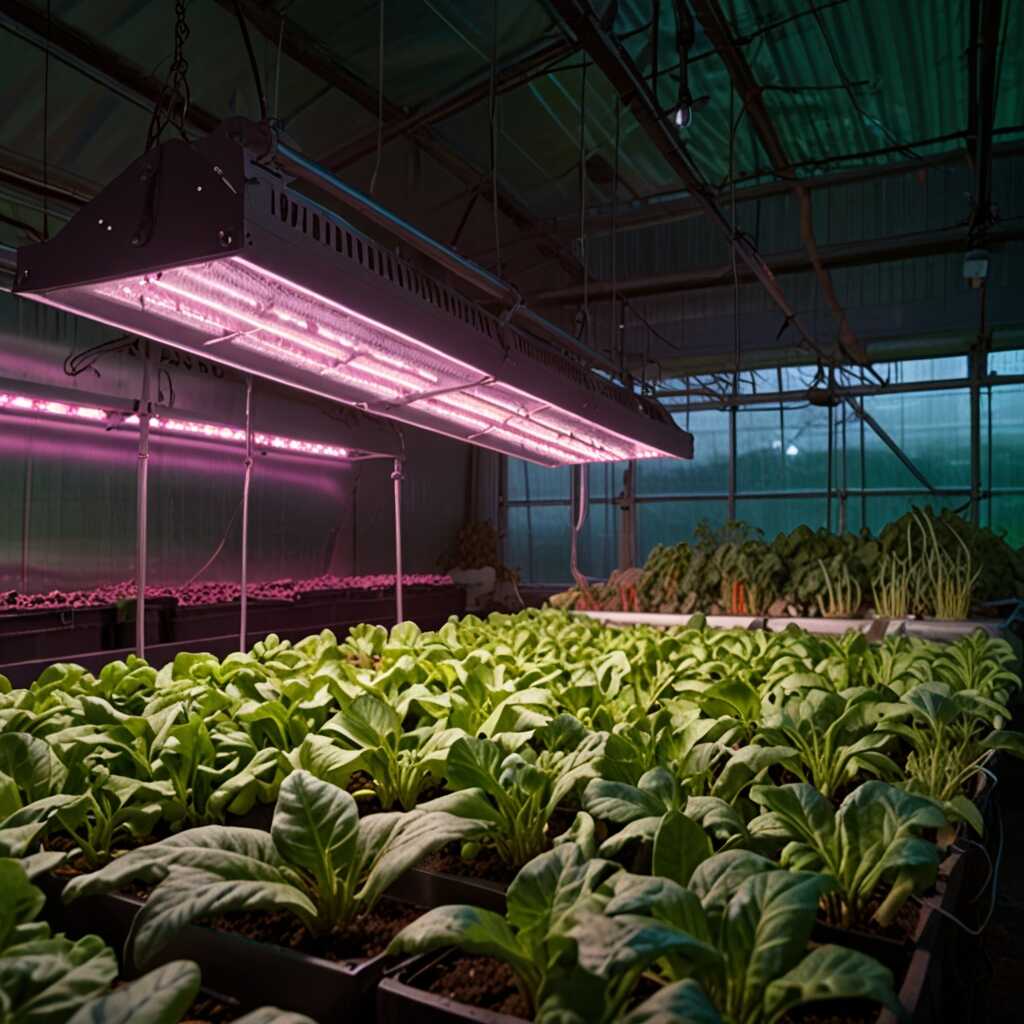
Light intensity significantly influences photosynthesis and overall plant health. Higher light intensity often leads to increased photosynthesis, resulting in faster growth rates. Plants like succulents thrive under bright light, while ferns prefer lower intensity settings. Adjusting light intensity settings can enhance growth conditions, which is essential for cultivating a variety of indoor plants. Proper testing of light levels, in units of µmol/m²/s, ensures that each plant receives sufficient illumination catered to its specific needs. Research indicates that many indoor plants flourish best at light levels ranging between 200 to 600 µmol/m²/s. This range helps prevent light burn while promoting robust photosynthesis.
Determining the Right Light Intensity for Different Plant Types
Understanding the optimal light intensity for various indoor plants helps enhance successful plant cultivation. Succulents and cacti thrive in high light conditions of 600-1000 µmol/m²/s, while leafy greens and herbs flourish at around 200-400 µmol/m²/s. Ferns enjoy lower light intensities, ideally between 100-300 µmol/m²/s. Utilizing customizable spectrum LED grow lights allows indoor gardeners to match light intensity to plant type effectively. Adjusting settings can also create a balance, ensuring plants get what they need without risking damage. Regularly measuring the light intensity in different areas of your gardening space allows you to cater to the needs of your plants, fostering a healthier indoor environment.
Key Advantages of Adjustable Plant Light Systems
- These lights enhance plant growth by providing targeted wavelengths needed for photosynthesis.
- Customizable spectrum LED grow lights reduce energy usage, making them eco-friendly options.
- They help optimize light conditions for various plant species and growth phases.
- This type of lighting can improve yield sizes and quality for indoor gardening enthusiasts.
- Users can control light intensity based on plant needs, promoting healthier growth.
- They emit less heat, which helps protect delicate plants from overheating or drying out.
- Flexible settings cater to unique indoor gardening layouts, enhancing space efficiency.
Cost and Energy Efficiency of LED Grow Lights
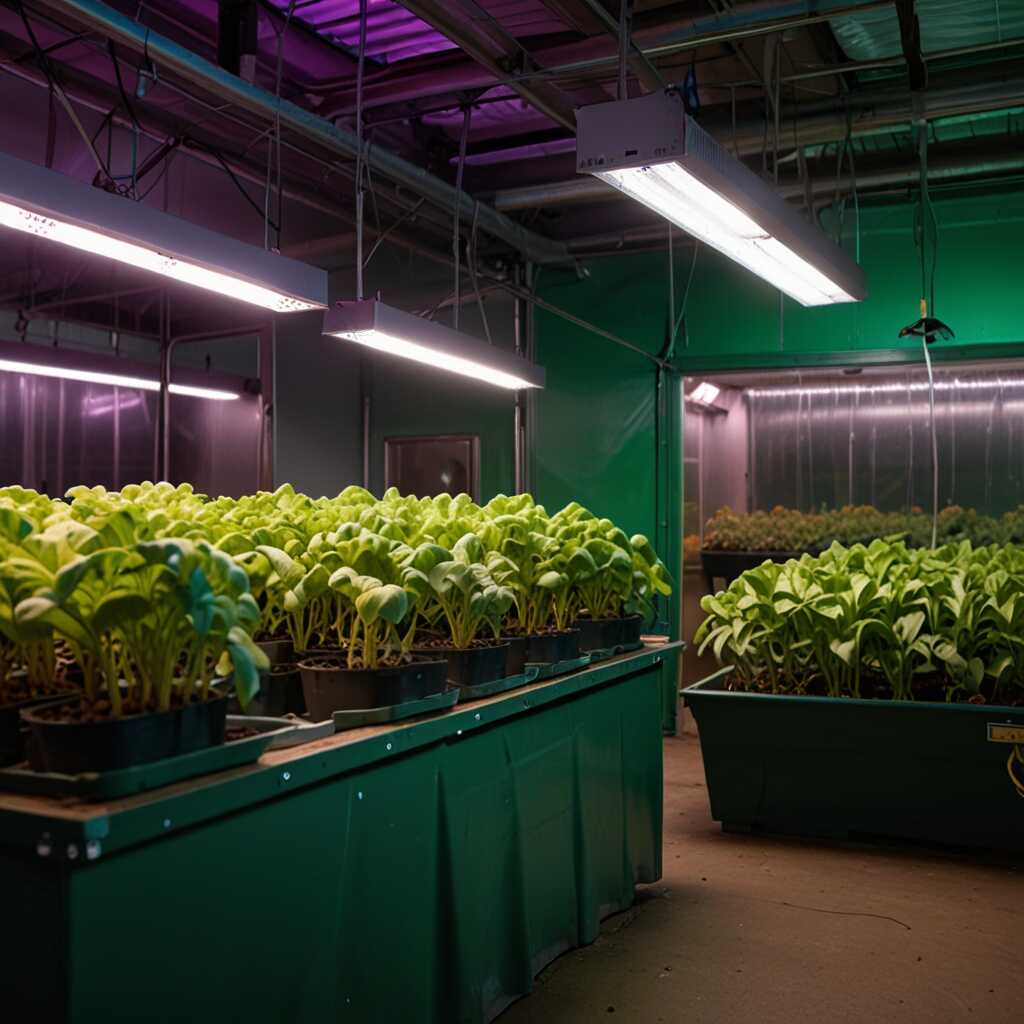
LED grow lights offer significant cost savings due to their high energy efficiency. They consume less electricity than traditional options like incandescent and fluorescent lights. Users can expect to save up to 80% on energy bills when switching to LEDs. The efficiency of LED grow lights means they generate less heat, reducing cooling costs as well. The typical lifespan of an LED grow light can exceed 50,000 hours, far surpassing the 10,000 hours of incandescent bulbs. This reliability leads to fewer replacements, translating into lower long-term costs. Research shows that the initial investment in LED technology pays off in under two years, considering their durability and low operational costs.
Comparing Energy Efficiency of Different Grow Lights
Understanding the energy efficiency of various grow lights is crucial for indoor gardeners. LED grow lights are designed to provide precise light spectra that enhance plant growth while minimizing energy use. In contrast, fluorescent bulbs may require more wattage to achieve similar outcomes but have a shorter lifespan. Incandescent lights are the least efficient, producing more heat than usable light. The data reveals that LEDs not only utilize energy more effectively but also support full spectrum growth essential for plants. For instance, a 300-watt LED can often replace a 600-watt metal halide fixture, providing the same light intensity with less energy consumption. Switching to LED grow lights is a proven strategy for eco-conscious consumers looking to reduce their carbon footprint.
Effective Maintenance Tips for Your Grow Lights
Maintaining customizable spectrum LED grow lights involves several essential steps. Regularly cleaning the surface of the lights keeps dust and debris from blocking light and ensuring optimal lighting efficiency. Check the electrical connections for any signs of wear and tear. Periodically reviewing the lifespan of your LED units is important, as most provide a lifespan of over 50,000 hours. Depending on usage, every few months, inspect your lights for any issues. Investing time in proper care can enhance performance longevity, improving plant growth outcomes.
Cleaning and Inspection for Optimal Performance
Cleaning your LED grow lights is crucial for maintaining maximum performance. Use a soft cloth to remove dust from the exterior. Avoid abrasive cleaners that can scratch the surface. Inspect the light fixtures for loose connections or damage. Regular checks help ensure reliability when your setup is in use. Additionally, test each light regularly to ensure it provides the essential spectrum needed for your plants. This combination of cleaning and inspection ensures that your customizable spectrum LED grow lights operate at peak performance, easily handling various growth stages of your plants.
Brands and User Demographics for Plant Light Solutions
- Brand A specializes in high-efficiency lights, ideal for commercial indoor farms.
- Brand B offers affordable options, great for novice gardeners and small growers.
- Brand C provides advanced technology for serious horticulturists and enthusiasts.
- Brand D focuses on eco-friendly materials, appealing to sustainability advocates.
- Urban gardeners often seek compact lighting solutions for limited spaces.
- Families with children enjoy safe LED options due to their low heat emission.
- Technology-savvy users love the app integration features for remote control options.
Emerging Trends in Grow Light Technology Innovations
Recent advancements in grow light technology greatly enhance the indoor gardening experience. Customizable spectrum LED grow lights now offer features that cater to the specific needs of different plant species. These lights help indoor gardeners by providing multiple light spectrums, which are designed to support all stages of plant growth, from seedling to flowering. Energy efficiency is a major focus of new designs, ensuring reduced electricity consumption while providing optimal light output. As of 2025, many models can emit over ten different spectrums, allowing for easy adjustments according to plant requirements. Research and expert reviews continually emphasize how these improvements enhance both plant health and user experience.
Essential Features to Look for in Grow Lights
Indoor gardeners should prioritize several essential features when selecting customizable spectrum LED grow lights. Look for models with adjustable light spectrums that can cater to specific plant needs at various growth stages. User-friendly interfaces that simplify changing settings are very important. Durability and reliability ensure long-lasting performance. Also, check for energy efficiency features, which help save on energy costs over time. Good quality build materials enhance sturdiness and ensure overall performance. Reviewing customer feedback provides useful insights on the effectiveness of different models, making it easier to find the best options for your indoor gardening setup.