
Effective lighting strategies are essential for successful greenhouse microgreens cultivation, influencing growth and yield. By understanding the right light conditions, you can maximize the quality of your microgreens. Green Writer is here to help you learn various lighting techniques that support thriving plants in your greenhouse. Explore our tips and insights to create a sustainable and productive microgreens growing environment.
Exploring the Optimal Light Conditions for Microgreens
Microgreens thrive best under reliable light quality that includes full spectrum lighting. This type of lighting provides both blue and red wavelengths crucial for photosynthesis, enhancing growth and health. Different lighting options, such as LED grow lights and fluorescent tubes, are excellent choices for greenhouse microgreens. LEDs are energy-efficient, long-lasting, and versatile, making them a preferred option. Microgreens generally require around 12 to 16 hours of light per day to ensure healthy development. Consistent exposure to this light duration improves sprout quality and optimizes yield. The light intensity must be adequately set, ideally between 200 to 400 µmol/m²/s, to provide optimal conditions for growth.
Choosing the Best Lighting for Microgreen Cultivation
Selecting the best lighting for microgreens involves distinct factors like efficiency and customizability. LED grow lights offer adjustable intensity levels to suit different microgreens, ensuring that each type receives specific light qualities it needs. Many growers benefit from having light fixtures that can be raised or lowered based on the plant’s growth stage. Research shows that consistent light duration, alongside appropriate intensity levels, significantly enhances the performance of microgreens. Regular light testing allows growers to adjust settings in real-time, providing a better environment that promotes strong, healthy crops. Choosing high-quality fixtures with proven durability and efficiency helps ensure a successful microgreens cultivation.
Advantages of Natural Light in Greenhouse Environments
Natural light is essential for cultivating healthy microgreens. Sunlight promotes photosynthesis, leading to faster growth rates. It provides the necessary wavelengths that enhance flavor and nutritional content. Natural sunlight helps ensure energy efficiency since it reduces reliance on artificial lighting. During the day, microgreens benefit from consistent light intensity and quality. This optimal environment leads to robust seedlings that stand strong against pests and diseases. For homes with limited sunlight exposure, integrating reliable artificial lighting strategies can supplement and enhance growth effectively.
Understanding the Ideal Conditions for Microgreens from Natural Sunlight
Different microgreens have varying light requirements. Most microgreens, such as arugula, radish, and sunflower greens, thrive with at least 12 to 16 hours of natural sunlight daily. Gardeners should monitor light patterns to ensure plants receive adequate exposure without overheating. Greenhouses can utilize reflective materials to maximize sunlight entering the space. Implementing good greenhouse ventilation helps prevent heat buildup which could damage sensitive microgreens. Reliable testing of light levels can help gardeners adjust their setups for optimal performance during the growing season.
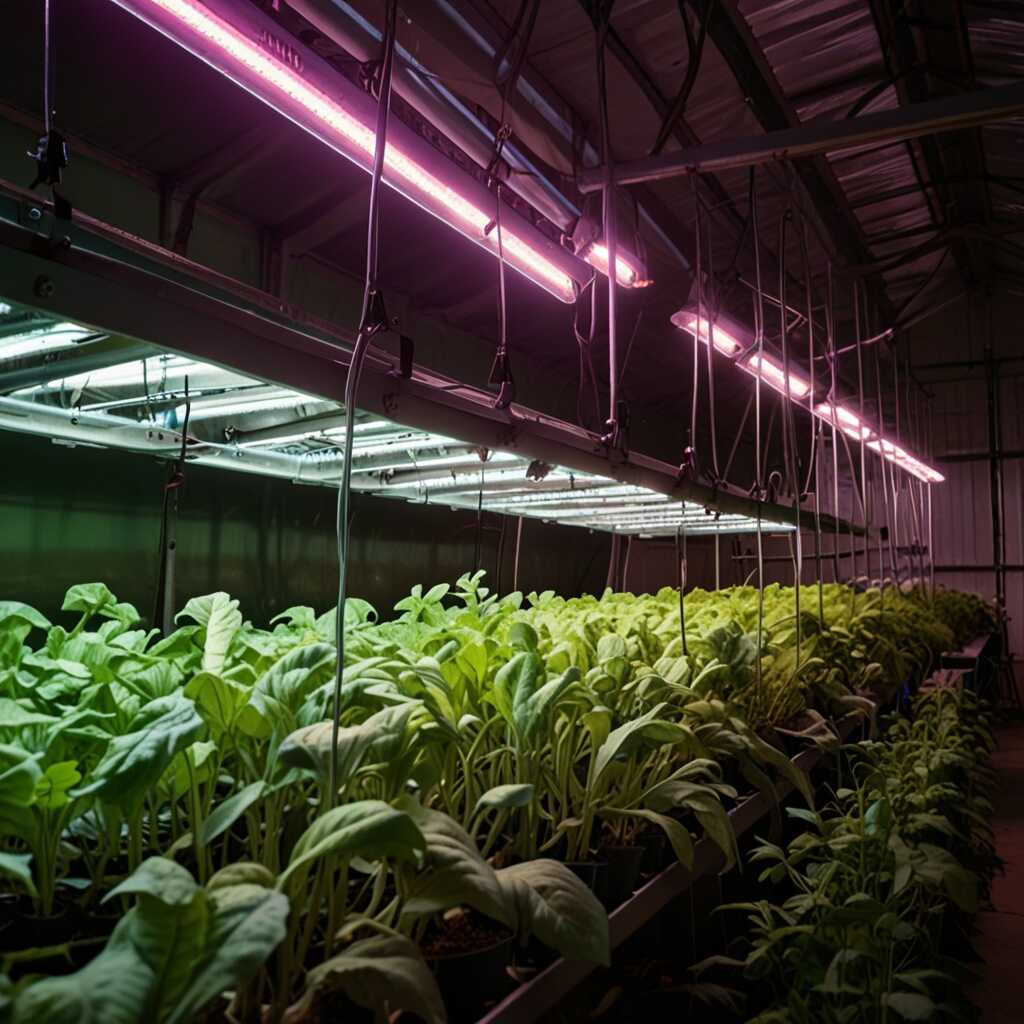
Evaluating Artificial Grow Light Options for Greenhouses
Artificial grow lights play a crucial role in greenhouse microgreens cultivation. The three primary types of artificial grow lights are LED grow lights, fluorescent lighting options, and high-intensity discharge lights. LED grow lights are energy-efficient and provide full-spectrum light, making them an excellent choice for all growth stages. They last over 50,000 hours, ensuring reliability. Fluorescent lighting options are cost-effective and ideal for initial growth stages. They deliver adequate light but consume more energy than LEDs. High-intensity discharge lights produce intense light and heat, suitable for larger setups. However, their higher energy consumption makes LEDs the preferred choice for sustainability.
Choosing the Right Lighting for Each Growth Stage
Selecting the appropriate lighting is essential based on the growth stage of your microgreens. For seedlings, a mix of blue light from LEDs encourages robust vegetative growth. As microgreens mature, adding red light enhances flowering and nutrient production. Fluorescent lights can can handle early growth but may not provide the intensity required for later stages. Ideally, using around 25 watts per square foot ensures sufficient light coverage while allowing plants to thrive. Conducting a comparison of each option helps gardeners select the best lighting for their specific needs, enhancing growth and overall yield.
Key Numerical Insights for Optimal Plant Growth
- Microgreens need at least 12-16 hours of light daily for ideal growth.
- LED grow lights can reduce energy costs by 50% compared to traditional bulbs.
- Full spectrum lights cover wavelengths from 400 to 700 nanometers.
- Microgreens typically reach harvest size in 7-21 days, depending on the variety.
- Proper lighting can increase yield by up to 30% in controlled environments.
- Indoor light intensity levels should stay between 200-800 µmol/m²/s for best results.
- Overexposure can lead to leaf burn, so adjust light distance accordingly.
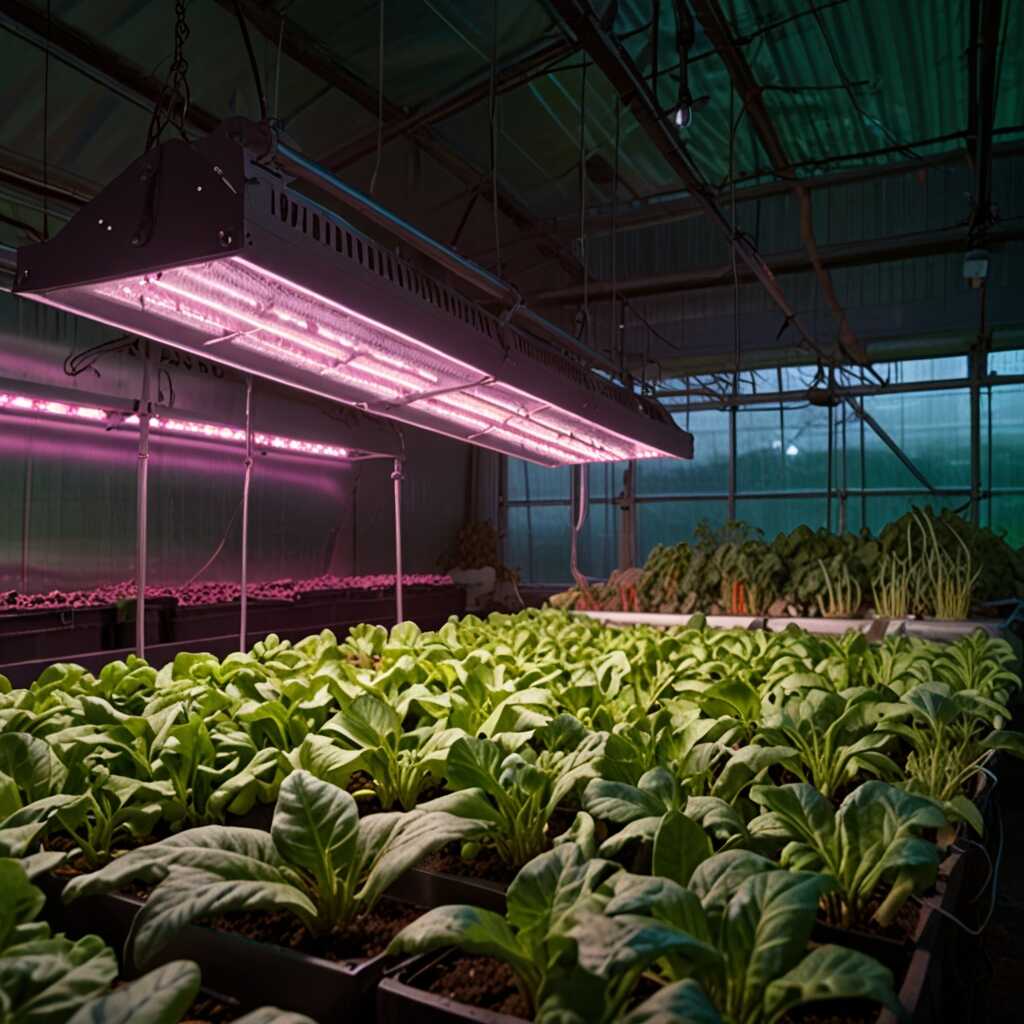
Understanding Light Spectrum Requirements of Microgreens
Microgreens thrive under specific light wavelengths essential for their photosynthesis process. The light spectrum for microgreens primarily involves blue (400-500 nm) and red (600-700 nm) wavelengths. Blue light is crucial for vegetative growth, while red light supports flowering stages. Selecting the right light spectrum, such as from LED grow lights, significantly enhances the growth and nutrient density of microgreens. Reliable data shows that using a combination of blue and red light provides optimal conditions, enabling microgreens to grow efficiently and healthily.
Choosing the Best Grow Lights for Microgreens
When selecting grow lights for microgreens, LED grow lights are exceptional due to their energy efficiency and design features. LED lights provide a full spectrum, covering both blue and red wavelengths. These lights also deliver long-lasting performance, ensuring that microgreens receive consistent light without excessive heat. Many of these lights are designed to be adjustable, letting you control light intensity to match the plant’s growth stage. Overall, their proven efficiency helps maximize growth, making them a staple among indoor gardening enthusiasts.
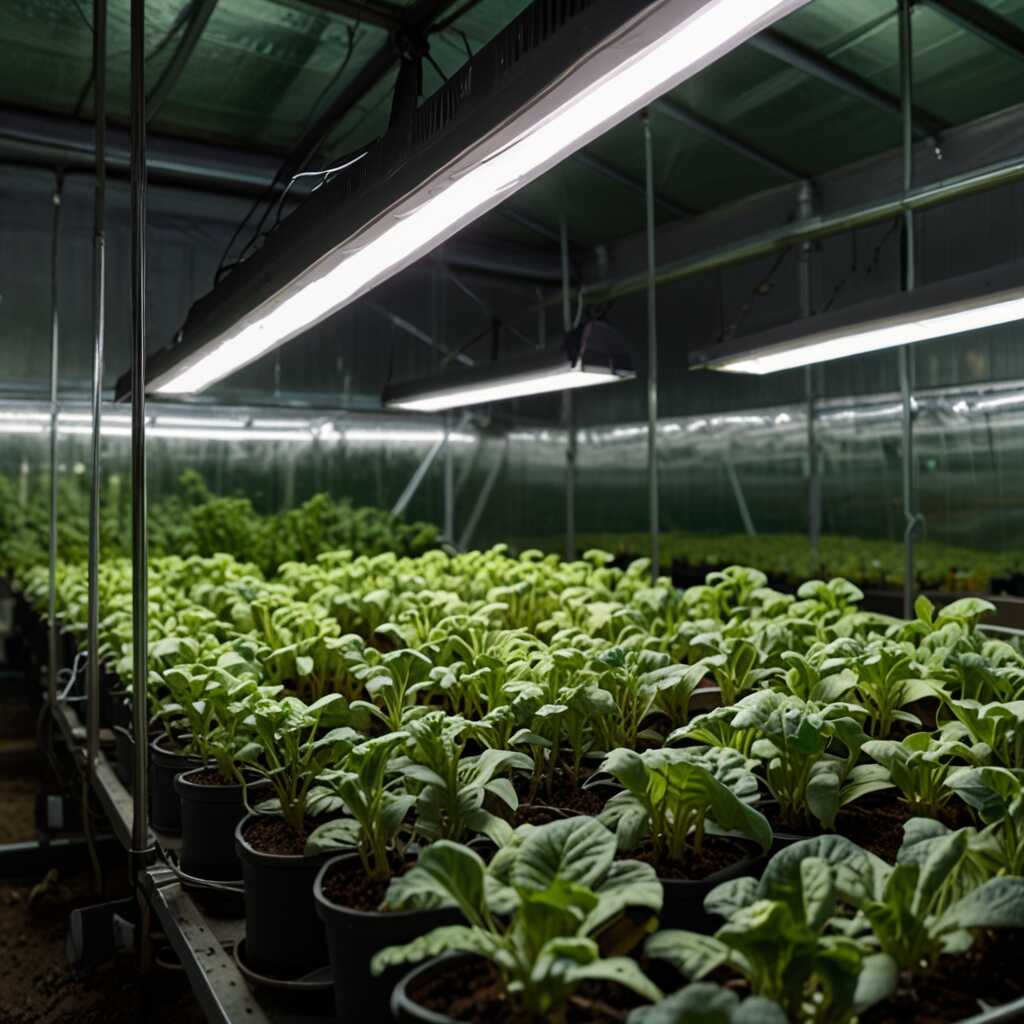
Creating an Effective Lighting Schedule for Optimal Growth
When establishing a lighting schedule for microgreens, consider key factors like light intensity, duration, and the specific needs of each variety. High-quality light sources provide essential wavelengths for photosynthesis, ensuring reliability in growth. For example, different varieties like radish and pea shoots may respond better to varying intensities during their growth cycles. Research shows that most microgreens thrive with about 12 to 16 hours of light daily, making it essential to adjust your lighting schedule accordingly. Testing different light durations helps identify the best results for your specific environment and microgreens types.
Understanding Light Duration and Intensity for Microgreens
Light duration and intensity significantly influence microgreens’ growth. Many varieties fare best with 14 to 16 hours of light per day. Studies indicate that shorter durations may hinder growth and yield. Use full-spectrum lights to cater to different growth stages. Adjusting the intensity is essential; higher intensity encourages more robust growth but can lead to heat stress if not managed. For seedlings, a lower intensity during the initial few days can help ease them into favorable growth conditions. Monitoring your plants closely during the first few weeks provides insights into how they respond to various lighting conditions.
Advantages of Proper Illumination Techniques
- Healthy light improves growth rates, leading to quicker harvests.
- Enhances flavor and nutritional value of microgreens.
- Reduces the risk of mold and pests through controlled conditions.
- Consistent lighting promotes uniform plant height for easier harvesting.
- Energy-efficient lights lower carbon footprints and utility bills.
- Full spectrum lighting aids in all growth stages, from seeding to maturity.
- Supports year-round production, making microgreens available anytime.
Energy-Saving Practices for Sustainable Lighting Solutions
To create a more sustainable greenhouse, users should consider energy-efficient practices. Start by choosing LED grow light options, as they consume less electricity and have a longer lifespan than traditional bulbs. Aim to set the lights on timers to match the natural light duration needed for microgreens. This not only reduces unnecessary energy usage but also promotes plant health. Regularly inspect the lighting system for performance; clean any dust off the bulbs to maintain efficiency. This ensures that lighting solutions provide the best results without oversized energy bills. A comparison between different grow light options often reveals that well-designed systems can reduce energy costs by up to 50% depending on usage.
Choosing the Right Grow Light for Energy Efficiency
Selecting the right grow light enhances both performance and sustainability. Look for full-spectrum lights, as they offer the necessary wavelengths for plant growth while being energy-efficient. For instance, LED full-spectrum lights provide even coverage that can handle various growth stages of microgreens without excessive power use. Research shows that LEDs can reduce energy consumption by 75% compared to older technologies. When assessing different options, ensure that the grow light’s quality and features align with your microgreens’ specific needs, ensuring optimal growth while keeping energy costs low.
Avoiding Common Pitfalls in Greenhouse Lighting Setup
Common mistakes in lighting setup for microgreens often include using insufficient lighting intensity, incorrect spectrum, and inappropriate distance from plants. Insufficient lighting leads to weak, leggy growth. Oftentimes, gardeners neglect the importance of full-spectrum lights which support all growth stages. Also, placing lights too far can reduce light efficiency and slow growth, while too close can lead to burning. To optimize your approach, regularly review your setup using a PAR meter to ensure you have the right light intensity and configuration.
Understanding the Importance of Light Spectrum for Microgreens
The light spectrum is crucial for microgreens’ growth and should be tailored to their specific needs. Microgreens thrive under full-spectrum LED lights, which produce light wavelengths from 400-700nm. This range mimics natural sunlight and enhances energy absorption during photosynthesis. The best results occur when you provide a balanced mix of blue light for vegetative growth and red light for flowering stages. This balance helps ensure robust, high-quality crops while improving overall yield. Regularly testing your light setup can provide data on how different wavelengths affect growth rates, allowing you to adjust your lighting strategy effectively.
Brands and Groups Benefiting from Greenhouse Lighting
- AeroGarden is popular among home gardeners for its user-friendly systems.
- SunBlaster lights are great for beginners, providing effective coverage.
- General Hydroponics is favored by commercial farmers for scale and efficiency.
- Hobby gardeners often prefer compact lighting options for limited spaces.
- Schools leaning towards sustainable agriculture benefit from manageable kits.
- Sustainable farming enthusiasts appreciate eco-friendly lighting solutions.
- Grow lights meet diverse needs, appealing to both casual and commercial growers.
Integrating Sustainable Practices with Lighting Choices
Eco-friendly lighting options include LED grow lights and full-spectrum light solutions. These lights enhance growth and reduce energy consumption. Many users underestimate the environmental impact of traditional lighting technologies like incandescent bulbs and fluorescent lights. Studies show that LED grow lights can save up to 75% more energy compared to these older options. This substantial reduction not only decreases electricity costs but also supports pollution reduction by lowering carbon footprints.
Choosing LED Grow Lights for Microgreens
Choosing LED grow lights offers numerous advantages for microgreens cultivation. These lights provide full-spectrum lighting, which is essential for photosynthesis across all growth stages. LEDs are designed to last over 50,000 hours, ensuring reliable performance and minimal waste. They operate cool to the touch, reducing the risk of overheating plants. Users report improved quality and yield in their microgreens when using LEDs, making them a proven choice for sustainable gardening. Green Writer recommends comparing various reviews to find the best-suited model for your greenhouse needs.