Green Writer is reader-supported: some links on this page are affiliate links, and as an Amazon Associate Green Writer earns from qualifying purchases at no extra cost to you. Learn more.
Choosing the right grow lights for tropical plants in your greenhouse is essential for thriving greenery. Understanding the various types of grow lights can help you create an ideal environment for your beloved plants. At Green Writer, we guide you through making informed selections, focusing on energy-efficient options and their benefits for plant growth. Discover how the right lighting can enhance the vitality of your tropical plants while contributing to eco-friendly living.
Identifying the Light Needs of Tropical Plants for Optimal Growth
Tropical plants require bright but indirect light for optimal growth. This type of light mimics their natural environment, where they grow under taller plants that filter sunlight. Quality is just as important as intensity. Full-spectrum grow lights offer the best balance of wavelengths for photosynthesis. For most tropical plants, the ideal light duration is about 12 to 16 hours daily. This ensures that the plants receive enough energy to produce healthy foliage and flowers. Testing your greenhouse’s light conditions can help you adjust accordingly. Use a reliable light meter to assess both intensity and quality. Regularly reviewing these factors is essential for supporting tropical plants throughout their growth stages.
Understanding Full-Spectrum Light Benefits for Tropical Plants
Full-spectrum light provides a blend of wavelengths, closely resembling sunlight. This type of lighting is essential for plants, as it supports photosynthesis and facilitates healthy growth. Tropical plants benefit significantly from this lighting setup. The blue light improves vegetative growth, while red light promotes blooming. For instance, LED grow lights designed for tropical plants usually include both ends of the spectrum, ensuring comprehensive coverage. These lights can easily handle the unique needs of different tropical varieties. Properly positioning these lights in your greenhouse can enhance plant health and vigor, leading to impressive growth results.
Exploring Different Types of Grow Lights for Greenhouse Use
There are several types of grow lights suitable for greenhouse use, including LED, fluorescent, and high-intensity discharge (HID) lights. LED grow lights are energy-efficient and provide a full spectrum of light that benefits tropical plants. Fluorescent lights are a budget-friendly option, perfect for starting seeds, while HID lights deliver high intensity for large plant areas. Each type has unique features that cater to various growing needs. For instance, LED grow lights can easily last over 50,000 hours, making them a reliable choice for consistent growth. Tropical plants typically require around 12 to 16 hours of light each day to thrive, depending on their specific light needs.
Understanding Full Spectrum Lighting for Optimal Growth
Full spectrum lighting plays a crucial role in the development of tropical plants. This type of lighting mimics natural sunlight by providing wavelengths from 400 to 700nm, which support different growth stages. The blue spectrum enhances vegetative growth, while the red spectrum boosts flowering and fruiting. Choosing grow lights that offer full spectrum capabilities ensures plants receive the balanced light necessary for photosynthesis. Invest in energy-efficient lights that include both blue and red wavelengths to achieve excellent growth results. This tailored approach helps tropical plants maintain their vitality, making grow lights an essential component in any greenhouse.
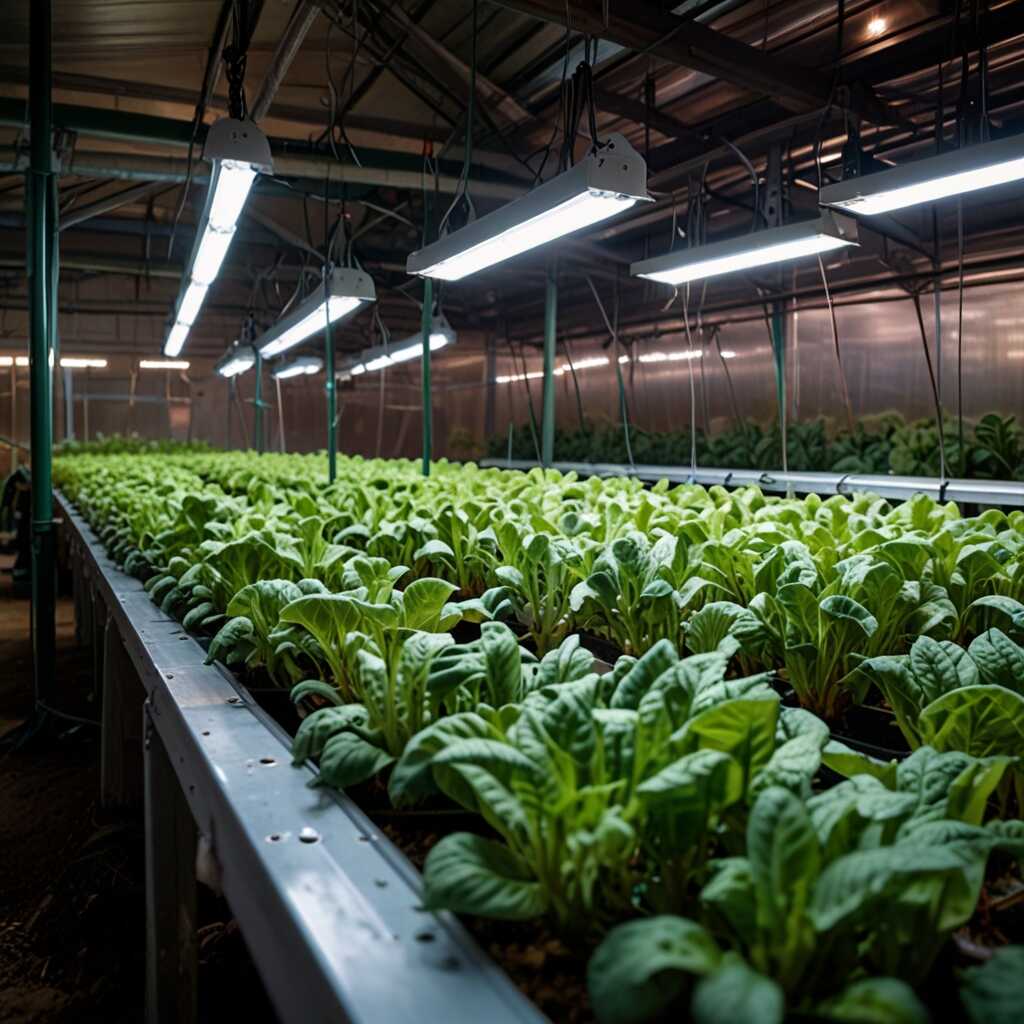
The Advantages of Full Spectrum LED Grow Lights for Plants
Full spectrum LED grow lights offer several benefits for tropical plants. These lights emit a range of wavelengths that are essential for plant growth. They provide the right balance of light for various stages of development, from seedlings to mature plants. This lighting supports photosynthesis efficiently, helping to improve plant vitality and growth. Compared to traditional grow lights, full spectrum LEDs are more energy-efficient and have a longer lifespan. Research shows they can last up to 50,000 hours, making them a reliable choice for greenhouse owners.
Enhancing Plant Growth Stages with LED Lighting
Full spectrum LED grow lights enhance plant growth stages by delivering specific wavelengths that tropical plants need. For instance, during the vegetative stage, a higher intensity of blue light helps promote leaf growth. As plants shift to flowering, a spectrum that includes red light becomes essential to stimulate blooms. This adaptability means that growers can fine-tune their lighting to match the unique needs of species like orchids and ferns. The energy efficiency of full spectrum lighting not only supports healthier plants but also reduces electricity costs over time. Selecting high-quality LED grow lights designed for diverse growth stages maximizes performance and ensures tropical plants thrive beautifully.
Essential Numerical Insights for Optimal Lighting
- Choose grow lights with a wattage between 300 to 600 watts for greenhouses.
- LED lights last over 50,000 hours, reducing replacement frequency.
- Full spectrum lights cover wavelengths from 400 to 700 nanometers.
- Position lights 12 to 36 inches above tropical plants for best results.
- Monitor light exposure for around 12 to 16 hours a day.
- Energy-efficient bulbs use up to 75% less energy than traditional lighting.
- Consider using timers to maintain consistent lighting schedules.
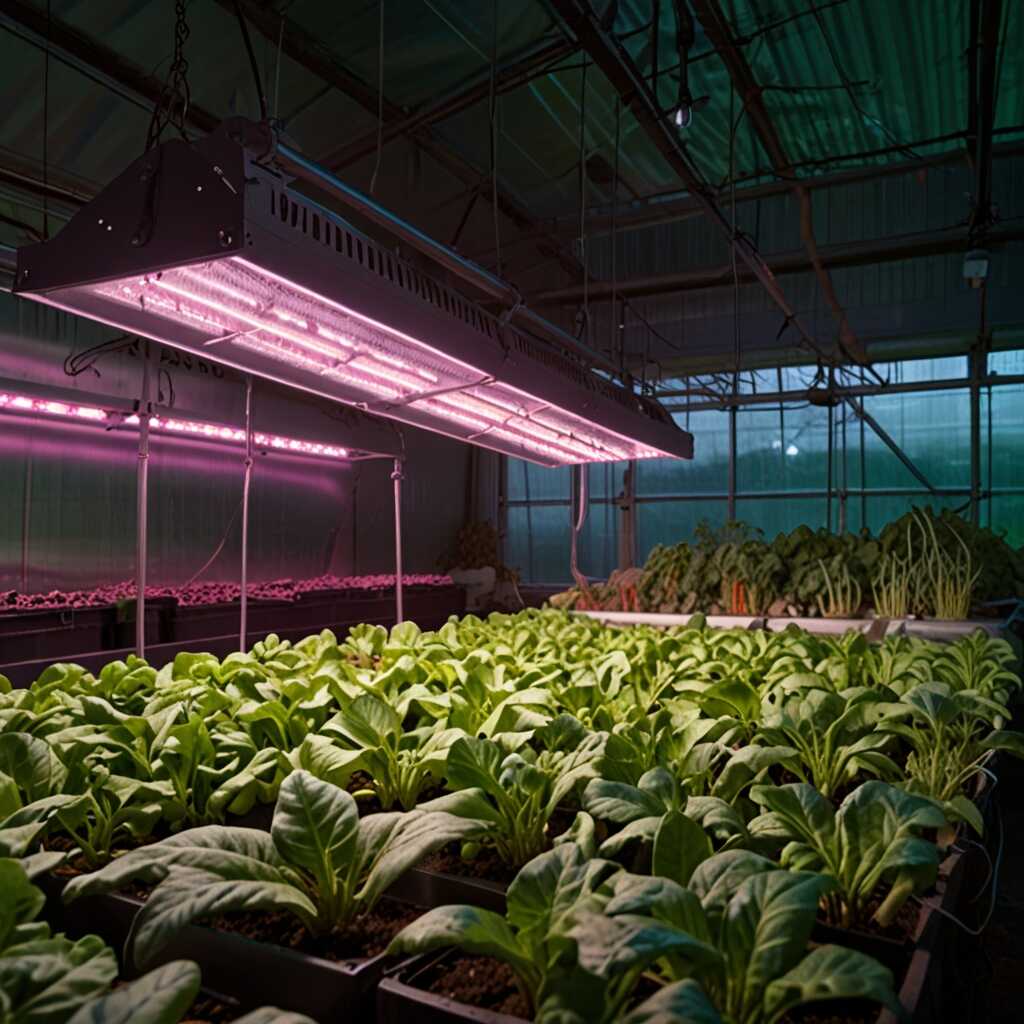
Selecting Appropriate Wattage for Your Grow Lights
Choosing the right wattage for your grow lights is crucial for the health of your tropical plants. Consider the size of your greenhouse first. A larger space will require a higher wattage to ensure adequate light penetration. Evaluate the specific needs of your tropical plants. Plants like orchids may need less wattage, while others like palms may thrive with more. Always research the recommended wattage based on the growth stage of each plant. A common range for grow lights in small greenhouses is between 200 to 600 watts, but higher wattages may be necessary for larger setups.
Understanding Tropical Plant Wattage Requirements
Tropical plants have diverse growth requirements, making understanding their wattage needs essential. Many tropical plants, such as ferns and monstera, thrive under full-spectrum grow lights with wattage ranging from 200 to 400 watts. Higher light-demanding plants like banana trees may require even more significant wattage. Additionally, for effective growth, coverage and layout of the greenhouse should be considered. Ensure that each plant receives adequate light without burning or stressing them. Checking the light intensity with a lux meter can help verify that the wattage used meets the specific needs of your tropical plants.
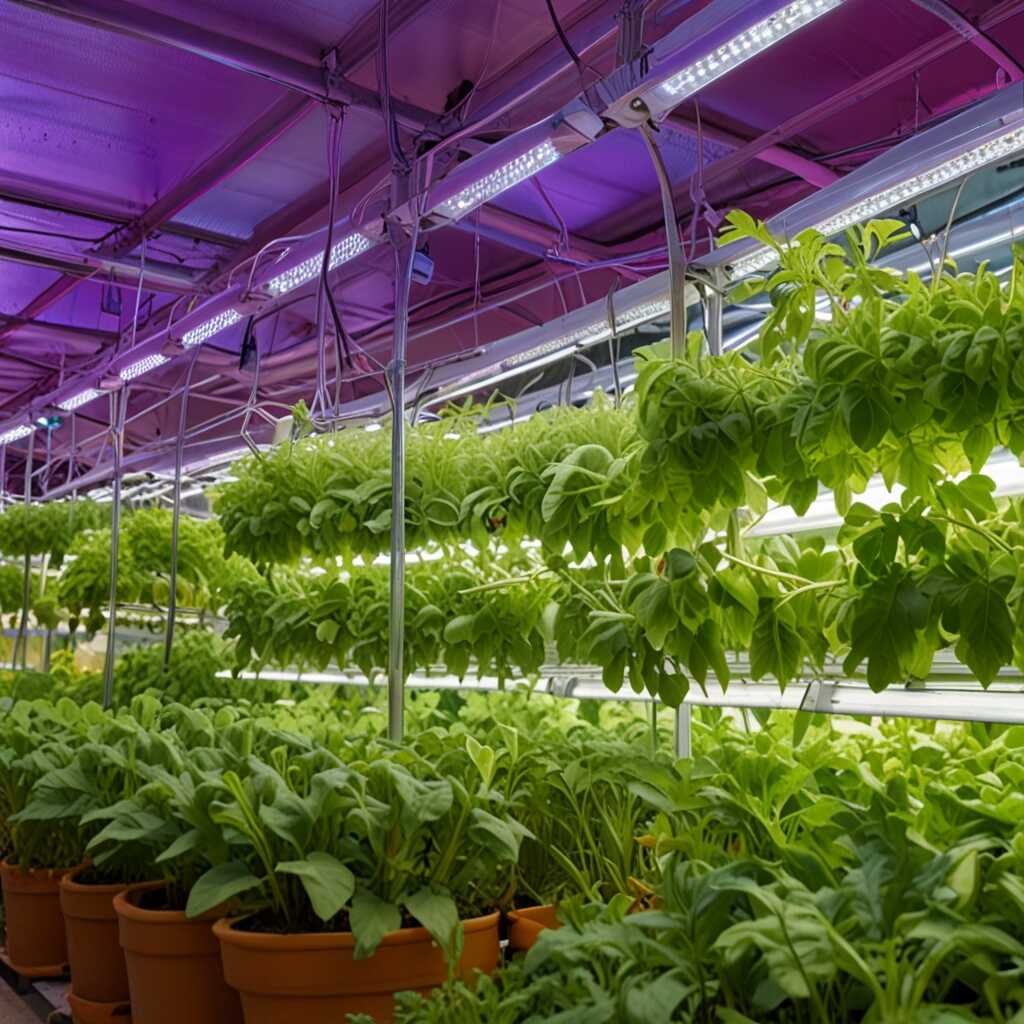
Understanding Photoperiods and Their Impact on Plant Growth
Photoperiods refer to the duration of light a plant receives each day. This light duration greatly influences tropical plant growth cycles. Tropical plants typically thrive with 12 to 16 hours of light daily during their growing season. Providing the right light duration enhances your plants’ ability to photosynthesize, leading to robust growth. Plants such as orchids and anthuriums particularly benefit from specific photoperiod adjustments. These adjustments help ensure flowering and healthy development throughout the year.
How to Adjust Light Duration for Tropical Plants
Adjusting light duration for tropical plants involves setting up a reliable grow light system. Use timers to automate light cycles, ensuring consistency. A light duration of 14 hours is ideal for most tropical species. This extended exposure promotes vigorous foliage and enhances flowering. Position grow lights 12 to 24 inches above the plants for optimal performance. Monitoring your plants’ response helps achieve the best light exposure. Consider factors like plant size and growth stage for effective adjustments.
Key Advantages of Appropriate Grow Lighting
- Enhances photosynthesis, allowing plants to thrive indoors.
- LED grow lights decrease electrical costs significantly.
- Reduces heat production, creating a stable environment.
- Supports optimal growth for various tropical plants.
- Increases blooming and fruiting periods, maximizing plant yield.
- Allows for indoor gardening year-round, regardless of climate.
- Offers adjustable brightness settings for different growth stages.
Effective Placement Strategies for Your Grow Lights
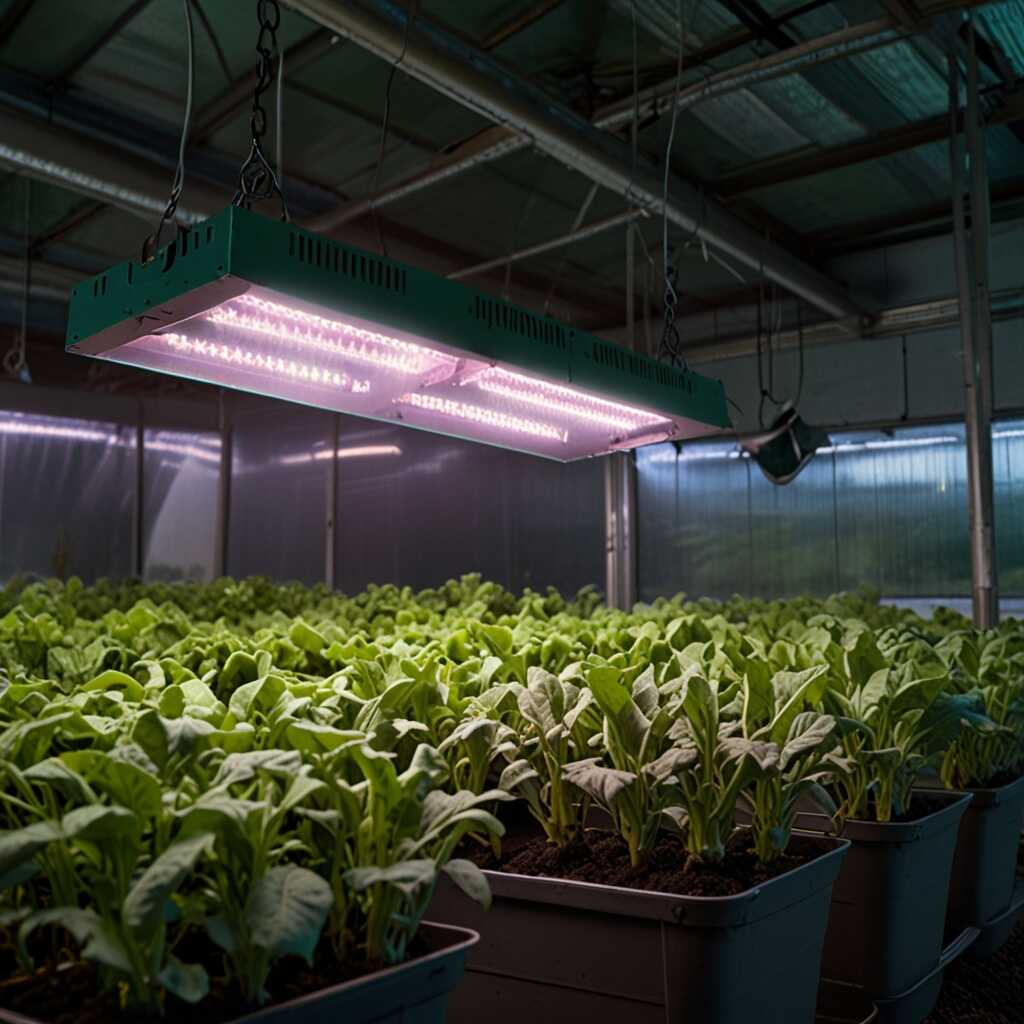
Proper placement of grow lights is essential for ensuring your tropical plants receive adequate light. One effective technique is to hang grow lights at the right distance from your plants. Light should reach them without burning the leaves. The distance typically ranges from 12 to 24 inches, depending on the type of light you use. LEDs are very effective, providing light intensity without excess heat. Ensure even light coverage across the greenhouse by organizing your lights in a grid pattern. This setup helps prevent any shadowing that could hinder growth. Using adjustable hangers can enhance this process, allowing you to modify the height as your plants grow.
Optimal Height and Distance for Grow Lights
The optimal height for grow lights above tropical plants significantly impacts their health. If the lights are too high, the plants may not receive enough light intensity for photosynthesis. Conversely, if they are too low, the heat generated can cause stress or damage. For most LED grow lights, keeping them between 12 and 18 inches above the canopy is ideal. This height provides sufficient light intensity while minimizing heat stress. Regularly monitor plant responses to adjust heights as necessary. If the leaves start to curl or turn yellow, it is an indicator that the lights might be too close. This careful positioning helps improve overall plant vitality.
How to Monitor Light Quality and Assess Plant Response
Monitoring light quality is essential for tropical plants. Use a light meter to measure intensity in lumens or PAR (photosynthetically active radiation). Look for changes in plant height, leaf color, and growth patterns. Healthy plants show vibrant green leaves and steady growth rates. If you notice yellowing leaves or leggy growth, it indicates insufficient light. Adjust your grow lights accordingly, ensuring they provide the correct spectrum. Regular reviews help determine if light levels are optimal. Factors include distance from plants, type of lighting, and duration of exposure. Keeping track of these elements enhances plant health.
Understanding Specific Light Needs for Tropical Plants
Tropical plants thrive under specific light conditions. They typically require bright, indirect light or filtered sunlight. Monitor the light’s brightness throughout the day, noting any fluctuations. Using a light meter can help you track these changes accurately. Some tropical plants, like philodendrons, tolerate lower light better than others. Knowing each plant’s requirements is crucial for maximizing growth and vitality. Aim for 12 to 16 hours of light exposure when using artificial grow lights. This duration provides the necessary energy for photosynthesis and enhances overall plant performance.
Popular Lighting Choices and Their Features
- Brand A: Known for energy efficiency and long lifespan.
- Brand B: Offers affordable options but lower durability.
- Brand C: Great for full spectrum lighting with high intensity.
- Brand D: Ideal for beginners thanks to ease of use.
- Experienced gardeners often prefer Brand A for tropical plants.
- Novice gardeners may choose Brand B for budget-friendly solutions.
- Indoor garden enthusiasts frequently select Brand C for diverse plant needs.
Optimizing Energy Efficiency When Using Grow Lights
To reduce energy consumption while using grow lights, you can implement energy-saving techniques. Using LED grow lights is one way to enhance energy efficiency. They consume less power than traditional lights and last longer, providing reliable performance for your tropical plants. Additionally, you can optimize light timing by using a timer. Setting the grow lights for 12-16 hours a day gives the best results without excessive energy usage. Also, maintaining optimal growth conditions helps your plants thrive, reducing the need for additional lighting.
Choosing the Right Grow Light Type for Energy Efficiency
When selecting between types of grow lights such as LED and fluorescent, consider their energy efficiency features. LED grow lights are designed to produce less heat, which means they require lower wattage for the same light output as fluorescent bulbs. This quality helps users achieve optimal growth conditions while minimizing energy costs. Some LEDs include features like dimmable functions and programmable light cycles that enhance overall energy savings. Look for products with light spectrums specifically designed for tropical plants, ensuring reliable results during their growth stages.