
Assessing the cost-effectiveness of LED grow lights for greenhouses reveals significant benefits compared to traditional lighting options. LED grow lights offer energy savings, enhanced plant growth, and longevity, making them an attractive choice for greenhouse growers. At Green Writer, we provide in-depth analysis on how these advanced lighting solutions support sustainable gardening practices while reducing your carbon footprint. By exploring the advantages of LED technology, you can make informed purchasing decisions that benefit both your plants and the environment.
Basics of LED Grow Light Technology and Functionality
LED grow lights are energy-efficient lighting systems designed specifically for plant growth. They function by emitting various wavelengths of light crucial for photosynthesis, which helps plants thrive. Unlike traditional lighting, LED grow lights offer targeted light spectrums that support different plant growth stages, from seedling to flowering. This capability enhances plant health and productivity. Moreover, they are engineered to last over 50,000 hours, providing a reliable and durable option for growers. Traditional lighting options like incandescent or fluorescent bulbs fall short in energy efficiency and lifespan, making LED systems a better choice for sustainable gardening.
Understanding Light Spectrum for Plant Growth
Light spectrum refers to the range of wavelengths emitted by LED grow lights, which is critical for plant photosynthesis. Different wavelengths correspond to specific colors of light: blue light (400-500 nm) encourages vegetative growth, while red light (600-700 nm) supports flowering and fruiting. LEDs can be tailored to emit a combination of these wavelengths, offering full spectrum lighting that optimally stimulates plant development across various growth stages. This feature provides an advantage over traditional lighting, enabling consistent and healthy plant growth. By employing a combination of red and blue spectra, growers can enhance nutrient uptake and yield, positioning LED grow lights as essential for indoor gardening.
Analyzing Costs of LED and Traditional Grow Light Options
The initial purchase price for LED grow lights is often higher than traditional options. However, this initial cost can be offset by lower installation costs since LED systems usually require less wiring and fixtures. Maintenance expenses are also lower with LEDs due to their durability. In contrast, traditional lights may need more frequent replacements, adding to long-term costs. The energy savings provided by LED technology enhance total savings over time. Brands such as Philips and GE offer competitive performance and pricing, making them good choices for various budgets.
Exploring Lifespan and Efficiency of Grow Lights
LED grow lights typically last over 50,000 hours, compared to traditional lights which average around 20,000 hours. This significant difference means LED lights do not require replacement as often, ensuring reduced maintenance expenses and less hassle. The long-term efficiency of LED systems results in lower energy bills, enhancing the overall cost-benefit ratio. Numerous reviews highlight how brands like Spider Farmer and Mars Hydro maximize light output while maintaining durability. Choosing the right LED option greatly impacts greenhouse sustainability and contributes to a greener environment.
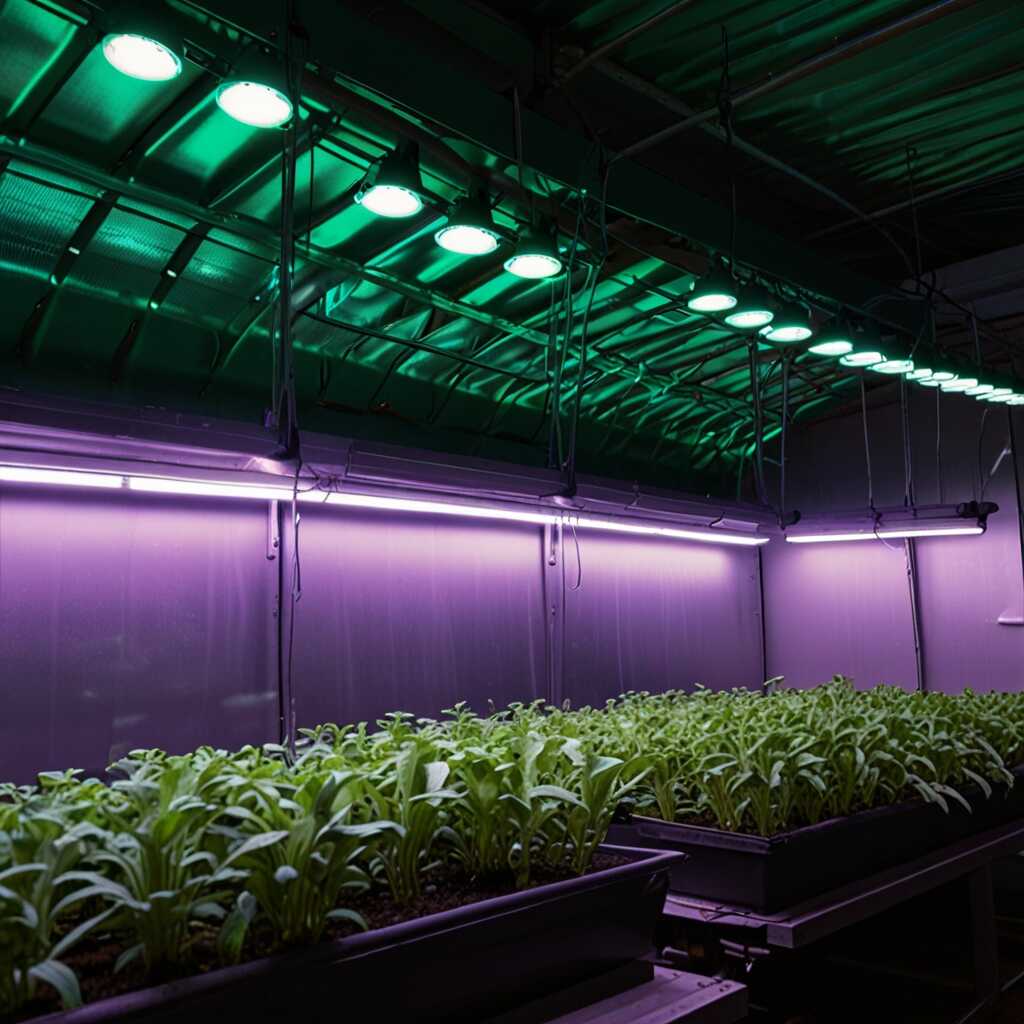
Understanding Long-Term Energy Efficiency of LED Grow Lights
LED grow lights provide significant energy efficiency benefits compared to traditional lighting options. These lights consume far less wattage while delivering high-quality light, which means lower electricity bills over time. For example, a typical 600-watt HPS light can be replaced with a 300-watt LED light, creating an immediate savings of 50%. Different brands, such as Philips and GE, offer LED products that excel in performance while maintaining excellent energy savings. The average lifespan of LED grow lights is over 50,000 hours, which is approximately five times longer than traditional bulbs. This extended lifespan contributes to additional savings as you will need to replace lights far less frequently.
Cost Savings Accumulated Over Time
When assessing long-term investments, understanding the cumulative cost savings is essential. With LED grow lights, the initial investment may seem higher, but the energy efficiency and durability lead to substantial savings over time. The typical energy consumption of a 600-watt LED is markedly lower than that of traditional lighting, often resulting in monthly savings of $30 to $50. Over the course of their lifespan, these savings can add up to thousands of dollars. Research shows that greenhouses using LED grow lights can see electricity costs reduced by as much as 75%. Therefore, these lights not only enhance plant health but also provide impressive financial benefits.
Key Statistics on Grow Light Technology Usage
- LED grow lights can last over 50,000 hours, significantly outlasting traditional bulbs.
- Using LED lights can reduce energy costs by up to 75% compared to older lighting types.
- Research shows that plants can grow 30-50% faster under LED lights.
- LED lights emit less heat, reducing cooling costs in greenhouses.
- Greenhouse growers reported 20-30% increases in yield using LED systems.
- The initial investment for LED grow lights typically ranges from $100 to $1,000.
- Lifetime savings for LED users can exceed $1,000 due to lower energy consumption.
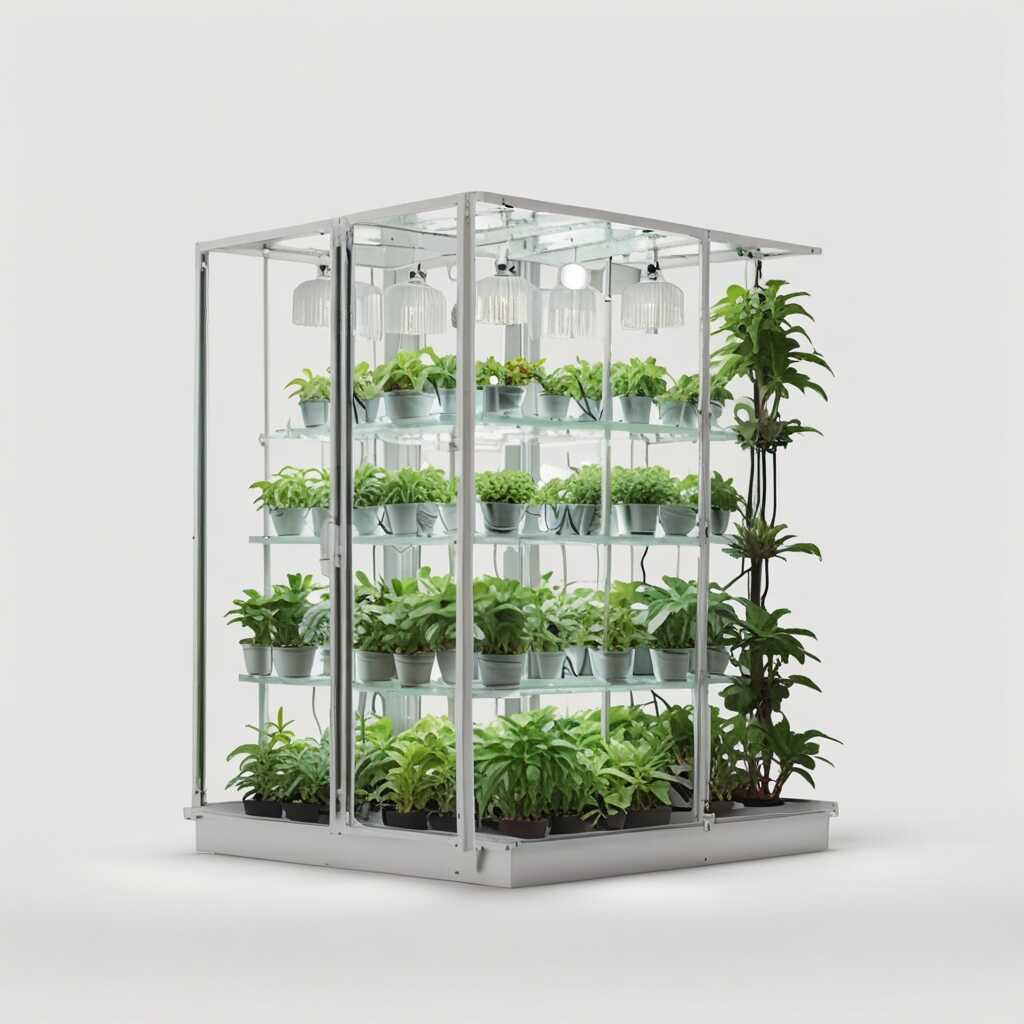
Environmental Advantages of Using LED Grow Lights
LED grow lights provide significant environmental benefits. They have a reduced carbon footprint compared to traditional lighting systems, ensuring less greenhouse gas emissions. The extended lifespans of LED lights minimize waste, as they last over 50,000 hours. These factors combined reinforce sustainable gardening practices. LED technology offers energy savings that lower electricity bills, reducing reliance on fossil fuels. Many growers choose creating eco-friendly gardens, benefiting from LED lights, which efficiently support plant growth while being gentle on the environment.
How Do LED Grow Lights Support Eco-Friendly Gardening?
LED grow lights support eco-friendly gardening by providing optimal light spectrums tailored for various plant growth stages. The full spectrum feature mimics natural sunlight, enabling plants to photosynthesize efficiently. Testing shows plants under LED lights grow faster and healthier. With energy savings reaching up to 75% compared to traditional options, growers can significantly reduce their environmental impact. Reliability and efficiency are crucial attributes of LED technology, making it an essential choice for sustainability advocates. This technology helps gardeners achieve impressive results while lowering their carbon footprint.
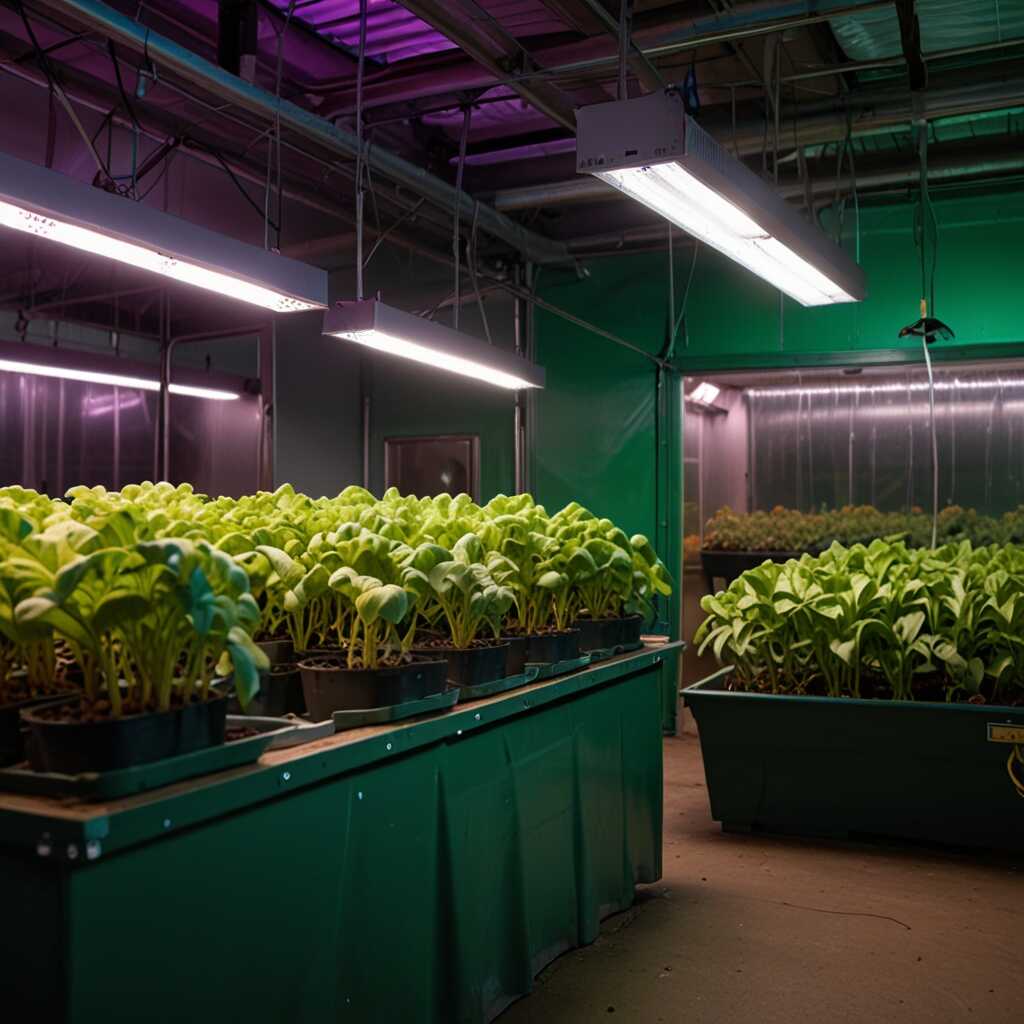
Key Factors Affecting the Performance of Grow Lights
Grow light placement significantly impacts plant growth. Proper positioning helps ensure plants receive the right intensity and coverage. Different plant types respond uniquely to light spectrums. For example, leafy greens thrive under blue light, while fruiting plants prefer red light to enhance flowering and fruiting stages. The optimal distance between LED grow lights and plants typically ranges from 12 to 24 inches. This distance promotes energy efficiency while maximizing light distribution. Regular testing and adjustments can further improve performance and reliability.
Understanding Light Spectrum Differences for Plant Types
Understanding light spectrum differences is essential for plant growth as certain wavelengths trigger specific responses in plants. Blue light, ranging from 400 to 500 nanometers, is crucial for vegetative growth, making it ideal for leafy greens. Red light, from 600 to 700 nanometers, enhances flowering and fruiting, making it vital for tomatoes and peppers. Grow lights designed with full spectrum capabilities provide a balance of these wavelengths, supporting all growth stages effectively. Research shows that using the right spectrum improves overall plant health and productivity, enabling greenhouse growers to achieve impressive yields.
Advantages of Energy-Efficient Lighting Solutions
- LED grow lights promote healthier plant growth with ideal light wavelengths.
- They help reduce greenhouse gas emissions by minimizing energy use.
- These lights lower electricity bills, allowing savings for other greenhouse needs.
- They offer consistent, full-spectrum lighting for all plant growth stages.
- LED systems have a lower likelihood of needing frequent replacements.
- They operate quietly and create a comfortable environment for growers.
- LED lights are eco-friendly, as many are made from recyclable materials.
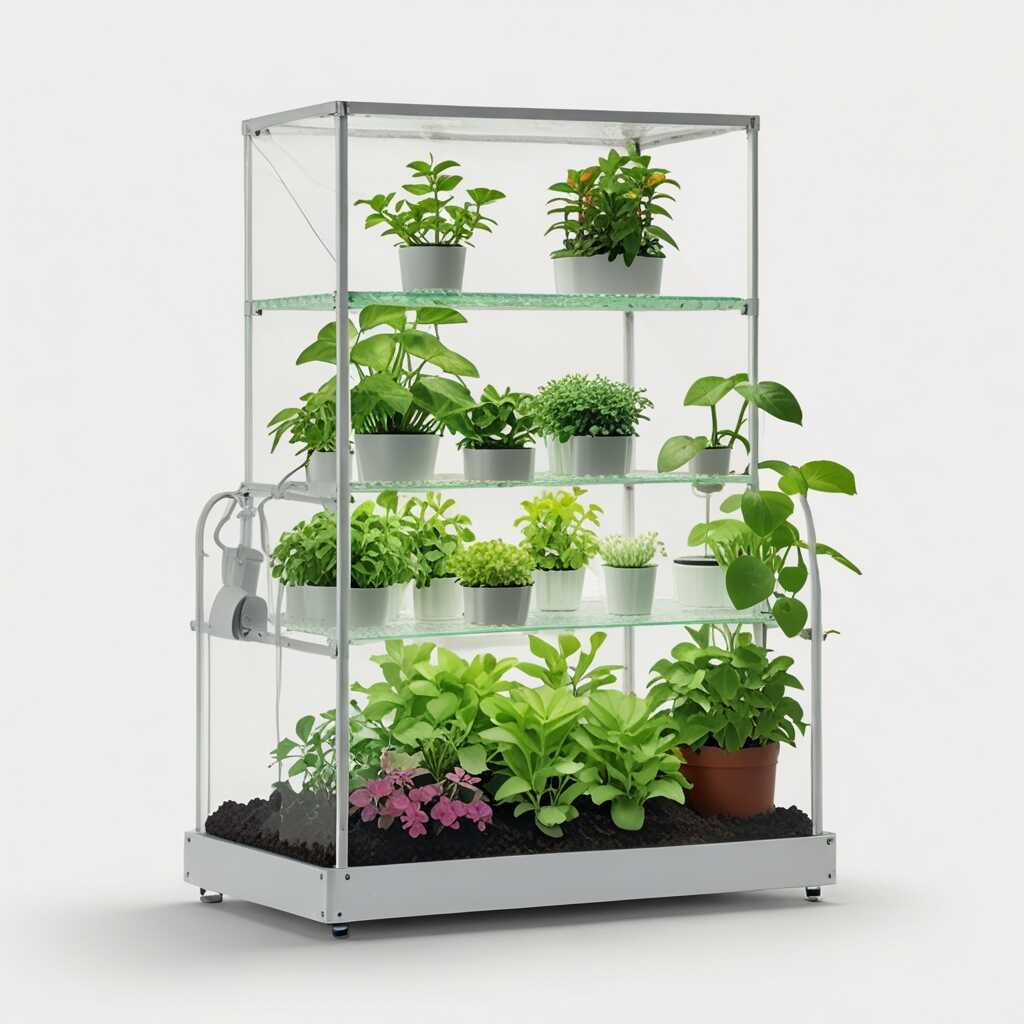
Assessing the Lifespan and Reliability of LED Grow Lights
LED grow lights typically last over 50,000 hours, far exceeding the 1,000 to 2,000 hours of traditional grow lights. This impressive lifespan highlights the durability of LED lights, reducing the frequency of replacements. Less frequent replacements offer significant cost savings over time. Reliability tests have shown that LED grow lights maintain consistent performance, providing excellent energy efficiency. These results underline the importance of selecting reliable lighting solutions for greenhouse and indoor gardening environments.
Understanding the Impact of Lifespan on Cost Efficiency
The longer lifespan of LED grow lights directly impacts overall cost efficiency. Fewer replacements mean lower maintenance costs, enhancing your budget for sustainable gardening. A traditional grow light may require replacement every year or two, increasing your long-term expenses significantly. In contrast, the durability of LED systems not only helps reduce waste but also improves energy savings, contributing to an eco-friendly approach to gardening. Choosing the right lighting can lead to substantial savings by minimizing both replacement costs and energy consumption.
Case Studies Showcasing Cost-Effectiveness of LED Grow Lights
Many greenhouse growers report success after transitioning to LED grow lights. For instance, a mid-sized tomato greenhouse reduced their electricity use by 35% annually. Another case involved a flower-growing operation seeing a 30% decrease in energy costs. They also experienced a 20% increase in production quality. These examples showcase how shifting to LED lighting can enhance efficiency and improve plant growth. Researchers found that LED technology provides better light spectrum control, leading to healthier plants and higher yields. Overall, growers highlight the reliability of LED lights significantly improving long-term profitability.
Measuring Energy Savings and Performance Improvements
Greenhouse operations document energy savings and performance by conducting thorough analyses before and after switching to LED grow lights. They track energy usage monthly and compare it with previous data collected during traditional lighting use. For instance, one greenhouse measured energy savings of 40%, leading to an annual savings of over $5,000. Detailed reviews also show that LED lights enhance plant growth rates and flowering times. Using sensors, growers monitor temperature and humidity levels. This data provides insights into how LED systems optimize growing conditions. These measures ensure that growers can rely on LED lighting for consistent performance.
Notable Brands and Their User Appeal
- Brand A focuses on high-efficiency and durability, appealing to professional growers.
- Brand B is budget-friendly, attracting first-time indoor gardeners eager to try LED lights.
- Brand C offers advanced features like timers and dimmers, ideal for tech-savvy users.
- Brand D specializes in full spectrum lights, attracting users growing diverse plant types.
- Brand E has strong customer support, which appeals to novices needing guidance.
- Brand F promotes eco-friendly practices, attracting sustainability advocates.
- Brand G emphasizes portability, appealing to those with small gardening spaces.
Future Developments in LED Grow Light Technologies
Future advancements in LED grow light technologies include increased energy efficiency features, smart lighting systems, and better wavelength customization. Users should look for features such as adjustable spectrum controls, integrated sensors for monitoring plant health, and designs that provide reliable long-term performance. By 2025, it is predicted that over 20 types of LED grow lights will be available, ensuring a range of options for sustainable gardening practices.
What Features to Expect in Upcoming LED Grow Lights
Upcoming LED grow lights are expected to include energy efficiency features like lower power consumption and longer lifespan. Smart technology integration will likely allow users to control lighting through mobile apps. New designs may offer improved heat dissipation and enhanced light distribution, making them more effective for diverse planting setups. These innovations provide better overall performance and reliability, making them essential for both novice and expert gardeners. Regular reviews will ensure users can compare and select the best options based on data-driven results.