
Farmers use specialized grow lights to optimize plant flowering cycles, ensuring crops reach their full potential. By controlling light spectrums and durations, they create ideal conditions for different growth stages. At Green Writer, we explore practical strategies for selecting and using these lights effectively in indoor gardening. Our focus is on sustainable horticulture, guiding you to make informed choices that benefit both your plants and the environment.
Exploring How Light Affects Plant Growth and Flowering
Light exposure significantly influences plant growth cycles. Plants use light to perform photosynthesis, which is essential for energy production. Different wavelengths of light affect various growth stages, with red light being crucial for flowering. Various types of grow lights are available, including LED, fluorescent, and HID options, each with distinct effects on growth and flowering. Indoor gardeners should provide around 12 to 16 hours of light daily for optimal flowering for most plants, ensuring health and productivity.
Understanding Light Wavelengths and Plant Growth
Light wavelengths play a vital role in plant growth and flowering. Plants primarily utilize blue light (400-500 nm) for vegetative growth, enhancing leaf development. Red light (600-700 nm) is critical for flowering and fruiting, stimulating the production of flowering hormones. By selecting full-spectrum grow lights that include both blue and red wavelengths, indoor gardeners can create the best environment for their plants. This ensures plants receive the right light in the right amounts, improving blooming results. Green Writer provides insights that help you choose the best lighting solutions to enhance your indoor gardening strategies.
Understanding the Different Phases of Plant Flowering
Plants typically experience several critical phases during the flowering process: initiation, development, and maturation. Each phase is greatly influenced by the light wavelengths they receive. For instance, blue light (400-500 nm) is important in the initiation phase, supporting healthy vegetative growth. During the development phase, a shift to red light (600-700 nm) enhances flowering by stimulating phytochrome activity, which results in blooming. A plant like the cannabis sativa illustrates this perfectly; it requires specific light durations and intensities, including 12 hours of darkness and 12 hours of red light for proper flowering.
Importance of Light Spectrum in Flowering Stages
Understanding the light spectrum’s role in each flowering stage helps gardeners optimize their indoor gardening techniques. The full spectrum of light includes wavelengths from ultraviolet to infrared. Blue light promotes chlorophyll production during the growth phase, while red light influences flowering hormones. Combining these wavelengths in a grow light system can enhance overall plant health and yield. Grow lights designed for specific flowering cycles, like those featuring a mix of blue and red LEDs, ensure plants receive all necessary wavelengths for robust growth. This knowledge allows indoor gardeners to effectively manage their plants’ light exposure, maximizing flowering quality.
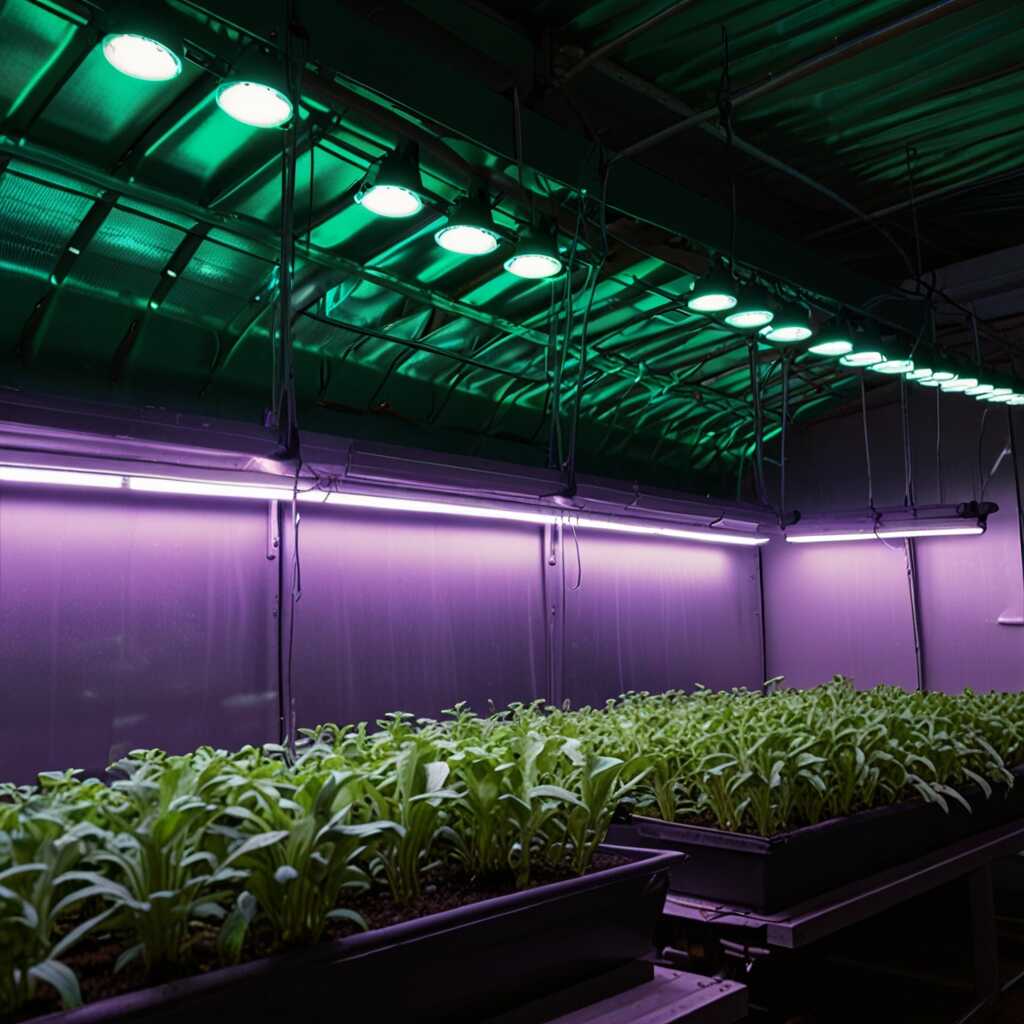
Types of Grow Lights and Their Uses in Indoor Gardening
The main types of grow lights include LED grow lights, fluorescent grow lights, and high-intensity discharge (HID) lights. LED grow lights are popular for their energy efficiency and long lifespan, offering 50,000 hours or more. Fluorescent grow lights are often used for seedlings and lower light plants, providing a softer light. HID lights, like metal halide and sodium vapor, emit bright light suitable for larger plants. Each type affects plant growth differently; for instance, tomatoes and herbs thrive under full spectrum lighting that mimics natural sunlight. This ensures optimal flowering cycles, while succulents prefer lower light intensity. Understanding these differences helps growers select the best lighting system for their indoor plant growth needs, enhancing overall performance.
Comparing the Lifespan and Efficiency of Grow Lights
The average lifespan of LED grow lights is significantly longer than that of fluorescent or HID lights. While LED lights can last over 50,000 hours, fluorescent lights typically last around 10,000 hours, and HID lights last roughly 20,000 hours. Additionally, LEDs provide superior energy efficiency, consuming less electricity while delivering similar or better light output. This durability means fewer replacements over time, allowing indoor gardeners to focus more on cultivating plants rather than maintaining equipment. Research shows that LEDs enhance plant flowering cycles and overall growth, making them a sustainable choice for any indoor gardener.
Key Numerical Insights for Light Usage in Gardening
- Most indoor farmers use lights for 12-16 hours daily to boost plant growth.
- LED grow lights can last over 50,000 hours, compared to 2,000 hours for incandescent bulbs.
- Specialized lighting can increase crop yields by up to 30% during flowering stages.
- Farmers can reduce energy costs by up to 75% with energy-efficient lighting solutions.
- Using full-spectrum lights can enhance photosynthesis in plants by 20-40%.
- Some plants require around 400-700 nanometers of light spectrum for optimal growth.
- Farmers can produce two to three harvests annually with proper light management.
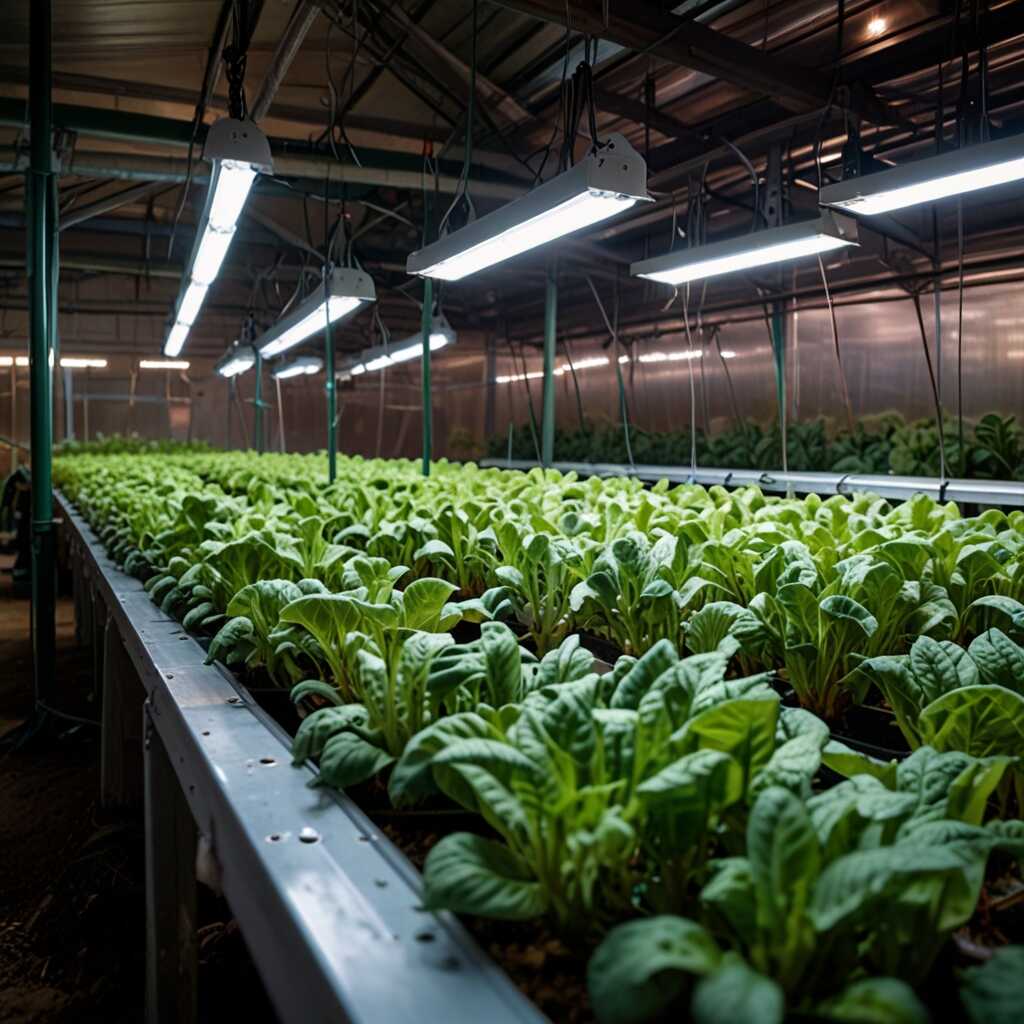
The Advantages of Full Spectrum Lights for Floral Development
Full spectrum lights provide essential benefits for indoor gardening, particularly in promoting flowering. They consist of a wide range of wavelengths that support all stages of plant growth. The different wavelengths enhance plant health by mimicking natural sunlight, which is crucial for efficient photosynthesis. This light helps ensure strong flowering by providing the right spectrum for stimulating bud development. Research shows that the optimal light spectrum for flowering typically ranges from 400 to 700 nm. This range includes blue light for vegetative growth and red light specifically for encouraging flowering. Users experience improved yields and robust plants by using full spectrum lights designed for indoor gardens.
Understanding Optimal Wavelengths for Flowering
Plants respond differently to various light wavelengths, making it vital to understand which spectrums enhance flowering. Blue light, often in the 450 nm range, promotes leaf growth and overall plant development. This is why it serves as a foundational element in the lighting setup. Red light, around 660 nm, is essential for triggering flowering and fruiting phases. Balancing these wavelengths in indoor gardening can enhance flower quality and yield. Many commercial growers opt for full spectrum lights that balance these essential wavelengths, ensuring their plants reach the best flowering potential. Using these lights provides reliable results, improving overall indoor gardening performance when targeting specific growth stages.
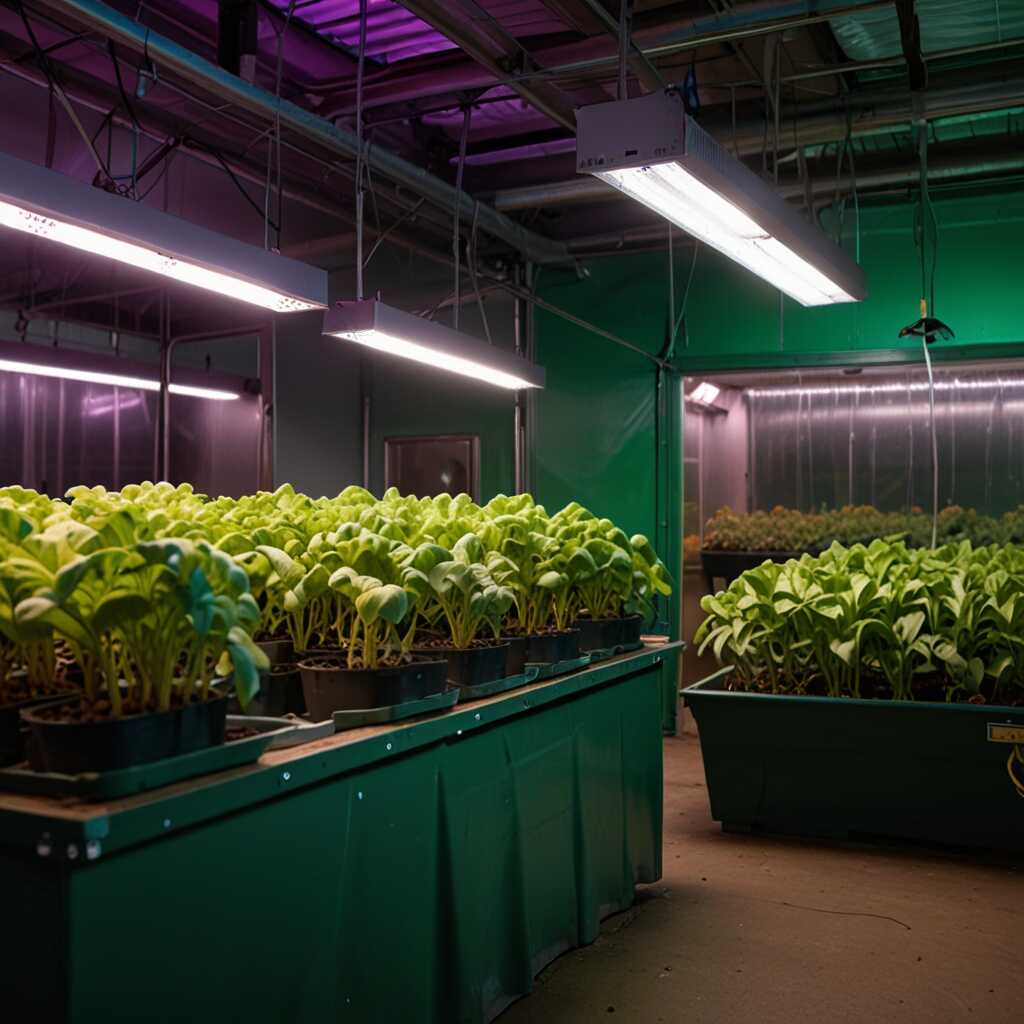
Tips for Effective Lighting Setup in Indoor Gardens
To create an optimal indoor gardening environment, consider factors like light spectrum, light intensity, and placement. Specialized grow lights, such as LED and fluorescent options, provide essential wavelengths that support various plant growth stages. LED grow lights are highly energy-efficient and have a lifespan exceeding 50,000 hours compared to traditional bulbs. This efficiency helps gardeners save on energy costs while cultivating vibrant plants. Position grow lights at a distance of 12 to 24 inches from plants to ensure they receive adequate light without causing damage. Adjustments may be necessary depending on the plant type and growth stage.
Understanding Light Spectrum for Plant Growth
The light spectrum is crucial for supporting healthy plant growth. Different wavelengths play distinct roles in the growth cycle. Blue light (400-500nm) is essential for vegetative growth, while red light (600-700nm) promotes flowering. Full-spectrum grow lights combine these wavelengths, mimicking natural sunlight. This can greatly enhance the flowering cycle of indoor plants. When selecting lights, ensure they provide a balanced light spectrum that meets the specific needs of your plants. Using a light meter can assist in evaluating the light intensity and optimizing distance for best results. This attention to detail creates a thriving indoor garden.
Advantages of Utilizing Advanced Illumination Techniques
- Farmers achieve more consistent flowering cycles by controlling light schedules.
- Specialized grow lights help improve the quality and taste of fruits and flowers.
- Plants grow faster and healthier under regulated light conditions.
- Indoor gardening becomes feasible regardless of outdoor climate variations.
- Sustainability increases as less water and fertilizer are needed with optimized light.
- Farmers can experiment with different light spectrums to enhance plant traits.
- Using advanced lights reduces the risk of pests and diseases in indoor gardens.
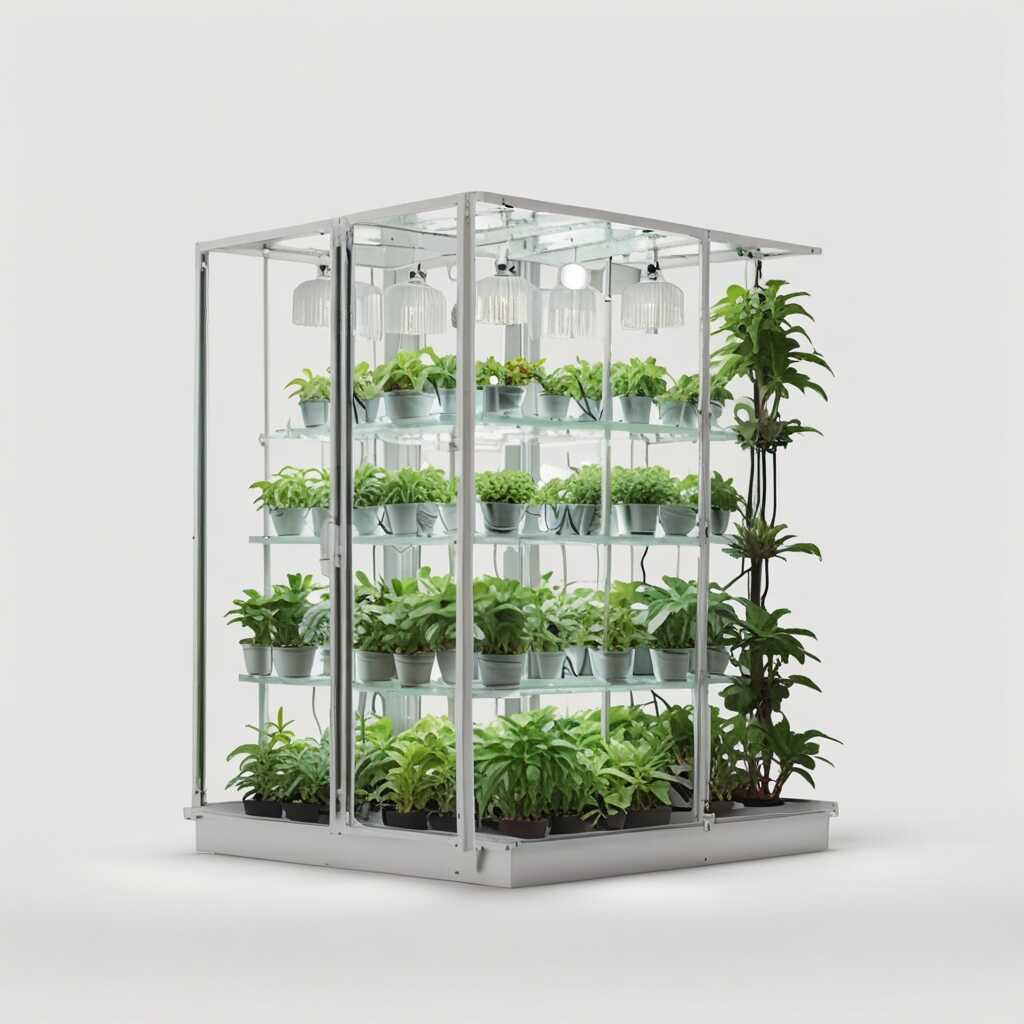
Avoiding Common Grow Light Mistakes in Indoor Gardening
Many gardeners face challenges when using grow lights. Common mistakes include placing lights too far from plants, utilizing the wrong light spectrum, and not maintaining the proper light duration. Placing lights at an inappropriate distance can lead to insufficient light, causing slow growth. Each type of plant has specific light spectrum needs. Using a full spectrum light ensures plants receive wavelengths suitable for their growth stages. Research shows that most indoor plants thrive with 12 to 16 hours of light per day. Proper testing and monitoring help enhance plant health and growth efficiency.
Understanding Light Spectrum and Its Importance
Light spectrum plays a crucial role in plant health. Plants require different wavelengths for photosynthesis and flowering. Blue light (400-500 nm) supports vegetative growth, while red light (600-700 nm) promotes flowering. Using a grow light designed with a balanced light spectrum enhances photosynthesis. Experts recommend transitioning light spectrum based on the plant’s growth stage. This strategy can improve flowering success rates. Grow lights that offer adjustable spectrum features are high-quality options for indoor gardeners. Regular reviews of light performance help ensure plants receive optimal conditions for growth and blooming.
Energy Efficiency and Sustainability in Grow Light Use
Energy-efficient grow lights, especially LED grow lights, are vital for minimizing energy consumption. LED technology typically uses 60% less energy than traditional incandescent or HID (High-Intensity Discharge) options. They offer reliable performance and can last over 50,000 hours, dramatically reducing carbon footprints. Sustainable gardening practices are enhanced when the energy source for grow lights is renewable, such as solar power. Grow lights designed to provide full-spectrum light help meet plant needs while ensuring optimal growth, thus reducing waste associated with plant loss.
Choosing the Best Grow Lights for Sustainability
Choosing the best grow lights for sustainability requires careful consideration of the light spectrum and energy efficiency. For example, full-spectrum LED grow lights deliver a balanced combination of blue and red wavelengths, promoting healthy flowering and vegetative growth. They are durable and provide excellent performance across all growth stages. Users should look for lights with a low wattage to efficacy ratio, as this indicates higher quality and efficiency. By selecting grow lights that align with sustainable practices, indoor gardeners can significantly reduce their environmental impact while enhancing plant growth.
Notable Brands and Their Gardening Applications
- Brand A offers affordable LED lights ideal for new indoor gardeners on a budget.
- Brand B provides high-end full-spectrum lights designed for commercial growers.
- Brand C has energy-efficient options that appeal to eco-conscious consumers.
- Brand D’s lights come with customizable features, benefiting specialized farmers.
- Hobbyists enjoy Brand E due to its user-friendly products and clear instructions.
- Brand F caters to educational institutions, promoting horticulture studies.
- Brand G focuses on sustainable practices, aligning with green living advocates.
Combining Grow Lights with Ecological Gardening Strategies
Farmers can integrate grow lights effectively with companion planting by selecting species that thrive together. Pairing short-day plants like strawberries with grow lights allows year-round cultivation. This minimizes space and maximizes yield. Organic gardening techniques like using compost enhance soil fertility while grow lights support vegetative growth. Water conservation methods such as drip irrigation work well with indoor setups, ensuring plants receive adequate moisture without waste. The average energy consumption of high-efficiency LED grow lights is around 20-30 watts per fixture. This efficient energy use significantly supports eco-friendly practices.
Effective Companion Planting Practices for Grow Light Users
Effective companion planting practices for grow light users include pairing basil with tomatoes. This combination helps repel pests while enhancing growth. Using grow lights to simulate daylight hours can boost the development of herbs and vegetables. For instance, growing leafy greens alongside legumes enriches the soil with nitrogen. The dual benefits of these plants improve indoor gardening outcomes. Be mindful of grow light placement to ensure all plants receive adequate exposure. This creates a thriving environment inside your home while maintaining sustainable, eco-friendly practices.