
Fluorescent grow lights play a crucial role in increasing flowering in greenhouse bulbs. These lights provide the necessary spectrum and intensity of light plants need for optimal growth. At Green Writer, we emphasize how proper lighting can dramatically enhance indoor plant health while promoting eco-friendly practices. By understanding how to harness the power of fluorescent lights, indoor gardeners can create thriving environments that support sustainability and beautiful blooms.
How Grow Lights Influence Plant Growth and Flowering
Grow lights play a vital role in plant growth and flowering by simulating natural sunlight. They facilitate essential processes like photosynthesis, which plants use to convert light energy into chemical energy. Different grow light wavelengths, such as blue and red, impact flowering in various species, with blue light promoting vegetative growth and red light encouraging flowering. The optimal duration of light exposure typically ranges from 12 to 16 hours daily, helping indoor bulbs thrive and produce blooms efficiently.
Understanding Photosynthesis and Flowering with Grow Lights
Photosynthesis is the process by which plants convert light into energy, making grow lights crucial for indoor gardening. Different grow light wavelengths facilitate this process by offering specific light spectra. Blue wavelengths, around 400-500nm, enhance chlorophyll production, promoting leaf growth. Red wavelengths, 600-700nm, are essential for stimulating the flowering process. By choosing quality grow lights that offer these wavelengths, indoor gardeners can significantly influence the flowering process, improving their plant’s results and overall health.
Key Advantages of Using Fluorescent Lights for Plant Cultivation
Fluorescent grow lights offer several advantages that make them popular among indoor gardeners. They are energy efficient lighting solutions, consuming less electricity compared to traditional incandescent bulbs. This efficiency results in reduced energy costs. Fluorescent lights produce a broad spectrum output, which is essential for supporting different plant growth stages, particularly in greenhouse bulbs. Their design enables them to cover more plant areas, ensuring even light distribution. The average lifespan of fluorescent grow lights is typically around 10,000 to 20,000 hours, making them a reliable choice for consistent use.
How Fluorescent Grow Lights Enhance Flowering in Plants
Fluorescent grow lights are particularly effective in enhancing flowering among plants. They provide a broad spectrum output that includes the red and blue wavelengths essential for photosynthesis and flowering stages. Research shows that when indoor plants receive the right light spectrum, their flowering can improve significantly. A combination of high-quality fluorescent lights can help optimize the growth environment by mimicking natural sunlight conditions. This combination increases the likelihood of successful flowering in greenhouse bulbs, leading to a more fruitful gardening experience. For anyone focusing on plant care, understanding this capability is crucial for effective plant growth.
Selecting the Best Fluorescent Lights for Your Bulbs
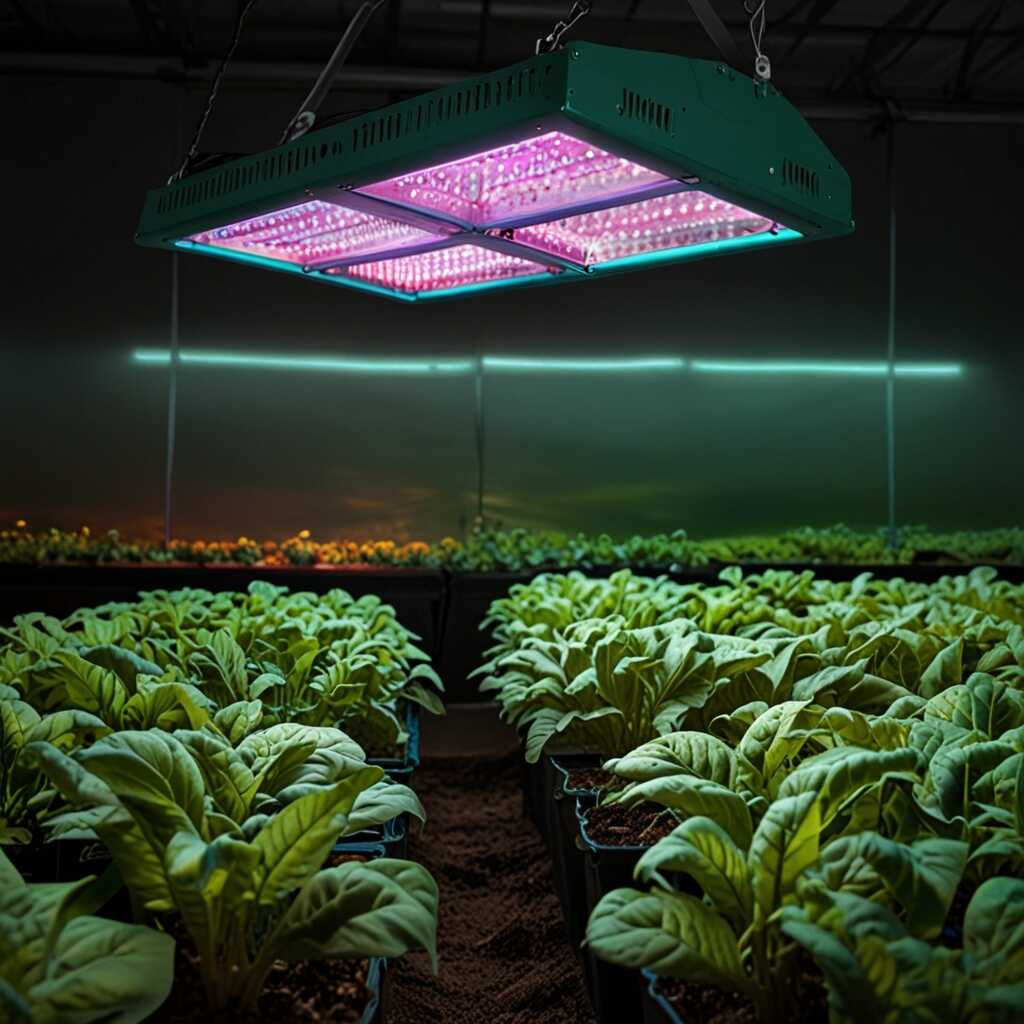
Choosing the right fluorescent grow lights for greenhouse bulbs is crucial. Look for lights that ensure proper spectrum coverage. Different species like Amaryllis, Hyacinths, and Tulips have varying light needs during flowering. Full-spectrum fluorescent lights provide essential wavelengths that enhance flowering efficiency. Reliable brands include those with excellent reviews for durability and performance. Test different types to see which works best for your specific bulbs. Check their energy efficiency to manage operating costs effectively.
Understanding Light Spectrum Needs for Bulbs
Understanding the light spectrum needs of various greenhouse bulb species helps in selecting the right fluorescent grow lights. Bulbs like Amaryllis thrive with lights that emit a strong red spectrum, promoting growth and flowering. Meanwhile, Hyacinths benefit from blue light for stronger foliage development. Using a full-spectrum fluorescent light covers all necessary wavelengths, supporting different growth stages efficiently. For optimal plant development, position the lights about 12 to 18 inches above plants for the best results. Regularly monitor light duration, aiming for around 12 to 16 hours daily to enhance flowering duration.
Key Statistical Insights on Lighting and Plant Growth
- Fluorescent lights emit a consistent spectrum beneficial for plant development.
- They consume about 75% less energy compared to traditional incandescent bulbs.
- Plants under these lights can grow up to 30% faster during their flowering phase.
- Research shows fluorescent lights can improve flower yield by 20% or more.
- These lights produce lower heat emissions, reducing stress on the plants.
- Using fluorescent lights can lead to a 40% decrease in electricity costs for greenhouse owners.
- They can last over 20,000 hours, providing long-term lighting solutions.
Establishing Ideal Lighting Conditions for Healthy Flowers
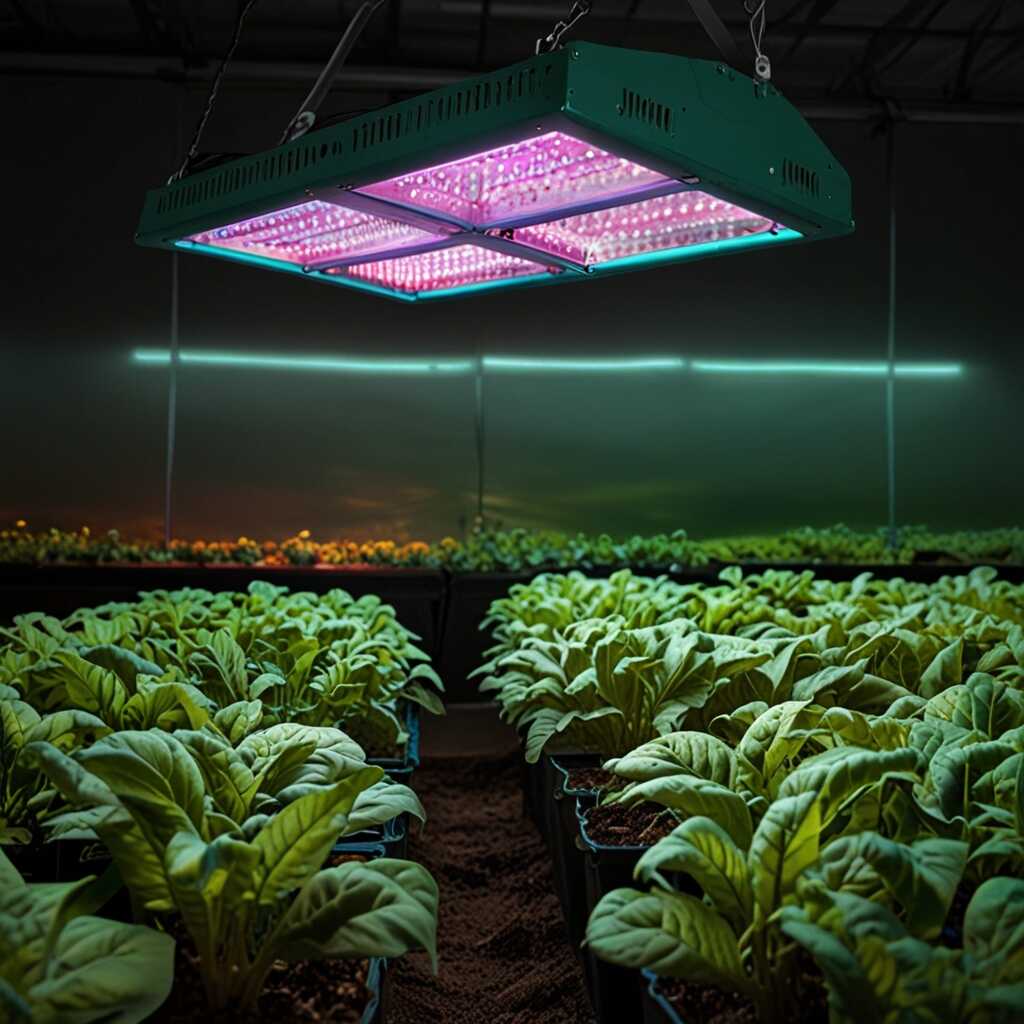
The ideal light duration for greenhouse flowering plants typically ranges from 12 to 16 hours daily. This consistent exposure ensures that plants receive the energy needed for vibrant blooms. Light intensity plays a critical role in photosynthesis. A positioning strategy placing fluorescent grow lights 12 to 24 inches above the plants helps maintain adequate light intensity without causing heat stress. For optimal growth with fluorescent grow lights, aim for at least 20 watts per square foot. This level of power not only enhances flower production but also supports overall plant health.
Maximizing Flower Production with Light Positioning
Proper light positioning is crucial for maximizing flower production. Placing fluorescent grow lights too close can cause leaf burn while being too far will reduce the light’s effectiveness. A recommended distance of 12 to 24 inches above the canopy ensures an even distribution of light. Utilizing adjustable hangers for the lights can easily accommodate the growing height of flowering plants. Regularly checking the light intensity with a light meter helps you maintain the right level, ensuring the flowers receive sufficient illumination for their specific growth stage. This approach not only optimizes energy efficiency but also results in healthier blooming plants throughout their lifecycle.
Addressing Common Fluorescent Lighting Challenges in Gardening
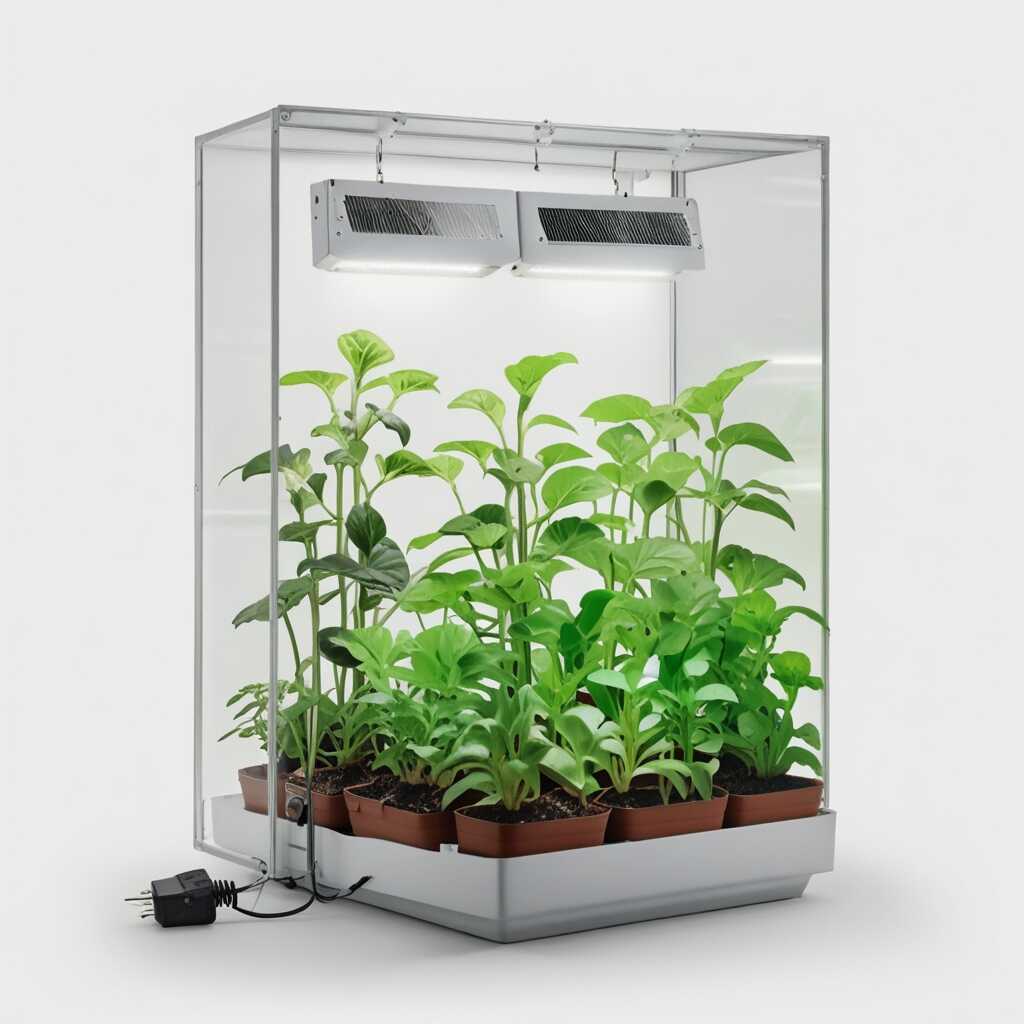
Common problems include inadequate light intensity, poor spectrum for flowering, and heat stress. Inadequate light intensity leads to slow plant growth. Choosing the right fluorescent light type, such as T5 or T8, can improve performance. T5 lights emit higher photosynthetically active radiation, which enhances growth. Keeping fluorescent lights at an optimal distance of 6 to 12 inches helps prevent heat stress while ensuring plants receive sufficient light. Regularly checking the lights for cleanliness and functionality enhances reliability and efficiency.
Comparing Fluorescent Light Types for Optimal Gardening
Fluorescent light types, like T5 and T8, have specific advantages that impact indoor gardening success. T5 tubes are known for their efficiency and higher output, delivering more lumens per watt. They typically last up to 24,000 hours and are compact, making them a popular choice for growers. T8 lights, while less powerful, are still effective and more affordable. Both types provide essential light for various plant growth stages when positioned 6 to 12 inches away from plants. Research shows that T5 lights often yield better results in flowering, while T8 lights can handle general plant care.
Positive Effects of Artificial Lighting on Plant Blooms
- Users see improved flowering rates thanks to optimal light wavelengths.
- Plants thrive under fluorescent lights, leading to lush green growth and vibrant flowers.
- Using these lights ensures consistent lighting conditions for all plant species.
- Eco-friendly lighting options reduce the carbon footprint during plant cultivation.
- Adjustable light intensity helps customize the environment for various bulb species.
- These lights minimize pest issues associated with heat-conducting bulbs.
- By using fluorescent lights, gardeners can extend the growing season indoors.
Enhancing Fluorescent Grow Lights with Complementary Practices
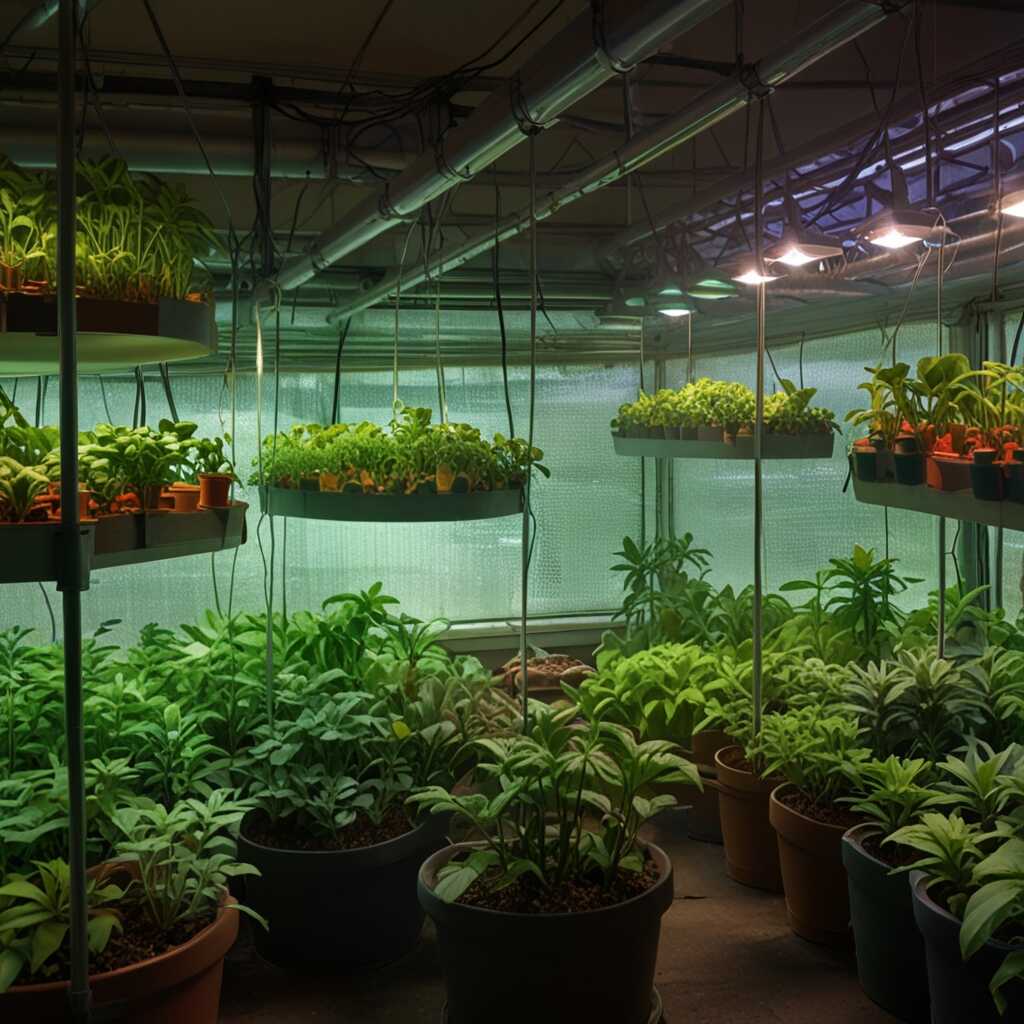
Proper watering techniques enhance flowering under fluorescent grow lights. Always ensure soil moisture is consistent but not soggy. Use a moisture meter to determine the right time to water. Soil health is crucial. Choose a potting mix that drains well yet retains moisture. Implementing organic compost can improve nutrient content. For fertilization, a balanced liquid fertilizer, applied every two weeks is effective. This combination promotes plant vitality and boosts flowering under fluorescent light.
Optimal Fertilization Frequency for Flowering Plants
For flowering plants under fluorescent grow lights, fertilizing every 14 days is optimal. This frequency allows plants to access vital nutrients like nitrogen and phosphorus, which are essential for blooming. Liquid fertilizers are easiest to apply. Ensure that the solution is diluted to prevent over-fertilization, which may harm roots. Carefully monitor plant responses to adjust the fertilization schedule as necessary. Keeping track of soil pH also supports nutrient absorption, enhancing overall growth.
The Science of Light Spectrum and Flowering Mechanics
Specific light wavelengths play a vital role in triggering flowering in greenhouse bulbs. Blue light, typically in the range of 400 to 500 nanometers, is essential for vegetative growth. Red light, covering 620 to 700 nanometers, significantly enhances flowering. In addition, far-red light (700 to 800 nanometers) can influence flowering timing and promote elongation of flower stems. Different fluorescent grow lights vary in efficiency in producing these wavelengths. For instance, full-spectrum LED grow lights often provide a balanced output that includes both blue and red wavelengths, making them effective for flowering. Understanding the needs of various flowering plant species will help gardeners select the best grow light for optimal blooming.
Comparative Analysis of Fluorescent Grow Lights for Flowering
When comparing fluorescent grow lights, it’s important to consider light intensity and spectrum output. T5 fluorescent bulbs are known for their high output and efficiency, providing excellent light for flowering. These bulbs typically emit around 2000 to 3000 lumens, which is ideal for promoting flower production in bulbs. Combining T5s with supplemental LED lights can enhance overall light quality. Different species may respond variably to light types, with some preferring higher red spectrum output for maximum flowering. Conducting tests with various light setups can ensure the most effective conditions for flowering. Research shows that the best results occur when light conditions match the natural flowering needs of each plant species.
Exemplary Brands and Their Impact on Indoor Gardening
- Brand A offers energy-efficient LED options that save on electric bills.
- Brand B specializes in full-spectrum fluorescents, ideal for diverse plant types.
- Brand C features affordable fluorescent solutions for budget-conscious growers.
- Brand D provides high-quality grow lights focusing on increased flowering output.
- Brand E supports eco-friendly practices with sustainably produced lighting options.
- Demographics interested in indoor plant growing include urban dwellers with limited outdoor space.
- Beginners often seek user-friendly lighting systems that make indoor gardening accessible.
Optimizing Your Greenhouse Environment for Maximum Blooming
Humidity plays a crucial role in flowering for greenhouse bulbs. High humidity can prevent the plant from losing moisture, promoting healthy bloom development. Ideally, humidity levels should be maintained between 40-60%. Optimal temperature for flowering ranges from 65-75°F during the day and about 50-60°F at night. Fluorescent grow lights should be on for 10-14 hours daily to stimulate flowering. This time ensures that bulbs receive the necessary light spectrum for proper development.
Understanding Light Spectrum for Bulb Growth
Fluorescent grow lights feature a full spectrum important for bulb growth. The blue light spectrum enhances vegetative growth, while the red spectrum is vital for flowering processes. Using fluorescent grow lights designed for plants helps to provide the necessary wavelengths, ensuring efficient blooming. Positioning the lights 6-12 inches above the bulbs prevents overheating while maximizing exposure to essential light. Regularly testing light levels ensures that your bulbs receive an effective balance for growth.