
Full spectrum grow lights provide complete wavelength coverage (400-700nm) mimicking natural sunlight, while targeted spectrum lights focus on specific wavelengths like blue (400-500nm) for vegetative growth or red (600-700nm) for flowering. Choose full spectrum for versatile greenhouse applications supporting multiple plant types, or targeted spectrum when optimizing specific growth phases. Both enhance photosynthesis efficiency, with full spectrum costing typically $150-300 versus targeted options starting around $100.
These lighting technologies revolutionize greenhouse cultivation by delivering precise light wavelengths that plants require for optimal development.
Green Writer offers comprehensive insights into how these lighting solutions can transform your indoor gardening success and support sustainable growing practices.
Understanding the fundamental differences helps greenhouse operators make informed decisions that maximize plant health and operational efficiency.
Understanding How Light Spectrum Drives Plant Growth Success
Light spectrum is the foundation of successful plant cultivation because it directly controls photosynthesis, the process plants use to convert light energy into chemical energy for growth. Full spectrum grow lights deliver wavelengths between 400-700 nanometers, which encompasses the entire photosynthetically active radiation (PAR) range that plants utilize. This complete coverage supports all growth stages from germination through flowering and fruiting.
Targeted spectrum lighting takes a different approach by concentrating on specific wavelength ranges that benefit particular growth phases. Blue light wavelengths (400-500nm) promote strong vegetative development and compact growth, while red wavelengths (600-700nm) trigger flowering responses and fruit production. This focused approach allows growers to manipulate plant behavior precisely.
How Light Wavelengths Influence Photosynthesis Efficiency
Different wavelengths within the light spectrum affect photosynthesis with varying degrees of efficiency. Chlorophyll A absorbs light most effectively in the blue (430nm) and red (662nm) regions, while Chlorophyll B responds best to blue (453nm) and red (642nm) wavelengths. Full spectrum grow lights are designed to include these critical wavelengths plus supporting ranges that enhance overall plant health.
Research demonstrates that plants exposed to complete spectrum lighting exhibit 20-30% better growth rates compared to those under limited spectrum sources. The green light portion (500-600nm), often overlooked, actually penetrates deeper into plant canopies and contributes to photosynthesis in lower leaves. This comprehensive wavelength coverage explains why full spectrum systems often produce more robust, healthier plants across diverse growing conditions.
Comprehensive Benefits of Full Spectrum Grow Light Systems
Full spectrum grow lights offer significant advantages for greenhouse operations by providing balanced illumination that closely replicates natural sunlight conditions. These systems eliminate the guesswork involved in matching light output to plant requirements because they deliver all necessary wavelengths simultaneously. Plants receive optimal support for photosynthesis, chlorophyll production, and metabolic processes throughout their entire life cycle.
The versatility of full spectrum lighting makes it ideal for mixed-crop greenhouses where different plant species share the same growing environment. These lights support diverse plant needs without requiring separate lighting zones or complex spectrum adjustments. Additionally, full spectrum systems reduce stress-related plant issues such as stretching, weak stems, and poor coloration that often result from inadequate lighting.
How Full Spectrum Technology Enhances Plant Development
Full spectrum grow lights significantly enhance plant development by providing the complete range of wavelengths plants have evolved to utilize over millions of years. This comprehensive light coverage supports robust root development, strong stem formation, healthy leaf growth, and productive flowering simultaneously.
The balanced wavelength distribution prevents common growth problems like elongated internodes (stretching), pale leaf coloration, and weak branch structure that occur under limited spectrum lighting. Plants grown under full spectrum conditions typically develop thicker stems, deeper green foliage, and more abundant flowering compared to those under narrow spectrum alternatives. This improved plant structure translates directly into higher yields and better crop quality.
Essential Features and Applications of Targeted Spectrum Grow Lights
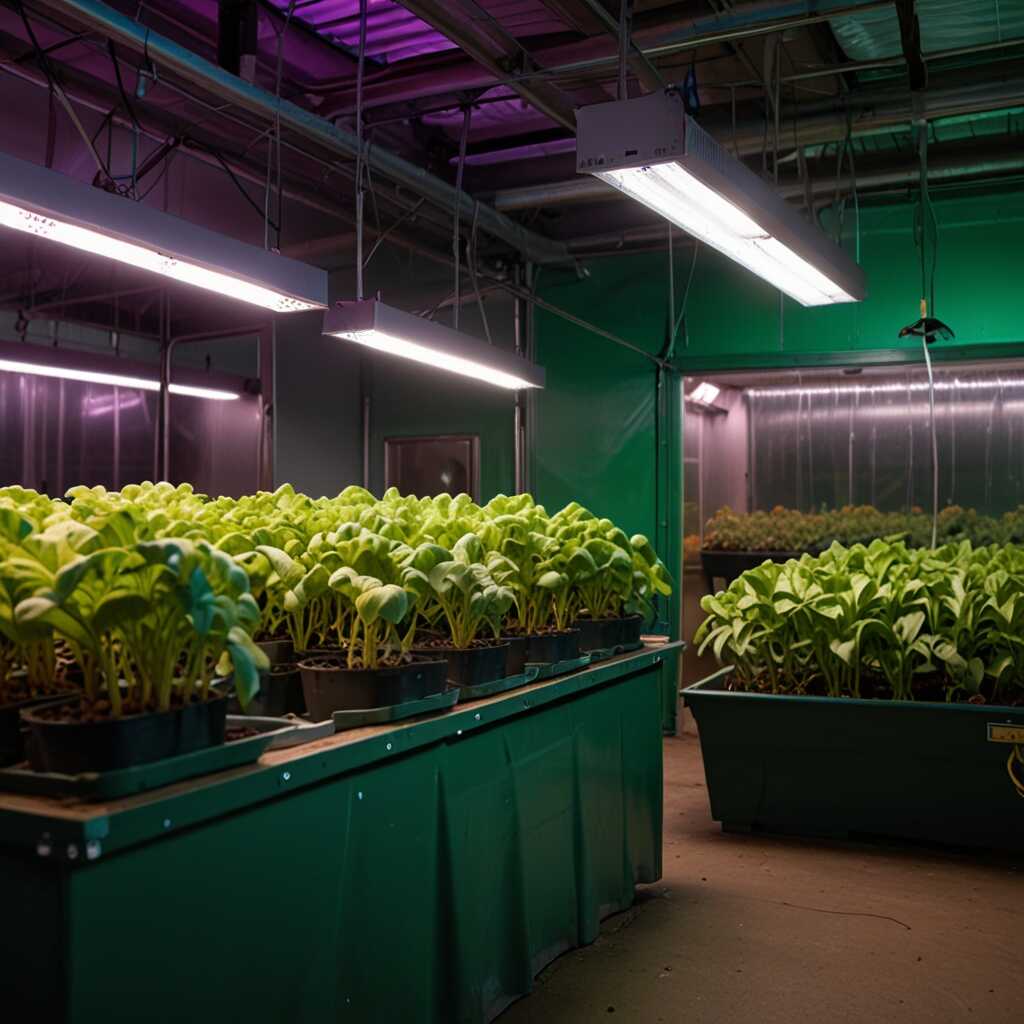
Targeted spectrum grow lights are specialized lighting systems designed to deliver specific wavelengths that optimize particular aspects of plant growth. These lights concentrate their output in narrow spectral bands, typically focusing on blue wavelengths for vegetative growth or red wavelengths for flowering and fruiting phases.
The primary advantage of targeted spectrum lighting lies in its efficiency for specific applications. Blue-heavy spectrums (400-500nm) promote compact, bushy growth ideal for leafy greens and herbs, while red-dominant outputs (600-700nm) encourage flowering, fruiting, and essential oil production. This targeted approach allows growers to fine-tune their lighting strategy based on crop requirements and growth objectives.
Understanding Wavelength Precision in Targeted Lighting Systems
Targeted spectrum grow lights achieve their effectiveness through precise wavelength control that matches specific plant physiological responses. Blue light primarily affects cryptochrome and phototropin photoreceptors, which regulate stem elongation, leaf expansion, and stomatal opening. Red light activates phytochrome responses that control flowering initiation, seed germination, and shade avoidance behaviors.
This wavelength specificity enables growers to manipulate plant characteristics with remarkable precision. For example, increasing blue light ratios produces more compact plants with thicker leaves, while higher red light percentages encourage taller growth and earlier flowering. Many commercial operations use this capability to produce consistent, market-ready crops that meet specific size and timing requirements.
Key Specifications for Different Lighting Technologies
- Full spectrum LEDs typically emit wavelengths from 380-780nm covering visible light
- Targeted blue spectrum lights focus on 400-500nm for vegetative enhancement
- Red spectrum systems concentrate on 600-700nm for flowering stimulation
- Quality LED grow lights last 50,000+ hours with minimal degradation
- Most greenhouse crops require 200-600 µmol/m²/s light intensity levels
- Daily light integral needs range from 12-50 mol/m²/day depending on crops
- Modern LED systems achieve 2.5-3.0 µmol/J photon efficacy ratings
Financial Analysis: Full Spectrum vs Targeted Spectrum Investment
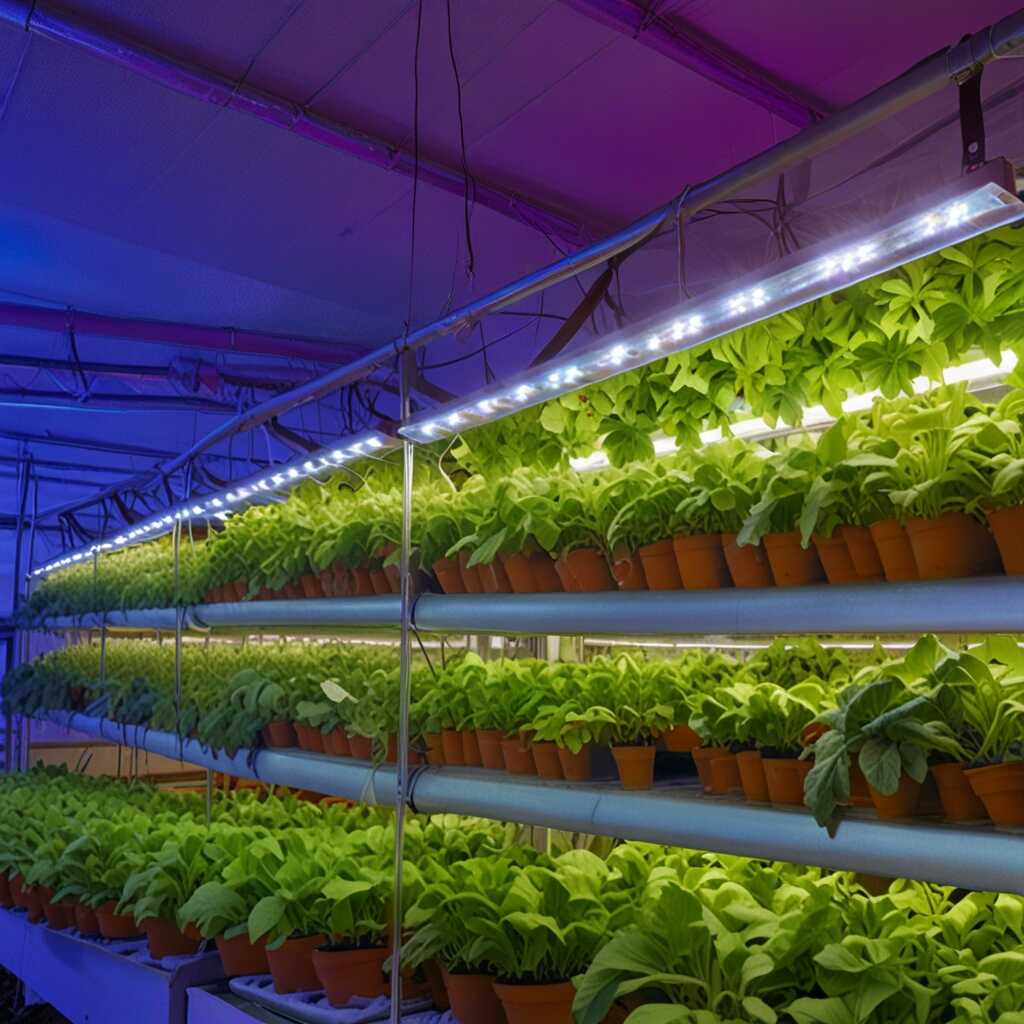
The cost comparison between full spectrum and targeted spectrum grow lights involves multiple factors beyond initial purchase price. Full spectrum LED systems typically range from $150-400 depending on coverage area and build quality, while targeted spectrum lights often start around $80-200 for comparable coverage. However, the total cost of ownership includes energy consumption, replacement frequency, and crop productivity differences.
Full spectrum lights generally provide better long-term value despite higher upfront costs because they eliminate the need for multiple light types and complex timing systems. Their versatility reduces installation complexity and maintenance requirements while supporting diverse cropping strategies throughout the year.
Calculating Long-Term Return on Investment
Long-term financial benefits strongly favor full spectrum systems for most greenhouse applications. These lights typically last 50,000-70,000 hours compared to 30,000-50,000 hours for many targeted spectrum alternatives. The extended lifespan reduces replacement costs and labor associated with fixture maintenance.
Energy efficiency also impacts operating costs significantly. Quality full spectrum LEDs achieve 2.7-3.0 µmol/J efficacy, while older targeted spectrum technologies often deliver only 2.0-2.5 µmol/J. This 15-20% efficiency advantage translates into substantial electricity savings over years of operation. Additionally, improved crop yields under full spectrum lighting often justify the higher initial investment within 1-2 growing seasons.
Optimizing Light Spectrum for Different Plant Growth Phases
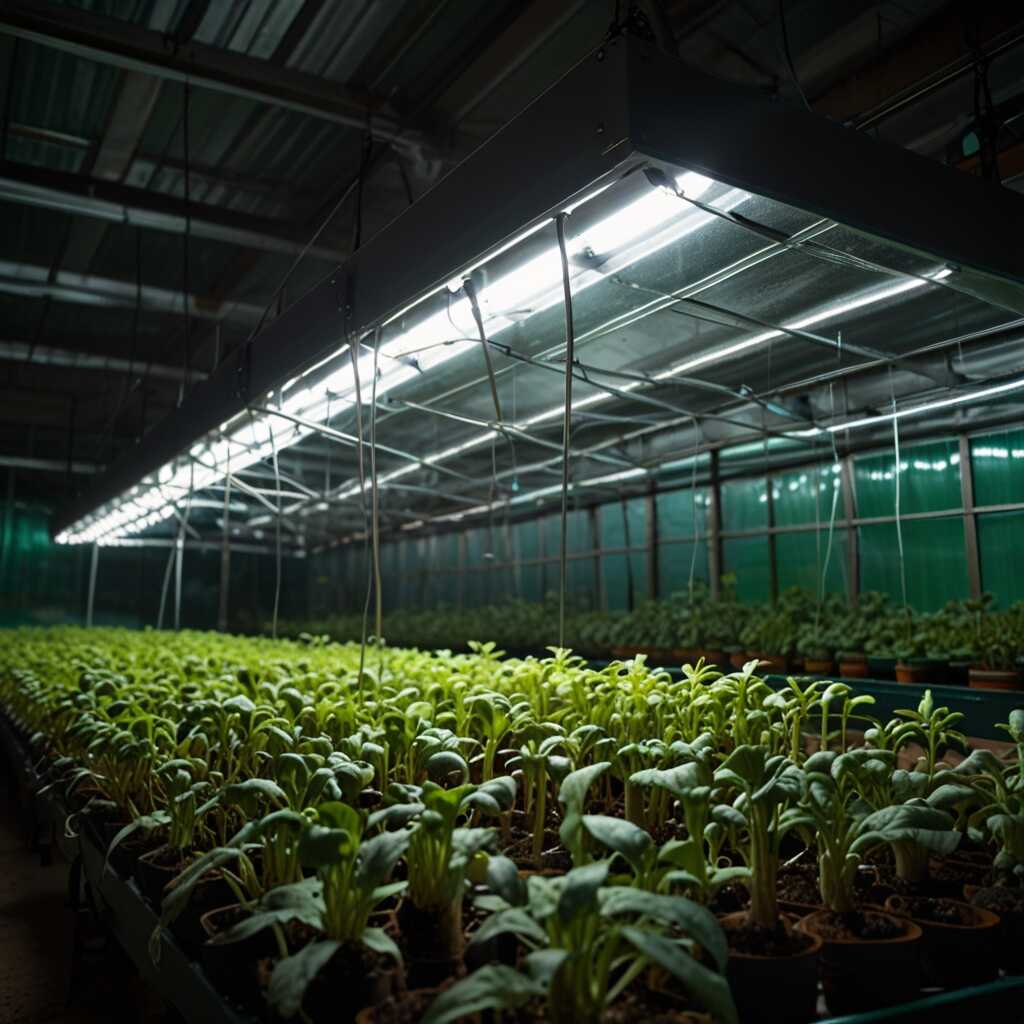
Each plant growth phase responds optimally to specific light spectrum characteristics, making spectrum selection crucial for maximizing crop productivity. During germination and early seedling development, blue-rich light (400-500nm) promotes strong root development and prevents stretching. Vegetative growth benefits from balanced blue and green wavelengths that support robust leaf formation and photosynthetic capacity.
Flowering and fruiting phases require increased red light (600-700nm) to trigger reproductive responses and support fruit development. Far-red wavelengths (700-800nm) also play important roles in stem elongation and flowering time regulation. Full spectrum lights provide all these wavelengths simultaneously, while targeted spectrum systems require adjustments or multiple fixtures to optimize each growth phase.
Critical Wavelength Requirements Across Growth Stages
Understanding specific wavelength requirements enables growers to optimize their lighting strategy for each crop phase. Germination responds best to broad spectrum light with emphasis on blue wavelengths that promote strong initial development. Seedling and early vegetative stages benefit from blue light ratios around 20-30% of total photon flux.
During rapid vegetative growth, plants utilize the full spectrum most efficiently, with blue wavelengths supporting leaf development and red wavelengths driving photosynthesis. Flowering initiation requires red/far-red ratios above 1.2, while fruit development benefits from maintaining adequate red light levels throughout the reproductive phase. Understanding these spectrum relationships helps growers choose appropriate lighting systems for their specific crops and growing objectives.
Spectrum Optimization Benefits for Different Applications
- Full spectrum systems support mixed crops without spectrum adjustments
- Targeted blue spectrum enhances leafy green quality and compactness
- Red spectrum lighting accelerates flowering and fruit production timing
- Balanced spectrum reduces plant stress and improves overall health
- Spectrum manipulation enables precise crop timing for market demands
- Full spectrum lights eliminate complex programming requirements
- Proper spectrum selection increases yields by 25-40% over inadequate lighting
Maximizing Energy Efficiency in Sustainable Greenhouse Operations
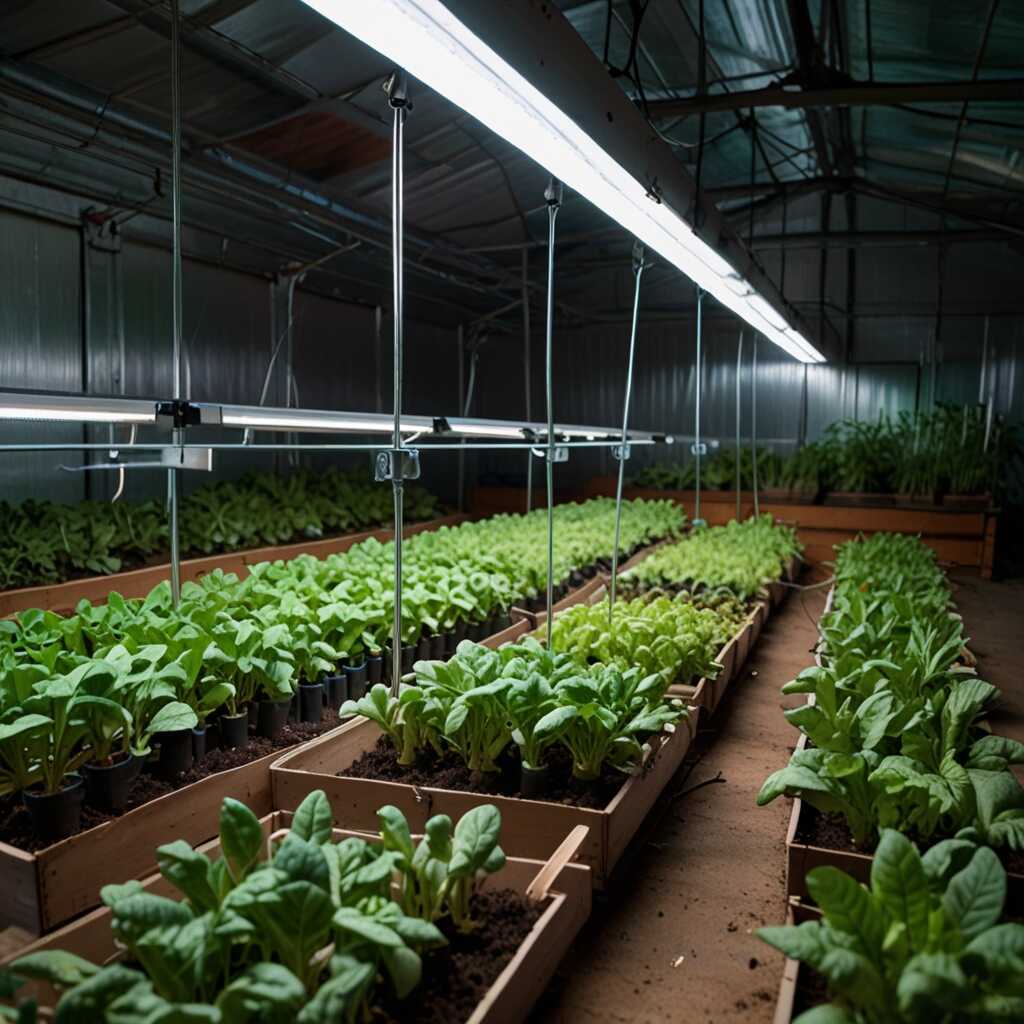
Energy efficiency represents a critical factor in sustainable greenhouse lighting because electricity costs often comprise 25-40% of total operating expenses. Modern full spectrum LED systems achieve remarkable efficiency improvements over traditional lighting technologies, delivering 2.5-3.0 µmol/J compared to 1.5-2.0 µmol/J for older systems. This efficiency translates into 30-50% energy savings while maintaining or improving crop performance.
Targeted spectrum lights can also provide efficiency benefits when used appropriately for specific applications. Their focused output reduces energy waste on unused wavelengths, making them particularly effective for single-crop operations with well-defined lighting requirements. However, the efficiency gains must be balanced against the limitations of reduced spectrum flexibility.
Optimal Power Requirements for Different Greenhouse Applications
Determining optimal power requirements depends on crop type, growing season, and greenhouse location. Most greenhouse crops require 25-40 watts per square foot of LED lighting to supplement natural sunlight effectively. Leafy greens typically need lower light levels (200-400 µmol/m²/s), while fruiting crops like tomatoes and peppers require higher intensities (400-600 µmol/m²/s).
Seasonal adjustments also impact power requirements significantly. Winter supplemental lighting may require 35-45 watts per square foot to compensate for reduced daylight hours and intensity. Summer applications often need only 15-25 watts per square foot for extending photoperiods or improving light quality. Understanding these variables helps growers optimize their lighting systems for maximum efficiency while meeting crop requirements.
Clearing Up Common Misconceptions About Greenhouse Lighting
Several persistent myths about grow lights continue to influence purchasing decisions despite contradicting scientific evidence. The most common misconception suggests that plants only need red and blue light for growth, leading some growers to choose narrow spectrum systems exclusively. While red and blue wavelengths are indeed crucial, research demonstrates that the full spectrum provides significant benefits for plant health, yield, and quality.
Another widespread myth claims that higher wattage automatically means better plant growth. In reality, photon efficiency (µmol/J) and spectrum quality matter more than raw power consumption. Modern LED grow lights achieve excellent results at lower wattages than older technologies by delivering photons more efficiently in useful wavelengths.
Many growers also believe that grow lights cannot match natural sunlight effectiveness. While sunlight remains the gold standard, quality LED systems designed for agricultural applications can actually outperform sunlight in controlled environments by providing consistent intensity and optimal spectrum ratios without weather variability.
Understanding the Science Behind Full Spectrum vs Targeted Lighting
Scientific research consistently demonstrates that full spectrum lighting provides advantages over narrow spectrum alternatives for most greenhouse applications. Studies comparing plant performance under different lighting systems show that full spectrum conditions typically result in improved plant morphology, enhanced secondary metabolite production, and better stress tolerance.
Targeted spectrum lighting does offer specific advantages for particular applications, such as promoting compact growth in leafy greens or accelerating flowering in photoperiod-sensitive crops. However, these benefits come with trade-offs including reduced flexibility, potential spectrum deficiencies, and increased complexity for multi-crop operations. Understanding these scientific principles helps growers make informed decisions based on their specific requirements rather than marketing claims or misconceptions.
Evidence-Based Lighting Choices for Different Grower Types
- Commercial greenhouse operations benefit most from full spectrum LED systems
- Hydroponic lettuce growers often prefer blue-enhanced targeted spectrum
- Home greenhouse enthusiasts typically choose full spectrum for versatility
- Research facilities commonly use adjustable spectrum systems for experimentation
- Vertical farming operations frequently employ targeted spectrum for efficiency
- Organic growers often select full spectrum to mimic natural conditions
- Specialty crop producers may use targeted spectrum for specific trait enhancement
Professional Guidelines for Selecting Optimal Grow Light Systems
Selecting the appropriate grow light system requires careful evaluation of crop requirements, facility characteristics, and operational objectives. Begin by assessing your primary crops and their specific light requirements, including daily light integral (DLI) needs, photoperiod sensitivity, and spectrum preferences. Full spectrum systems work best for diverse cropping plans, while targeted spectrum lights excel in specialized single-crop operations.
Consider your greenhouse infrastructure, including electrical capacity, mounting options, and climate control capabilities. LED grow lights generate less heat than traditional lighting, reducing cooling requirements but potentially requiring supplemental heating in cold climates. Evaluate fixture reliability, warranty coverage, and manufacturer support services, as lighting system failures can devastate crops during critical growth periods.
Critical Factors for Light Duration and Intensity Planning
Light duration and intensity requirements vary significantly among crop types and growing seasons. Leafy greens typically require 12-16 hours of supplemental lighting with DLI values of 12-20 mol/m²/day. Fruiting crops like tomatoes and peppers need 16-18 hours of lighting with DLI values of 20-30 mol/m²/day for optimal productivity.
Adjust lighting schedules based on natural light availability and seasonal changes. Winter operations may require continuous supplemental lighting, while summer applications might only need photoperiod extension or light quality enhancement. Monitor crop responses and adjust intensity or duration as needed to optimize growth without causing light stress or excessive energy consumption. Quality lighting controllers enable precise management of these parameters for consistent results.