Green Writer is reader-supported: some links on this page are affiliate links, and as an Amazon Associate Green Writer earns from qualifying purchases at no extra cost to you. Learn more.
Supplemental LED grow lights are energy-efficient lighting additions that enhance existing fluorescent systems by providing targeted light spectrums for improved plant growth. These lights typically consume 50-75% less energy than traditional options while delivering full-spectrum wavelengths. Popular brands like Mars Hydro and Spider Farmer offer reliable solutions ranging from $100-600 for most indoor gardening setups.
Why Use LED Grow Lights with Existing Fluorescent Systems
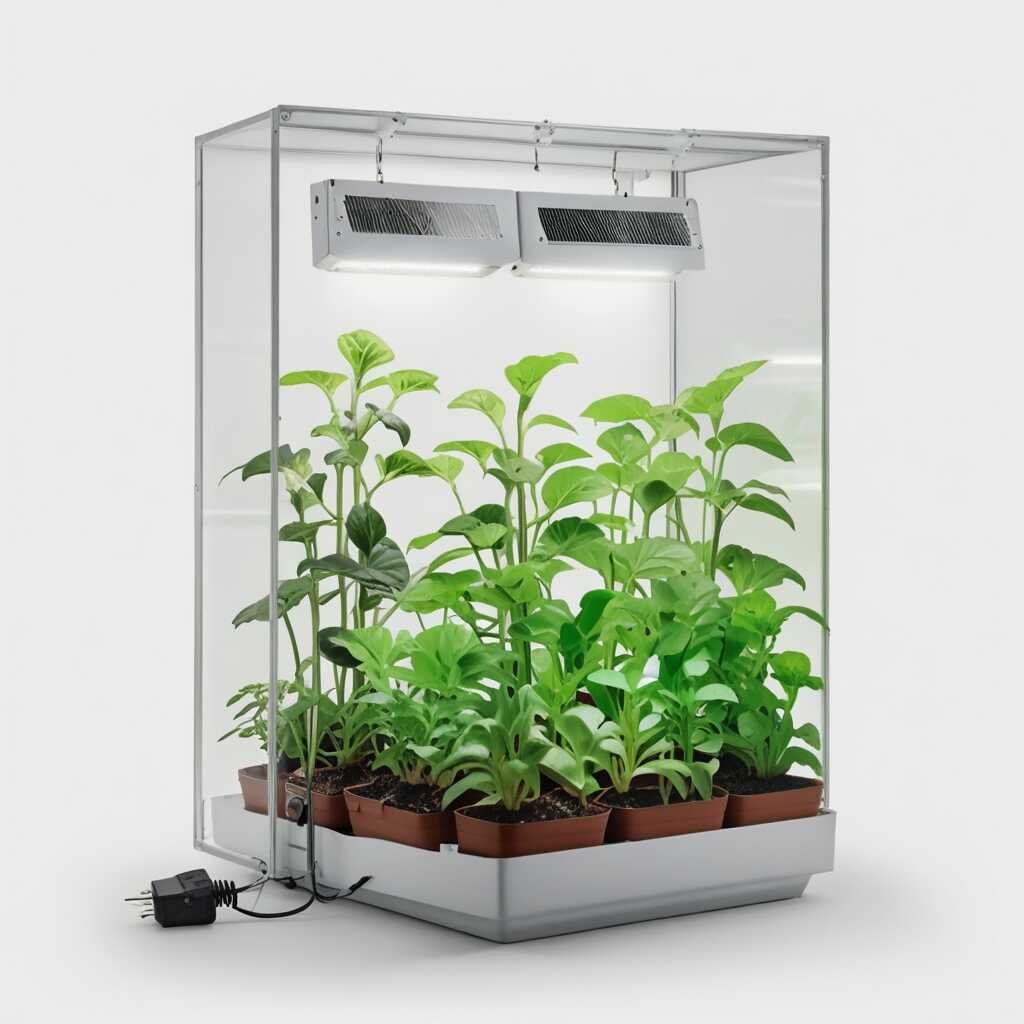
Combining LED grow lights with fluorescent systems creates an optimal lighting environment for indoor plants while maintaining energy efficiency. LED lights complement fluorescent fixtures by filling spectrum gaps, particularly in the red and blue wavelengths essential for photosynthesis. This combination works by positioning LED panels alongside existing fluorescent tubes, creating overlapping coverage that eliminates dark spots. The benefits include reduced energy consumption, extended bulb life up to 50,000 hours, and improved plant yields. However, initial setup costs can be higher, and you’ll need adequate ventilation to manage heat from both lighting types.
Understanding How LED and Fluorescent Integration Works
LED and fluorescent light integration operates through complementary spectrum distribution where each lighting type fills the other’s weaknesses. Fluorescent lights provide broad, even coverage across the 400-700nm spectrum, while LED panels deliver intense, targeted wavelengths that enhance specific growth phases. The process involves mounting LED strips or panels between existing fluorescent fixtures, typically 12-24 inches above plants. This setup allows gardeners to maintain their current fluorescent infrastructure while gaining the efficiency benefits of LED technology. Most users report 20-40% improvement in growth rates when implementing this dual-lighting approach.
Key Factors in Choosing Supplemental LED Grow Lights
Selecting the right supplemental LED grow lights depends on several critical factors including spectrum range, wattage requirements, coverage area, and compatibility with existing fluorescent systems. The light spectrum should cover 400-700nm for full plant development, with emphasis on blue light (400-500nm) for vegetative growth and red light (600-700nm) for flowering. Wattage needs typically range from 20-50 watts per square foot depending on plant types and existing fluorescent output. Coverage area must match your garden size while accounting for existing fluorescent distribution. Quality LED grow lights enhance indoor gardening success when properly matched to these requirements.
Understanding Light Spectrum Requirements for Different Plants
Different plants require specific light spectrum combinations for optimal growth, making spectrum selection crucial when adding LED supplements to fluorescent systems. Leafy greens like lettuce and spinach thrive under blue-heavy spectrums (400-500nm), while flowering plants such as tomatoes and peppers need balanced blue-red combinations. The spectrum requirements change throughout plant development – seedlings prefer gentler, blue-dominant light, while mature plants benefit from increased red wavelengths. Full-spectrum LED lights provide flexibility by offering adjustable spectrum controls, allowing gardeners to modify light output as plants progress through growth stages.
Cost Analysis and Budget Considerations
The costs for supplemental LED grow lights vary significantly based on quality, coverage area, and features, with basic units starting around $50 for small setups and premium systems reaching $600 or more. Initial investment includes the LED fixtures, mounting hardware, and potential electrical modifications, typically totaling $150-400 for average home gardens. Operating costs prove more economical than pure fluorescent systems, with LED supplements reducing monthly electricity bills by 30-50%. However, limitations include higher upfront expenses compared to adding more fluorescent tubes, and some cheaper LED units may lack durability or proper spectrum distribution.
Long-term Value and Return on Investment
The long-term value of LED supplemental lighting becomes apparent through reduced energy costs and improved plant productivity over 3-5 years. Comprehensive price analysis shows LED systems typically pay for themselves within 18-24 months through energy savings and increased yields. Quality LED fixtures last 50,000+ hours compared to fluorescent tubes requiring replacement every 7,000-15,000 hours, reducing maintenance frequency and costs. The improved plant growth often results in 25-50% higher yields, making the investment worthwhile for serious indoor gardeners despite higher initial costs.
Essential Features of Effective LED Grow Lights
The most important features of LED grow lights include thermal management systems, energy efficiency ratings, and full spectrum lighting capabilities. Thermal management ensures consistent performance and prevents heat damage to both lights and plants, typically involving aluminum heat sinks and cooling fans. Energy efficiency ratings indicate conversion effectiveness from electricity to usable plant light, with quality units achieving 2.0-2.8 μmol/J efficiency. Full spectrum lighting covers essential wavelengths from 400-700nm, supporting complete plant development cycles. Additional valuable features include dimming controls, timer compatibility, and daisy-chain connectivity for easy expansion.
Evaluating Build Quality and Durability Standards
Build quality significantly impacts LED grow light performance and longevity, making evaluation crucial before purchase. Quality indicators include sturdy aluminum construction, proper waterproofing ratings (IP65 or higher), and reliable LED chip brands like Samsung or Osram. Professional-grade LED grow lights feature robust thermal management through heat sinks and quiet cooling fans. Warranty coverage typically ranges from 2-5 years for quality units, with reputable manufacturers offering component replacement and repair services. Poor quality units often fail within 12-24 months due to inadequate cooling or cheap LED chips.
Important Technical Specifications for LED Grow Lights
- LED grow lights typically last 50,000-100,000 hours under normal operating conditions.
- Energy efficiency ranges from 1.5-2.8 μmol/J for quality fixtures.
- Full spectrum coverage spans 400-700nm wavelengths for complete plant development.
- Power consumption ranges from 100-1000 watts depending on coverage area.
- Quality LED systems provide consistent spectrum output throughout their lifespan.
- Operating temperatures should remain below 85°F for optimal LED performance.
- Light intensity typically ranges from 200-800 PPFD for most indoor plants.
Installation and Setup Guidelines
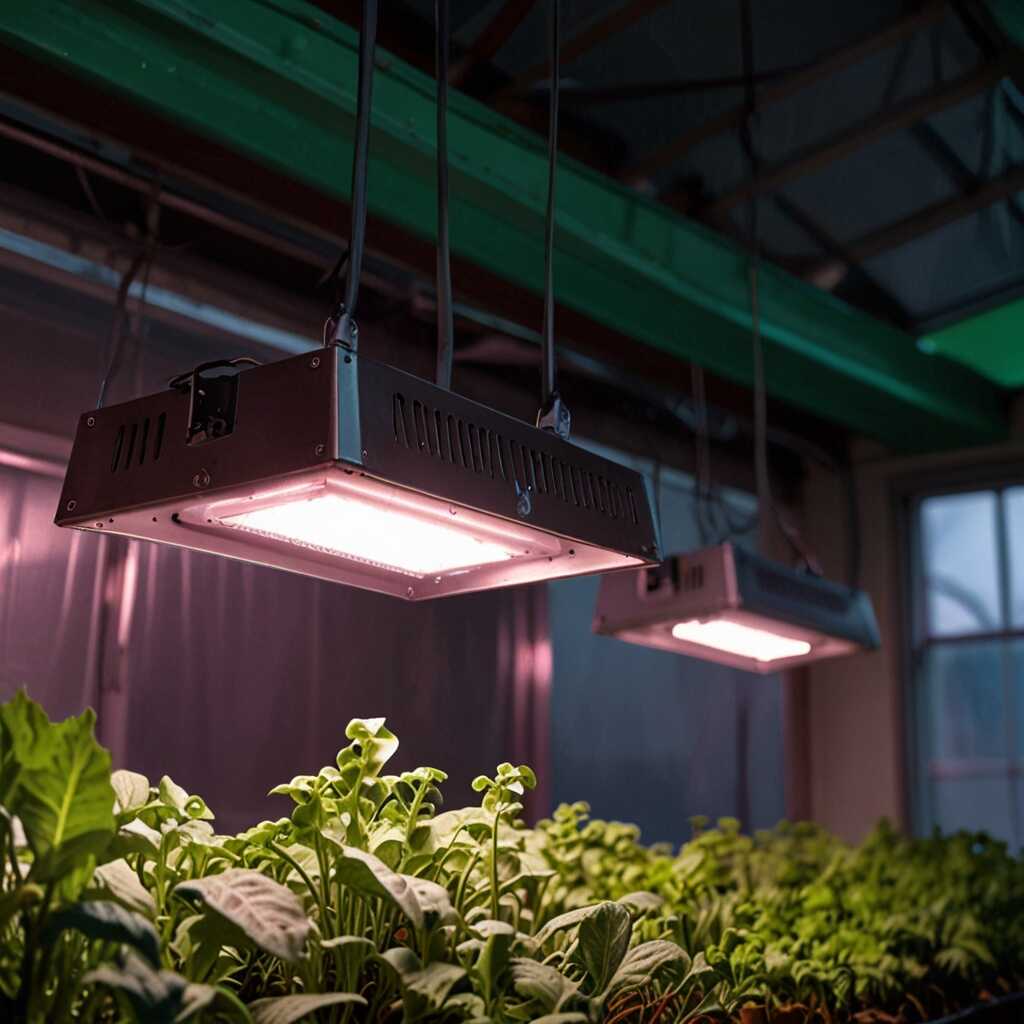
Installing supplemental LED grow lights with existing fluorescent systems requires careful planning for optimal light distribution and electrical safety. The installation process begins with measuring your current setup and identifying optimal LED placement points between fluorescent fixtures. Mount LED strips or panels 12-24 inches above plants, ensuring even coverage without creating hotspots. Electrical requirements typically include dedicated circuits for higher wattage systems and proper grounding for safety. Most installations take 2-4 hours for basic setups, though complex arrangements may require professional electrical work.
Step-by-Step Installation Process
The installation process starts with turning off power to existing fluorescent circuits and mapping optimal LED placement positions. Secure mounting brackets to ceiling or support structures, ensuring adequate spacing for heat dissipation and maintenance access. Professional installation guides recommend testing all connections before final mounting and implementing timer controls for automated operation. Connect LED units according to manufacturer specifications, typically using plug-and-play connectors or hardwired connections for permanent installations. Final steps include testing light distribution patterns and adjusting positioning for even coverage across all plants.
Safety Considerations and Common Installation Mistakes
- Always use GFCI-protected circuits when installing LED grow lights near water sources.
- Maintain adequate ventilation to prevent heat buildup from combined lighting systems.
- Avoid overloading existing electrical circuits with additional LED power requirements.
- Position lights far enough from plants to prevent light burn or heat damage.
- Use proper mounting hardware rated for the weight of LED fixtures.
- Install surge protection to protect expensive LED equipment from power fluctuations.
- Regular cleaning of LED lenses maintains optimal light output and prevents overheating.
Best Practices for Integrating LED Grow Lights
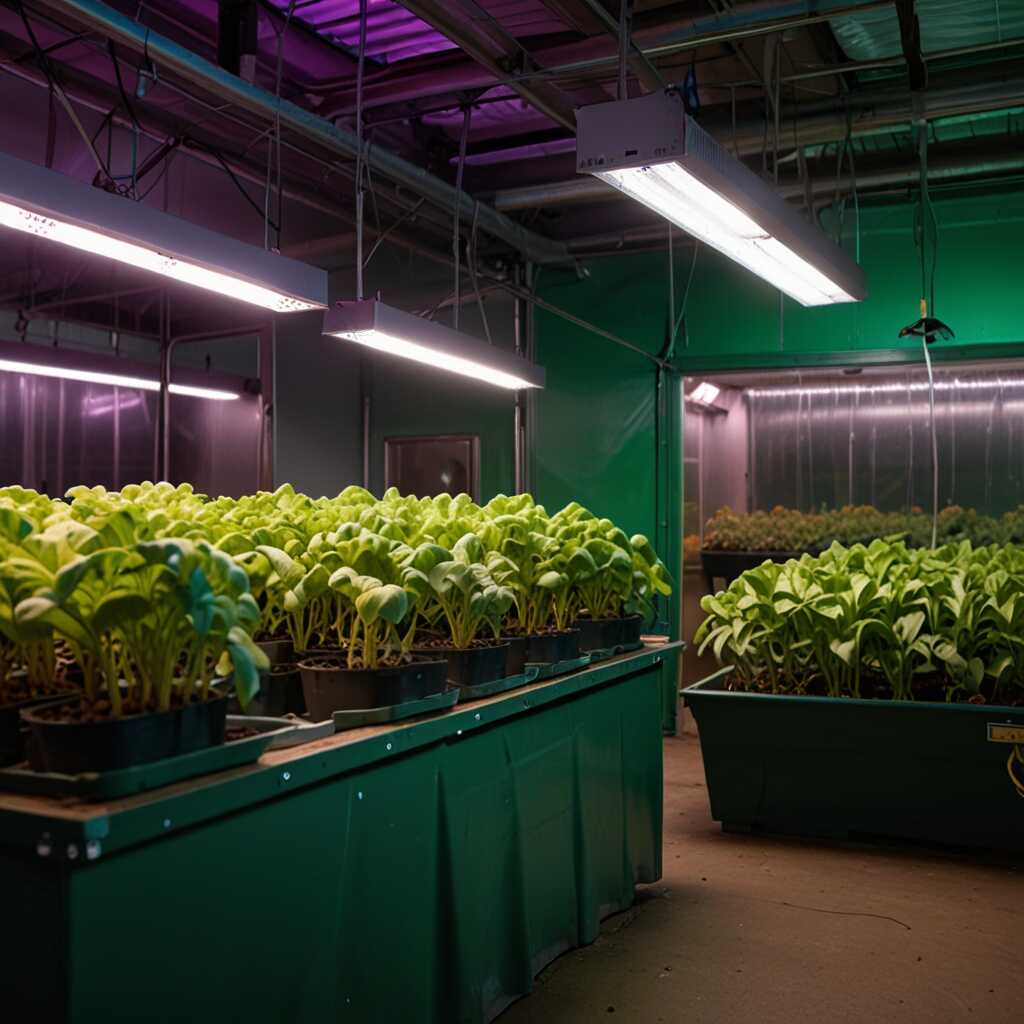
Successful LED integration with fluorescent systems requires proper positioning, timing, and plant-specific adjustments for optimal results. Position LED grow lights 12-24 inches above plant canopies, adjusting height based on light intensity and plant sensitivity. Implement 12-16 hour daily lighting schedules for most plants, with variations for flowering species requiring specific photoperiods. Monitor plant response closely during the first few weeks, watching for signs of light stress or insufficient coverage. Maintain consistent temperature and humidity levels, as combined lighting systems can affect growing environment conditions.
Optimizing Light Schedules and Intensity
Light scheduling becomes more complex when combining LED and fluorescent systems, requiring coordination between both lighting types for maximum efficiency. Rotating platforms help ensure even light distribution from both LED and fluorescent sources throughout the day. Start with conservative timing – run both systems simultaneously for 12 hours, then adjust based on plant response and growth patterns. High-light plants may benefit from 16-18 hour schedules, while low-light varieties prefer 10-12 hours daily. Use separate timers for LED and fluorescent systems to allow independent control and energy optimization.
Comparison of Leading LED Grow Light Brands
Leading LED grow light manufacturers offer distinct advantages for supplemental lighting applications, with Mars Hydro, Spider Farmer, and HLG representing top performance categories. Mars Hydro provides reliable mid-range options with good spectrum coverage and 3-year warranties, typically priced $150-400 for home garden applications. Spider Farmer focuses on energy efficiency and build quality, offering premium fixtures with Samsung LED chips and 5-year warranties in the $200-600 range. HLG (Horticulture Lighting Group) targets serious growers with professional-grade quantum boards featuring exceptional efficiency ratings and modular designs, though prices often exceed $300-800 for complete systems.
Brand-Specific Features and Performance Characteristics
Each major LED brand offers unique features suited to different growing situations and budgets when supplementing fluorescent systems. Mars Hydro excels in plug-and-play simplicity with reliable performance for beginners, while Spider Farmer provides superior thermal management and spectrum optimization for intermediate growers. HLG delivers the highest efficiency ratings and customization options, making them ideal for experienced gardeners seeking maximum performance. Detailed comparison tables help evaluate specific models based on coverage area, efficiency, and compatibility with existing fluorescent setups.
Common Mistakes and How to Avoid Them
Many gardeners encounter problems when adding LED grow lights to existing fluorescent systems due to improper planning, positioning, or power management. The most frequent mistake involves placing LED lights too close to plants, causing light burn or heat stress that manifests as bleached or curled leaves. Another common error is inadequate electrical planning, resulting in overloaded circuits or insufficient power for optimal LED performance. Poor timing coordination between LED and fluorescent systems can create confusing photoperiods that stress plants and reduce yields.
Troubleshooting Performance Issues
Performance problems with LED-fluorescent combinations often stem from spectrum conflicts, thermal management issues, or electrical interference between systems. Signs of spectrum problems include unusual leaf coloration, stunted growth, or excessive stretching, typically resolved by adjusting LED positioning or changing spectrum settings. Thermal issues manifest as leaf wilting or brown edges, requiring improved ventilation or increased distance between lights and plants. Energy-efficient grow light selection helps minimize heat-related problems while maintaining optimal plant lighting conditions.
Warning Signs and Solutions for LED Integration Problems
- Yellow or bleached leaves indicate excessive light intensity – increase distance or reduce LED power.
- Stunted growth may signal spectrum imbalance – adjust blue/red ratio or timing schedules.
- Unusual leaf curling often results from heat stress – improve ventilation or reposition lights.
- Poor flowering despite adequate vegetative growth suggests insufficient red spectrum – add or adjust LED wavelengths.
- High electricity bills indicate inefficient operation – verify LED efficiency ratings and usage schedules.
- Inconsistent plant development across the garden shows uneven light distribution – reposition fixtures for better coverage.
- Frequent LED failures suggest electrical issues – check voltage stability and circuit capacity.
Success Stories and Real-World Applications
Indoor gardeners consistently report improved results when combining LED supplemental lighting with existing fluorescent systems across various plant types and growing situations. One typical success involves a home gardener who added Spider Farmer LED strips to T5 fluorescent fixtures, achieving 35% better yields with herbs like basil and cilantro while reducing energy costs by 40%. Another case features a small greenhouse operation that integrated Mars Hydro quantum boards with existing fluorescent tubes, extending growing seasons and improving flower quality in orchids and African violets. These real-world examples demonstrate the practical benefits of strategic LED and fluorescent combinations for diverse growing applications.
Specific Results and Lessons Learned
Documented results from LED-fluorescent combinations show consistent patterns of improved plant health, increased yields, and reduced operating costs when properly implemented. Successful LED and fluorescent integration typically produces 20-50% better growth rates while cutting energy consumption by 25-45% compared to fluorescent-only systems. Key lessons include the importance of gradual transitions – plants need 1-2 weeks to adapt to new lighting conditions, and spectrum adjustments should be made slowly to avoid stress. Most successful implementations involve maintaining existing fluorescent schedules while adding LED supplementation during peak growth periods, creating optimized lighting conditions without dramatic environmental changes.