
Enhance indoor plant growth with light-colored wall coverings to create a better gardening environment. These surfaces improve light reflection, allowing plants to absorb more necessary sunlight. Green Writer emphasizes how choosing the right colors in your home can optimize the growth of indoor plants. By implementing light-colored wall coverings, you can foster a healthier atmosphere for your greenery while embracing sustainable living practices.
The Role of Ambient Light in Plant Development
Ambient light is essential for indoor plant development. It affects growth by providing the necessary energy for photosynthesis. Different plant species have specific light needs that are crucial for their vitality. For example, some plants thrive in low light, while others need bright, direct sunlight. Most indoor plants require about 12 to 16 hours of light daily to achieve optimal growth and health. Understanding these light requirements helps gardeners create environments that enhance plant vitality.
Understanding Light Requirements for Different Plant Species
Various indoor plant species have unique light requirements that directly impact their growth and health. Low-light plants like snake plants and pothos can thrive in indirect sunlight, making them suitable for dimmer spaces. In contrast, high-light plants, including succulents and many flowering varieties, need direct sunlight for at least six hours daily. Using light-colored wall coverings can further improve light reflection, ensuring that plants receive the necessary light to enhance photosynthesis and growth. Adapting light levels according to specific plant needs helps create a vibrant indoor garden.
How Light-Colored Walls Improve Light Reflection
Light-colored walls enhance light reflection in gardening spaces. This increase in brightness significantly benefits indoor plants. Light-colored wall coverings, such as whites, pastels, or light neutrals, reflect up to 80% of light, while darker walls absorb more light. This reflection leads to improved growth rates by providing plants with optimal lighting conditions. Brightness boosts photosynthesis, which is essential for plant health and vitality. By maximizing available light, light-colored walls create a healthier indoor gardening environment and help plants thrive.
Choosing the Best Light-Colored Wall Coverings
When selecting wall coverings, consider materials designed for high light reflection. Semi-gloss or satin finishes provide better reflectivity than matte options. Paints with light-reflective properties can significantly enhance light distribution. For optimal results, choose shades like soft whites, pale yellows, or light blues. These colors maintain a bright atmosphere, promoting increased brightness for plant growth. Effective coverings not only improve plant health. They also create an inviting and airy space for indoor gardening enthusiasts. Make sure to research the best finishes available in 2025 to ensure maximum efficiency and effectiveness.
Selecting the Best Colors for Optimizing Light
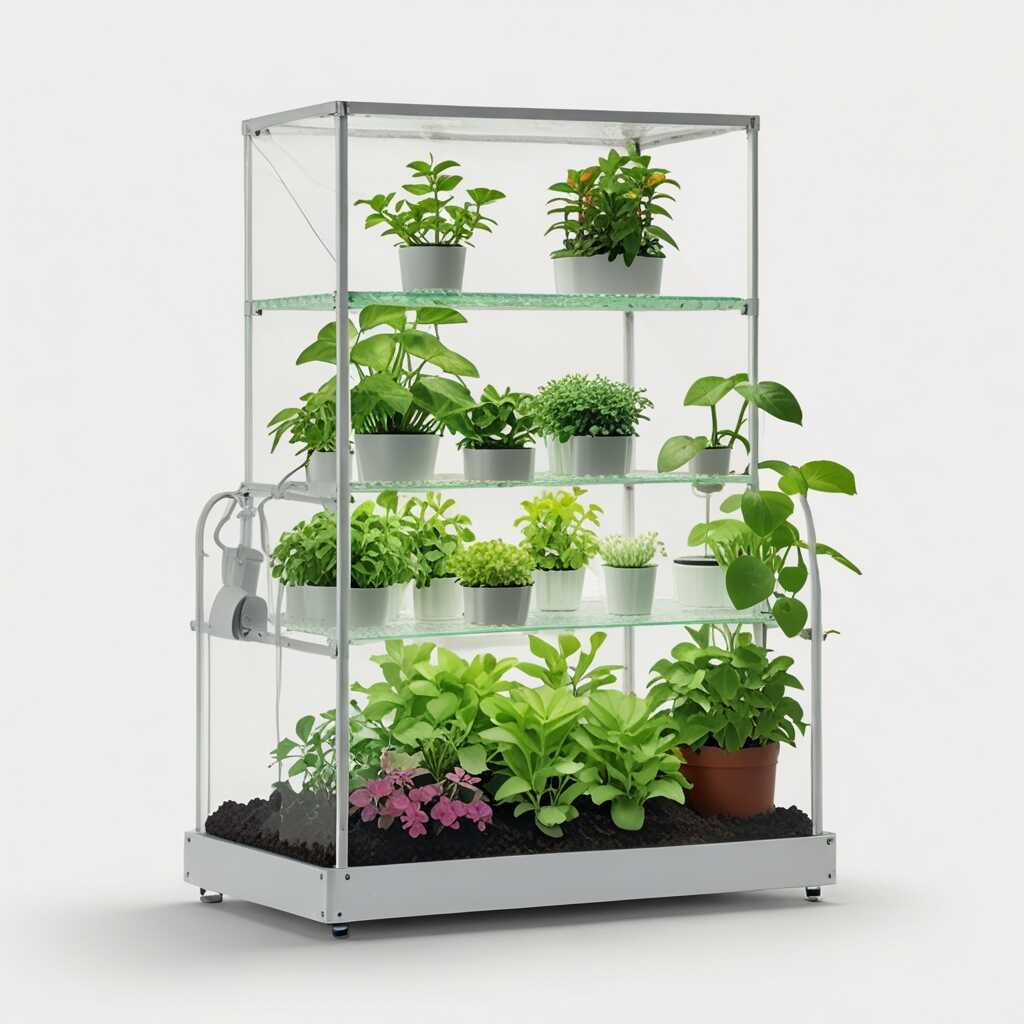
Choosing light-colored wall coverings enhances light reflection significantly, improving the overall light levels in indoor gardening. Colors such as white, light yellow, and pale blue are among the best for maximizing light efficiency. Light-colored walls can reflect up to 90% of light, while darker hues may only reflect about 20%. This difference in light reflection can affect plant growth stages, as seedlings benefit from a high light intensity. Specific colors may also help specific plant types; for instance, light greens may nurture plants that thrive in indirect light.
How Colors Influence Plant Growth Stages
Different plant growth stages require varying light intensities, and the colors of your indoor gardening environment can facilitate these needs. For example, during germination and seedling stages, light-colored wall coverings focus ample reflected light towards young plants. As plants reach the vegetative and flowering stages, walls painted in soft pastel colors continue to reflect light effectively while reducing harsh glare. Selecting a color palette designed for optimal light conditions will enhance the growth of many indoor plants, ensuring reliable and healthy development.
Numerical Insights for Indoor Plant Studies
- Over 80% of indoor plants thrive better in brighter light conditions.
- Light-colored walls can increase light reflection by up to 50%.
- Growing plants indoors can reduce airborne toxins by up to 60%.
- For optimal growth, many plants require 12-16 hours of light exposure daily.
- Standard light bulb use can add around 20% to energy costs annually.
- Color temperature of optimal grow lights usually ranges from 6500K to 3000K.
- Research shows that plants can grow 30% faster in well-lit environments.
Design Elements That Complement Light-Colored Walls
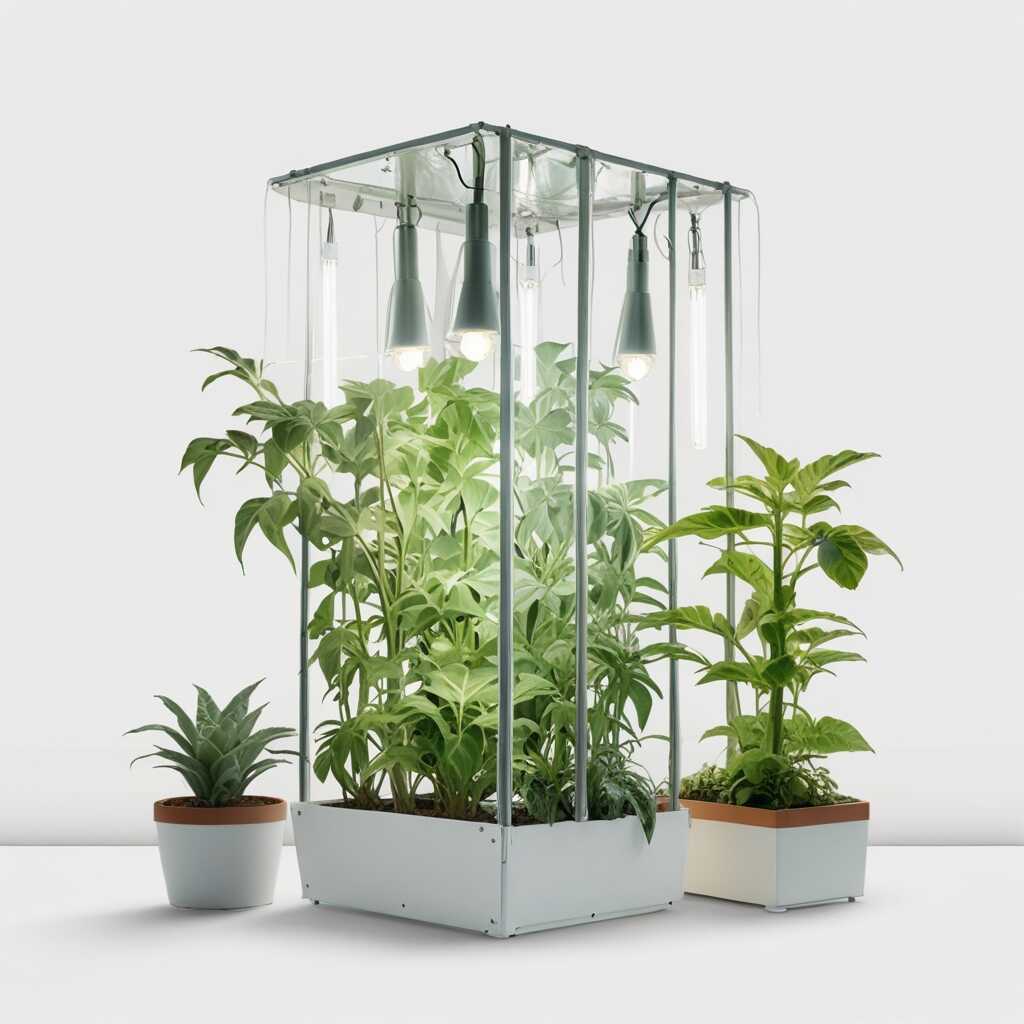
Effective design features that enhance indoor gardening with light-colored walls include mirrors, reflective surfaces, and optimized garden lighting fixtures. Using mirrors strategically can double the available light by reflecting it back onto your plants. Reflective surfaces, such as metal or glossy finishes, can further improve light distribution, optimizing the overall brightness. To maximize plant growth, placing lighting fixtures at an ideal height of 12-24 inches above the plants is essential. This setup ensures even light spread, encouraging robust growth and health.
Benefits of Using Mirrors in Indoor Gardening
Mirrors are valuable tools in indoor gardening. Using mirrors near light-colored walls significantly increases the room’s brightness. They reflect both natural and artificial light, providing plants with additional illumination. For optimal results, angle mirrors towards the plants to maximize exposure. A well-placed mirror can enhance the growth potential of your indoor garden by ensuring that all plants receive sufficient light. This design trick is simple yet effective and can help you create a healthy and thriving indoor garden.
Strategies for Planning Your Indoor Gardening Space
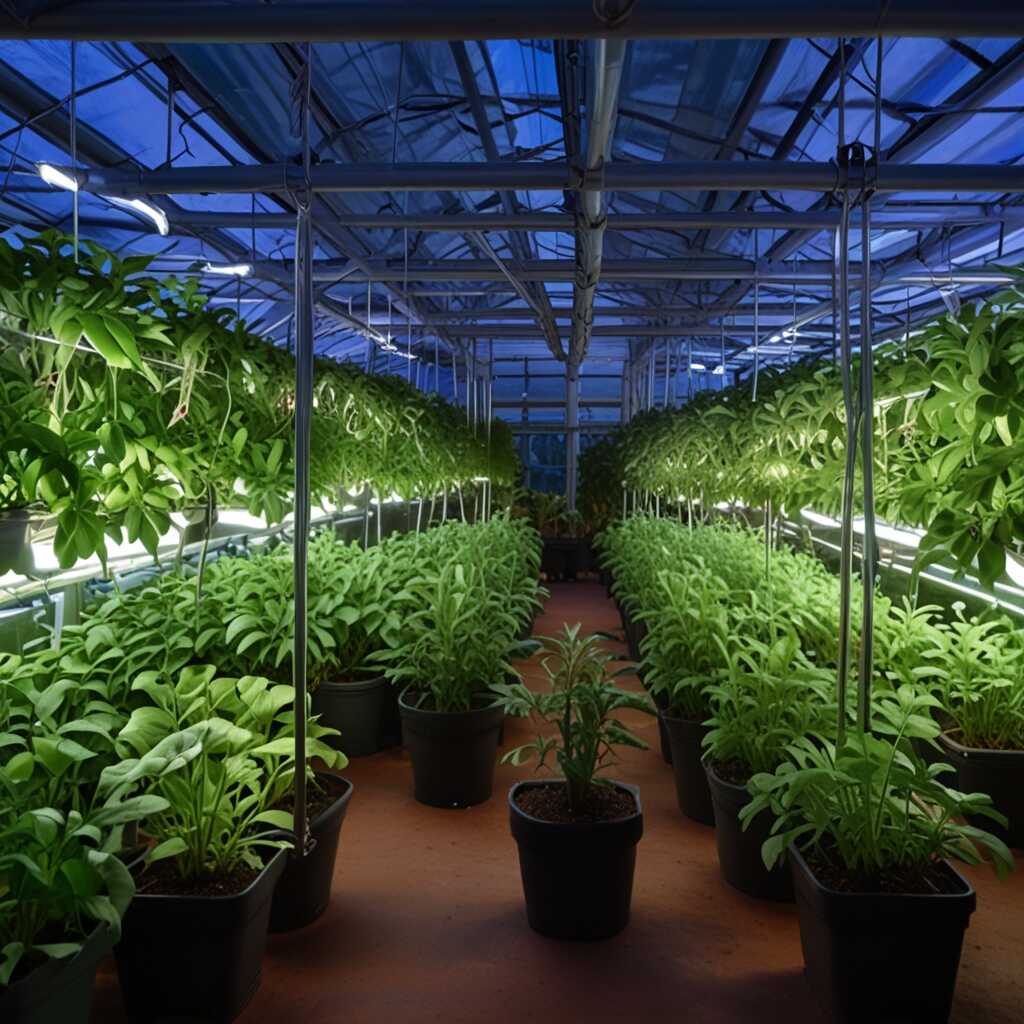
When planning your indoor gardening space, consider essential factors like light distribution, plant height, and growth habits. Group plants by their light needs. Sunny areas are best for light-loving plants, while low-light plants should be positioned where they receive indirect light. Placing reflective light-colored wall coverings will enhance light efficiency, ensuring healthy growth. Vary your plants by placing taller ones toward the back and shorter ones in the front. This arrangement maximizes light exposure to all plants, helping them thrive.
Understanding Light Needs of Indoor Plants
Most indoor plants require around 12 to 16 hours of light each day for optimal growth. Some plants, like succulents, thrive with 6 to 8 hours of direct light. Ensure you evaluate which plants need bright, indirect light versus those that can grow in low-light conditions. Understanding plant light requirements helps in arranging them correctly in your indoor garden. Choose plants suited for these areas to enhance their health and performance.
Advantages of Utilizing Lighter Shades
- Light-colored surfaces reflect light evenly, promoting growth.
- They help maintain consistent temperature throughout the space.
- Using brighter hues enhances the overall aesthetic of indoor gardens.
- Lighter walls reduce the amount of artificial lighting needed.
- This improvement decreases energy consumption, fostering sustainability.
- Health benefits arise as plants can help purify indoor air effectively.
- Bright coatings make monitoring plant health easier with better visibility.
Utilizing Light Shelves to Maximize Brightness
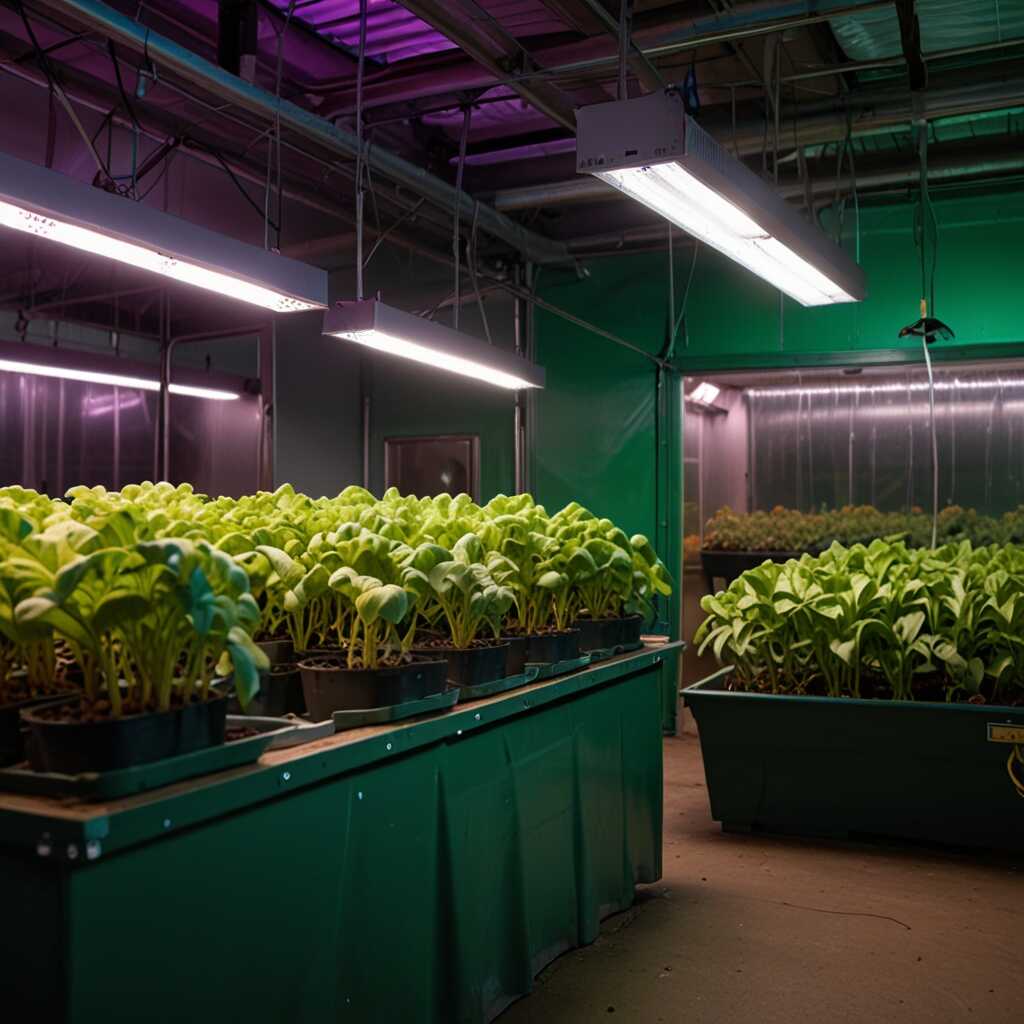
Light shelves significantly boost indoor plant growth by maximizing ambient light levels. They reflect natural sunlight deeper into gardening spaces. Effective implementation techniques include building shelves at specific angles to capture sunlight and ensure even distribution across different planting areas. For example, light shelves can be positioned approximately 30 to 48 inches above the plants. This height allows direct light exposure without shading lower plant layers. Plants such as succulents, ferns, and flowering species respond well to this lighting strategy due to enhanced light penetration and increased photosynthesis.
Designing Effective Light Shelves for Indoor Gardens
Designing effective light shelves involves using materials that reflect light efficiently. Options include white-painted wood or metallic surfaces that enhance light reflection. Ideal shelf depth is between 12 to 24 inches, allowing maximum light capture while maintaining structural stability. Position shelves near windows or light sources to ensure they receive adequate incoming light. Consider adding adjustable features to modify the shelf’s angle based on seasonal sun patterns. This adaptability helps maintain optimal light exposure for indoor plants throughout the year. Utilizing this system improves overall gardening success and plant health.
Keeping Your Wall Coverings Clean and Effective
To maintain the effectiveness of your light-colored wall coverings, use gentle cleaning products designed for painted surfaces. Avoid abrasive cleaners that can scratch or damage the walls. Regularly dust walls with a microfiber cloth to remove dirt and grime. Clean your walls every month to ensure maximum light reflection. For deeper cleaning, mix warm water with a few drops of mild dish soap. Use a soft cloth or sponge. Light-colored walls can reflect up to 80% of light if properly maintained, improving overall indoor plant growth.
Best Practices for Maintaining Wall Cleanliness
Utilizing the best practices for maintaining wall cleanliness involves a consistent cleaning routine. Schedule monthly maintenance for light-colored wall coverings to prevent the build-up of dust. Use a mixture of vinegar and water as a natural cleaner to enhance the effectiveness of your surfaces. This solution not only cleans but also helps to preserve brightness, reflecting more light into the room. Test this mixture on an inconspicuous area first to ensure there are no adverse effects. Incorporating these practices will keep your wall coverings looking great and effectively contributing to your indoor garden’s success.
Target Groups for Indoor Plant Enhancements
- Indoor gardeners seek to optimize plant conditions and space.
- Home improvement DIYers love creating gardens with light-colored walls.
- Eco-conscious consumers appreciate reduced energy usage for plant care.
- Plant care beginners often start with easy-to-grow varieties for success.
- Families with children engage in gardening as a learning opportunity.
- Minimalists prefer simple designs that highlight plants’ natural beauty.
- Urban dwellers often need solutions for maximizing limited indoor light.
Choosing Eco-Friendly Paints and Finishes
Eco-friendly paints and finishes enhance indoor gardening by improving air quality and providing a safe environment for plants. Using low-VOC options reduces harmful emissions, which can negatively affect plant health. Brands like Benjamin Moore and Sherwin-Williams offer eco-friendly paints that comply with low-VOC standards, providing great coverage and durability. These products are designed to improve indoor air quality, making spaces healthier for both plants and humans. Choosing environmentally safe products ensures a positive impact on your indoor gardening experience.
Recommended Low-VOC Paint Brands and Products
Brands such as Behr, Valspar, and Farrow & Ball provide excellent low-VOC paint options that are reliable and effective. Behr’s Premium Plus line has a very low VOC content of under 50 grams per liter, ensuring safety while providing vibrant colors. Valspar’s Reserve line offers both durability and a range of hues, perfect for enhancing any indoor space. This backing by proven testing results assures users of their performance. Farrow & Ball’s eco-friendly options are designed with sustainable materials, ensuring minimal environmental impact while delivering high-quality finishes. These paint products not only meet standards for indoor air quality but are also easy to apply.