
The Impact of Grow Light Color Temperature on Plant Growth Rates in Greenhouses explores how different lighting affects plant development. Understanding color temperature helps indoor gardeners optimize growth and health of their plants. At Green Writer, we provide valuable insights into the science of grow lights, particularly their role in greenhouse gardening. By learning about color temperature, you can enhance your indoor gardening practices and create a thriving environment for your plants.
Defining Grow Light Color Temperature
Color temperature in grow lights refers to the visual appearance of the light emitted from the source, measured in Kelvin (K). It ranges from warm colors, like red (around 2700K), to cool colors, like blue (around 6500K). This measurement is essential for maximizing plant growth in greenhouse environments. Each color temperature impacts photosynthesis differently, with red light promoting flowering and fruiting stages and blue light supporting vegetative growth. Understanding the relationship between color temperatures and plant growth enables gardeners to select the best grow light for their needs. For example, full spectrum lights are often ideal because they offer balanced wavelengths that provide reliable growth across all stages. Research has shown that using the right color temperature can significantly enhance growth rates and overall plant health.
Understanding Optimal Color Temperature for Specific Plants
Different plants rely on distinct color temperatures to thrive. For instance, leafy greens like lettuce and spinach do well under cooler, blue-spectrum lights during their early growth stages. In contrast, flowering plants such as tomatoes require warmer, red-spectrum lights to stimulate blooms and fruit set. The optimal light wavelengths, emitted by LED grow lights, can lead to impressive growth rates and resin production. Many indoor gardeners find that using a combination of color temperatures results in a healthier plant environment. According to various tests, a combination of 3000K to 6500K light is effective for diverse plant species. Green Writer emphasizes selecting grow lights based on specific horticultural needs, ensuring each plant receives the most suitable lighting for its growth stage.
Influence of Color Temperatures on Varying Growth Phases
Different color temperatures significantly impact plant growth across various phases. Germination rates are enhanced with temperatures around 6500K, promoting faster sprout development. During the vegetative phase, a range of 4000K to 6000K optimizes leaf growth, providing essential blue light. For flowering plants, warmer color temperature ranges between 2700K to 3500K support the blooming process, ensuring quality blooms. Additionally, research suggests that leafy greens thrive under cool white light (5000K to 6000K) during their growth phase. Lastly, experts recommend up to 18 hours of light for seedlings and an average of 12-16 hours for mature plants for optimal results in growth.
Optimal Color Temperatures for Each Growth Phase
Understanding the optimal color temperatures for each growth phase can significantly enhance plant performance. During germination, using light at 6500K helps improve seed sprouting rates effectively. As plants transition to the vegetative stage, light around 5000K provides the necessary blue spectrum, ensuring robust leaf development. For flowering plants, temperatures in the 2700K to 3500K range are ideal, promoting vibrant blooms. Specific leafy greens, such as lettuce and spinach, flourish under cool white light within the 5000K to 6000K range, leading to healthy leaf growth. Adjusting the light duration to 16-18 hours for seedlings and 12-14 hours for flowering plants is essential for achieving excellent results. Green Writer provides reliable information on establishing the right conditions for your indoor garden.
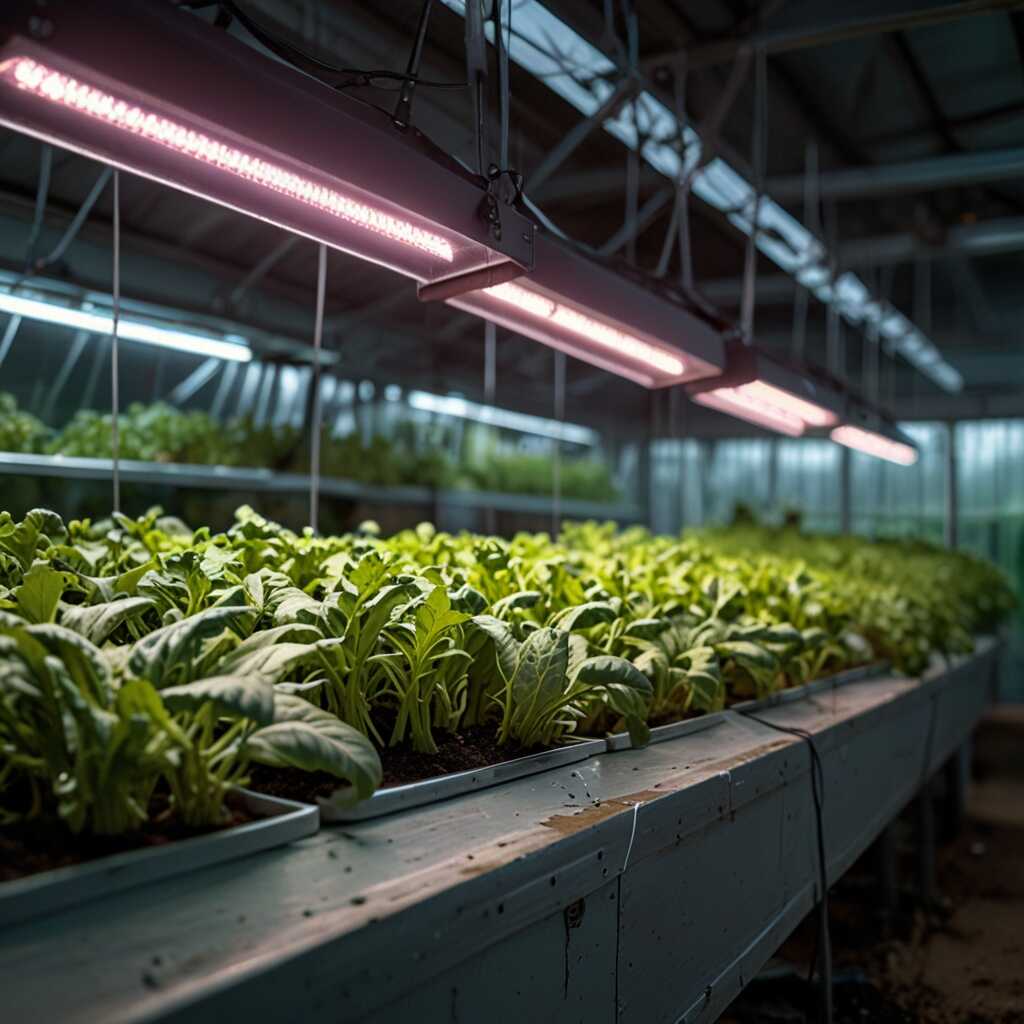
Comparative Analysis of Grow Light Types and Their Efficiency
LED, fluorescent, and incandescent grow lights differ markedly in efficiency and performance. LED grow lights are energy-efficient, often using less energy while providing optimal light for plant growth. Fluorescent lights, while also efficient, consume more energy than LEDs. Incandescent lights are the least efficient, wasting a significant amount of energy as heat rather than light. LED grow lights last an average of 50,000 hours, whereas fluorescent lights range from 7,000 to 15,000 hours, and incandescent lights only last about 1,000 hours. This longevity makes LED lights a sustainable choice for greenhouses.
Lifespan and Performance Comparison of Grow Light Types
Understanding the lifespan and performance of different grow light types helps indoor gardeners make informed choices. LED grow lights offer excellent performance with minimal energy use, making them the best choice for greenhouse operations. Their 50,000-hour lifespan reduces the frequency of replacements, enhancing sustainability. Fluorescent lights, though providing good light for plant growth, require more frequent replacements and consume more energy. Incandescent lights underperform in efficiency, lasting only about 1,000 hours and generating excessive heat. Thus, choosing LED grow lights ensures reliable and long-lasting performance for plant health.
Key Statistics on Light Performance for Plant Health
- Full-spectrum lights cover wavelengths from 400 to 700 nm.
- Plants benefit from color temperatures ranging from 3000K to 6500K.
- Grow light type can impact growth rates by up to 25%.
- LED lights have a lifespan exceeding 50,000 hours.
- Higher color temperatures enhance photosynthesis during growth stages.
- Using optimal lighting can reduce energy use by over 40%.
- Light duration improves plant health with at least 12 hours daily exposure.
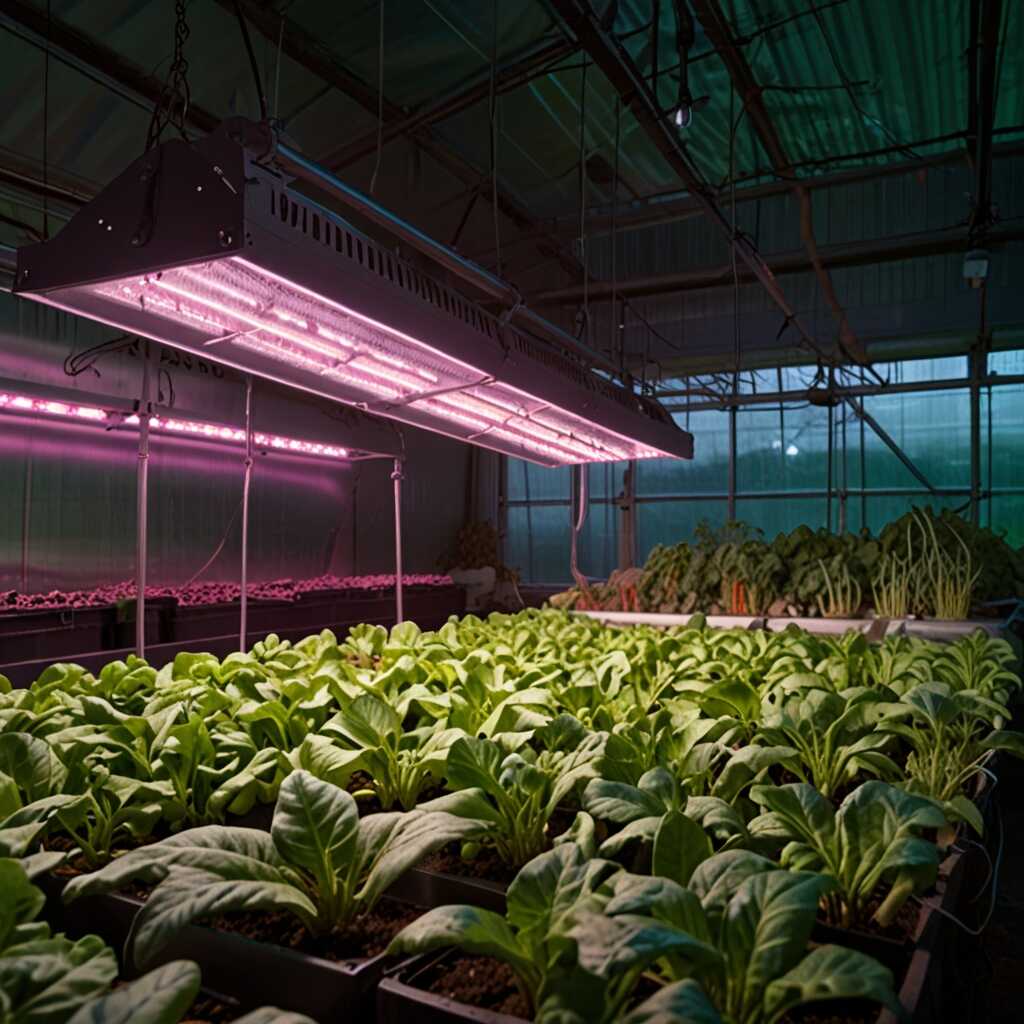
Selecting the Best Lighting Options for Your Greenhouse Plants
Choosing the right grow lights for greenhouse plants involves several critical factors. First, consider the plant’s growth requirements, as different species have unique light needs. Assess the ideal light exposure timing; some plants thrive on longer light periods, while others require cycles of darkness. Additionally, understanding color temperature effects is essential. Warm light (2000K-3500K) benefits flowering plants or fruits, while cool light (5000K-6500K) is excellent for leafy greens. This information can help enhance your greenhouse’s lighting setup significantly.
Understanding Color Temperature Effects on Plant Species
Different plant species respond variably to color temperature. Flowering plants like tomatoes and orchids thrive under warm light, which enhances their blooming. Leafy greens such as lettuce and spinach prefer cooler light, as it promotes lush leaf growth. Research indicates that herb varieties, like basil and thyme, perform well under full spectrum light, which includes various color temperatures. Using the right color temperature can lead to faster growth rates and healthier plants, helping you achieve a successful gardening experience.
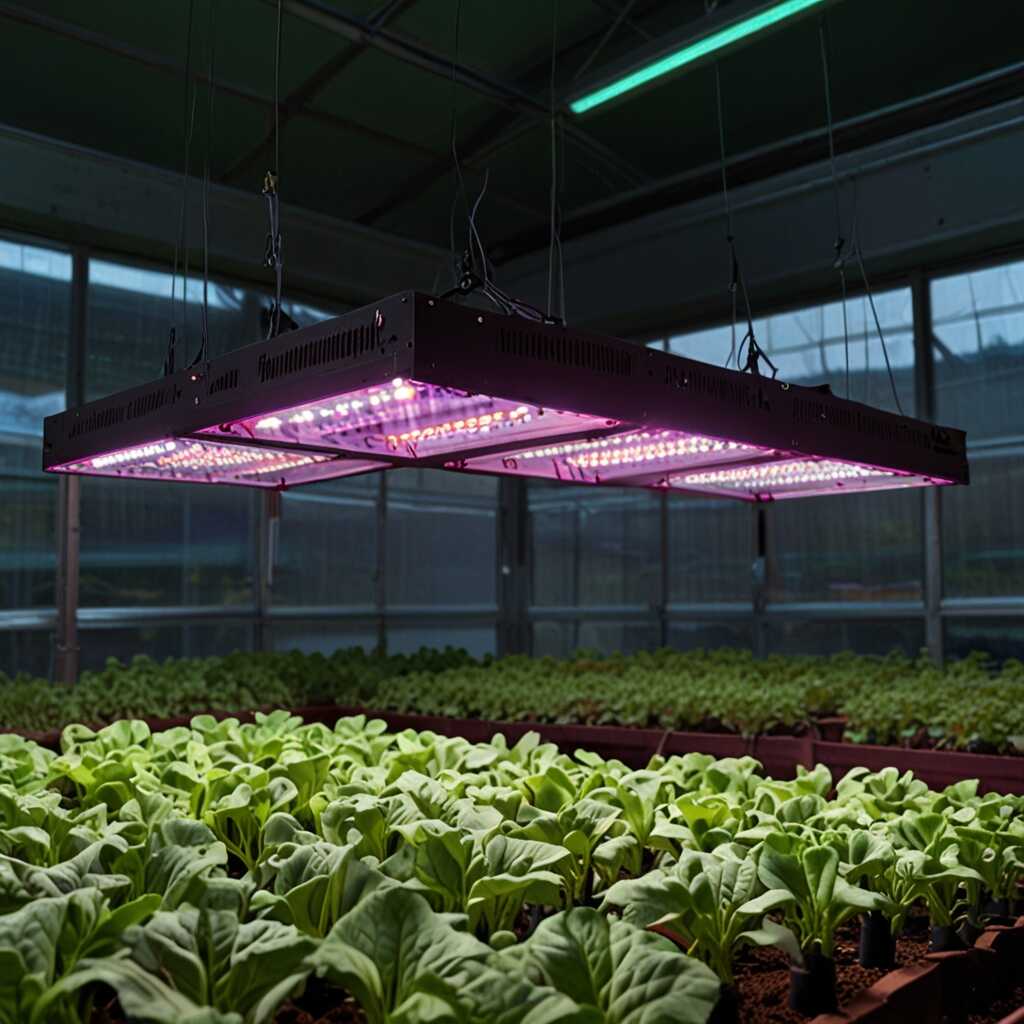
The Role of Full Spectrum Light in Plant Development
Full-spectrum light is essential for promoting overall plant health and growth. Different wavelengths in full-spectrum lighting provide energy for key processes like photosynthesis and flowering. For instance, blue light wavelengths (around 400-500 nm) directly support vegetative growth by stimulating leaf development. In contrast, red wavelengths (600-700 nm) are crucial during the flowering stage, encouraging stronger bud formation. Many studies demonstrate that plants exposed to full-spectrum light can outperform those under limited color ranges. An optimal light intensity around 75-85% guarantees the best growth results by maximizing photosynthetic efficiency while minimizing stress.
Understanding Wavelength Effects on Plant Functions
The specific effects of different wavelengths in full-spectrum light significantly enhance plant functions. Blue light enhances chlorophyll production and encourages leafy growth, making plants sturdier. Red light, when combined with blue, boosts flowering and fruiting rates, proving vital for yield improvements. Research indicates that plants receiving a balanced combination of blue and red light experience optimal growth rates. This combination ensures essential developmental stages, from seedling to flowering, receive the proper light spectrum. Utilizing this knowledge can help indoor gardeners achieve maximum growth and health in their indoor setups.
Advantages of Using Specific Light Color Ranges
- Warm color temperatures promote flowering and fruit production.
- Cooler temperatures enhance leafy growth and overall plant vigor.
- Enhanced light spectrum supports faster germination rates.
- Appropriate color temperature can reduce pests and diseases.
- Plants thrive in well-lit environments, increasing yield potential.
- Well-chosen lighting can lead to increased nutrient absorption.
- Sustainable light sources lower energy costs for growers.
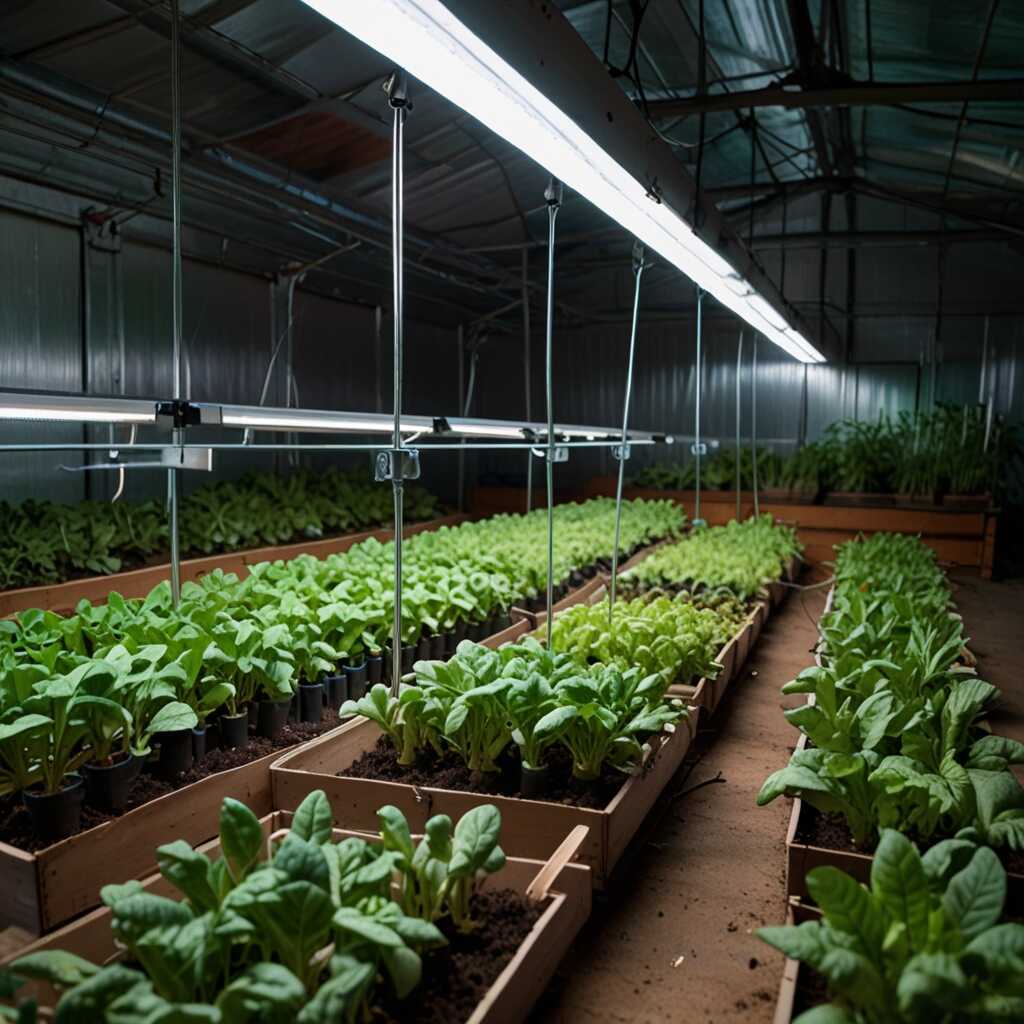
Strategic Arrangement of Grow Lights in Greenhouses
Effective placement of grow lights in greenhouses is crucial for optimizing light exposure. Place lights directly above plants to minimize shadows and ensure even growth. Overhead positioning maintains consistency across plants. Consider the light spectrum requirements of various plant types. For example, leafy greens thrive under cooler temperatures (5000K-6500K), while flowering plants prefer warmer tones (2700K-3000K). The ideal distance between plants and lights generally falls between 12 to 24 inches, depending on the light type and growers should adjust based on specific grow light performance. Regular testing helps ensure that plants receive adequate light without risk of burn while making arrangements that enhance their growth.
Maximizing Light Distribution for Diverse Plant Types
Different plants have specific light needs, so enhancing light distribution is essential. For leafy greens and herbs, a distance of 12 to 18 inches from the grow light enhances their photosynthesis. In contrast, flowering plants benefit from being positioned 18 to 24 inches away. Groups of plants should be arranged by light preference. Placing shorter plants in the center and taller ones at the edges ensures all receive adequate exposure. This method guarantees that each plant type thrives under its ideal color temperature and intensity. Continuous monitoring and adjusting grow light height increases reliability and ensures the growth performance of your greenhouse.
Evaluating Plant Responses to Different Light Spectrum Colors
Assessing plant health under various light spectrum colors involves monitoring specific characteristics. Look for vibrant green leaves, robust stems, and even growth patterns. Healthy plants usually show a rapid growth rate and produce new leaves consistently. Stress indicators include yellowing leaves, stunted growth, and leggy plants. Comparing different light colors helps you determine which offers the best results. Studies indicate that light spectrum colors play critical roles in photosynthesis, impacting growth rates for various plants.
Identifying the Best Light Spectrum for Your Plants
Identifying the best light spectrum for specific plants requires understanding each type’s needs. For example, tomatoes thrive under a full spectrum light with a high red component. Lettuce prefers a more balanced spectrum with emphasis on blue light for proper leaf development. Herbs like basil benefit from a mix of blue and red spectrums to enhance flavor and growth. A reliable light source provides essential wavelengths that improve plant health. Research shows that using optimal light colors can enhance growth by up to 30%, making it essential for indoor gardeners to adjust spectrums according to plant types.
Consider Popular Brands and Their Target Audiences
- Brand A excels in energy efficiency and has a loyal customer base of eco-friendly gardeners.
- Brand B focuses on affordability, attracting novice gardeners on a budget.
- Brand C offers advanced technology for professional greenhouse operators.
- Brand D creates user-friendly products for hobbyists and indoor gardening beginners.
- Brand E markets stylish designs appealing to design-conscious eco-homeowners.
- Brand F provides a broad range of color temperatures for diverse plant needs.
- Brand G emphasizes sustainability, attracting environmentally conscious users.
Effective Strategies for Sustainable Indoor Gardening Practices
To use grow lights sustainably in indoor gardening, prioritize energy-efficient grow lights like LEDs. These lights provide high-quality illumination while minimizing energy consumption. Use full spectrum grow lights that can mimic natural sunlight. Position lights to ensure even light coverage across all plants. Set a timer to regulate light exposure, promoting plant growth and saving energy. Regularly review light placement and intensity based on plant needs. This consistent monitoring will enhance your gardening experience and improve growth rates. Collect data on energy usage to compare costs between LED grow lights and traditional fixtures. This review will demonstrate the financial and ecological benefits of sustainable indoor gardening.
Choosing the Best Grow Lights for Your Indoor Garden
Choosing the best grow lights for your indoor garden involves understanding light wavelengths and their impact on different plant stages. Full spectrum LED grow lights are designed to deliver a balanced spectrum of light, enhancing photosynthesis during vegetative and flowering stages. Look for lights with a color temperature of 5000K to 6500K for optimal growth during the vegetative phase and around 2700K to 3000K during the flowering phase. This spectrum helps plants thrive and ensures better results. Additionally, reliable brands often offer fixtures with long-lasting performance and high energy efficiency, providing great value over time. Choose options with versatility to adjust brightness and height to enhance growth is essential for improving the performance of your indoor garden.