
The best grow light options for greenhouse cultivation in winter can make a significant difference for your plants. Effective lighting is essential during the dark and cold months, supporting healthy growth and vitality. At Green Writer, we explore various grow light technologies, emphasizing energy-efficient solutions like LED lights. Our goal is to help you select the most suitable lights that enhance your greenhouse experience while promoting eco-conscious gardening practices.
Selecting Ideal Grow Lights for Winter Greenhouse Conditions
When selecting grow lights for winter greenhouse conditions, consider your plants’ specific lighting needs. Factors like light spectrum, intensity, and energy efficiency play a crucial role in ensuring healthy growth. Full spectrum lights, particularly LED grow lights, provide the necessary wavelengths for photosynthesis. They are designed to mimic natural sunlight and are more energy-efficient compared to traditional lighting. Evaluate how many hours your plants need light each day. Many plants benefit from 12 to 16 hours of light to thrive during winter, so proper planning is vital.
Understanding Light Spectrum for Optimal Plant Growth
Understanding the light spectrum is essential for optimal plant growth in winter greenhouses. Full spectrum lights include a balance of blue and red wavelengths, which are crucial for different growth stages. Blue light supports vegetative growth, while red light encourages flowering and fruiting. Research suggests that the ideal light spectrum can enhance your plants’ photosynthesis rates. LED grow lights can provide these specific wavelengths efficiently, helping you achieve robust growth during the cold months. Ensure your chosen lighting solution has adjustable settings to cater to your plants’ changing requirements throughout winter.
Overview of Available Grow Light Types for Greenhouses
Greenhouses can enhance plant growth by using different types of grow lights, each designed with specific advantages. The main types include LED grow lights, fluorescent grow lights, and high-intensity discharge (HID) lights. LED grow lights are known for their energy efficiency, offering a long lifespan of over 50,000 hours. Fluorescent grow lights are more affordable and provide a decent light spectrum for seedlings and leafy greens. HID lights deliver a high light output, making them effective for flowering plants. Each type serves unique needs, ensuring that greenhouse operators can select the best option for their specific crops and cultivation goals.
Optimal Usage of Grow Lights for Winter Cultivation
In winter, plants require around 12 to 16 hours of light daily to thrive, especially in greenhouses. This duration helps mimic natural sunlight hours, promoting healthy growth even in low-light conditions. LED grow lights are particularly effective in this scenario because they produce less heat and consume less electricity. Fluorescent lights are also effective for this purpose, but they may need to be replaced more frequently than LEDs. Reliable testing shows that consistent light exposure increases plant yield and quality. Winter horticulturists often combine different lighting systems to ensure full-spectrum support and meet the unique needs of their plants.
Assessing Energy Efficiency and Cost-Effectiveness of Grow Lights
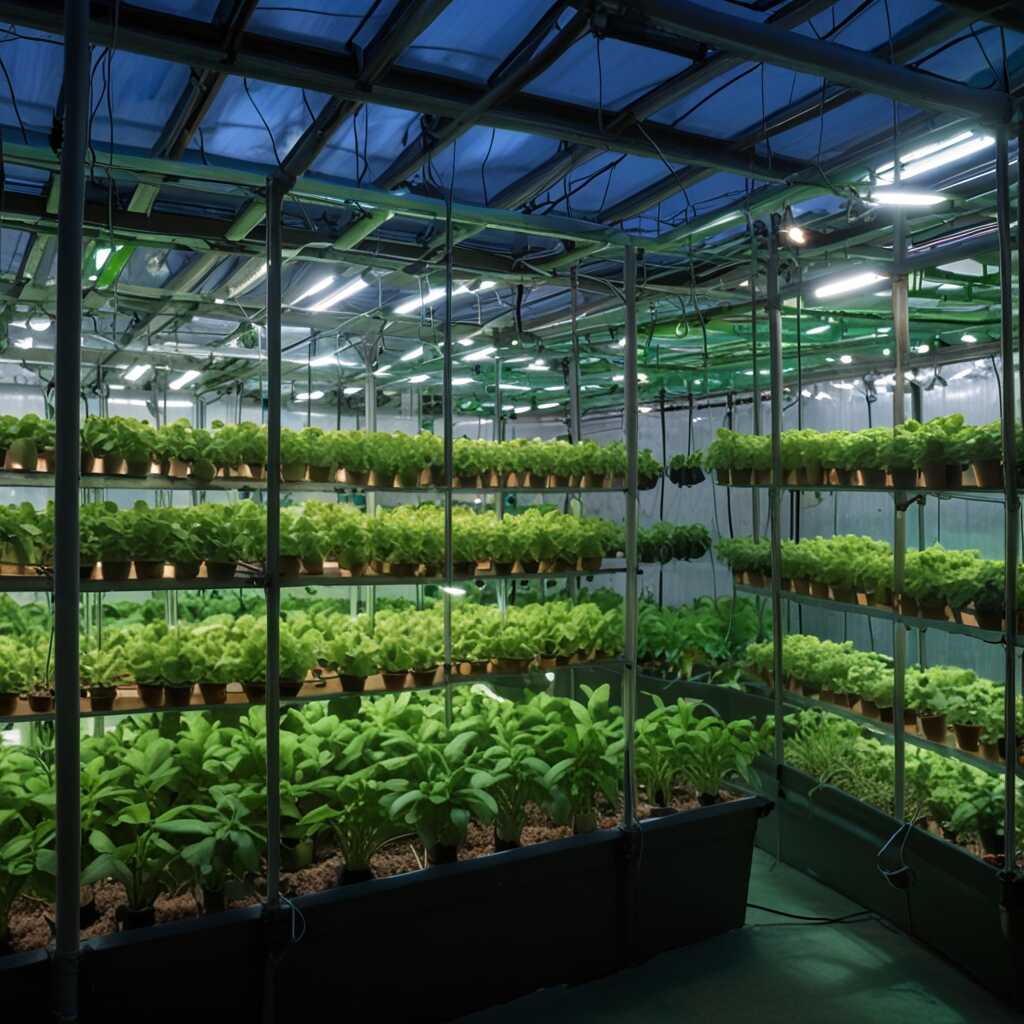
Choosing energy-efficient grow lights significantly impacts operational costs and the environment. Factors such as light output, wattage, and lifespan determine energy efficiency. LED grow lights are renowned for their low energy consumption and extended lifespan. They use about 75% less energy compared to traditional lighting like HPS and fluorescent lights. This efficiency translates to lower electricity bills and reduced carbon footprints.
Grow Light Comparisons: Understanding Types and Benefits
Grow light comparisons reveal critical insights into their efficiency and cost-effectiveness. LED lights typically consume between 25 to 100 watts, providing high lumen output per watt. In contrast, HPS lights consume 250 to 1000 watts with comparable light levels. Over a three-year period, using LED lights can save around 60% in energy costs due to their lower consumption and longer lifespan. Such savings make LED grow lights a smart, eco-friendly choice for greenhouse gardeners.
Numerical Insights Into Effective Lighting
- LED grow lights use 70-90% less energy than traditional bulbs.
- Many full spectrum options emit light across 400-700nm wavelengths.
- Grow lights can last over 50,000 hours, reducing replacement costs.
- Plants need around 12-16 hours of light daily during winter.
- Most grow lights operate efficiently in temperatures from 60°F to 80°F.
- Research shows proper lighting can increase plant growth by up to 50%.
- Many indoor plants thrive best under 100-200 watts of grow light per 10 square feet.
Benefits of Full Spectrum Lighting for Diverse Plant Growth Stages
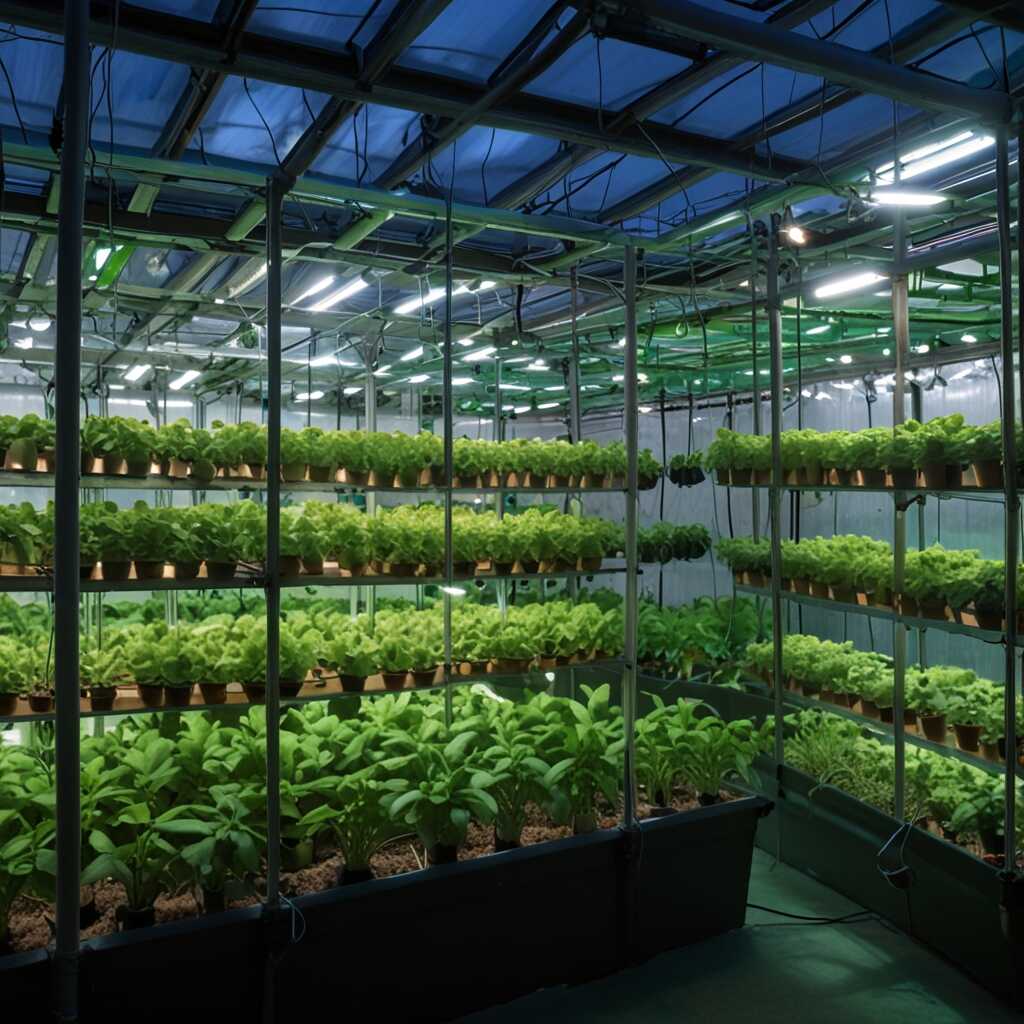
Full spectrum lighting replicates natural sunlight and supports all phases of plant growth. Plants require various wavelengths to thrive during winter. The blue light (400-500 nm) helps in vegetative growth, while red light (600-700 nm) promotes flowering. Supplementing these wavelengths enhances overall plant health. Research shows that plants exposed to full spectrum lighting exhibit vigorous growth and resilience. Cuttings, seedlings, and mature plants benefit similarly. A reliable light source can improve both yield and quality in greenhouse cultivation throughout the cold months.
Understanding Light Wavelengths and Their Impact on Plant Health
Light wavelengths play a crucial role in plant growth stages. Blue light encourages leaf development, making plants bushier and healthier. Red light, in contrast, stimulates flowering, making it vital for fruiting plants. Research indicates that combining these wavelengths can improve photosynthesis and enhance energy efficiency. Ideally, using full spectrum lighting with a 12 to 16-hour cycle per day can optimize the growth process. This setup provides the balance needed for robust growth, especially during winter when natural sunlight is limited.
Optimal Strategies for Positioning Grow Lights in Your Greenhouse
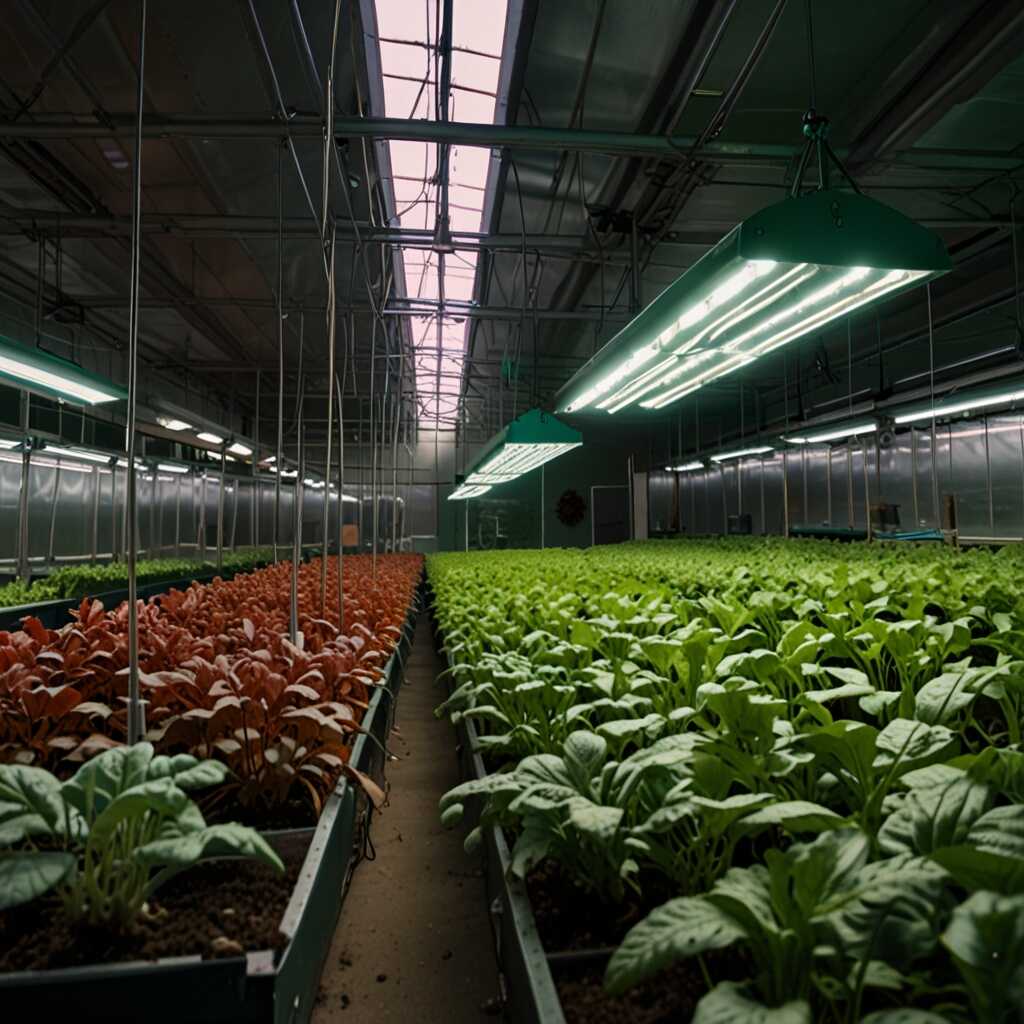
When positioning grow lights in your greenhouse, consider several best practices. First, ensure that lights are evenly distributed to maximize light exposure across plant surfaces. Use hanging systems or adjustable mounts to position lights at the correct height, which for most plants is typically 12 to 36 inches above the canopy. Factors like plant type, size, and lamp type influence light positioning. For instance, larger plants require higher placements to avoid light burn. Understanding these factors enhances your light distribution strategy in winter cultivation.
Adjusting Light Height for Different Plant Types
Different plants have unique light requirements that affect how high you should hang your grow lights. For example, leafy greens like lettuce do well with lights positioned 12 to 18 inches above, while flowering plants may need lights set higher, around 24 to 36 inches. LED lights typically emit less heat, allowing for closer placement, which improves reliability. Adjusting the height as plants grow ensures consistent light exposure. Regularly check plant response to light and be prepared to adjust heights for optimal growth. This approach not only enhances efficiency but also supports healthier plants in your greenhouse.
Advantages of Artificial Plant Illumination
- Grow lights can boost plant health, especially in low-light winter months.
- Effective lighting options support photosynthesis even on cloudy days.
- Energy-efficient design reduces utility bills while growing plants.
- Many grow light types cater to various plant growth stages and needs.
- Reduced distance between light and plants promotes compact growth.
- Users can control light duration for optimal flowering and fruiting.
- Grow lights help mitigate seasonal affective disorder in caregivers.
Creating Effective Light Schedules for Winter Gardening
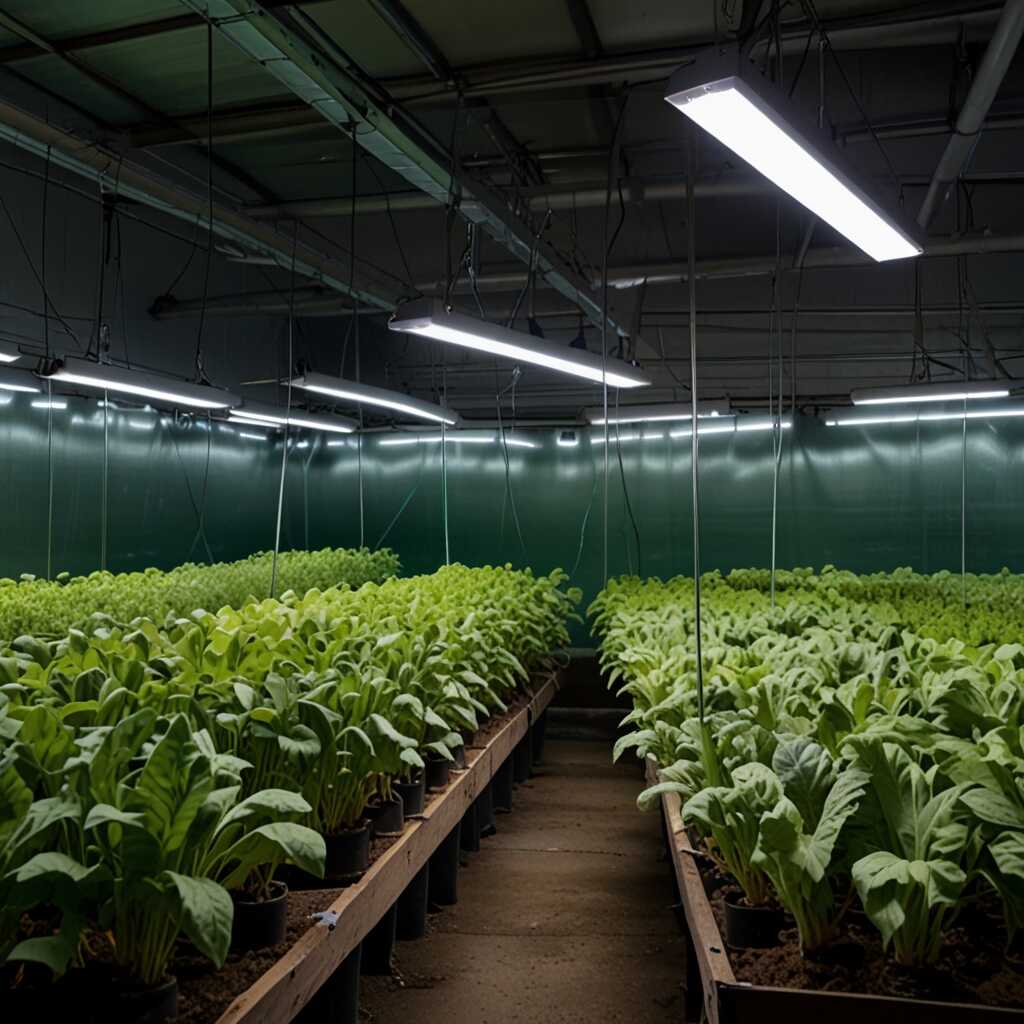
Winter gardening requires well-planned light schedules to enhance plant growth and health. Greenhouse plants typically thrive with about 12 to 16 hours of light per day. Shorter durations may stunt growth and reduce yields. For different plant types, such as herbs, vegetables, and flowers, timing and light intensity matter greatly. Herbs like basil flourish with 14 to 16 hours of light, while flowering plants may require 10 to 14 hours depending on their growth stage. This range depends significantly on the plant species and their specific needs for light exposure and photoperiod.
Understanding Plant Light Requirements by Type
Different plant types have unique light needs, influencing their overall health and productivity. For example, leafy greens like lettuce do well with 12 to 14 hours of light. In contrast, fruiting plants such as tomatoes prefer a full 16 hours, boosting their growth and fruit production. Research indicates that UV light exposure can improve the flavor and nutrition of certain crops, like peppers and herbs. Adjusting the light exposure based on plant category offers a systematic approach to winter gardening success, helping to optimize growth and yields while ensuring every plant receives the essential light it needs.
Common Lighting Issues and Solutions for Winter Growers
Winter growers often face common lighting issues like inadequate light intensity, inconsistent light duration, and heat buildup from grow lights. In winter, shorter days can hinder plant growth. Troubleshooting techniques include testing the light’s reliability and adjusting its position to ensure adequate coverage. Grow lights such as LED and full-spectrum options provide a consistent light source that can enhance plant growth. Ensuring proper light duration is essential; most plants need 12 to 16 hours of light daily during winter months, making scheduling crucial for plant vitality.
Optimal Types of Grow Lights for Winter Plant Growth
The best grow lights for winter cultivation are LED and full-spectrum lights. LED grow lights are very efficient, using less energy while delivering high-quality light. They can handle long hours of usage without overheating, making them ideal for cold months. Full-spectrum options also provide all wavelengths needed for photosynthesis, targeting different growth stages. Research shows that using these lights results in healthier, more vigorous plants. Moreover, choosing lights that deliver the right spectrum can significantly improve yield during winter, ensuring your greenhouse remains productive.
Comparative View on Grow Light Brands and User Types
- Brand A: LEDgrows provides energy-efficient lights great for small growers.
- Brand B: SunBlaster offers compact solutions for tight spaces and hobbyists.
- Brand C: Vivosun caters to commercial greenhouse operators needing large setups.
- Indoor plant enthusiasts prefer versatile lights that work for various species.
- Winter horticulturists seek durable and efficient lights to combat cold conditions.
- Sustainability advocates focus on eco-friendly brands that minimize waste.
- Commercial growers appreciate systems that allow for precise light control.
Top Grow Light Recommendations for Effective Winter Cultivation
This section reviews the best LED grow lights that are proven to excel in winter greenhouse cultivation. Top-rated options include brands like Spider Farmer and Viparspectra, which offer high energy efficiency, making them ideal for extended use during the winter months. Their designs enhance performance while maintaining low electricity bills. A comparison of features reveals that these grow lights deliver excellent spectrum coverage essential for plant health. Many of these products have been tested, ensuring reliability and durability. They include varying power options to accommodate different greenhouse sizes, thus providing flexibility for all users.
Specific Features to Look For in Grow Lights
When selecting grow lights for winter greenhouse use, consider essential features that will greatly enhance plant growth. Look for full-spectrum lighting that covers wavelengths from 400-700nm, ensuring optimal photosynthesis. Reliable brands usually provide adjustable light intensity, which can accommodate various growth stages of plants. Efficient heat management is also crucial to prevent overheating and to enhance durability. Additionally, check for energy ratings to evaluate how much electricity each model consumes. Many recommended models have been tested to confirm their exceptional energy efficiency, helping users save money while promoting healthy plant growth.