
LED grow lights are the best grow light types for starting vegetable seeds in greenhouse trays, offering full-spectrum lighting with energy efficiency. Full-spectrum LEDs provide the complete wavelength range needed for germination, typically costing between $30-150 for home setups. These lights consume 50-75% less energy than fluorescent alternatives while delivering optimal light intensity for seedling development.
Why Grow Lights Are Essential for Seed Germination
Grow lights are essential for seed germination because they replicate natural sunlight wavelengths when outdoor conditions are insufficient. Seed germination requires consistent light exposure to trigger photosynthesis, which provides energy for initial growth processes. Full-spectrum LED grow lights deliver wavelengths between 400-700 nanometers, covering both blue light for vegetative growth and red light for root development. Seedlings typically need 12-16 hours of daily light exposure to establish strong root systems and prevent stretching. Without adequate lighting, seeds often produce weak, elongated stems that struggle to support healthy plant development.
Understanding Light Requirements for Different Vegetable Seeds
Different vegetable seeds have varying light intensity requirements for optimal germination and early growth. Tomato and pepper seedlings require high-intensity lighting, typically 200-400 µmol/m²/s, to develop sturdy stems and prevent legginess. Lettuce and herb seeds can thrive under lower light intensities, around 100-200 µmol/m²/s, making them suitable for less powerful grow light setups. Cool-season crops like spinach and kale prefer slightly cooler light temperatures, while warm-season vegetables benefit from lights that generate gentle warmth. Positioning grow lights 2-4 inches above newly germinated seeds ensures adequate intensity without causing heat stress or burning delicate seedlings.
Comparing Grow Light Types for Vegetable Seed Starting
LED grow lights offer the best overall performance for starting vegetable seeds, providing full-spectrum lighting with exceptional energy efficiency and longevity exceeding 50,000 hours. They typically cost between $30-150 for home greenhouse setups and consume 50-75% less electricity than alternatives. Fluorescent T5 lights serve as affordable alternatives, costing $15-60, but require replacement every 2-3 years and consume more energy. High-intensity discharge (HID) lights deliver powerful illumination but generate excessive heat and consume significantly more electricity, making them impractical for small seed starting operations. The limitations of HID lights include high operating temperatures that can stress seedlings and energy costs that often exceed $100 annually for typical home use.
Energy Requirements and Operating Costs for Different Light Types
Understanding the energy requirements helps calculate long-term costs for each grow light type. LED systems typically consume 15-30 watts per square foot of growing space, resulting in monthly electricity costs of $5-15 for average home setups. Fluorescent lights consume 30-50 watts per square foot, increasing monthly costs to $10-25 for comparable coverage. HID systems can consume 50-100 watts per square foot, often resulting in monthly electricity costs exceeding $30-50. However, HID lights may reduce germination time by 20-30% due to their intensity, which can offset some energy costs through faster plant turnover.
The Importance of Full Spectrum Light for Seed Growth
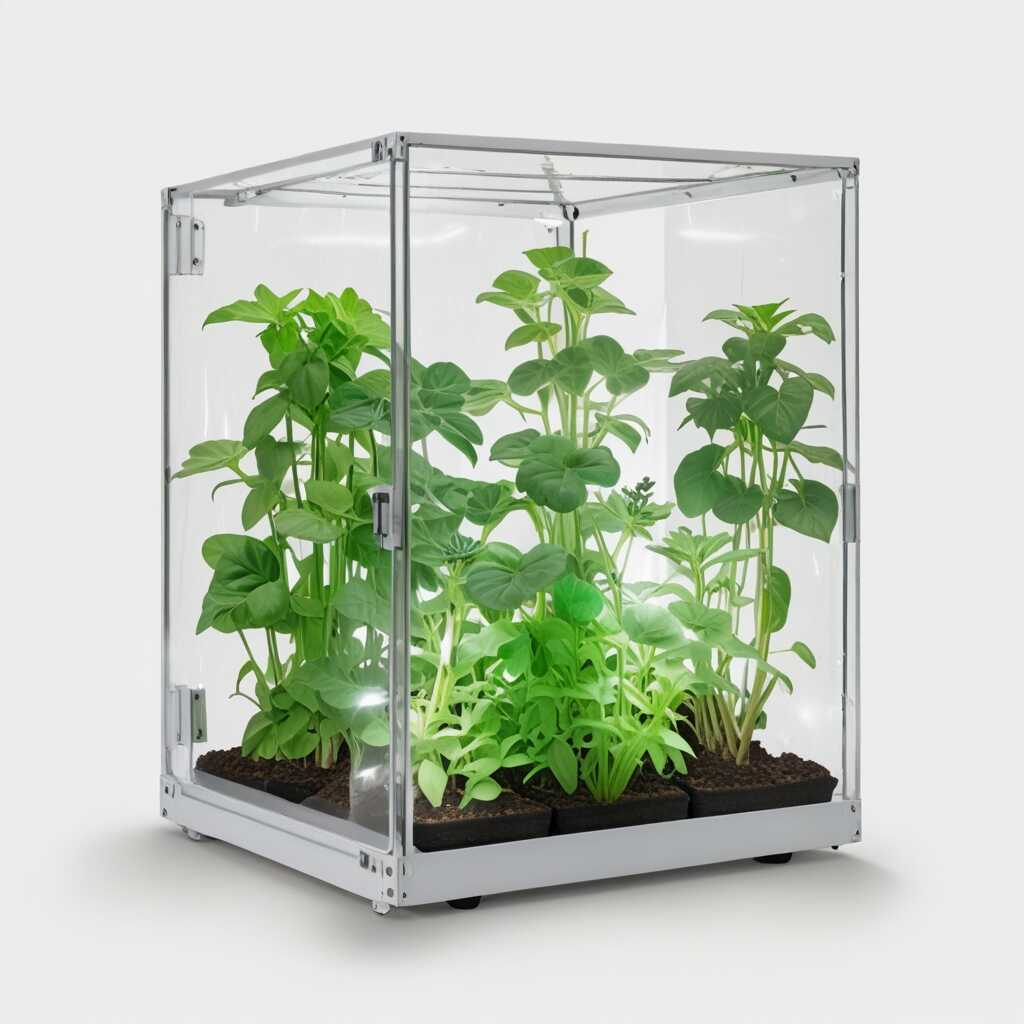
Full spectrum light is crucial for seed growth because it includes all wavelengths that plants use for different physiological processes throughout their development cycle. Blue light wavelengths (400-500 nm) promote compact, sturdy growth during the seedling stage by encouraging strong stem development and preventing stretching. Red light wavelengths (600-700 nm) stimulate root development and prepare plants for flowering stages later in their growth cycle. Full spectrum lighting provides comprehensive wavelength coverage that supports photosynthesis efficiency and chlorophyll production. Without full spectrum lighting, seedlings often develop poorly, showing symptoms like weak stems, pale coloration, or slow growth rates that compromise their long-term health.
Understanding Wavelengths for Each Growth Phase
Different wavelengths in full spectrum light directly influence specific growth phases of vegetable seedlings. Blue light (400-500 nm) is most critical during the first 2-3 weeks after germination, promoting compact growth and preventing the stretching that occurs under insufficient lighting. During this phase, blue light enhances chlorophyll production and supports the development of strong cellular structures. Red light (600-700 nm) becomes increasingly important as seedlings mature, stimulating root development and preparing plants for transplanting. Green light (500-600 nm), while less critical, penetrates deeper into plant tissues and supports overall photosynthetic efficiency when combined with blue and red wavelengths.
Key Statistics on Lighting for Indoor Gardening
- LED grow lights consume up to 90% less energy than traditional lighting.
- Full spectrum lights support growth across all stages of plant development.
- Optimal light duration for seeds is usually 14-16 hours per day.
- Many plants thrive under light intensities of 200-400 µmol/m²/s.
- Most LED grow lights last over 50,000 hours, reducing replacement costs.
- Seedling trays usually require 2-4 inches of clearance from the light source.
- Many indoor gardeners prefer adjustable light heights to meet seedling needs.
Energy and Cost Benefits of Using LED Grow Lights
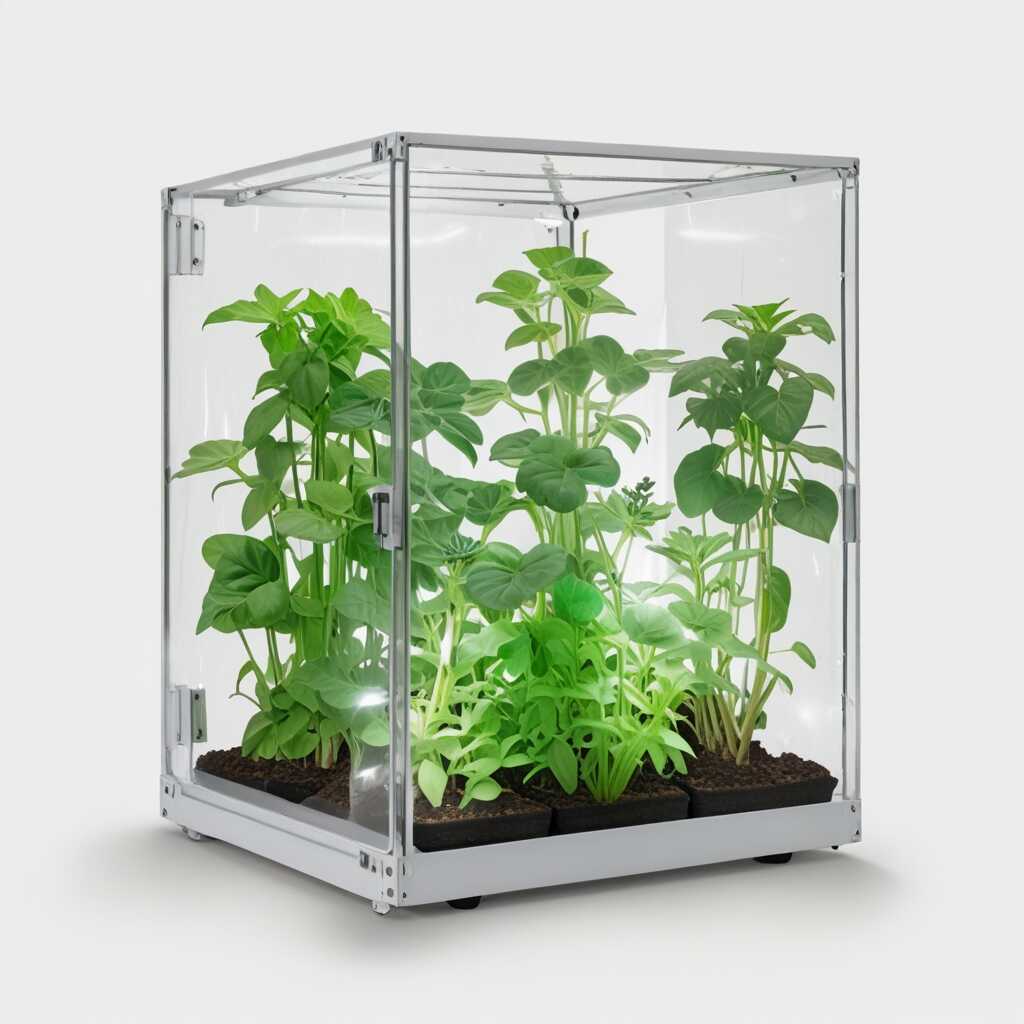
LED grow lights offer remarkable energy efficiency, consuming 50-75% less electricity than fluorescent lights and up to 85% less than HID systems. A typical LED setup for seed starting costs $30-150 initially but can save $50-200 annually in electricity costs compared to traditional lighting. Their exceptional lifespan of 50,000+ hours means they can operate for 8-12 years under normal growing schedules, eliminating frequent replacement costs. Studies indicate that LED grow lights reduce energy consumption significantly while providing superior light quality for seed germination. This energy efficiency makes LED lights particularly valuable for gardeners who run lights 14-16 hours daily throughout the growing season.
Maximizing Efficiency in Indoor Gardening
To maximize efficiency in indoor gardening, essential to position LED grow lights 12-24 inches above established seedlings and 2-6 inches above newly germinated seeds. This positioning ensures optimal light distribution while preventing heat stress and light burn that can damage delicate seedlings. Maintaining consistent 14-16 hour daily light cycles using timers promotes healthy circadian rhythms and prevents stress from irregular lighting patterns. Reliable LED lights with full spectrum capabilities should be adjusted weekly as seedlings grow to maintain proper light intensity and coverage. Quality LED systems with dimming capabilities allow fine-tuning of light intensity based on plant response and growth stage requirements.
How to Set Up a Grow Light System Effectively
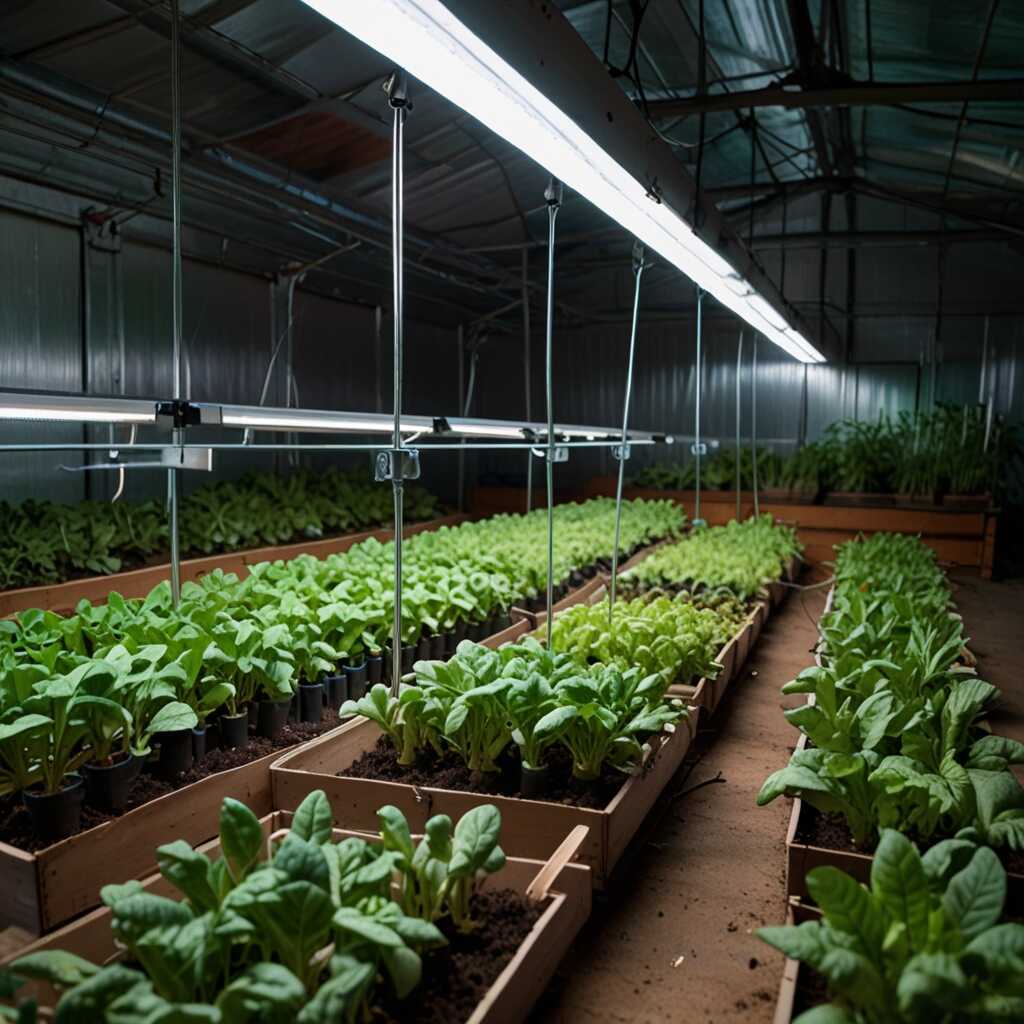
Setting up an effective grow light system begins with selecting appropriate LED grow lights sized for your greenhouse tray dimensions and expected plant coverage. LED grow lights are highly recommended for their energy efficiency, full-spectrum output, and 50,000+ hour lifespan that eliminates frequent replacements. Position lights 2-6 inches above seedling trays initially, then adjust to 12-24 inches as plants grow larger and require less intense lighting. Install adjustable hanging systems or light stands that allow easy height modifications as your seedlings develop. Use programmable timers to maintain consistent 14-16 hour daily light cycles, which mimics natural daylight patterns and promotes healthy growth rhythms.
Choosing the Right Types of Grow Lights for Your Setup
Choosing the right grow light type depends on your specific space, budget, and growing goals for vegetable seed starting. grow lights can significantly impact seedling success, with full-spectrum LED lights being the top choice for their complete wavelength coverage and efficiency. Full spectrum LED grow lights are ideal for growers wanting single-light solutions that support seeds through transplant stage. For budget-conscious gardeners, T5 fluorescent lights provide adequate performance at lower initial costs, though they require more frequent replacement and consume more electricity. Consider lights with adjustable spectrums if you plan to grow different vegetable types, as this flexibility allows optimization for specific plant needs throughout their development cycle.
Advantages of Indoor Lighting Systems for Seedlings
- Energy-efficient models save money on utility bills over time.
- The right lights accelerate germination and promote healthy growth.
- Adjustable spectrums help stimulate different growth stages effectively.
- Using grow lights maintains a stable temperature for seedlings.
- Indoor lighting reduces pests and diseases common in outdoor cultivation.
- Many options are compact, making them ideal for small spaces.
- Grow lights allow gardening year-round, regardless of weather conditions.
Common Errors in Using Grow Lights and How to Avoid Them
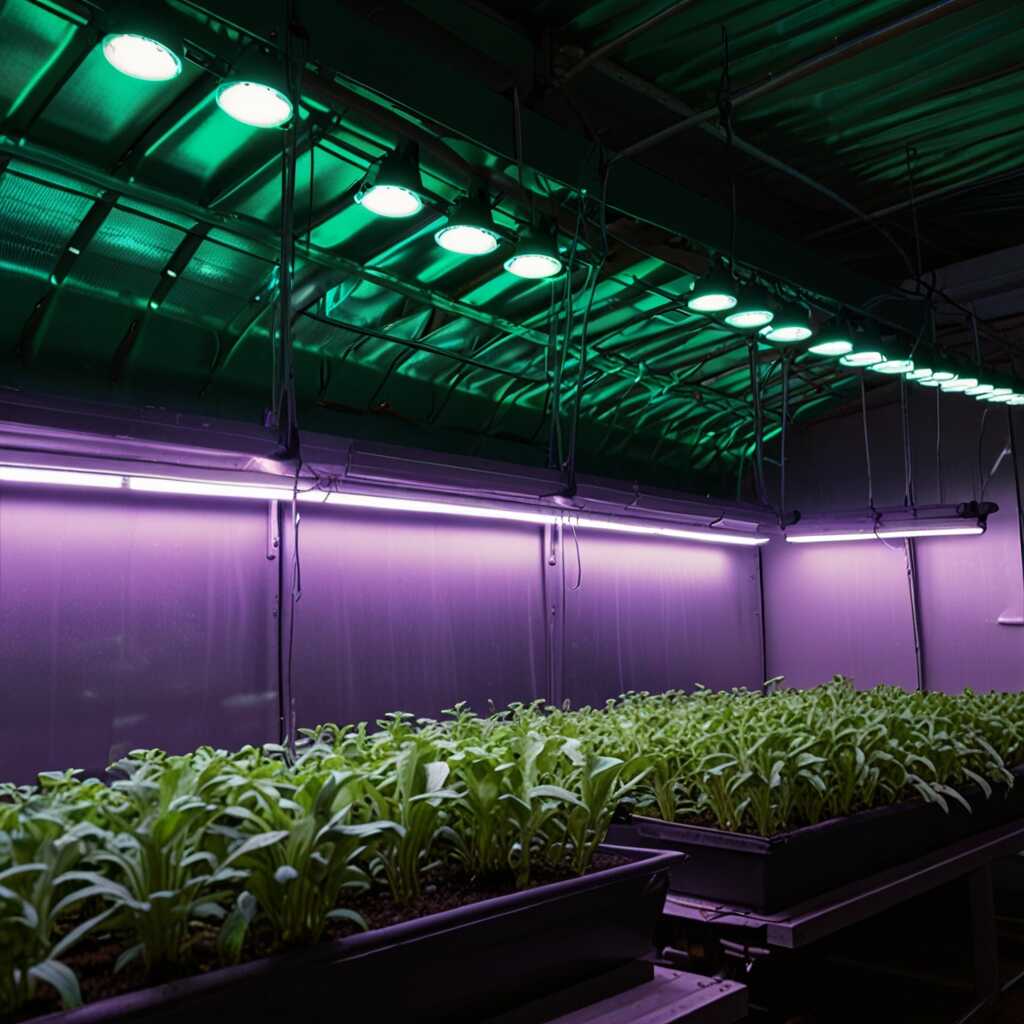
Common mistakes with grow lights include positioning them too far from seedlings, which causes stretching and weak growth, or too close, which can burn delicate leaves and stress plants. The most frequent error is inconsistent lighting schedules that disrupt plant circadian rhythms and reduce germination rates. Many beginners use inadequate light spectrums, such as cool white fluorescents that lack red wavelengths needed for root development. Proper safety measures include ensuring adequate electrical connections and avoiding water contact with light fixtures. Another limitation is failing to adjust light height as plants grow, which can lead to uneven development and poor plant structure throughout the growing period.
Understanding Ideal Light Spectrum for Seedlings
The ideal light spectrum for seedlings combines blue wavelengths (400-500 nm) for vegetative growth with red wavelengths (600-700 nm) for root development and overall plant vigor. seedlings thrive with full-spectrum grow lights that provide balanced wavelength distribution rather than single-color lighting that can limit growth potential. Blue-heavy spectrums promote compact, sturdy growth but may slow overall development if red wavelengths are insufficient. Red-heavy spectrums can cause stretching and weak stems if blue wavelengths are inadequate for proper vegetative growth. The limitations of narrow-spectrum lighting become apparent when seedlings show poor coloration, weak stems, or slow development despite adequate light intensity and duration.
Adjusting Grow Light Height
Adjusting grow light height is essential for maintaining optimal light intensity as seedlings develop from germination through transplant readiness. Start with lights positioned 2-4 inches above seed trays during germination, then gradually increase distance to 6-12 inches as seedlings emerge and develop their first true leaves. Monitor plants weekly for signs of light stress, including leaf bleaching or curling, which indicates lights are too close, or stretching and pale coloration, which suggests insufficient light intensity. The limitations of fixed-height setups become apparent when plants outgrow the effective light zone, leading to uneven development and poor plant structure that affects transplant success.
Recommended Height Adjustments for Different Seedlings
Different vegetable seedlings require specific light height adjustments based on their growth characteristics and light sensitivity. Delicate seedlings like lettuce and herbs should be maintained at 6-8 inches from LED lights to prevent burning while ensuring adequate intensity for compact growth. Robust seedlings like tomatoes and peppers can tolerate closer positioning at 4-6 inches, which promotes sturdy stem development and prevents stretching. Raise lights by 2-3 inches weekly as seedlings grow, maintaining consistent light intensity while preventing heat stress from fixtures positioned too close to developing plants.
Popular Lighting Brands and Their Specific Uses
- Brand A is widely used by beginners for its user-friendly setup.
- Brand B features full spectrum technology for all plant growth stages.
- Brand C is favored by advanced gardeners for its high intensity.
- Brand D provides versatile options for compact spaces and small trays.
- Home gardeners prefer brand E for its eco-friendly materials.
- Commercial greenhouse managers often choose brand F for scalability.
- Seeking loyal customers, brand G offers longer warranties and performance guarantees.
Best Practices for Successful Seed Germination Beyond Lighting
Successful seed germination requires coordinating proper lighting with optimal growing conditions including temperature, humidity, and soil quality. Use a well-draining seed starting mix combining equal parts peat moss, vermiculite, and perlite to provide proper aeration and moisture retention. Maintain soil temperature between 65-75°F for most vegetable seeds, as temperature significantly impacts germination speed and success rates. Keep soil consistently moist but not waterlogged, as excessive moisture can lead to damping-off disease that kills seedlings before they establish. The limitations of focusing solely on lighting become apparent when other environmental factors are inadequate, resulting in poor germination despite optimal light conditions.
Essential Tips for Managing Temperature and Humidity
Temperature and humidity management work together with proper lighting to create ideal germination conditions for vegetable seeds in greenhouse trays. Maintain air temperature between 65-75°F using heat mats if necessary, as consistent temperature is more important than specific temperature ranges for most seeds. Use humidity domes or plastic covers to maintain 70-80% relative humidity during germination, then gradually reduce humidity as seedlings emerge to prevent fungal issues. Monitor conditions with digital thermometers and hygrometers to ensure consistency, as fluctuating conditions can stress seedlings and reduce their vigor despite adequate lighting and care.