Green Writer is reader-supported: some links on this page are affiliate links, and as an Amazon Associate Green Writer earns from qualifying purchases at no extra cost to you. Learn more.
LED grow light troubleshooting involves systematically identifying and resolving performance issues that affect plant growth in greenhouse environments. Common problems include flickering lights, uneven light distribution, voltage fluctuations, and spectrum deficiencies. Effective troubleshooting requires checking electrical connections, monitoring environmental conditions, and adjusting light placement for optimal plant health and energy efficiency.
Understanding Common LED Grow Light Problems in Greenhouses
The most frequent LED grow light issues in greenhouse setups include flickering, dimming, poor light distribution, and inadequate intensity levels. Flickering typically indicates loose electrical connections, insufficient power supply, or driver component failures. Poor light distribution often results from incorrect mounting height, inadequate fixture spacing, or using wrong type of LED grow light configurations for specific crop requirements. Inadequate intensity usually stems from aging LED chips, incorrect spectrum selection, or positioning lights too far from plant canopies.
Heat-related problems also affect LED performance in greenhouse environments. When ambient temperatures exceed 85°F (29°C), LED efficiency decreases significantly, potentially reducing light output by up to 20%. Different types of LED grow lights significantly influence plant growth outcomes. Full-spectrum LEDs provide balanced wavelength coverage for all growth phases, while single-spectrum lights target specific developmental stages like vegetative growth or flowering.
Identifying Solutions for LED Light Problems
Effective LED troubleshooting begins with systematic problem identification using basic diagnostic tools. Start by visually inspecting all electrical connections, checking for loose wires, corrosion, or damaged components. Use a multimeter to measure voltage levels, ensuring they fall within the manufacturer’s specified range, typically between 100-240 volts for most LED systems. Many LED grow lights provide performance data through built-in monitoring systems or mobile applications that track power consumption, operating temperature, and light output.
For beginners, simple solutions often resolve common issues: adjusting light height (typically 12-24 inches from plant canopy), ensuring adequate ventilation around fixtures, and cleaning dust accumulation from LED surfaces. Advanced users can troubleshoot driver circuits, replace individual LED modules, or reconfigure spectrum combinations for specific growth phases. Professional-grade systems offer programmable features that enable custom light schedules, spectrum adjustments, and automated environmental responses.
Effects of Environmental Conditions on LED Grow Light Efficiency
Environmental factors significantly impact LED grow light performance in greenhouse settings. High humidity levels above 70% can cause condensation on LED surfaces, reducing light penetration and creating potential electrical hazards. Inadequate air circulation allows heat buildup around fixtures, forcing LEDs to operate at reduced efficiency to prevent thermal damage. Temperature fluctuations between day and night cycles can stress LED components, leading to premature failure or inconsistent light output.
Optimal LED operation requires maintaining greenhouse temperatures between 68-77°F (20-25°C) with humidity levels between 50-65%. Poor ventilation not only affects LED performance but also creates conditions that promote plant diseases and pest infestations. Dust accumulation on LED surfaces can reduce light output by 10-15% over several months, making regular cleaning essential for maintaining peak efficiency.
Monitoring Humidity and Airflow for Optimal Performance
Implementing proper environmental monitoring systems helps maintain ideal conditions for both LED performance and plant health. Install humidity sensors and temperature monitors at multiple locations throughout the greenhouse to identify microclimates that might affect LED operation. Digital hygrometers provide real-time humidity readings, while thermal cameras can identify hot spots around LED fixtures that indicate inadequate cooling.
Ventilation solutions for LED optimization include exhaust fans, circulation fans, and passive venting systems. Exhaust fans should move air at rates of 1-2 cubic feet per minute per square foot of growing space. Circulation fans prevent stagnant air pockets and ensure uniform temperature distribution. Consider installing automated environmental controls that adjust ventilation based on temperature and humidity readings, maintaining optimal conditions for LED efficiency and plant growth.
Assessing Voltage Fluctuations and Their Impacts
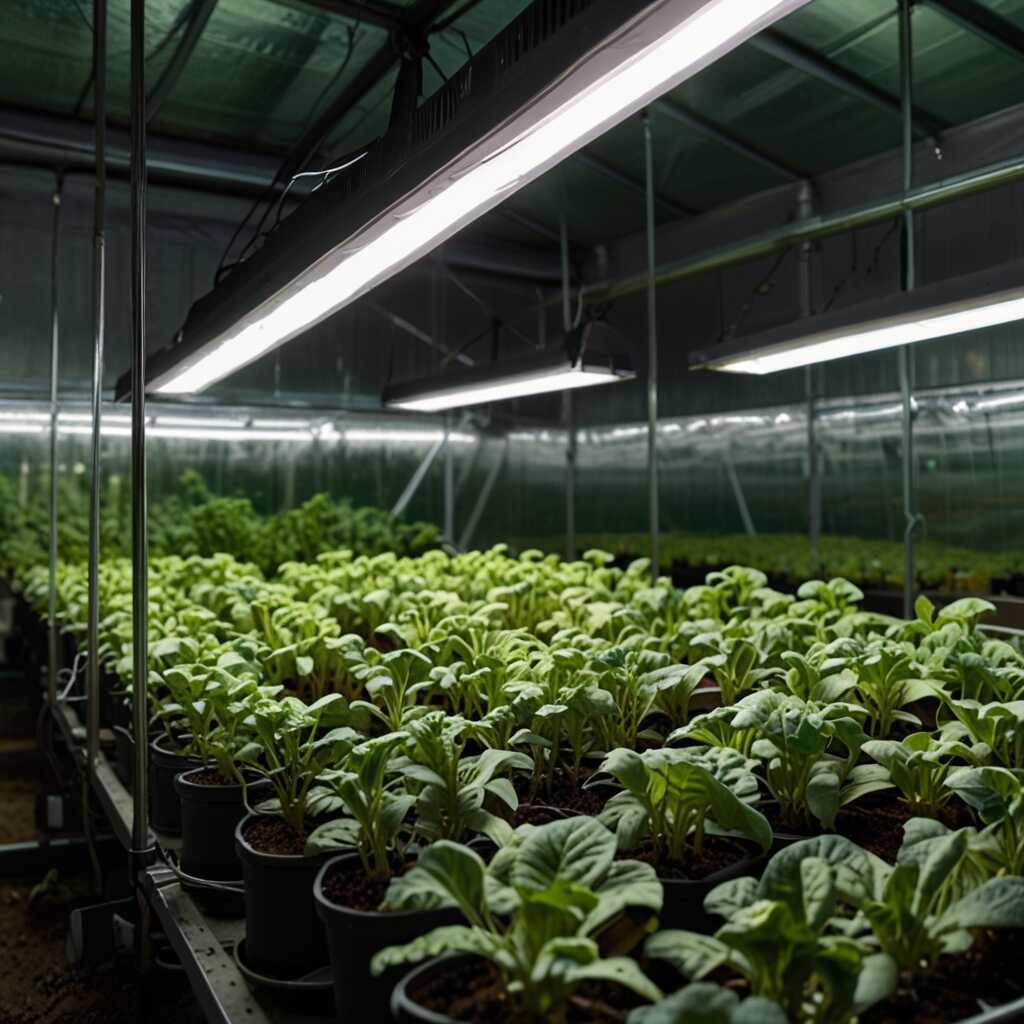
Voltage instability represents one of the most damaging factors affecting LED grow light longevity and performance. Power surges can instantly damage LED drivers, while voltage drops cause dimming and reduced light output. Common causes include overloaded electrical circuits, aging wiring systems, grid instabilities, and high-power equipment cycling on and off within the greenhouse facility.
LED drivers typically operate within voltage ranges of 100-277 volts, but optimal performance occurs within narrower bands specified by manufacturers. Voltage fluctuations beyond ±10% of rated voltage can reduce LED lifespan by 50% or more. For LED grow lights generally falls between these specifications, making voltage monitoring crucial for protecting investments in LED technology.
How to Monitor and Address Voltage Issues in Greenhouse Setups
Installing voltage monitoring equipment provides early warning of electrical problems before they damage expensive LED systems. Digital voltage meters with data logging capabilities track voltage patterns over time, identifying recurring issues that might not be apparent during casual observation. Place monitors at the main electrical panel and at individual LED circuit connections to pinpoint problem locations.
Voltage stabilization solutions include surge protectors, voltage regulators, and uninterruptible power supplies (UPS) for critical lighting circuits. Surge protectors should be rated for the total amperage of connected LED fixtures plus 25% safety margin. Voltage regulators maintain consistent output despite input fluctuations, while UPS systems provide backup power during outages. For large installations, consulting with electrical professionals ensures proper sizing and installation of protective equipment.
Key Figures Related to LED Troubleshooting in Plant Growth
- LED lights typically last over 50,000 hours, reducing replacement frequency compared to traditional lighting.
- Plants generally require 12 to 16 hours of light daily for optimal growth, depending on species and growth stage.
- Overheating often occurs at temperatures above 85°F (29°C) near the light source, reducing efficiency.
- Many greenhouse setups need around 30 to 40 watts per square foot of growing space for adequate coverage.
- Proper lighting adjustments can increase yields by 15-25% compared to suboptimal configurations.
- LED lights consume about 50-70% less energy than traditional HID lighting options.
- Correct light intensity can improve photosynthetic efficiency by 30-50% over inadequate lighting.
Exploring the Importance of Full Spectrum Lighting
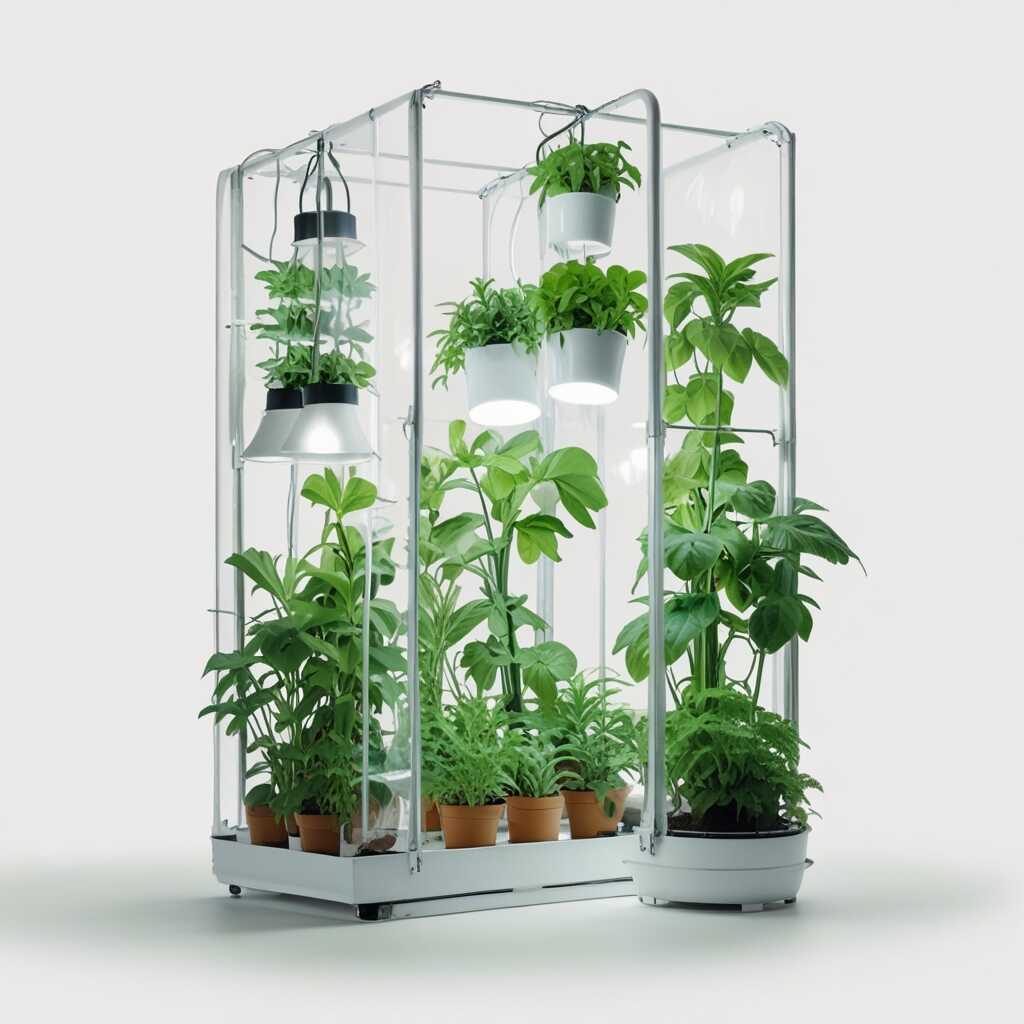
Light spectrum optimization plays a crucial role in supporting different plant growth phases and maximizing photosynthetic efficiency. Blue light wavelengths (400-500nm) promote compact, healthy vegetative growth by encouraging chlorophyll production and regulating plant morphology. Red light wavelengths (620-750nm) trigger flowering responses and enhance fruit development through phytochrome activation. Green light (500-600nm), often overlooked, penetrates deeper into plant canopies and supports photosynthesis in lower leaf layers.
Spectrum deficiencies manifest as specific plant symptoms that experienced growers can identify through careful observation. Insufficient blue light causes elongated, weak stems and pale green foliage. Inadequate red light results in poor flowering, delayed fruit set, and reduced yields. Plants showing slow growth, unusual coloration, or developmental abnormalities often indicate spectrum-related issues that can be resolved through proper LED selection and configuration.
Identifying and Solving Spectrum-Related Issues
Diagnosing spectrum problems requires understanding plant physiology and observing growth patterns under current lighting conditions. Leggy growth with extended internodes typically indicates insufficient blue light, while poor flowering or fruit development suggests inadequate red wavelengths. Ensuring your LED grow lights provide appropriate spectral distribution requires matching light characteristics to specific crop requirements and growth stages.
Modern LED systems offer adjustable spectrum control through programmable drivers or modular light arrays. Full spectrum lights typically provide wavelengths between 380-780nm, covering the entire photosynthetically active radiation (PAR) range. For most applications, full spectrum lights enable reliable performance across all plant developmental stages. Advanced growers can fine-tune spectrum ratios based on specific crop needs, adjusting blue-to-red ratios for vegetative versus reproductive growth phases.
Identifying and Fixing Common Electrical Problems
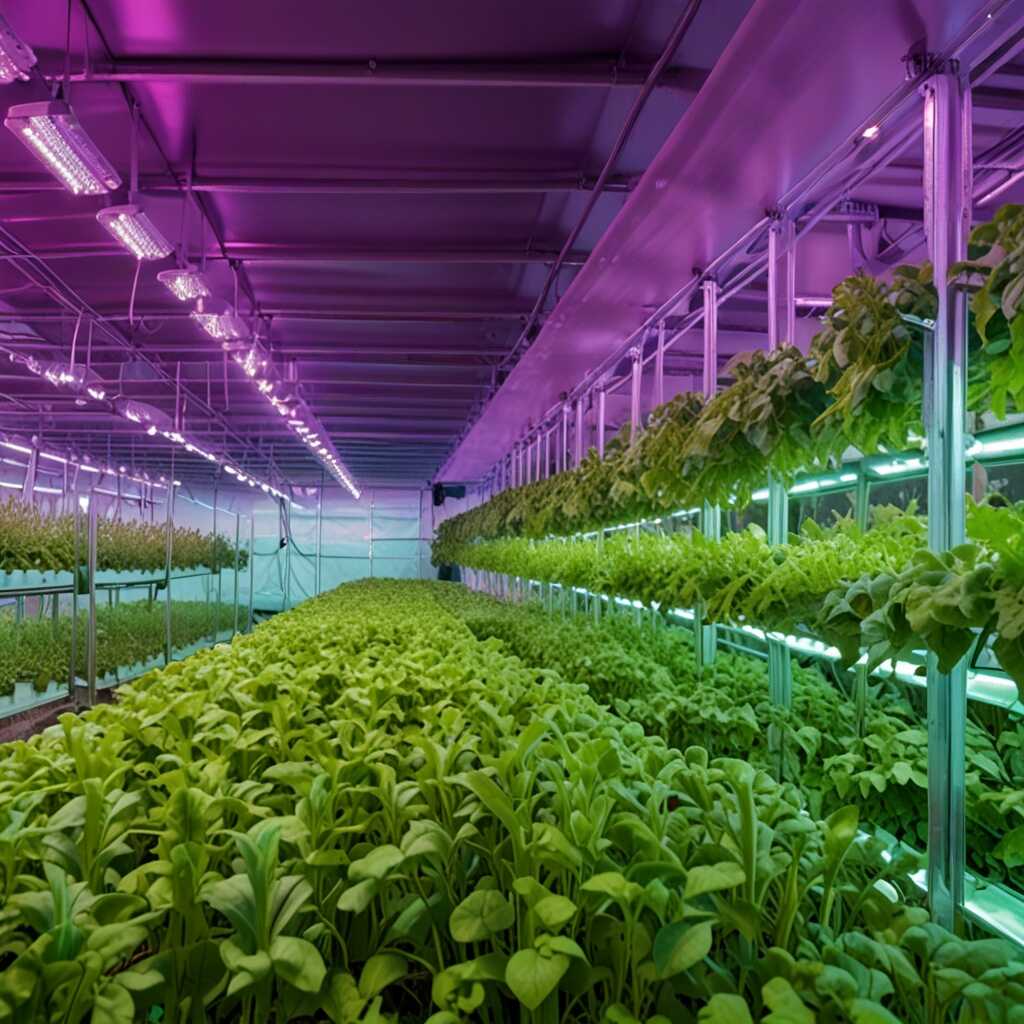
Electrical issues represent the most serious category of LED grow light problems, potentially causing safety hazards and expensive equipment damage. Flickering lights often indicate loose connections, failing drivers, or incompatible dimming controls. Complete LED failure typically results from driver circuit damage, thermal overload, or power surge events. Gradual dimming over time usually indicates LED chip degradation, thermal stress, or inadequate power supply capacity.
Systematic electrical troubleshooting requires appropriate safety precautions and diagnostic tools. Always disconnect power before inspecting electrical connections or components. Use a digital multimeter to measure voltage, current, and resistance at various points in the lighting circuit. Check that power supplies match LED requirements for voltage, current, and wattage. Most LED systems operate at low voltages (12-48V DC) after conversion from AC line voltage, requiring properly sized drivers for reliable operation.
Essential Testing Procedures for LED Grow Lights
Comprehensive LED testing begins with visual inspection of all accessible components, looking for signs of overheating, corrosion, or physical damage. Testing procedures for LED grow lights include measuring input voltage at the power supply, checking output voltage and current to LED arrays, and verifying proper grounding connections. Use an infrared thermometer to identify hot spots that might indicate failing components or inadequate cooling.
Advanced diagnostic techniques include oscilloscope testing for driver circuit analysis, power quality measurements for harmonic distortion, and spectroradiometer readings for light output verification. Document all measurements for comparison with manufacturer specifications and baseline readings from when the system was new. Regular testing schedules help identify developing problems before they cause complete system failures, protecting investments in efficiency of your LED grow lights and ensuring consistent plant production.
Advantages of Resolving Lighting Issues in Greenhouse Environments
- Improved plant health leads to more robust growth, higher yields, and better crop quality.
- Efficient energy use significantly reduces electricity costs, often by 40-60% compared to traditional lighting.
- Reduced risk of plant diseases through uniform light distribution and optimal growing conditions.
- Enhanced flowering and fruiting capabilities result from proper spectrum and intensity management.
- Extended LED lifespan reduces replacement costs and minimizes waste disposal concerns.
- Better environmental control enables year-round production regardless of weather conditions.
- Increased knowledge empowers growers to optimize systems for maximum profitability and sustainability.
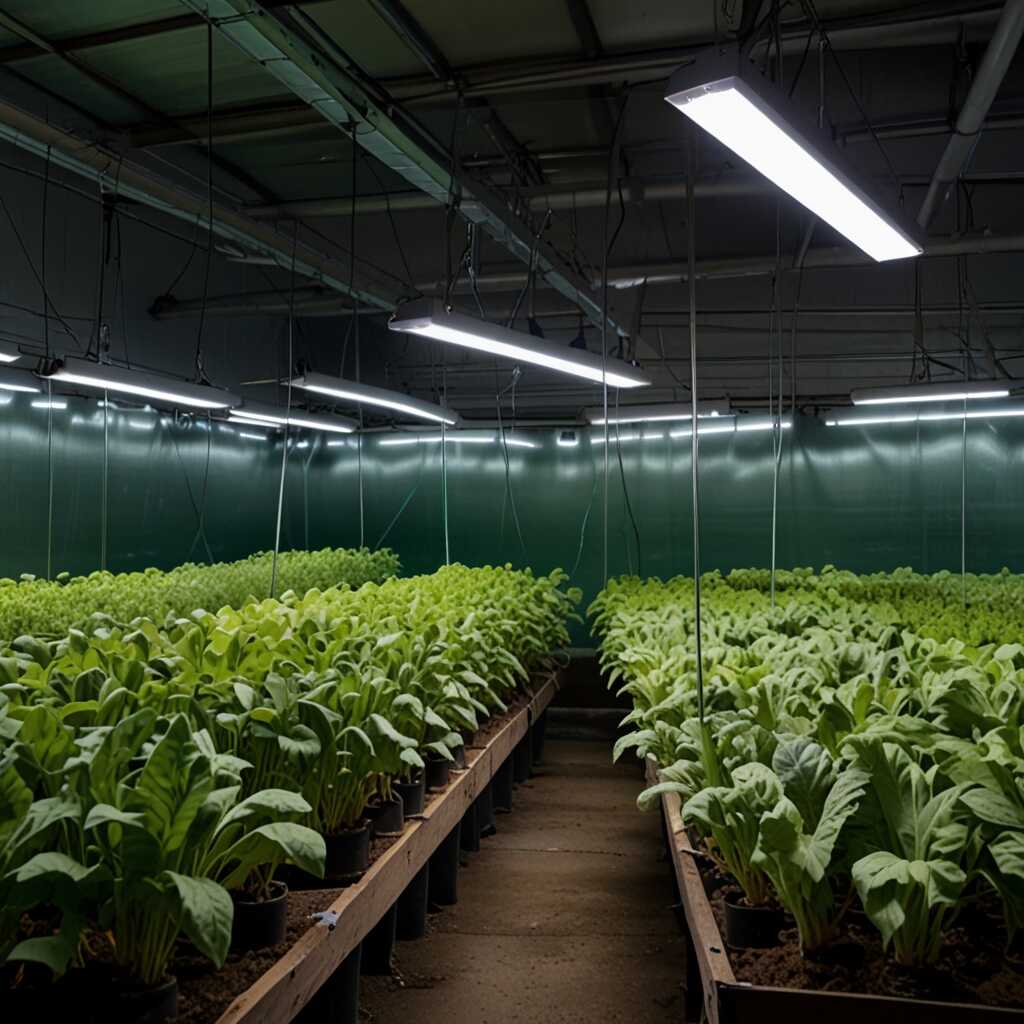
Selecting Suitable LED Grow Lights for Your Greenhouse Needs
Choosing appropriate LED grow lights requires careful consideration of crop types, growth objectives, budget constraints, and existing greenhouse infrastructure. Different plant species have varying light requirements: leafy greens thrive under blue-heavy spectrums (450-470nm), while fruiting crops need balanced full-spectrum lighting with strong red components (660-670nm). Light intensity requirements also vary significantly, from 200-400 μmol/m²/s for herbs to 600-1000 μmol/m²/s for high-light crops like tomatoes and peppers.
Energy efficiency considerations include evaluating photosynthetic photon efficacy (PPE) ratings, which measure useful light output per watt of electricity consumed. High-quality LED systems achieve PPE values of 2.5-3.0 μmol/J, significantly outperforming traditional lighting technologies. High-quality LED grow light should also provide comprehensive warranties, typically 3-5 years for commercial-grade systems, ensuring reliable performance throughout the expected 50,000+ hour lifespan.
Understanding Color Spectrum’s Role in Plant Growth
The photobiological effects of different light wavelengths enable precise control over plant development and morphology. Blue light (400-500nm) regulates stomatal opening, leaf expansion, and chlorophyll synthesis, creating compact, vigorous plants with dark green foliage. Red light (600-700nm) drives photosynthesis and influences flowering through phytochrome responses. Far-red light (700-800nm) affects stem elongation and shade avoidance responses, useful for manipulating plant architecture.
Advanced spectrum management involves adjusting light ratios throughout different growth phases. Color spectrum of LED grow lights can be customized through programmable controllers that automatically adjust wavelength ratios based on plant age, growth stage, or environmental conditions. Professional growers often utilize comparison tables to evaluate different LED models and their spectral characteristics before making purchasing decisions.
Essential Maintenance Practices for Optimal LED Lifespan
Preventive maintenance significantly extends LED system lifespan and maintains peak performance throughout the operational period. Regular cleaning schedules should remove dust, debris, and residue that accumulate on LED surfaces and heat sinks. Clean LEDs every 4-6 weeks using soft microfiber cloths and appropriate cleaning solutions that won’t damage protective coatings or electrical components.
Thermal management represents the most critical aspect of LED maintenance, as excessive heat dramatically reduces both efficiency and lifespan. Inspect cooling fans, heat sinks, and ventilation pathways regularly to ensure proper heat dissipation. Replace worn fans immediately, as cooling system failures can destroy expensive LED arrays within hours of overheating. Monitor operating temperatures using infrared thermometers, maintaining LED junction temperatures below manufacturer specifications.
Cleaning Procedures for Maintaining LED Efficiency
Effective cleaning procedures begin with complete power disconnection and adequate cooling time to prevent burns from hot surfaces. Use lint-free microfiber cloths slightly dampened with distilled water or specialized electronic cleaning solutions. Avoid harsh chemicals, abrasives, or excessive moisture that could damage seals or electrical connections.
Pay particular attention to optical components such as lenses, reflectors, and diffusers, as even small amounts of contamination significantly reduce light output and uniformity. Use compressed air to remove dust from heat sinks and cooling fins, ensuring maximum thermal transfer efficiency. Document cleaning dates and any observed changes in performance to establish optimal maintenance intervals for specific environmental conditions.
Insights on Brands and Their Impact on Greenhouse Lighting
- Budget-friendly brands like Roleadro provide basic functionality but may lack advanced features needed for commercial operations.
- Mid-tier options such as Spider Farmer offer good energy efficiency and spectrum control at reasonable prices.
- Premium brands typically provide superior build quality, longer warranties, and comprehensive technical support.
- Commercial-grade systems often include monitoring capabilities, programmable controls, and modular designs for scalability.
- Beginner-friendly models feature simplified controls and comprehensive setup guides for easy installation.
- Energy-efficient models help reduce operating costs while meeting sustainability goals and environmental regulations.
- Professional systems offer customizable features, advanced spectrum control, and integration with automation systems.
Knowing When to Consult a Professional for Lighting Issues
Professional assistance becomes necessary when troubleshooting efforts exceed basic maintenance and simple repairs. Complex electrical problems involving high-voltage circuits, driver circuit failures, or integration with building management systems require certified electricians or lighting specialists. Safety considerations mandate professional intervention for any work involving main electrical panels, high-voltage connections, or installations requiring building permits.
Cost-benefit analysis helps determine when professional services provide better value than continued self-troubleshooting. If LED systems repeatedly fail despite proper maintenance, underlying electrical or environmental issues may require systematic diagnosis and correction. Professional energy audits can identify inefficiencies and recommend upgrades that improve both performance and operational costs.
Common Problems That Require Expert Assistance
Persistent electrical issues such as recurring driver failures, ground fault problems, or power quality disturbances typically indicate systemic problems requiring professional diagnosis. Complex lighting installations must meet safety requirements and local electrical codes, making professional installation essential for compliance and insurance purposes.
Advanced system integration involving automated controls, environmental monitoring, and energy management systems requires specialized expertise in both horticultural lighting and building automation. Professional services also provide valuable troubleshooting when warranty claims require certified technician evaluation or when manufacturer technical support recommends on-site inspection for complex problems.