
Grow lights play a significant role in determining flowering times for greenhouse plants. Understanding how the right lighting influences flowering can help indoor gardeners optimize their gardening practices. At Green Writer, we explore the impact of grow lights on plant growth and highlight tips for effective use. Learn how proper lighting strategies can enhance your indoor gardening experience and support sustainable living.
The Science Behind Grow Lights and Plant Development
Grow lights are crucial for indoor gardening. They include LED, fluorescent, and high-intensity discharge (HID) lights. Each type enhances plant growth effectively. The light spectrum greatly affects photosynthesis and flowering. Plants utilize specific wavelengths for these processes. For flowering, wavelengths around 400-700nm are essential. Research shows that blue light promotes vegetative growth while red light stimulates flowering. These wavelengths support essential processes like cell division and hormone production, helping plants reach their full potential.
How Light Spectrum Influences Flowering Times
The light spectrum plays a vital role in determining flowering times for greenhouse plants. Different wavelengths trigger distinct responses in plants. Blue light, within the range of 400-500nm, promotes strong stems and leaves, ensuring robust growth before flowering begins. Red light, around 600-700nm, signals to the plants that it’s time to flower, effectively shortening the time needed to produce blooms. A combination of both blue and red light fosters optimal photosynthesis, enhancing flowering efficiency. Therefore, selecting grow lights that emphasize both spectrums can greatly improve flowering times in indoor gardening.
Choosing the Best Grow Light for Flowering Plants
Choosing the best grow light for flowering plants involves understanding different light types. LED grow lights are energy-efficient and last over 50,000 hours. They provide adequate wavelengths that enhance flowering times. Full-spectrum lighting mimics natural sunlight and supports all growth stages, including flowering. It often includes a range of colors that flowering plants need to thrive. When selecting, consider your plant’s specific flowering requirements for best results. Both LED and full-spectrum lights are effective but may suit different goals and setups. Testing and comparing options will help you find what works best for your indoor garden.
Understanding Light Spectrums for Flowering Plants
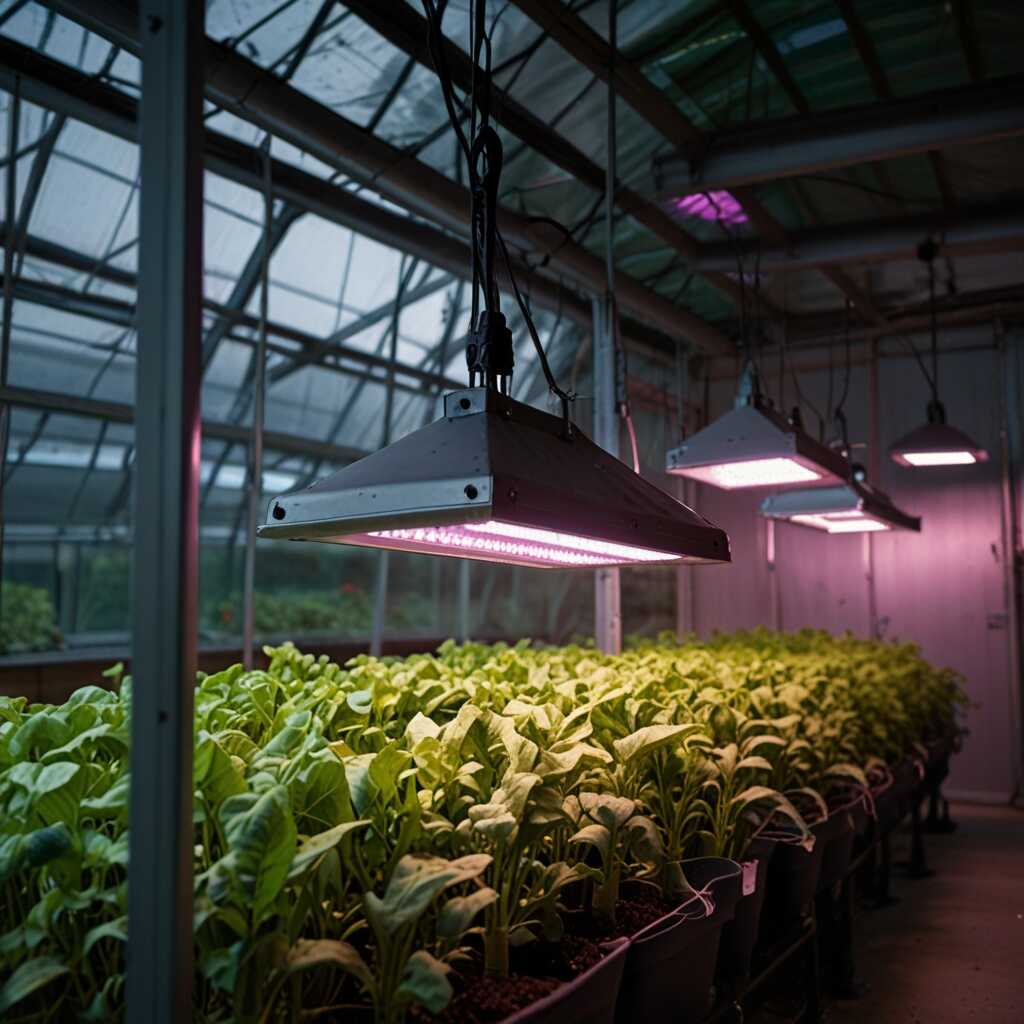
Understanding light spectrums is essential for maximizing the flowering potential of plants. Flowering plants respond best to specific light spectrums, particularly in the red (around 620-750 nm) and blue (400-495 nm) ranges. LED grow lights deliver a balanced spectrum designed for flowering, enhancing development and bloom size. Full-spectrum lighting includes all wavelengths, ensuring plants receive the necessary energy for robust growth. Users can efficiently test their specific setups with various light spectrums, resulting in better flowering performance and plant health. For optimal flowering, evaluate and select lights based on data and proven results.
Specific Light Requirements for Popular Flowering Plants
Different flowering plants have unique light needs. Orchids appreciate bright, indirect light for about 12 hours daily. Geraniums thrive with direct sunlight for 6 to 8 hours. Hibiscus needs 8 to 10 hours of full-spectrum light to bloom successfully. Roses and daisies prefer bright light, while violets enjoy softer, indirect light. Understanding each plant’s needs helps gardeners optimize their lighting setups for better blooms.
Maximizing Flowering Potential with Ideal Light Conditions
To maximize flowering potential, aim for 12 to 16 hours of light per day. Ensure that the light is full spectrum, covering wavelengths essential for photosynthesis and flowering. Light intensity should match the plant’s natural habitat; for instance, high-light plants like hibiscus may require more intense light, while shade-loving violets thrive in softer conditions. Utilizing timers can help in providing a consistent light schedule, essential for supporting plant growth stages throughout the blooming cycle.
Key Numerical Insights for Optimal Growth
- Plants require approximately 10-14 hours of light daily for ideal flowering.
- LED grow lights can boost plant growth by 30% or more compared to natural light.
- Full spectrum lights cover wavelengths from 400nm to 700nm.
- Flowering times can decrease by up to 2 weeks with proper lighting.
- Plants often need a temperature of 70-75°F with grow lights for optimal development.
- Research shows that proper light intensity can increase flower yield by 50%.
- Different plant species generally have unique light requirements for flowering.
Eco-Friendly Advantages of Using Efficient Grow Lights
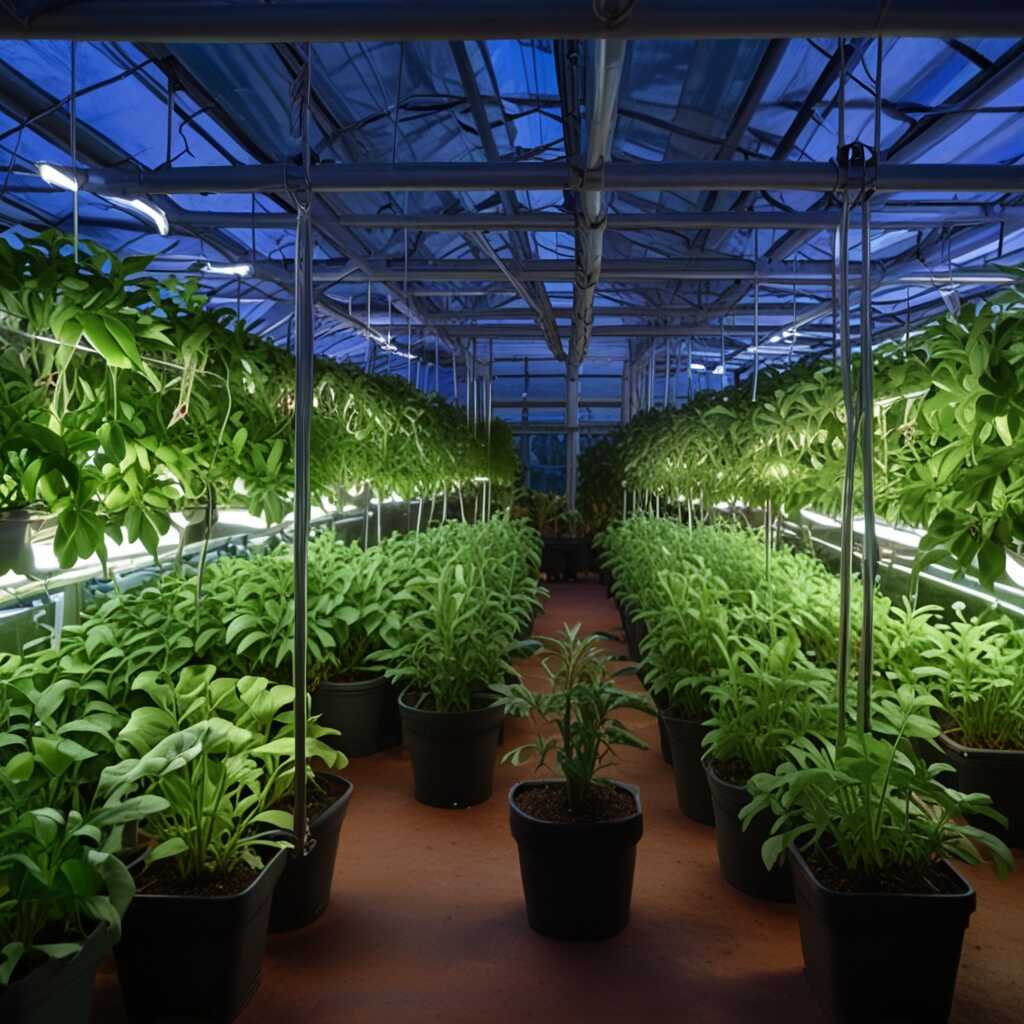
Energy-efficient grow lights offer significant environmental benefits. They reduce overall energy consumption, which directly lowers carbon emissions. Using LED and full spectrum lights helps indoor gardeners minimize their energy use while enhancing plant growth. These lighting options last longer than traditional bulbs, providing reliable and effective illumination for various plant growth stages. A comparison of energy-efficient options reveals that they consume up to 80% less electricity than incandescent lights. Furthermore, these lights generate less heat, decreasing the need for additional cooling in greenhouses, promoting a more sustainable gardening environment.
Types of Energy-Efficient Grow Lights for Sustainable Gardening
LED and fluorescent lights are the leading energy-efficient grow light options available today. LEDs are designed to provide a full spectrum of light while consuming minimal energy. They can handle high-heat environments and are known for their long lifespan of over 50,000 hours. Fluorescent grow lights, particularly T5 fixtures, also offer good energy efficiency. These lights emit low heat and are highly effective for seed starting and propagating seedlings. Choosing these sustainable lighting solutions supports indoor gardening that aligns with eco-conscious practices, reducing overall carbon footprints while ensuring quality plant growth.
Optimizing Flowering Times Through Light Duration
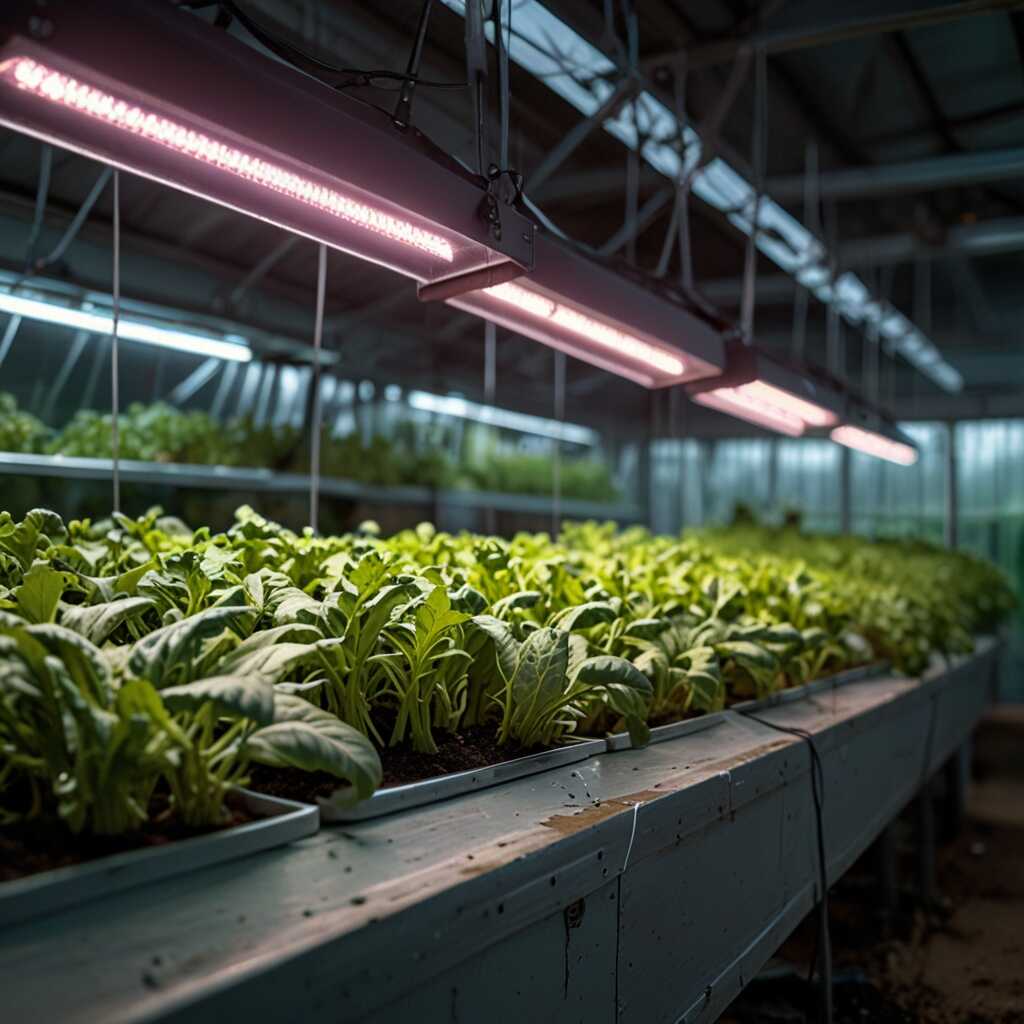
Photoperiod is the period of time each day that plants receive light. It strongly influences flowering times in greenhouse plants. For many species, adjusted light duration can trigger blooming. Specific plants thrive under different photoperiods, such as long-day or short-day varieties. Grow lights like LED provide excellent flexibility in maintaining desired photoperiods. When it comes to light duration, most flowering plants require around 12 to 16 hours of light per day for optimal blooming. Growers should monitor each plant’s response to light exposure and adjust accordingly to achieve ideal flowering results.
Choosing the Right Grow Light for Flowering Plants
Different types of grow lights can significantly affect flowering times. LED grow lights are among the best for their spectrum and energy efficiency. They provide the necessary wavelengths that promote blooming. Fluorescent lights can also be useful but often lack the intensity required for robust growth. For effective results, ensure that your light setup allows around 12 to 16 hours of daily exposure. This duration has proven essential for many flowering plants. Review specific species’ requirements to refine your light strategy further, enabling heightened reliability in flowering.
Advantages of Using Artificial Lighting
- Grow lights help regulate flowering periods even during off-seasons.
- They enhance photosynthesis, leading to more vibrant flowers.
- Grow lights can reduce pests, as plants are healthier and more robust.
- Plants grow consistently stronger, requiring fewer chemical treatments.
- LED options save electricity and reduce overall costs long-term.
- Grow lights enable gardeners to cultivate rare or exotic varieties indoors.
- With proper light, plants exhibit richer colors and larger blossoms.
Avoiding Common Mistakes with Grow Light Implementation
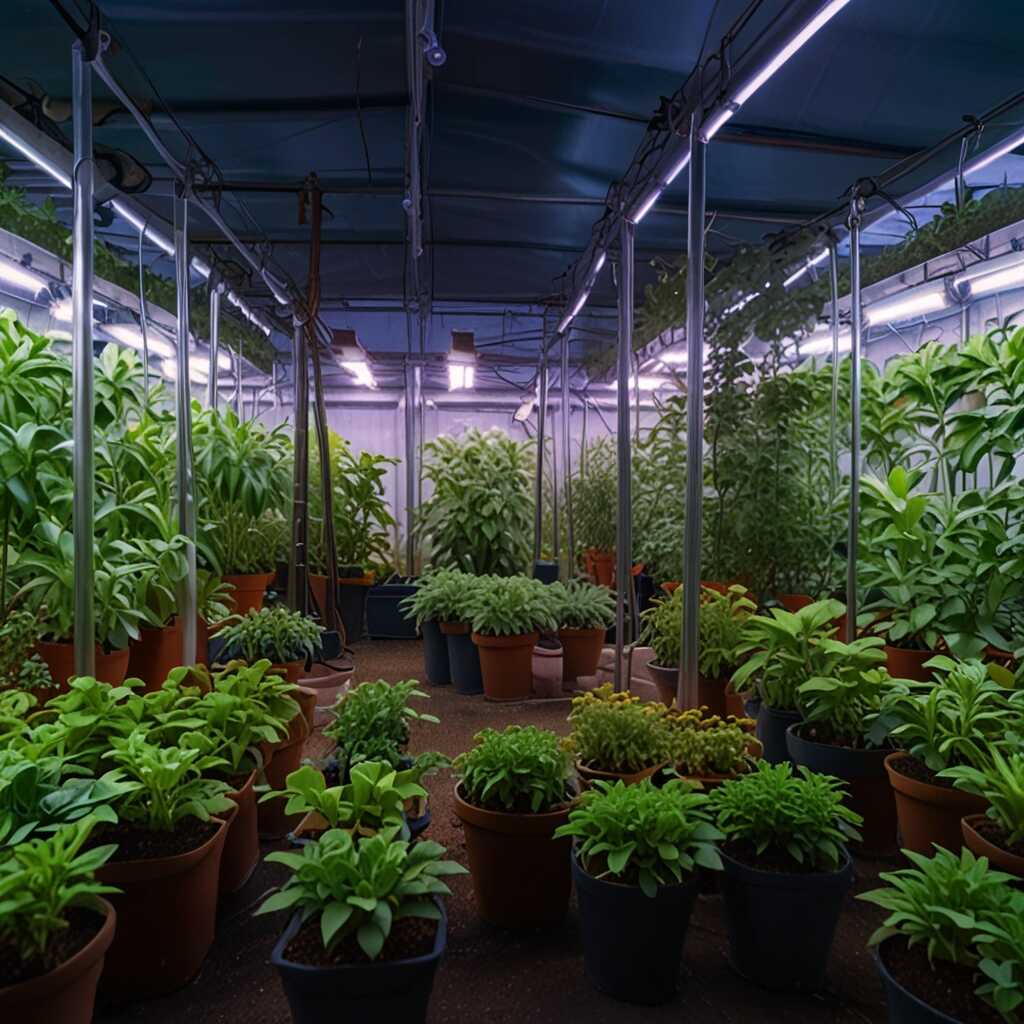
Many garden enthusiasts make mistakes that can hinder their plants’ growth. One common error is not evaluating the type of grow light used. Fluorescent lights may not provide the strong intensity that flowering plants need. Another mistake is improperly adjusting the light distance. Too far away reduces light absorption, while too close can cause leaf burn. Additionally, gardeners often overlook the light spectrum. Different plants may require specific wavelengths for optimal growth, affecting their flowering times.
Understanding Light Spectrum Needs for Flowering Plants
The light spectrum significantly affects the growth and flowering of plants. For example, blue light supports vegetative growth, while red light enhances flowering. Many plants respond well to a full spectrum grow light that includes both red and blue wavelengths. Ensuring you use a light that covers the range of 400-700nm is essential for healthy plant development. Research shows that plants exposed to appropriate lighting ranges have improved flowering outcomes and overall health.
Integrating Grow Light Practices with Sustainable Gardening
Indoor gardeners can integrate grow lights with eco-friendly gardening practices by choosing energy-efficient grow lights and utilizing natural methods. Consider pairing LED grow lights with organic fertilizers and compost to enhance plant growth while minimizing environmental impact. Furthermore, select sustainable products like biodegradable pots or recycled materials for plant supports. Combining these elements ensures your indoor garden thrives while promoting sustainability. On average, an LED grow light consumes 30-60 watts per hour, making it a reliable option that lowers energy costs over time.
Sustainable Product Recommendations for Indoor Gardening
Selecting the right sustainable products can significantly enhance your indoor gardening experience. Use natural fertilizers that are easy to apply and help improve soil quality without harmful chemicals. Eco-friendly pots made from biodegradable materials work well with energy-efficient grow lights. Additionally, invest in thoughtful tools like reusable watering cans or moisture meters that ensure effective water management. These options help create a thriving indoor habitat while promoting a responsible and low-carbon footprint.
Choosing Between Popular Grow Light Brands
- Brand A offers energy-efficient models, but they may be pricier upfront.
- Brand B provides affordable options, but their lifespan is shorter than competitors.
- Brand C focuses on full spectrum, attracting serious plant enthusiasts.
- Brand D has user-friendly designs, but lacks some advanced features.
- Beginners often choose budget lights for easy plant tending.
- Experienced gardeners tend to invest in high-tech models for better results.
- Hobbyists prefer versatile lights that suit various plant types.
Success Stories of Grow Light Usage in Greenhouses
Many greenhouse owners have successfully implemented grow lights to enhance flowering. They reported increased blooms and healthier plants. For instance, one greenhouse owner switched to full spectrum LED grow lights. They observed that roses and orchids flourished under these lights, resulting in vibrant colors and quicker blooming rates. Gardeners utilizing energy-efficient lighting also reported diverse plant types thriving, including geraniums and petunias. Their findings emphasized that specific light wavelengths played a crucial role in the flowering process. Moreover, some owners noted up to a 30% increase in flowers produced after introducing grow lights.
How Specific Grow Light Features Enhance Flowering
Specific features of grow lights, such as adjustable spectrums, help tailor the light conditions for optimal flowering. Growers can simulate natural light cycles and promote specific growth stages. Full spectrum lights provide the necessary wavelengths for photosynthesis while enhancing flowering times. A study found that greenhouses using lights with a blue spectrum encouraged vegetative growth, while red spectrum lights helped trigger flowering. Many greenhouse owners report improved blooming times and increased flower quality. For example, by using lights with timers, they achieved controlled environments that facilitated blooming at desired times. These approaches deliver reliable results, proving effective for both novice and experienced greenhouse owners.