
Grow lights boost indoor greenhouse grass growth by providing targeted wavelengths that ornamental grasses need for photosynthesis, typically requiring 400-700nm spectrum coverage. LED grow lights work most effectively, consuming 20-50 watts per square foot while delivering full-spectrum illumination. Popular options include Hydrofarm and VIVOSUN systems, which range from $30-200 depending on coverage area and features.
Essential Light Requirements for Indoor Ornamental Grass Success
Light functions as the primary energy source for ornamental grass photosynthesis, which converts carbon dioxide and water into essential sugars. Grow lights work by emitting specific wavelengths that chlorophyll absorbs, typically requiring 12-16 hours daily exposure for optimal results. Blue wavelengths (400-500nm) promote vegetative growth and leaf development, while red wavelengths (600-700nm) enhance stem elongation and flowering processes. Without adequate lighting, ornamental grasses like Pennisetum and Miscanthus develop weak stems, pale coloration, and stunted growth patterns that significantly reduce their aesthetic appeal.
How Different Light Types Affect Grass Development Stages
LED grow lights deliver the most comprehensive benefits for ornamental grass cultivation, operating efficiently for over 50,000 hours while consuming 75-80% less energy than traditional incandescent options. LED grow lights are the best choice because they provide adjustable spectrum settings and generate minimal heat. Fluorescent lights offer lower upfront costs but provide limited intensity and require frequent replacement every 10,000-15,000 hours. HPS (High Pressure Sodium) lights deliver high intensity but generate excessive heat and consume significantly more electricity, making them less suitable for small greenhouse environments.
Understanding Light Wavelengths and Their Impact on Plant Biology
Different wavelengths trigger specific biological responses in ornamental grasses through photoreceptor proteins called phytochromes and cryptochromes. Blue light wavelengths (400-500nm) activate cryptochrome proteins, which regulate leaf expansion, stomatal opening, and chlorophyll synthesis processes. Red wavelengths (600-700nm) stimulate phytochrome proteins that control stem elongation, flowering timing, and overall plant architecture development. Far-red wavelengths (700-800nm) help regulate circadian rhythms and can prevent excessive stretching when balanced properly with red light ratios.
Optimal Light Spectrum Combinations for Maximum Growth
The most effective spectrum ratio combines 60% red wavelengths, 30% blue wavelengths, and 10% green wavelengths to maximize ornamental grass growth and visual appeal. This combination provides the essential wavelengths while maintaining natural color perception for aesthetic purposes. Full-spectrum grow lights include these ratios and often add far-red wavelengths to prevent stretching issues common in indoor environments. Research indicates that this spectrum balance can increase growth rates by 25-40% compared to single-wavelength lighting systems, though results vary depending on grass species and growing conditions.
Key Factors for Selecting Grow Lights Based on Your Setup
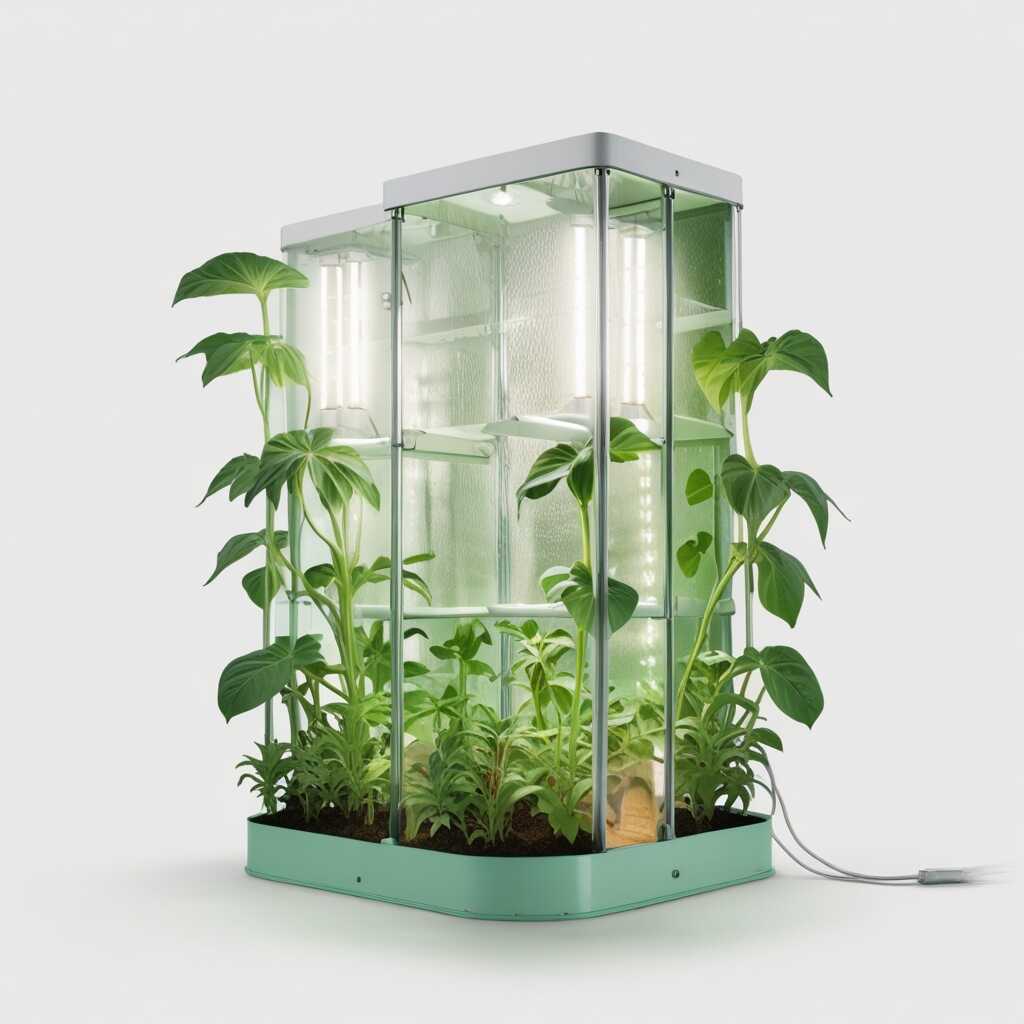
When choosing grow lights for ornamental grass cultivation, consider coverage area, power consumption, and spectrum adjustability as primary factors. LED grow lights are highly efficient and typically require 20-30 watts per square foot for seedlings and 40-50 watts per square foot for mature plants. Coverage area determines fixture quantity, with most LED panels effectively illuminating 2-4 square feet from 12-24 inches distance. Budget considerations range from $30-80 for basic LED panels to $150-400 for advanced spectrum-adjustable systems with timers and dimming capabilities.
Comparing LED, Fluorescent, and HPS Options for Different Budgets
LED grow lights provide the best long-term value despite higher upfront costs, typically ranging from $50-300 depending on wattage and features. LED grow lights have become popular because they last 10-15 years with minimal maintenance while providing precise spectrum control. Fluorescent options cost $20-60 initially but require replacement every 2-3 years and consume 2-3 times more electricity for equivalent light output. HPS systems range from $40-120 but generate excessive heat requiring ventilation systems, increasing overall operational costs by 40-60% in most indoor greenhouse setups.
Cost Analysis: Initial Investment vs Long-term Savings
- LED systems typically pay for themselves within 2-3 years through energy savings
- Fluorescent replacement costs add $15-25 annually per fixture
- HPS systems require additional cooling, increasing electricity costs by 30-50%
- LED fixtures maintain 90% light output after 50,000 hours of operation
- Energy-efficient LEDs reduce monthly electricity costs by $10-30 per fixture
- Professional-grade LED systems offer 3-5 year warranties for reliability
- Spectrum-adjustable LEDs eliminate the need for multiple fixture types
Positioning and Layout Strategies for Maximum Light Efficiency
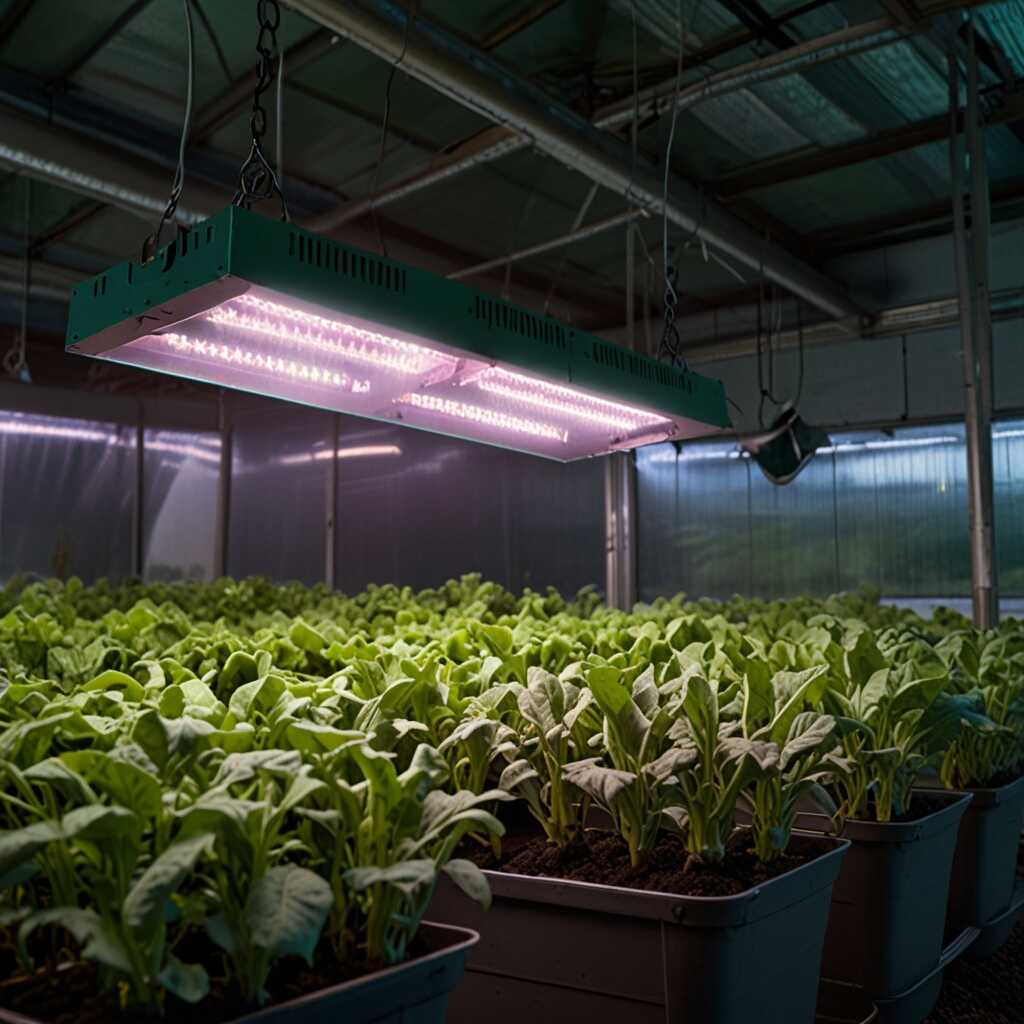
Proper positioning requires mounting grow lights 12-18 inches above seedlings and 18-24 inches above mature ornamental grasses to prevent light burn while ensuring adequate coverage. Arrange taller grass varieties toward the back and shorter ones toward the front to prevent shading issues that reduce growth rates. Install reflective materials on greenhouse walls to increase light utilization by 15-25%, using materials like Mylar or white paint with 90%+ reflectivity ratings. Consider adjustable hanging systems that allow height modifications as plants grow, maintaining optimal distance throughout the growing cycle.
Creating Effective Light Distribution Patterns
Design your lighting layout using overlapping coverage patterns that eliminate dark spots commonly found in single-fixture setups. Multiple smaller LED panels typically provide better light distribution than single large fixtures, allowing for more precise coverage control and reduced shadowing. Position fixtures at 45-degree angles when possible to promote even growth on all sides of ornamental grasses. Testing methodology for grow lights shows that overlapping coverage patterns increase uniform growth by 20-30% compared to direct overhead lighting arrangements.
Daily Management and Maintenance for Optimal Results
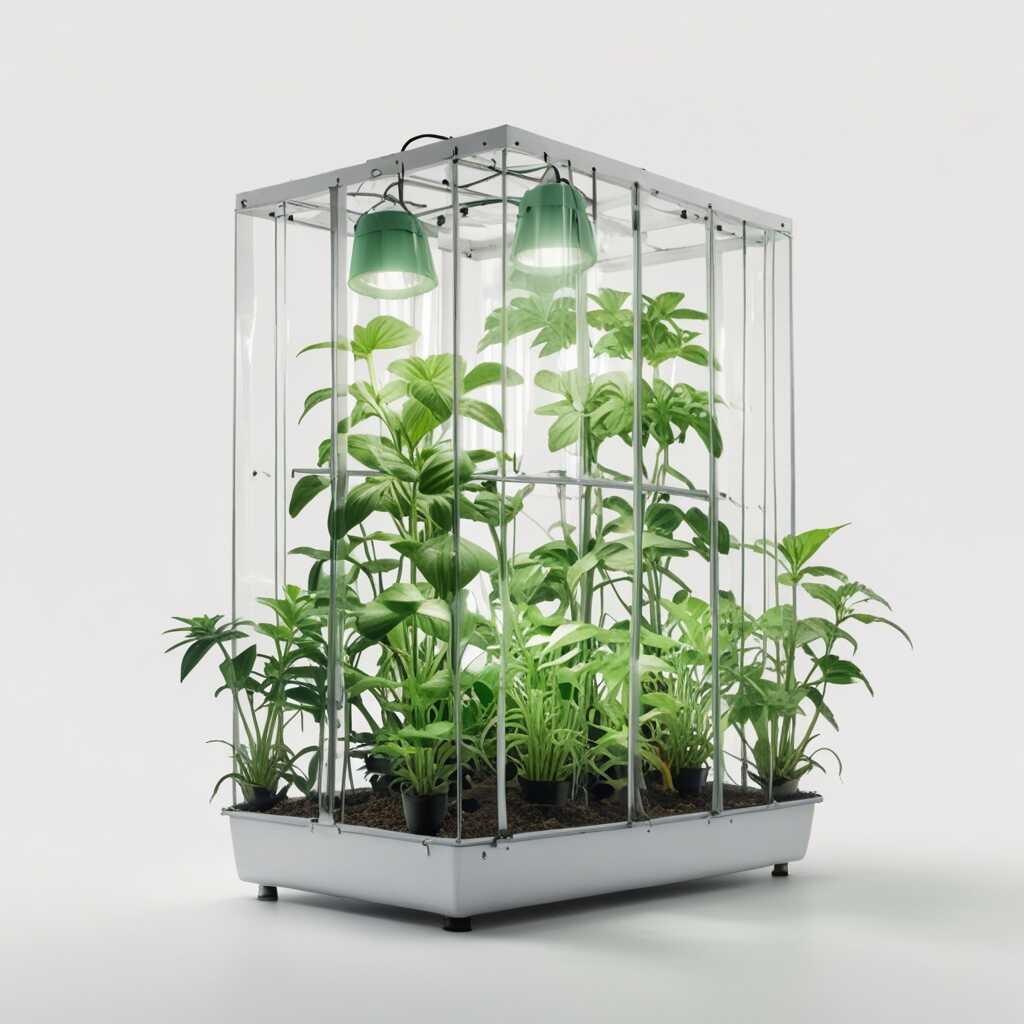
Maintain consistent lighting schedules by running grow lights 12-14 hours daily for vegetative growth and 14-16 hours during flowering periods, using programmable timers for automation. Monitor plant responses weekly, adjusting light distance if you notice bleaching (too close) or stretching (too far) in your ornamental grasses. Clean LED panels monthly with soft cloths to maintain light output, as dust accumulation can reduce efficiency by 10-15% over time. Replace fluorescent tubes when light output decreases noticeably, typically every 12-18 months depending on usage patterns.
Troubleshooting Common Lighting Problems
Light burn appears as bleached or yellowing leaf tips and indicates fixtures positioned too close, requiring immediate distance adjustment to 24-30 inches. Stretching occurs when plants grow tall and thin with weak stems, indicating insufficient light intensity or excessive distance between fixtures and plants. Performance analysis of grow lights reveals that maintaining proper distance prevents 80% of common growth problems. Color fading suggests spectrum imbalance, often resolved by switching to full-spectrum LED options or adjusting spectrum settings on programmable fixtures.
Key Maintenance Tasks and Frequencies
- Weekly: Check plant spacing and adjust for even light distribution
- Monthly: Clean fixture surfaces and inspect for dust accumulation
- Quarterly: Measure light intensity with PAR meters for optimal coverage
- Bi-annually: Inspect electrical connections and replace worn components
- Monitor temperature: Keep growing area between 65-75°F for best results
- Track growth rates: Document changes to optimize lighting schedules
- Adjust seasonally: Modify light duration based on natural daylight changes
LED Technology Benefits for Sustainable Indoor Gardening
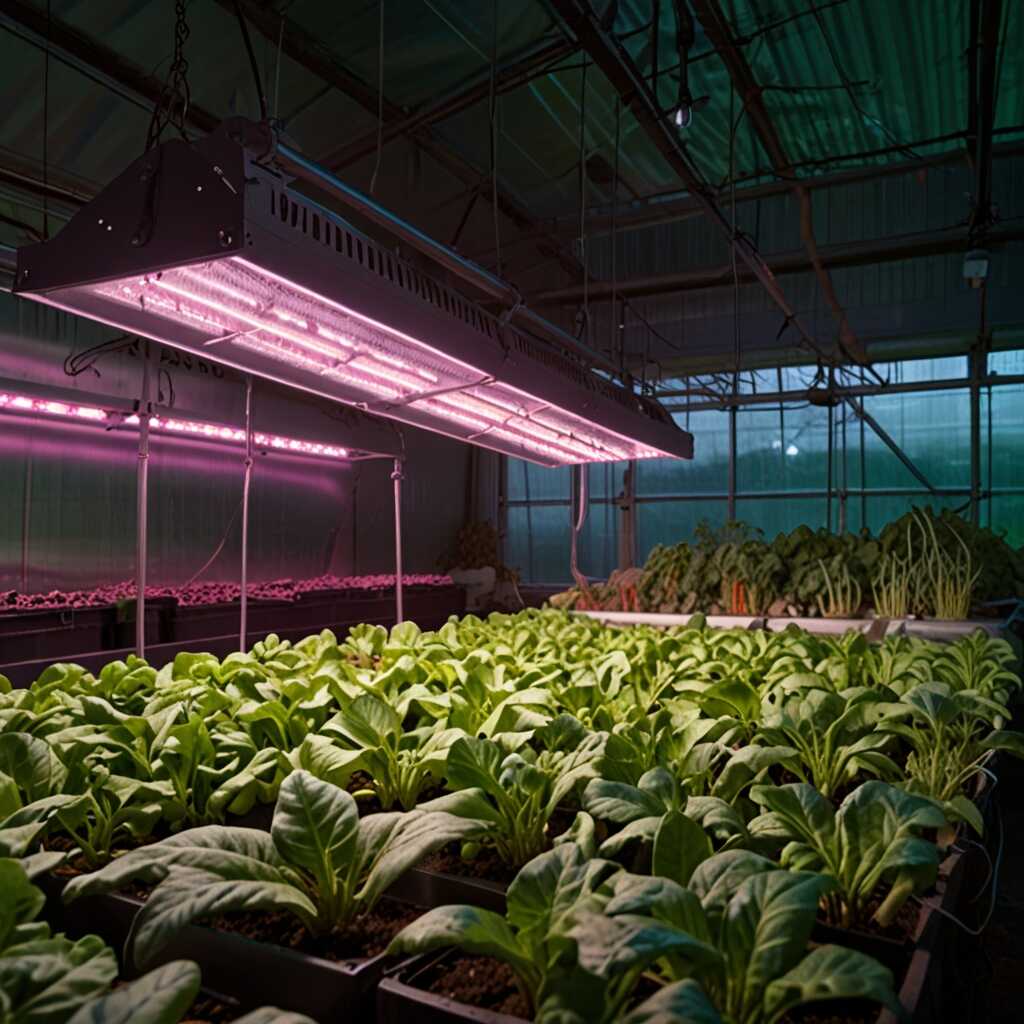
LED grow lights offer numerous advantages including 80-90% energy efficiency compared to traditional lighting and operational lifespans exceeding 50,000 hours. The controllable spectrum output allows gardeners to adjust wavelengths for different growth stages, while low heat generation eliminates the need for expensive ventilation systems. Spectrum of light that plants need can be precisely controlled with modern LED systems, supporting both vegetative and flowering phases. Environmental benefits include reduced carbon footprint and minimal waste generation from long-lasting components.
Economic and Environmental Impact of LED Adoption
Switching to LED grow lights typically reduces electricity consumption by 60-75% compared to fluorescent systems and up to 85% compared to HPS lighting. This efficiency translates to monthly savings of $15-40 per fixture depending on local electricity rates and usage patterns. The extended lifespan reduces replacement waste significantly, with single LED fixtures replacing 8-12 fluorescent tubes over their operational lifetime. Optimal light spectrum necessary for plant growth can be delivered more efficiently, supporting sustainable gardening practices while maintaining superior plant health and aesthetic appeal.
Avoiding Expensive Mistakes in Grow Light Installation
The most common mistake involves positioning lights incorrectly, either too close causing leaf burn or too far resulting in weak, stretched growth patterns. Many beginners underestimate power requirements, choosing fixtures with insufficient wattage that cannot support healthy ornamental grass development. Another frequent error involves neglecting spectrum requirements, selecting lights that only provide limited wavelengths instead of full-spectrum coverage. Timer malfunction or inconsistent lighting schedules disrupt plant circadian rhythms, leading to poor growth and reduced flowering in ornamental grass varieties.
Cost-Effective Solutions for Common Setup Problems
Address inadequate coverage by calculating actual square footage requirements and selecting appropriate wattage, typically 30-45 watts per square foot for optimal results. Best grow light for indoor grasses should include adjustable height mechanisms that accommodate plant growth throughout the season. Poor spectrum coverage can be resolved by choosing full-spectrum LED panels or combining different light types to achieve proper wavelength balance. LED grow lights offer efficiency and reliability that prevents most installation problems when properly planned and implemented.
Brand Recommendations for Different Experience Levels
- Beginners: VIVOSUN offers affordable, easy-installation LED panels with basic controls
- Intermediate: Hydrofarm provides reliable mid-range options with timer integration
- Advanced: SunBlaster delivers professional-grade systems with spectrum customization
- Budget-conscious: Roleadro offers cost-effective full-spectrum solutions under $100
- Small spaces: Compact LED panels work effectively for 2-4 square foot areas
- Large setups: Professional systems provide better cost-per-watt for 20+ square feet
- Automation enthusiasts: Smart LED systems integrate with greenhouse control systems
Future Technology Trends in Grow Light Development
Smart grow lights with WiFi connectivity and smartphone control represent the next evolution in indoor gardening technology, allowing remote monitoring and spectrum adjustment. LED grow lights stand out due to continuous improvements in efficiency and spectrum precision, with new models achieving 200+ lumens per watt output. Artificial intelligence integration enables automatic adjustment based on plant growth stages and environmental conditions, potentially increasing growth rates by 15-25% compared to manual control systems. Emerging quantum dot technology promises even more precise wavelength control and improved energy efficiency in next-generation lighting systems.
Integration with Smart Greenhouse Management Systems
Modern grow light systems increasingly integrate with comprehensive greenhouse automation, connecting with temperature, humidity, and CO2 monitoring equipment. Final verdict on grow lights indicates that automated systems can optimize growing conditions more consistently than manual management. These integrated approaches typically increase plant health and growth rates while reducing labor requirements and energy consumption. Advanced systems learn from plant responses and automatically adjust lighting parameters, representing a significant advancement in precision agriculture technology for indoor ornamental grass cultivation.