
Maximizing root vegetable yield with effective grow light techniques can significantly boost production in greenhouses. By utilizing the right lighting methods, gardeners can create optimal growing conditions for their plants. Green Writer emphasizes sustainable practices that enhance the growth of root vegetables while minimizing energy consumption. Understanding how grow lights work and selecting the best options will empower greenhouse gardeners and home vegetable growers to achieve impressive results.
The Role of Grow Lights in Root Vegetable Cultivation
Grow lights are essential for root vegetable cultivation indoors and in greenhouses. They enhance photosynthesis, which is crucial for plant health. By providing the right light spectrum, grow lights help crops like carrots, beets, and potatoes absorb more energy. Different types of grow lights, such as LED and fluorescent, deliver varying effects on root development. For example, full-spectrum LED grow lights enable optimal growth by mimicking natural sunlight. Studies indicate that these lights can significantly improve root yields by as much as 30% compared to traditional lighting methods.
Understanding Light Spectrum for Optimal Root Yield
The light spectrum plays a vital role in stimulating root vegetable growth. Root vegetables thrive under specific wavelengths, especially in the blue (400-500 nm) and red (600-700 nm) ranges. Blue light promotes vegetative growth, while red light encourages root formation. For optimal results, using a combination of both can enhance overall yield. Plants with access to a complete light spectrum can develop stronger root systems and produce higher-quality crops. LED grow lights often consist of multiple diodes that offer specific wavelengths, ensuring plants receive adequate light exposure for photosynthesis and healthy growth.
Choosing the Best Grow Lights for Root Vegetables
When growing root vegetables, the best types of grow lights include LED grow lights, fluorescent light options, and high-intensity discharge lights. LED grow lights are energy-efficient, lasting up to 50,000 hours. They provide a full spectrum of light, crucial for all growth stages. Fluorescent lights are a cost-effective choice, useful for seedlings and providing adequate light for shorter terms. High-intensity discharge lights offer high lumen output but typically have a shorter lifespan than LEDs, averaging around 24,000 hours. Each option serves different needs, so testing and comparing can help determine the best choice for your greenhouse.
Understanding the Differences Among Grow Light Types
LED grow lights for root vegetables are popular because they are energy-efficient and long-lasting. They emit minimal heat, allowing for closer placement to plants without the risk of scorching. Fluorescent light options create a softer light, ideal for young seedlings. High-intensity discharge lights produce powerful illumination but can significantly increase your energy costs. A comparison of these types can reveal which type enhances growth based on your specific setup. Research has shown that LED technology outperforms traditional lighting in terms of efficiency and lifespan, making it a reliable choice for eco-conscious gardeners.
The Science Behind Light Spectrum and Plant Growth
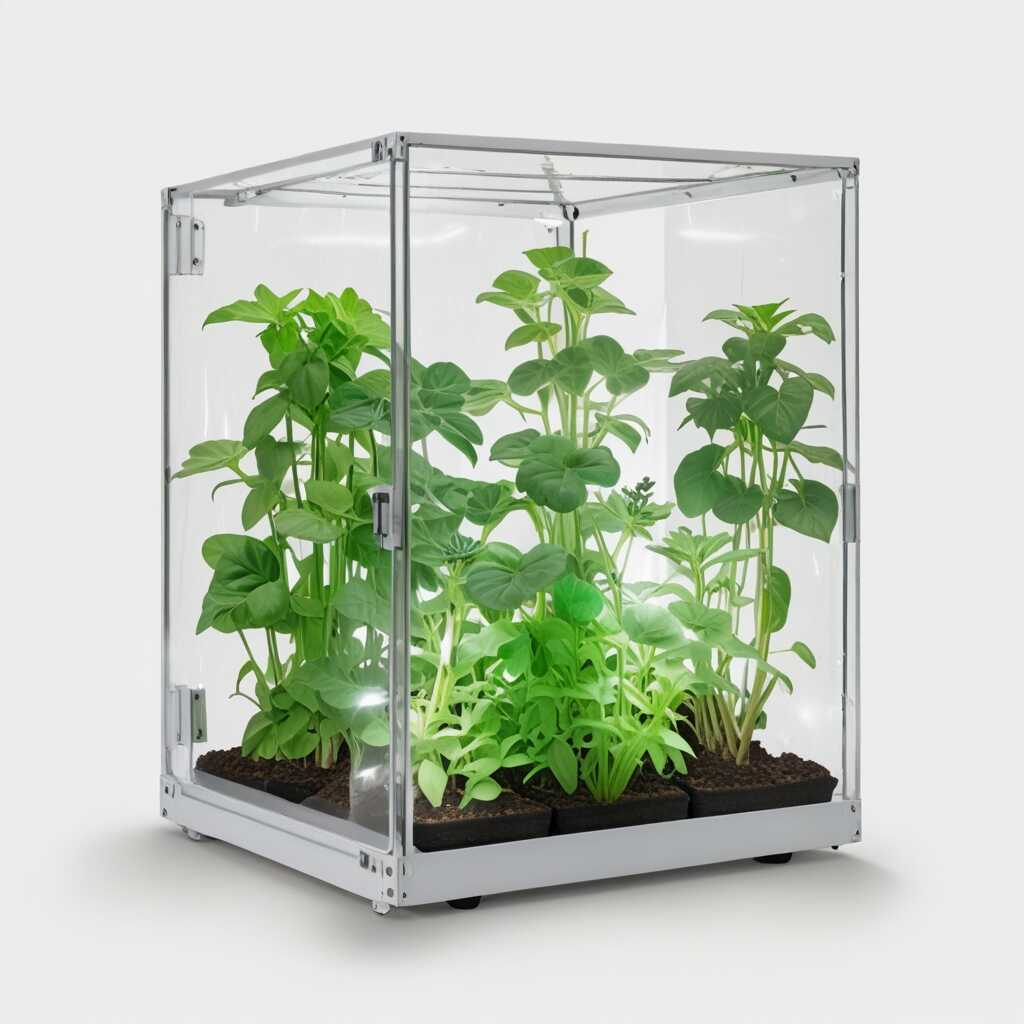
The role of different light wavelengths in root vegetable growth is crucial. Plants primarily absorb blue and red wavelengths. Blue light (400-500 nm) promotes healthy leaf growth and overall plant structure, while red light (600-700 nm) supports flowering and fruiting processes. Root vegetables benefit significantly from a balance of these wavelengths, enhancing their yield and quality. LED grow lights offer a full spectrum light that mimics natural sunlight more effectively than traditional methods, providing better support for all growth phases. Specifically, wavelengths around 450 nm and 650 nm are found to be most effective for root development, ensuring robust growth and improved nutrient uptake.
Understanding the Full Spectrum Lighting for Maximum Yield
Full spectrum lighting is essential for maximizing root vegetable yield. These lights deliver a balanced range of wavelengths, which is beneficial across various growth phases. Research shows that a full spectrum can help plants adapt to different light conditions. When using LED grow lights, they should include both blue and red spectrums to enhance photosynthesis and ensure effective nutrient absorption. The reliability of full spectrum lights in providing essential wavelengths leads to stronger root systems in vegetables like carrots and beets. Testing various LED options can reveal which lights perform best for your specific greenhouse environment.
Essential Statistics for Optimal Crop Production
- Root vegetables can yield up to 50% more when using proper lighting techniques.
- Using LED grow lights can reduce energy costs by up to 60% compared to traditional lights.
- Plants usually have a 16-hour daily light cycle for optimal growth.
- Root vegetables often thrive under full spectrum light, enhancing growth stages.
- Temperatures between 65-75°F yield the best growth for root veggies.
- Quality lighting can increase harvest weight up to 30% in a controlled environment.
- Investing in grow lights can pay off within 2 years through better yields.
Techniques for Optimizing Light Conditions in Greenhouses
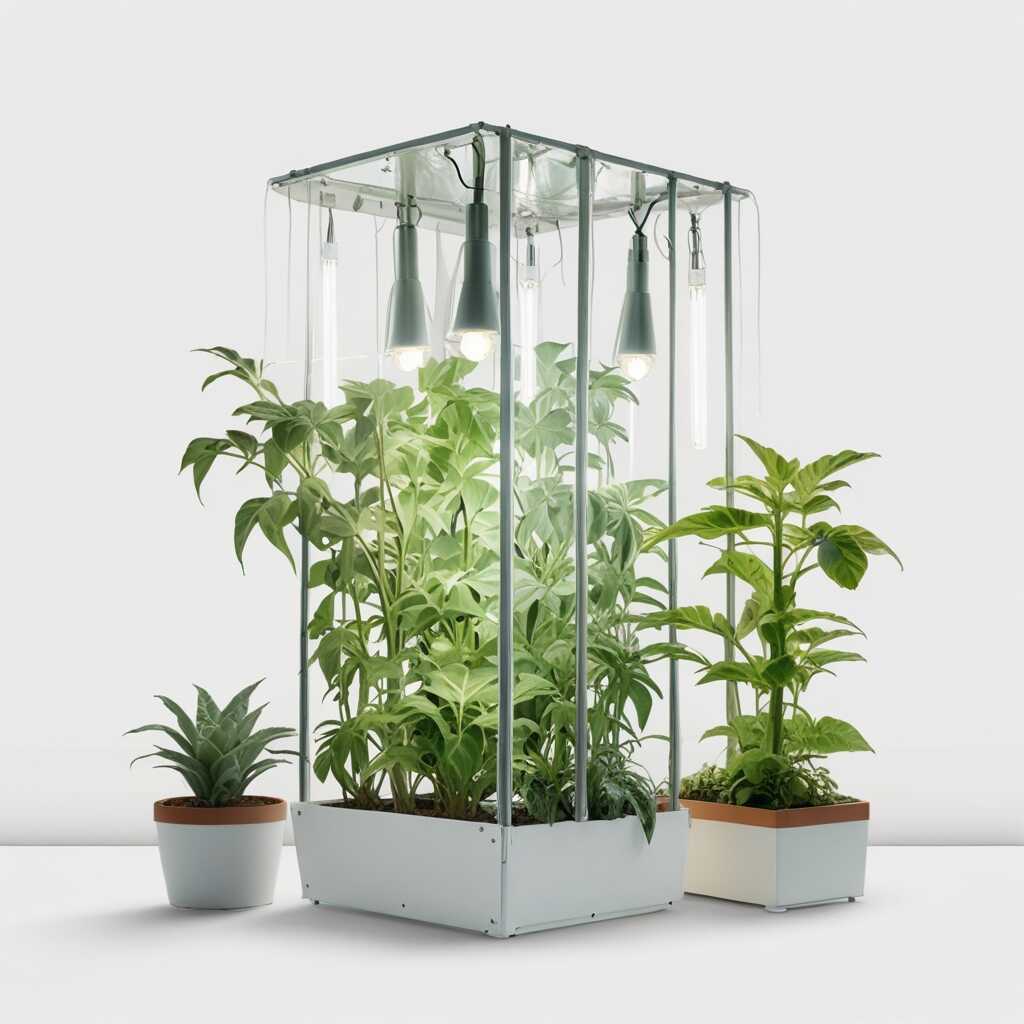
To maximize root vegetable growth like carrots, potatoes, and beets, focus on lighting arrangements that cater to their specific needs. Position grow lights at an angle to avoid burning the plants and ensure even light distribution. For enhanced growth, include a combination of full-spectrum LED lights, which provide essential wavelengths for photosynthesis. This method helps simulate the natural sunlight that root vegetables prefer. Timing is crucial; aim for 12-16 hours of light daily, adjusting the duration based on the specific growth stage of your vegetables. Regularly monitor your plants for signs of light stress or deficiency to ensure a balanced light environment.
Positioning Grow Lights for Maximum Effectiveness
Optimal grow light placement increases the reliability of your lighting conditions for root vegetables. Position lights 12-24 inches above the plants for best results. This distance provides adequate illumination while preventing overheating. Angle the lights to direct rays toward the plants’ growing areas, enhancing exposure. You can also use reflectors to maximize light distribution further. Testing different arrangements will help you identify which strategy provides the best results for your greenhouse setup. Pairing specialized lights with strategically placed windows can balance artificial and natural light, contributing to an ideal growth environment.
Energy-Saving Advantages of Modern Grow Lights
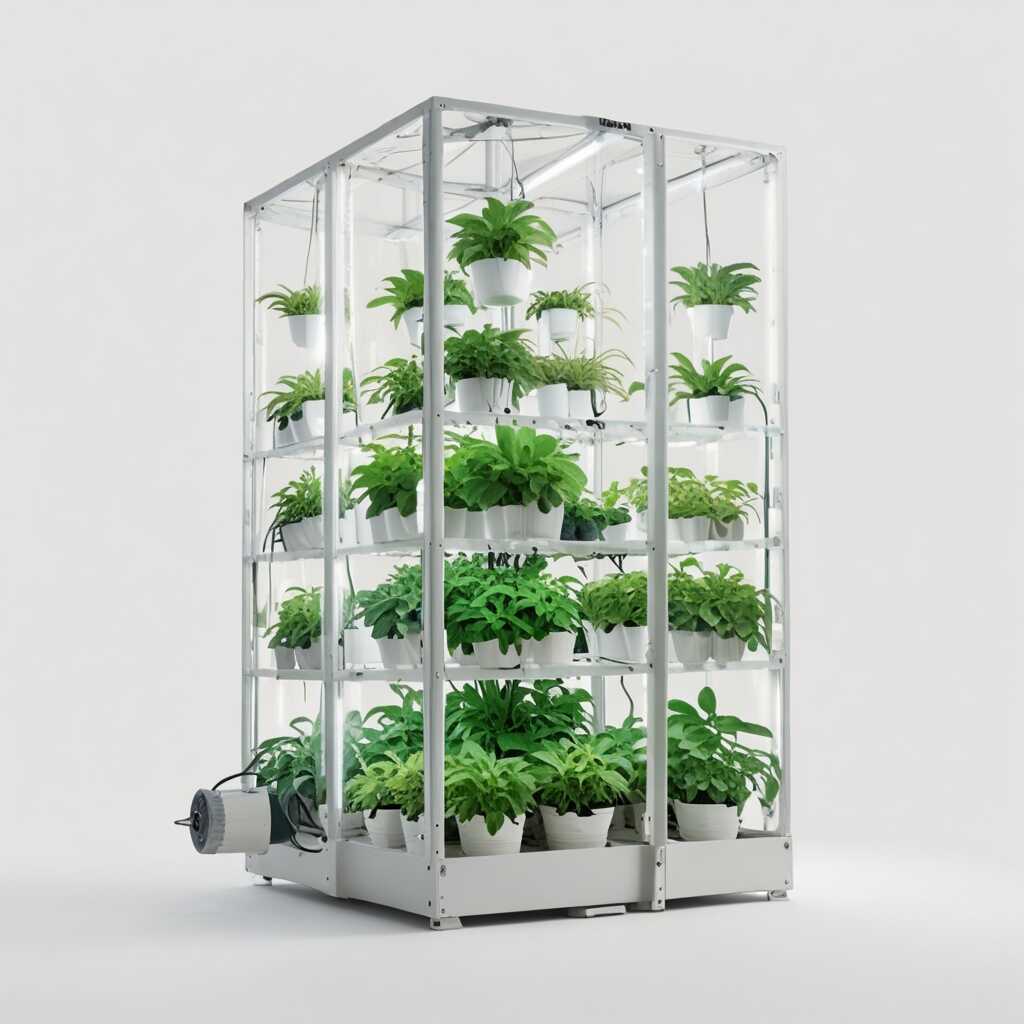
Contemporary grow lights, particularly LED and full-spectrum lights, enhance energy efficiency significantly. These lights minimize energy consumption while maximizing output, making them ideal for greenhouse gardeners. With their lifespan exceeding 50,000 hours, they reduce the need for frequent replacements. Modern grow light technologies include options like quantum boards and COB (chip-on-board) systems, which provide targeted wavelengths essential for root vegetable growth. These lights can handle large areas, ensuring plant growth remains strong throughout different growth stages.
Understanding the Benefits of LED Grow Lights
LED grow lights are designed to deliver the best energy-efficient lighting for greenhouse gardening. They provide the necessary light spectrum that affects photosynthesis and growth cycles, crucial for root vegetables. Research shows that using LED lights can reduce energy costs by up to 80% compared to traditional lighting. They are also very good at producing less heat, decreasing the need for additional cooling systems. This increases reliability and overall performance. Users can test these lights extensively and compare reviews to find options that meet their specific needs.
Positive Outcomes from Intelligent Lighting Choices
- Enhanced growth and larger yields lead to a more plentiful harvest.
- Using LED grow lights minimizes heat production, keeping plants safe.
- Consistent lighting stimulates quicker germination rates in seeds.
- Grow light techniques improve color and flavor in root vegetables.
- Longer light exposure helps combat pests and diseases effectively.
- Increased photosynthesis results in healthier plants over time.
- Lights encourage year-round growing opportunities in greenhouses.
Effective Monitoring and Adjustment of Grow Light Settings
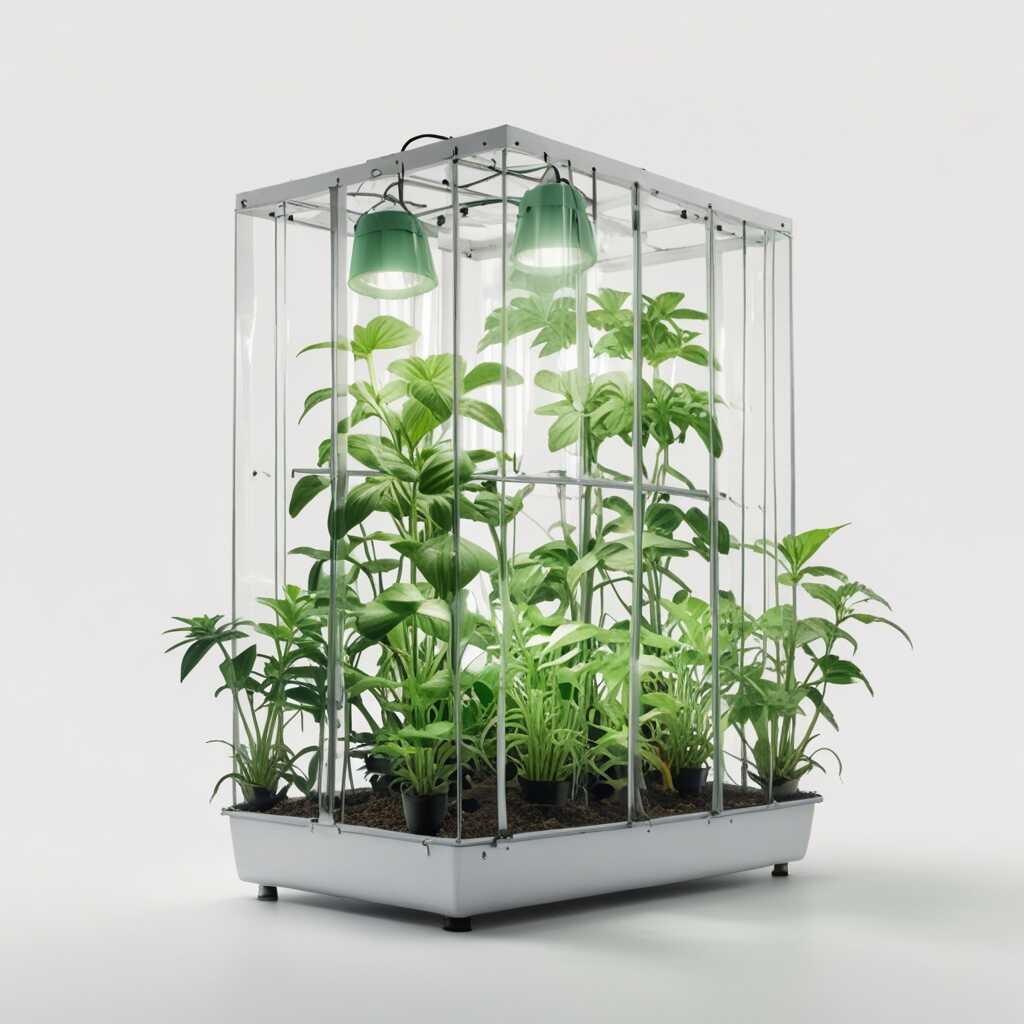
Monitoring plant responses to light is essential. Key factors include light intensity, spectrum, and duration. Observing how root vegetables respond helps in adjusting settings for optimal growth. Grow light types, such as LED or CFL, can significantly affect root vegetable growth. For example, LED lights efficiently deliver specific light wavelengths crucial for photosynthesis. Optimal light duration for root vegetables generally ranges from 12 to 16 hours per day, promoting healthy development during different growth stages.
Detailed Light Spectrum Effects on Root Vegetables
Understanding light spectrum effects can enhance root vegetable growth. Red light promotes flowering and fruiting, while blue light encourages healthy leaf and root development. Grow lights that provide a full spectrum, ideally from 400 to 700 nm, have proven effective for root vegetables like carrots and beets. Incorporating a balanced light spectrum ensures root vegetables receive the necessary energy at every growth stage. Using the right light combinations can significantly improve yields, resulting in healthier crops.
Avoiding Common Pitfalls with Grow Light Usage
Many users encounter challenges when utilizing grow lights for root vegetable production. Common mistakes include inadequate light positioning, using the wrong light spectrum, and inconsistent lighting schedules. Greenhouse gardeners often neglect the importance of adjusting intensity and distance based on plant growth stages. Optimizing grow light efficiency involves ensuring a reliable setup that accommodates the specific requirements of different root vegetables. For instance, beets and carrots may thrive with higher red light exposure, while radishes and turnips might benefit from increased blue light. The ideal distance between grow lights and root vegetables typically ranges from 12 to 24 inches, providing essential coverage without causing light burn.
Optimizing Grow Light Setup for Different Root Vegetables
Optimizing your grow light setup for various root vegetables is crucial for maximizing yield. Each type of root vegetable has specific lighting needs that must be met. For beets, a light spectrum focusing on red wavelengths enhances their growth and increases sugar content. Carrots thrive under a balanced spectrum, so full-spectrum grow lights often work best. Consistent lighting conditions should involve 12 to 16 hours of light daily, with careful monitoring for stretching or burning. Additionally, consider adjusting the height of your lights as your plants grow. This careful attention to detail ensures strong, robust root vegetables that can handle the challenges of indoor or greenhouse gardening.
Brands and Their Use Cases in Sustainable Gardening
- Brand A focuses on LED grow lights suitable for home use, offering affordability.
- Brand B provides high-end full spectrum lights for professional growers, ensuring top yield.
- Indoor gardeners often prefer Brand C for compact setups in smaller spaces.
- Brand D specializes in energy-efficient options, making it ideal for eco-conscious users.
- Hobbyists like Brand E for its user-friendly controls and reliable performance.
- Commercial farmers appreciate Brand F’s robust systems for large-scale production.
- Anyone interested in sustainable practices can benefit from various brands based on their needs.
Future Innovations in Grow Light Technology
The latest advancements in grow light technology focus on improving energy efficiency and optimizing light spectrum for root vegetable cultivation. Companies such as Philips, Osram, and General Electric are leading in developing full-spectrum LED lights tailored for specific growth stages. Research indicates that using advanced light spectrum technology can significantly enhance yields, providing an essential advantage for greenhouse farmers. By 2025, improvements in light efficiency can potentially increase root vegetable yields by over 30%, helping growers maximize their output through reliable grow light systems that ensure healthy crop development.
Impact of Light Spectrum on Root Vegetable Growth
Different light spectrums enhance various stages of root vegetable growth. Blue light promotes strong vegetative growth, while red light is crucial for flowering and root development. Advanced LED systems now include detailed light spectrum controls, allowing users to tailor the light environment exactly to the needs of crops. This customization helps prevent diseases and improves the quality of root vegetables. Current models can provide targeted light wavelengths that reliably increase nutrient density. Farmers can monitor these advancements to ensure they use the best grow light solutions for achieving optimal yields and efficiency in their greenhouses.