
Maximizing indoor tomato plant yields with effective grow light strategies is essential for any indoor gardening enthusiast. Proper lighting plays a crucial role in helping tomatoes thrive and produce abundant fruit. At Green Writer, we provide you with practical tips on selecting the right grow lights and understanding tomato light requirements. Our guidance will empower you to optimize your indoor gardening techniques and enjoy bountiful harvests.
Importance of Grow Lights for Indoor Plant Growth and Health
Grow lights are essential for indoor gardening, especially for tomato plants. They replicate sunlight, enabling photosynthesis, a vital process for plant growth. Adequate lighting conditions support overall plant health by providing energy for producing food. Different types of grow lights have unique efficiencies. LED grow lights offer long-lasting performance and energy savings. Fluorescent lights are affordable but may not provide the same intensity. Indoor tomato plants typically need 12 to 16 hours of light daily for optimal growth. Testing different light durations helps identify the best conditions for your plants.
Choosing the Right Grow Light for Your Indoor Tomatoes
When selecting a grow light for indoor tomatoes, consider the spectrum and intensity. Full-spectrum grow lights provide a balance of wavelengths crucial for various growth stages. Research shows that red and blue light most effectively supports photosynthesis. LEDs are a top choice due to their energy efficiency and longevity. A good growing setup combines multiple light types for better coverage. Ensure your grow light can handle the required hours, delivering consistent results. This setup enhances your garden’s overall performance by keeping plants healthy and thriving.
Advantages of LED Grow Lights
LED grow lights offer several advantages for indoor gardening. Energy efficiency is a key benefit, as these lights consume significantly less power than traditional options. Users can save on energy costs while providing the right light conditions for tomato plants. Adjustable spectrums enable growers to customize light output for all growth stages. This flexibility ensures that plants receive optimal wavelengths for photosynthesis. Additionally, the longevity of LED lights is impressive, lasting over 50,000 hours. This durability reduces the need for frequent replacements, providing reliable and cost-effective solutions for indoor gardening.
Understanding Lighting Spectrums for Optimal Growth
When selecting LED grow lights, understanding the lighting spectrums is essential. Different wavelengths support various growth stages of tomato plants. For instance, blue light (400-500nm) promotes leaf growth, while red light (600-700nm) encourages flowering and fruiting. Full spectrum LED grow lights combine these wavelengths, providing balanced light for all stages. Research shows that a combination of blue and red light can enhance plant photosynthesis, leading to higher yields. Choosing lights that offer adjustable spectrums can help indoor gardeners meet specific needs of their plants at different growth stages, ensuring robust and healthy tomatoes in their greenhouse.
Essential Factors for Choosing the Best Grow Light for Tomatoes
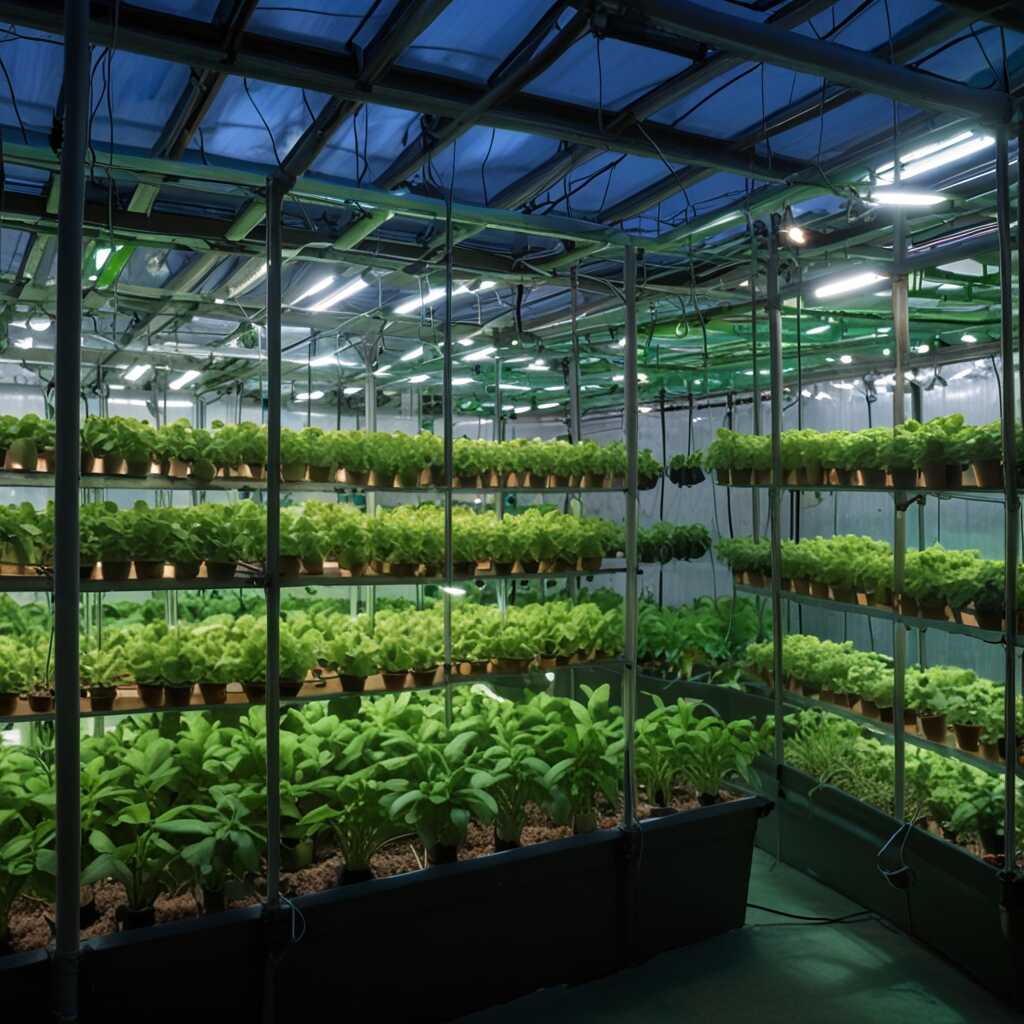
Choosing the right grow light for your indoor tomato plants is vital for maximizing yield. Key features include wattage, light spectrum, and distance from the plants. Wattage informs you how much energy the light consumes and its ability to support optimal growth. Most tomato varieties thrive under grow lights providing at least 200-400 watts. The light spectrum should include both red and blue wavelengths. Red light enhances flowering, while blue light supports vegetative growth. As for the distance, aiming for 12-24 inches from the plant foliage is usually ideal. This helps avoid light burn while still providing adequate brightness, ensuring reliable plant health.
Understanding Different Grow Light Options for Tomatoes
There are several types of grow lights suitable for indoor tomatoes, including LED, fluorescent, and HID lights. LED grow lights, known for their energy efficiency, come in wattages ranging from 300 to 1000 watts. They deliver a full spectrum, effective for every growth stage. Fluorescent lights are another option, offering lower wattages generally between 40 to 160 watts. These lights are effective for seedlings and during vegetative growth. HID lights provide high-intensity light but consume more energy and require better heat management. Research shows LEDs outperform other options in efficiency and lifespan, delivering results that ensure healthy, robust plants.
Interesting Figures for Indoor Tomato Production with Lighting
- 16 hours: Recommended daily light for the best tomato growth.
- 500-1000 µmol/m²/s: Ideal light intensity for tomato plants under grow lights.
- 5-7: Number of weeks tomatoes need from seedling to transplant stage.
- 4-5: Average pounds of tomatoes produced per plant with optimal lighting.
- 50%: Potential increase in yields by using full-spectrum grow lights.
- 8-10: Typical height of indoor tomato plants under proper lighting systems.
- 2-3 gallons: Water needed per week for indoor tomato plants with adequate light.
The Role of Light Spectrum in Tomato Plant Growth and Development
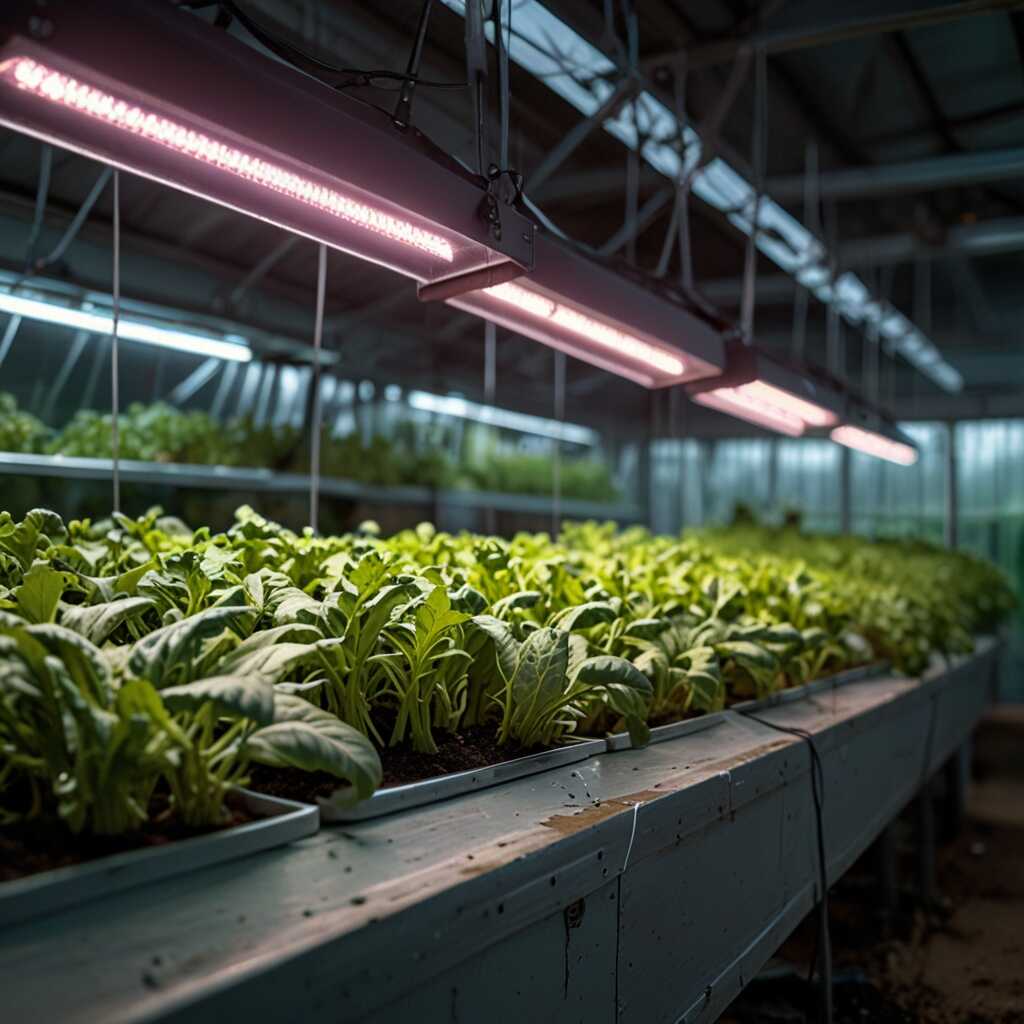
The light spectrum plays a crucial role in tomato plant growth stages. Different wavelengths of light can affect processes like germination, vegetative growth, flowering, and fruiting. For example, blue light (400-500nm) is essential for photosynthesis and leaf development. It helps seedlings develop strong, healthy stems and foliage. In contrast, red light (600-700nm) promotes flowering and fruit development. Plants in the fruiting stage require these wavelengths to boost yield effectively. By using full-spectrum grow lights, you ensure that your indoor tomatoes receive the light they need for all growth stages. Studies show that providing appropriate light intensity can increase yield significantly.
Understanding Ideal Light Wavelengths for Tomato Plants
Tomato plants thrive best under specific light wavelengths. Blue light, from 400 to 500nm, enhances vegetative growth. Red light, spanning 600 to 700nm, is vital during the fruiting phase, promoting flower and fruit set. Research indicates that combining these spectrums can enhance plant health and yield. For optimal results, maintain a light intensity of about 70-80% during the fruiting stage. This balance ensures the plant receives enough light while preventing stress. Grow lights designed for indoor use provide the right spectrum and intensity, ensuring your tomatoes grow strong, healthy, and productive.
Creating the Ideal Indoor Environment for Tomato Growth
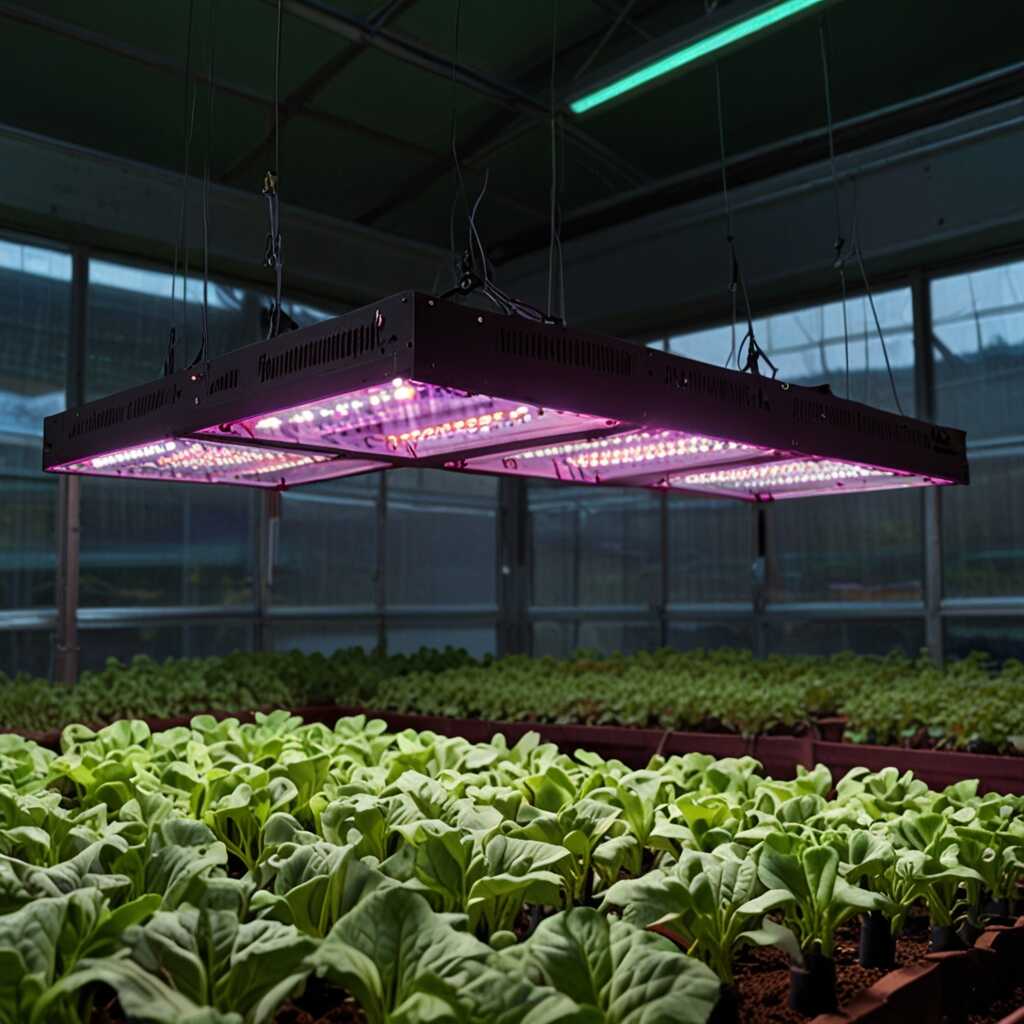
To create an optimal indoor environment for tomatoes, consider key factors such as light position, temperature, and humidity. Light should be positioned directly above the plants for even coverage. Keep the temperature between 70°F and 80°F during the day. At night, lower it to around 60°F to 70°F. Maintaining humidity levels between 40% and 70% is essential for growth. These conditions work in harmony with your grow lights, maximizing tomato yields. Adjustments may be necessary depending on the specific tomato variety.
Understanding Temperature and Humidity Needs
Tomatoes thrive in a consistent temperature range of 70°F to 80°F during the day and 60°F to 70°F at night. Fluctuations outside this range can stress the plants, hindering growth. Humidity levels should stay between 40% and 70%. Higher humidity helps with flowering, while lower levels prevent disease. Use a hygrometer to monitor humidity and consider a dehumidifier if necessary. This approach ensures your indoor gardening efforts are more effective and your plants enjoy optimal growth conditions.
Advantages of Better Lighting Techniques for Indoor Gardening
- Improved growth: Plants thrive with the right light spectrum and duration.
- Enhanced yields: Using appropriate grow lights can boost tomato harvests significantly.
- Faster maturation: Plants reach maturity quicker under optimal lighting conditions.
- Disease resistance: Well-lit plants grow stronger against pests and diseases.
- Year-round growing: Grow lights support continuous tomato cultivation despite seasons.
- Space efficiency: Maximum usage of vertical space can be achieved with the right setup.
- Reduced energy costs: Energy-efficient lighting options save money over time.
Establishing a Consistent Light Schedule for Increased Yields
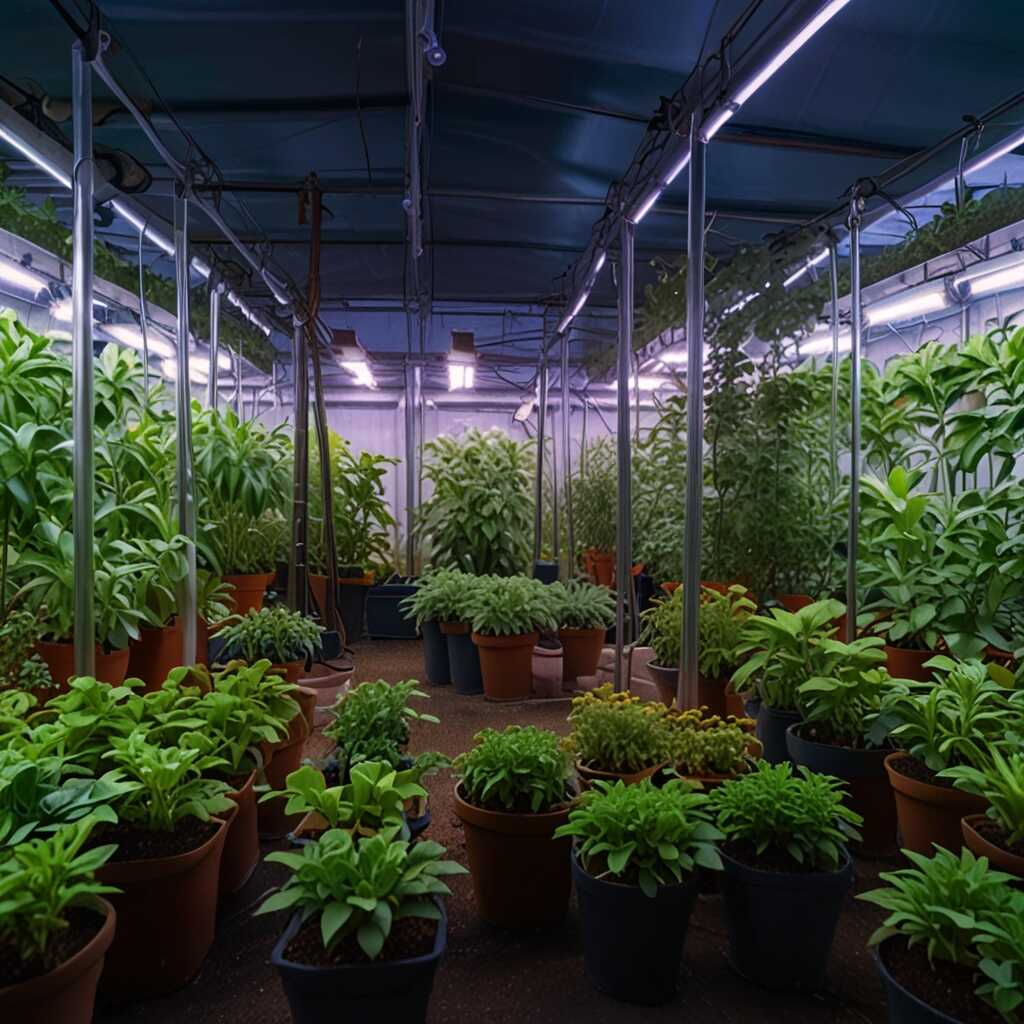
A consistent light schedule is essential for indoor tomato plants because it mimics natural sunlight patterns. Tomatoes thrive under specific light conditions that directly influence their growth stages, including seedling, vegetative, and flowering phases. During the seedling stage, providing 16-18 hours of light daily helps enhance growth and establishes a strong foundation. In the vegetative stage, 14-16 hours of light is optimal for encouraging lush foliage. Finally, during flowering, reduce the light to 12-14 hours to promote fruit development. Implementing timers or smart lighting systems can significantly simplify managing light exposure, ensuring your plants receive the right amount of light throughout their growth.
Understanding the Growth Stages of Tomato Plants
Understanding the growth stages of tomato plants is crucial for optimizing light exposure. Each stage has unique light requirements that significantly affect overall yield. During the seedling phase, young plants need intense light to develop strong stems and healthy leaves. Full-spectrum LED grow lights are highly effective for this, delivering the necessary wavelengths for growth. In the vegetative stage, plants use light to produce chlorophyll, enhancing photosynthesis and increasing biomass. Providing 14-16 hours of light allows for robust plant development. Finally, during flowering, reducing light to 12-14 hours supports fruit set and size, impacting the overall harvest significantly. Monitoring and adjusting light schedules based on these stages will help achieve the best results for your indoor tomato garden.
Common Challenges of Indoor Tomato Cultivation and Effective Solutions
Indoor tomato growers often face issues like low light intensity and pest infestations. Insufficient lighting can hinder growth, leading to weak plants. Common pests affecting tomato plants include aphids, spider mites, and whiteflies. These pests not only damage plants but can also spread diseases. Effective solutions include using full-spectrum LED grow lights, ensuring your plants receive at least 12-16 hours of light daily. Additionally, using insecticidal soap or neem oil can control pest populations effectively without harming your plants.
Identifying and Managing Common Pests of Indoor Tomatoes
Identifying pests early is crucial for maintaining healthy indoor tomatoes. Aphids can cause distortion of new growth, while spider mites create fine webs on leaves. Regular inspections help catch these issues promptly. If you discover pests, isolating infected plants prevents the spread. Using sticky traps helps monitor pest populations. Neem oil is a natural solution that disrupts pest life cycles effectively. Regularly cleaning your greenhouse and maintaining optimal humidity levels can minimize pest attraction.
Popular Brands and Their Strengths in Indoor Cultivation
- Brand A: Known for durable LED lights; provides broad-spectrum options suitable for all growth stages.
- Brand B: Offers affordable grow lights; however, durability may be a concern for long-term gardeners.
- Brand C: Specializes in energy-efficient lighting; their products may come with a higher initial cost.
- Brand D: Features advanced technology in lighting; they are ideal for experienced indoor tomato gardeners.
- Aspirational greenhouse operators are drawn to high-quality lighting products for enhanced growth.
- Urban gardeners often prefer convenient and space-saving lighting solutions that fit in small areas.
- Tomato enthusiasts appreciate reliability and performance from their grow light brands.
Monitoring and Fine-Tuning Your Grow Light Setup for Success
Evaluate the effectiveness of your grow lights using tools like light meters. These devices measure light intensity to ensure optimal growing conditions. Repositioning techniques will vary based on the type of indoor tomatoes you are growing. Consider factors like plant height and light distance when adjusting. Most indoor tomato plants thrive with around 12 to 16 hours of light daily. This range optimizes photosynthesis, helping your plants grow robustly.
Understanding Light Requirements for Indoor Tomatoes
Indoor tomatoes require specific light conditions to flourish. Using full-spectrum grow lights aids in providing the right wavelengths for different growth stages. For seedlings, aim for light intensity of 200-400 µmol/m²/s, while mature plants often need 400-600 µmol/m²/s. Regularly review your light setup to account for growth changes. Adjusting the height of your grow lights can help achieve desired intensity and coverage. Repositioning lights also enhances energy efficiency, giving your indoor garden the best potential for a bountiful harvest.