
Grow light spectrum refers to the range of light wavelengths that plants use for photosynthesis and development. Different growth stages require specific wavelengths: blue light (400-500 nm) promotes vegetative growth, while red light (600-700 nm) triggers flowering. Modern LED grow lights provide full spectrum coverage, typically costing $50-300 depending on coverage area and features.
Why Light Spectrum Matters for Greenhouse Plants Growth
Light spectrum is the foundation of successful greenhouse gardening because it directly controls how plants photosynthesize and develop. The electromagnetic spectrum for plant growth spans 400-700 nanometers, commonly called Photosynthetically Active Radiation (PAR). Blue wavelengths (400-500 nm) stimulate chlorophyll production and compact growth, making them essential during vegetative stages. Red wavelengths (600-700 nm) trigger flowering hormones and fruit development. Full spectrum grow lights deliver both wavelengths simultaneously, though plants require different ratios depending on their current growth phase.
Key Wavelengths for Each Growth Stage
Each growth stage benefits from specific wavelength combinations that optimize plant metabolism. Seedlings thrive under blue-heavy spectrum (70% blue, 30% red) which promotes strong stems and prevents stretching. Vegetative growth requires balanced spectrum (60% blue, 40% red) to encourage leaf development while preparing for flowering. Flowering plants need red-dominant spectrum (30% blue, 70% red) to maximize bloom production and fruit set. Green wavelengths (500-600 nm), while less critical, penetrate deeper into plant canopies and support photosynthesis in lower leaves.
Overview of Growth Stages in Greenhouse Plants
Greenhouse plants progress through five distinct growth stages, each requiring specific light spectrum adjustments for optimal development. Germination occurs in darkness or very low light, typically taking 3-14 days depending on species. The seedling stage follows, lasting 2-4 weeks and requiring 14-16 hours of blue-heavy light daily. Vegetative growth extends 4-8 weeks with plants needing 16-18 hours of balanced spectrum lighting. Flowering begins when day length shortens to 12 hours, triggering hormonal changes that benefit from red-dominant spectrum. Harvest timing varies by crop but generally occurs 6-12 weeks after flowering begins.
Understanding Light Spectrum Requirements for Each Growth Stage
Light spectrum requirements change dramatically as plants mature, requiring gardeners to adjust their lighting strategy accordingly. During germination, most seeds require darkness or minimal light exposure to break dormancy properly. Seedlings immediately need blue spectrum light to develop strong cellular structure and prevent leggy growth. Vegetative stages benefit from full spectrum light with blue dominance to maximize leaf area and photosynthetic capacity. Flowering requires spectrum shifts toward red wavelengths, which trigger reproductive hormones and enhance flower production. Understanding these transitions helps growers time their spectrum adjustments for maximum yield and quality.
Optimal Light Requirements During Germination and Seedling Phase
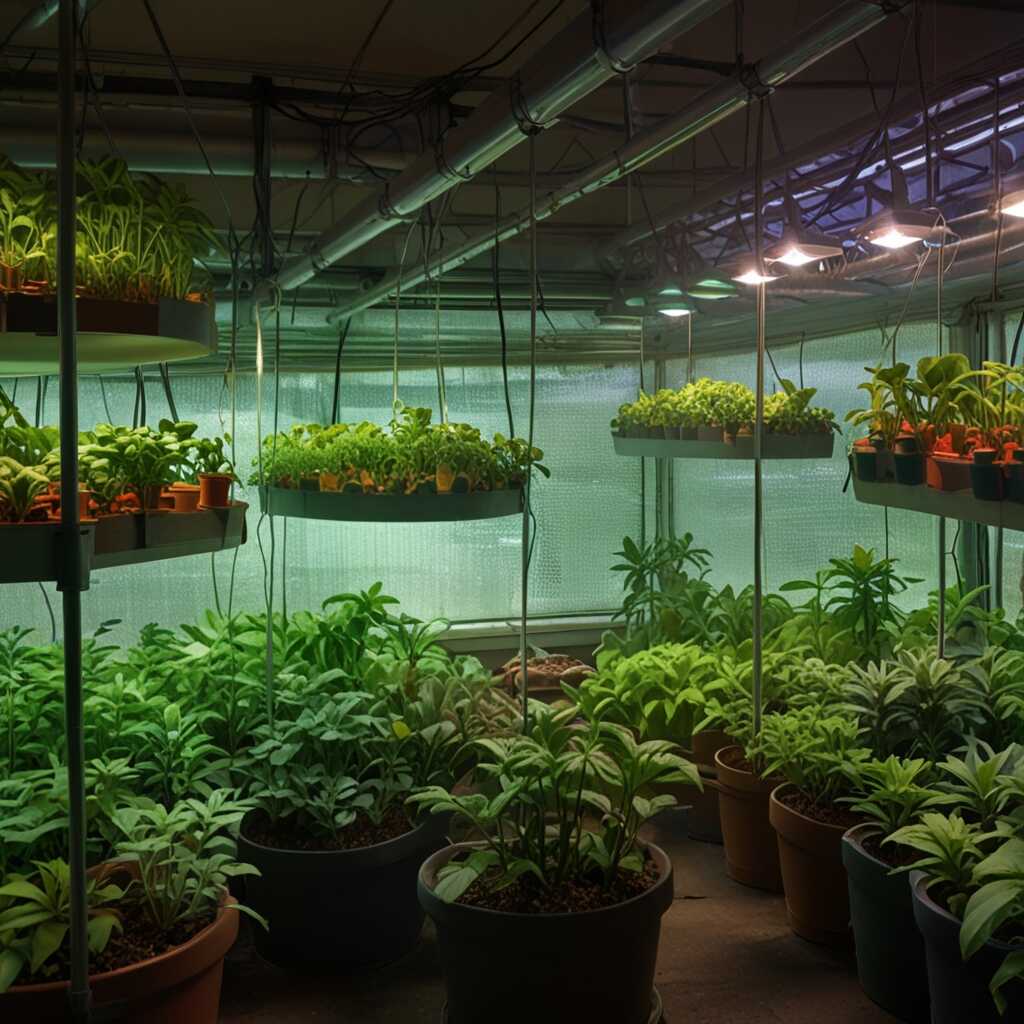
Germination and seedling phases require carefully controlled light conditions to establish strong plant foundations. LED grow lights delivering precise wavelengths work best during these early stages, providing 200-400 μmol/m²/s light intensity. Blue light wavelengths between 400-500 nm prevent stretching and promote compact growth, while small amounts of red light (10-20%) support overall development. Seedlings typically require 14-16 hours of daily light exposure, positioned 12-18 inches from light sources to prevent heat stress.
Specific Light Duration and Quality for Enhanced Germination
Light duration during germination varies significantly by species, with most vegetables requiring 14-16 hours while herbs often need only 12-14 hours daily. Light quality matters more than intensity during these early stages, with blue wavelengths promoting sturdy stem development and root growth. Positioning grow lights 12-24 inches above seedlings ensures adequate coverage without overheating delicate tissues. Full spectrum LED lights designed specifically for seedlings typically consume 20-50 watts per square foot, making them energy-efficient choices for small-scale operations.
Key Numerical Insights on Light Use in Plant Growth
- Seedlings require 200-400 μmol/m²/s light intensity for optimal development without stress.
- Vegetative growth typically needs 400-600 μmol/m²/s intensity for 16-18 hours daily.
- Flowering plants benefit from 600-1000 μmol/m²/s intensity during 12-hour photoperiods.
- Blue light (450 nm) should comprise 60-80% of spectrum during vegetative growth.
- Red light (660 nm) becomes dominant (60-70%) during flowering for maximum yield.
- LED grow lights consume 75% less energy than traditional HPS lighting systems.
- UV light (280-320 nm) enhances essential oil production but requires careful dosing.
Enhancing Vegetative Growth with Proper Lighting Strategies
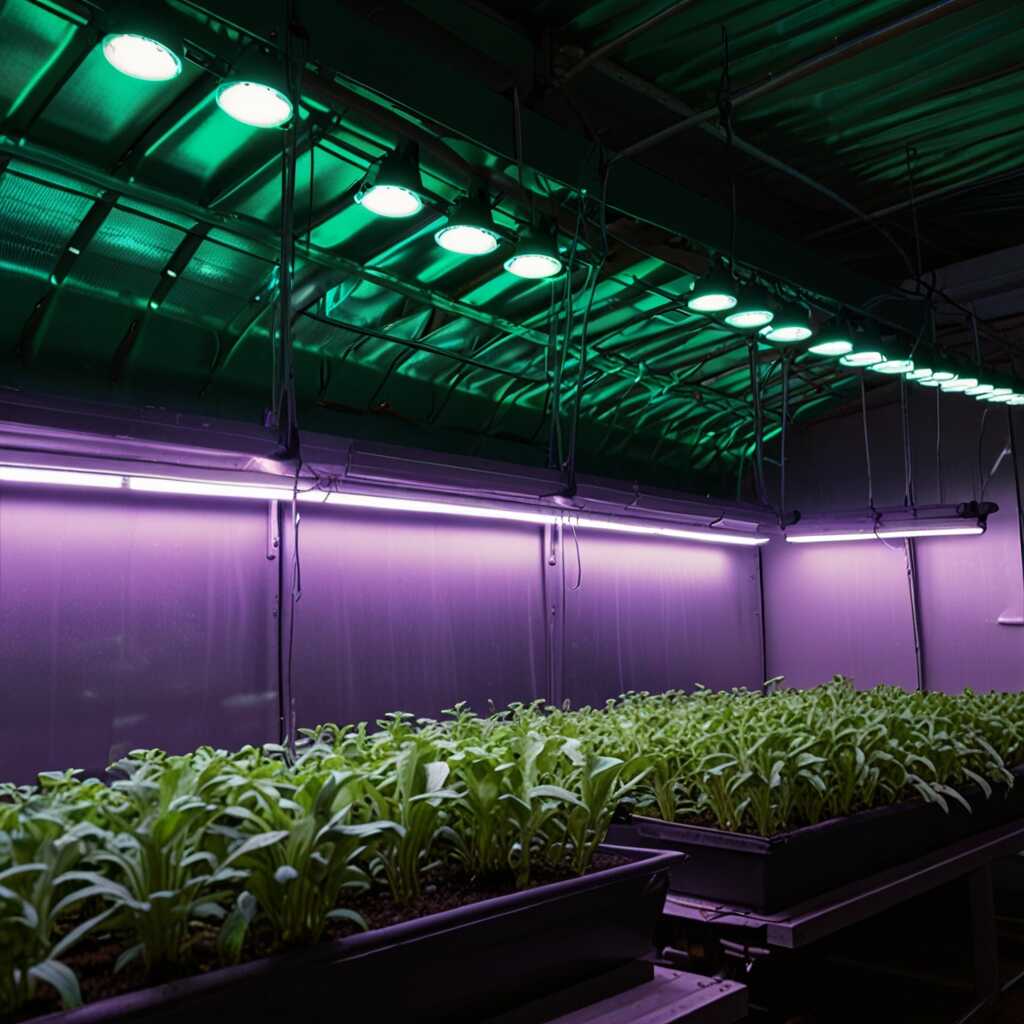
Vegetative growth represents the most critical period for establishing plant structure and maximizing final yield potential. Blue light wavelengths (400-500 nm) drive chlorophyll synthesis and promote compact, bushy growth patterns that support heavy fruit loads later. During this stage, plants require 16-18 hours of daily light exposure at 400-600 μmol/m²/s intensity. The ideal spectrum combines 60% blue light with 40% red light, providing balanced energy for both leaf development and root establishment. This combination encourages strong branching and thick stems essential for supporting mature plants.
Optimizing Light Duration for Maximum Growth
Light duration optimization during vegetative growth directly impacts plant vigor and final yield potential. Most greenhouse crops thrive with 16-18 hours of daily light exposure, allowing 6-8 hours of darkness for essential metabolic processes. Longer photoperiods can stress plants and reduce overall efficiency, while shorter periods limit photosynthetic capacity. Using programmable timers ensures consistent light cycles, which plants require for proper circadian rhythm development. This consistency promotes steady growth rates and prepares plants for successful transition to flowering stages.
Key Lighting Techniques for Successful Flowering Stage
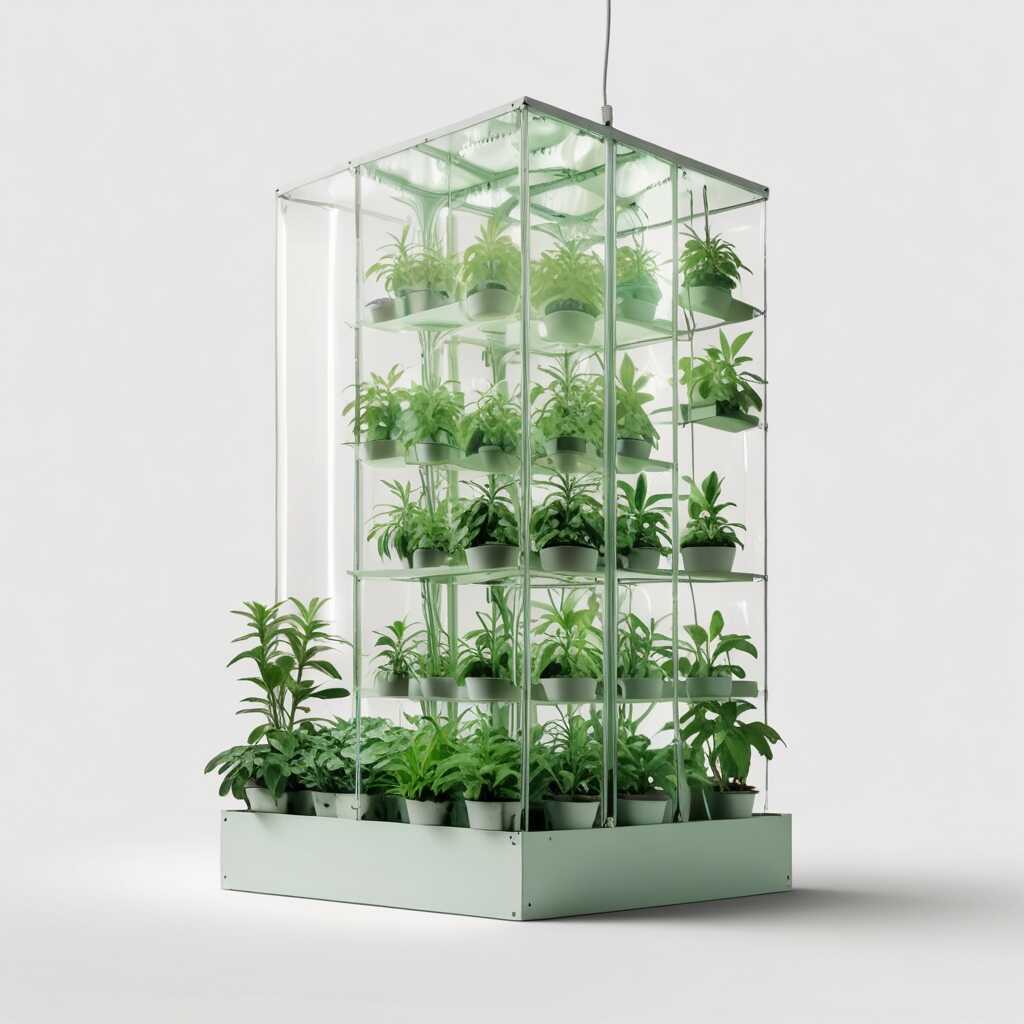
Flowering stage success depends on dramatic spectrum shifts that trigger reproductive hormones and maximize bloom production. Red and far-red wavelengths between 660-730 nm become dominant, comprising 60-70% of total spectrum output. LED grow lights positioned 18-24 inches above plant canopies deliver 600-1000 μmol/m²/s intensity without causing heat stress. The critical change involves reducing photoperiod to 12 hours, which signals plants to begin reproductive processes and flower formation.
Optimal Light Conditions for Flowering Greenhouse Plants
Creating optimal flowering conditions requires precise control over both spectrum and timing to maximize bloom production. The 12-hour photoperiod triggers flowering hormones in most crops, though some varieties may require 10-14 hour adjustments. Red wavelengths around 660 nm promote flower initiation, while far-red light (730 nm) enhances flower size and essential oil production. Light intensity should increase to 600-1000 μmol/m²/s during flowering, providing energy needed for bloom development. Maintaining consistent timing within 15-minute accuracy prevents stress that can interrupt flowering cycles.
Advantages of Proper Light Spectra for Plants
- Blue light during vegetative growth creates stronger stems that support heavy fruit loads.
- Red light dominance during flowering increases bloom production by 20-40% compared to white light.
- Full spectrum lighting improves plant immunity, reducing disease susceptibility by promoting robust growth.
- Proper spectrum timing accelerates flowering by 1-2 weeks compared to fixed spectrum lighting.
- UV wavelengths increase essential oil and resin production in herbs and medicinal plants.
- Spectrum optimization reduces energy costs by focusing light energy where plants need it most.
- LED spectrum control eliminates heat stress common with traditional grow lights.
Understanding Post-Flowering Light Needs for Effective Harvest
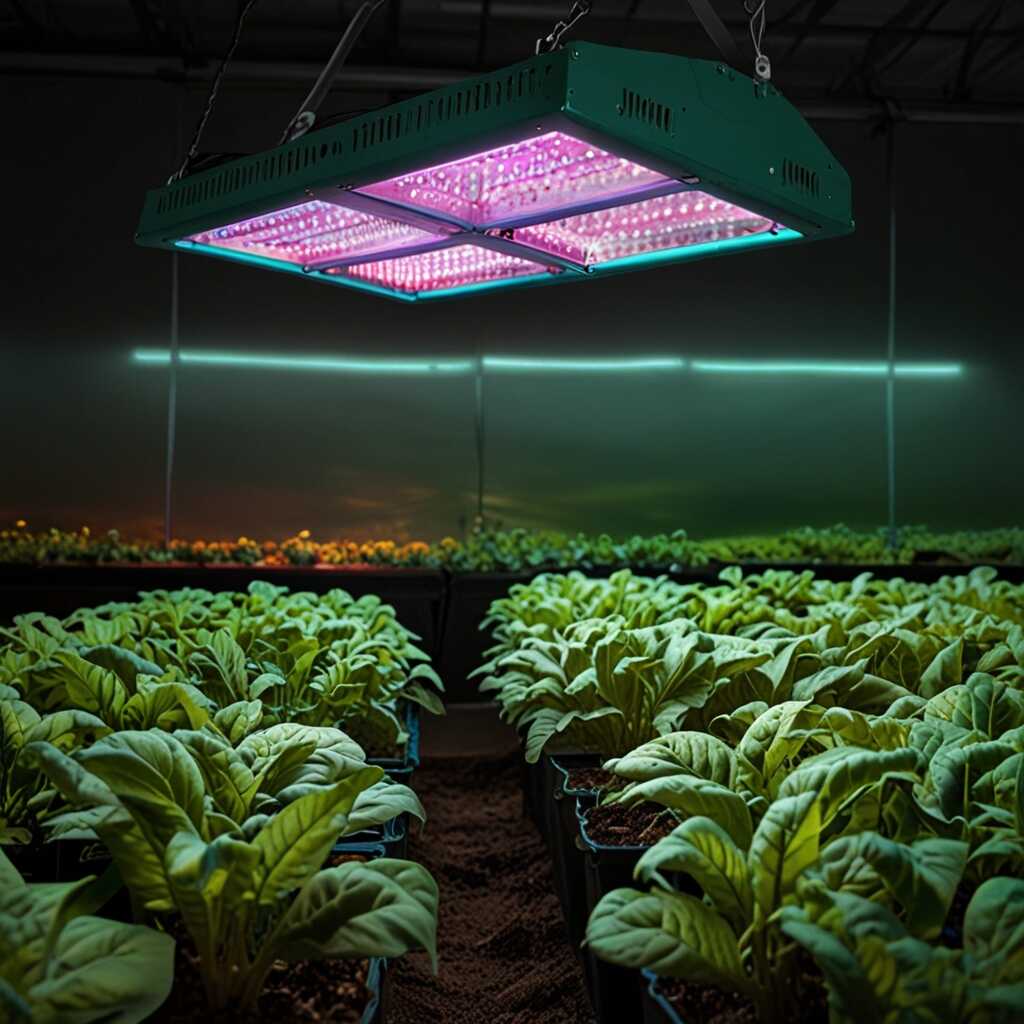
Post-flowering light management plays a crucial role in fruit development and harvest quality optimization. During this ripening phase, plants benefit from continued red spectrum dominance (60-70%) while reducing overall light intensity to 400-600 μmol/m²/s. Most crops require 12-14 hours of daily light exposure during fruit development, allowing sugars to concentrate and flavors to develop properly. The spectrum should maintain some blue light (20-30%) to support continued photosynthesis and prevent premature senescence. This balanced approach ensures fruits reach full maturity while maintaining plant health.
Determining Ideal Light Exposure Duration for Different Plant Types
Light exposure requirements vary significantly among crop types during the harvest phase, requiring customized approaches for optimal results. Fruiting crops like tomatoes and peppers benefit from 12-14 hours of daily light to support continued fruit development and ripening. Leafy greens such as lettuce and spinach require only 10-12 hours, as excessive light can cause bitterness and bolting. Root vegetables like carrots and radishes need minimal light once tops are established, focusing energy on root development. Understanding these differences helps growers optimize their lighting schedules for each crop type in their greenhouse operation.
Selecting the Best Grow Lights for Greenhouse Applications
Choosing appropriate grow lights requires balancing initial costs, operating expenses, and performance capabilities for your specific growing needs. LED grow lights typically cost $100-500 per fixture but offer 50,000+ hour lifespans and precise spectrum control. High-Pressure Sodium (HPS) lights cost $50-200 initially but consume significantly more electricity and require frequent bulb replacements. Full spectrum LED systems provide optimal wavelength control for all growth stages, while traditional lights require multiple fixture types for complete coverage.
Understanding Light Spectrum Requirements for Different Growth Stages
Modern LED grow light systems offer programmable spectrum control that adapts to changing plant needs throughout their lifecycle. Blue wavelengths (400-500 nm) dominate during vegetative growth, promoting compact structure and leaf development. Red wavelengths (660-730 nm) become primary during flowering, triggering reproductive hormones and maximizing bloom production. Advanced LED systems allow growers to adjust spectrum ratios automatically, optimizing plant development while minimizing energy consumption throughout the growing cycle.
Top Brands and Their Suitability in Plant Lighting
- Commercial LED manufacturers offer full spectrum systems ranging from $200-1000 per fixture.
- Budget fluorescent options cost $30-100 but lack spectrum control and efficiency.
- High-end plasma lights provide excellent spectrum but require $500-2000 investment.
- Hobby growers often prefer modular LED systems for flexibility and gradual expansion.
- Professional greenhouses typically choose integrated systems with environmental controls.
- Organic growers favor LED systems for reduced heat and chemical-free growing.
- Research facilities require precise spectrum control available only in premium LED systems.
Common Mistakes and Troubleshooting Grow Light Spectrum Issues
Many greenhouse growers struggle with spectrum-related problems that reduce yield and plant quality. The most common mistake involves using fixed spectrum lights throughout all growth stages, which limits plant potential and wastes energy. Plants showing stretchy growth typically receive insufficient blue light, while poor flowering indicates inadequate red wavelengths. Light burn symptoms include leaf bleaching and crispy edges, usually caused by excessive intensity or improper distance. Plants with pale, yellowish leaves often suffer from insufficient overall light intensity or poor spectrum balance.
Identifying and Solving Spectrum-Related Plant Problems
Recognizing spectrum deficiency symptoms helps growers make timely adjustments before yield losses occur. Leggy, stretched plants indicate insufficient blue light or excessive red wavelengths during vegetative growth. Poor flowering or delayed bloom formation suggests inadequate red light or improper photoperiod timing. Weak stems and small leaves typically result from insufficient overall light intensity across all wavelengths. Purple or red leaf coloration often indicates cold stress combined with high light intensity, requiring distance adjustments or reduced photoperiod.
Best Practices for Energy Efficiency with Grow Lights
Energy efficiency optimization reduces operating costs while maintaining optimal plant growth conditions throughout the growing cycle. LED grow lights typically consume 30-50 watts per square foot compared to 50-80 watts for traditional lighting systems. Timer controls ensure lights operate only when needed, reducing energy consumption by 10-20% compared to manual operation. Spectrum optimization focuses light energy on wavelengths plants actually use, eliminating waste from unused portions of the electromagnetic spectrum.
Adjusting Light Duration and Intensity
Proper light duration and intensity adjustments maximize plant growth while minimizing energy costs throughout the growing season. Seedlings require only 200-400 μmol/m²/s intensity for 14-16 hours daily, consuming minimal electricity during early growth stages. Vegetative growth demands higher intensity (400-600 μmol/m²/s) but can utilize 16-18 hour photoperiods efficiently. Flowering plants need maximum intensity (600-1000 μmol/m²/s) but shorter 12-hour photoperiods, balancing energy consumption with production needs. Dimmer controls allow fine-tuning for specific crops and growth conditions.
Understanding Grow Light Costs and Return on Investment
Grow light investments require careful analysis of initial costs, operating expenses, and expected returns over the system’s lifetime. LED fixtures typically cost $2-5 per watt of capacity, with 300-watt systems ranging from $600-1500 depending on features and quality. Monthly electricity costs vary by local rates but generally range from $30-100 per 1000 watts of lighting capacity. Quality LED systems pay for themselves within 2-3 years through energy savings and increased yields compared to traditional lighting technologies.
Calculating Long-term Savings and Benefits
Long-term savings from efficient grow lights extend beyond electricity costs to include reduced replacement expenses and improved crop quality. LED systems typically last 50,000+ hours compared to 10,000-20,000 hours for traditional bulbs, reducing replacement costs significantly. Better spectrum control increases yields by 20-40% in many crops, improving revenue potential for commercial growers. Reduced heat output eliminates cooling costs during summer months, providing additional savings in climate-controlled environments.