
Optimize plant nutrition in hydroponics with specialized grow lights to enhance your indoor gardening success. These advanced lighting options provide the specific wavelengths needed for robust plant growth at every stage. Green Writer offers insights into selecting the right grow lights to maximize nutrient absorption and overall health of hydroponic systems. With expert advice on energy-efficient lighting choices, you can create an ideal environment for thriving plants while promoting sustainable living.
Introduction to Hydroponics and Its Advantages for Growing Plants
Hydroponic systems consist of essential components like nutrient solutions, a growing medium, and a setup for oxygen supply. They offer several benefits, including efficient water usage and accelerated plant growth. Different hydroponic types, such as deep water culture and nutrient film technique, significantly affect plant nutrition and growth rates. Research indicates that hydroponics can increase growth rates by 30% to 50% compared to traditional soil gardening, making it an excellent choice for indoor gardening. The reliability of these systems enables efficient and effective indoor growth.
Key Components of Successful Hydroponics
Understanding the key components of successful hydroponics is vital for effective indoor gardening. The primary components include a nutrient-rich solution that provides essential minerals directly to the plants’ roots, which enhances their growth. A quality growing medium supports plants while allowing for optimal water drainage and aeration. Optimal light conditions, often provided by specialized grow lights, can enhance growth rates. Each component plays a crucial role in ensuring plants receive everything they need for rapid growth and high yields. This setup not only streamlines the growing process but also promotes a sustainable gardening practice.
The Role of Light in Hydroponics for Optimizing Plant Growth
Light quality significantly influences plant health in hydroponics. Quality lighting enhances photosynthesis, nutrient absorption, and overall growth rates. Hydroponic systems thrive on different light spectra. For example, blue light promotes vegetative growth, while red light aids plants during flowering. Understanding these light requirements is essential for maximizing yields. Hydroponic plants typically need around 12 to 16 hours of light daily to grow optimally. Using efficient grow lights ensures reliable plant development and enhances nutrient uptake.
Understanding Light Spectra for Different Growth Phases
Different growth phases require specific light spectra in hydroponics. During the seedling and vegetative stages, plants need a higher ratio of blue light. This spectrum fosters healthy leaf development and strong stems. As plants transition into the flowering stage, red light becomes more essential. It helps stimulate bud formation and fruit production. Many growers opt for full-spectrum LED grow lights that cover all plant growth needs. These lights provide a balanced mixture of wavelengths, ensuring plants receive the necessary energy throughout their life cycle. Properly adjusting light spectra according to growth phases enhances overall plant health and yield.
Exploring Grow Light Technologies for Hydroponics
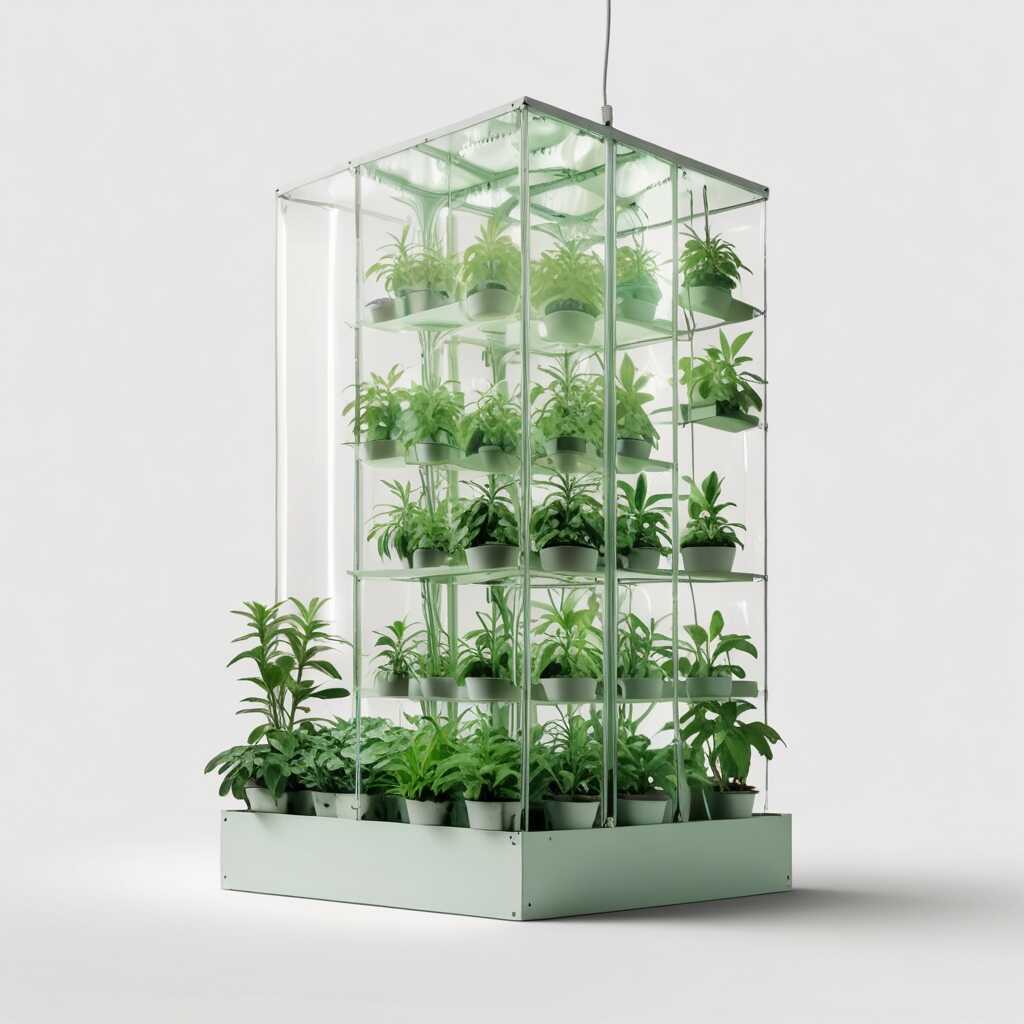
This section covers the main types of grow lights used in hydroponics, including LED, fluorescent, and inductive lights. Each type has unique benefits. LED grow lights are energy-efficient and designed to provide full-spectrum light essential for various plant growth stages. Fluorescent grow lights offer a budget-friendly option but may not last as long. Both types can effectively promote plant health, while grow light efficiency is crucial. Plants typically require 12 to 18 hours of light daily in hydroponic systems, depending on their growth stage.
Choosing the Right Grow Light for Your Hydroponic Setup
Selecting a suitable grow light is critical for successful hydroponic gardening. LED grow lights are popular due to their long lifespan of over 50,000 hours and impressive energy efficiency. They can handle heat better and reduce the risk of plant damage. Fluorescent lights, while less efficient, are easy to find and install. They are best suited for seedlings and low-light plants. When choosing a light, consider your specific setup, the type of plants you grow, and their light requirements. Reviews and expert recommendations can help narrow your options.
Fascinating Figures About Indoor Plant Lighting
- 90% of successful hydroponic growers use specialized lighting systems.
- Plants need 12-18 hours of light for optimal growth during their growth phase.
- LED lights use 75% less energy than traditional grow lights.
- Colors in grow lights typically range from 400-700 nm for excellent nutrition.
- Plants can grow up to 25% faster under the right lighting conditions.
- Energy-efficient lights can last over 50,000 hours, reducing replacement costs.
- Grow lights can support multiple growth stages—seedling to flowering—simultaneously for versatile gardening.
Maximizing Nutrient Uptake with Targeted Grow Light Wavelengths
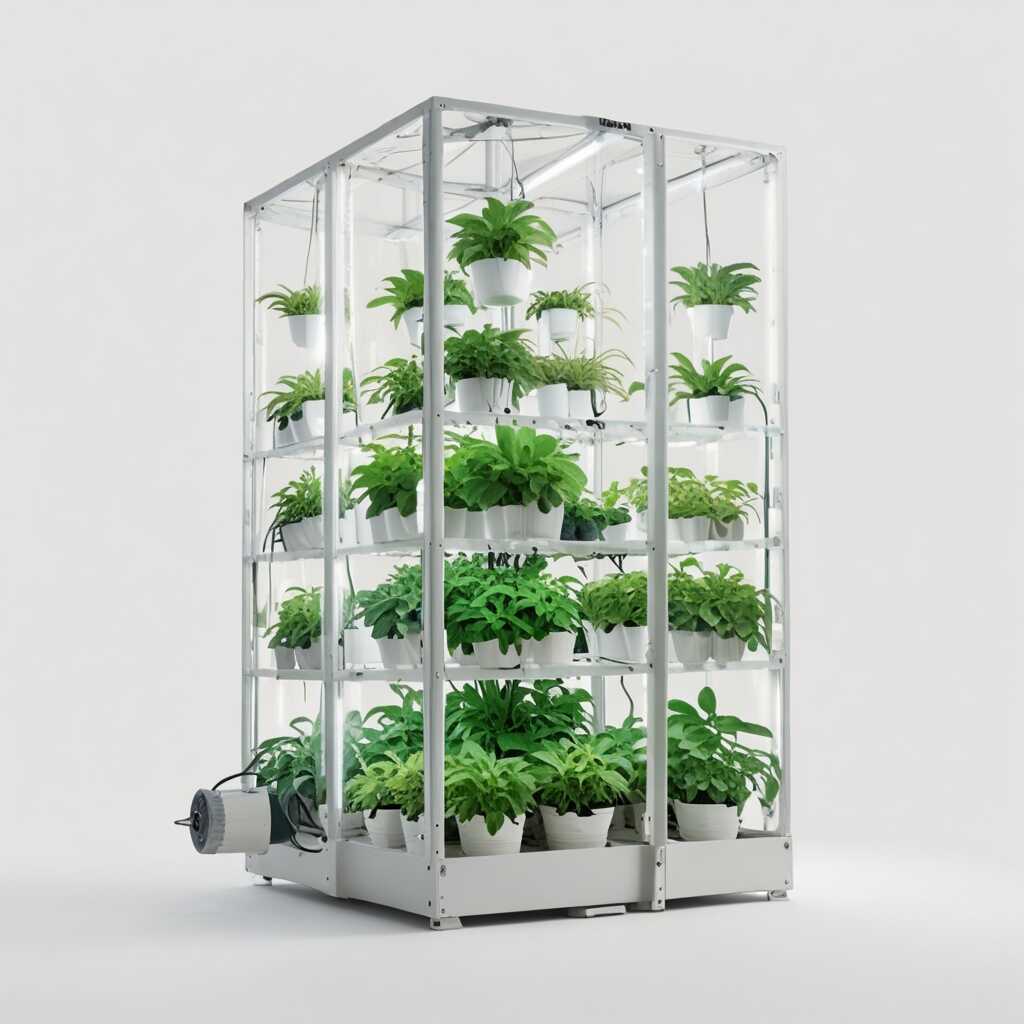
Specialized grow lights enhance nutrient uptake in hydroponic systems by providing specific light wavelengths that plants need. Different wavelengths stimulate various plant processes such as photosynthesis, leading to improved nutrient absorption. For instance, blue light (400-500 nm) promotes vegetative growth, while red light (600-700 nm) is crucial for flowering and fruiting. By matching these wavelengths to plant needs, growers can optimize growth and yield. Full spectrum lighting simulates natural sunlight, ensuring that plants receive all necessary wavelengths for their life cycle. This targeted approach can deliver proven growth results and improve overall plant health.
Understanding Light Spectrum Needs for Hydroponic Plants
Different types of hydroponic plants have unique light spectrum needs. For leafy greens like lettuce, a higher ratio of blue light is essential for dense foliage. In contrast, flowering plants like tomatoes thrive with increased red light exposure. Research indicates that a combination of both blue and red wavelengths can enhance nutrient uptake efficiency and yield. Proven data shows that maintaining a light spectrum in the 400-700 nm range significantly improves plant performance. Utilizing targeted grow light wavelengths tailored to plant types can help ensure optimal growth and greater harvests.
How to Select the Ideal Grow Lights for Different Hydroponic Plants
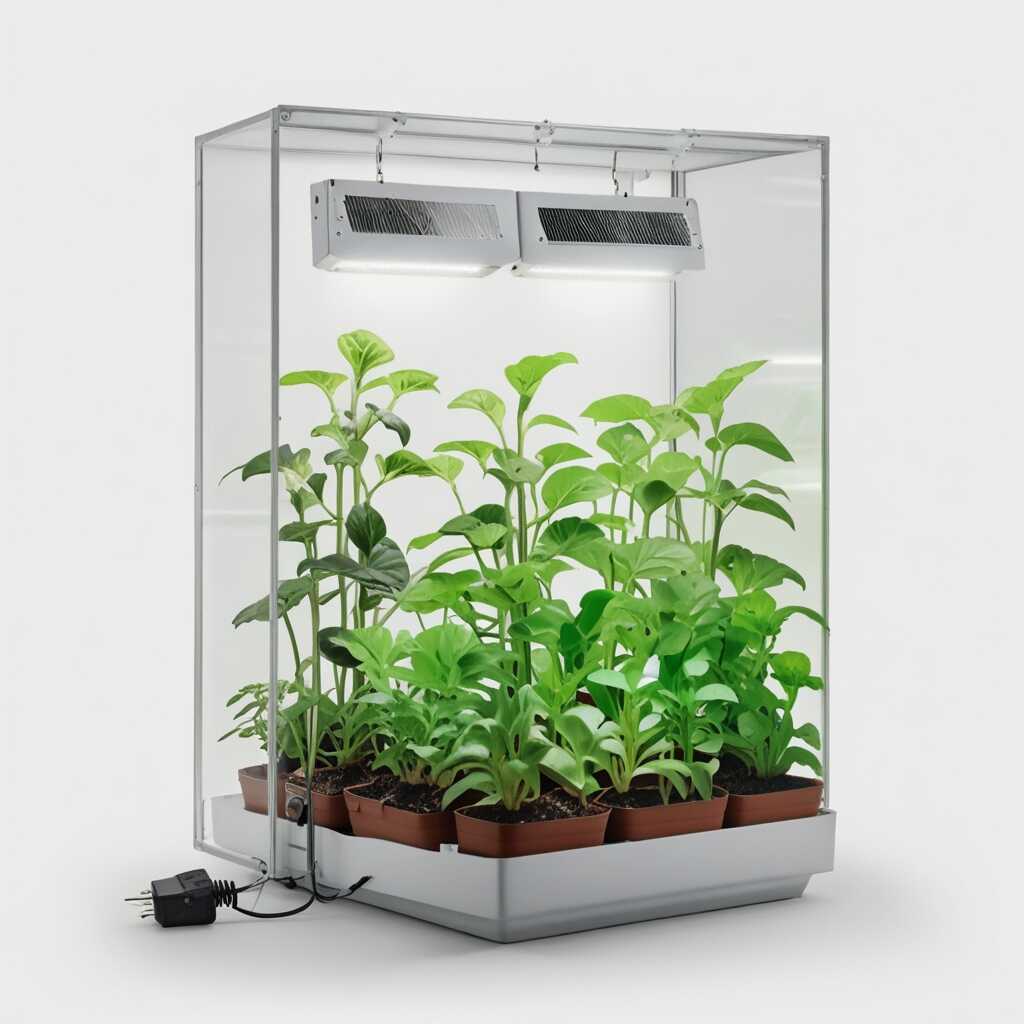
Choosing the right grow lights for your hydroponic plants is crucial for achieving optimal growth and yield. Start by considering the specific plant varieties you wish to grow. Leafy greens such as lettuce and spinach thrive under blue light spectrums, which promote vegetative growth. Conversely, flowering species like tomatoes or peppers benefit from increased red light to support blooming. The lighting intensity is also essential. For a small hydroponic setup, you typically need 20 to 30 watts per square foot. This power ensures healthy, vibrant plants while preventing excess heat, which can damage delicate roots. Effective light management can enhance nutrient uptake and overall plant health.
Understanding Light Spectrums in Hydroponics
Light spectrums play a vital role in hydroponic gardening. Different wavelengths affect various growth stages. Blue light (400-500 nm) establishes strong vegetative growth while red light (600-700 nm) is crucial during flowering. Many LED grow lights offer full-spectrum features, combining these essential light ranges. This type of light provides the reliability and efficiency indoor gardeners need. When reviewing grow lights, check for specific features like adjustable spectrum options and intensity control. This flexibility allows you to tailor light conditions accurately to your plants’ developing needs. By adapting your light spectrum, you can enhance photosynthesis and increase overall yield, making your home garden thrive.
Key Advantages of Specialized Indoor Lighting
- Grow lights boost photosynthesis, resulting in healthier plants.
- They provide precise light spectra tailored for different plant growth phases.
- Plants receive adequate light even in limited natural light environments.
- They enhance crop yields, delivering more produce from limited space.
- LED lights produce less heat, minimizing the risk of plant damage.
- Many grow lights offer adjustable intensity to meet specific needs.
- They allow year-round gardening, freeing users from seasonal limitations.
Energy-Efficiency Practices for Sustainable Grow Light Usage
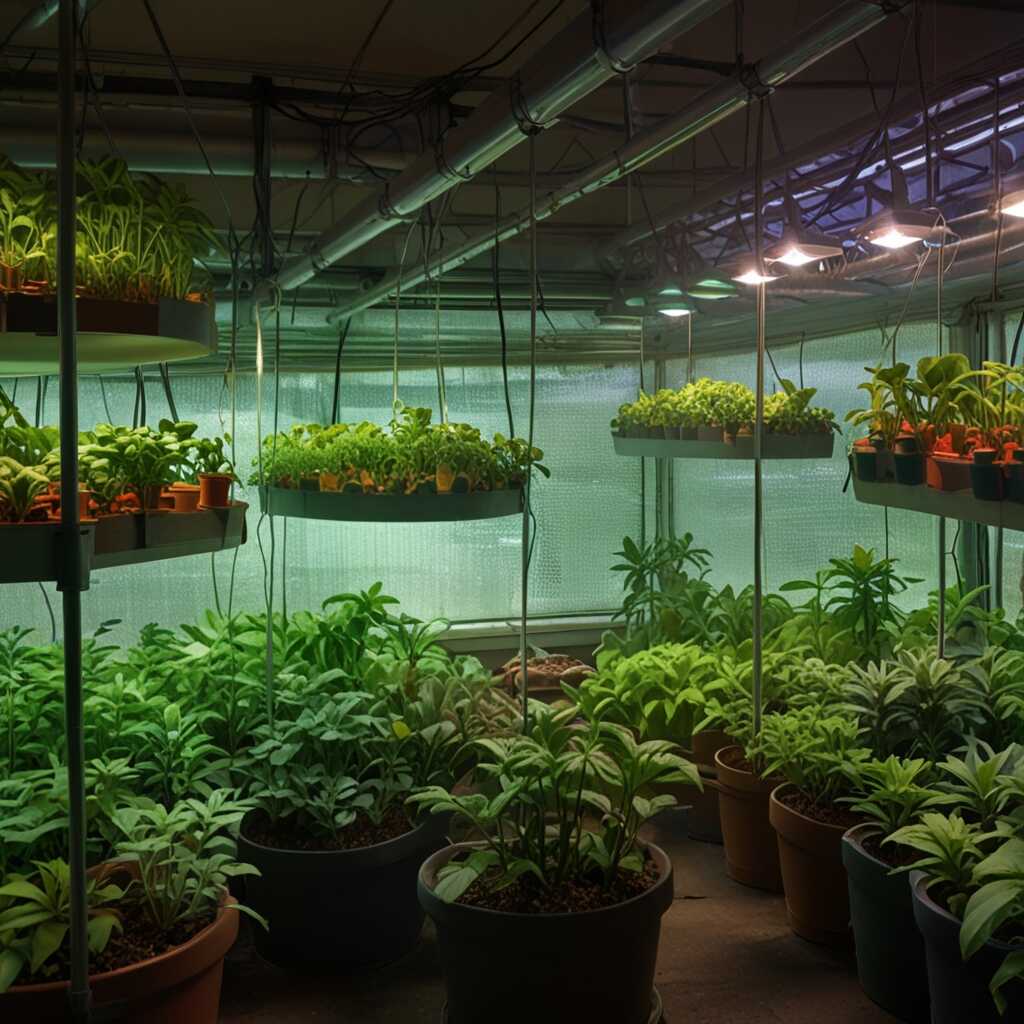
When choosing energy-efficient grow lights for hydroponics, consider LED technology. LEDs consume up to 75% less energy than traditional lighting. Look for full-spectrum options, as they support all plant growth stages. You should also prioritize lights with a long lifespan, typically over 50,000 hours. This ensures reliability and reduces replacement frequency, enhancing sustainability. Research shows that switching to energy-efficient grow lights can decrease energy costs by 70% or more. User reviews confirm that these lights create optimal indoor conditions while minimizing energy usage.
Understanding Full-Spectrum Lighting for Effective Growth
Full-spectrum lighting is essential for indoor plant care. This type of light emits various wavelengths that replicate natural sunlight. It provides blue light for vegetative growth and red light for flowering stages. For success in hydroponics, choose full-spectrum grow lights that cover wavelengths of 400-700 nanometers. Experts recommend a balance of intensity and spectrum. Many LED grow lights offer adjustable settings for different stages of plant development. Testing shows that plants under full-spectrum lighting exhibit improved growth and health, highlighting its critical role in energy-efficient gardening.
Innovative Technologies to Enhance Hydroponic Gardening Practices
Recent technological innovations, such as smart light automation, significantly enhance plant nutrition in hydroponics. Smart grow lights adjust according to plant needs, ensuring optimal light intensity and spectrum for growth. Automated nutrient delivery systems provide precise amounts of nutrients, improving efficiency in hydroponic gardening. These systems can handle fluctuations in plant uptake while delivering nutrients exactly when plants require them. For maximum efficiency, consider technologies designed to automate these processes in your hydroponic setup. Reviews show that devices integrating both lighting and nutrient delivery can lead to up to 30% faster plant growth compared to traditional methods.
Understanding Smart Nutrient Delivery Systems
Smart nutrient delivery systems are essential for successful hydroponic gardening. These systems monitor your plants’ specific nutrient needs using sensors that detect factors like pH and electrical conductivity. This data allows for precise nutrient adjustments, enhancing plant growth and health. Many systems can be controlled via smartphone apps, enabling remote management. The best nutrient delivery systems are designed for durability and reliability, offering consistent performance throughout your plants’ growth cycles. These systems can handle complex nutrient mixtures, ensuring that each plant receives what it needs for optimal health and yield.
Brands and Their Target Users in Indoor Gardening
- Brand A (Gavita): Great for professional growers, offers powerful lights but can be expensive.
- Brand B (VIPARSPECTRA): Suitable for hobbyists looking for affordability and decent quality.
- Brand C (Mars Hydro): Appeals to budget-conscious users, balancing price and effectiveness.
- Brand D (Spider Farmer): Attracts indoor gardening enthusiasts valuing efficiency and reliability.
- Brand E (Fluence): Targets commercial growers needing high-performance lighting for extensive plants.
- Brand F (VIVOSUN): Great for beginners seeking user-friendly options with flexible light features.
- Brand G (KIND LED): Appeals to serious gardeners wanting advanced technology built into their lights.
Identifying and Avoiding Common Hydroponic Lighting Errors
Common hydroponic lighting errors include incorrect light duration, subpar intensity, and unsuitable spectrum. Users often set grow lights on a timer for too few hours, leading to limited plant growth. Aiming for a 12-16 hour lighting duration usually enhances photosynthesis. For intensity, failing to provide sufficient brightness can slow growth. Use LEDs that meet or exceed 400-600 µmol/m²/s light intensity for optimal performance. The light spectrum matters too; each growth stage requires specific wavelengths. For example, blue light helps vegetative growth while red light encourages flowering. Choosing full-spectrum grow lights can help meet these diverse needs effectively.
Understanding Light Duration, Intensity, and Spectrum Requirements
Understanding light duration, intensity, and spectrum requirements is essential to optimizing hydroponic growth. Light duration typically ranges from 12 to 16 hours per day, ensuring plants receive enough energy. Intensity, measured in µmol/m²/s, should ideally fall between 400-600 for most crops. Grow lights need to be close enough to maintain this intensity without causing heat stress. The light spectrum is equally vital. Plants primarily use blue light (400-500 nm) for vegetative growth and red light (600-700 nm) for fruiting. Full-spectrum LED lights that cover the entire range from 400 to 700 nm offer the best results, enhancing overall plant health and productivity.