
Indoor grow lights are artificial lighting systems that replace natural sunlight for houseplants, providing specific wavelengths needed for photosynthesis. LED grow lights typically cost between $30-300, offer full-spectrum lighting, and consume 75% less energy than traditional bulbs while lasting up to 50,000 hours for reliable plant cultivation.
Understanding Different Types of Indoor Grow Lights and Their Functions
Indoor grow lights come in three main categories: LED systems, fluorescent tubes, and high-intensity discharge (HID) lamps. LED grow lights dominate the market because they provide customizable light spectra, run cooler than alternatives, and offer the longest lifespan. Fluorescent lights work well for seedlings and herbs, delivering gentle illumination without heat stress. However, fluorescent systems lack the intensity needed for flowering plants and consume more electricity than LEDs. HID lights produce powerful illumination suitable for large growing operations but generate significant heat and require ventilation systems. The choice depends on your plant types, growing space, and budget constraints.
Selecting the Right Grow Light Technology for Your Plants
When choosing grow light technology for indoor gardening, consider your specific plant requirements and growing goals. LED systems work best for most indoor gardeners because they offer precise spectrum control, low heat output, and energy efficiency. Succulents and cacti thrive under basic LED panels, while flowering plants like tomatoes need full-spectrum LEDs with both blue and red wavelengths. Fluorescent T5 fixtures suit herb gardens and microgreens perfectly. Research your plant’s natural habitat to determine optimal lighting conditions, then match those requirements with appropriate technology.
How Light Spectrum Colors Affect Plant Growth Stages
Light spectrum directly controls plant development through different wavelength ranges that trigger specific biological processes. Blue light (400-500 nanometers) promotes compact, leafy growth and prevents stretching in seedlings. Red light (620-750 nanometers) stimulates flowering, fruiting, and root development. Green light (500-600 nanometers) penetrates deeper into plant canopies, supporting lower leaves. Far-red light (700-800 nanometers) influences plant height and can trigger flowering in some species. Plants absorb these wavelengths differently throughout their lifecycle, requiring spectrum adjustments as they mature from seedlings to flowering adults.
Optimal Light Spectrum Ratios for Maximum Plant Health
The most effective light spectrum combinations vary by growth stage and plant type. Vegetative growth benefits from blue-heavy spectra with approximately 60% blue and 40% red light. Flowering plants require red-heavy spectra with 70% red and 30% blue wavelengths. Full-spectrum LEDs that include white light provide the most versatile option for mixed gardens. Many successful indoor gardeners use 3000K-5000K white LEDs supplemented with dedicated red and blue diodes. This approach mimics natural sunlight while providing targeted wavelengths for optimal plant responses.
Why LED Grow Lights Offer Superior Energy Efficiency
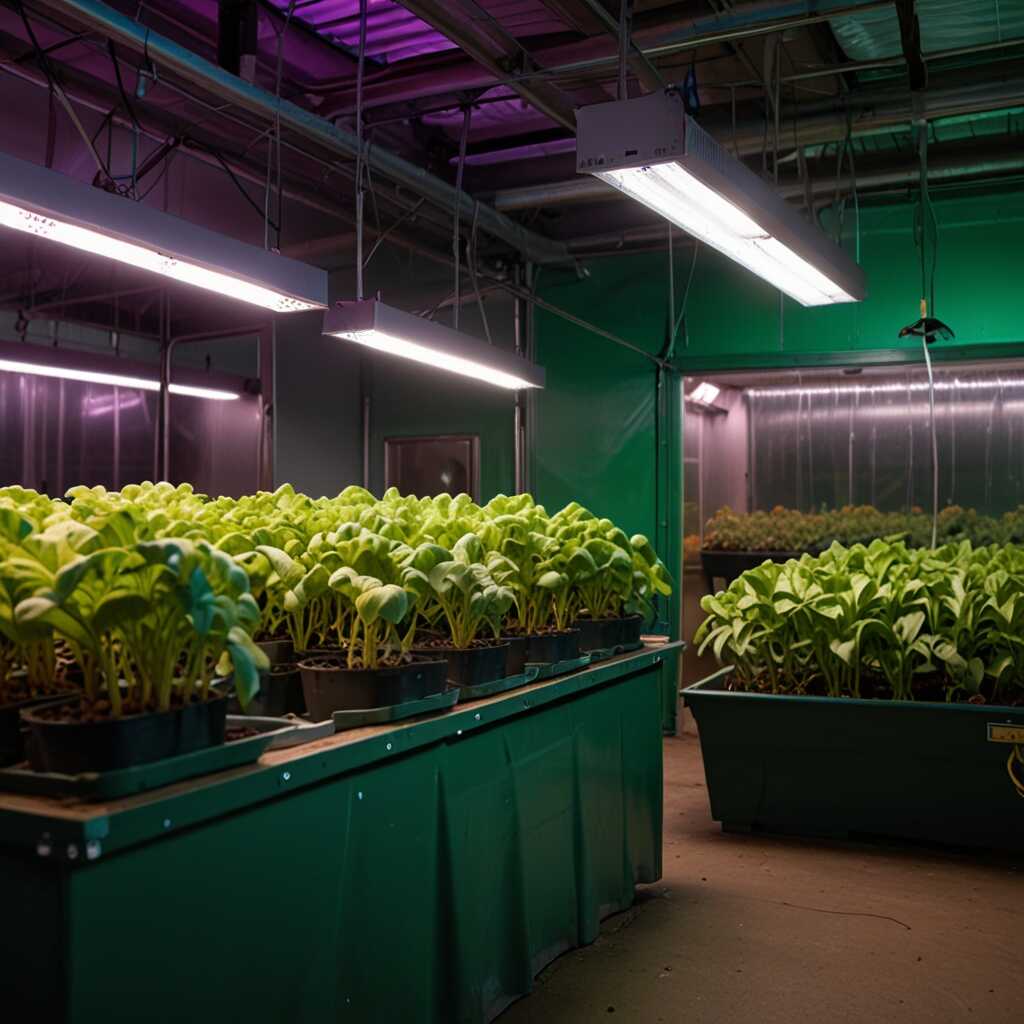
LED grow lights provide exceptional energy efficiency compared to traditional lighting technologies, converting 80-90% of electricity into usable light rather than heat. This efficiency translates to significant cost savings, with LED systems typically using 50-75% less electricity than comparable fluorescent or HID lighting. A typical 100-watt LED panel produces equivalent light output to a 400-watt HID system while generating minimal heat. The reduced heat output eliminates the need for expensive cooling systems and prevents heat stress in plants. Additionally, LED systems maintain consistent light output throughout their lifespan, providing reliable illumination for years without degradation.
Long-term Cost Benefits of LED Growing Systems
LED grow lights offer substantial long-term savings despite higher upfront costs compared to fluorescent alternatives. Quality LED panels typically last 50,000-100,000 hours compared to 10,000 hours for fluorescent tubes. This longevity means replacing bulbs every 5-10 years instead of annually. Energy savings compound over time, with LED systems often paying for themselves within 2-3 years through reduced electricity bills. Many growers report 60-80% reductions in monthly lighting costs after switching from fluorescent to LED technology. Factor in reduced cooling costs and replacement expenses for a complete financial picture.
Key Performance Metrics for Indoor Grow Lights
- Full-spectrum LED systems cover 380-780 nanometer wavelength ranges for complete plant nutrition.
- Optimal daily light periods range from 12-18 hours depending on plant species and growth stage.
- LED efficiency typically reaches 2.5-3.0 μmol/J compared to 1.7 μmol/J for fluorescent systems.
- Most indoor plants require 200-800 μmol/m²/s light intensity for healthy photosynthesis rates.
- Proper light positioning maintains 12-36 inches distance to prevent heat stress and light burn.
- Energy-efficient LED systems consume 25-50 watts per square foot of growing area.
- Quality grow lights maintain 90% light output after 50,000 hours of operation.
Critical Factors for Successful Indoor Plant Growth
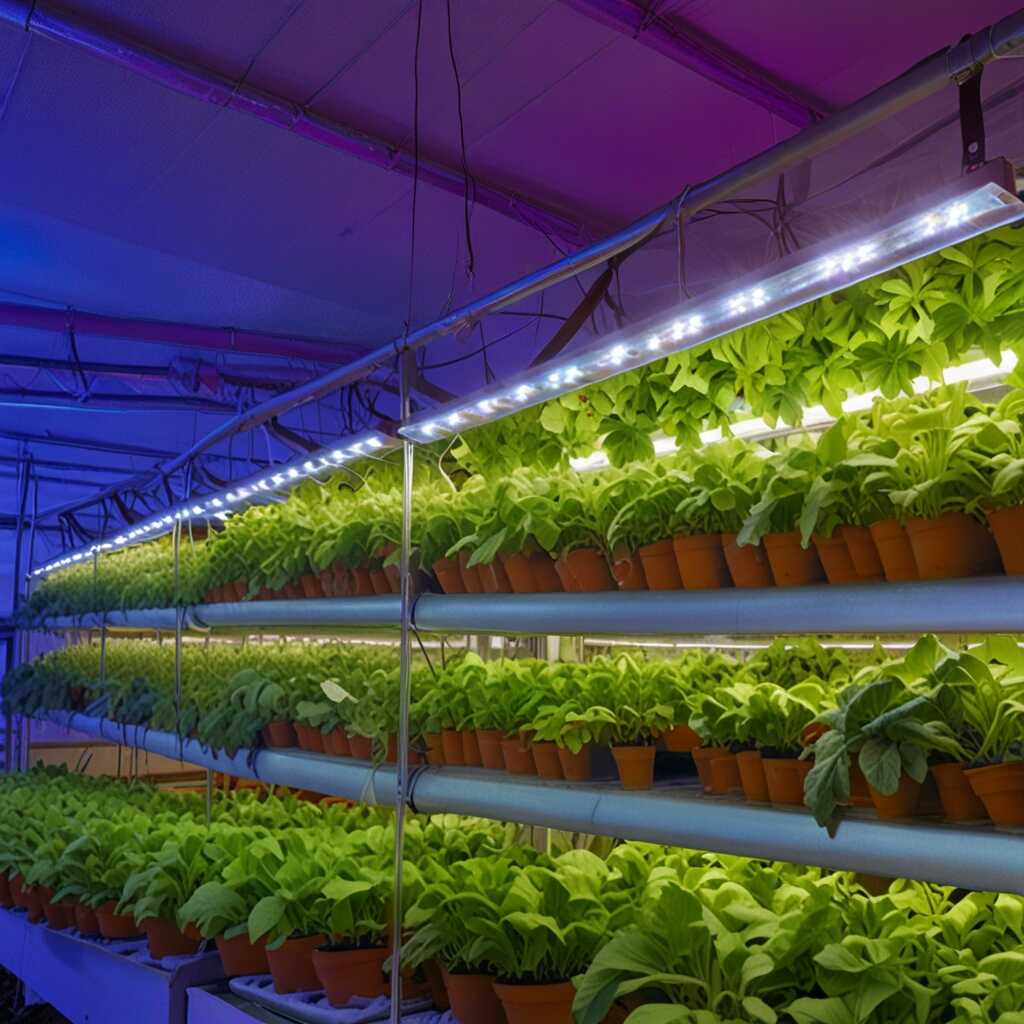
Light intensity, duration, and positioning work together to create optimal growing conditions for indoor plants. Light intensity affects photosynthesis rates and determines how quickly plants grow and develop. Each plant species requires specific light levels, measured in PPFD (photosynthetic photon flux density). Positioning lights at appropriate distances prevents both light burn and insufficient illumination. Most indoor plants need 12-16 hours of artificial light daily to replace natural sunlight. However, some plants require specific photoperiods to trigger flowering or dormancy cycles.
Measuring and Adjusting Light Intensity for Plant Health
Light intensity directly impacts plant metabolism, growth rates, and overall health in indoor gardens. High-light plants like tomatoes and peppers require 400-800 μmol/m²/s for optimal production. Medium-light plants such as lettuce and herbs thrive with 200-400 μmol/m²/s. Low-light plants including pothos and snake plants need only 50-200 μmol/m²/s to maintain healthy growth. Use a quantum meter or smartphone app to measure actual light levels at plant height. Adjust light distance or intensity based on plant responses – stretching indicates insufficient light while leaf burn suggests excessive intensity.
Recognizing and Preventing Light Burn Damage
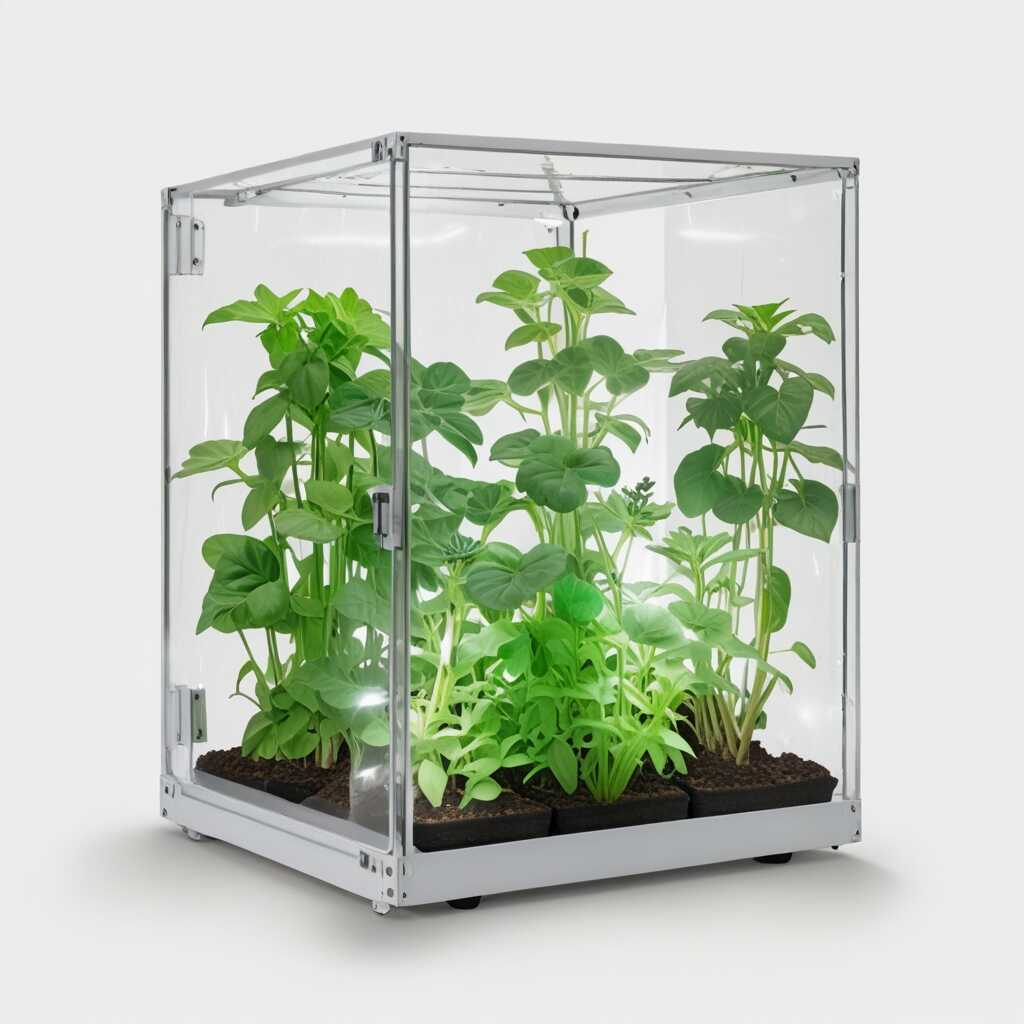
Light burn occurs when plants receive excessive light intensity, causing bleached leaves, crispy edges, and stunted growth. Early symptoms include yellowing of upper leaves closest to light sources and brown, brittle leaf tips. Different plant species show varying tolerance to high light levels. Succulents and desert plants handle intense illumination well, while tropical plants and ferns prefer moderate light conditions. Prevention involves maintaining proper light distance, typically 12-24 inches for LED systems depending on wattage. Monitor plants daily during the first week after installing new lights to catch early warning signs.
Recovery Strategies for Light-Damaged Plants
Plants affected by light burn can recover with proper care and environmental adjustments. Immediately increase the distance between lights and plants or reduce light intensity by 25-50%. Remove severely damaged leaves to redirect energy toward new growth. Maintain consistent watering without overcompensating, as stressed plants absorb water differently. Provide gentle fertilizer at half-strength to support recovery without overwhelming damaged root systems. Most plants show improvement within 1-2 weeks when light intensity is properly adjusted. Monitor new growth for healthy green coloration and normal development patterns.
Benefits of Proper Grow Light Implementation
- Consistent lighting schedules eliminate seasonal growth variations and extend growing seasons year-round.
- Targeted light spectra increase flowering rates and fruit production in tomatoes, peppers, and herbs.
- Controlled illumination prevents leggy growth and maintains compact, healthy plant structure.
- Quality grow lights strengthen plant immune systems and increase resistance to pests and diseases.
- Indoor plants with adequate lighting improve air quality by filtering toxins more effectively.
- Proper lighting enhances leaf coloration and overall plant aesthetics in decorative displays.
- Reliable artificial lighting enables successful cultivation of tropical and exotic plant species indoors.
Using Photoperiod Control for Flowering and Growth
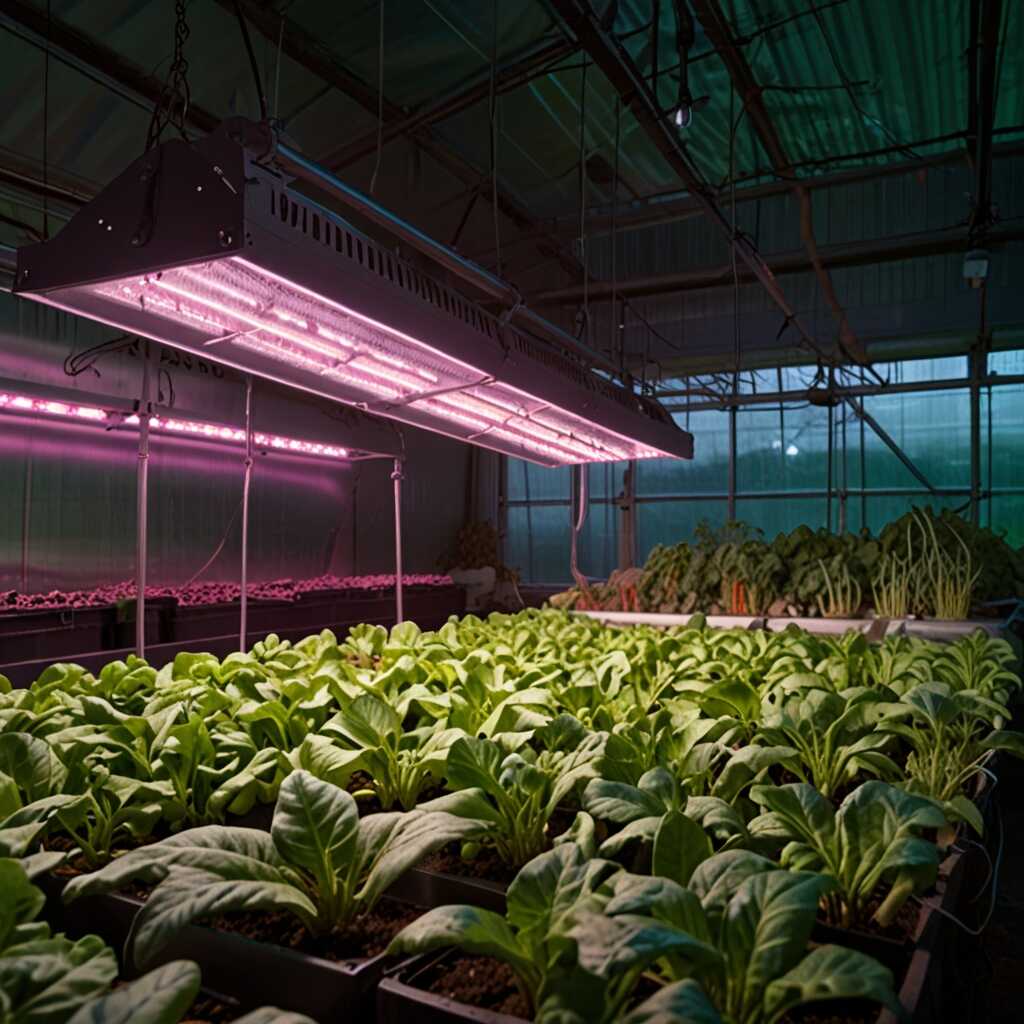
Photoperiodism controls when plants flower, fruit, or enter dormancy based on daily light duration. Short-day plants like chrysanthemums and poinsettias require 12 or fewer hours of light to initiate flowering. Long-day plants such as lettuce and spinach need 14 or more hours of light to prevent premature bolting. Day-neutral plants like tomatoes and peppers flower regardless of light duration once mature. Manipulating photoperiods with timers allows indoor gardeners to control flowering timing and extend productive seasons. Understanding your plant’s photoperiod requirements enables precise control over growth cycles and harvest timing.
Optimizing Light Duration for Different Plant Categories
Different plant categories require specific light durations for optimal growth and development. Leafy greens like lettuce and spinach perform best with 14-16 hours of daily light. Fruiting plants such as tomatoes and peppers need 12-14 hours during vegetative growth and can handle 18+ hours without flowering issues. Herbs like basil and cilantro thrive with 12-14 hours of consistent lighting. Flowering houseplants often require precise photoperiod manipulation – reducing light to 8-10 hours can trigger blooming in many species. Seedlings benefit from 16-18 hours of gentle light to establish strong root systems and prevent stretching.
Maintaining Ideal Temperature and Humidity with Grow Lights
Temperature control becomes crucial when using grow lights because artificial lighting affects ambient temperature and humidity levels. Most indoor plants thrive in temperatures between 65-75°F (18-24°C) during light periods and 5-10 degrees cooler during dark periods. Humidity levels should remain between 40-60% for most species, though seedlings prefer higher humidity around 70%. LED grow lights generate less heat than fluorescent or HID systems, making temperature management easier. However, increased plant transpiration under artificial lighting can raise humidity levels, potentially causing fungal issues without proper ventilation.
Balancing Environmental Factors for Optimal Plant Health
Successful indoor growing requires balancing temperature, humidity, and lighting to create optimal plant conditions. Higher light intensity increases plant transpiration, which raises humidity and can create favorable conditions for mold and mildew. Use fans for air circulation to prevent stagnant, humid conditions around plants. Monitor temperature at plant level rather than room temperature, as lights create microclimates. Tropical plants prefer 60-70% humidity, while desert plants thrive in 30-40% humidity. Adjust watering frequency based on light intensity and environmental conditions, as plants under bright lights consume more water.
Popular Grow Light Brands and Their Target Applications
- Mars Hydro: Offers affordable LED systems designed for beginner growers with simple controls and reliable performance.
- Spider Farmer: Specializes in quantum board LEDs with full-spectrum output ideal for serious hobbyists.
- Fluence Spydr: Provides commercial-grade lighting systems designed for professional cultivation operations.
- Viparspectra: Delivers budget-friendly options with decent performance for casual indoor gardeners.
- New growers benefit from brands offering comprehensive support and beginner-friendly features.
- Experienced cultivators prefer brands with customizable spectrum control and advanced monitoring capabilities.
- Commercial operations require brands with proven reliability, warranty support, and scalable designs.
Comprehensive Guide to Choosing Indoor Grow Lights
Selecting the right grow lights requires evaluating your specific plants, growing space, and budget constraints. Low-light plants like pothos and snake plants thrive under basic LED panels costing $30-80. High-light plants including tomatoes and cannabis require full-spectrum LEDs ranging from $100-300 depending on coverage area. Consider wattage requirements of 25-50 watts per square foot for most applications. Evaluate light spectrum options carefully since blue-heavy spectra suit vegetative growth while red-heavy spectra promote flowering. Factor in operating costs, with LED systems typically costing $5-15 monthly to operate compared to $20-40 for equivalent fluorescent systems.
Common Mistakes to Avoid When Setting Up Grow Lights
Many new growers make costly mistakes when implementing artificial lighting systems for their indoor gardens. Positioning lights too close causes heat stress and light burn, while placing them too far reduces effectiveness. Running lights 24 hours daily prevents necessary dark periods that plants need for cellular repair. Choosing the wrong spectrum wastes money and limits plant performance – avoid “blurple” lights that only provide blue and red wavelengths. Neglecting heat management leads to temperature stress and increased pest problems. Inadequate research on plant-specific requirements results in poor growing conditions and disappointing yields. Start with quality LED systems from reputable manufacturers to avoid these common pitfalls.