
Intercanopy lighting is a supplemental LED lighting system that places fixtures between plant canopy layers to ensure lower leaves receive adequate illumination in dense plantings. This technique typically increases yields in commercial greenhouses by improving photosynthesis throughout the entire plant structure, particularly benefiting crops like tomatoes, peppers, and leafy greens.
Benefits of Using Intercanopy Lighting in Commercial Greenhouses
Intercanopy lighting systems provide significant advantages for commercial greenhouse operations through enhanced light distribution within dense crop arrangements. These systems ensure that lower canopy plants receive sufficient illumination, which traditional overhead lighting often fails to deliver effectively. This improved light penetration leads to enhanced plant health and increased resilience against common pests and diseases. Commercial growers typically experience higher crop yields compared to conventional lighting methods, with many reporting noticeable improvements in both quantity and quality of harvested produce.
What Are the Key Benefits of Intercanopy Lighting for Dense Plantings?
The primary benefits include uniform light distribution throughout multiple plant layers, reduced competition for light resources among closely spaced plants, and enhanced photosynthetic efficiency in previously shaded areas. Intercanopy systems enable growers to maximize space utilization by supporting denser planting arrangements without sacrificing plant health. These systems work particularly well for vine crops and tall plants where lower branches typically receive insufficient natural light, resulting in improved fruit development and leaf quality throughout the entire plant structure.
Essential Components for Successful Lighting Systems in Greenhouses
When implementing intercanopy lighting in greenhouses, selecting appropriate LED grow light fixtures plays a critical role in system effectiveness. Full-spectrum lights support all growth stages by providing the complete range of wavelengths plants require for optimal development. Red and blue LED lights enhance flowering and vegetative growth respectively, with red wavelengths particularly important for fruit development. Placement strategies require careful consideration to ensure even light distribution without creating hot spots or shadows. Focus on positioning lights to complement existing overhead lighting while choosing fixtures between 100 to 300 watts depending on crop requirements and canopy density.
Understanding Plant Wavelength Requirements for Optimal Growth
Plant wavelength characteristics involve understanding the specific light frequencies different species require for maximum productivity. Plants primarily utilize light in the 400 to 700 nanometer range for photosynthesis, with blue light from 400 to 500 nm being crucial for vegetative development and leaf formation. Red light, especially between 620 to 700 nm, promotes flowering and fruit production in most commercial crops. Choosing LED grow lights with adjustable spectrums helps growers meet diverse plant needs throughout different growth phases. An efficient lighting system must consider these characteristics while ensuring plants receive appropriate light wavelengths based on their current developmental stage.
What Exactly Is Intercanopy Lighting and How Does It Work?
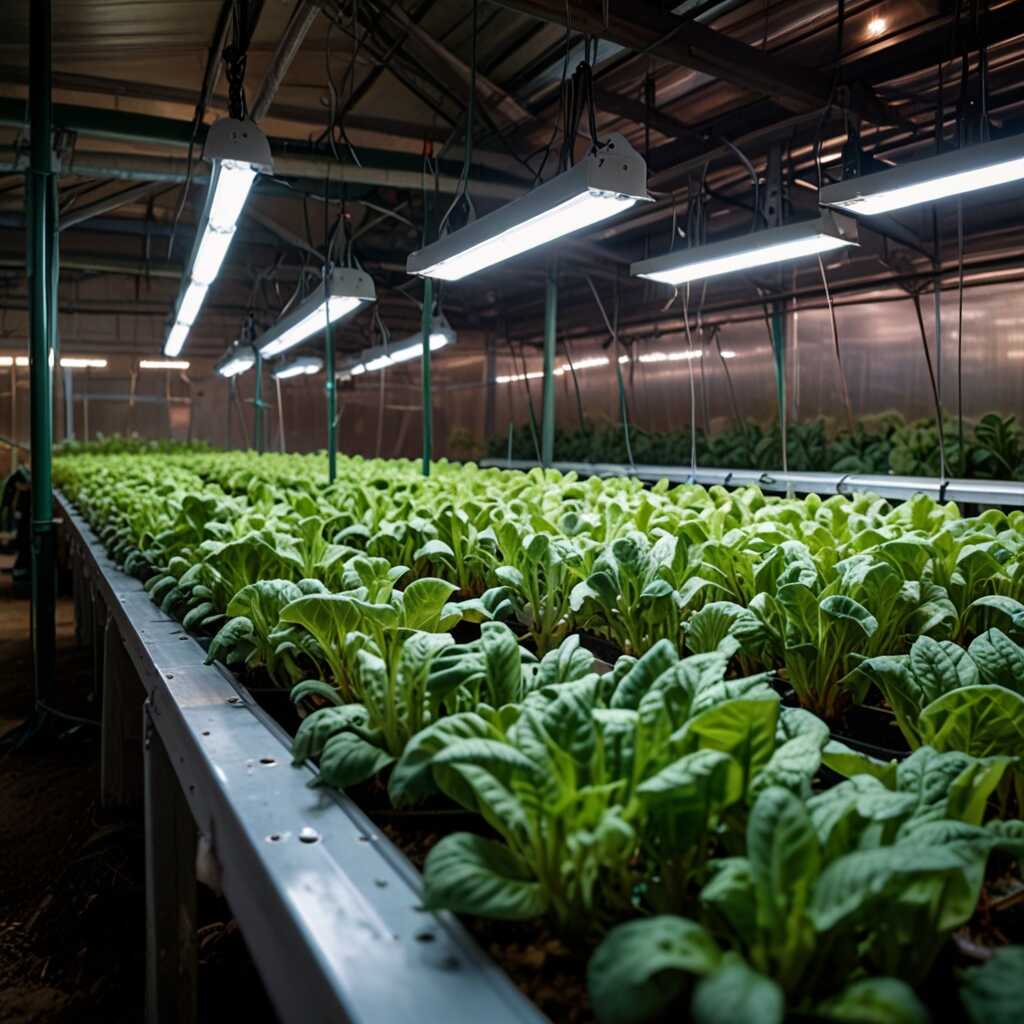
Intercanopy lighting refers to the strategic placement of LED fixtures within plant canopies rather than solely above them, creating a multi-level lighting approach that mimics natural forest light conditions. The system works by positioning compact, low-heat LED fixtures between plant layers, typically at heights ranging from 2 to 6 feet above the growing medium depending on crop type. These fixtures supplement overhead lighting by delivering photons directly to middle and lower plant sections that would otherwise remain in shadow. The technology enables photosynthesis throughout the entire plant structure rather than limiting it to upper leaves, which significantly improves overall plant productivity and health.
When Should Commercial Growers Implement Intercanopy Lighting?
Commercial growers should consider implementing intercanopy lighting when growing tall plants exceeding 4 feet in height, dense crops with significant leaf overlap, or when maximizing production in limited greenhouse space. The timing for installation depends on crop selection and growth patterns, with vine crops like tomatoes and cucumbers benefiting most during their vegetative growth phase before extensive canopy development. Growers typically install these systems before plants reach full maturity to avoid disturbing established root systems and growth patterns. The approach works best in controlled environments where precise light management directly correlates with improved yields and crop quality.
Criteria for Choosing Suitable Light Fixtures for Dense Planter Systems
When selecting light fixtures for dense planting systems in greenhouses, consider light intensity measured in micromoles per square meter per second (µmol/m²/s), energy efficiency ratings, and fixture durability. High-quality LED lights typically produce less heat while maintaining optimal photon output, ensuring better energy performance while supporting plant health. Compare different fixtures based on their photosynthetic photon flux density (PPFD) specifications, focusing on units that deliver between 200-600 µmol/m²/s for most commercial crops. Evaluate manufacturer specifications, third-party testing results, and user reviews for insights on reliability and coverage patterns, helping guide decisions toward fixtures that enhance both growth and operational efficiency.
Essential Features of Effective Greenhouse Light Fixtures
Effective greenhouse light fixtures should include adjustable intensity settings, full-spectrum output capabilities, and robust construction suitable for high-humidity environments. Full-spectrum lights closely replicate natural sunlight characteristics, providing wavelengths plants require throughout their complete growth cycles. For dense planting systems, select fixtures that deliver consistent PPFD readings across their coverage area while maintaining operational lifespans exceeding 50,000 hours. Look for models with dimming capabilities and spectral control features that allow customization based on specific crop requirements and growth stages, ensuring optimal plant response while minimizing energy consumption.
What Are the Limitations and Challenges of Intercanopy Lighting?
Intercanopy lighting systems face several important limitations that growers must consider before implementation. Initial installation costs can be substantial, particularly for larger greenhouse operations requiring extensive fixture networks and electrical infrastructure upgrades. Maintenance access becomes more challenging when fixtures are positioned within plant canopies, requiring careful planning for bulb replacement and cleaning procedures. Heat management requires attention even with LED technology, as multiple fixtures within confined spaces can create localized temperature increases that may stress plants. Additionally, the systems work best with specific crop types and may not provide meaningful benefits for all plant varieties or growing methods.
Common Implementation Mistakes to Avoid
Common mistakes include installing fixtures too close to plants, which can cause light burn and heat stress, or positioning lights inconsistently, creating uneven growth patterns throughout the crop. Many growers underestimate electrical requirements, leading to inadequate power supply and frequent circuit overloads. Insufficient consideration of plant growth patterns often results in fixtures becoming obstructed as plants mature, reducing system effectiveness. Avoiding these issues requires proper planning, consultation with lighting specialists, and gradual implementation that allows for adjustments based on plant response and operational experience.
Key Considerations for Intercanopy Lighting Success
- Enhanced plant health through improved light distribution to lower canopy areas.
- Intercanopy systems enable more efficient use of greenhouse growing space.
- Uniform growth patterns across all plant layers in dense crop arrangements.
- Nutrient absorption improves as plants receive balanced light distribution throughout their structure.
- Reduced light competition among plants enables higher planting densities.
- Growers can optimize vertical space utilization with proper fixture placement.
- Enhanced crop quality through consistent lighting conditions for all plant areas.
Best Practices for Light Placement in High-Density Plantings
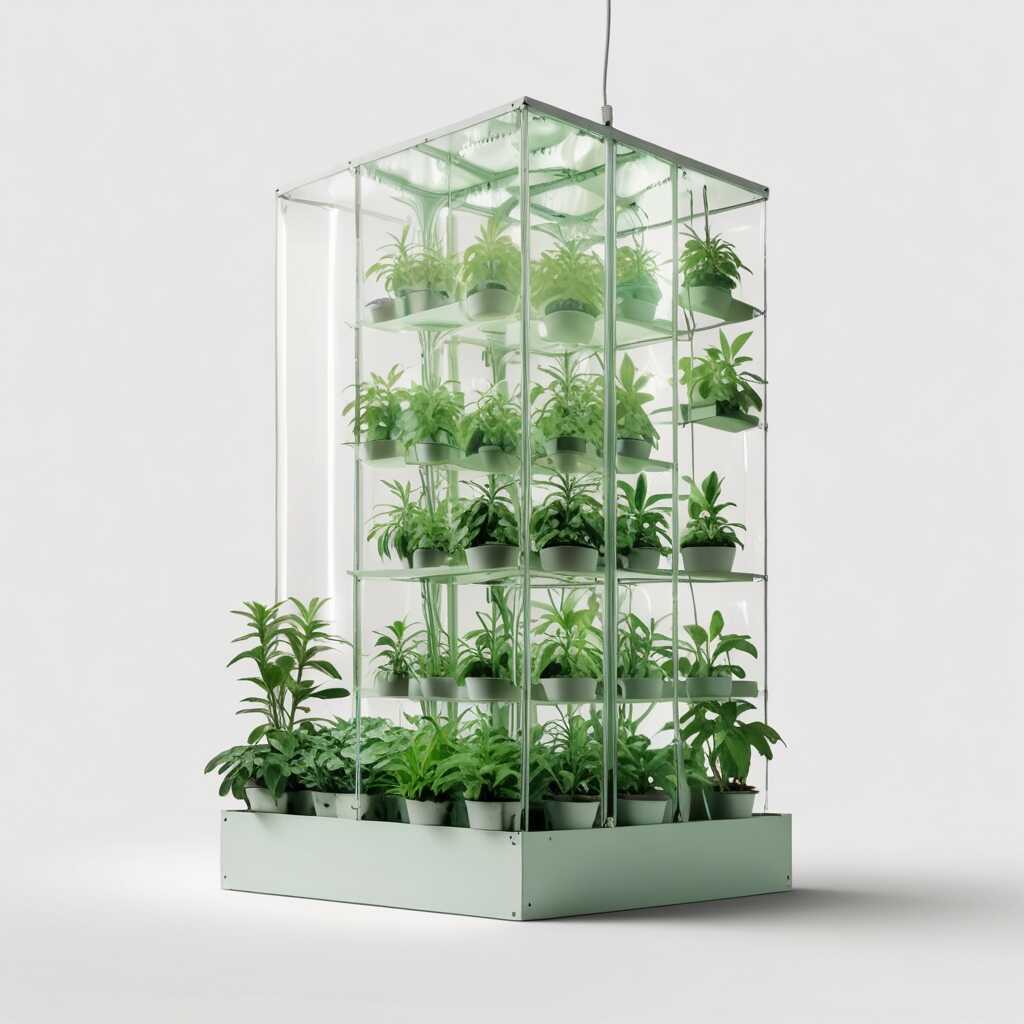
Positioning lights correctly requires understanding plant architecture and growth patterns to ensure optimal light distribution without interfering with maintenance activities. For high-density plant arrangements, consider using adjustable LED grow lights that can accommodate changing plant heights throughout the growing season. Stagger fixture placement to minimize shadowing effects while ensuring each fixture covers appropriate areas without overlap that wastes energy. Group plants with similar light requirements together to optimize system efficiency and simplify control management. Regular monitoring using light meters helps verify that placement decisions deliver intended results and identify areas requiring adjustment.
Understanding Light Distribution in Dense Plantings
Light distribution in dense plantings depends on fixture positioning, plant architecture, and canopy density throughout the growing cycle. Even light spread ensures all plants benefit equally from supplemental illumination while avoiding energy waste from excessive overlap. Use fixtures that provide full-spectrum output at appropriate distances, typically maintaining 12-18 inches from plant surfaces to prevent heat damage while ensuring adequate light penetration through leaf layers. Monitor plant response through regular observation and light measurements, adjusting fixture height and intensity based on growth patterns and seasonal changes in natural light availability.
Importance of Light Spectrums in Promoting Plant Development
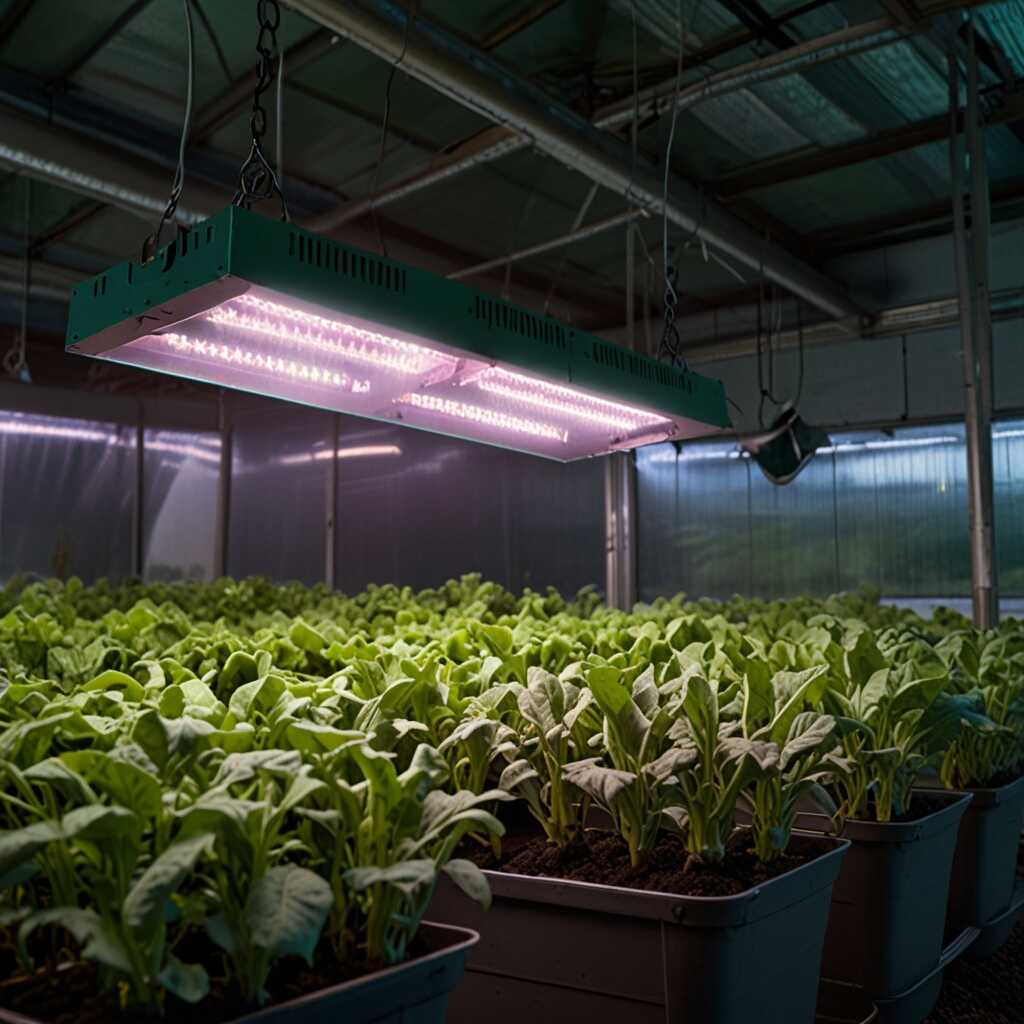
Different light spectrums serve essential functions in plant growth and development phases, with each wavelength contributing to specific physiological processes. Plants require particular wavelengths for different growth stages, with blue light (400-500 nm) promoting vegetative development by strengthening stems and encouraging leaf production. Red light (620-700 nm) becomes crucial during flowering and fruiting phases, triggering reproductive processes and enhancing fruit development. Research demonstrates that combining red and blue wavelengths often produces optimal results, while full spectrum light supports growth throughout all developmental stages by providing the complete range of wavelengths plants utilize in natural conditions.
How Do Different Wavelengths Affect Plant Growth Stages?
Different wavelengths affect plant growth stages by triggering specific photoreceptors that control various developmental processes throughout the plant lifecycle. Blue light stimulates chlorophyll production and photosynthesis while promoting compact, sturdy growth characteristics ideal for vegetative development. The recommended range for blue light typically falls between 400 and 500 nanometers for most commercial crops. Red light supports flowering and fruiting processes, primarily effective between 620 to 700 nanometers, enabling successful bloom initiation and fruit maturation. Specific plant species may require adjustments in these wavelength ratios based on their genetic characteristics and intended harvest timing, making spectrum customization an important consideration for commercial success.
Integrating Smart Technology for Effective Light Control
Smart technology integration significantly enhances intercanopy lighting system performance through automated controls and real-time monitoring capabilities. Benefits include improved energy efficiency through automated dimming based on natural light levels, reducing operational costs while maintaining optimal growing conditions. Smart sensors continuously monitor environmental conditions and adjust artificial lighting accordingly, ensuring crops receive appropriate light levels throughout daily and seasonal cycles. Programmable timers enable precise control over photoperiods, supporting specific crop requirements while minimizing energy waste during unnecessary periods. These automation features simplify greenhouse management while providing data for optimizing lighting strategies based on actual plant performance and environmental conditions.
How Do Smart Controls Optimize Energy Use?
Smart controls optimize energy use by continuously monitoring natural light levels and adjusting artificial lighting output to maintain consistent growing conditions without waste. Light sensors measure photosynthetic photon flux density in real-time, automatically dimming or brightening fixtures based on cloud cover, time of day, and seasonal variations. Programmable timers coordinate lighting schedules with plant photoperiod requirements while avoiding unnecessary operation during periods of adequate natural light. These automated systems typically reduce energy consumption compared to manual controls by preventing over-illumination and ensuring lights operate only when beneficial for plant growth, resulting in both cost savings and improved environmental sustainability.
Financial Considerations for Setting Up Intercanopy Lighting Systems
Investing in intercanopy lighting systems involves initial installation costs that typically range from $2 to $8 per square foot depending on fixture quality, electrical requirements, and system complexity. Commercial growers should evaluate options based on lighting efficiency, fixture longevity, and expected yield improvements when calculating return on investment timelines. Factors such as local energy rates, crop market prices, and target yield increases guide financial decision-making for lighting investments. Over time, growers often experience reduced energy costs per unit of production with efficient LED intercanopy lighting compared to traditional overhead-only systems, though payback periods vary based on crop selection and market conditions.
Analyzing Return on Investment from Intercanopy Lighting
Determining return on investment requires evaluating both upfront costs and long-term benefits including increased yields, improved crop quality, and operational efficiency gains. Growers should consider installation expenses as investments that typically pay back through enhanced productivity within 2-4 years depending on crop selection and market conditions. Reliable operations often show productivity improvements that justify the initial investment, particularly for high-value crops in controlled environments. Additionally, reduced energy consumption per pound of produce provides ongoing operational savings, while improved crop consistency and quality can command premium market prices that accelerate payback timelines for well-designed systems.
What Are Alternatives to Intercanopy Lighting Systems?
Several alternatives to intercanopy lighting exist for improving light distribution in dense plantings, each with distinct advantages and limitations. Reflective materials and light-colored surfaces can redirect existing light to lower plant areas, though effectiveness depends on fixture placement and greenhouse design. High-intensity overhead lighting systems provide increased photon output but may create excessive heat and uneven distribution in tall crops. Plant training techniques such as pruning, trellising, and canopy management can improve natural light penetration, though these methods require additional labor and may limit yield potential. Greenhouse design modifications including increased ridge height and improved glazing materials enhance natural light distribution but involve significant structural investments.
Comparing Intercanopy Lighting to Traditional Overhead Systems
Intercanopy lighting differs from traditional overhead systems by providing targeted illumination where plants need it most, rather than relying solely on top-down light distribution. While overhead systems work well for shorter crops and open canopies, they often fail to adequately illuminate lower plant areas in dense or tall plantings. Intercanopy systems use less total wattage while delivering more effective light to previously shaded areas, though they require more complex installation and maintenance procedures. Traditional overhead lighting remains simpler to install and maintain, making it suitable for many applications, while intercanopy systems excel in specialized growing situations where maximizing yield per square foot justifies the additional complexity and cost.
Factors Influencing Lighting System Selection
- Crop type and growth characteristics determine optimal lighting approaches.
- Greenhouse height and structural design affect fixture placement options.
- Available budget influences system complexity and fixture quality choices.
- Labor availability for maintenance impacts system selection decisions.
- Energy costs in the region affect long-term operational considerations.
- Target yield goals guide investment levels in lighting technology.
- Market prices for produce influence return on investment calculations.
Case Studies Showcasing Successful Intercanopy Lighting Implementations
Various commercial growers have achieved notable results using intercanopy lighting systems across different crop types and growing conditions. A tomato operation in California reported improved yield consistency after installing LED intercanopy fixtures, which provided better light distribution throughout tall vine crops. Meanwhile, a lettuce production facility in controlled environment agriculture successfully utilized these systems to increase planting density while maintaining crop quality. Greenhouse operations in northern climates have found intercanopy lighting particularly valuable during low-light winter months, helping maintain production schedules that would otherwise require seasonal adjustments. These implementations demonstrate the versatility of intercanopy lighting across various growing scenarios and climate conditions.
Key Insights from Commercial Grower Experiences
Commercial growers using intercanopy lighting systems consistently emphasize the importance of proper planning and gradual implementation for achieving optimal results. Many successful operations started with small test areas to understand plant response and system requirements before expanding to full production areas. Growers often highlight the value of working with experienced lighting consultants who understand both horticultural requirements and electrical systems. Regular monitoring and adjustment of light intensity and positioning prove essential for maximizing benefits while avoiding potential issues such as heat stress or uneven growth patterns. These experiences underscore that intercanopy lighting success depends as much on proper implementation and management as on equipment selection and initial investment decisions.