Green Writer is reader-supported: some links on this page are affiliate links, and as an Amazon Associate Green Writer earns from qualifying purchases at no extra cost to you. Learn more.
Seed germination is the process where dormant seeds sprout into seedlings, typically taking 5-14 days under optimal conditions. Faster germination requires maintaining 70-85% humidity and providing 12-16 hours of full spectrum lighting daily. Essential tools include humidity domes, hygrometers, and LED grow lights, with basic setups ranging from $30-150 for home gardeners.
Exploring the Crucial Role of Humidity in Seed Growth
Humidity directly controls seed germination by activating dormant enzymes within seeds that trigger sprouting. Seeds require specific moisture levels between 70-85% to break dormancy effectively, as this range allows proper water absorption without causing rot. Too little humidity causes seeds to remain dormant or dry out completely, while excessive moisture above 90% promotes fungal growth and seed decay. Effective humidity control techniques include using humidity domes, regular misting every 6-8 hours, and placing water trays near seedlings to maintain consistent moisture levels around growing seeds.
Maintaining Optimal Humidity Levels for Different Seed Types
Different seed varieties require specific humidity ranges for successful germination outcomes. Vegetable seeds like tomatoes and peppers thrive with 75-80% humidity during their 7-10 day germination period, while herb seeds such as basil and oregano prefer slightly lower levels around 65-75% to prevent damping-off disease. Large seeds like beans benefit from consistent 70-75% humidity, whereas tiny seeds like lettuce need higher moisture at 80-85% due to their limited energy reserves. Seedling heat mats provide consistent warmth between 70-80°F, which works together with proper humidity to accelerate germination by 20-30% compared to room temperature conditions.
Understanding Spectrum Lighting and Its Effect on Plant Development
Spectrum lighting refers to specific wavelengths of light that plants use for photosynthesis and growth, measured in nanometers from 400-700nm for optimal plant development. Blue light wavelengths (400-500nm) promote chlorophyll production and compact, sturdy seedling growth, while red light (600-700nm) stimulates root development and flowering processes. Full spectrum lighting combines both blue and red wavelengths along with green and yellow light, mimicking natural sunlight to support all growth stages from germination through maturity. Seeds exposed to proper spectrum lighting typically germinate 25-40% faster than those grown under standard fluorescent bulbs, with stronger root systems and more robust early growth.
Selecting Effective Spectrum Lighting for Faster Seed Sprouting
Choosing appropriate spectrum lighting involves matching light wavelengths to specific germination needs and growth goals. LED grow lights that provide full spectrum coverage deliver optimal results for seed starting, combining 6500K blue light for vegetative growth with 3000K red light for root development. Quality full spectrum LEDs typically cost $50-200 depending on coverage area, with energy consumption around 30-50 watts for a 2×2 foot growing space. Research demonstrates that seeds under full spectrum lighting develop 30% stronger stems and 40% more extensive root systems compared to single-wavelength alternatives, leading to healthier transplants and higher survival rates.
Creating an Ideal Indoor Germination Environment
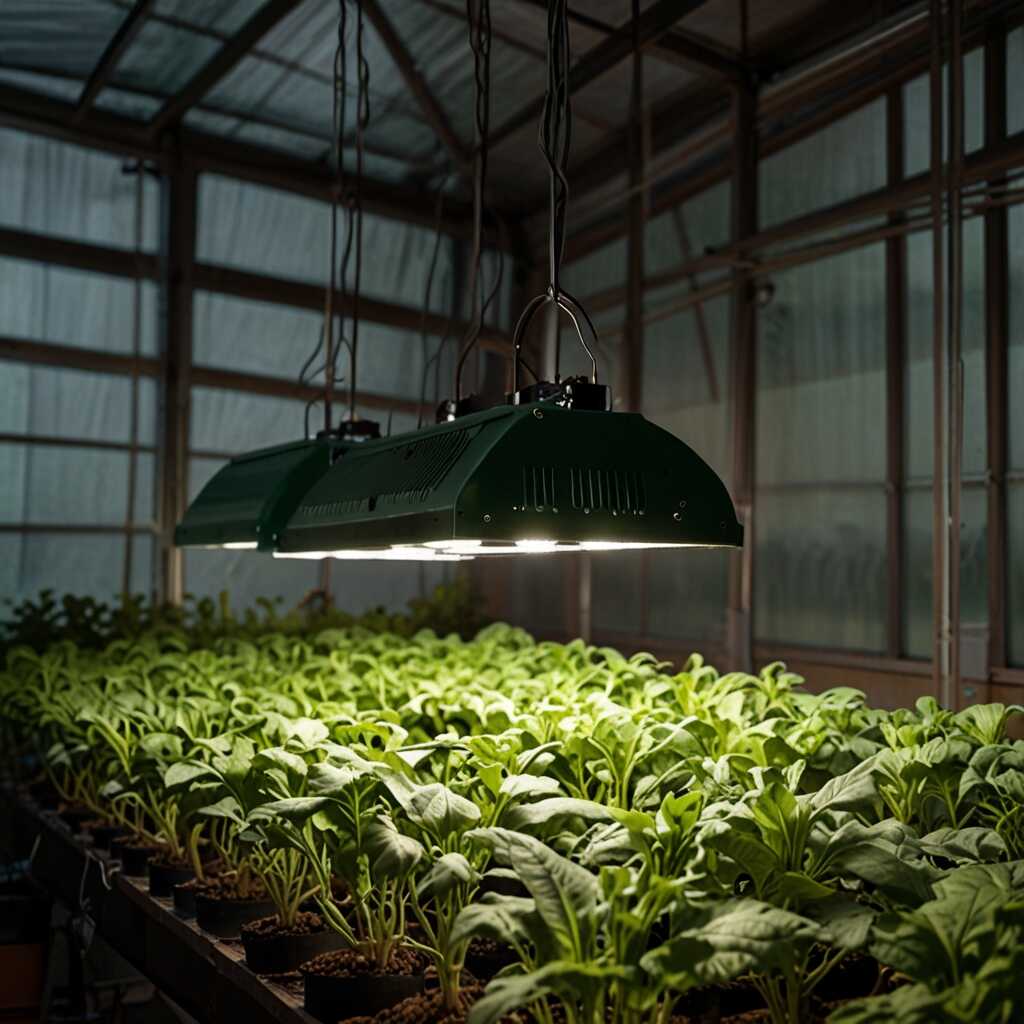
An ideal indoor germination environment maintains temperature between 68-75°F (20-24°C), humidity at 70-85%, and provides 12-16 hours of quality lighting daily. Essential equipment includes a digital hygrometer for monitoring humidity ($10-25), adjustable LED grow lights ($40-150), and humidity domes or plastic covers to maintain moisture ($5-20 per tray). Proper air circulation prevents mold growth while maintaining humidity, achieved through small fans or periodic dome removal for 15-30 minutes daily. Seeds typically require 5-14 days to germinate under these conditions, with faster sprouting occurring when all environmental factors work together consistently.
Utilizing Humidity Domes for Enhanced Germination Success
Humidity domes create controlled microclimates that maintain optimal moisture levels around germinating seeds without requiring constant attention. These transparent covers trap moisture from soil and create greenhouse effects that raise humidity 40-60% above ambient room levels, essential for consistent germination rates. Position domes over seed trays immediately after planting, monitor condensation levels daily, and remove covers once seedlings reach 1-2 inches tall to prevent stretching and mold issues. Quality humidity domes with ventilation ports allow gradual moisture adjustment and typically cost $8-25 depending on tray size and durability features.
Key Benefits of Optimized Germination Conditions
- Optimal humidity levels between 70-85% increase sprouting rates by 40-60% compared to uncontrolled conditions.
- LED grow lights reduce germination time by 25-35% while using 80% less energy than traditional fluorescent systems.
- Seeds typically complete germination within 5-14 days under controlled temperature and lighting conditions.
- Full spectrum lighting provides wavelengths between 400-700nm, essential for triggering natural germination processes.
- Humidity domes can increase local moisture levels by 50-70% within enclosed growing spaces.
- Consistent 12-16 hour light cycles signal seeds to begin active growth and energy production.
- Proper environmental control reduces seedling mortality by 60-80% compared to ambient room conditions.
Avoiding Common Germination Mistakes for Better Success
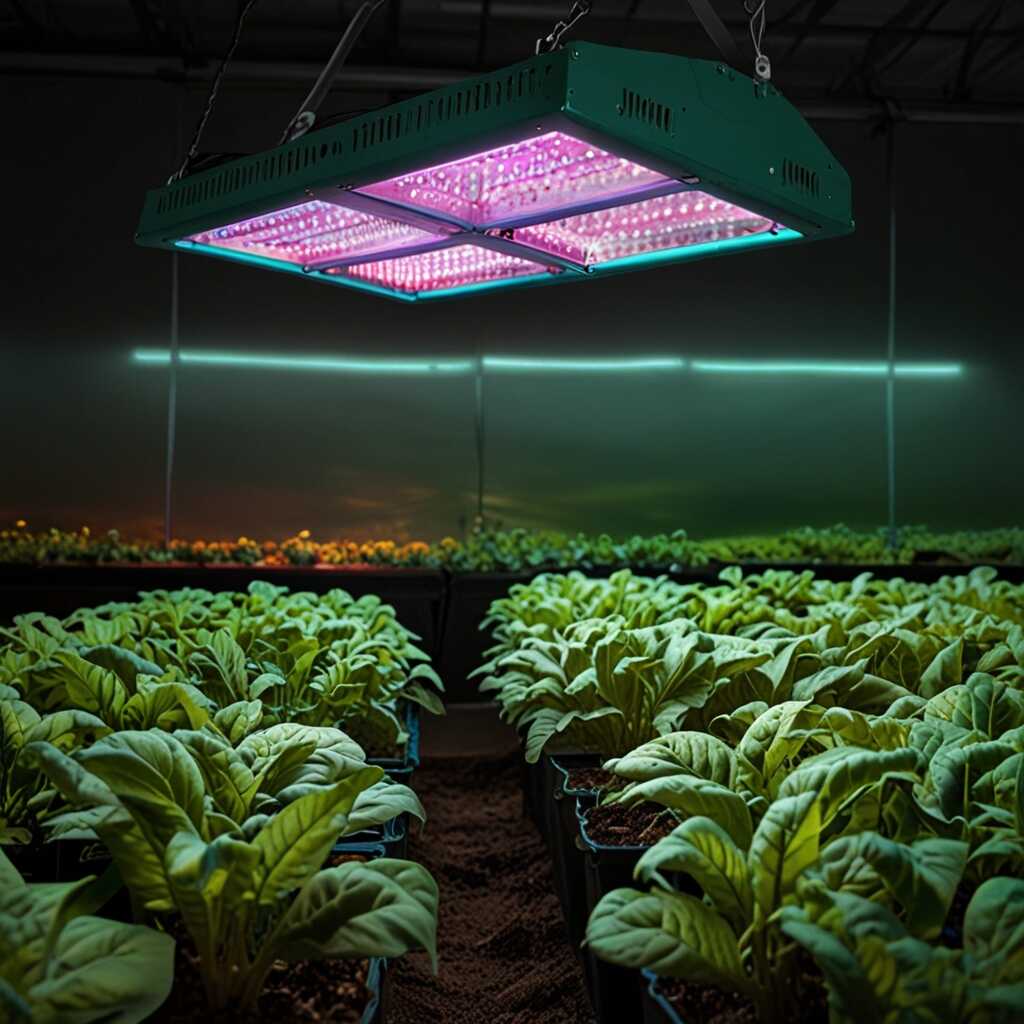
Common germination failures include inconsistent humidity (either too dry below 50% or too wet above 90%), inadequate lighting duration under 10 hours daily, and incorrect temperature ranges outside 65-80°F. Overwatering seeds causes rot and fungal issues, while underwatering leads to dormancy or death, making consistent moisture monitoring essential for success. Poor lighting placement, such as positioning LED grow lights more than 6 inches above seeds, reduces light intensity below effective levels and causes weak, stretched seedlings. Temperature fluctuations greater than 10°F daily stress developing seeds and significantly slow germination rates, requiring stable environmental control for optimal results.
Essential Steps for Optimizing Seed Germination Timing
Successful seed germination requires monitoring multiple environmental factors simultaneously using reliable measurement tools and consistent daily routines. Use digital thermometers and hygrometers to track temperature and humidity every 12 hours, adjusting heat mats or humidity domes as needed to maintain target ranges. Establish lighting schedules using timers to provide exactly 14-16 hours of illumination for most vegetables and herbs, positioning lights 2-4 inches above seed trays for optimal intensity. Most seeds show initial sprouting within 3-7 days under proper conditions, with full germination completing by day 10-14 depending on seed size and variety requirements.
Essential Tools and Equipment for Effective Humidity Management
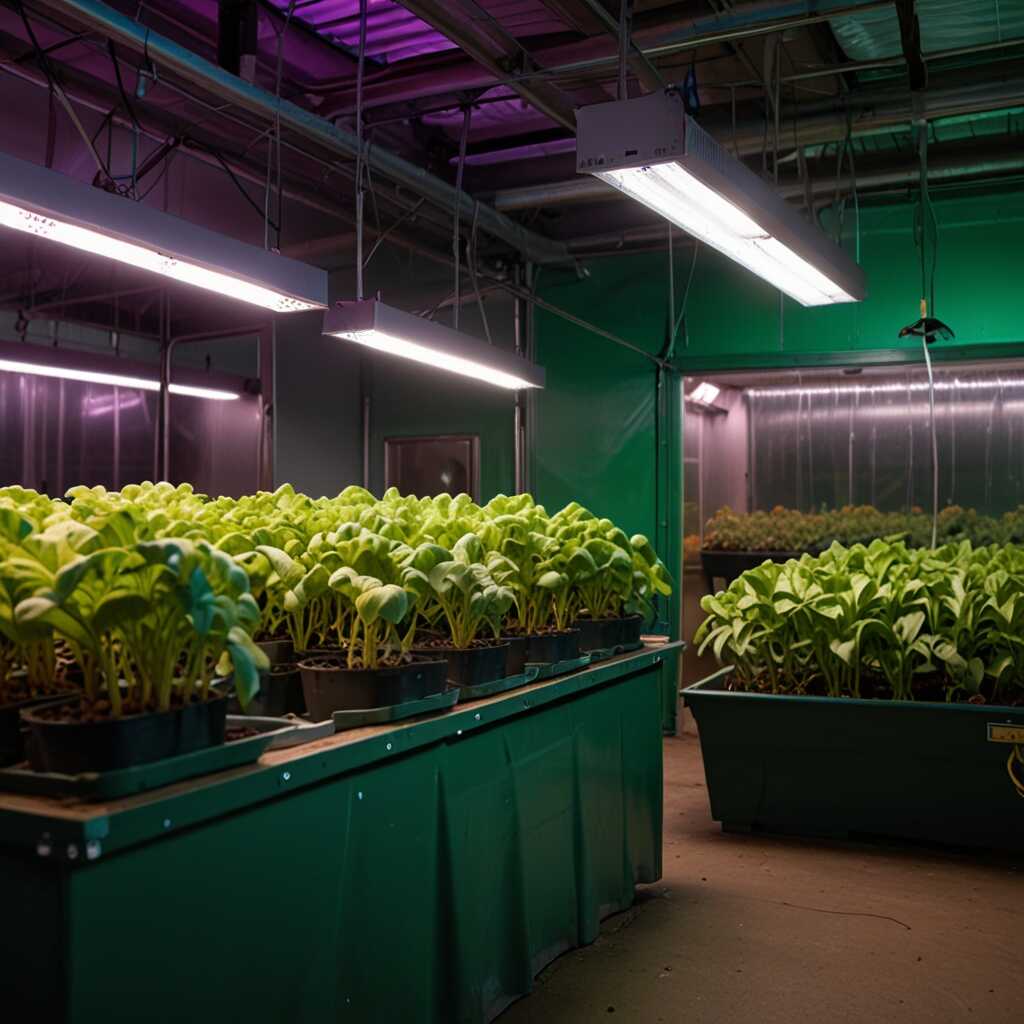
Professional humidity management requires accurate monitoring equipment and reliable moisture control systems designed specifically for seed starting applications. Digital hygrometers provide precise humidity readings within 2-3% accuracy and typically cost $15-40 for quality models suitable for growing applications. Humidity domes create controlled environments that maintain consistent moisture levels, available in various sizes from single cell trays ($8-15) to large commercial systems ($50-200) depending on growing scale and features. Additional tools include ultrasonic humidifiers for larger spaces ($30-80), misting bottles for manual control ($5-15), and water-filled trays for passive humidity increase in smaller setups.
Selecting the Best Monitoring Equipment for Indoor Growing
When choosing monitoring equipment for indoor seed germination, prioritize accuracy, reliability, and ease of reading for consistent environmental control. Digital hygrometers with temperature displays provide comprehensive environmental data in single units, with best models featuring 1-2% humidity accuracy and response times under 10 seconds. Look for devices with minimum/maximum memory functions to track daily fluctuations, data logging capabilities for trend analysis, and calibration features to maintain long-term accuracy. Quality monitoring equipment typically ranges $20-60 for home growing applications, with professional-grade systems costing $100-300 for commercial operations requiring precise environmental control.
Equipment Investment Guide for Seed Starting
- Basic seed starting setup costs $50-150 including trays, domes, heat mat, and basic lighting equipment.
- Quality LED grow lights provide 50,000+ hour lifespan with 80% energy savings over fluorescent alternatives.
- Digital monitoring equipment ensures humidity accuracy within 2-3% for consistent germination success rates.
- Humidity domes maintain 70-90% moisture levels with minimal daily maintenance requirements for busy gardeners.
- Professional-grade equipment delivers 90-95% germination success rates compared to 60-70% with basic setups.
- Energy-efficient systems reduce operating costs by 60-80% compared to traditional fluorescent growing setups.
- Proper equipment setup provides 5-10 year service life with minimal replacement needs for serious growers.
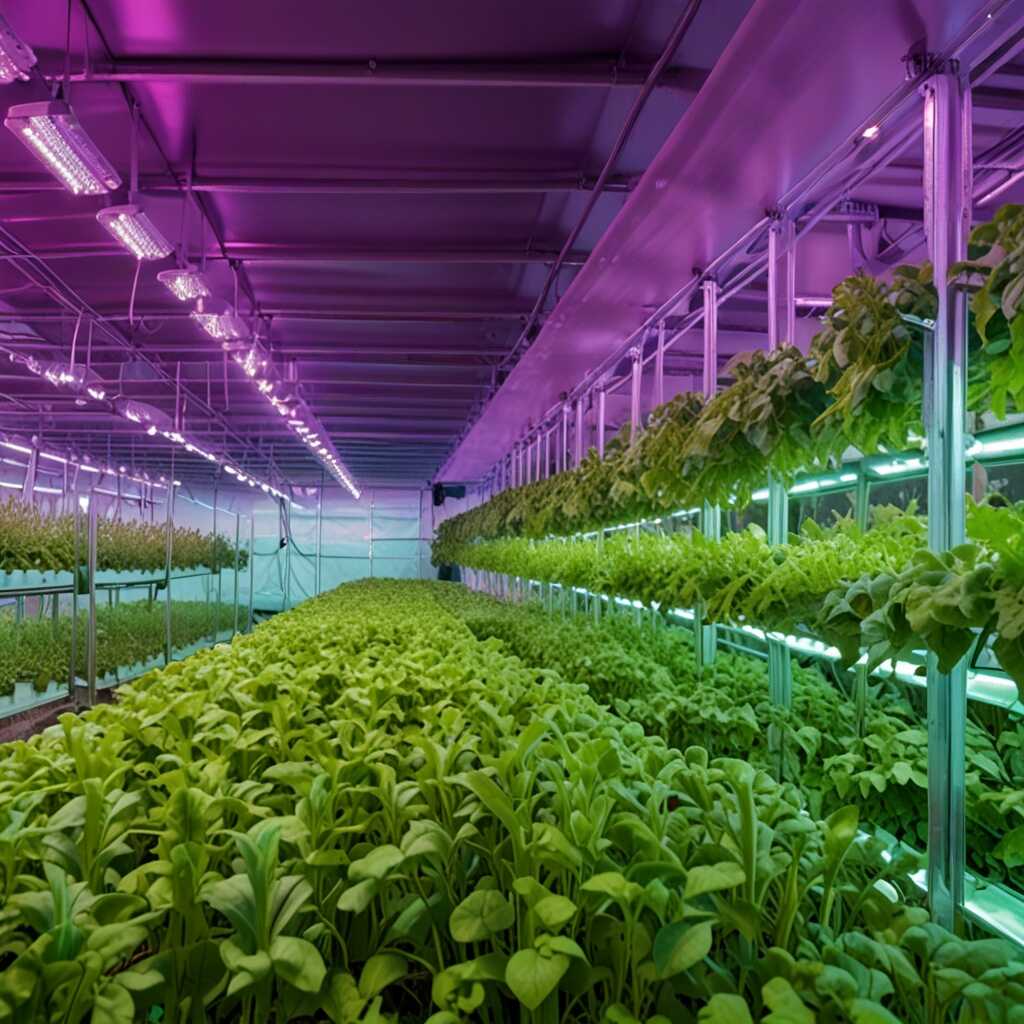
The Advantages of Using LED Grow Lights for Seed Starting
LED grow lights provide numerous advantages for indoor seed germination including 80% energy savings, precise spectrum control, and minimal heat production that won’t damage delicate seedlings. Quality LEDs produce specific wavelengths needed for germination while consuming only 25-50 watts compared to 100-150 watts for equivalent fluorescent systems, reducing electricity costs significantly. Modern LED technology allows spectrum adjustment from blue-heavy vegetative settings to red-heavy flowering configurations, supporting plants from germination through maturity. Professional-grade LED systems typically last 50,000+ hours with consistent light output, providing 10-15 years of reliable service compared to 2-3 years for fluorescent alternatives.
Choosing Optimal Light Spectrums for Different Growth Stages
Selecting appropriate light spectrums involves matching wavelength combinations to specific plant development needs throughout the growing cycle. Blue spectrum lights promote compact, sturdy growth during germination and early seedling development, while red wavelengths stimulate root formation and prepare plants for transplanting. Full spectrum LEDs combining 6500K blue, 3000K red, and balanced green wavelengths provide comprehensive support for all growth phases from seed to harvest. Research indicates that balanced spectrum lighting increases germination rates 25-40% while producing seedlings with 30% stronger stems and 50% more developed root systems compared to single-wavelength alternatives.
Determining Optimal Light Duration for Maximum Germination Success
Light duration requirements vary significantly among different seed types, with most vegetables and herbs requiring 14-16 hours of daily illumination for optimal germination and early growth. Short-day plants like beans and peas germinate effectively with 12-14 hours of light, while long-day varieties such as lettuce and spinach benefit from 16-18 hours of consistent illumination. Light timing affects circadian rhythms in developing seeds, with consistent daily schedules producing 20-30% faster germination compared to irregular lighting patterns. Programmable LED timers ensure consistent light exposure and typically cost $15-40 for reliable units suitable for growing applications.
Adjusting Light Schedules for Specific Plant Varieties
Different plant families require customized lighting schedules based on their natural growing patterns and energy requirements during germination. Warm-season crops like tomatoes and peppers thrive with 15-16 hours of light daily at temperatures between 75-80°F for optimal 7-10 day germination periods. Cool-season vegetables including kale, spinach, and lettuce prefer 14-15 hours of illumination with slightly cooler 65-70°F temperatures during their 5-8 day sprouting phase. Monitoring light duration using digital timers ensures consistent daily exposure, with automatic systems providing reliability that manual switching cannot match for serious growing operations.
Target Groups for Efficient Seed Germination Systems
- Home gardeners seeking reliable methods to start vegetable and herb gardens indoors year-round.
- Urban farming enthusiasts requiring space-efficient growing techniques for apartment and small-space gardening.
- Eco-conscious consumers prioritizing energy-efficient equipment that reduces environmental impact and operating costs.
- Beginning gardeners needing clear guidance and foolproof systems for successful seed starting experiences.
- Hydroponic growers requiring precise environmental control for soilless growing systems and nutrient solutions.
- Educational programs and schools incorporating hands-on growing experiences into science and environmental curricula.
- Gardening hobbyists experimenting with heirloom varieties and specialty crops requiring specific germination conditions.
Key Practices for Ensuring Successful Indoor Seed Germination
Successful indoor seed germination depends on maintaining consistent environmental conditions including 70-85% humidity, 68-75°F temperature, and 14-16 hours of quality lighting daily. Monitor conditions using digital hygrometers and thermometers, adjusting humidity domes and heat mats as needed to prevent fluctuations that stress developing seeds. Quality full-spectrum LED lights positioned 2-4 inches above seed trays provide optimal light intensity without generating excessive heat that can damage delicate seedlings. Most seeds germinate within 5-14 days under proper conditions, with faster sprouting occurring when temperature, humidity, and lighting work together consistently throughout the germination period.
Essential Lighting Techniques for Maximum Germination Success
Full-spectrum LED grow lights provide optimal lighting for seed germination by delivering complete wavelength coverage from 400-700nm essential for triggering natural sprouting processes. Position lights 2-4 inches above seedlings to provide adequate intensity while preventing stretching, adjusting height as plants grow to maintain consistent coverage. Establish 14-16 hour daily light cycles using programmable timers, ensuring seeds receive consistent energy for cellular development and chlorophyll production. Different varieties respond to specific lighting approaches, with leafy greens thriving under blue-heavy spectrums while root vegetables benefit from balanced red-blue combinations for comprehensive development support.