
LED grow lights are specialized light-emitting diode fixtures that provide plants with essential wavelengths for photosynthesis, enabling year-round leafy green cultivation in greenhouse environments. These energy-efficient lighting systems deliver targeted blue and red light spectrums, resulting in faster growth rates and higher yields compared to traditional fluorescent or incandescent lighting solutions.
What Are LED Grow Lights and How Do They Work?
LED grow lights are electronic devices that emit specific wavelengths of light designed to support plant photosynthesis and growth. These lighting systems work by converting electrical energy into photons within the photosynthetically active radiation range of 400-700 nanometers. Unlike traditional grow lights, LEDs produce minimal heat while delivering concentrated light energy directly to plant canopies. The technology allows growers to customize light spectrums for different growth phases, with blue light promoting vegetative development and red light encouraging flowering and fruiting processes.
How LED Technology Benefits Leafy Green Production
The primary benefits of LED grow lights for leafy greens include accelerated growth rates, improved energy efficiency, and extended growing seasons. Quality LED grow lights can last over 50,000 hours, providing farmers with long-term usage without frequent replacements. These systems typically consume 40-60% less electricity than high-pressure sodium lights while producing equivalent or superior plant growth results. Additionally, LEDs generate less heat, reducing cooling costs and preventing leaf burn in sensitive crops like lettuce, spinach, and kale.
Benefits of Using LED Grow Lights for Leafy Greens
LED grow lights provide numerous advantages for growing leafy greens in greenhouses. They enhance growth rates significantly and improve overall plant health. The full spectrum of light emitted by these bulbs mimics natural sunlight, ensuring that plants receive essential wavelengths for photosynthesis. This results in more vibrant greens and a higher yield. LED grow lights are also energy-efficient, which helps lower electricity costs while providing consistent lighting. Their durability ensures that they can handle long hours of operation, providing reliable lighting for leafy greens. Furthermore, quality LED grow lights can last over 50,000 hours, providing farmers with long-term usage without frequent replacements.
Key Features to Look for in LED Grow Lights
When selecting LED grow lights for leafy greens, focus on critical features such as adjustable spectrum output and energy-saving capabilities. Look for models that offer a balanced spectrum that includes both blue and red light, as blue light stimulates vegetative growth, while red light encourages flowering and fruiting. Additionally, consider the cooling systems built into the lights. Lights with efficient cooling features ensure the bulbs do not overheat, extending their lifespan. Reliable brands offer models that have a proven track record in greenhouse settings and can easily handle the specific light requirements of leafy greens. Checking product reviews and conducting research helps you find the best options tailored to your growing needs.
How Much Do LED Grow Lights Cost for Greenhouse Setup?
LED grow light costs vary significantly based on coverage area, wattage, and quality features. Entry-level LED panels suitable for small greenhouse sections typically range from $50 to $200, covering approximately 2-4 square feet of growing space. Mid-range commercial units designed for larger operations generally cost between $200 to $800, providing coverage for 10-20 square feet. High-end professional LED systems with advanced spectrum control and dimming capabilities can range from $800 to $2,500 or more. While initial investment costs are higher than traditional lighting, LED systems typically pay for themselves within 2-3 years through reduced electricity bills and longer replacement intervals.
Operating Costs and Energy Efficiency Comparison
LED grow lights consume substantially less electricity than traditional high-pressure sodium or metal halide systems. A typical 300-watt LED panel draws about $30-40 per month in electricity costs when operated 14 hours daily, compared to $60-80 for equivalent traditional lighting. The energy efficiency ratings of quality LED systems range from 2.5 to 3.0 micromoles per joule, significantly higher than fluorescent or HPS alternatives. Additionally, reduced heat output from LEDs decreases cooling costs, particularly important in enclosed greenhouse environments during warmer months.
Features Essential for Effective LED Grow Lights
Selecting the ideal LED grow lights requires understanding critical features. Look for energy efficiency ratings to ensure lower electricity bills and a reduced carbon footprint. Assess the light spectrum quality, as a full spectrum is essential for promoting photosynthesis in leafy greens. Durability and reliability are crucial; lights should have proven lifespans—average lifespan ranges often exceed 50,000 hours. Research manufacturer reviews to find brands recognized for quality and performance. These factors are important in choosing the best lights designed for your greenhouse needs.
Understanding Light Spectrum for Leafy Greens
Leafy greens thrive under specific light spectrum conditions. Ideally, look for LED grow lights that provide a full spectrum, which includes blue light (400-500nm) for vegetative growth and red light (600-700nm) for flowering. Research shows that leafy greens respond best to a balance of blue and red wavelengths. Many LED grow lights provide adjustments within these ranges, enhancing their effectiveness. Choose products that include UV light for an added boost in growth. By focusing on these specifications, you will find lights that maximize production and encourage healthier plants.
How to Install and Set Up LED Grow Lights
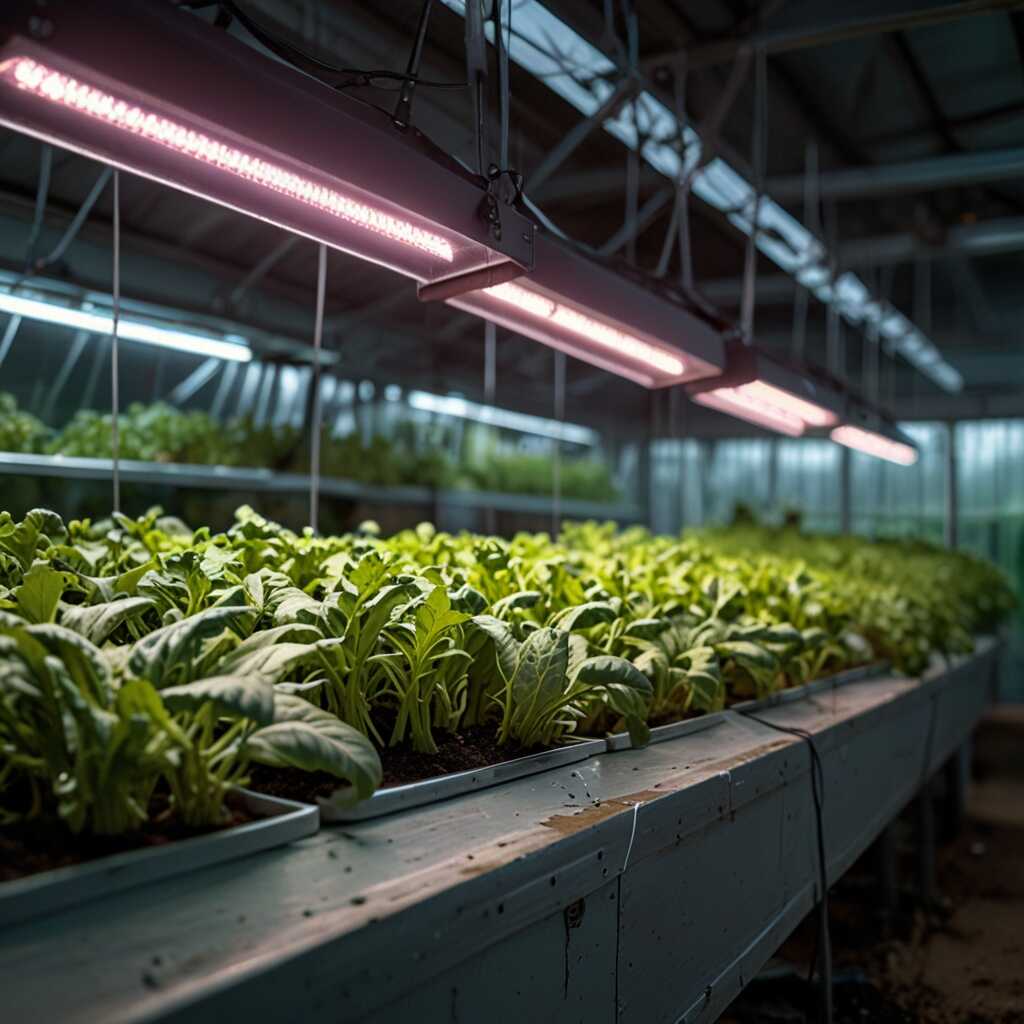
Installing LED grow lights in greenhouse environments requires careful planning of placement, height, and electrical connections. Begin by determining the coverage area needed and calculating the appropriate wattage density, typically 25-35 watts per square foot for leafy greens. Mount fixtures 12-24 inches above plant canopies, adjusting height as plants grow to maintain optimal light intensity. Ensure adequate ventilation around LED panels to prevent overheating, even though these systems generate minimal heat compared to traditional options. Connect lights to timer systems for consistent photoperiods, typically 14-16 hours daily for optimal leafy green development.
Safety Requirements and Electrical Considerations
LED grow light installation must comply with electrical safety standards, particularly in humid greenhouse environments. Use fixtures rated for damp or wet locations, typically with IP65 or higher ratings for moisture protection. Install ground fault circuit interrupter (GFCI) protection on all electrical circuits serving grow lights. Ensure proper wire gauge sizing based on total amperage draw, and avoid overloading electrical circuits. Many growers benefit from consulting qualified electricians for larger installations to ensure code compliance and safe operation. Understanding safety requirements helps ensure long-term reliability and prevents electrical hazards.
The Impact of LED Lights on Leafy Greens Growth Phases
LED grow lights significantly enhance the germination of leafy greens by providing the right light spectrum and intensity. During the germination stage, emphasizing blue light wavelengths promotes stronger seedling development. As leafy greens progress through their growth phases—seedling, vegetative, and maturity—these lights help tailor light exposure for optimal results. Research shows that maintaining consistent light exposure for approximately 12 to 16 hours daily maximizes growth and ensures plants remain robust and healthy.
Tailoring Light Exposure for Different Growth Phases
To achieve successful growth for leafy greens, adjusting light exposure according to their development stages is essential. During the early germination stage, a higher ratio of blue light for about 14 hours promotes better seedling vigor and root strength. As plants transition to the vegetative stage, providing a mix of blue and red light enhances photosynthesis, increasing growth rates. For the maturity phase, a balanced spectrum should be maintained for around 12 hours daily, ensuring optimal leaf expansion and nutrient density. This targeted approach ensures energy efficiency while achieving great results.
Fascinating Numbers Underpinning Plant Growth Illuminated by Innovating Lighting
- LED lights can last over 50,000 hours, much longer than other light sources.
- Wavelengths of 400-700nm significantly enhance leafy green development.
- Plants require about 12-16 hours of light each day for optimal growth.
- On average, LED grow lights consume up to 75% less energy than traditional bulbs.
- Leafy greens can grow 30% faster when using specific LED light spectrums.
- Properly used, these lights can reduce water usage by up to 50% in some setups.
- Growers report a 25% increase in yield size when using quality LED lights.
What Are the Limitations of LED Grow Lights?
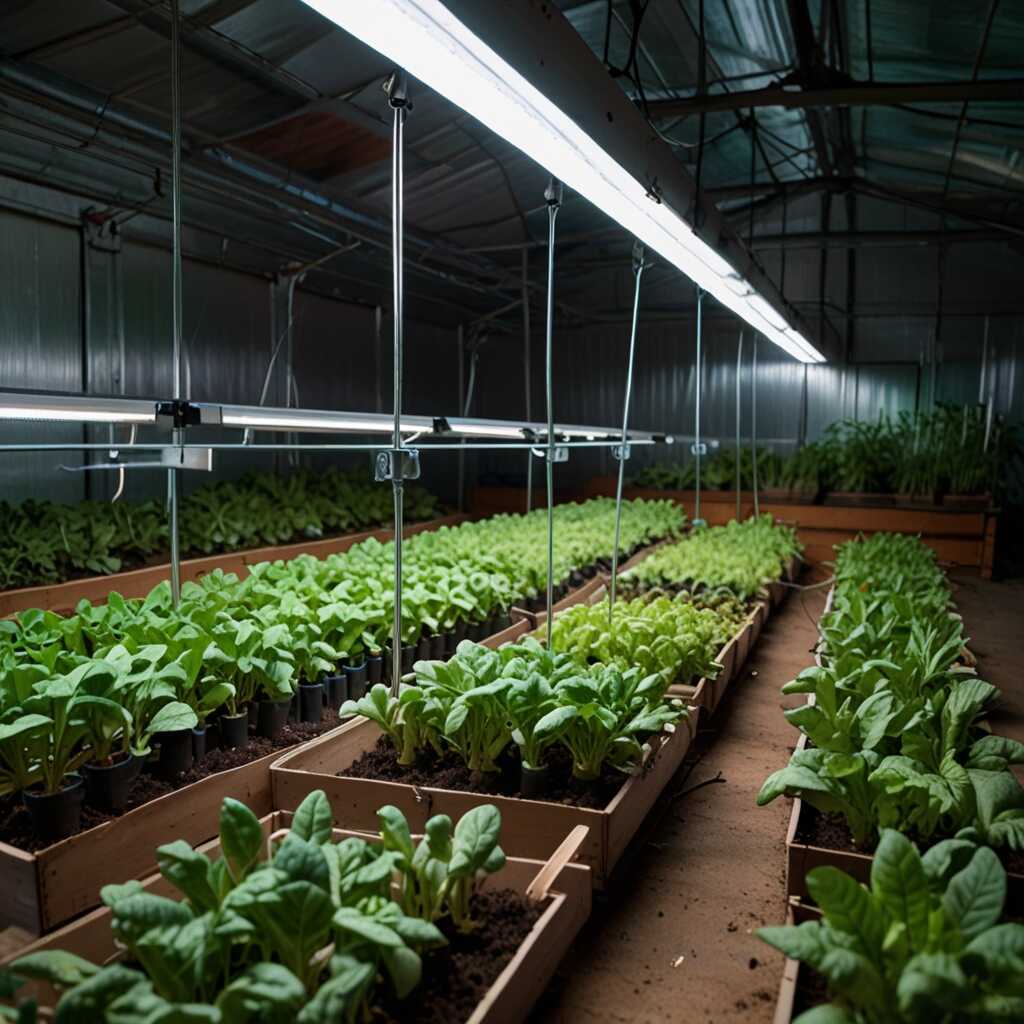
LED grow lights have several limitations that growers should consider before investing. The primary drawback is higher upfront costs compared to fluorescent or incandescent alternatives, with quality systems requiring significant initial investment. Some LED fixtures may produce uneven light distribution, creating hotspots or shadowed areas that affect plant growth uniformity. Additionally, not all LED grow lights provide adequate light penetration for dense canopies, potentially limiting their effectiveness in thick vegetation. Heat management can still be a concern with high-wattage LED arrays, requiring proper ventilation in enclosed spaces.
Technical Challenges and Maintenance Requirements
LED grow lights require periodic maintenance to maintain optimal performance levels. Dust accumulation on LED surfaces can reduce light output by 10-15% over time, necessitating regular cleaning schedules. Some lower-quality LED systems may experience individual diode failures, creating dead spots in light coverage. Additionally, LED performance can degrade in extremely high temperatures, making proper environmental control essential. Growers must also consider the learning curve associated with optimizing spectrum settings and timing schedules for different crops and growth stages.
Advantages of LED Grow Lights
LED grow lights provide many benefits over traditional lighting methods, making them a popular choice for greenhouse gardeners. One of the main advantages is energy efficiency. LED lights consume significantly less electricity, allowing for cost-effective operation. They provide a full spectrum of light that enhances plant growth support, including crucial wavelengths for photosynthesis. Additionally, LED lights have a long lifespan of over 50,000 hours, reducing the frequency of replacements. Many gardeners find that switching to LED lights results in considerable cost savings on their energy bills while promoting healthier, faster-growing plants.
Understanding the Light Spectrum for Optimal Growth
Understanding the light spectrum is essential for maximizing plant growth. LED grow lights offer a full spectrum, including important wavelengths from 400 to 700 nm. This range supports various growth stages of leafy greens, like lettuce and kale. The blue light promotes vegetative growth, while red light aids in flowering and fruiting. Traditional grow lights often lack this spectrum support, resulting in less robust plant health. Research shows that plants illuminated by LED grow lights exhibit improved photosynthesis rates and reduced energy usage, making them the superior choice for eco-friendly gardening.
LED Grow Lights vs Traditional Lighting Alternatives
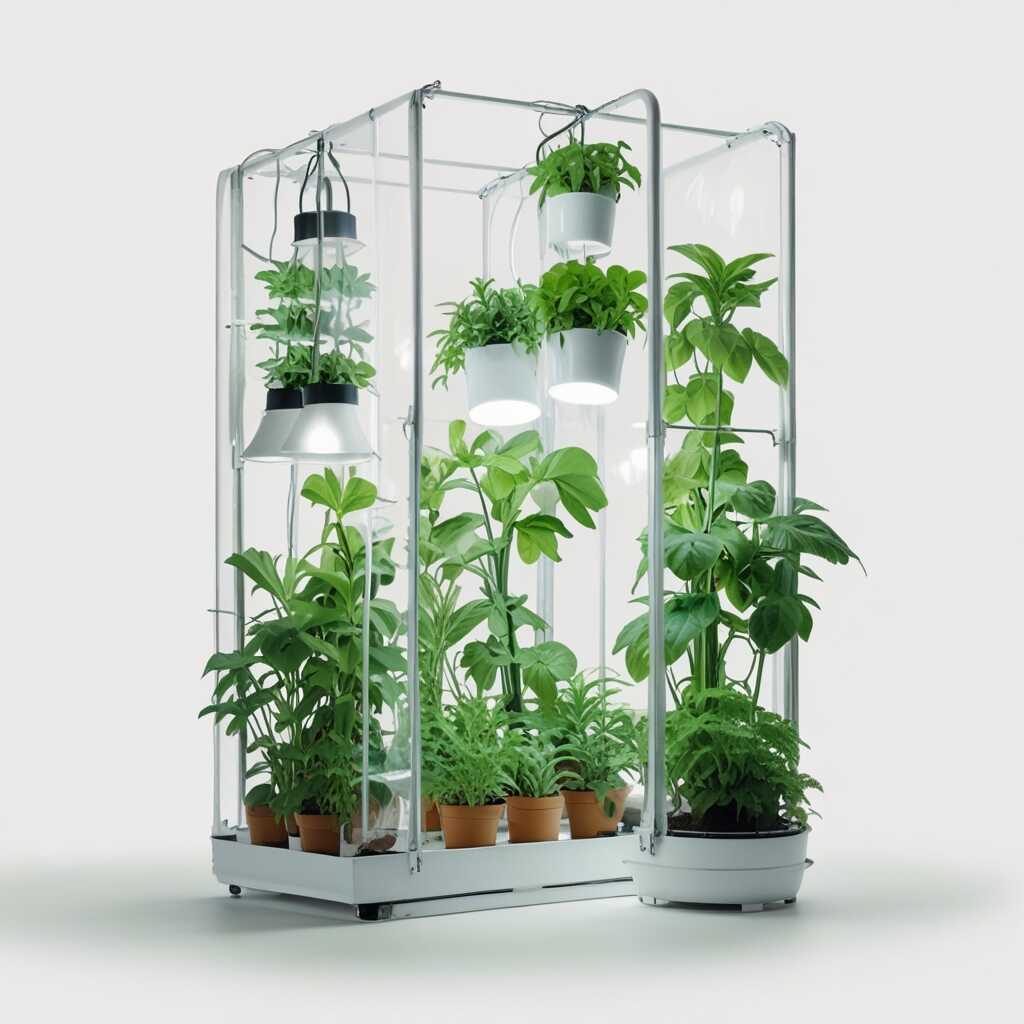
LED grow lights outperform traditional lighting alternatives in multiple key areas important to leafy green production. Compared to fluorescent T5 systems, LEDs provide 40-50% better energy efficiency while generating less heat and lasting significantly longer. High-pressure sodium (HPS) lights produce more heat and consume substantially more electricity, though they may penetrate plant canopies more effectively in some situations. Metal halide systems offer good spectrum quality but require frequent bulb replacements and ballast maintenance. For small to medium greenhouse operations, LEDs typically provide the best balance of performance, efficiency, and operational convenience.
When to Choose LED Over Traditional Options
LED grow lights are ideal for situations requiring precise environmental control, energy efficiency, and minimal heat generation. Choose LEDs when growing heat-sensitive leafy greens, operating in climate-controlled environments, or seeking to minimize electricity costs. Traditional lighting may still be appropriate for very large commercial operations where initial cost considerations outweigh long-term operational savings. However, for most greenhouse leafy green production, LEDs provide superior value through reduced operating costs, longer equipment life, and better growth control capabilities.
Best Practices to Optimize LED Grow Light Usage
Setting up LED grow lights effectively involves choosing the right type for your leafy greens. Select full-spectrum LED lights that cover 400-700nm wavelengths to support all growth stages. Keep lights about 12-24 inches above the plants, adjusting based on plant height and specific light needs. Regularly review the placement and performance of lights by observing plant growth. This helps ensure optimal exposure and efficiency, allowing for impressive growth results.
Key Factors for Selecting the Right LED Grow Light
When comparing LED grow lights, consider energy efficiency and spectrum range. Look for lights with high PAR (Photosynthetically Active Radiation) output. Read reviews to assess performance across different plants. Check wattage consumption to judge energy savings. Features like built-in timers and dimmers can enhance usability. Durability is also essential; select lights with proven lifespan ratings of over 50,000 hours. Ensure the selected light provides effective coverage for your specific greenhouse layout and the leafy green types you cultivate.
Positive Aspects of Harnessing Efficient Light Technologies for Gardeners
- LED grow lights support better photosynthesis in leafy greens.
- These lights emit less heat, preventing plant stress and wilting.
- They promote faster seedling growth, leading to earlier harvest.
- LED lights efficiently enhance chlorophyll production in plants.
- They allow for customizable light spectrums tailored to plant needs.
- These systems lower electricity bills, benefiting eco-conscious gardeners.
- Using LED grow lights helps growers produce more herbs and greens year-round.
Common Challenges with LED Grow Light Use
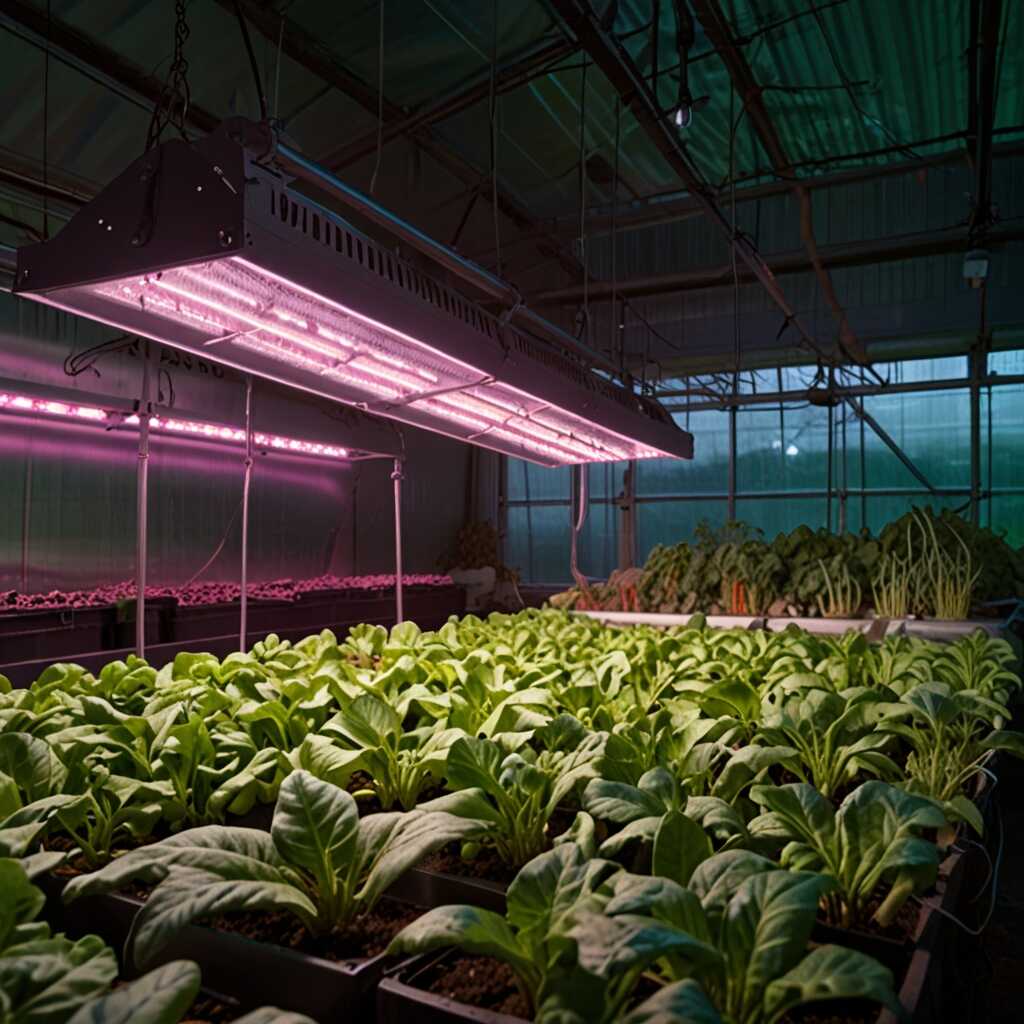
Users often face common challenges with LED grow lights, including light intensity, heat management, and incorrect spectrum usage. Ensuring optimal performance involves adjusting light height and coverage based on plant needs. In various greenhouse setups, it’s essential to balance LED light placement for effective light distribution. Users can expect energy savings of up to 50% compared to traditional lighting systems, thanks to LED technology’s efficiency.
Adjusting Light Placement for Leafy Greens
Adjusting light placement is essential for enhancing the growing experience of leafy greens in greenhouses. Different varieties of leafy greens have unique light requirements. Generally, placing LED grow lights 12 to 24 inches above the plants is optimal. This height provides adequate light intensity without scorching leaves. Ensure the lights deliver all necessary spectrums, particularly those in the blue (400-500nm) and red (600-700nm) ranges. Regularly check and test the light distance as plants grow to maintain proper light exposure. The careful management of LED lights greatly enhances the efficiency of plant growth and overall health.
Successful Greenhouse Case Studies with LED Technology
Several greenhouses have achieved remarkable results using LED grow lights. For example, a greenhouse in California experienced a 30% increase in growth rate for leafy greens after implementing full-spectrum LED lights. Another operation in Canada noted improved crop yield and reduced energy costs, making it a sustainable choice. Additionally, research highlighted that a New York greenhouse improved nutrient density in its greens through precise lighting schedules offered by LEDs. These case studies demonstrate how tailored use of LED grow lights can enhance plant growth and sustainability.
Key Lessons from Successful Greenhouses Using LED Lights
Greenhouses using LED grow lights successfully highlight essential lessons about light spectrums and growth patterns. For instance, many operations discovered that specific wavelengths greatly influence growth rates. Hydroponic farms have tested different light combinations, finding that a blend of red and blue LEDs maximized leafy greens’ photosynthesis. Such setups not only improved growth but also reduced electricity costs. Reliable data shows that using LEDs can decrease operating expenses while enhancing productivity. This combination of efficiency and proven performance makes LEDs an excellent choice for greenhouse gardeners.
Consumer Preferences and Brand Comparisons in Indoor Plant Enlightenment
- The home gardener appreciates affordability in LED grow lights for budget-focused setups.
- Climate-conscious gardeners favor brands that emphasize energy efficiency.
- Frequent indoor plant enthusiasts need reliable products with long lifespans.
- Some users prefer the compact design of certain LED brands for small spaces.
- Advanced growers seek out lights that easily adjust spectrums for varying plant stages.
- Families with kids often choose brands with user-friendly setup instructions.
- Eco-friendly living advocates look for products made from sustainable materials.
Emerging Trends in LED Grow Light Technologies
The latest advancements in LED grow light technologies are transforming indoor gardening. Innovations include enhanced energy efficiency improvements that lead to lower operational costs. Research reveals that new designs provide significant reliability and durability, achieving lifespans of over 50,000 hours. Full spectrum technology is now standard, enabling lights to deliver the exact wavelengths plants need. Smart lighting solutions use sensors to optimize light conditions automatically, enhancing growth. By 2025, studies predict a potential efficiency increase of up to 30%, making these systems even more attractive for greenhouse gardeners.
Understanding Full Spectrum Lighting
Full spectrum lighting is vital for leafy green growth in greenhouses, mimicking natural sunlight. This technology delivers wavelengths essential for photosynthesis, improving plant health. Newer models include advanced LED chips that emit a broader range of light. This range ensures plants receive the ideal spectrum throughout their growth stages. Research indicates that plants exposed to full spectrum lighting show improved growth rates and higher yields. In combined systems, the management of light duration and intensity becomes automated, providing consistent care while reducing energy use and maximizing longevity.