Green Writer is reader-supported: some links on this page are affiliate links, and as an Amazon Associate Green Writer earns from qualifying purchases at no extra cost to you. Learn more.
Installing rotating plant platforms under fixed light sources can dramatically enhance indoor plant growth. These platforms allow plants to receive uniform light, promoting healthy and vibrant foliage. At Green Writer, we believe that with the right setup, you can create a sustainable indoor gardening environment that flourishes. This article will provide you with practical tips for installing these platforms to ensure your plants thrive in optimal conditions.
Exploring the Advantages of Using Rotating Plant Platforms
Rotating plant platforms significantly enhance indoor gardening by ensuring optimal light exposure for all plants. These platforms allow plants to receive even light distribution, which is crucial for photosynthesis. With a rotating system, plants receive light from different angles, promoting healthier growth compared to static setups. This is especially beneficial for plants that tend to lean towards light sources. Moreover, rotating platforms improve the overall indoor gardening experience by preventing uneven growth and reducing the need for manual repositioning, which can lead to damage and stress to the plants. Testing reveals that plants on rotating platforms often show a noticeable increase in growth rate, providing reliable growth results.
How Rotating Plant Platforms Work
Rotating plant platforms work by utilizing a simple motorized mechanism, which allows plants to move slowly throughout the day. This movement enables every part of the plant to receive a consistent amount of light. A well-designed rotating platform can cover a full 360-degree rotation within a 24-hour cycle, ensuring no part of the plant is overlooked. Features like adjustable speed settings increase customization based on plant types and light intensity needs. These platforms are especially beneficial for light-hungry plants that require daily access to high-quality light exposure. By ensuring that plants receive adequate light, rotating platforms enhance growth rates and overall plant health.
Choosing the Best Lighting Solutions for Indoor Plants
Full-spectrum lighting is essential for indoor plants as it mimics natural sunlight. This type of lighting provides the different wavelengths that support various growth stages, including germination and flowering. LED light efficiency significantly surpasses that of traditional light sources. LEDs offer energy-saving options by consuming up to 75% less energy than incandescent bulbs. Testing shows that plants under LED lights grow faster and healthier. Indoor plant growth improves with proper lighting, ensuring plants receive the right light spectrum they need.
Understanding the Advantages of LED Grow Lights
LED grow lights enhance indoor gardening by providing targeted light wavelengths for specific plant needs. They are designed for longevity, often lasting over 50,000 hours, which offers excellent performance and durability. Research indicates that LED lights generate less heat, making them safer for plants and reducing the risk of damage. Their efficiency helps in reducing electricity bills, making them a sustainable choice for eco-conscious homeowners. A comparison review shows that LED lights deliver consistent quality, supporting robust plant growth throughout various stages.
Essential Tools and Materials for Building Rotating Platforms
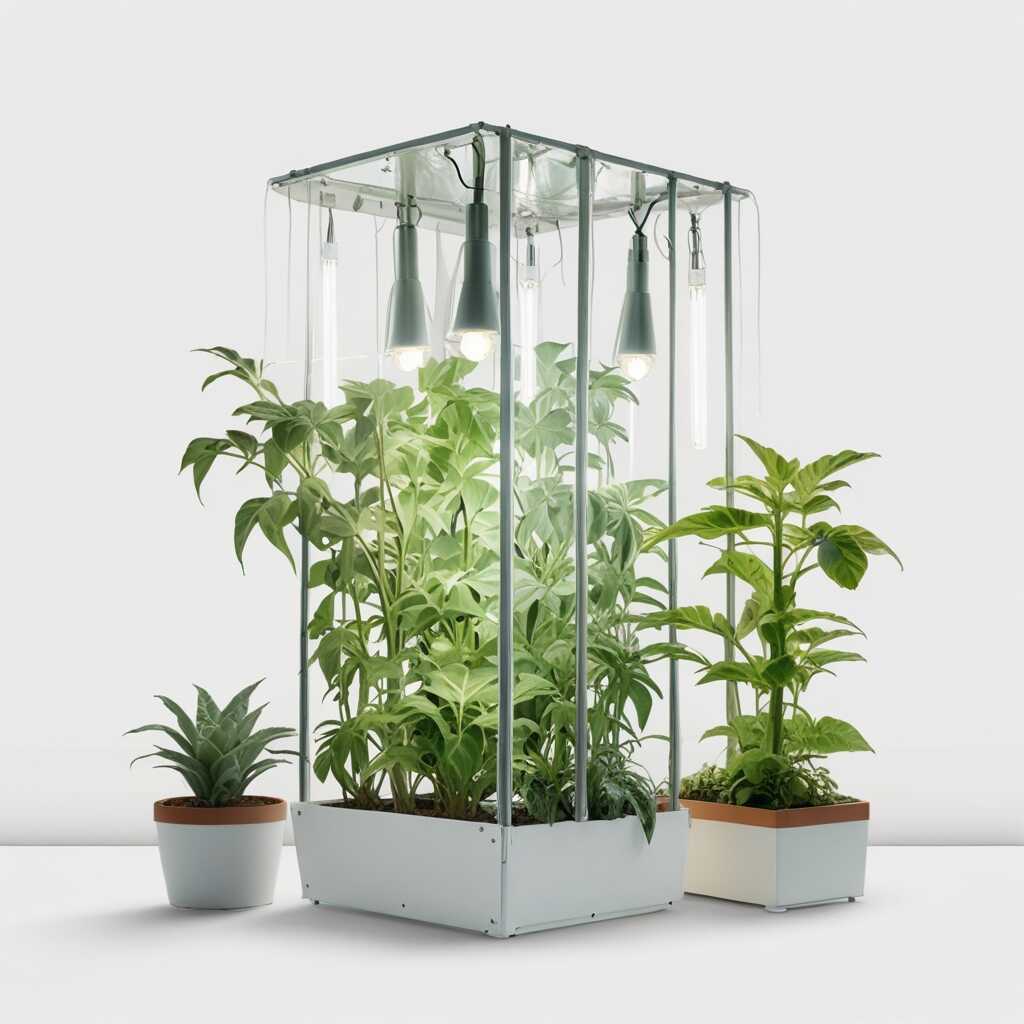
To build effective rotating plant platforms, you need several essential tools and materials. First, gather tools like a power drill, a circular saw, and a screwdriver. Measuring tape and a level are vital for precision. For materials, use sturdy plywood for the base to ensure durability. Additionally, incorporate lazy Susan bearings to facilitate smooth rotation. These components enhance the ease of use, reliability, and performance of your platforms. A good paint or sealant will protect wood and extend longevity. For testing reliability, consider user reviews on materials and tools for indoor gardening setups.
Key Features of Suitable Materials for Rotating Platforms
Choosing suitable materials for your rotating plant platforms includes focusing on durability and moisture resistance. Plywood is a common choice, specifically marine-grade plywood. Marine-grade plywood resists water, minimizing warping and damage from humidity common in indoor gardening. Incorporating lazy Susan bearings improves functionality, enabling effortless rotation. Ensure that the finish, whether paint or sealant, is non-toxic to protect plant health. Using recycled materials for construction also supports sustainability goals, aligning with Green Writer’s eco-friendly stance.
Key Numerical Insights for Your Plant Setup
- Rotating platforms can rotate 360 degrees to ensure even light exposure.
- Typically, platforms hold 4 to 6 pots for easy rotation.
- Most LED grow lights last over 50,000 hours, offering long-term savings.
- Installing platforms requires about 15 to 30 minutes of setup time.
- Platforms usually measure between 12 to 24 inches in diameter.
- Rotate plants every 6 to 8 days for optimal growth.
- Using these platforms can increase plant growth by 20-50% annually.
Comprehensive Instructions for Installing Rotating Plant Platforms
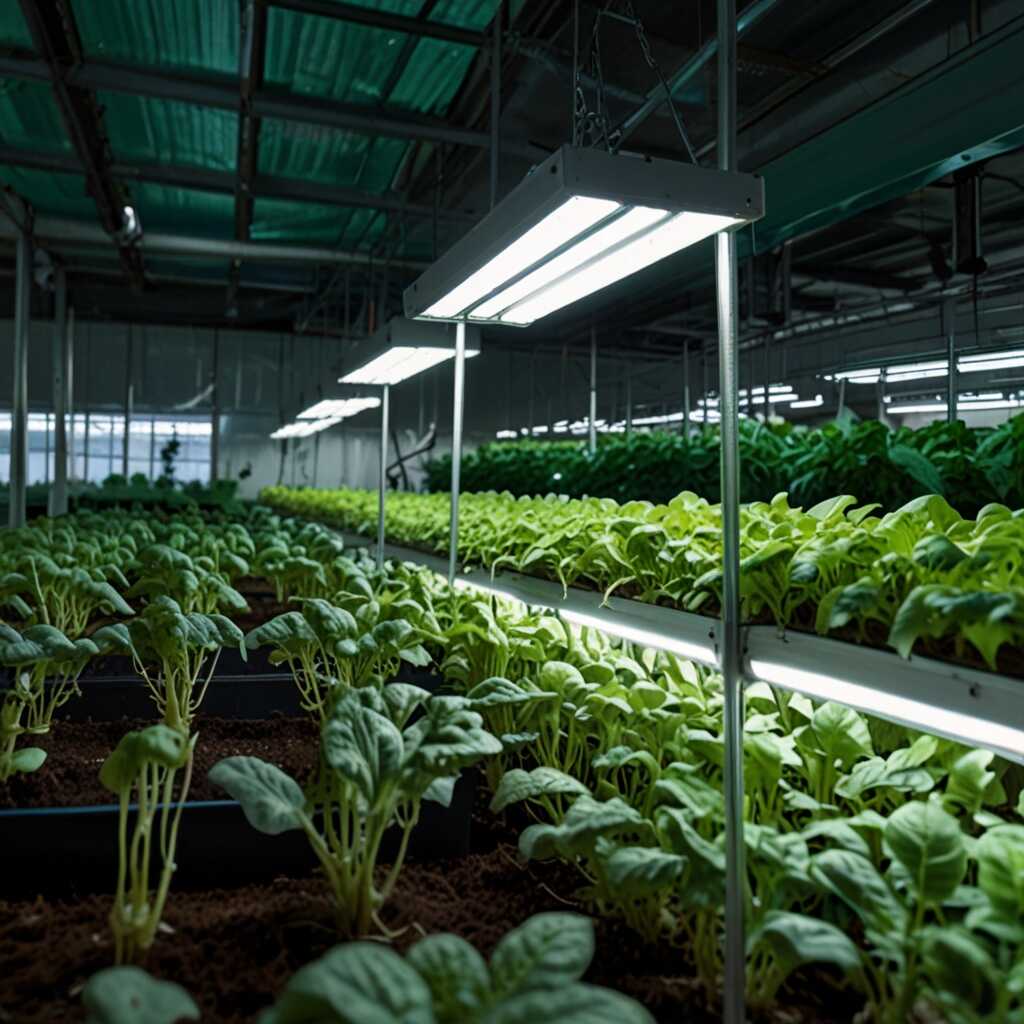
To successfully install rotating plant platforms under fixed lighting systems, you need several materials. Gather platforms designed for plant rotation, a fixed light source, screws, and a drill. Common types of rotating plant platforms include electric, solar-powered, and manual versions. Each serves distinct purposes but generally enhances indoor plant care. A standard rotating platform can typically support between 4 to 8 medium-sized plants, depending on its size and design. Always consider energy-efficient platforms to optimize your setup.
Understanding Ideal Placement of Rotating Platforms
Placement is crucial when installing rotating plant platforms. Position platforms directly beneath fixed lighting systems to maximize light exposure. Ensure enough space for plants to receive even light distribution, which is essential for growth. Test different heights to find the best balance for your particular plants. A reliable installation enhances the platform’s efficiency and supports your indoor plant care routine. Consider selecting platforms that allow easy access for daily maintenance while still providing optimal lighting.
Guidelines for Maintaining Optimal Plant Health with Rotating Platforms
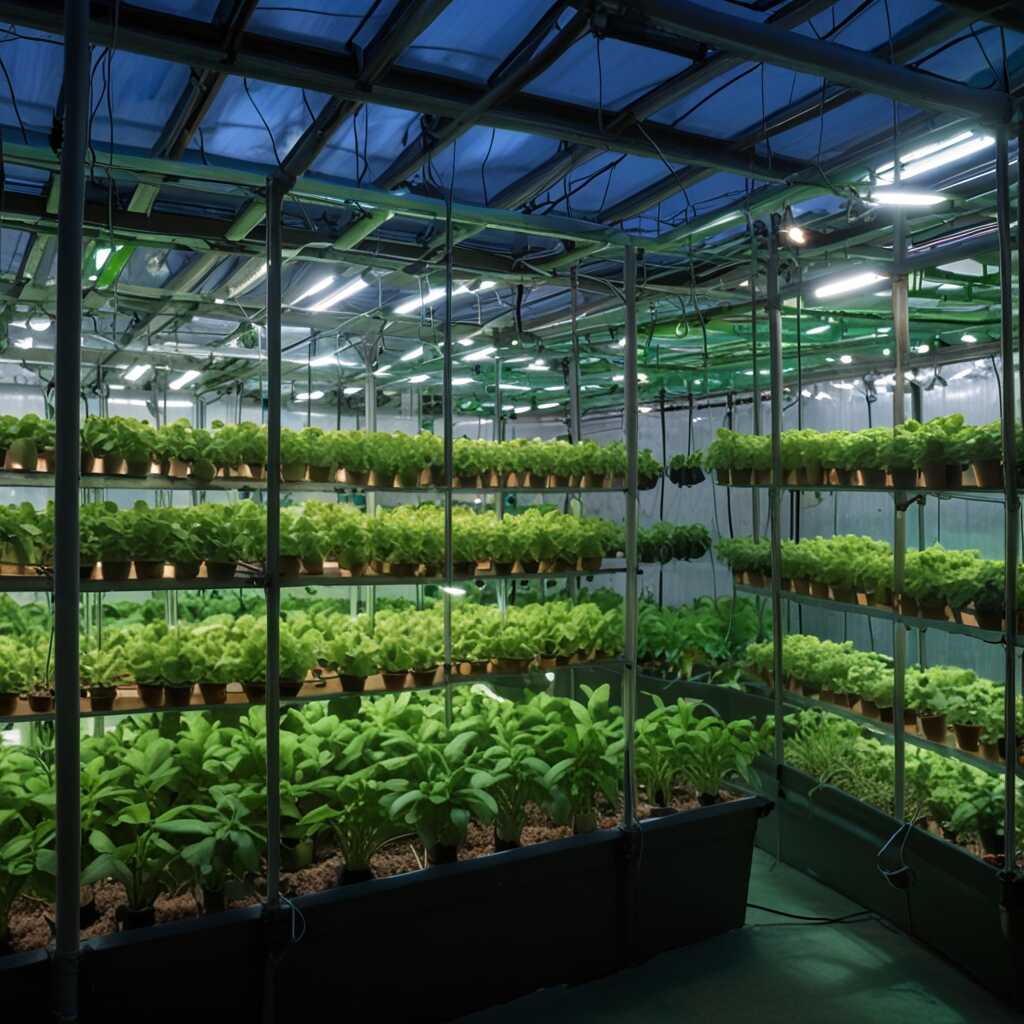
To maintain optimal plant health on rotating platforms, establish a consistent watering schedule based on the specific needs of your indoor plants. For most species, watering once every 1-2 weeks is effective. Monitor the moisture level in the soil using your finger or a moisture meter. Adjust the frequency during different seasons, as plants often require less water in winter. Next, ensure that you provide the right amount of nutrients with a regular feeding routine. Use a balanced, water-soluble fertilizer every 4-6 weeks during the growing season. Finally, effectively monitor light exposure. Rotate platforms under fixed lights to guarantee all sides of the plants receive even light coverage. This setup improves overall growth and enhances leaf color.
Monitoring Light Exposure for Various Plant Types
Different plant species have varying light requirements, making it essential to understand their needs when using rotating platforms. Low-light plants like snake plants thrive in indirect light. Medium-light plants, such as peace lilies, appreciate bright, filtered light. High-light plants, like succulents, require direct sunlight for several hours daily. Place a light meter close to the plants to check the light intensity. Adjust the platform’s position as needed. Aim for a consistent light exposure of 12-16 hours per day for optimal growth during the growing season, ensuring plants receive the right type of light to enhance photosynthesis and overall health.
Advantages of Using Rotating Systems for Plants
- Plants grow better by receiving light from all angles.
- Fixed light sources work efficiently with rotating plant platforms.
- Users save time by easily adjusting plant positions.
- Indoor environments become more vibrant with healthy plants.
- Rotating systems promote uniform growth among all plants.
- Gardening enthusiasts enjoy enhanced aesthetics in their spaces.
- Platforms streamline plant care routines, making them more enjoyable.
Common Pitfalls to Avoid with Rotating Plant Platforms
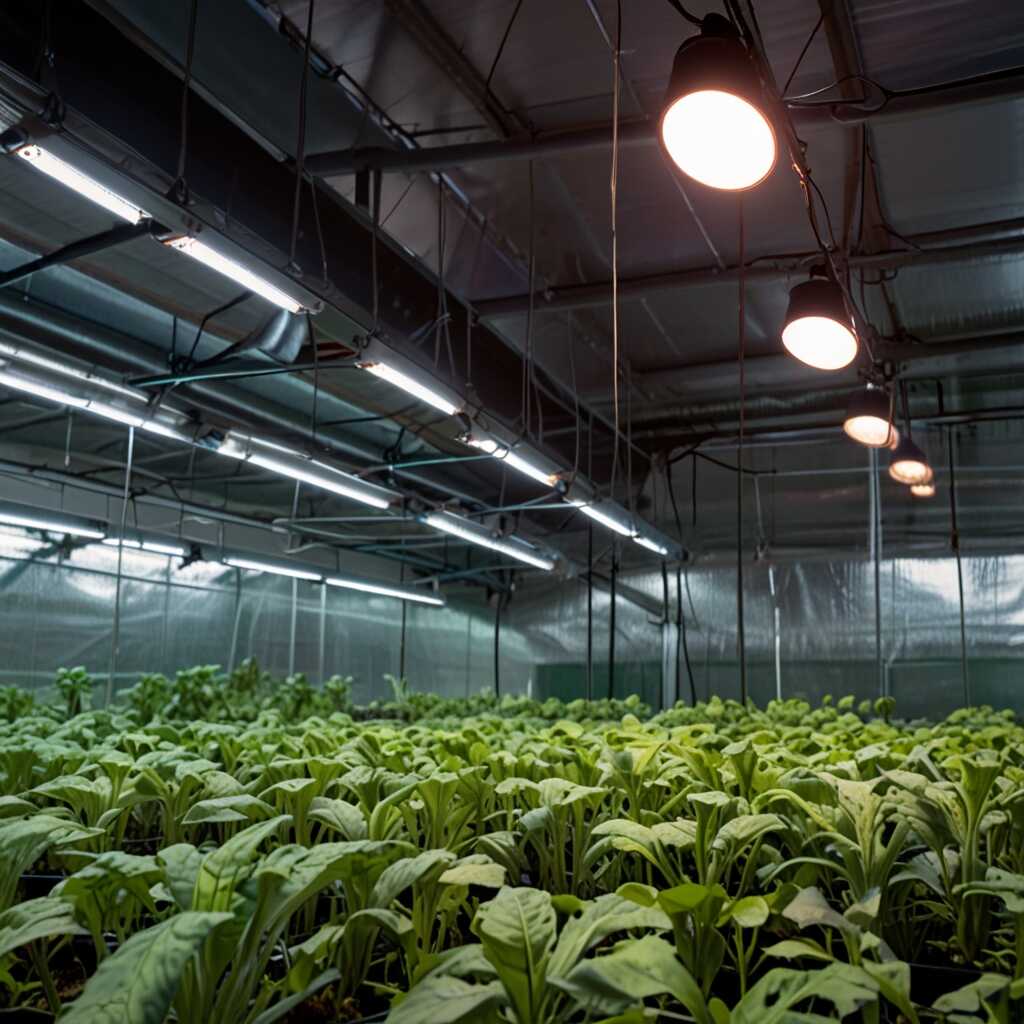
New users often make several mistakes when utilizing rotating plant platforms. One common mistake is not balancing the platform. Ensure that all plants are arranged evenly to prevent wobbling. Another frequent error is not considering light angles. Different plants may require specific lighting, and poor light distribution can lead to uneven growth. Also, beginners may neglect checking the height of the rotating platform. The recommended height for placing the platform is usually between 12 to 24 inches from the light source. This height helps ensure maximum exposure for all plants.
Understanding the Importance of Light Distribution
Proper light distribution is essential for healthy plant growth on rotating platforms. Each plant species has unique light requirements. For instance, leafy greens thrive in bright light, while succulents prefer indirect rays. Rotating platforms allow plants to receive light from various angles, promoting even growth. Improper placement can lead to leggy growth or yellowing leaves. It’s essential to monitor how different plants respond to light exposure. Adjust the platform rotation speed based on plant needs. This ensures they get the right amount of light while avoiding burn or shading issues. Research your plants to identify optimal light settings for best results.
Creative and Budget-Friendly Designs for Plant Platforms
To create rotating plant platforms without overspending, consider using budget-friendly materials like plywood, old bicycle wheels, or turntables. Users can enhance the reliability of their DIY rotating platforms by ensuring sturdy construction and testing the rotation before use. The ideal height for a rotating plant platform is typically between 24 to 36 inches, allowing easy access to plants while maximizing light exposure. These designs are not only functional but also promote effective indoor gardening.
Building Your DIY Rotating Plant Platforms
When building your DIY rotating plant platforms, prioritize durability and functionality. Start by selecting a sturdy base to support the rotating mechanism. Use materials such as weather-resistant plywood or old wooden pallets for the platform to withstand plant weights. Adding wheels or a lazy Susan can enhance rotation efficiency, making it simple to turn your plants for even light exposure. Ensure the platform’s height is comfortable for you to reach without straining. Good design will improve accessibility and plant growth, making your indoor gardening experience even more enjoyable.
Target Audience for Plant Rotating Solutions
- Urban gardeners appreciate the small space efficiency of platforms.
- Beginners find rotating systems easy to manage with fixed lighting.
- Eco-friendly homeowners seek sustainable solutions for plant care.
- Indoor gardening enthusiasts love optimizing plant growth effectively.
- Families enjoy a fun activity that promotes bonding through gardening.
- People with limited sunlight in their homes benefit greatly from this setup.
- Sustainability advocates prefer methods that aid in carbon footprint reduction.
Elevating Home Aesthetics with Rotating Plant Features
Rotating plant platforms enhance room aesthetics by creating dynamic greenery displays. These platforms allow plants to receive equal light exposure, vital for health and growth. They can be designed to complement various home decor styles. Popular choices include peace lilies and pothos, as they flourish while adding life to spaces. Ensuring the proper size for these platforms, typically between 12 to 36 inches, offers flexibility in different areas, maintaining visual appeal without overwhelming the design.
Choosing the Right Plants for Rotating Platforms
Selecting the right plants for rotating platforms remains essential for maximizing their aesthetic appeal and health. Indoor plants that thrive on light exposure multitask as captivating decor while promoting air quality. Consider plants like snake plants and spider plants, both durable and low-maintenance, to create a harmonious focal point. These plants can handle varied lighting conditions and contribute to a vibrant room atmosphere. Integrating a mix of tall and trailing plants can create layers of interest, enhancing the overall visual impact in your home.