
LED grow lights play a crucial role in enhancing greenhouse plant growth and extending growing seasons. These innovative lights provide the right spectrum of light needed for plants at every stage of growth. At Green Writer, we explore how LED technology maximizes productivity while promoting energy efficiency. This guide will help you understand the benefits of using LED grow lights for sustainable gardening practices.
Key Factors Influencing Greenhouse Plant Growth and Seasons
Greenhouse plant growth relies on several critical elements. Temperature control maintains a stable environment, ensuring plants thrive. Humidity levels are essential, typically ranging from 50% to 70% for many plants. The impact of lighting, especially from LED grow lights, enhances photosynthesis and plant development. These lights mimic natural sunlight, improving the growing seasons by providing the optimal spectrum for growth.
Understanding Temperature Control and Its Effects
Temperature control is paramount for greenhouse environments. Most plants flourish in temperatures between 65°F and 75°F during the day. Proper ventilation and heating systems help regulate these temperatures. LED grow lights also add warmth without overheating and provide consistent light intensity. This reliability supports plant growth, enabling quicker maturation and larger yields, which is essential for extending the growing season.
Mechanisms of LED Grow Lights and Plant Development
Different light wavelengths from LED grow lights play a crucial role in plant growth stages. Plants utilize specific wavelengths, particularly blue light (400-500nm) for vegetative growth and red light (600-700nm) for flowering. These wavelengths enhance photosynthesis, leading to healthier and more robust plants. The energy efficiency of LED technology ensures lower energy costs while maximizing yield. Research indicates that LED grow lights can last over 50,000 hours, significantly outliving traditional grow lights.
Crucial Wavelengths for Optimal Plant Growth
Optimal performance in indoor gardening requires specific light wavelengths that correspond to plant development needs. Blue light supports strong stem and leaf growth, which is vital during the early stage of plant development. Red light stimulates flowering and fruiting stages, ensuring that plants produce abundant yields. Some LEDs also include green light (500-600nm), improving the overall health of plants by enhancing photomorphogenic responses. Research shows that full-spectrum LED grow lights, combining various wavelengths, offer the best growth results and can dramatically improve energy efficiency in sustainable indoor gardening practices.
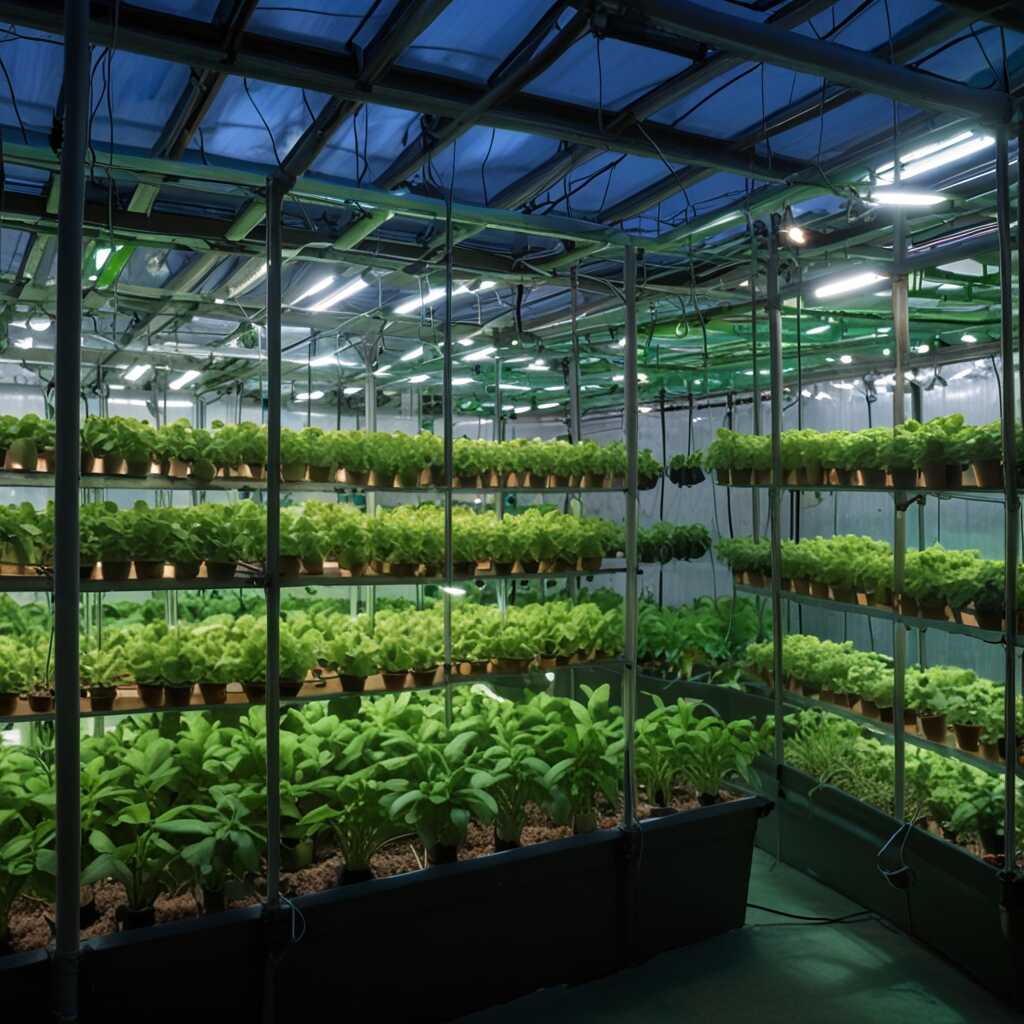
Advantages of LED Grow Lights Compared to Traditional Lighting
LED grow lights offer numerous advantages compared to traditional lighting. Their energy efficiency ensures lower electricity bills, making them more cost-effective for greenhouse growers. These lights produce less heat output, reducing the risk of overheating plants and minimizing the need for additional cooling systems. The longer lifespan of LED grow lights, often exceeding 50,000 hours, results in fewer replacements and less waste. Studies show that using LED technology enhances plant growth through improved light quality, especially when it comes to the essential wavelengths required for photosynthesis.
Understanding Energy Efficiency and Its Impact on Growth
Energy efficiency directly impacts greenhouse practices by allowing growers to maximize crop yield while minimizing costs. LED grow lights hold a significant advantage due to their design, which ensures that most of the energy consumed is converted into usable light for plants. This means that less energy gets wasted as heat, thus contributing to an environmentally friendly growing environment. Reliable testing has proven that plants respond better under LED lights, leading to shorter harvest cycles and improved quality. The results indicate that growers adopting LED technology can expect a higher return on their investment.
Key Numerical Insights About LED Lighting for Plants
- LED grow lights can save up to 50% more energy than traditional bulbs.
- These lights last around 50,000 hours, far outlasting older options.
- Plants can thrive with as little as 12 hours of light a day.
- Full spectrum lights can provide all necessary wavelengths for plant growth.
- Up to 90% less heat is emitted, reducing cooling costs in greenhouses.
- Research shows a 30% increase in crop yield when using efficient grow lights.
- Optimal light intensity ranges from 20,000 to 50,000 lux for most plants.
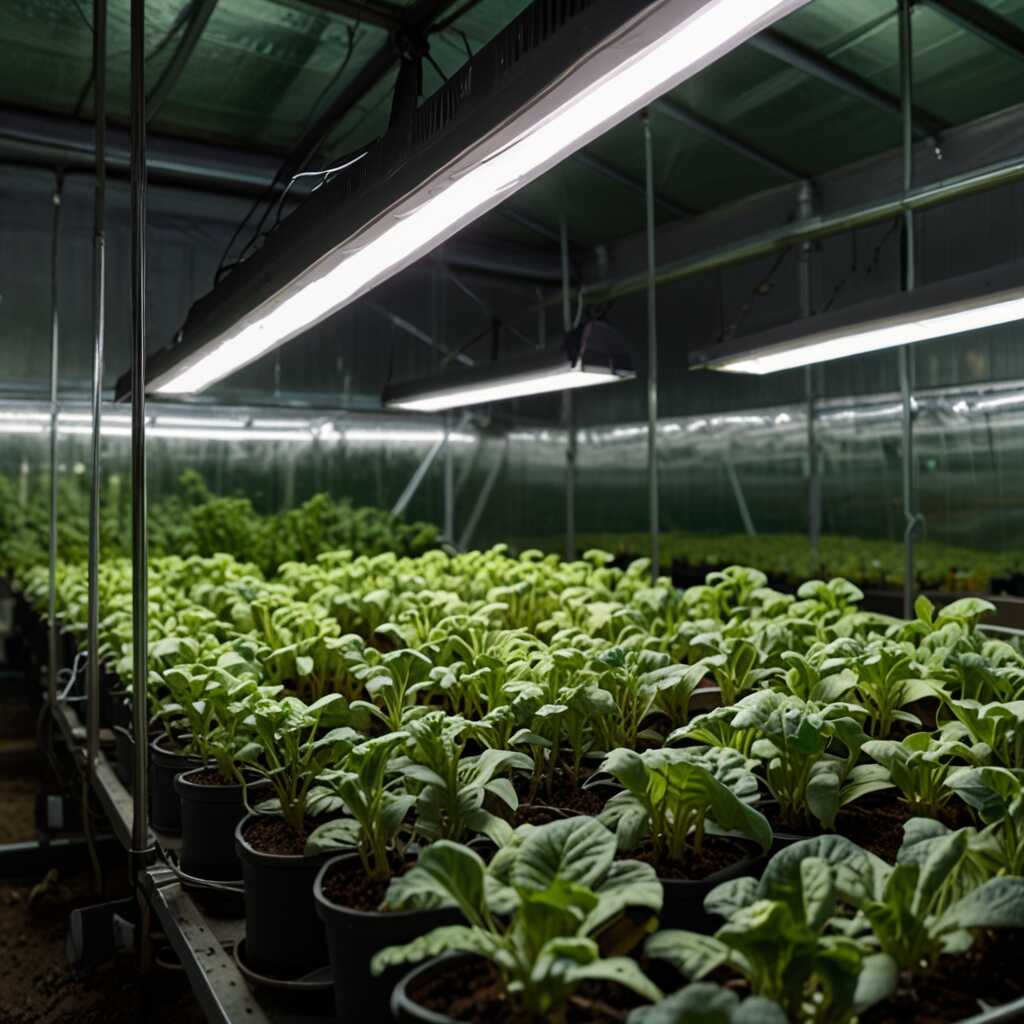
Effective Strategies to Extend Growing Seasons with LED Lights
To maximize plant growth in your greenhouse, using LED grow lights effectively is crucial. Implementing specific light duration, intensity, and positioning will enhance plant health. On average, most plants require between 12 to 18 hours of light daily. The duration depends on the species. Adjust the intensity of the lights based on the specific needs of plants, ensuring they receive a full spectrum light that includes both blue and red wavelengths. Positioning is essential; keeping lights 12 to 24 inches above plants provides adequate coverage without causing light burn. This approach extends your growing season and enhances overall plant productivity.
Fine-Tuning Light Duration and Intensity for Optimal Growth
To achieve optimal growth, consider fine-tuning the light duration and intensity of your LED grow lights. Different plant species have varying requirements. Vegetative plants, like tomatoes and peppers, thrive with 16 hours of light per day, while flowering plants may benefit from a 12-hour cycle to encourage blooming. Adjusting intensity is straightforward; start at a higher level during the vegetative stage and reduce as plants mature. Measuring the light intensity with a PAR meter ensures plants receive the right amount of light. This systematic approach provides optimal results, enhancing plant performance throughout the extended growing season.
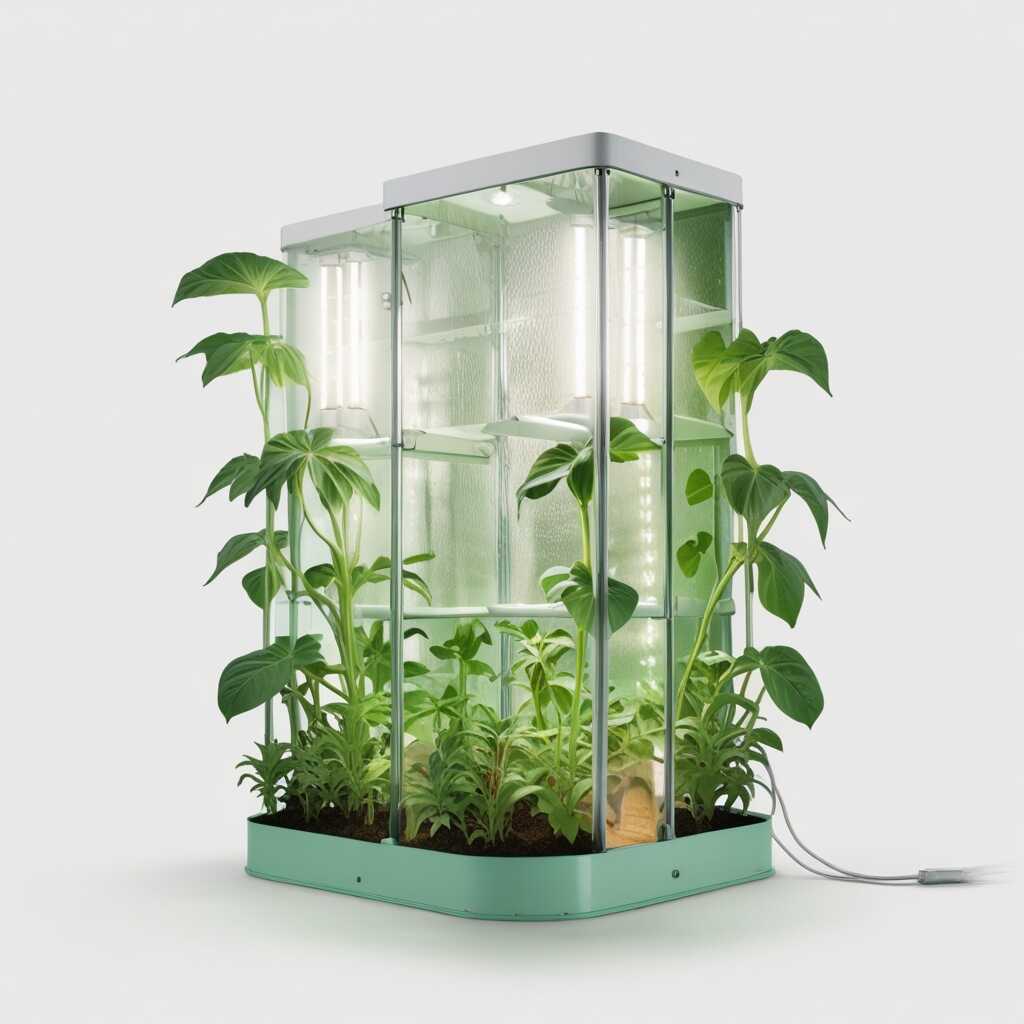
Role of Light Quality in Plant Health and Yield Improvement
The light spectrum significantly influences plant health and yield. LED grow lights offer a broad spectrum of light, including red, blue, and green wavelengths. Red light supports flowering and fruiting, while blue light promotes vegetative growth. Research shows that providing specific wavelengths can enhance chlorophyll production, leading to improved photosynthesis and overall plant vitality. For instance, blue light (400-500 nm) is essential during the seedling stage, as it ensures sturdy stem development. In contrast, red light (620-750 nm) becomes crucial during flowering. This harmonious combination fosters robust growth while maximizing yield. Additionally, LED grow lights have a lifespan of over 50,000 hours, ensuring long-lasting efficiency.
Understanding LED Light Wavelengths for Optimal Plant Growth
LED grow lights deliver targeted wavelengths vital for plant growth. Blue light enhances foliar development, making plants bushy and healthy. When plants receive sufficient blue light, they develop thick stems and lush leaves. Red light is essential for blooming and fruiting, encouraging flower formation and fruit set. The combination of these wavelengths can increase yield significantly. Studies demonstrate that plants exposed to a balanced spectrum of red and blue light can yield up to 20% more compared to those exposed to traditional lighting. This efficiency is why many greenhouse growers prefer LED technology for its proven ability to cater to specific growth stage requirements.
Positive Impacts of Modern Lighting on Plant Health
- LED lights promote faster growth by providing the ideal light spectrum.
- Fine-tuned wavelengths encourage better photosynthesis activity.
- Reduced energy use helps gardeners save money on electricity bills.
- These lights minimize plant stress with their lower heat output.
- Consistent lighting conditions support year-round plant cultivation.
- Improved light quality leads to more vibrant and flavorful produce.
- They enhance nutrient and water absorption in growing plants.
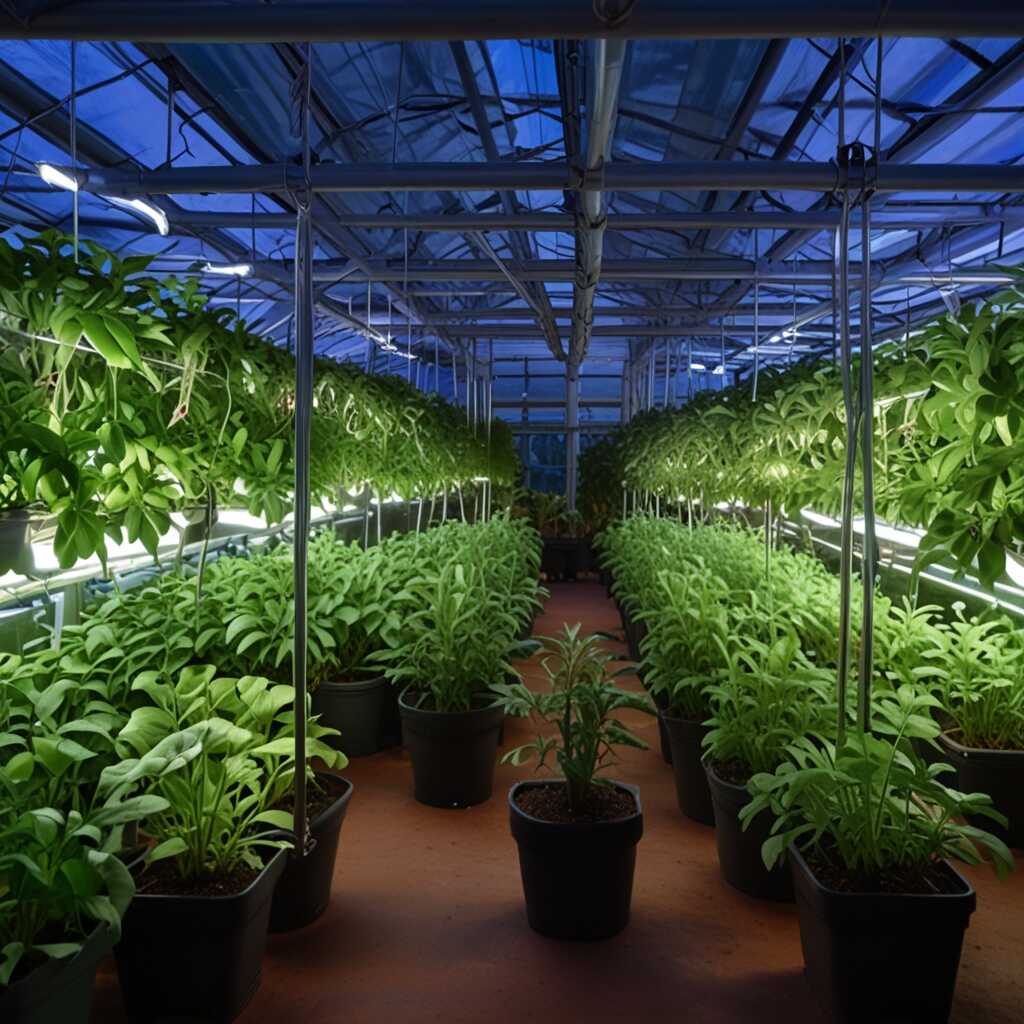
Integrating LED Lighting with Sustainable Gardening Practices
Combining LED grow lights with water conservation techniques enhances eco-friendly gardening. LED grow lights provide the right light spectrum, helping plants thrive with less water. This technology ensures plants absorb moisture efficiently, reducing watering needs. Incorporating methods like drip irrigation further enhances this effect. Organic gardening methods, such as composting and natural pest control, work well with LED lighting. They promote healthy plants and soil, ensuring a balanced ecosystem. Using these combined methods, it’s possible to conserve significant water while achieving successful growth and crop yields.
Best Practices for Using LED Grow Lights in Organic Gardening
Using LED grow lights in organic gardening involves specific best practices. First, select a full spectrum LED light that mimics natural sunlight. This choice enhances growth at all stages, from seedling to flowering. Maintain a careful light schedule, providing about 12-16 hours of light daily for optimal photosynthesis. Additionally, ensure that you use organic soil to improve fertility and moisture retention. Combining LED lighting with organic fertilizers boosts plant health and reduces the need for excessive watering. Following these guidelines will improve overall growth efficiency.
Cost-Effectiveness and ROI of LED Grow Lights for Greenhouses
The initial costs of LED grow lights can vary widely based on the type and brand. On average, a single LED grow light setup may range from $200 to $700 per unit. The number of lights required ultimately depends on the greenhouse size and plant type. Over time, LED grow lights provide significant energy savings. Compared to traditional fluorescent lights, LEDs use up to 75% less energy. This efficiency translates into lower electricity bills, ensuring that growers see quicker returns. Many greenhouse operators report an estimated ROI within 1 to 3 years, depending on their investment level and energy costs.
Understanding the Long-Term Financial Benefits of LED Grow Lights
Long-term financial benefits of LED grow lights include reduced operating expenses and longer lifespan compared to traditional bulbs. While traditional lights may last around 10,000 hours, LED lights can operate for over 50,000 hours. This durability means fewer replacements and savings on purchasing new bulbs. Additionally, the consistent performance of LED lights enhances plant growth during all stages, contributing to higher crop yields. Growers often see not just energy savings but also increased productivity, further improving their financial standing. Over time, these factors combined provide a substantial financial advantage, enabling eco-conscious growers to budget more effectively and sustainably.
Choosing the Right Brands or Applications for Effective Lighting
- Brands like Spider Farmer focus on high light output for serious growers.
- Vivosun offers budget-friendly options, perfect for beginners and small setups.
- Commercial users prefer brands like Gavita for large-scale production.
- Home gardeners benefit from easy-to-use options like LED grow light strips.
- Aquaponics systems use specialized LEDs for integrated plant growth.
- Urban residents often opt for compact grow lights for limited space gardening.
- Hobbyists enjoy experimenting with various brands to find the best fit.
Emerging Innovations in Greenhouse Lighting Technology
New developments in greenhouse lighting technology focus heavily on energy-efficient lighting systems. Full spectrum LED lights are leading innovations, designed to promote plant growth across all stages. These lights offer improved efficiency, delivering the precise wavelengths needed for effective photosynthesis. Research shows these advancements can enhance plant productivity by up to 30% compared to traditional lighting systems. Furthermore, data indicates that by 2025, the adoption rate of LED lighting in greenhouses is projected to grow by 50%. This shift not only supports sustainability but also reduces energy costs significantly.
Understanding Full Spectrum LED Lights for Greenhouses
Full spectrum LED lights mimic natural sunlight, providing a comprehensive light range essential for various plant growth stages. These lights include wavelengths from 400 to 700 nm, crucial for photosynthesis. When using these lights, growers can optimize their production cycles, yielding healthier plants with less energy consumption. The durability of full spectrum LEDs ensures they can handle rigorous greenhouse conditions, maintaining quality performance over time. This reliability makes them a vital choice for modern greenhouse operations seeking to enhance productivity sustainably.