
Optimize greenhouse climber plant health with LED grow lights by understanding their unique needs. Effective lighting can drastically improve growth, ensuring vibrant and resilient climber plants. Green Writer explores how these advanced light solutions enhance plant vitality in greenhouses. By focusing on energy efficiency and spectrum variety, gardeners can achieve outstanding results in plant care.
Importance of Light Quality in Plant Growth
Light quality plays a critical role in the growth of climber plants. Different wavelengths of light have specific impacts on photosynthesis and overall plant health. Blue light, for example, supports vegetative growth, while red light promotes flowering. Climber plants benefit from a balance of blue and red wavelengths to ensure proper growth and blooming. Research indicates a mix of 40% blue and 60% red light is optimal for these plants, enhancing their vitality and productivity.
Understanding Light Spectrum for Optimal Climber Growth
To optimize climber plant growth, understanding the light spectrum is essential. Blue light ranges from 400 to 500 nm and encourages leaf development, making it important for young plants. Red light, specifically between 600 to 700 nm, aids in flowering and fruiting. Combining these spectra provides a well-rounded light source. Using LED grow lights that offer full-spectrum lighting can meet these needs effectively. These lights simulate natural sunlight, ensuring climber plants thrive throughout their growth stages, from sprouting to blooming.
Advantages of LED Grow Lights for Greenhouse Use
LED grow lights provide numerous benefits for greenhouse use, optimizing plant health while ensuring energy efficiency. Their advanced technology allows for energy savings compared to traditional lighting systems. The light spectrum customization makes them ideal for various growth stages, improving photosynthesis. LED grow lights also have a lifespan exceeding 50,000 hours, making them reliable for long-term greenhouse operations. These features reduce replacement costs and energy consumption, enhancing the overall performance of greenhouse environments.
Energy Efficiency and Light Spectrum Customization
Energy efficiency is critical when selecting lighting solutions for greenhouses. LED grow lights excel in this area by consuming significantly less energy while providing the necessary light for plant growth. They are designed to deliver specific light wavelengths that help with seedling development, vegetative growth, and flowering. Research shows that plants respond better to full spectrum lights, which mimic natural sunlight. This customization ensures that greenhouse operators can achieve optimal growth without excessive energy use, contributing to sustainability goals.
Choosing the Best LED Grow Light for Climbing Plants
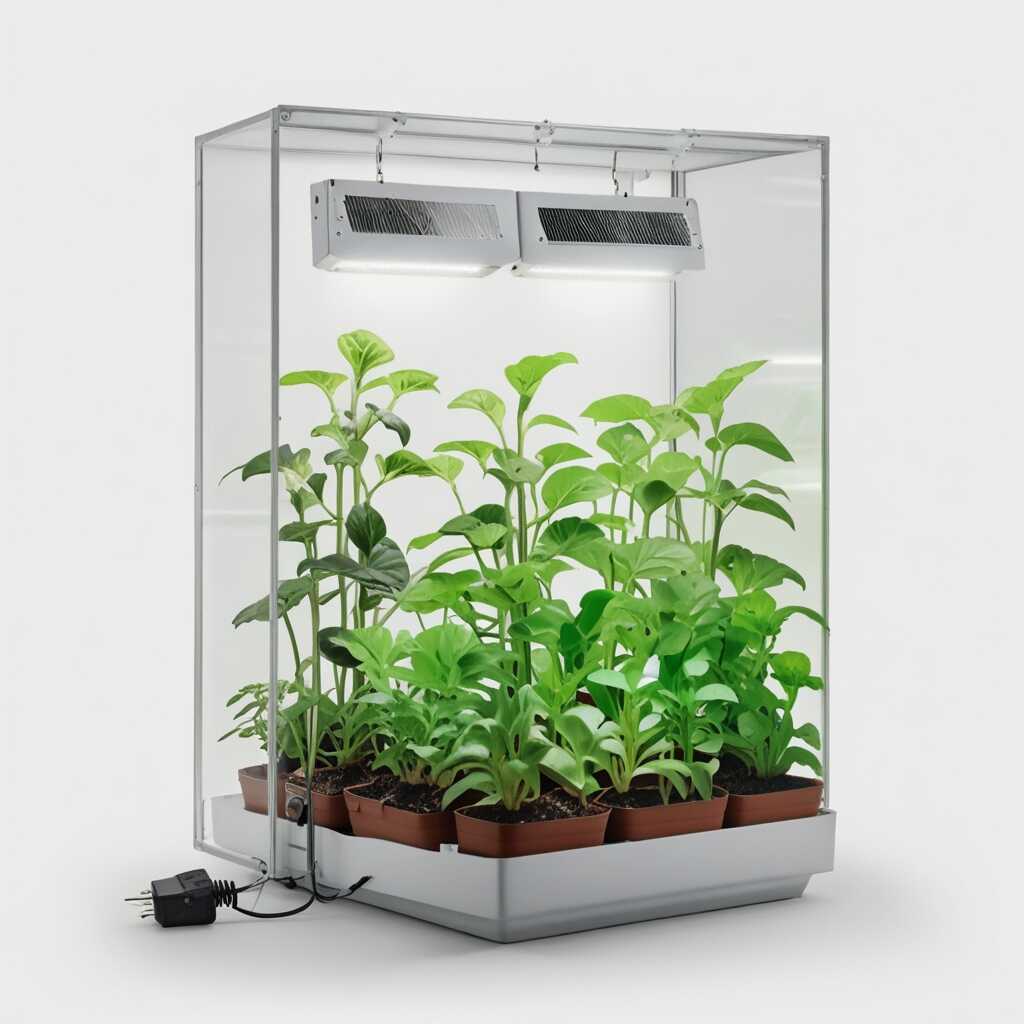
Selecting the right LED grow light for climbing plants involves understanding wattage, light spectrum, and placement. Most climbing plants require a wattage ranging from 20 to 30 watts per square foot. The light spectrum is crucial too; a full spectrum LED light that includes red (600-700nm) and blue (400-500nm) wavelengths enhances photosynthesis. For optimal growth, climbing plants typically need 12 to 16 hours of light each day. Evaluate plant growth stage when determining these needs. LED grow lights can enhance plant health and vigor over time.
Understanding Light Placement for Climbing Plants
Proper placement of LED grow lights is essential for climbing plants. Position lights about 12 to 24 inches above the canopy to ensure even light distribution and prevent burning. For plants that trail or climb, angle the lights to target their growing ends directly. Periodic adjustments might be necessary as the plants grow. Ensure lights remain on during their designated hours; this helps maintain growth cycles. Like Green Writer emphasizes, proper light placement not only improves performance but also increases the overall health and yield of climbing plants.
Essential Figures on Grow Light Usage
- LED lights can last up to 50,000 hours, making them a long-term investment.
- Climber plants prefer light levels between 400-700nm for optimal growth.
- Using LED lights can reduce electricity costs by up to 40% compared to traditional lighting.
- Many greenhouse operators report a 30% increase in yield with proper LED lighting.
- Plants need about 12 to 16 hours of light daily for healthy growth stages.
- LED lights emit less heat, allowing for closer placement to plants without damage.
- Climber plants can benefit from specific wavelengths, enhancing photosynthesis efficiency.
Using Full Spectrum Lighting to Enhance Growth Phases
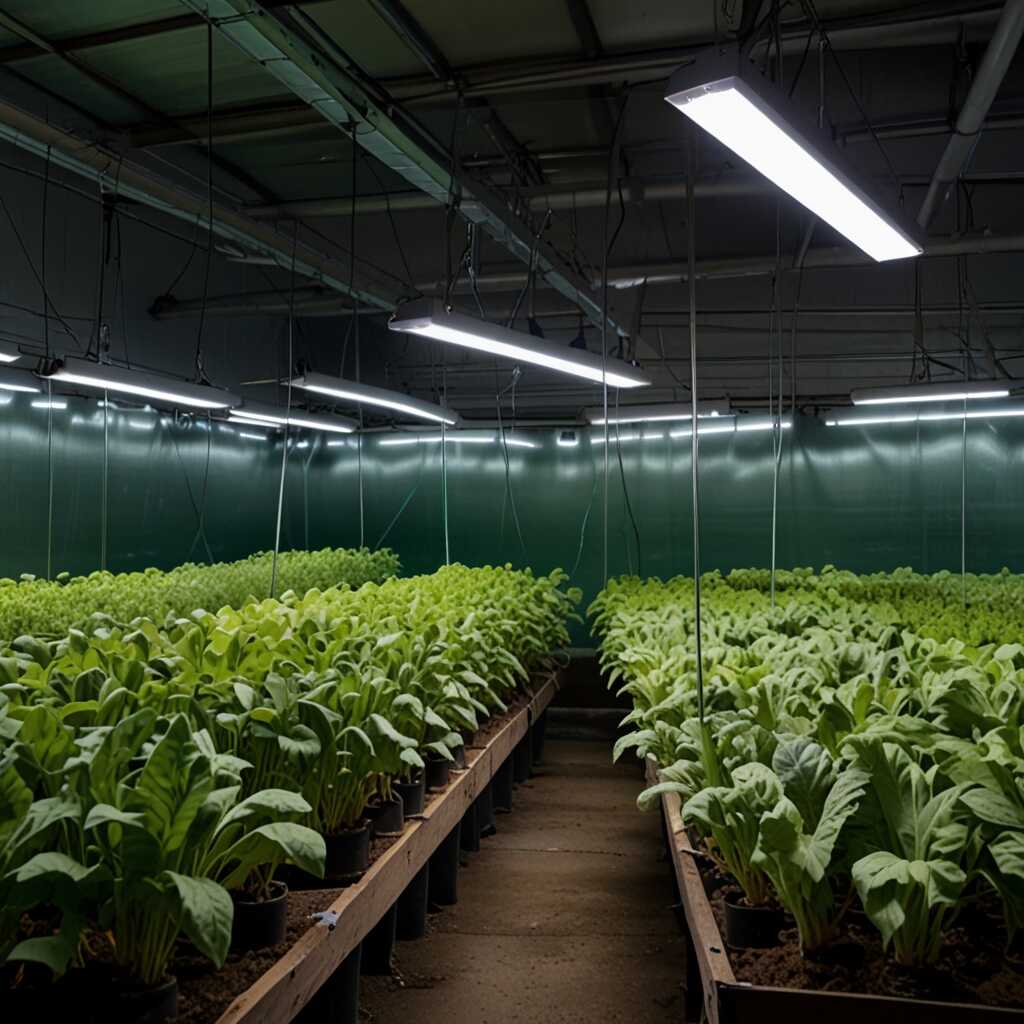
Full spectrum lighting supports climbing plants through various growth phases. During the seedling stage, full spectrum LED grow lights provide essential wavelengths, particularly blue light, promoting healthy leaf development. As plants transition to the vegetative phase, additional red wavelengths enhance root growth and stem strength. Tailored exposure to these light spectrums ensures reliable photosynthesis, essential for high-quality plant health. In the flowering phase, full spectrum lighting increases flowering abundance and potency. Therefore, understanding how to leverage full spectrum lighting is critical for greenhouse operators aiming for optimal plant performance.
Essential Light Wavelengths for Climbing Plants
Full spectrum LED grow lights emit various wavelengths that support climbing plants effectively. Blue light, around 400-500 nanometers, is crucial for the seedling stage, fostering compact growth and strong foliage. Red light, typically between 600-700 nanometers, enhances flowering and fruiting. Some advanced LEDs also include far-red light, which can stimulate germination and help achieve higher yield volumes. Ensuring balanced exposure across all these wavelengths promotes durability in plant health and vitality. For optimal results, aim for around 12-16 hours of light exposure daily, which suits the natural cycle of most climbing plants.
Effective Strategies for Light Placement in Your Greenhouse
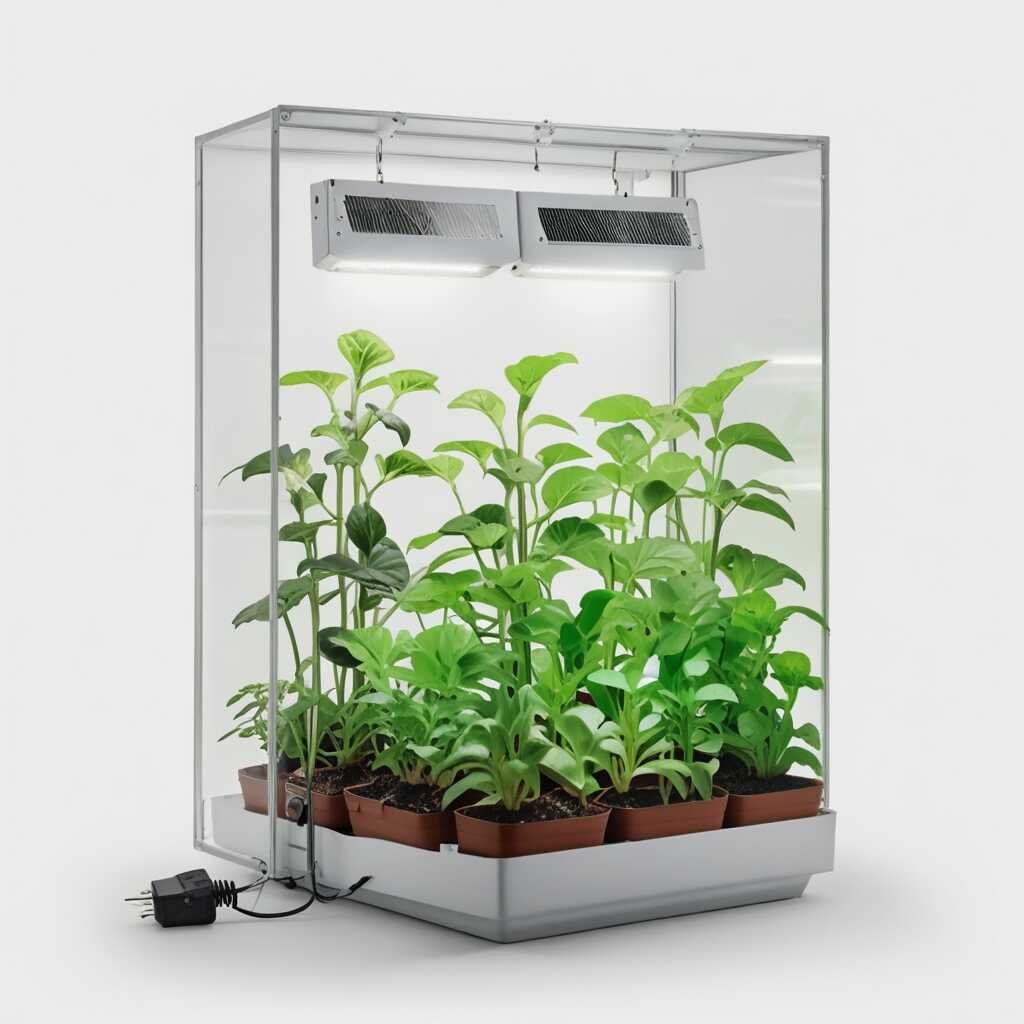
Positioning LED grow lights correctly in your greenhouse is essential for ensuring even light coverage. Place lights about 12 to 24 inches above the canopy of your climber plants. This distance offers reliable light intensity while preventing leaf burn. Angle the lights at approximately 45 degrees to maximize coverage on all sides of the plant. Adjust the timing of light exposure to mimic natural daylight cycles, using 12 to 18 hours a day for optimal growth. These strategies collectively enhance plant health and vitality.
Understanding Light Angle and Its Impact on Climber Plants
Light angle plays a critical role in the growth of climber plants. When LED grow lights are positioned at a 45-degree angle, they allow the light to reach lower leaves effectively. This positioning encourages uniform growth, as climber plants often extend towards the light source. Sequential adjustments in the angle help shift the plant’s focus, promoting a more natural growth pattern. Testing different angles and monitoring plant response over time will provide data on the perfect setup for your specific climber species.
Key Advantages of Effective Lighting Systems
- LED grow lights provide full-spectrum light, promoting overall plant health.
- They help reduce energy consumption, supporting environmentally friendly practices.
- Grow lights enable year-round cultivation, irrespective of external weather conditions.
- Climber plants thrive under specific light conditions, enhancing growth speed.
- LED lights encourage vibrant colors and increased flowering for climbing varieties.
- They allow for precise control over light intensity, catering to various growth phases.
- LED technology helps reduce the need for chemical growth enhancers.
Understanding Light Duration
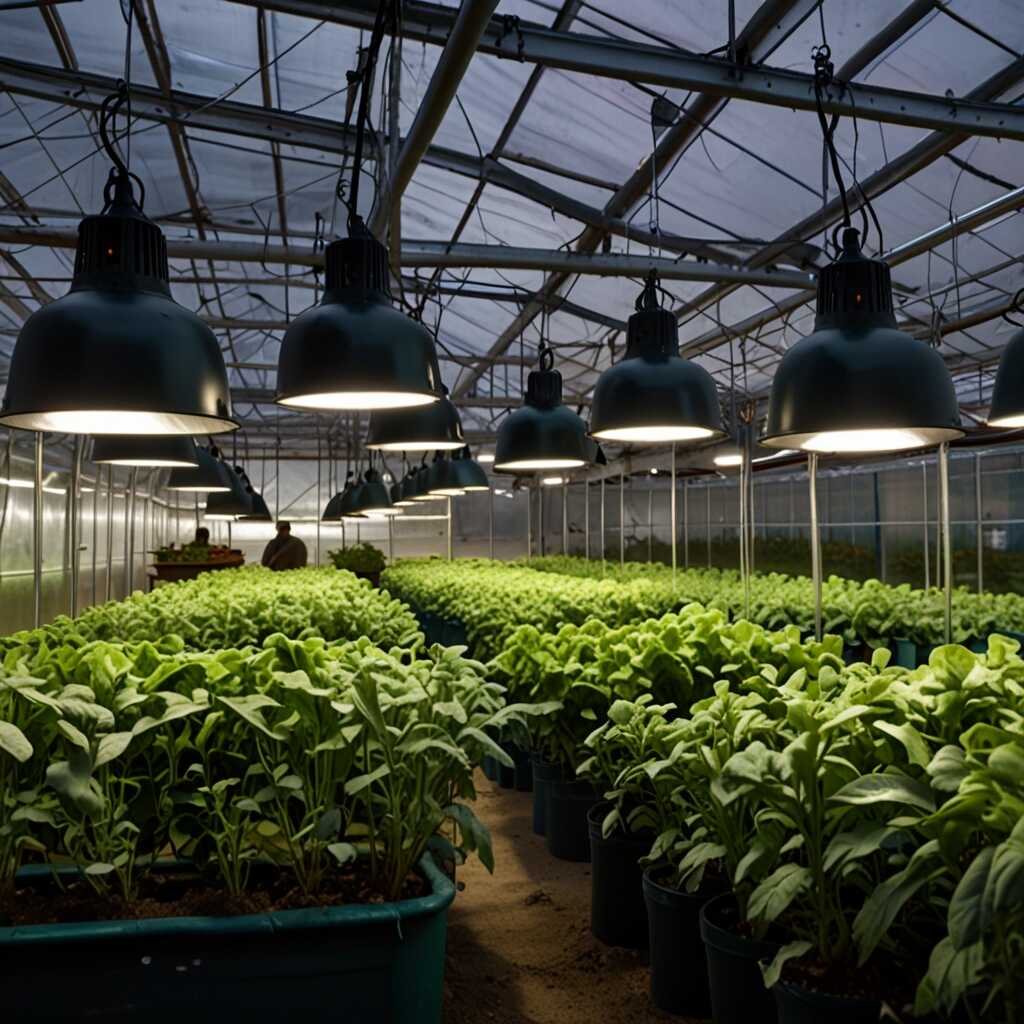
Light duration has a significant impact on the health and growth cycles of climbing plants. Different climbing plants have varying light requirements based on their natural habitats. For example, philodendrons thrive with about 12-14 hours of light daily, while pothos generally requires 10-12 hours for optimal health. The importance of photoperiods cannot be overstated since they regulate essential biological processes, including flowering and vegetative growth. Establishing a reliable light schedule helps ensure that climber plants achieve their best growth performance.
Ideal Light Durations for Climber Plants
The ideal light duration for climbing plants varies based on species and growth stages. For philodendrons, a daily exposure of 12-14 hours of bright indirect light fosters strong growth. Pothos prefers 10-12 hours, enhancing leaf development and vibrant coloration. Sweet peas thrive with around 14-16 hours when grown indoors, promoting flowering and healthy vine growth. It’s essential to consider that excess light can hinder growth, so maintaining an appropriate balance will enable climbing plants to flourish and maintain vitality.
Tackling Common Issues with LED Grow Lights
Managing heat and light intensity are common challenges when using LED grow lights. Heat can build up, affecting plant health. Ensure proper ventilation using fans or air circulation. If LEDs get too hot, they can cause damage to climber plants. For light intensity, understanding the correct settings for each growth stage is crucial. While some plants may thrive under high light, others may need moderate intensity. Always test and monitor their reactions. The ideal distance between LED grow lights and climber plants typically ranges from 12 to 24 inches. Closely observe plants for signs of light stress.
Understanding Optimal Distances for Different Growth Stages
Specific distances of LED grow lights significantly affect plant health. For seedlings, place lights about 24 inches above the plants. As climber plants grow, reduce the height to 12 to 18 inches to maintain optimal light intensity. This adjustment ensures that plants receive the right amount of light without risk of burning. Use a light meter for precise measurement of light intensity at the plant’s height. This practice enables you to provide the best lighting conditions for the different stages of growth, thus enhancing overall plant vitality.
Target Groups and Relevant Applications in Gardening
- Home gardeners benefit from LED lighting for smaller indoor and outdoor projects.
- Professional greenhouse operators adopt LED technology for commercial crops.
- Indoor gardening enthusiasts embrace grow lights to care for exotic climbers.
- Sustainability advocates appreciate energy-efficient lighting that conserves resources.
- Horticulture students conduct experiments to learn about plant-light relationships.
- Urban dwellers use LED lights for vertical gardens and limited-space gardens.
- Plant care bloggers share tips on using grow lights effectively in projects.
Incorporating LED Grow Lights into Eco-Friendly Practices
LED grow lights enhance sustainable gardening practices by providing energy-efficient lighting that reduces electricity costs and minimizes greenhouse gas emissions. These lights are designed to operate with a lower energy consumption compared to traditional lighting, which can help reduce a greenhouse’s overall carbon footprint. Additionally, LED grow lights can help maintain optimal growth conditions for climber plants, ensuring they thrive throughout different growing stages. By delivering specific wavelengths that plants need, LED lights improve photosynthesis efficiency and plant vitality, making them a smart choice for eco-conscious gardeners.
Understanding the Environmental Benefits of LED Grow Lights
LED grow lights offer significant environmental benefits compared to traditional lighting systems. They generate less heat, reducing cooling costs and energy usage in a greenhouse. Research shows that LED lights can last over 50,000 hours, which not only saves costs but also reduces waste. This efficiency helps greenhouse operators manage their energy consumption effectively. For example, switching to LED grow lights can enable greenhouses to achieve savings of up to 75% in energy costs. This reduction in energy use is critical for sustainable gardening while enhancing the growth and health of climber plants.