
LED grow lights enhance citrus tree growth in greenhouses by providing the right light spectrum for optimal photosynthesis. These lights support healthier plants and higher yields by mimicking natural sunlight, which is especially useful in controlled environments. At Green Writer, we emphasize how these energy-efficient solutions can enrich your indoor gardening experience while promoting sustainable practices. Understanding how to use LED grow lights can lead to thriving citrus trees and a more environmentally friendly home.
Understanding the Benefits of LED Grow Lights for Healthy Plant Growth
LED grow lights provide several advantages for enhancing citrus tree growth. They offer energy efficiency, which reduces electricity costs while providing optimal light for plants. Unlike traditional lighting systems, LED technologies generate less heat, preventing heat stress on trees. This contributes to healthier plant growth and improved citrus quality. Comparatively, they last longer, providing over 50,000 hours of reliable performance. This reduces frequent replacements, leading to savings and convenience for growers. LED grow lights enable perfect mimicking of sunlight with full-spectrum options, supporting all growth stages of citrus trees. Research shows that this light spectrum helps significantly in fruit development and overall health.
How to Choose the Best LED Grow Lights for Citrus Trees
When selecting LED grow lights for citrus trees, several factors are essential. Look for lights with full-spectrum features, as they cater to the different growth stages of citrus. Ensure the lights have a high energy efficiency rating to minimize energy consumption. Also, consider those with heat reduction designs to prevent overheating. Check for durable materials that promise longevity. A good LED grow light should last at least 50,000 hours without significant performance drop. Reading reviews and comparing different products helps find the best options tailored for your greenhouse conditions. The right light can substantially improve yield and fruit quality, supporting sustainable gardening practices.
Selecting the Best Light Spectrum for Citrus Trees
The light spectrum plays a crucial role in the growth of citrus trees. For optimal growth, focus on blue and red wavelengths. Blue light (around 450 nm) stimulates vegetative growth, while red light (around 650 nm) encourages flowering and fruiting. Using LED grow lights, specifically designed with full spectrum capabilities, provides all necessary wavelengths. Citrus trees generally require 12 to 14 hours of light daily to thrive. This balance of light helps enhance the overall health of the trees, ensuring a high yield of fruit.
Understanding the Importance of Full Spectrum Lighting
Full spectrum lighting simulates natural sunlight, making it essential for indoor citrus tree cultivation. This type of lighting includes a range of wavelengths from UV to infrared, which supports various growth stages. Research shows that plants exposed to balanced full spectrum light experience improved photosynthesis and healthy growth. LED grow lights featuring full spectrum technology are energy efficient, durable, and designed to enhance the photosynthetic response without overheating the plants, making them a reliable choice for indoor growers.
Best Practices for Positioning LED Grow Lights in Greenhouses
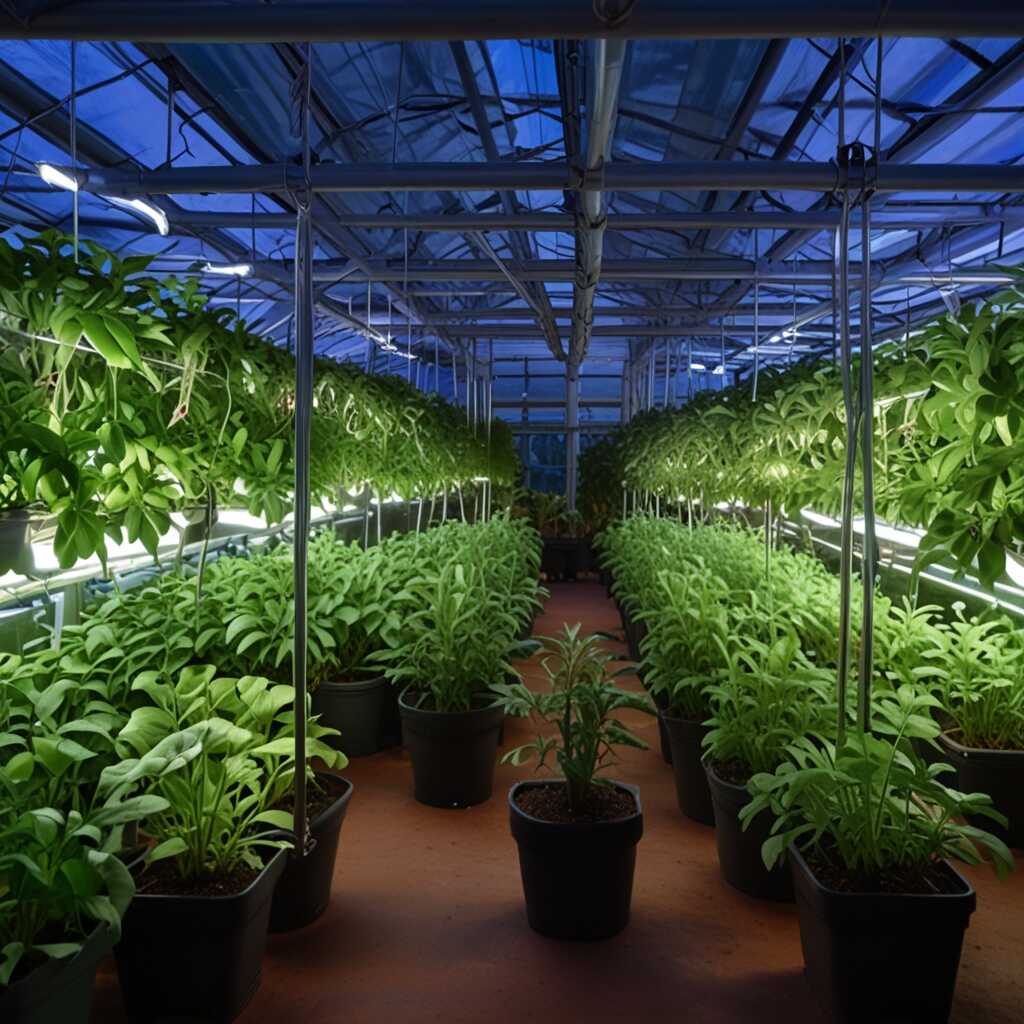
To maximize citrus tree growth, position your LED grow lights 12 to 24 inches above the tree canopy. This distance ensures enough light reaches the leaves without causing heat stress. Different LED light types can affect citrus tree growth. Full-spectrum LEDs mimic natural sunlight, enhancing photosynthesis, while specific spectrums can target particular growth stages. For optimal performance, the recommended duration for LED lighting is around 12 to 16 hours per day, depending on the growth phase of the citrus tree. This daily exposure improves overall health and fruit production while ensuring efficiency in energy usage.
Understanding LED Light Types and Their Effects on Citrus Trees
Full-spectrum LED grow lights significantly enhance citrus tree growth. These lights include red, blue, and green wavelengths, crucial for photosynthesis. Red light encourages flowering and fruiting, while blue light is essential for vegetative growth. Using a combination of these spectrums can lead to healthier trees and higher yields. Additionally, ensure your LEDs have a good PAR (Photosynthetically Active Radiation) output, as this indicates their effectiveness for plant growth. With reliable and durable options available, you can confidently select grow lights that deliver great performance for your indoor citrus trees.
Fascinating Numbers Behind Grow Lighting Technology
- LED grow lights can last over 50,000 hours, providing long-term usage.
- Citrus trees can grow up to 30% faster under optimal lighting conditions.
- Using LED lights can reduce energy costs by up to 75% compared to traditional bulbs.
- Plants typically require about 12-16 hours of light daily for the best growth.
- Correct wavelengths in light should ideally range from 400-700nm for best results.
- Optimal temperatures for citrus growth under lights range from 70°F to 85°F.
- Greenhouse yields can increase by 20-25% with proper lighting strategies.
Establishing the Right Lighting Duration for Citrus Trees
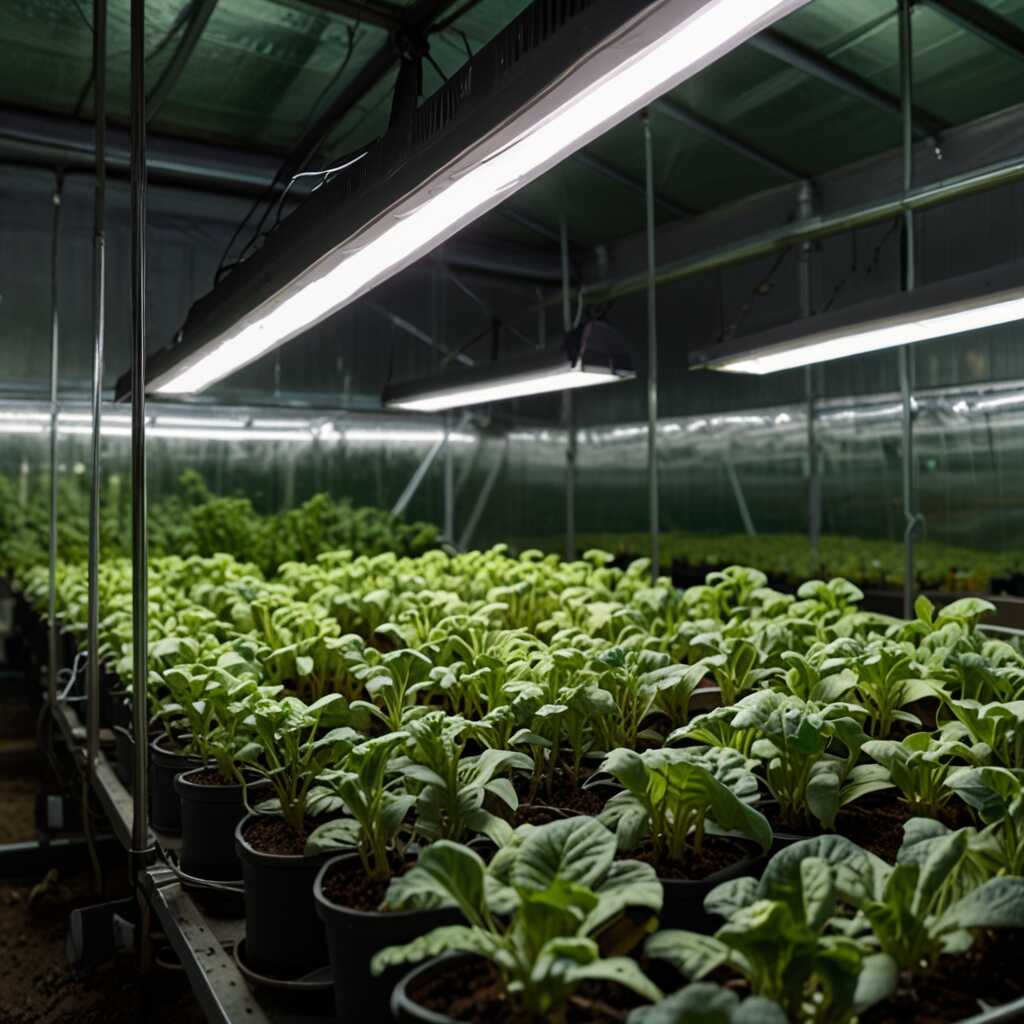
Citrus trees thrive under LED grow lights with an optimal daily exposure of 12 to 16 hours. This duration ensures robust photosynthesis, which enhances growth and maximizes fruit production. Different species like lemons, oranges, and limes may have slightly different lighting needs. Generally, all citrus trees benefit from consistent light exposure at the same intensity. Ensuring an even distribution of light is essential for the best results. Experimentation is a good method to assess the specific needs of your trees based on growth patterns.
Citrus Tree Species and Lighting Preferences
Different citrus tree species respond uniquely to lighting conditions. For example, lemon trees generally prefer around 14 hours of light daily, while lime trees thrive under similar conditions. Oranges can handle slightly shorter exposure but excel with extended periods. Testing these variations can provide insight into specific needs. Keeping a consistent lighting schedule helps ensure your citrus trees develop strong roots and produce high fruit yields. Regularly observe the growth and adjust as necessary for optimal results.
Understanding Environmental Factors Affecting Citrus Growth
Several environmental factors, including humidity levels and temperature range, significantly impact citrus tree growth in greenhouses. When utilizing LED grow lights, it’s crucial to maintain optimal humidity levels between 50-70%. This range supports healthy foliage and fruit development. Temperature also plays a vital role. Citrus trees thrive best when temperatures range from 68°F to 77°F during the day and slightly cooler at night, around 60°F to 65°F. Understanding these factors helps you create a greenhouse climate that enables citrus trees to flourish with the support of LED technology.
Creating the Ideal Greenhouse Climate
Creating the ideal greenhouse climate requires careful control of both temperature and humidity levels. A reliable digital hygrometer can provide continuous data on these factors, enabling you to make necessary adjustments. Keeping humidity levels around 60% can help citrus trees manage transpiration stress while promoting healthy growth. Furthermore, a ventilated system allows for airflow, preventing overheating. Employing LED grow lights provides consistent lighting that can complement natural sunlight, enhancing growth. Consider integrating timers to simulate natural light cycles, ensuring your citrus trees experience the best possible growth environment.
Key Advantages of Using Advanced Lighting Systems
- LED lights provide full spectrum wavelengths that enhance citrus tree growth stages.
- They promote healthier foliage and fruit development in plants.
- These lights produce minimal heat, reducing the risk of plant burn.
- LED systems are energy-efficient, leading to lower overall operational costs.
- They provide consistent light, crucial for stable growth cycles.
- Long bulb life means less frequent replacements and reduced waste.
- Using them can result in improved air quality for your greenhouse ecosystem.
Strategies for Monitoring Citrus Tree Growth under LED Lights
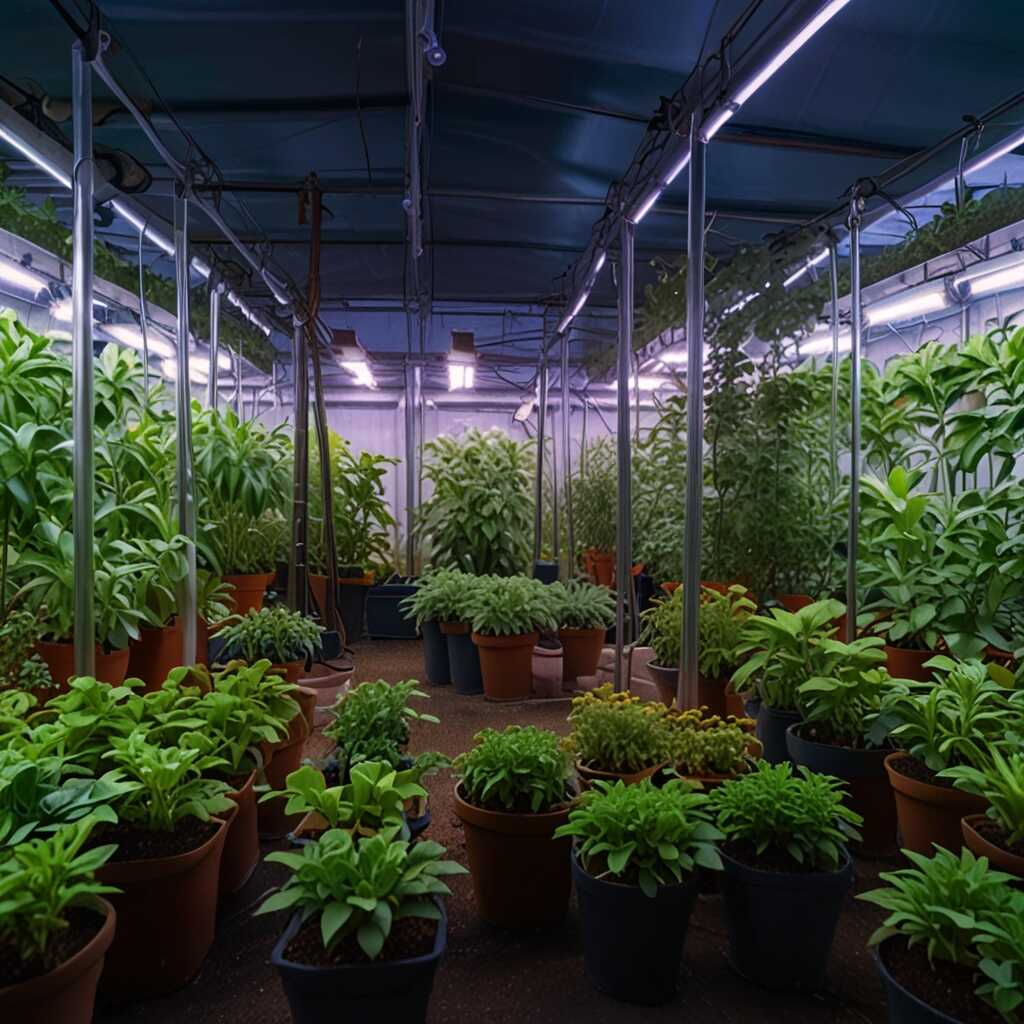
Monitoring citrus tree growth under LED lights involves observing key indicators. Look for new leaf development, tree height, and fruit set. Regularly assess the response to light intensity and spectral quality. Adjustments may enhance growth rates. Evaluate the environmental conditions including humidity, temperature, and nutrient levels. Understanding how these factors impact plant health provides essential insights. Additionally, maintaining records of growth changes creates a comparison point for future adjustments. Experts suggest reviewing growth data every two weeks during active growth periods. This practice helps ensure plants are thriving under optimal conditions.
Essential Monitoring Techniques for Optimal Growth
Implementing effective monitoring techniques requires attention to detail. Begin by evaluating the light spectrum used by your LED grow lights. Research suggests that a full spectrum (400-700nm) supports all growth stages in citrus trees. Measure light intensity with a PAR meter to ensure the correct amount of light reaches your plants. Assess environmental conditions weekly, focusing on humidity levels and soil moisture to align with ideal citrus growth requirements. Regularly testing these variables improves performance and leads to better results. This structured approach ensures your citrus trees remain healthy and productive under LEDs.
Avoiding Common Pitfalls with LED Grow Lights
Growers often make three common mistakes when using LED grow lights for citrus trees. First, they may not position lights at the right distance, leading to inadequate light exposure. Second, choosing low-quality LED lights can result in poor growth and a lack of essential wavelengths. Lastly, overextending usage hours can hinder overall plant health. Effective citrus tree growth hinges on reliable lighting solutions that meet specific requirements.
Understanding Distance and Placement of LED Grow Lights
Proper distance and placement of LED grow lights are essential for optimizing citrus tree health. Position lights about 12 to 24 inches above the plants, depending on the intensity of the grow light. High-quality LED lights optimized for fruit tree growth typically include full-spectrum features, ensuring that all necessary wavelengths are effectively utilized. Adjustments may be necessary based on plant height and growth stage to enhance photosynthesis and yield. Regularly test and monitor your setup to guarantee that the lights reliably support your citrus trees.
Understanding User Preferences and Use Cases
- Home gardeners love using LED lights to grow citrus trees indoors.
- Professional growers utilize these systems for commercial greenhouse operations.
- Urban dwellers appreciate how these lights support small-space gardening.
- Several brands cater to diverse citrus tree needs, each with unique features.
- Families seek eco-friendly lighting options to reduce their carbon footprint.
- Hobbyists enjoy experimenting with different grow light setups for better yields.
- Schools and community gardens often implement these lights for educational projects.
Incorporating Sustainable Gardening Practices with LED Technology
Using LED grow lights in tandem with other sustainable gardening practices can significantly improve citrus tree health and productivity. Organic fertilizers enrich the soil without harmful chemicals, complementing the energy-efficient lighting. Proper irrigation methods, like drip systems, reduce water waste while ensuring citrus trees get the hydration they need. Companion planting with herbs or flowers can support beneficial insects, creating a balanced ecosystem in your greenhouse. These methods combined with LED technology help enhance growth, ensuring your citrus trees thrive.
Best Practices for Combining LED Lighting with Eco-Friendly Techniques
When integrating LED grow lights into sustainable gardening practices, monitor your citrus trees’ light exposure. Aim for 12 to 16 hours of light daily to optimize photosynthesis. Ensure that your LED grow lights are full-spectrum, enabling every growth stage from seedling to fruit production. Combine these lights with mulching techniques to maintain soil moisture and temperature. This combination not only improves plant health, but also maximizes the benefits of energy-efficient lighting, resulting in robust citrus trees.