
Boosting aquatic plant growth with LED lights in greenhouses can revolutionize indoor gardening. These energy-efficient lights provide the ideal spectrum for plants, encouraging healthy growth and vibrant colors. At Green Writer, we explore how LED technology supports aquatic plants while reducing energy costs. Understanding the benefits and effective use of LED lights can empower enthusiasts and operators to create thriving green environments.
Importance of Proper Lighting for Healthy Aquatic Plant Growth
Lighting is crucial for healthy aquatic plant growth in greenhouses. Plants rely on light for photosynthesis, the process that converts light energy into chemical energy. Different aquatic plants have unique light needs based on their species. Some thrive under blue light, essential for vegetative growth, while others benefit from red light, which promotes flowering. Reliable studies show that quality lighting enhances plant health and yield. Proper lighting, especially full-spectrum LED lights, can improve the growth rate and overall vitality of aquatic plants. Research indicates that many aquatic species require around 12 to 16 hours of light daily for optimal growth.
Understanding Light Spectrum for Aquatic Plants
The light spectrum plays a vital role in the growth of aquatic plants. Full-spectrum LED lights, which cover light wavelengths from 400 to 700 nm, emulate sunlight. This range includes blue light, promoting leaf production, and red light, encouraging blooming. Choosing the right spectrum helps plants carry out photosynthesis more effectively and efficiently. Different aquatic plants respond variably to light; for instance, plants like Anubias need moderate light, while others like water lilies thrive in bright conditions. Properly matching the LED light spectrum to the specific needs of different aquatic species is essential for achieving the best growth results.
Exploring the Benefits of LED Grow Lights for Greenhouses
Using LED grow lights provides numerous advantages for aquatic plant growth in greenhouses. Their energy efficiency significantly lowers electricity bills. LEDs produce less heat, creating a perfect environment for plants that thrive in cooler conditions. A longer lifespan of over 50,000 hours compared to traditional lights reduces the frequency of replacement, ensuring reliability. Research indicates that the full spectrum of light from LEDs enhances photosynthesis, improving growth rates. LED grow lights are designed to maximize these benefits, making them a viable choice for greenhouse operators and aquatic plant enthusiasts.
Comparing LED Grow Lights to Traditional Lighting
When comparing LED grow lights to traditional lighting, the differences are striking. Traditional lights often generate excessive heat, which can stress aquatic plants. In contrast, LED technology minimizes heat output, allowing for a stable climate. This heat reduction leads to lower cooling costs for greenhouse operations. The efficiency of LED lights results in up to 80% less energy consumption. With an average lifespan exceeding 50,000 hours, they outperform incandescent and fluorescent lights, which typically last around 1,000 to 15,000 hours. This data illustrates how LED grow lights are the best sustainable option for greenhouse aquatic plant cultivation.
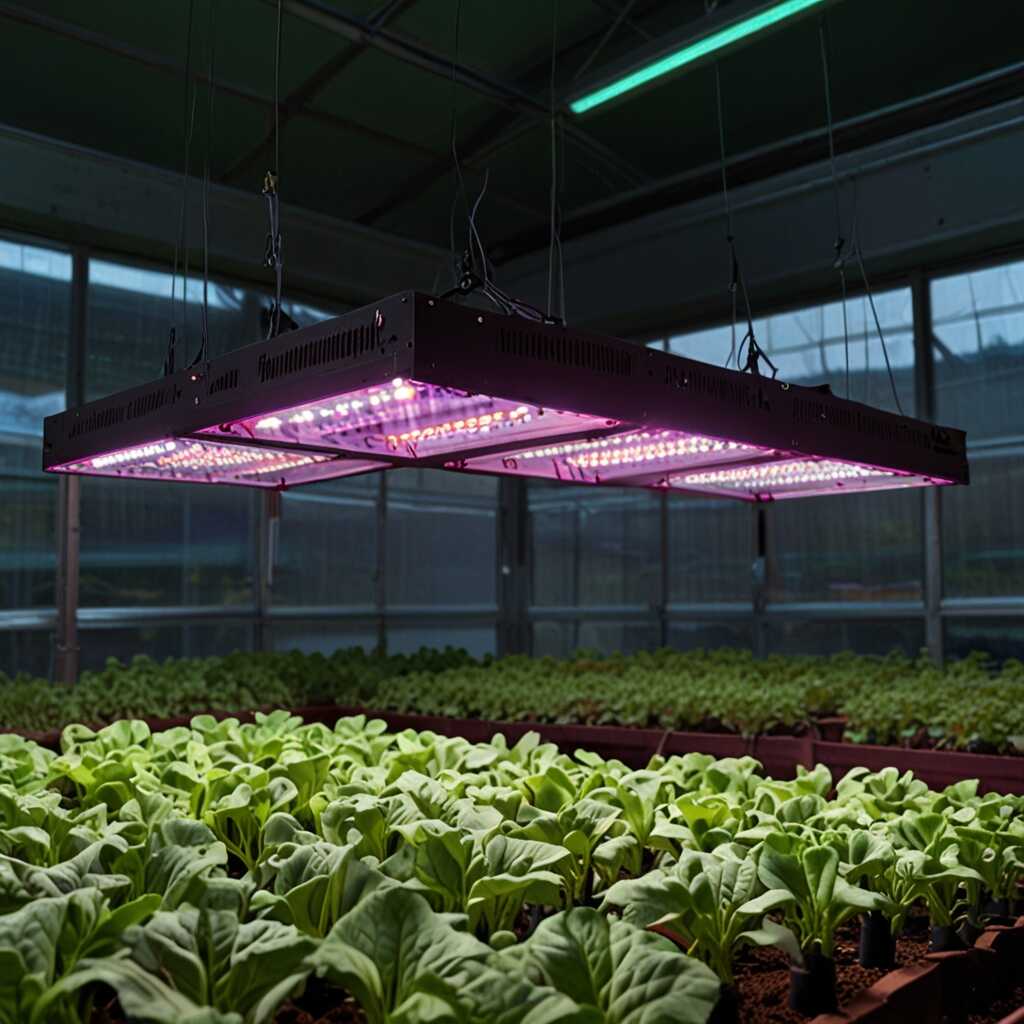
Top Aquatic Plant Species Thriving under LED Lighting
Aquatic plants such as Anubias, Java Fern, and Hornwort thrive under LED lighting systems. Anubias requires moderate light, while Java Fern flourishes in low light, making them excellent choices for beginners. Hornwort benefits from higher light intensity, promoting lush growth. The best practice is to assess the specific light needs for each species. An ideal light spectrum usually ranges between 400 to 700nm for optimal growth conditions, providing essential wavelengths for photosynthesis. Most aquatic plants benefit from 10 to 12 hours of daily LED light, ensuring they receive adequate energy for healthy growth.
Understanding LED Light Spectrum for Aquatic Plants
LED grow lights provide a full spectrum of light, which is crucial for aquatic plants. The blue light range (450-495nm) promotes vegetative growth, ensuring leaves become strong and healthy. Red light (620-750nm) stimulates flowering and enhances plant development. Using a combination of blue and red light supports photosynthesis effectively. Aquatic gardeners can consider fixtures featuring adjustable light settings to cater to the specific needs of each plant species. Quality LED systems can improve growth rates significantly by mimicking natural sunlight, providing essential wavelengths for aquatic plant health. Research shows that a balanced spectrum leads to more vibrant colors and better overall plant performance.
Numerical Insights on Promoting Aquatic Vegetation
- LED lights can last over 50,000 hours, making them a long-term investment.
- Studies show that aquatic plants can grow up to 70% faster under LED lighting compared to traditional bulbs.
- Using a full spectrum LED light can enhance growth across all life stages of plants.
- Water temperature control can improve by 2-4 degrees when using LED, benefiting growth.
- Average energy savings with LED compared to fluorescent lights can be around 75%.
- LED lights can reduce water evaporation rates by 15-25%, keeping hydration levels stable.
- Some specific aquatic plants may thrive with as little as 6-8 hours of light per day when using LEDs.
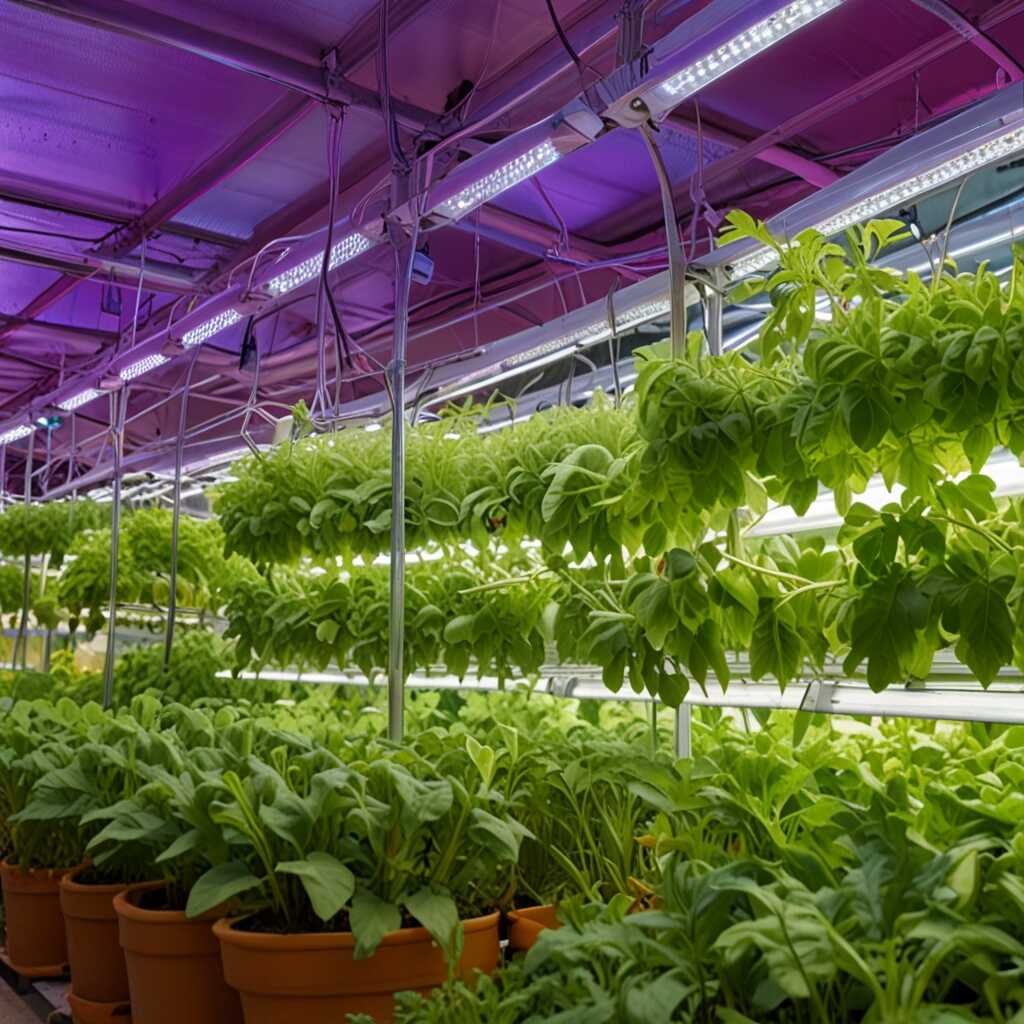
Guide to Setting Up LED Lights in Your Greenhouse
To arrange LED lights effectively in your greenhouse, start by considering light coverage and distribution. Space the lights evenly across the structure to prevent shadowing. Position the LED lights about 12 to 24 inches above the aquatic plants. This height helps deliver optimal brightness without causing heat stress. Aim for a 45-degree angle for better light penetration into the plant canopy. Run your LED lights for 12 to 16 hours daily to support healthy growth. This daily schedule mimics the natural sunlight plants need for photosynthesis and growth.
Understanding Light Spectrum for Aquatic Plants
LED lights can emit different light spectrum ranges crucial for various growth stages of aquatic plants. The full spectrum between 400-700nm is vital, covering both blue and red wavelengths. Blue light is essential during the vegetative phase, helping leaves and stems grow robustly. Red light enhances flowering and fruiting stages. Research indicates that combining blue and red light results in balanced growth, improving overall health. Ensure your LED lights are designed for full-spectrum use to get the best results for your aquatic plants. This will improve their growth rate and overall appearance, creating a thriving greenhouse environment.
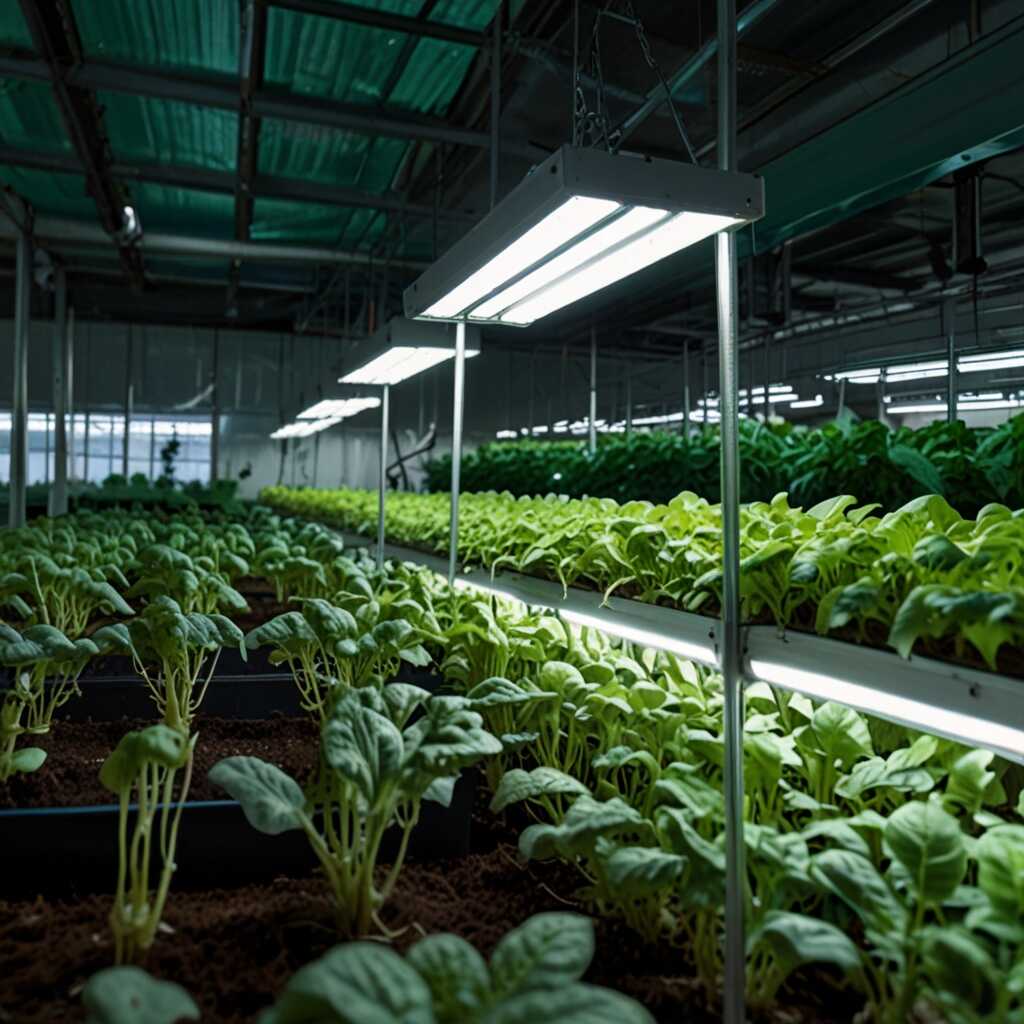
LED Lighting vs Traditional Lighting for Aquatic Plants
LED lights are energy-efficient and long-lasting compared to traditional lighting options like fluorescent or incandescent bulbs. LED lights deliver full spectrum lighting, essential for aquatic plant growth, ensuring all stages from germination to flowering receive adequate wavelengths. The durability of LEDs, with lifespans exceeding 50,000 hours, reduces the frequency of bulb replacements. Traditional lighting, while initially less expensive, has higher operational costs due to energy consumption and short lifespan. Research shows LEDs can save energy costs by up to 75% annually when compared with conventional lighting, making them economically viable for greenhouse operators.
Advantages of Using LED Lighting for Aquatic Plants
LED lighting provides several advantages for aquatic plants. The full spectrum capability of LEDs supports photosynthesis effectively, enhancing plant growth and flower production. Overall efficiency improves faster growth rates and healthier plants. LEDs emit less heat, which protects sensitive aquatic environments from overheating. This feature also reduces the need for additional cooling systems in greenhouses. Testing reveals that specific aquatic plants, like lotus and Anubias, thrive under LED lighting. They show increased vitality and lower susceptibility to pests. Overall, the transition to LEDs enables greenhouse operators to cultivate a wider variety of healthy aquatic plants.
Advantages of Utilizing Energy-Efficient Illumination
- LEDs produce less heat, reducing the risk of overheating aquatic environments.
- Boosting aquatic plant growth with LED lighting maintains optimal light spectra for photosynthesis.
- They allow for year-round growth, extending the planting season for indoor gardeners.
- LED lights offer customizable settings to meet the unique needs of different aquatic species.
- Longer lifespan means less frequent replacements, reducing waste and costs over time.
- They provide targeted lighting that minimizes light pollution, supporting species’ growth.
- LEDs help in creating vibrant colors in aquatic plants, enhancing their visual appeal.
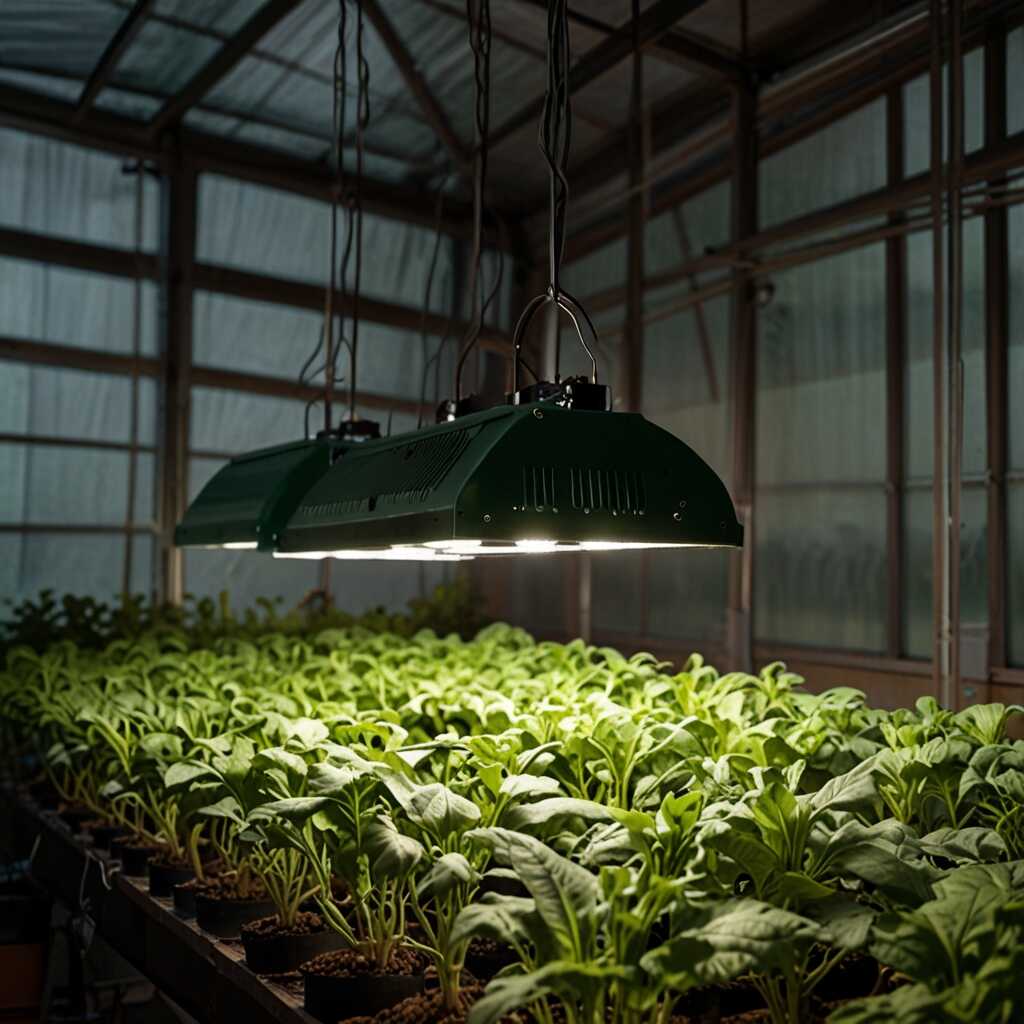
Understanding Light Spectrum and Its Impact on Plant Growth
The light spectrum significantly influences the growth stages of aquatic plants. Different wavelengths promote various physiological processes essential for photosynthesis. Blue light (400-500 nm) is crucial for vegetative growth because it enhances chlorophyll production. Red light (600-700 nm) supports flowering and fruiting stages. The combination of these wavelengths optimizes growth results. Research indicates that aquatic plants thrive best with full-spectrum light, which includes both blue and red wavelengths. Daily light exposure of around 12 to 16 hours maximizes their growth efficiency, ensuring plants develop healthily and robustly.
Key Wavelengths for Aquatic Plant Growth
Understanding which wavelengths are best for aquatic plants is essential for successful cultivation. Blue wavelengths are proven to enhance chlorophyll synthesis, leading to vigorous vegetative growth. Red wavelengths support blooming and fruit development. This combination is often referred to as the “photosynthetically active radiation” range. It is advisable to use full-spectrum LED lights, which deliver the necessary wavelengths. These lights are designed to replicate natural sunlight, providing a reliable light source for aquatic plants throughout their growth phases. Regular reviews of light intensity and duration can help ensure optimal results.
Effective Maintenance Tips for Your LED Grow Lights
To ensure the longevity and performance of your LED grow lights, follow essential cleaning practices. Regularly dust the surface using a soft, dry cloth to remove any grime that can block light. For deeper cleaning, gently wipe the fixture with a damp cloth, avoiding direct water exposure to electrical components. Common issues like flickering or dimming can often be fixed by checking connections and ensuring bulbs are securely placed. LED grow lights typically last 50,000 hours, but consider replacing them every 5 to 10 years based on your usage to maintain reliable performance.
Properly Troubleshooting LED Problems
Troubleshooting issues with LED grow lights is straightforward. If your lights flicker, first check all connections for damage or dirt. Ensure that the power supply is functioning properly. Dim lighting can indicate the need for replacement due to aging. Regular testing of your LEDs can help spot these problems early on, enhancing overall efficiency. Research shows maintaining your lights ensures optimal performance throughout their lifespan. Monitoring light quality will provide consistent growth for your aquatic plants.
Effective Brands and Their Target Users
- Brand A focuses on budget-friendly solutions for beginners and hobbyists.
- Brand B offers high-end LED systems with advanced light spectrum controls for serious growers.
- Brand C provides robust models catered to commercial greenhouse operators for larger cultivation needs.
- Students in science clubs often use LED lights for research projects on plant growth.
- Hydroponics users benefit from LED fixtures designed for efficient nutrient delivery and lighting.
- Family gardeners appreciate LED options that help manage costs while enhancing plant aesthetics.
- Sustainability advocates choose brands known for eco-friendly practices and energy-efficient products.
Environmental Benefits of Using LED Lights in Aquatic Gardening
Using LED lights for aquatic gardening offers significant environmental benefits. They are energy-efficient lighting solutions that can reduce carbon footprints dramatically. By consuming less energy than traditional lighting systems, LEDs help minimize greenhouse gas emissions. Aquatic plants can thrive under LED light, which enhances growth while requiring fewer resources. The reliable performance of LED lights ensures that plants receive optimal wavelengths for photosynthesis, promoting not only high yields but sustainable practices in gardening. This approach aligns with eco-conscious living, a core value emphasized by Green Writer.
Maximizing Energy Savings with LED Lights
Maximizing energy savings in aquatic gardening is crucial for sustainability. LED lights use up to 75% less energy than incandescent bulbs. This reduction lowers electrical costs significantly for greenhouse operators. Employing full-spectrum LED lights designed for aquatic environments ensures that plants receive balanced light wavelengths. Utilizing timers and smart lighting apps can further enhance energy efficiency. Studies show a noticeable increase in growth rates for aquatic plants illuminated by LEDs, creating an excellent environment for hobbyists and sustainability advocates. Green Writer supports these practices, providing essential insights for eco-friendly gardening.