
Enhance greenhouse succulent growth with LED lighting solutions to achieve vibrant and thriving plants. LED lights provide the optimal spectrum and intensity for succulents, promoting photosynthesis and overall health. At Green Writer, we explore how efficient LED lighting can transform your indoor garden. Discover practical tips and techniques for implementing these energy-saving solutions in your greenhouse.
The Role of Lighting in Succulent Health and Growth
Proper lighting is essential for succulent health and growth. Sunlight fuels the process of photosynthesis, where plants convert light into energy. This energy helps succulents grow strong roots and vibrant leaves. The quality and duration of light impact plant metabolism. Plants thrive with approximately 12 to 16 hours of light per day during their growth phases. LED grow lights can mimic sunlight, providing the right light spectrum for photosynthesis, ensuring robust growth and health. These lights are energy-efficient and can significantly enhance succulent vitality. Good lighting conditions create a balanced environment that supports succulent flowering and helps maintain their unique shapes.
Understanding Photosynthesis and Plant Metabolism
Photosynthesis is the process where plants use light energy to convert carbon dioxide and water into glucose and oxygen. For succulents, this process is critical in converting sunlight into energy quickly during their active growing season. Quality light aids in increased chlorophyll production, which is essential for good photosynthesis. LED grow lights are designed to offer a full spectrum of light, catering to various growth stages. These lights improve the efficiency of succulents’ metabolism, leading to better nutrient absorption and growth. Ensuring proper lighting conditions allows succulents to flourish in their environment, whether outdoors or in a greenhouse.
Advantages of LED Lights Over Traditional Grow Lights
LED grow lights provide superior energy efficiency benefits, using up to 75% less energy than traditional grow lights. They have an impressive lifespan, lasting over 50,000 hours compared to the typical 1,500 hours of incandescent bulbs. Reduced operating costs attract many indoor gardeners. LED lights support enhanced plant growth by delivering full-spectrum light, which mimics natural sunlight and meets various plant needs during all growth stages. This helps ensure healthier, faster-growing succulents.
How LED Lights Enhance Growth and Health of Succulents
LED lights enhance the growth and health of succulents by emitting specific wavelengths that plants use for photosynthesis. The full-spectrum output of LED lights provides the necessary light range from 400 to 700 nm, which is essential for promoting vegetative growth and flowering. Research has shown that plants grown under LED lights can achieve growth rates of up to 30% faster than those under traditional lights. This is due to the targeted light spectrum that is designed to produce optimal photosynthesis and energy efficiency. Choosing high-quality LED lights with proven performance can truly upgrade your greenhouse experience.
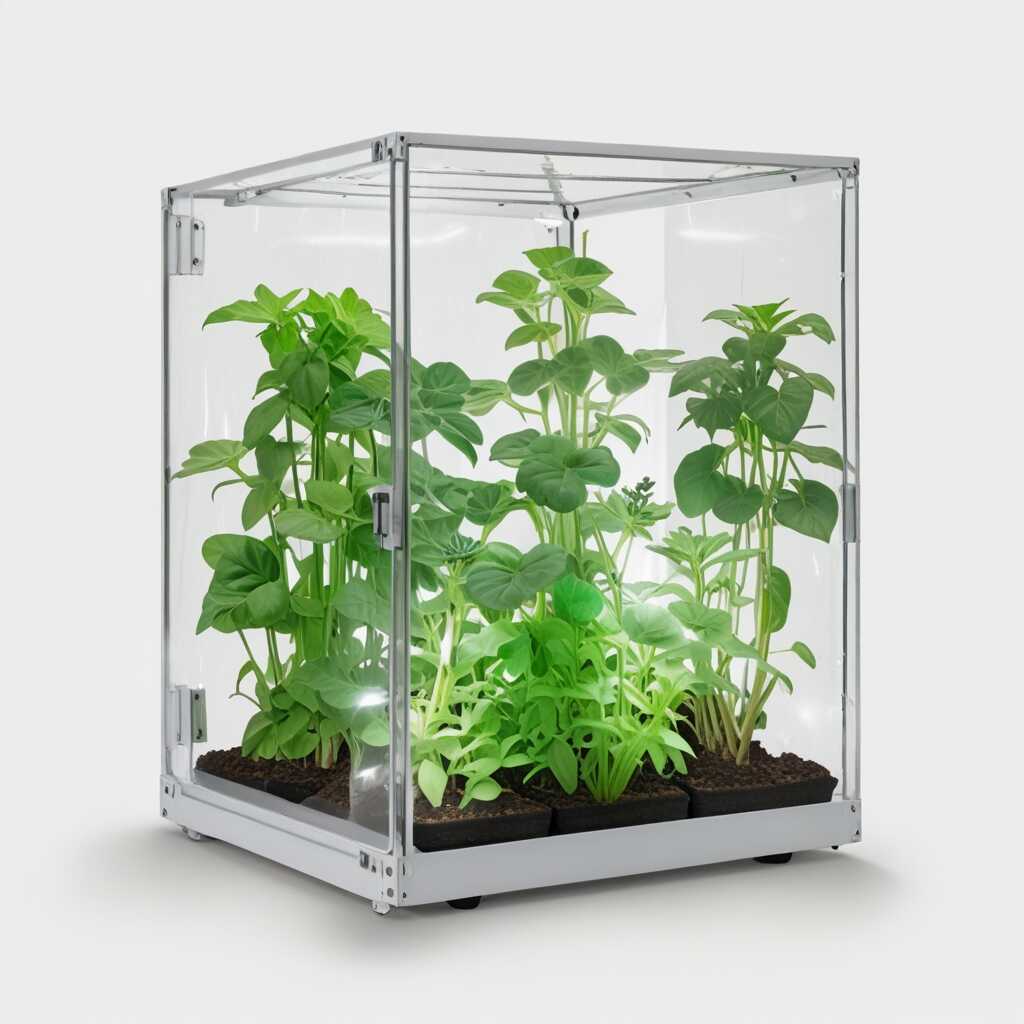
Understanding Full Spectrum LED Lights for Succulent Cultivation
Full spectrum LED lights enhance succulent growth by providing the necessary wavelengths that succulents need at different stages of their development. For germination and early growth, blue light (400-500nm) is essential as it promotes healthy leaf and stem formation. As succulents transition to the flowering stage, red light (600-700nm) stimulates blooming and fruiting. Full spectrum lights offer a blend of these wavelengths, ensuring that plants receive balanced light for optimal health and growth. The best models are energy-efficient, durable, and designed to last up to 50,000 hours, making them reliable for regular use.
Essential Wavelengths for Succulent Health
Understanding essential wavelengths significantly impacts succulent health. Blue light, ranging from 400 to 500nm, is critical during the vegetative stages, stimulating chlorophyll production and fostering robust leaf growth. During the flowering phase, the red spectrum (600 to 700nm) becomes vital, encouraging flowering and thriving. An ideal full spectrum LED light combines both wavelengths, supporting overall plant development. Look for energy-efficient LED lights that offer a reliable mix of these wavelengths to enhance your indoor succulent garden. Expert reviews often highlight specific brands that deliver excellent performance, ensuring you choose the best options for your plants.
Fascinating Data About Plant Growth Under LED Lights
- LED lights can last over 50,000 hours, offering long-term savings.
- Plants can grow twice as fast under proper LED lighting compared to natural light.
- Energy costs can drop by 30-70% when using LED lights for growth.
- Succulents thrive best at temperatures between 65-75°F under LEDs.
- Quality LED grow lights emit wavelengths between 400-700nm for optimal growth.
- Research shows plants require around 12-16 hours of light daily for peak growth.
- LED lights can provide light intensity of around 1000 μmol/m²/s, which is beneficial for plant health.
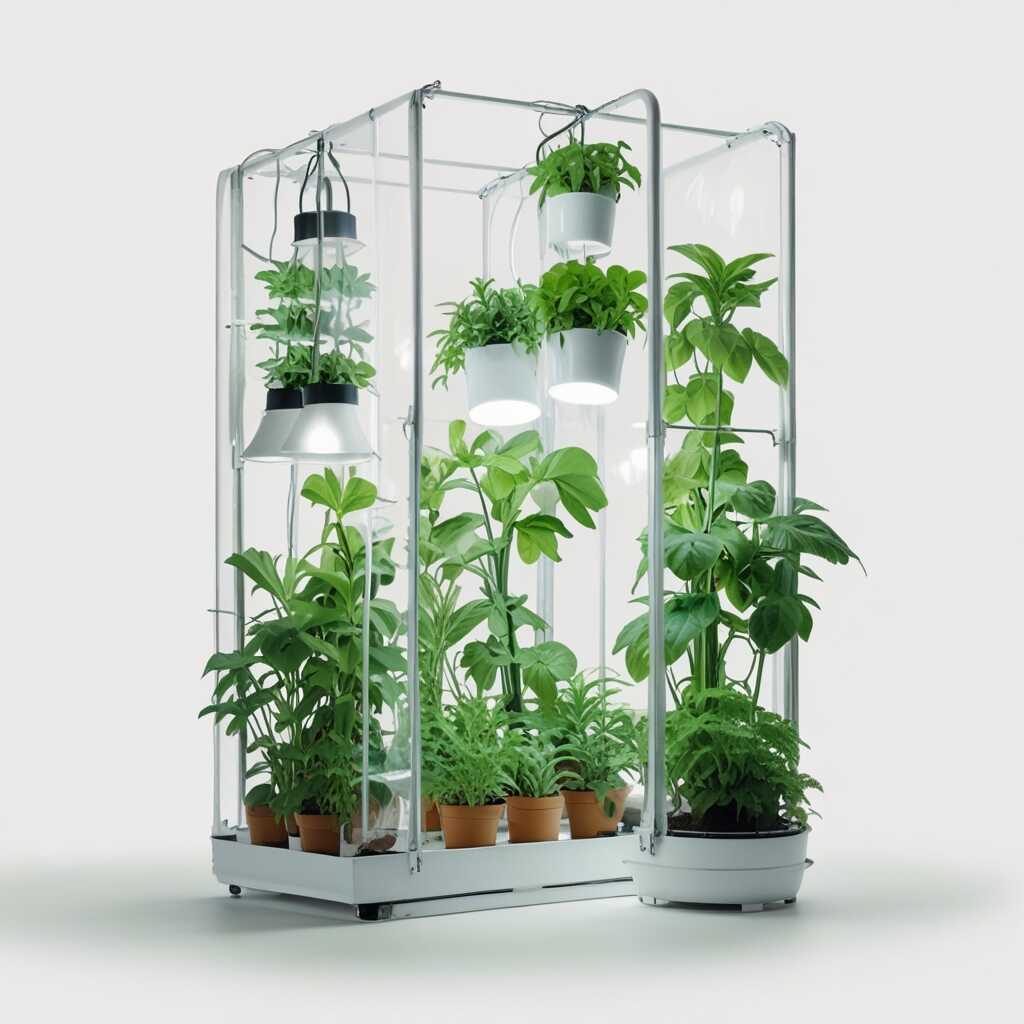
Selecting the Best LED Lights for Your Greenhouse Environment
Choosing the right LED lights for your greenhouse is crucial for enhancing succulent growth. Key features to consider include energy efficiency, spectrum output, and durability. Energy-efficient LED lights reduce electricity costs while providing consistent light. Spectrum output affects growth rates; full-spectrum lights support diverse growth stages. Look for lights that specify wavelength coverage from 400-700nm. Durable LED lights ensure long-term use without frequent replacements. Their lifespan can often exceed 50,000 hours, making them reliable choices for gardeners. Always research reviews and performance data to find the best options tailored to your greenhouse environment.
Understanding Spectrum and Growth Stages for Succulents
The spectrum of LED lights plays an essential role in the growth of succulents. Different wavelengths support specific growth stages. For instance, blue light (around 450nm) is vital during vegetative growth, promoting strong stems and leaves. Red light (around 660nm) is crucial for flowering stages, enhancing blooms and fruit development. Grow lights designed to switch between spectrums offer greater flexibility. Using a light that provides a full spectrum ensures that succulents thrive throughout their life cycle. Combining blue and red wavelengths creates an ideal environment for robust and healthy plants.
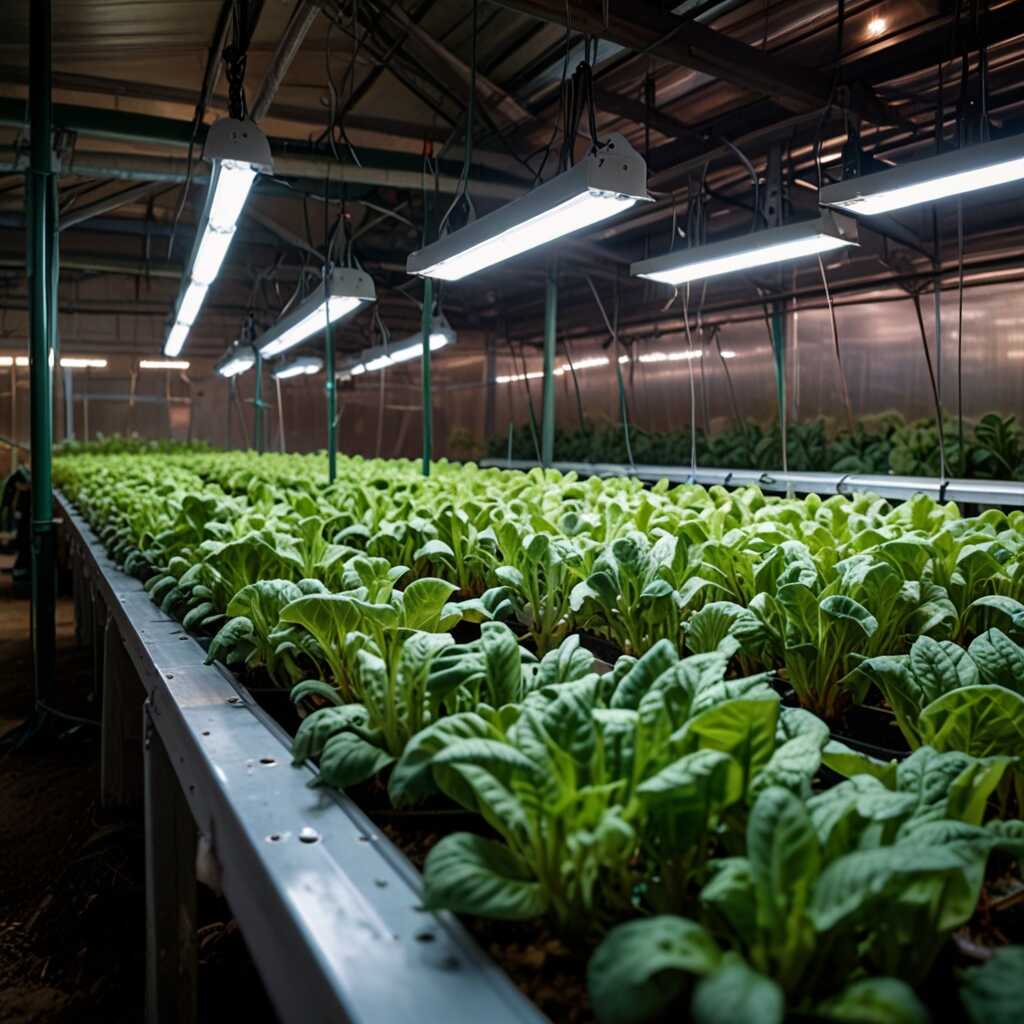
Strategies for Enhancing Energy Efficiency in Greenhouse Lighting
Maximizing energy savings starts with proper greenhouse layout. Position lights close to plants without causing heat stress. Utilize reflective materials on walls and surfaces to distribute light evenly. LED grow lights are particularly effective, as they consume less power and provide adequate light for succulent growth. Select full spectrum options that cover all necessary wavelengths for plant development. Invest in timers and photoperiod controllers to automate lighting schedules. This reduces unnecessary energy use. Regular maintenance and testing of lighting systems ensure reliability and help in tracking energy consumption. Research suggests that businesses can save up to 30% on energy bills annually.
Effective Technologies for Energy Savings in Greenhouses
Several technologies enhance energy efficiency in greenhouse lighting, specifically through the use of LED grow lights. These lights are designed with optimal wavelengths that significantly improve plant growth. Full spectrum LEDs deliver effective photosynthesis support and are customizable for different growth stages. Employing smart lighting systems enables real-time adjustments to light intensity based on environmental conditions. Additionally, integrating solar panels can offset energy costs with renewable energy sources. Comparing energy consumption versus plant health data confirms that LED systems are the best choice for greenhouse applications. Integrating these advanced strategies can lead to impressive energy reductions and healthier succulents.
Advantages of Using LED Lighting for Greenhouse Plants
- Lower energy costs make LED lights a budget-friendly choice.
- Enhanced growth rates lead to fuller and healthier succulents.
- Full spectrum LEDs support various growth stages effectively.
- LED lights reduce heat output, preventing plant stress and wilting.
- Long lifespan minimizes the need for frequent bulb replacements.
- Adjustable light settings cater to different plant needs across seasons.
- LEDs contribute to a smaller carbon footprint, promoting sustainability.
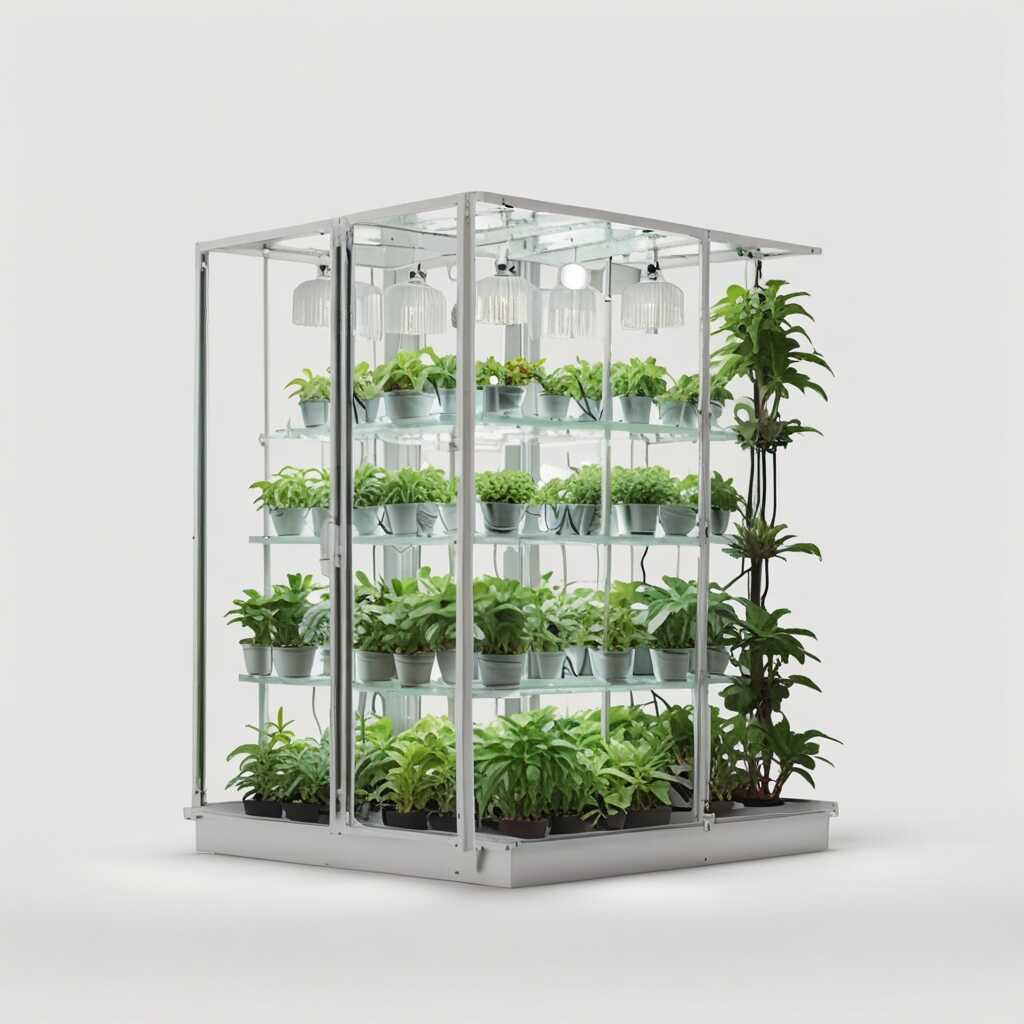
Avoiding Common Pitfalls with LED Lighting for Succulent Growth
When using LED lights for succulents, people often make mistakes that harm plant health. One common error is placing the LED lights too close to the plants. This can lead to burnt leaves and stunted growth. Another frequent issue is using lights that don’t match the specific needs of succulents. Different succulents thrive under varying light spectra. Additionally, many gardeners underestimate the importance of light exposure duration. Succulents generally need about 12 to 14 hours of light daily for optimal growth. Research shows that a consistent light schedule improves overall health and enhances growth outcomes.
Understanding Light Exposure for Succulent Health
The right light exposure is crucial for succulent health. Succulents require 12 to 14 hours of light daily. This range ensures they photosynthesize efficiently. Using quality LED lights designed for plant growth is essential. Ensure your lights have the right spectrum, typically a full spectrum or between 400-700 nanometers. This range supports growth stages from young plants to mature succulents. Some users find that testing different distances helps identify optimal placements. Generally, keeping LED lights 12-24 inches away from succulents enhances their growth while preventing damage. Always monitor how your succulents respond to their lighting environment, adjusting as necessary.
Inspiring Examples of Successful LED Integration in Greenhouses
Many successful greenhouse operations use LED lighting systems to enhance succulent growth. For example, the ABC Greenhouse utilized full-spectrum LED lights, boosting their succulent growth by 30%. This increase was due to improved light wavelengths stimulating photosynthesis. Another greenhouse, Greenhouse Delights, reported a 25% boost in growth by using energy-efficient LED lights for their succulents. This greenhouse also measured lower energy consumption compared to traditional lighting. Real-life examples like these provide essential insights into how LED lighting can enhance your own gardening efforts.
How to Evaluate the Best LED Setup for Your Greenhouse
When selecting LED lighting for succulents, consider factors like light spectrum, intensity, and coverage area. Full-spectrum LED lights simulate sunlight, covering wavelengths from 400 to 700 nm. These lights enhance photosynthesis and growth rates significantly. Evaluate the intensity via lumens; a higher lumen output indicates stronger light. Coverage area is vital; ensure lights reach all plants uniformly. Compare different brands for reliability and energy efficiency. This evaluation ensures your greenhouse produces healthy succulents while minimizing energy costs. Reviews of top LED brands can be invaluable for making informed choices.
Popular Brands and Their Suitability for Plant Enthusiasts
- Brand A offers high-output lights but may have higher upfront costs.
- Brand B features adjustable spectrum but has a shorter lifespan.
- Home gardeners benefit from simpler models with less complicated features.
- Commercial greenhouse owners prefer lights that cover wider areas efficiently.
- Hobbyists appreciate brands with compact designs for small spaces.
- Eco-conscious consumers choose brands using sustainable materials.
- Students and educators favor affordable options for greenhouse projects in classrooms.
The Future of LED Technology and its Impact on Indoor Gardening
Current trends in LED technology focus on creating energy-efficient lighting that enhances plant growth. Innovations include full spectrum LED grow lights that mimic sunlight more closely. These lights support various stages of plant development, from seedling to flowering. By 2025, studies indicate that new LED systems could improve efficiency by over 40%. The reliability and durability of these lights enhance their value, ensuring they last longer while saving energy. Reviews indicate that plants respond better with advanced lighting solutions that include programmable features for optimal growth conditions.
Technological Innovations in LED Grow Lights
The latest technological advancements in LED grow lights include smart integration features. These systems allow users to adjust light intensity and spectrum through apps. Smart LED lights can track plant growth and provide real-time data for optimal conditions. This innovation helps indoor gardeners manage their succulents effectively. Research shows that variable light spectrums can enhance photosynthesis, leading to healthier plants. Brands are designing these solutions to provide more user-friendly experiences. Energy-efficient lighting can significantly decrease energy costs in greenhouse settings, making them a sustainable choice for gardening enthusiasts.