Green Writer is reader-supported: some links on this page are affiliate links, and as an Amazon Associate Green Writer earns from qualifying purchases at no extra cost to you. Learn more.
Grow light spectrum analysis is the systematic evaluation of specific light wavelengths (400-700nm) to optimize plant photosynthesis and maximize greenhouse tomato yields. This scientific approach examines how red light (600-700nm) promotes flowering while blue light (400-500nm) enhances vegetative growth. Understanding the light spectrum can help growers achieve 20-30% higher yields compared to standard lighting. Green Writer provides comprehensive insights into full spectrum lighting benefits for sustainable greenhouse tomato production optimization.
What is Grow Light Spectrum Analysis for Greenhouse Production?
Grow light spectrum analysis refers to the scientific measurement and evaluation of light wavelengths that plants use for photosynthesis, specifically within the 400-700 nanometer range called photosynthetically active radiation (PAR). This analysis involves testing different wavelength combinations to determine optimal light recipes for specific crops like greenhouse tomatoes. The process typically requires specialized equipment such as spectroradiometers to measure light intensity and quality. For tomato production, spectrum analysis focuses on balancing blue light for sturdy vegetative growth and red light for enhanced flowering and fruit development. Growers use this data to select appropriate LED grow lights or adjust existing lighting systems for maximum efficiency.
The Science Behind Light and Tomato Growth Dynamics
Light spectrum significantly impacts photosynthesis processes in tomato plants, with different wavelengths triggering specific physiological responses. Photosynthesis converts light energy into chemical energy within chloroplasts, fueling plant growth and development. Research shows that tomatoes respond most effectively to wavelengths between 400-700nm, with peak absorption occurring around 430nm (blue) and 670nm (red). Red light promotes flowering, fruit set, and overall plant height, while blue light strengthens stems, reduces internodal spacing, and enhances leaf development. Each wavelength influences hormone production, including gibberellins for stem elongation and cytokinins for leaf growth. Proper spectrum balance ensures healthy development throughout all growth stages, from seedling establishment to fruit harvest.
How Light Wavelengths Affect Plant Hormones
Light wavelengths directly influence plant hormone production, which controls various growth processes in tomato plants. Blue light (400-500nm) stimulates cryptochrome and phototropin photoreceptors, promoting compact growth and preventing excessive stretching. Red light (600-700nm) activates phytochrome responses, encouraging stem elongation and flowering initiation. Far-red light (700-800nm) can cause unwanted stretching when plants compete for light resources. The ratio between red and far-red light signals whether plants should focus on vegetative growth or reproductive development. Utilizing full spectrum LED grow lights provides precise control over these hormonal responses, enabling growers to manipulate plant architecture and timing for optimal yields.
Comprehensive Overview of Grow Light Types Available
Several grow light technologies serve greenhouse tomato production, each offering distinct advantages for spectrum control and energy efficiency. The three primary categories include LED grow lights, high-intensity discharge (HID) systems, and fluorescent lighting options. LED grow lights provide precise spectrum control with energy consumption typically 40-50% lower than traditional alternatives. HID systems, including metal halide and high-pressure sodium lamps, deliver powerful light output suitable for large-scale operations but generate significant heat. LED grow lights are energy-efficient and offer customizable spectrums for different growth stages. Fluorescent lights work well for seedling production and supplemental lighting applications where lower intensity suffices.
Cost Analysis of Different Lighting Technologies
Understanding lighting costs helps growers select appropriate systems for their greenhouse operations and budget constraints. LED grow lights typically cost $1-3 per watt initially but operate for 50,000+ hours with minimal maintenance requirements. HID systems cost $0.50-1.50 per watt upfront but require bulb replacements every 10,000-24,000 hours, plus additional cooling costs. Fluorescent lighting ranges from $0.25-0.75 per watt initially with moderate operating costs and 15,000-hour lifespans. Operating costs vary significantly: LEDs consume 25-40 watts per square foot, HID systems require 40-60 watts per square foot, while fluorescents need 30-45 watts per square foot. Over five years, LEDs typically provide the lowest total cost of ownership despite higher initial investment.
Understanding Full Spectrum Lighting Benefits for Tomatoes
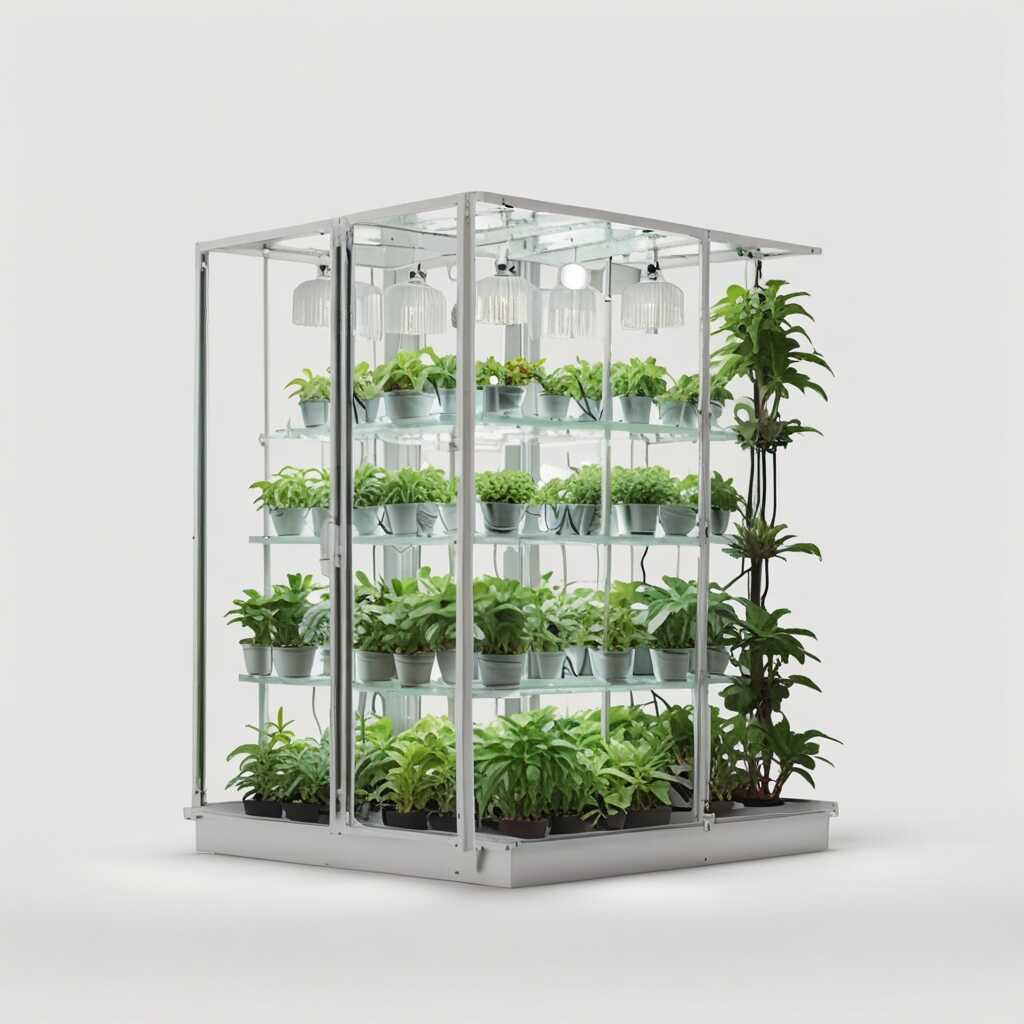
Full spectrum lighting encompasses all visible wavelengths (400-700nm) plus some near-infrared and UV wavelengths, closely mimicking natural sunlight for comprehensive plant development. This broad wavelength coverage supports all tomato growth phases, from germination through fruit maturation, by providing optimal photon delivery for photosynthesis. Specific benefits include enhanced chlorophyll production, improved stem strength, increased flower formation, and better fruit quality with higher sugar content. Studies demonstrate that tomatoes grown under full spectrum lighting typically produce 25-40% more fruit by weight compared to single-spectrum alternatives. The balanced light quality reduces plant stress, improves disease resistance, and creates more uniform growth patterns throughout the greenhouse environment.
How to Optimize Light Exposure for Maximum Yields
Optimizing light exposure requires balancing intensity, duration, and spectrum composition based on tomato growth stages and environmental conditions. Full spectrum LED grow lights provide adjustable intensity and spectrum ratios for precise control throughout plant development. Seedlings require 200-400 µmol/m²/s for 14-16 hours daily with higher blue light ratios (60% blue, 40% red). Vegetative growth benefits from 400-600 µmol/m²/s for 16-18 hours with balanced spectrum (50% blue, 50% red). Flowering and fruiting stages need 600-800 µmol/m²/s for 12-14 hours with increased red light (30% blue, 70% red). Monitor daily light integral (DLI) targets: 14-17 mol/m²/day for vegetative growth and 20-25 mol/m²/day during fruiting for optimal productivity.
Key Statistics on Light Requirements for Tomato Growth
- Tomatoes typically require 14-18 hours of supplemental lighting during winter months for continuous production.
- Optimal light spectrum ranges from 400-700nm with peak efficiency around 430nm and 670nm wavelengths.
- Plants grown under optimized spectrum lighting can yield 25-40% more fruit compared to standard lighting.
- LED systems can reduce energy consumption by 40-60% compared to traditional HID lighting systems.
- Tomato plants maintain highest photosynthetic rates at temperatures between 70-80°F under adequate lighting conditions.
- Chlorophyll absorption peaks occur at 430nm (chlorophyll b) and 670nm (chlorophyll a) wavelengths.
- Light spectrum optimization enhances photosynthesis rates by 20-35% during peak growing seasons.
Techniques for Accurately Measuring Greenhouse Light Levels
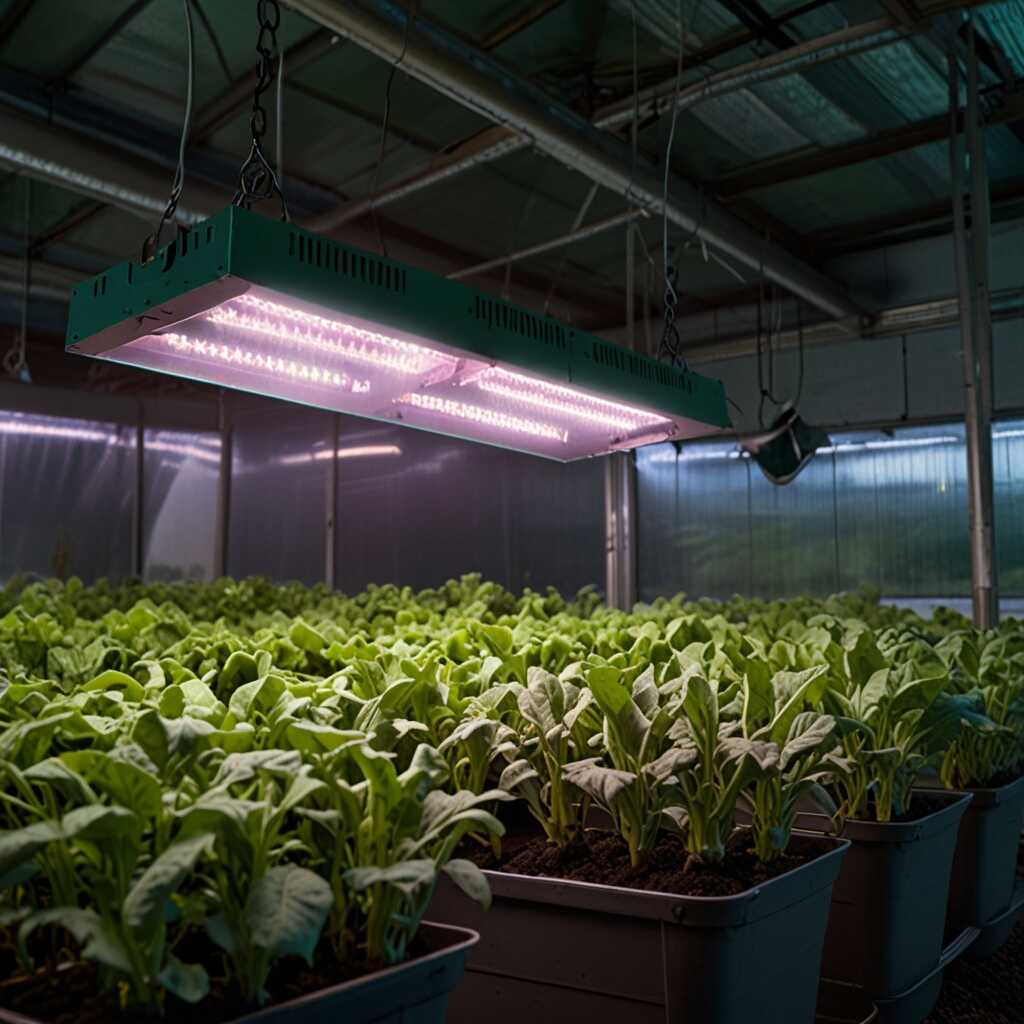
Accurate light measurement requires specialized equipment and proper techniques to ensure optimal growing conditions for greenhouse tomatoes. Quantum sensors measure photosynthetically active radiation (PAR) in micromoles per square meter per second (µmol/m²/s), providing the most relevant data for plant growth. Lux meters offer basic light intensity measurements but don’t account for spectrum quality differences between light sources. Spectroradiometers provide comprehensive spectrum analysis, measuring light quality across all wavelengths for complete characterization. Position sensors at plant canopy height, taking multiple readings throughout the day to account for natural light variations. Target PAR levels range from 200-400 µmol/m²/s for seedlings, 400-600 µmol/m²/s during vegetative growth, and 600-800 µmol/m²/s for flowering and fruiting stages.
Daily Light Integral Calculations for Tomato Production
Daily Light Integral (DLI) calculations help growers determine total photon delivery over 24-hour periods, ensuring plants receive adequate light energy for optimal growth. Calculate DLI by multiplying average PAR (µmol/m²/s) by photoperiod length (hours) and conversion factor (0.0036). Target DLI ranges from 12-16 mol/m²/day for seedlings, 17-20 mol/m²/day during vegetative growth, and 20-25 mol/m²/day for fruiting plants. Monitor natural DLI contributions during sunny periods, adjusting supplemental lighting accordingly to avoid excessive energy costs. Winter conditions often provide only 5-10 mol/m²/day naturally, requiring significant supplemental lighting for year-round production. Consistent DLI delivery throughout growing seasons maintains steady production schedules and predictable harvest timing.
Determining Optimal Light Exposure Time for Tomato Plants
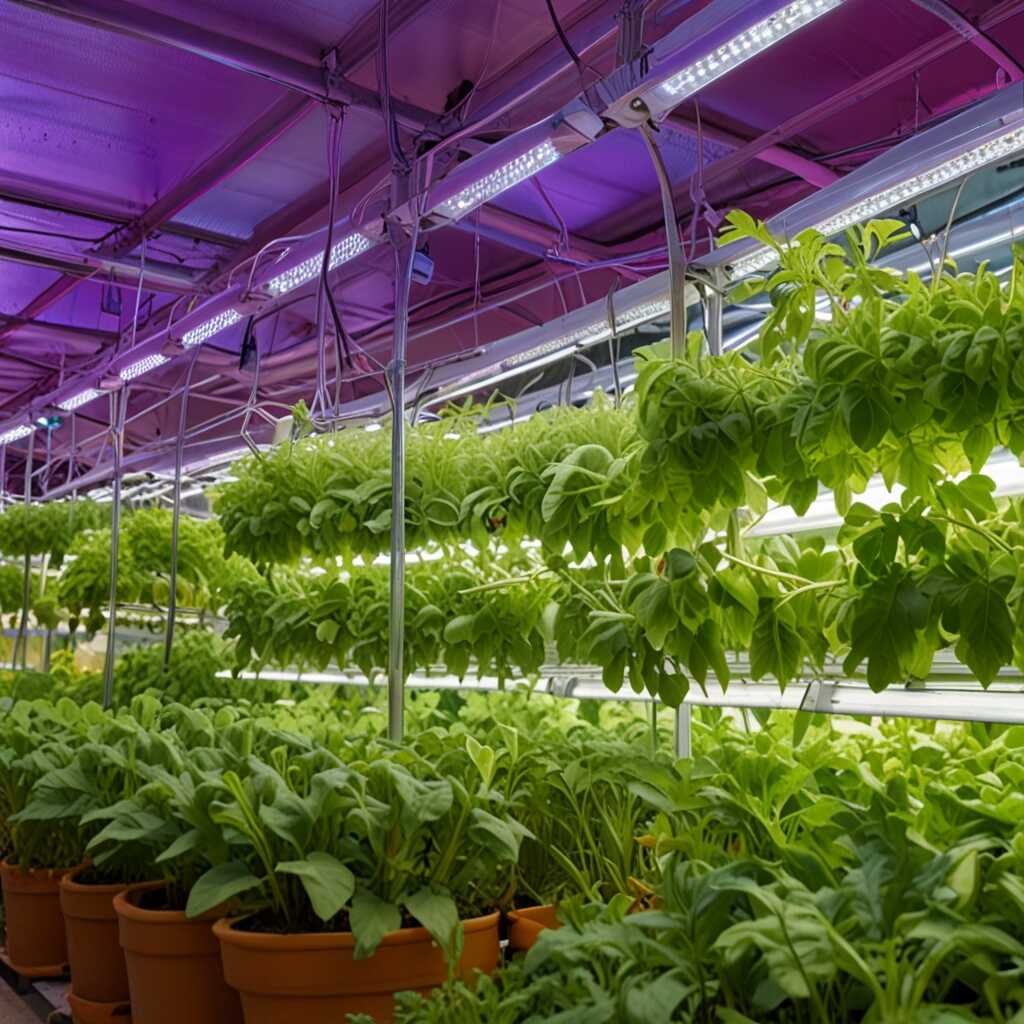
Optimal light exposure duration varies according to tomato growth stages, with most commercial operations providing 14-18 hours of supplemental lighting during winter production cycles. Photoperiod length affects flowering timing, fruit development, and overall plant metabolism, requiring careful management for consistent yields. Seedlings benefit from 14-16 hour photoperiods to establish strong root systems without excessive energy consumption. Vegetative growth phases require 16-18 hours of lighting to maximize leaf area development and photosynthetic capacity. Flowering and fruiting stages can utilize 12-16 hour photoperiods, allowing plants to allocate energy toward reproductive development rather than continued vegetative growth. Exceeding 18-hour photoperiods may cause photoinhibition, reducing photosynthetic efficiency and potentially damaging plant tissues.
Understanding Photoperiod Effects on Plant Development
Photoperiod manipulation influences tomato flowering, fruit set, and harvest timing through complex interactions with plant circadian rhythms and hormone production. Longer photoperiods (16-18 hours) promote vegetative growth by extending photosynthetic activity and carbohydrate production periods. Shorter photoperiods (12-14 hours) signal reproductive development, encouraging flower initiation and fruit formation in determinate varieties. Indeterminate tomato varieties respond less dramatically to photoperiod changes but still benefit from optimized light duration. Temperature interactions with photoperiod affect growth rates: cooler temperatures during dark periods enhance fruit quality, while warm conditions accelerate development. Consider natural day length changes when adjusting supplemental lighting schedules to maintain consistent growing conditions year-round.
Advantages of Optimized Lighting Conditions for Crops
- Enhanced fruit quality with improved taste, size, and nutritional content from balanced spectrum lighting.
- Increased flower formation and fruit set rates through targeted red light supplementation during reproductive phases.
- Faster growth cycles and earlier harvest timing from optimized photoperiods and light intensity management.
- Reduced plant stress and improved disease resistance through consistent, appropriate lighting conditions.
- Better plant architecture control, including height management and branching patterns, via blue light manipulation.
- Resource efficiency improvements through precise light delivery matching plant requirements throughout growth stages.
- Enhanced environmental resilience and pest resistance from stronger, healthier plants grown under optimal conditions.
Best Practices for Positioning Grow Lights Effectively
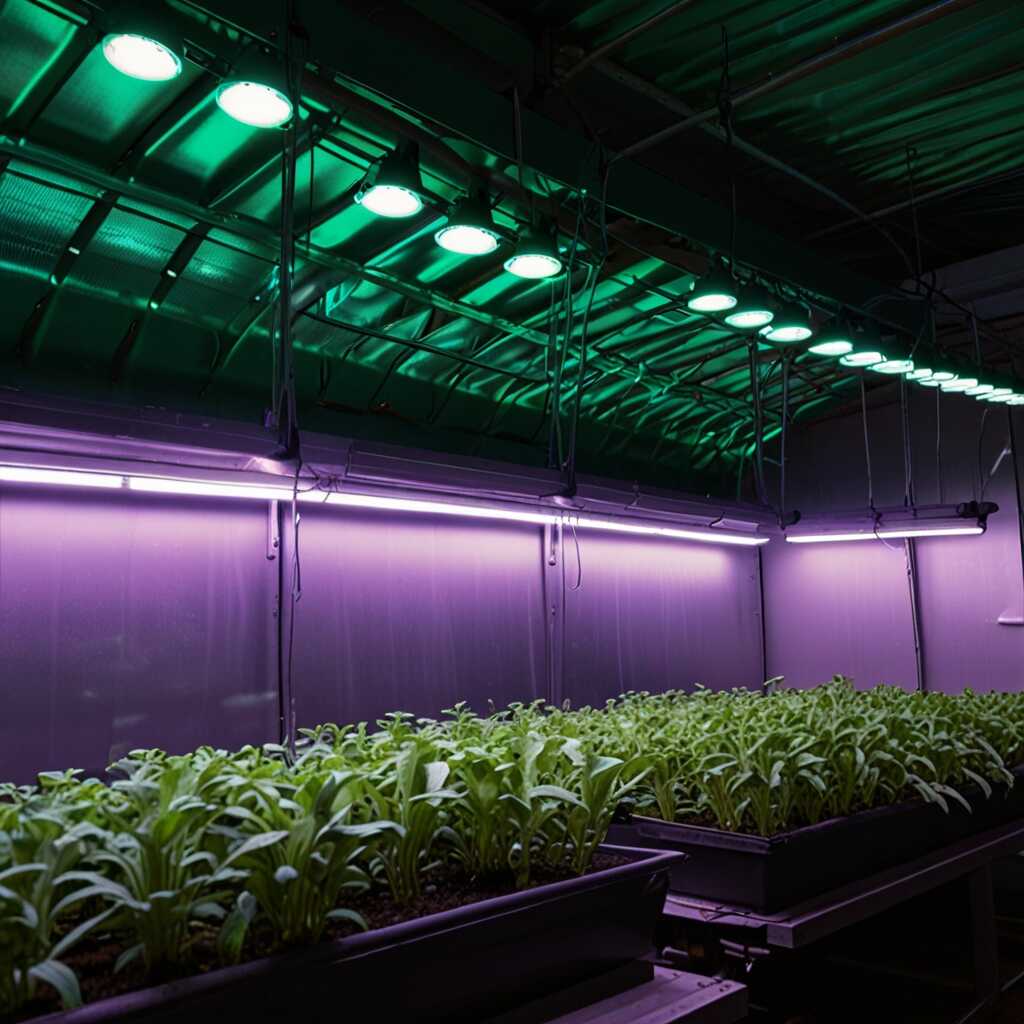
Proper grow light positioning ensures uniform light distribution while preventing heat stress and light burn damage to tomato plants. LED grow lights typically require positioning 12-18 inches above plant canopies, varying based on light intensity and growth stage. Higher wattage fixtures need greater distances to prevent photoinhibition and heat damage. Seedlings tolerate closer positioning (12-15 inches) due to lower light requirements, while mature fruiting plants benefit from 18-24 inch spacing for optimal penetration. Arrange multiple fixtures to minimize shadowing between plants, typically spacing units 3-4 feet apart for overlapping coverage. Monitor leaf temperature and watch for bleaching or burning symptoms that indicate excessive light intensity or improper positioning.
Light Distribution Patterns and Coverage Optimization
Understanding light distribution patterns helps maximize coverage efficiency while minimizing energy costs and equipment requirements. Most LED fixtures produce concentrated light directly below the unit, with intensity decreasing significantly toward edges and corners. Calculate coverage area using the inverse square law: light intensity decreases proportionally to the square of distance from the source. Overlap fixture coverage by 20-30% to ensure uniform light distribution across the growing area. Consider reflector systems or light movers to improve distribution efficiency in larger greenhouse spaces. Adjust fixture height as plants grow taller, maintaining consistent PAR levels at the canopy surface throughout the growing cycle.
Evaluating Different LED Grow Lights for Your Greenhouse
When evaluating LED grow light systems for greenhouse tomato production, consider spectrum quality, energy efficiency ratings, and long-term reliability factors. Premium full-spectrum LEDs provide adjustable red:blue ratios, allowing spectrum optimization for different growth stages and varieties. Energy efficiency varies significantly between manufacturers, with top-tier units achieving 2.5-3.0 µmol/J efficacy ratings compared to 1.5-2.0 µmol/J for budget alternatives. Popular commercial brands include Philips GreenPower, Fluence SPYDR, and Gavita Pro series, consistently receiving high performance ratings for greenhouse applications. Consider total cost of ownership over 5-7 year periods, including initial purchase price, energy consumption, and maintenance requirements when comparing options.
Spectrum Customization Features for Tomato Production
Advanced LED systems offer spectrum customization capabilities that enable precise light recipe development for specific tomato varieties and growing conditions. Programmable controllers allow spectrum adjustments throughout daily photoperiods, simulating natural sunrise/sunset transitions for improved plant circadian rhythm synchronization. Full-spectrum LED systems provide benefits through independent channel control for red, blue, white, and far-red wavelengths. Some systems include UV-A (315-400nm) and far-red (700-800nm) channels for enhanced photomorphogenic responses. Look for fixtures with dimming capabilities (0-100%) and spectrum presets for seedling, vegetative, and flowering stages. Wireless connectivity enables remote monitoring and control through smartphone applications, facilitating precise environmental management from off-site locations.
Demographics and Usage of Light Farming Innovations
- Commercial greenhouse operations utilize high-efficiency LED systems for year-round tomato production and consistent quality.
- Hobby greenhouse growers adopt smaller LED fixtures for personal food production and seasonal growing extensions.
- Urban vertical farms implement advanced spectrum control for space-efficient tomato cultivation in controlled environments.
- Home gardeners invest in affordable LED systems to extend growing seasons and improve indoor yields.
- Educational institutions demonstrate plant biology principles using programmable full-spectrum lighting in research greenhouses.
- Agricultural researchers study light spectrum effects on plant development, nutrition, and stress tolerance using specialized equipment.
- Sustainability-focused growers choose energy-efficient lighting solutions to reduce carbon footprints while maintaining productivity.
Common Challenges and Limitations of Spectrum Optimization
Despite significant advantages, grow light spectrum optimization presents several challenges that growers must consider when implementing lighting strategies. Initial investment costs for high-quality full-spectrum LED systems typically range from $200-500 per fixture, creating substantial capital requirements for larger operations. Heat management becomes critical with high-intensity lighting, potentially requiring additional cooling systems that increase operational costs. Light uniformity across large growing areas proves difficult to achieve without extensive fixture layouts, leading to uneven plant development. Some plant varieties respond differently to spectrum modifications, requiring cultivar-specific light recipes that complicate management protocols. Spectrum optimization may conflict with energy efficiency goals, as certain wavelengths require more energy to produce than others.
Technical Limitations and Troubleshooting Issues
Technical challenges in spectrum optimization include LED degradation over time, which gradually shifts spectrum output and reduces efficiency. Individual LED chips may fail at different rates, creating spectrum imbalances that affect plant responses. Many fixtures lack sophisticated spectrum monitoring capabilities, making it difficult to detect gradual changes in light quality. Integration with existing greenhouse control systems often requires additional hardware and software investments. Wireless communication between fixtures and controllers can experience interference in metal greenhouse structures. Regular calibration and maintenance requirements increase labor costs and complexity compared to traditional lighting systems. Consider these limitations when developing lighting budgets and operational procedures.
Savings and Benefits of Energy-Efficient Lighting Solutions
Energy-efficient LED grow lights provide substantial long-term savings for greenhouse tomato operations through reduced electricity consumption and lower maintenance requirements. Modern LED systems consume 40-60% less energy than equivalent HID lighting while delivering superior spectrum control and plant responses. LED grow lights play a crucial role in reducing operational costs through 50,000+ hour lifespans that eliminate frequent bulb replacements. Annual energy savings typically range from $1,000-5,000 per 1,000 square feet depending on local electricity rates and usage patterns. Reduced heat output from LED fixtures decreases cooling costs during summer months, providing additional energy savings of 10-20%. These efficiency improvements enable year-round production economics that were previously unfeasible with traditional lighting systems.
Return on Investment Analysis for LED Upgrades
LED lighting upgrades typically achieve positive returns within 2-4 years through combined energy savings, increased yields, and reduced maintenance costs. Calculate potential savings by comparing current lighting energy consumption against LED alternatives using local electricity rates. Factor in yield improvements of 20-30% from optimized spectrum delivery when determining total economic benefits. Include maintenance savings from extended LED lifespans and reduced cooling requirements in ROI calculations. Consider financing options and utility rebate programs that may improve initial investment economics. Monitor actual performance data after installation to verify projected savings and optimize system operation for maximum efficiency. Many commercial growers report 15-25% improvements in overall production profitability following LED conversions.