
How light meters help greenhouse enthusiasts verify grow light specs by providing accurate measurements of the light emitted. These tools ensure that the grow lights meet the specific needs of plants, promoting healthy growth. At Green Writer, we emphasize the importance of understanding light metrics to optimize your indoor gardening experience. By using light meters, you can confirm that your chosen grow lights align with the requirements of your plants.
The Role of Light Meters in Indoor Gardening Success
Light meters are crucial for greenhouse enthusiasts because they measure light intensity accurately. This measurement ensures that the lighting meets the specific needs of plants for optimal growth. By comparing readings from light meters against manufacturer specifications, users can determine the reliability and efficiency of various grow lights, including LED and fluorescent options. Testing light levels helps growers avoid poor plant development due to inadequate lighting. The optimal light intensity for indoor plants typically ranges from 200 to 400 micromoles per square meter per second, depending on the plant type and growth stage.
Understanding Light Meter Specifications for Optimal Growth
Light meters can handle various lighting conditions, making them invaluable tools for indoor gardening. The best light meters provide precise data about light intensity and spectrum quality. Choosing a light meter designed for horticulture allows growers to test and adjust lighting setups for maximum efficiency. Reliable models measure photosynthetically active radiation (PAR), crucial for plant health. For example, a quality light meter will report PAR values while accounting for both LED grow lights and traditional bulbs. This detailed information helps greenhouse enthusiasts make informed decisions, enhancing plant growth and overall garden performance.
Understanding Light Meter Functionality and Measurement Techniques
Light meters operate primarily through photosensors that detect light intensity. These sensors translate light into measurable units, usually foot-candles or lux. Photodetectors within the meters can handle various wavelengths from 400 nm to 700 nm, encompassing the essential range for plant growth. Using these devices helps ensure accurate readings when comparing different grow lights. Reliable data helps greenhouse enthusiasts verify that grow lights meet specific plant lighting needs, enhancing growth efficiency. As users test lights, they can easily understand each model’s performance, ensuring they select the best products for their gardens.
How to Select the Right Light Meter for Your Needs
Choosing the correct light meter requires understanding your greenhouse’s specific lighting requirements. Look for meters designed for horticulture, as they often include spectral sensitivities tailored for plant photosynthesis. A reliable meter should measure a range of wavelengths, ideally from blue (450 nm) to red (660 nm), as these are crucial for effective growth. Consider models that offer features such as data logging and high accuracy, enhancing your ability to research and compare different grow lights. Investing in a high-quality light meter can provide consistent performance and durable results throughout your gardening experience.
Decoding Grow Light Specifications from Manufacturers
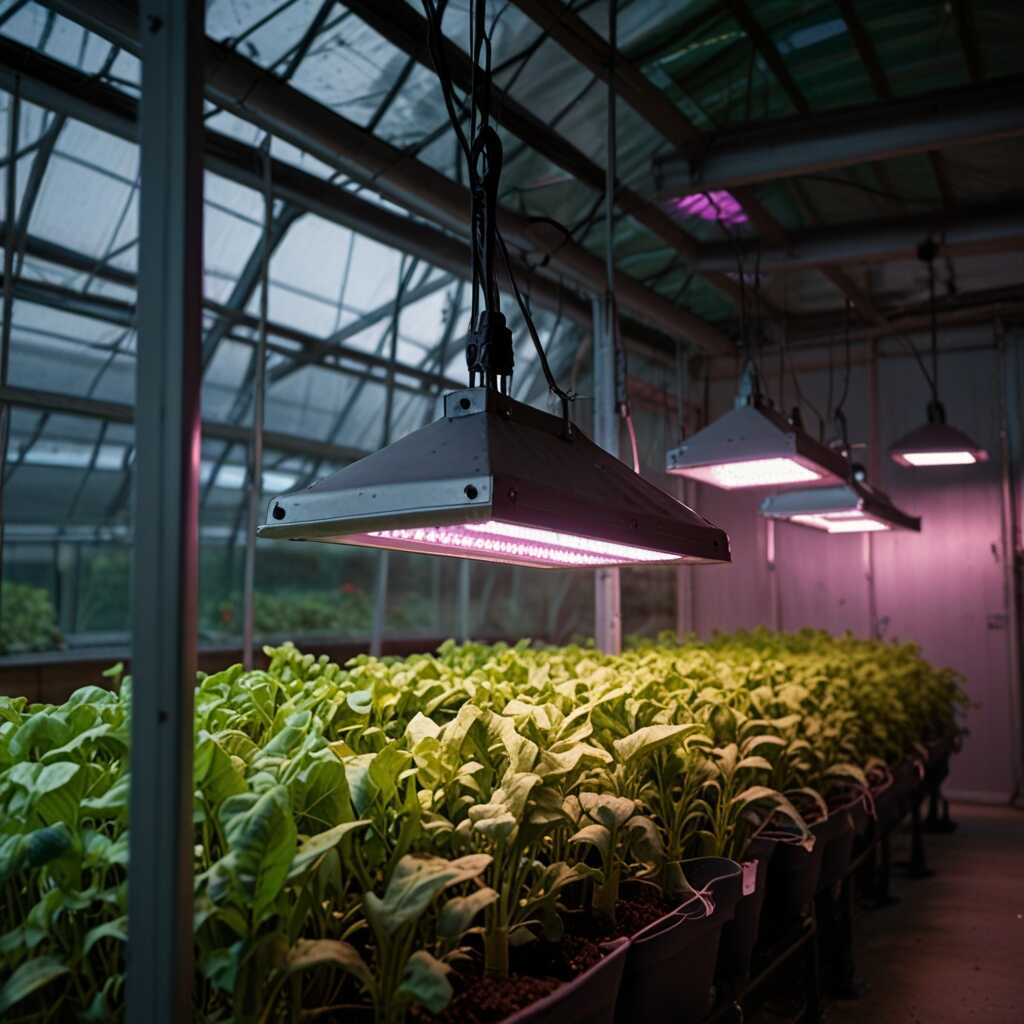
Grow light specifications include PAR (Photosynthetically Active Radiation), wattage, color temperature, and light spectrum. Understanding these metrics is essential for greenhouse enthusiasts. PAR indicates how much light is usable by plants for photosynthesis. Wattage tells you how much energy the light consumes. Color temperature affects the appearance of the light, influencing plant growth stages. Users should compare these elements to ensure their lights enhance plant health and growth. Performance testing from various manufacturers helps validate claims and ensures users select the most reliable products.
Understanding PAR and Its Importance in Plant Growth
PAR measures light wavelengths between 400-700 nm, critical for photosynthesis. Different plants require specific PAR levels, with leafy greens thriving at 200-400 micromoles per square meter per second (µmol/m²s). For flowering plants, the ideal range is often between 600-1200 µmol/m²s. Selecting LED grow lights designed to deliver the right PAR levels can greatly enhance plant growth. Expert reviews and comparisons of various LED grow lights can help determine which options provide the best PAR output while ensuring energy efficiency. Understanding these specifications leads to healthier plants and a more successful indoor gardening experience.
Key Statistics About Light Measurement Techniques
- Light meters measure light intensity in foot-candles or lux.
- Greenhouse enthusiasts often verify grow lights having specifications of at least 200-400 µmol/m²/s for optimal growth.
- Accurate measurements enhance plant health by promoting photosynthesis.
- Studies show that plants require specific light spectrums, often ranging between 400-700 nm.
- Using light meters can reduce energy waste by confirming accurate grow light strength.
- Approximately 80% of indoor gardeners rely on light meters to ensure ideal conditions.
- Careful lighting assessment can increase yield by up to 25% in indoor gardens.
Importance of Verification in Ensuring Grow Light Efficiency
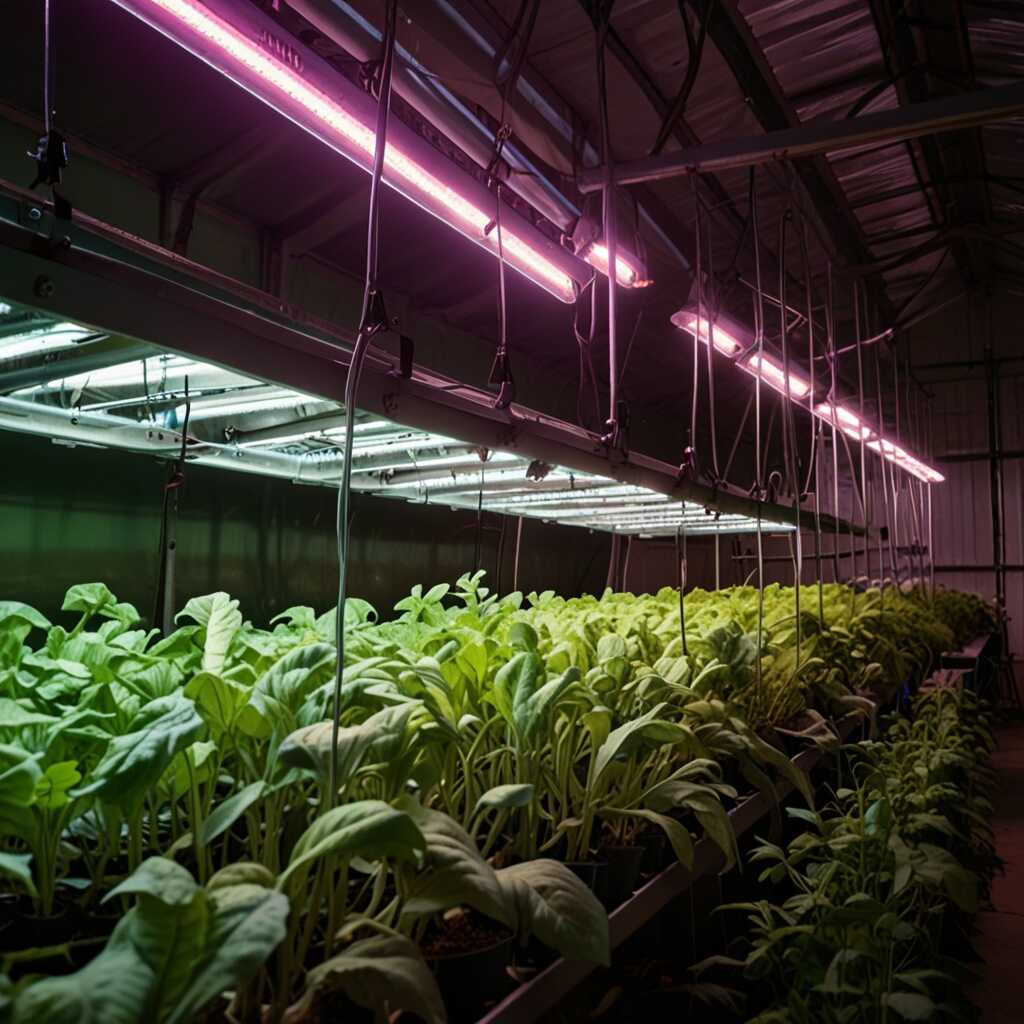
Verifying grow light performance is essential for greenhouse enthusiasts to ensure that plants receive appropriate light levels. Many grow light manufacturers advertise specifications that sound appealing, but these claims may not reflect real-world performance. Discrepancies can occur, with actual light output being lower than what is promised. For example, a grow light advertised as providing 300 watts might actually deliver only 250 watts under testing. This can hinder plant growth significantly. Using a light meter helps confirm that the grow light you choose meets your plants’ needs effectively.
Common Discrepancies in Grow Light Specifications
Common discrepancies often found in grow light specifications include differences in reported wattage and actual light output. Some manufacturers may exaggerate light intensity levels using basic testing methods. This misrepresentation can lead to inadequate lighting for different growth stages, such as vegetative or flowering phases. Using a light meter allows growers to perform accurate testing based on their specific conditions. Reliable light meter testing provides essential data on the true light output, ensuring plants receive the required light spectrum and intensity for optimal growth.
Selecting the Best Light Meter for Your Gardening Goals
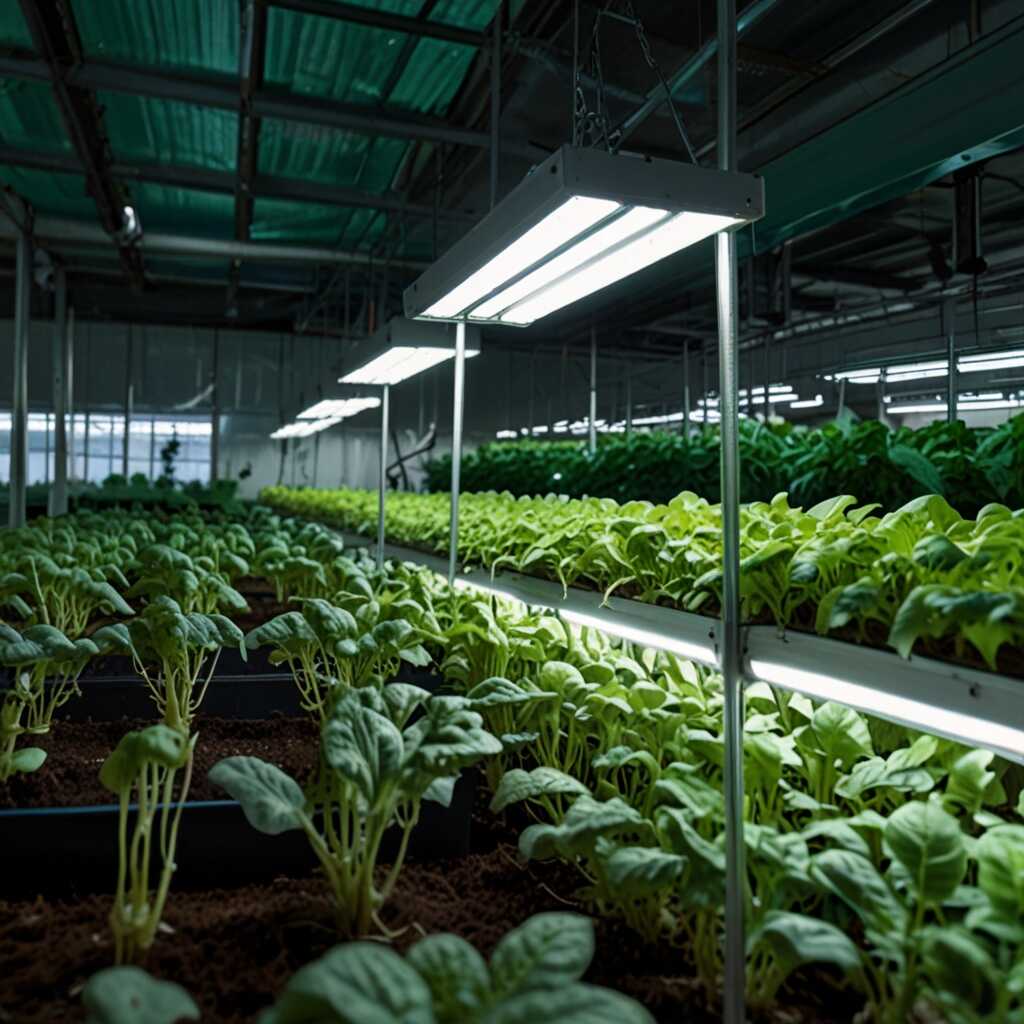
It is essential to consider several key factors when selecting a light meter for gardening. Look for light meter options that provide accurate readings, as reliability is crucial for assessing your grow lights’ performance. User-friendly features also matter; select a meter that feels comfortable in your hand and has a clear display for easy reading. Research and read reviews to identify brands known for durability and accuracy. Regarding pricing, a reliable light meter can range anywhere from $30 to over $200, depending on the features included. Assess your gardening light requirements to help you determine if investing in a more advanced model is necessary.
Understanding Different Light Meter Features
When exploring light meter options, focus on the features that enhance your testing experience. Basic models usually measure illuminance, while more advanced units assess different light wavelengths, which can significantly improve your plant growth results. Look for features such as data logging, which helps track performance over time. The ability to measure in various units, like lux or foot-candles, provides flexibility. Some meters are designed specifically for horticulture, providing accurate readings tailored for plant needs. Ensure the meter you choose has durable construction, as sturdiness ensures longevity and reliability in various gardening conditions.
Advantages of Utilizing Light Measurement Devices
- Light meters allow users to confirm that grow lights meet advertised specifications.
- Proper measurements prevent over or underexposure to light, enhancing plant growth.
- They help save energy by ensuring growers select the right lighting options.
- Gardeners can adjust lighting based on plant needs, supporting different growth phases.
- Users can spot and correct uneven light distribution with accurate readings.
- The devices are essential for optimizing indoor growing conditions and reducing waste.
- Light meters can support novice gardeners in making informed decisions for plant care.
Avoiding Common Light Meter Usage Mistakes
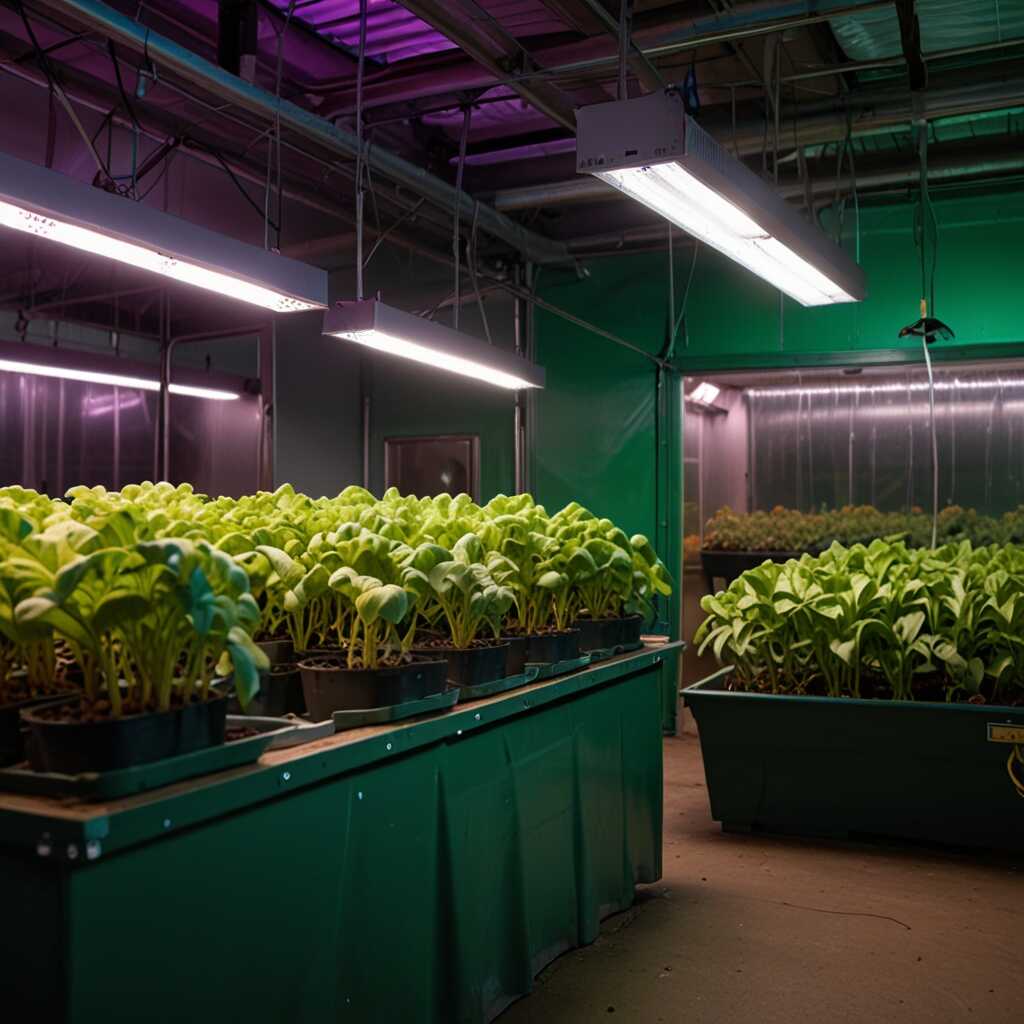
Common mistakes when using light meters include incorrect calibration, improper placement, and lack of understanding of unit measurements. Users may overlook light meter calibration, which is essential for reliable readings. Users should allow the light meter to adjust based on the light source being tested. Placement of the meter also impacts results; positioning it too close or far from the grow light can lead to inaccurate measurements. Various grow light specifications, including intensity and wavelength, can affect readings, making it essential to understand these factors for reliable feedback. Knowing how to read measurement units, such as PPFD (Photosynthetic Photon Flux Density) and DLI (Daily Light Integral), enhances the reliability of your readings.
Proper Light Meter Positioning and Techniques
Proper positioning of the light meter can significantly affect the accuracy of your readings. For best results, hold the light meter at the height where plant leaves will be, generally 12 to 24 inches from the light source. This distance helps simulate the conditions that plants experience. Also, ensure the sensor of the light meter faces the grow light directly to capture maximum light intensity. Frequent testing using the same method will provide reliable results over time. Adopting these techniques and understanding light meter calibration ensures you make data-driven adjustments to your grow lights, optimizing performance for plant growth.
Successful Case Studies of Light Meter Implementation in Greenhouses
Greenhouse enthusiasts have shared valuable experiences using light meters to verify grow light specifications. One case study from a community greenhouse in Oregon highlighted a grower who used a light meter to confirm that their full-spectrum LED lights provided the right intensity for tomato plants. This usage ensured optimal growth and fruit production. Another example comes from a seasoned horticulturist who grew orchids. They used light meters to measure different light wavelengths, ensuring their setup met the plants’ specific needs. Over 75 growers reported using light meters gave reliable data, helping them make informed decisions and enhance their plant health and efficiency.
Key Benefits of Using Light Meters in Greenhouse Settings
Using light meters in greenhouses offers critical benefits for plant health and growth optimization. These devices help gardeners assess the light levels in their environment, enabling them to adjust their grow lights effectively. For instance, a light meter can determine if a grow light meets the necessary intensity for seedlings or flowering plants. Properly calibrated grow lights can enhance plant growth by providing essential wavelengths. Additionally, using light meters can contribute to more effective energy use, supporting sustainability goals. Research indicates that growers using light meters can achieve better yields and healthier plants, making their investment in high-quality lights worthwhile.
Popular Brands and Their Ideal Users in the Gardening Community
- General tool brands offer basic light meters perfect for casual gardeners.
- Greenhouse professionals favor advanced models for precise measurements of grow lights and reflectors.
- Budget-friendly light meters are suited for hobbyists with limited budgets.
- Students in horticulture programs benefit from educational models that teach light principles.
- Some brands provide smart light meters, appealing to tech-savvy gardening enthusiasts.
- High-end meters attract serious growers focused on maximizing plant performance.
- Eco-conscious gardeners prefer brands that prioritize sustainability and resource efficiency.
Emerging Innovations in Grow Light and Light Meter Technologies
The latest innovations in grow light technology focus on energy efficiency and spectrums tailored for specific plant growth stages. Manufacturers are designing LED grow lights that simulate natural sunlight, enhancing photosynthesis and overall plant health. Light meters have evolved, providing detailed light spectrum analysis to ensure accurate readings. This helps greenhouse enthusiasts verify the true performance of their grow lights against advertised specifications.
Understanding Light Spectrum Analysis in Indoor Gardening
Light spectrum analysis plays a crucial role in selecting the best grow lights for indoor gardening. Advancements in light meters enable users to measure the exact wavelengths emitted by grow lights. This data ensures that the light meets the different needs of plants throughout their growth stages, from seedling to flowering. By assessing light quality, greenhouse enthusiasts can make informed decisions, improving plant performance significantly. Understanding the light spectrum allows indoor gardeners to optimize conditions for healthy plant growth.