
Maintaining grow lights for thriving indoor plants is essential for keeping your greenery healthy and vibrant. Proper care and attention to your grow lights can significantly impact your plants’ growth and development. At Green Writer, we provide valuable tips and best practices for maintaining these lights effectively. Understanding LED technology and how to optimize lighting helps support the health of your indoor garden.
Understanding the Essential Role of Grow Lights for Plant Health
Grow lights are essential for indoor plant health because they mimic sunlight, enabling the photosynthesis process. This process helps plants convert light into energy. Different growth stages, from germination to flowering, require specific light conditions. Understanding how light affects indoor plant vitality can help gardeners select the right grow light type and optimize their setup. Indoor plants may struggle without adequate lighting, which can lead to weak and leggy growth or even plant death. Therefore, grow lights are crucial for fulfilling plants’ light demands, ensuring they thrive.
Choosing the Right Grow Light for Your Indoor Plants
Choosing the right grow light depends on the type of plants you have. Succulents, ferns, and flowering plants each require different light intensities and spectrums to thrive. For instance, succulents need bright, direct light, while ferns prefer lower light levels. Full-spectrum LED grow lights are excellent for providing the broad range of light these plants need. Studies show that full-spectrum lights enhance growth by emitting wavelengths between 400-700nm. Additionally, most indoor plants thrive with about 12-16 hours of light daily. Understanding plant needs will greatly improve your indoor gardening success.
Selecting the Best Type of Grow Light for Different Plants
When choosing the best grow lights, you should consider the types available. The most common types are LED grow lights, fluorescent lights, and HID lights. LED grow lights are known for their energy efficiency and long lifespan, often exceeding 50,000 hours. Fluorescent lights are suitable for low-light plants. HID lights offer high-intensity output ideal for light-hungry plants but produce more heat. Each type serves different plant growth needs.
Understanding Light Spectrum and Plant Requirements
Understanding light spectrum is essential when selecting grow lights. Full spectrum lighting mimics natural sunlight, crucial for all growth stages. Plants like succulents and flowering species thrive under full spectrum light. It enhances photosynthesis and supports stronger plant health. For leafy greens, cooler hues in the spectrum are ideal. Identifying which range works for your plant type helps ensure effective growth. Research proven wavelengths for your specific plants using LED grow lights for optimal results.
Effective Installation Techniques for Indoor Grow Lights
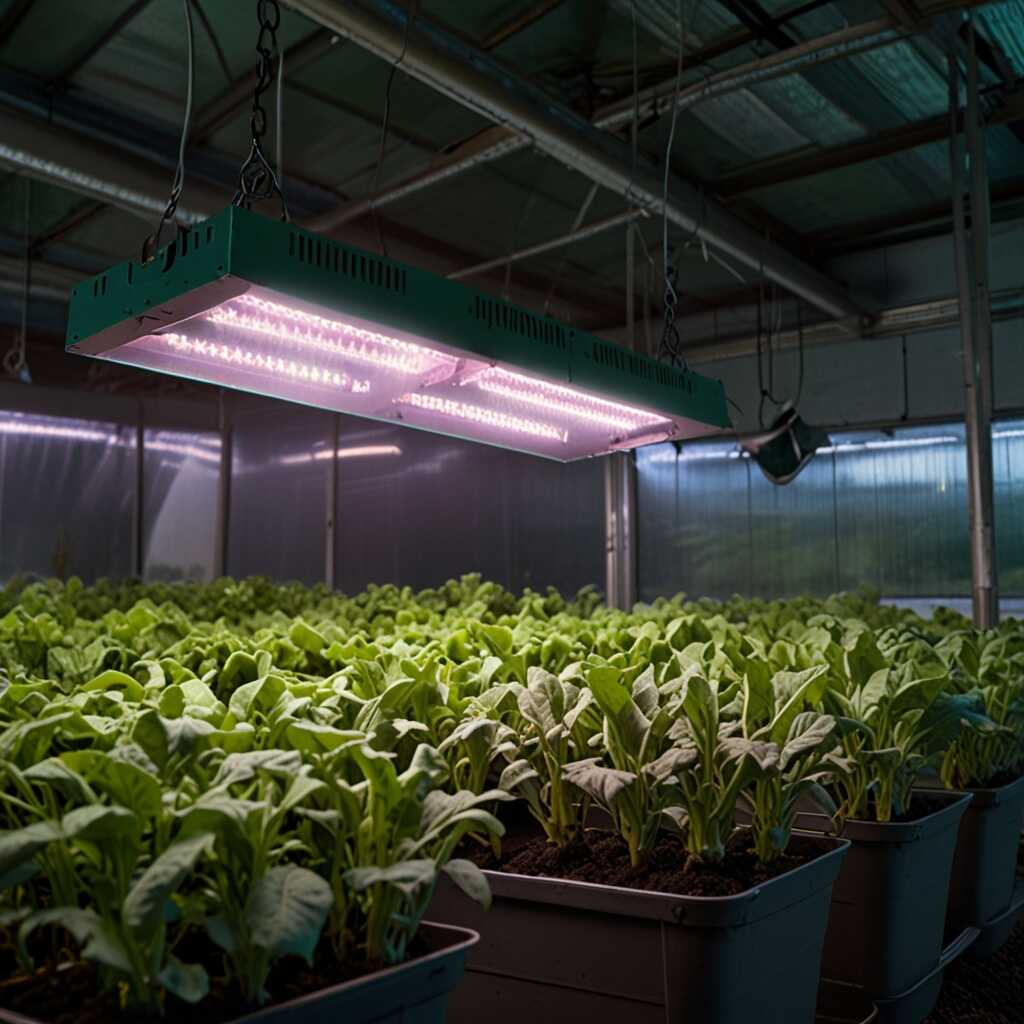
When installing grow lights, consider the type of light used, the plant’s growth needs, and the room layout. For effective grow light placement, ensure that lights are positioned to maximize light exposure. The ideal height for most grow lights ranges from 12 to 24 inches above the plants. This height will help ensure that the light evenly distributes over the plants while preventing light burn. Adjust the angle of the lights to direct light towards the plants. A slight tilt can enhance light penetration and improve photosynthesis, especially for tall plants.
Understanding Height and Angle Adjustments for Optimal Light Distribution
Maintaining the right height and angle for grow lights is essential in indoor gardening. Keeping lights 12-24 inches above plants ensures they receive adequate light without burning. If using LED lights, a higher placement of 24 inches is often best, as these lights provide intense light. If the lights are too close, plants may experience stress. Tilt lights slightly to direct more light to the center of the plant. Understanding the needs of specific plant species will enhance growth, ensuring optimal light exposure and avoiding shade areas.
Numerical Insights into Indoor Lighting Requirements
- Most indoor plants need around 12-16 hours of light daily for optimal growth.
- LED grow lights can last over 50,000 hours, reducing replacement frequency.
- Plants generally require temperature settings between 70°F and 85°F for ideal growth.
- Full spectrum grow lights cover wavelengths from 400-700 nm for enhanced growth.
- Light intensity should be between 200-800 μmol/m²/s, depending on the plant type.
- Plants often need a distance of 12 to 24 inches from the light source to avoid burning.
- Some plants benefit from photoperiods of 14-18 hours for flowering phases.
Determining the Right Light Cycles for Plant Growth Stages
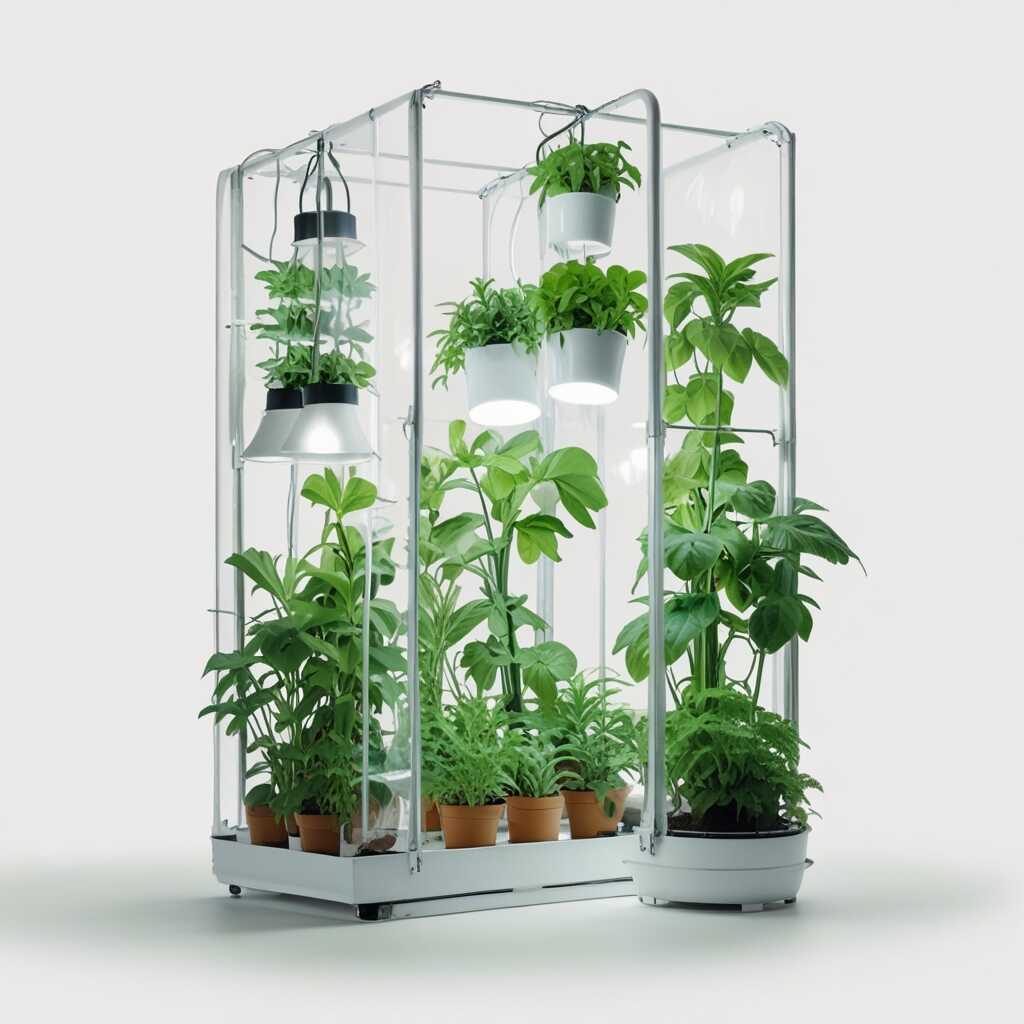
Understanding light cycles is essential for indoor plants. Different growth stages require varying durations and intensities of light. During the vegetative phase, most indoor plants require 16-18 hours of light each day. This promotes healthy leaf growth and overall biomass. When plants transition to the flowering stage, reducing light to 12-14 hours helps trigger blooming. Indoor plants like tomatoes and peppers thrive under these light conditions. They benefit from full-spectrum lights that mimic natural sunlight. Proper light cycles enhance both plant health and productivity, making maintenance easier.
Optimal Light Intensity for Each Growth Stage
Optimal light intensity is crucial for both vegetative and flowering phases. During the vegetative stage, a light intensity of 200-400 µmol/m²/s is ideal. This supports healthy leaf expansion and robust plant structure. In the flowering phase, increase intensity to 400-600 µmol/m²/s for optimal bud development. Full-spectrum LED grow lights are excellent for achieving this, as they efficiently provide the right wavelengths needed for each phase. Understanding this process enhances your plants’ growth and ensures a successful indoor gardening experience.
Maintenance Tips for Prolonging Grow Light Lifespan
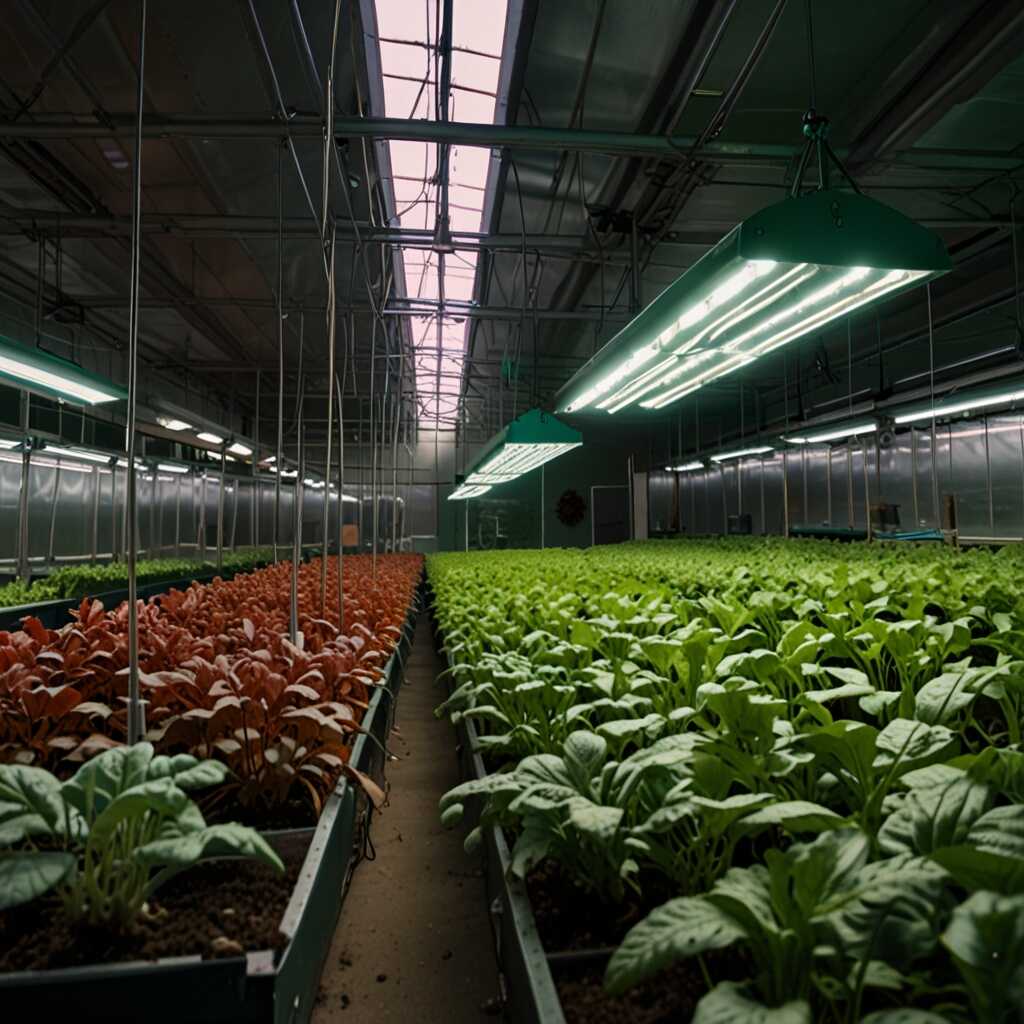
Regular maintenance of grow lights is essential for optimal plant growth. Start by cleaning the grow lights every month. Dust and grime can build up, blocking light and diminishing efficiency. Use a soft cloth or microfiber towel dampened with water to wipe the surfaces, avoiding harsh chemicals. Check all connections between the fixture and the light source to ensure they are secure. A loose connection can impact performance. Replace bulbs as needed, based on their typical lifespan. LED grow light bulbs often last around 50,000 hours, while fluorescent bulbs may need replacement after about 10,000 hours. Maintaining these aspects helps prolong the lifespan of grow lights and ensures efficient performance.
Essential Practices for Cleaning and Checking Connections
Cleaning and checking connections of grow lights is crucial for maintaining their performance. Dust and dirt can block light output, reducing effectiveness. To clean, turn off the lights and let them cool down. Wipe the exterior and the reflectors with a soft cloth. Use compressed air to blow out dust from any crevices. Check the fixtures and cords for wear. Ensure connections are tight and free of corrosion. Regularly inspecting and addressing these aspects boosts reliability and enhances the longevity of your grow lights, allowing your indoor plants to thrive.
Positive Effects of Proper Plant Lighting Management
- Healthy lighting promotes vibrant foliage and flowers in indoor plants.
- Optimal use of grow lights supports full spectrum growth, enhancing all plant stages.
- Good lighting reduces the risk of diseases caused by low light conditions.
- Efficient light management cuts down on energy costs, saving money over time.
- Proper lighting arrangement boosts photosynthesis, leading to faster growth rates.
- Bright environments encourage resilience against pests and plant stress.
- Effective lighting creates an inviting atmosphere, enhancing home aesthetics.
Understanding Light Spectrum and Its Impact on Plant Growth
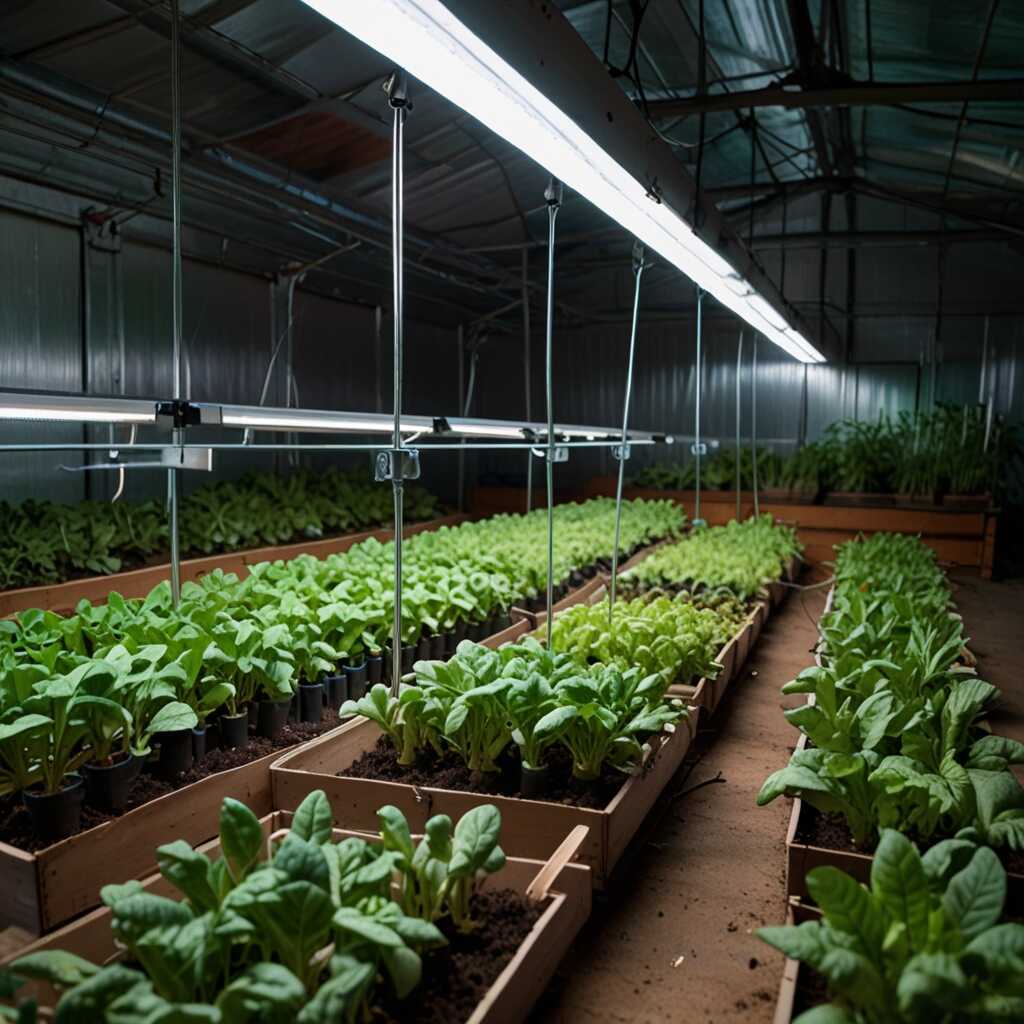
Different wavelengths of light significantly affect plant growth. Visible light ranges from 400 to 700 nanometers and influences various plant functions. Blue light (400-500nm) promotes vegetative growth and robust foliage. Red light (600-700nm) supports flowering and fruiting. Full-spectrum grow lights provide all these wavelengths, catering to the diverse needs of indoor plants. This versatility ensures optimal health throughout all growth stages. Popular brands like Philips and GE offer advanced full-spectrum lights, designed with energy efficiency in mind. Their products often include features such as adjustable spectrums and durability, which further enhance indoor plant development.
Key Benefits of Full-Spectrum Grow Lights for Indoor Plants
Full-spectrum grow lights offer numerous benefits for indoor gardening. They provide a balanced array of wavelengths, mimicking natural sunlight. Indoor plants thrive when exposed to blue light, which enhances photosynthesis and growth. Red light is essential for flowering and fruit production. Moreover, these lights can include ultraviolet (UV) and infrared (IR) wavelengths, boosting plant health and resilience. Reliable full-spectrum grow lights also tend to have longer lifespans, reducing replacement frequency. In 2025, energy efficiency standards will increase, making it crucial to invest in quality lights. Brands like Green Writer advocate for selecting high-quality full-spectrum lights to ensure excellent results in indoor gardening.
Identifying and Troubleshooting Common Grow Light Issues
Indoor gardeners often face problems with grow lights, including inadequate brightness, overheating, and flickering lights. To determine if your grow light’s brightness is sufficient, observe your plants for signs of stretching or yellowing leaves. If light is not reaching your plants adequately, adjust your lamp’s height or consider switching to a full spectrum light, which offers optimal wavelengths. Overheating can damage plants and lights; ensure your setup has proper ventilation or use a fan to maintain an ideal temperature. For flickering lights, check the connection and inspect for any damaged wires. If persistent, replacing the grow light may be necessary.
Understanding LED Grow Light Lifespan and Efficiency
LED grow lights typically have an impressive lifespan of 50,000 hours or more. This long lifespan means fewer replacements and lower overall costs. High-quality models also deliver consistent performance without sacrificing energy efficiency. The best LED grow lights provide full spectrum capabilities, ensuring your plants receive optimal light for growth. When choosing a light, consider models that have reliable testing data and user reviews for insights into performance and durability. Green Writer emphasizes that reliable products enhance indoor gardening experiences while contributing positively to sustainability efforts.
Comparative Analysis of Leading Indoor Lighting Brands
- Brand A excels in energy efficiency, making it a favorite for eco-conscious users.
- Brand B offers affordable options but may lack in long-term durability.
- Brand C features advanced technology and timers, ideal for serious plant enthusiasts.
- Brand D appeals to beginners with user-friendly interfaces and easy setup.
- Research shows that brand preferences vary by plant type and user experience level.
- Many eco-conscious homeowners favor brands utilizing sustainable materials in their products.
- Beginner gardeners often appreciate brands supplying comprehensive care guides with their lights.
Achieving Energy Efficiency with Your Grow Light Setup
To reduce energy usage with grow lights, choose energy-efficient solutions like LED grow lights. These lights consume less power and provide better light quality. Consider using timers to limit light exposure to essential hours, promoting healthy growth while minimizing energy costs. Evaluate the performance of energy-saving options through reliable reviews, comparing features and functionalities. Timed usage not only helps your plants thrive but also lowers your overall electricity bill, enhancing your indoor gardening experience.
Understanding the Lifespan of LED Grow Lights
LED grow lights generally have an impressive average lifespan of over 50,000 hours, compared to traditional lights that range from 1,000 to 10,000 hours. This durability makes them a good choice for indoor gardening. The longevity of LED grow lights means fewer replacements, which further reduces waste and energy usage. This creates a more sustainable gardening practice. Research shows that using LED lighting can enhance plant health, providing consistent light without overheating and making it comfortable for both plants and users.