
Discover essential maintenance tips to extend the lifespan of your LED grow lights. Proper care can enhance their performance, ensuring they support your indoor gardening efforts for many years. At Green Writer, we emphasize sustainable gardening practices that help you maximize efficiency while minimizing waste. With these practical tips, you can enjoy healthy plants and an eco-friendly environment.
Recognizing the Benefits of Proper Maintenance for LED Grow Lights
Proper maintenance of LED grow lights offers significant advantages. Regular upkeep enhances energy efficiency, which leads to lower electricity bills. Clean lenses and proper alignment ensure optimal light output, benefiting your plants’ growth cycles. Well-maintained lights can also extend their lifespan, often exceeding their average expectancy of 50,000 hours. This longevity results in cost savings as you replace fewer units over time. Prioritizing maintenance practices improves your gardening experience while ensuring your plants receive the best light conditions for healthy growth.
How Maintenance Enhances Energy Efficiency and Plant Growth
Maintaining LED grow lights directly impacts energy efficiency and plant growth optimization. Dust and grime on lenses can block light, reducing overall output. Keeping them clean allows for maximum light penetration, leading to better photosynthesis. Correct positioning of grow lights ensures even coverage, preventing weak spots that can stunt plant growth. Regularly checking for faulty wiring can enhance performance, preventing energy waste. Proper maintenance strategies, including replacing aging bulbs and ensuring proper ventilation, significantly improve plant health and productivity.
Identifying the Best Position for Your LED Grow Lights
To determine the ideal height for your LED grow lights, consider the types of plants you are growing. Taller plants may need the lights placed higher, around 24 to 36 inches from the canopy. Shorter plants thrive with lights 12 to 18 inches away. Each plant species has its specific light requirements. Research plants like tomatoes or peppers that tend to benefit from direct light placement at optimal angles. The recommended distance for LED lights is usually between 12 to 30 inches, depending on the light intensity and plant type. Also, ensure the lights provide even coverage across your growing area to enhance plant growth.
Understanding Light Angles for Maximum Coverage
Understanding light angles can significantly improve your plants’ growth efficiency. Most LED grow lights are designed to emit light at specific angles, commonly between 90 and 120 degrees. Positioning lights directly above plants within this angle ensures optimal light exposure. Experiment with the positioning; some plants may respond better when lights are angled slightly toward them. A good starting point is to keep lights perpendicular to the plant canopy for balanced lighting. Regularly assess plant health to see if adjustments in light angles enhance growth.
Effective Cleaning Techniques for LED Grow Lights Performance
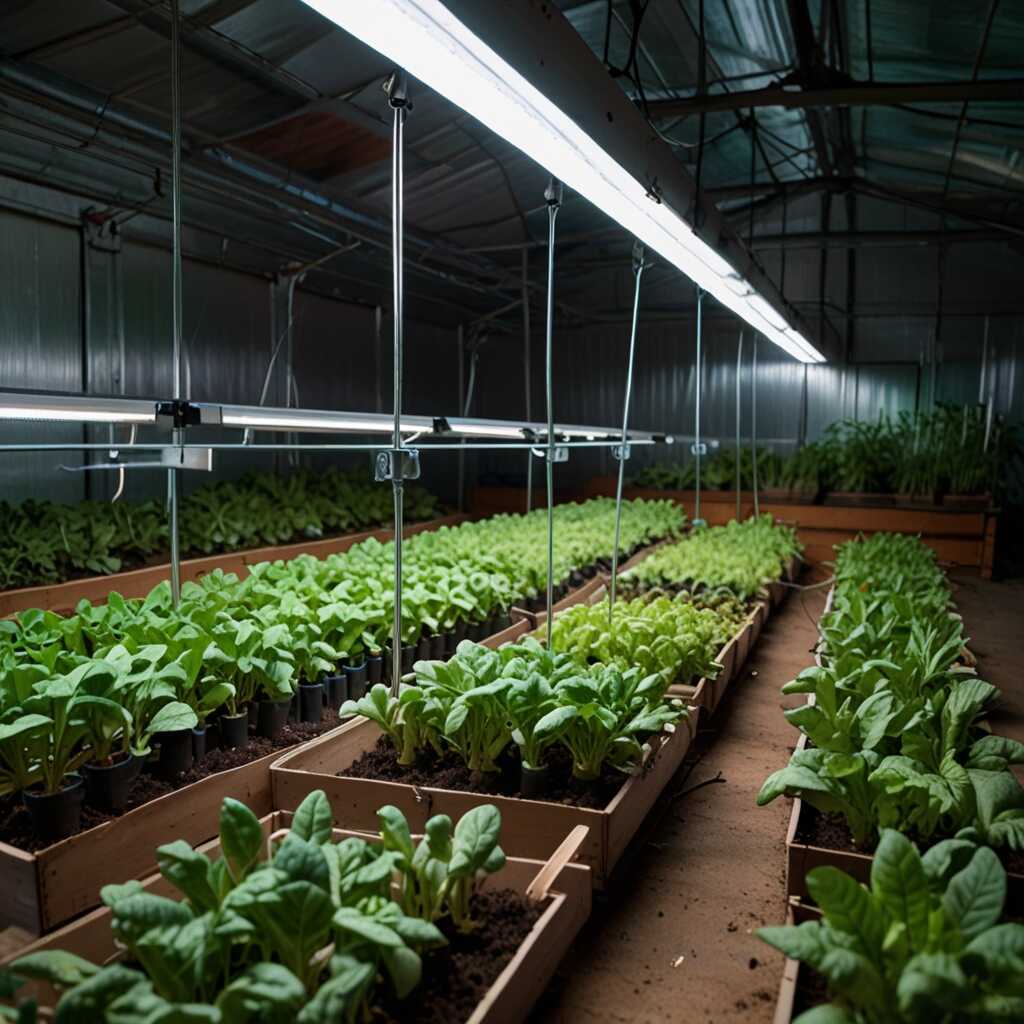
Regular cleaning keeps your LED grow lights functioning at their best. Aim to clean them every 2 to 4 weeks. Dust, dirt, and grime can obstruct light output, reducing brightness. For cleaning, use a soft microfiber cloth and a gentle cleaning solution made from water and vinegar. This method is effective in removing stubborn stains while being safe for the LED surface. Generally, you will follow a simple three-step process to clean effectively: first, turn off and unplug your grow lights, second, apply the cleaning solution to your cloth, and lastly, wipe down the light fixtures gently to avoid damage.
Recommended Tools and Solutions for Cleaning
Using the right cleaning tools enhances the performance longevity of your LED grow lights. Microfiber cloths are ideal as they trap dust without scratching surfaces. A solution of equal parts water and vinegar is proven effective and safe for LED surfaces. Avoid using harsh chemicals, as they can degrade the coating and material. Regularly inspect for any buildup on and around the lights. Cleaning tools like soft brushes can help reach tight spaces, ensuring every part is clean. This focused cleaning method not only maintains optimal brightness but also extends the lifespan of your lights significantly.
Key Numerical Facts on Grow Light Durability
- Most LED grow lights last over 50,000 hours under ideal conditions.
- Regular cleaning can extend lifespan by up to 10% or more.
- Operating temperatures above 100°F can shorten life by 20%.
- Replace worn components every 2 years for optimal performance.
- Lighting schedules of 12-16 hours per day are commonly used.
- Humidity levels over 70% can cause premature failures.
- 90% of growers report improved plant health with proper maintenance.
Managing Environmental Conditions to Enhance Light Efficiency
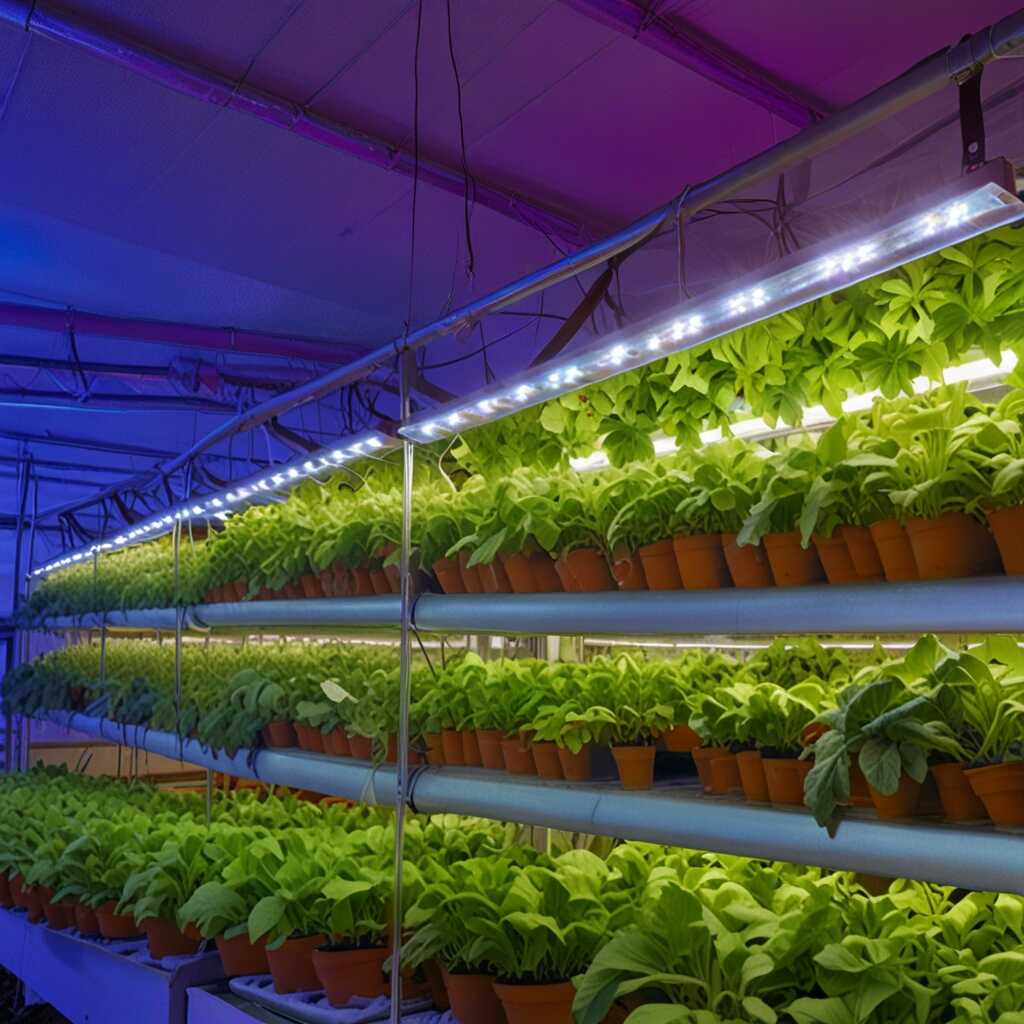
Temperature significantly affects the performance of LED grow lights. Operating at high temperatures can decrease their lifespan and efficiency. For optimal results, keep your LED grow lights in a temperature range of 65 to 80 degrees Fahrenheit. Humidity levels also play a crucial role; the ideal range is between 40% and 60%. Proper airflow management is essential to maintain these conditions. Improving ventilation helps prevent heat buildup, allowing grow lights to function effectively. Consistently managing these factors enhances the reliability and performance of your LED grow lights.
Creating the Perfect Growing Environment
Creating the perfect growing environment involves maintaining consistent temperature control, optimal humidity levels, and proper airflow management. Place a thermometer and hygrometer near your LED grow lights to monitor these conditions frequently. If temperatures exceed the ideal range, consider using fans or air conditioning to cool the space. Humidity can be adjusted using humidifiers or dehumidifiers to achieve the right balance. Adequate airflow prevents the accumulation of stale air, which can harm plant health. Following these steps aids in maximizing light efficiency and boosts your plants’ growth potential with LED technology.
Implementing Timers to Optimize Your Grow Light Usage
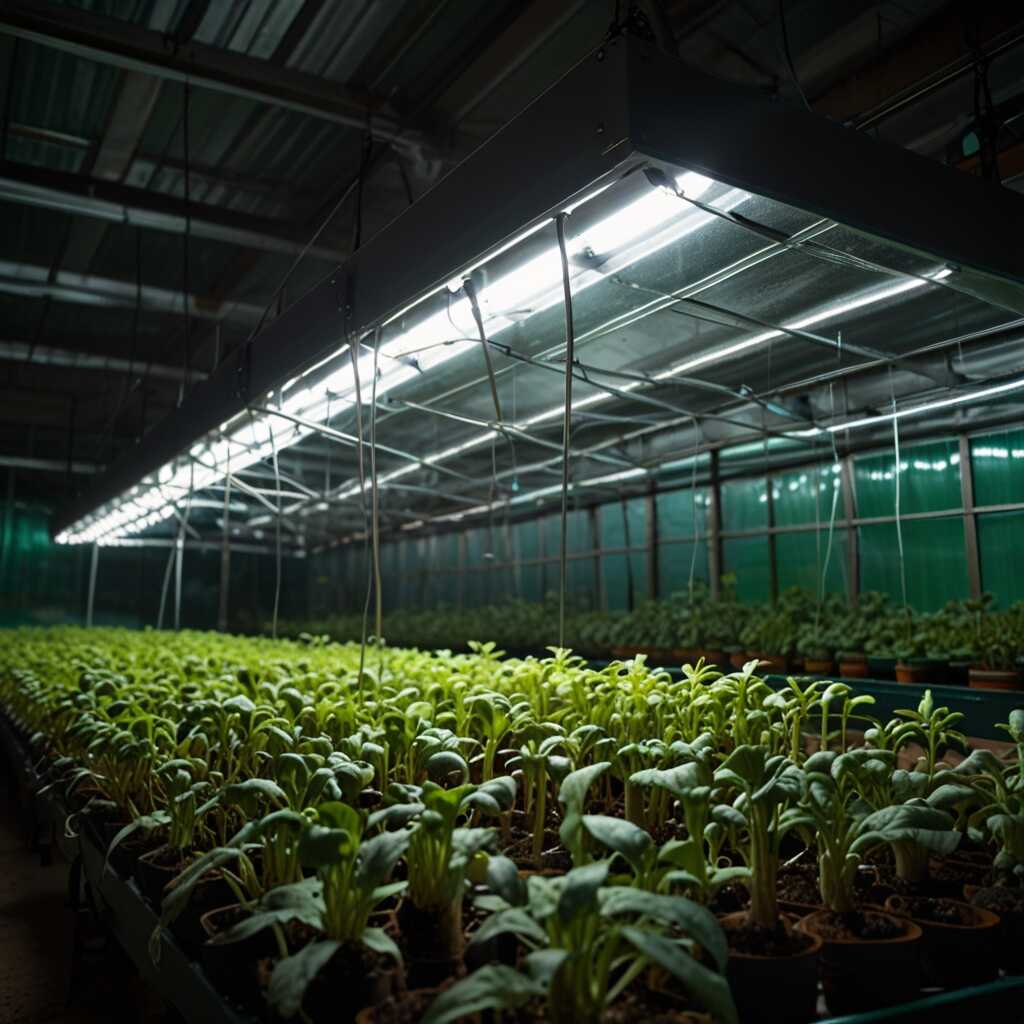
Using timers for your LED grow lights is crucial in controlling light duration. Timers help you provide consistent light exposure, promoting healthy plant growth while preventing overheating. Proper light management enhances the longevity of your grow lights by reducing the risk of premature wear. Various types of timers exist, including mechanical, digital, and smart timers, each offering unique features and benefits. Mechanical timers are simple and cost-effective, while digital timers provide precise control and scheduling flexibility. Smart timers allow integration with home automation systems, providing remote access and monitoring for efficient energy usage. Research indicates that most plants thrive on 12 to 18 hours of daily light exposure, depending on the species and growth stage.
Choosing the Right Timer for Your LED Grow Lights
When selecting a timer for LED grow lights, consider features like reliability and programming options. Mechanical timers are budget-friendly and user-friendly but lack customization. Digital timers are more versatile, often allowing different schedules for each day of the week. Smart timers provide the best automation, enabling remote management and optimal energy efficiency. Choose a timer that can handle your setup’s wattage to ensure safe operation. Also, look for one with a backup battery option to prevent interruptions during power outages. With the right timer, you can simplify your grow light management and create a healthier indoor garden environment.
Positive Outcomes of Grow Light Care Techniques
- Consistent maintenance improves energy efficiency significantly.
- Proper usage of LED grow lights can enhance plant growth quality.
- Extended lifespan reduces frequent replacement costs for users.
- Well-maintained lights promote healthier indoor gardening systems.
- Regular assessments can prevent unexpected equipment failures.
- Improved light intensity can lead to higher yield in harvests.
- Environmentally-friendly practices also conserve energy resources.
Recognizing Signs of LED Lifespan and Replacement Timelines
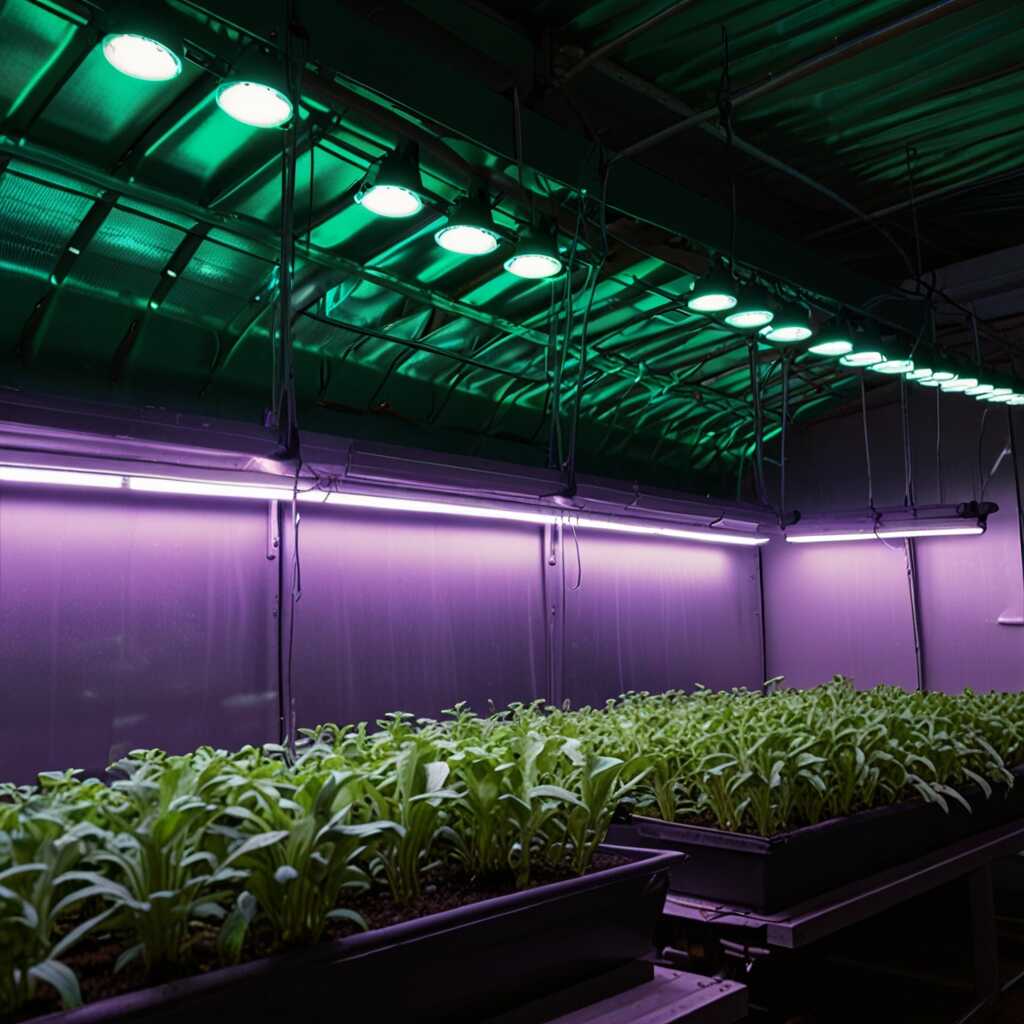
Signs that indicate it’s time to replace your LED grow lights include noticeable dimming, color shifting, or flickering. Regular testing helps ensure efficiency and performance. Many indoor gardeners should test their lights every six months. Quality LED grow lights typically have an average lifespan of 50,000 hours or more. Keeping an eye on these factors helps maintain consistent growth conditions without interruptions.
How to Assess LED Performance Over Time
Assessing LED performance over time involves monitoring light output and plant response. Weak or inconsistent lighting may hinder plant growth. Use a light meter to measure light intensity at different stages of growth. Compare your readings against initial performance data. If the output drops significantly, it suggests the need for replacement. Regular reviews of your grow light’s efficiency ensure your plants receive the best possible lighting, ultimately enhancing their health and growth.
Selecting Accessories to Enhance Your Grow Light Setup
Quality accessories like reflective surfaces and adjustable mounts significantly improve the efficiency and performance of LED grow lights. Reflectors direct light towards your plants, ensuring that every watt is maximally utilized. This enhances light distribution and supports consistent plant growth. Adjustable mounts allow you to raise or lower the lights based on your plant’s growth stage, ensuring optimal light intensity. Using these accessories can lead to an average lifespan extension of your LED system by up to 20%. This means better performance and durability for your grow lights.
Optimizing Light Intensity with Adjustable Mounts
Adjustable mounts provide flexibility in positioning your LED grow lights. This ensures plants receive the ideal light intensity at various growth stages. Seedlings require softer light, while mature plants thrive under more intense lighting. By adjusting the height of your grow lights, you can prevent light burn while maximizing photosynthesis. This adaptability not only enhances plant health but also promotes efficient energy use from your LED system. Installation is straightforward, and many mounts are designed to handle different weight capacities, making them a reliable choice for effective indoor gardening.
Brands and Their Sustainability Impacts
- Gavita excels in efficiency but is pricier than other options.
- Spider Farmer provides affordable solutions with great performance.
- Horticulture Lighting Group focuses on high tech but may be complex for beginners.
- Home growers favor GE’s energy-efficient models for their reliability.
- Fluence Bioengineering offers high-quality products favored by professionals.
- Entry-level users like cheaper brands but may compromise on quality.
- Commercially-focused brands provide robust solutions for larger growers.
Planning Financially for Grow Light Maintenance and Upgrades
Effective financial planning for LED grow light maintenance includes setting a budget for both routine upkeep and potential upgrades. Consider allocating funds for cleaning, replacement bulb purchases, and energy consumption. Establishing a timeline for replacing LED arrays is crucial. Many LED grow lights have an impressive lifespan of around 50,000 hours, making it essential to schedule its replacement every five years. This planning helps in minimizing costs over time and ensures your plants receive consistent lighting. Regular reviews of your energy costs associated with LED usage can also enhance your overall gardening experience.
Estimating Costs for LED Grow Light Replacement
Estimating costs for replacing LED grow lights involves understanding both current market prices and electricity expenses. On average, a quality LED array can range from $100 to $600 depending on its power and features. Researching different brands and their performance can guide your purchasing decision. Tools like energy calculators help predict electricity costs over the lifespan of the units. Green Writer provides thorough reviews on various models, helping you identify what suits your financial plan best. Always check features that enhance durability, reliability, and efficiency to ensure you choose the best investment for your gardening needs.