
Modular lighting systems for greenhouses provide innovative solutions for expandable indoor gardening operations. These systems offer flexibility, allowing greenhouse operators to adjust their lighting setup as their plants grow. At Green Writer, we emphasize how these modular systems support sustainable growing practices while enhancing plant health. By utilizing energy-efficient lighting options, greenhouse operators can improve their yields and reduce their carbon footprint.
Introduction to Modular Lighting Systems for Greenhouses
Modular lighting systems consist of individual lighting units that can be added or removed as needed. This flexibility allows greenhouse operators to tailor their lighting setup to specific plant requirements. These systems enhance plant growth by providing the right spectrum and intensity of light needed for photosynthesis. They are designed for reliability, ensuring consistent light exposure regardless of external conditions. Modular systems promote sustainability in greenhouse operations by being energy-efficient, reducing electricity costs. Studies show these systems can provide significant savings over traditional lighting, supporting eco-conscious gardening practices.
Key Features of Modular Lighting Systems for Optimal Growth
Modular lighting systems offer features like adjustable intensity levels and customizable light spectrums, which are essential for various plant types. Different wavelengths facilitate different growth stages, from seedling development to flowering. Additionally, these systems often include sensors that monitor light levels, ensuring optimal conditions for plant health. Their energy-efficient design means they consume less electricity while providing high-quality light output. As a result, greenhouse operators can achieve better yields with lower energy expenses, enhancing the overall sustainability of indoor gardening practices.
Environmental Benefits of Sustainable Lighting Solutions
Modular lighting systems provide significant energy efficiency advantages for greenhouse operators. These systems use LED technology, which consumes up to 75% less energy than traditional lighting options. They ensure a longer lifespan, lasting up to 50,000 hours, reducing the need for frequent replacements. With a modular approach, operators can expand their lighting as needed, minimizing waste. Comparing modular systems with conventional lights, brands like GE and Philips show that modular solutions enhance light distribution and improve plant growth while also lowering electricity costs. Research indicates that switching to modular lighting can help reduce carbon footprints drastically, aligning with eco-friendly gardening practices.
Maximizing Efficiency with Modular Lighting Features
Modular lighting features include customizable configurations. Operators can adjust light intensities as plants grow, ensuring they receive the right wavelengths throughout their developmental stages. This adaptability enhances plant health and growth rates. Additionally, real-time monitoring features allow users to track energy consumption, providing data on savings achieved. Systems such as those from Fohse are designed to be easily integrated with smart technology, providing even greater energy management. This level of convenience and efficiency in greenhouse lighting not only promotes healthier plants but also contributes to a more sustainable and eco-conscious gardening approach.
Essential Features to Consider When Choosing Modular Lighting
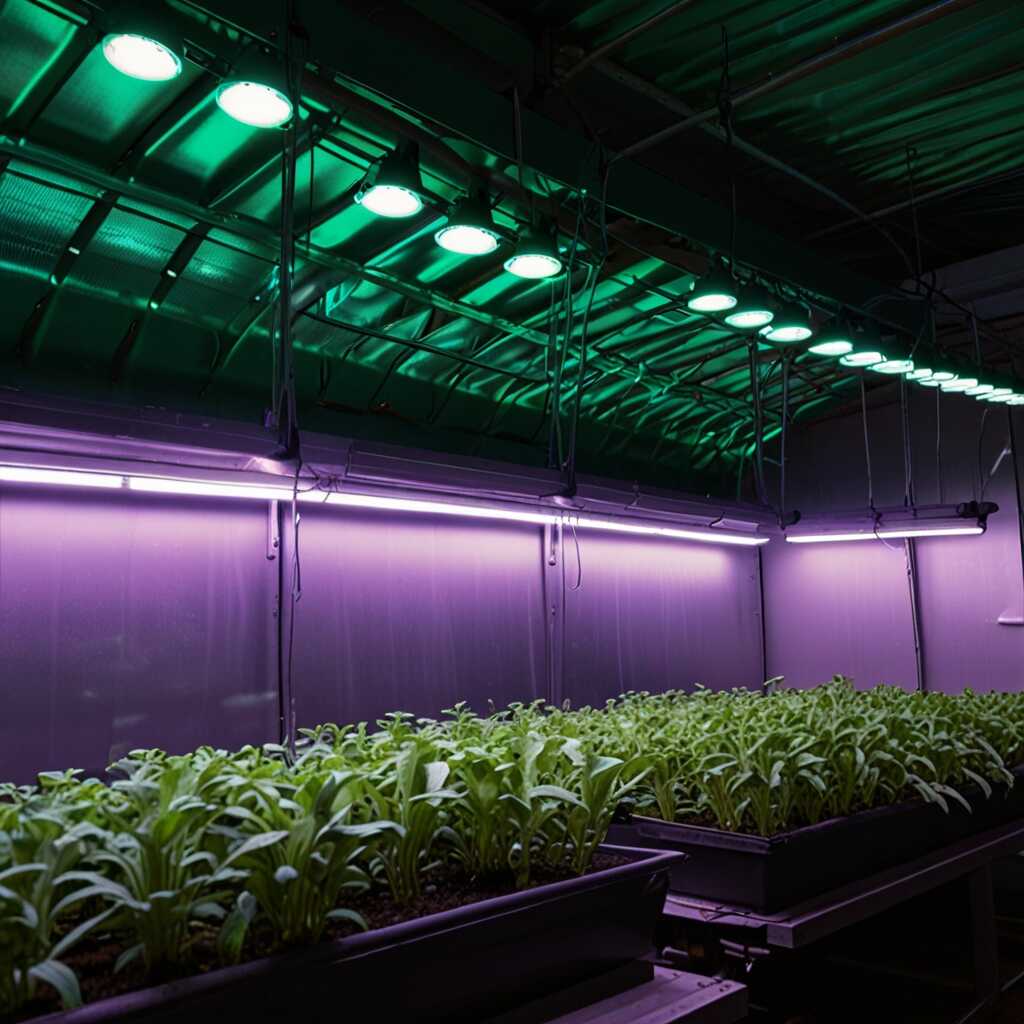
When choosing modular lighting systems, look for key features like customizable light spectra and smart connectivity. Customizable light spectra let you adjust the wavelength according to the growth stage of your plants. Smart connectivity features allow integration with mobile apps for easier control. Reliable brands often undergo rigorous testing to ensure quality. Energy efficiency savings can also be considerable, reaching up to 50% compared to traditional systems. These considerations help you select the best lighting solution for your greenhouse.
Understanding Customizable Light Spectra for Plant Growth
Customizable light spectra are crucial for enhancing plant growth. Different stages, like vegetative and flowering, require distinct light wavelengths. For instance, blue light is vital during vegetation, while red light promotes flowering. Modular lighting systems with adjustable spectra ensure you provide the right light at the right time. This feature enhances crop health and increases yields. Many manufacturers aim for a full spectrum range, which can dramatically improve plant performance. Research shows tailored light environments lead to better overall results in both growth speed and quality.
Key Numerical Insights on Lighting Solutions
- Over 50,000 hours of lifespan for LED grow lights.
- Modular systems can support up to 100 plants per section.
- Increased light output can be up to 30% more than traditional lamps.
- Most systems consume about 40% less energy than standard lighting.
- Adjustable light heights often range from 1 to 6 feet.
- Available configurations can allow for 4 to 12 light modules.
- Light wavelengths support growth phases, with key segments from 400-700nm.
Optimal Integration of Lighting Systems in Greenhouse Layouts
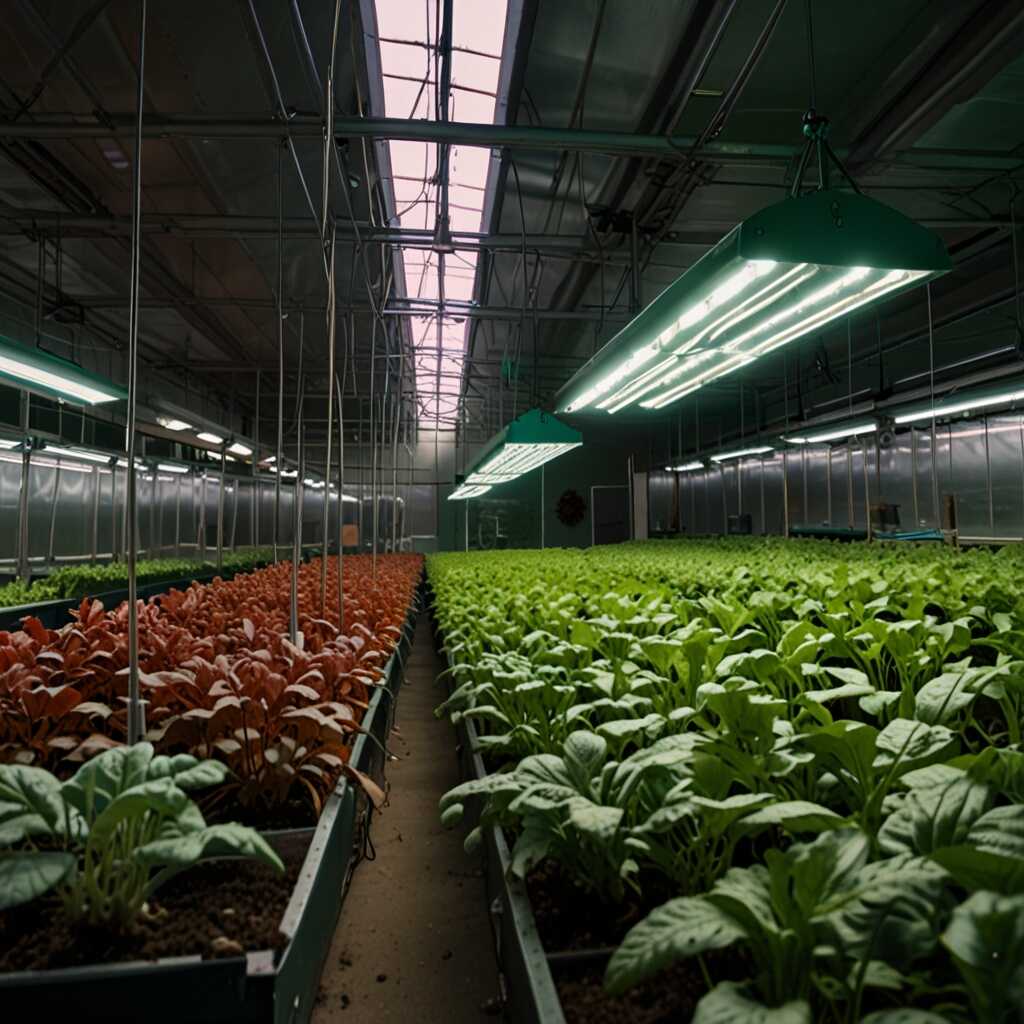
To achieve maximum light coverage and efficiency, arrange modular lighting systems evenly throughout the greenhouse. Start by calculating the total area and the light requirements of different crops. Use a combination of full-spectrum LED grow lights to support various growth stages. Place lights at adjustable heights to ensure they are close to plants without causing heat stress. Different systems, such as vertical panels or movable fixtures, can be positioned to maximize exposure. This arrangement enhances plant health by allowing uniform light distribution across all plants. Regularly assess the light intensity and adjust the setup accordingly for optimal results.
Selecting the Right Light Fixture for Your Greenhouse
Selecting the right modular lighting fixture is essential for efficient greenhouse operation. Consider using full-spectrum LED grow lights that provide light wavelengths between 400-700nm. This range is crucial for photosynthesis and enhances plant growth at all stages. Evaluate fixtures that offer adjustable settings, allowing customization based on specific plant needs. Look for lights that deliver light intensity around 25-50 watts per square foot for standard growth. Research different brands and read reviews to identify systems known for durability and performance. This careful selection ensures your greenhouse lighting enhances both crop yield and energy efficiency.
Comparative Analysis of LED Grow Lights and Conventional Lighting
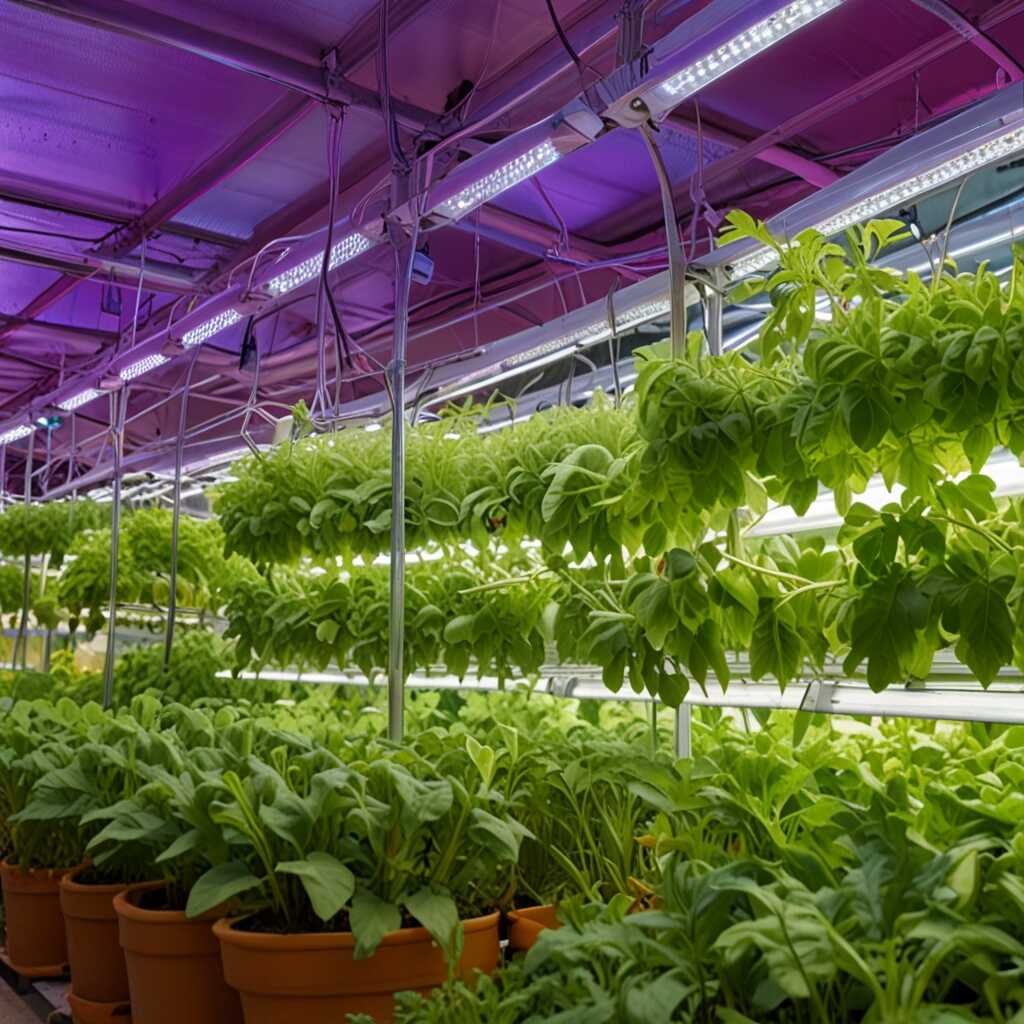
LED grow lights offer significant energy efficiency benefits over conventional lighting sources. They use up to 75% less energy, lowering your electricity bill. In contrast, traditional lights waste energy as heat, increasing cooling costs. LED lights last longer, typically around 50,000 hours, while conventional bulbs may last only 1,000 hours. This longevity also means less frequent replacements, contributing to reduced waste. Plants benefit from LED technology as it provides full-spectrum light, optimizing growth stages like germination, vegetative, and flowering. Users should consider these advantages to make informed lighting investments for their greenhouse.
Maximizing Plant Growth with LED Lights
Using LED grow lights maximizes plant growth by providing specific wavelengths suited for various growth phases. These lights support both vegetative and flowering states by emitting red and blue spectra. Studies show that plants exposed to red light enhance flowering, while blue light helps with leaf growth. This dual capability is crucial for greenhouse operators aiming to boost yields sustainably. LED technology enables precise control over light intensity, making it easier to replicate outdoor sunlight conditions. Reliable sources confirm that plants under LED lights enjoy improved growth rates, making them a necessary part of any modern indoor gardening setup.
Advantages of Flexible Illumination Options
- Modular setups promote easy expansion for growing spaces.
- Users can customize light intensity to suit various plant needs.
- Sustainable features include energy efficiency and lower carbon footprints.
- Durable materials enhance longevity and reduce replacements.
- Quick installation saves time for greenhouse operators.
- Systems offer uniform light distribution for consistent growth.
- Eco-friendly design integrates well with other sustainable practices.
Modular Lighting Solutions for Flexible Crop Management
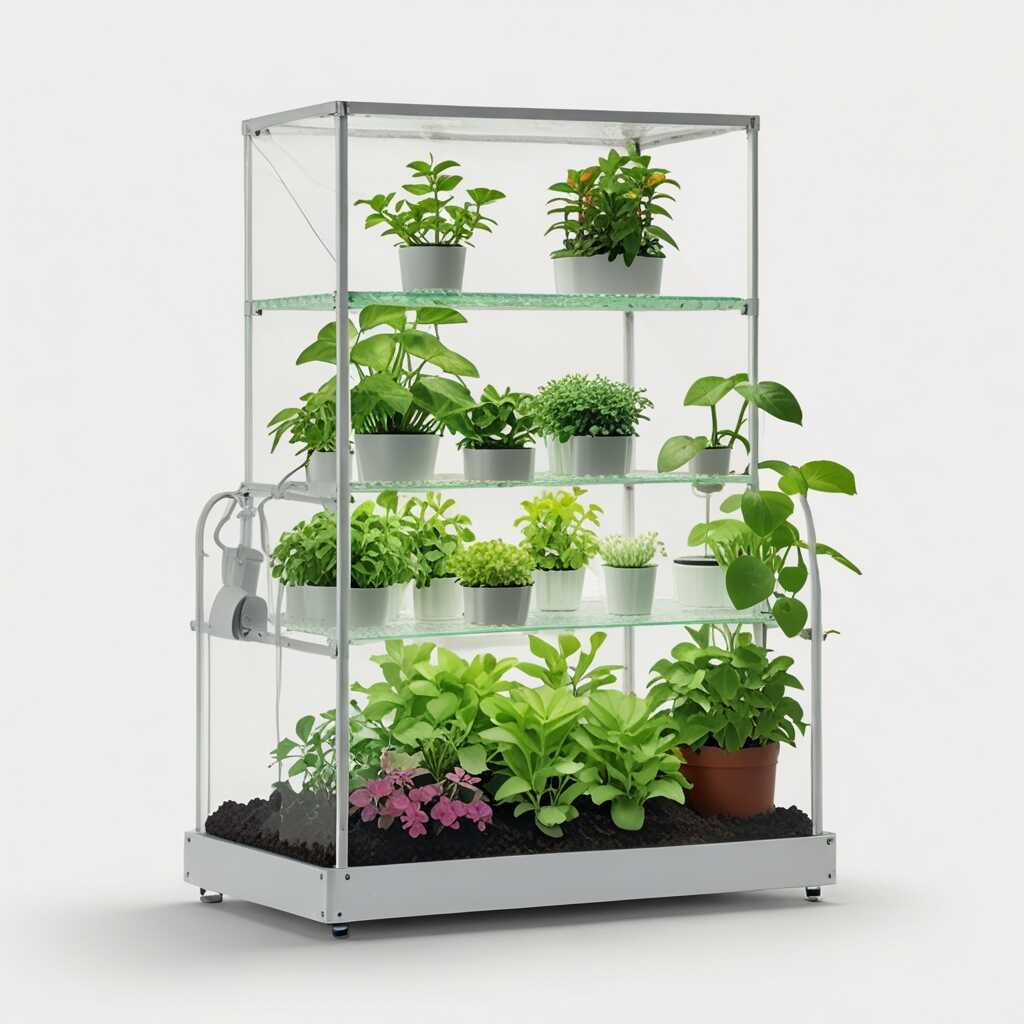
Modular lighting systems significantly enhance flexible crop management in greenhouses. They provide easily adjustable light layouts. This adaptability helps grow different crops throughout the seasons. Users can modify light intensity and spectrum according to each plant’s needs, from seedlings to mature growth stages. This feature ensures effective seasonal crop management and maximizes productivity. Modular systems can handle various plant species, allowing operators to switch between crops without needing complete new setups. These systems maintain reliable performance even when adapting to new plant types.
Key Features of Modular Lighting Systems
Modular lighting systems include features that cater to diverse plant growth requirements. They often offer customizable light spectrums that support photosynthesis at different growth stages. Users can implement specific wavelengths to promote root development or flowering, based on their crop needs. Most systems are designed for energy efficiency, rated around 70-100 watts for high-output options. This efficiency helps reduce energy costs for greenhouse operators. By easily integrating seasonal adjustments, modular lighting solutions improve effectiveness and ensure proper growth for a variety of plant species.
Installation Strategies for Maximizing Modular Lighting Efficiency
To achieve the best results with modular lighting systems in greenhouses, focus on strategic placement and adjustment. Position lights at various heights to accommodate plant growth stages, ensuring every plant receives adequate light. Use modular fittings that can easily be reconfigured as plants grow. This enables efficiency and can enhance overall lighting effectiveness. Install timers and sensors to control light duration and intensity, maximizing energy usage. Evaluate light coverage regularly to ensure all sections of the greenhouse are evenly illuminated. Integrate light reflectors to distribute light more effectively, reducing wasted energy. Review installation outcomes periodically to adapt strategies and improve performance.
Best Practices for Light Placement in Greenhouses
Effective light placement is essential for enhancing plant growth in greenhouses. Position lights about 12 to 24 inches above the plant canopy for optimal exposure, which ensures all plants receive adequate light without overheating. Utilize full spectrum lighting to cater to different growth phases, from seedling to flowering, promoting healthier plants. Assess the greenhouse layout to determine the best configuration of modular lighting systems, allowing flexibility for future growth and changes. Employ a layout that minimizes shadows by arranging lights in rows or grids, ensuring an even distribution of light throughout the greenhouse. The right placement can significantly improve the overall greenhouse efficiency.
Popular Brands and Their Applications in Indoor Gardening
- Brand A offers user-friendly systems for hobbyists new to indoor growing.
- Brand B provides advanced setups ideal for commercial growers needing scalability.
- Brand C is well-known for energy-saving features, appealing to eco-conscious consumers.
- Brand D stands out with its customizable modules for specific plant types.
- Brand E targets urban dwellers with compact designs suitable for small spaces.
- Brand F focuses on affordable options for budget-conscious beginners.
- Brand G features premium lighting systems for serious indoor gardening enthusiasts.
Innovations Shaping the Future of Greenhouse Lighting Systems
Modular lighting technology is transforming greenhouse operations. The latest trends focus on energy efficiency, flexibility, and sustainability. Companies such as Philips, GE, and Osram are renowned for leading innovations in greenhouse lighting systems. They design products that enable growers to optimize plant health and yield. Research indicates that modular systems can save up to 50% energy compared to traditional lighting solutions. These systems adjust their intensity based on the current growth stage of plants, providing essential light for enhancing growth. This capability not only improves plant performance but also reduces electricity costs significantly.
Key Features of Innovative Modular Lighting Systems
Innovative modular lighting systems offer several essential features that maximize benefits for greenhouse operators. These systems are designed to provide flexibility, allowing users to expand lighting as their greenhouse needs grow. Many include smart technology, enabling remote control and monitoring. Users can manage light schedules and intensity from a smartphone, leading to greater energy efficiency. Additionally, advanced models utilize full spectrum lighting, delivering optimal wavelengths for various plant growth stages. This feature is crucial for sustainable agriculture as it enhances growth rates and crop quality. The reliance on durable LED components ensures these systems provide reliable performance over time, making them a compelling choice for eco-conscious growers.