
Measuring light coverage is essential for an effective greenhouse grow light setup. Proper light distribution helps optimize plant growth and health by ensuring every plant receives the necessary light. At Green Writer, we emphasize the importance of understanding light coverage to create a thriving indoor garden. This article guides greenhouse owners and gardening enthusiasts in measuring light coverage for their grow light systems.
Understanding the Importance of Light Coverage in Greenhouses
Adequate light coverage is crucial because it directly impacts plant health and growth in greenhouses. Plants require specific wavelengths of light for photosynthesis, which is essential for their energy production and overall development. Factors affecting light coverage include the type of grow lights used, their placement, and the greenhouse layout. Properly placed grow lights enhance energy efficiency and provide even illumination across all plant areas. Most plants require about 12 to 16 hours of light daily to flourish. Understanding these needs is essential for effective grow light placement strategies that optimize plant health.
Key Factors Influencing Effective Light Placement
Multiple factors influence effective light placement in a greenhouse. The type of plants being grown plays a significant role. For instance, flowers and vegetables typically require full-spectrum lights that provide a balance of wavelengths. The distance between the grow lights and the plant canopy also directly impacts light distribution. Grow lights should be positioned at a height that maximizes exposure while preventing heat damage. Light reflection from greenhouse materials can enhance light efficiency. Testing and adjusting light coverage ensures that plants receive optimal light conditions while minimizing energy consumption.
Essential Tools for Measuring Light Coverage Accurately
Measuring light coverage in your greenhouse can greatly enhance plant growth. Consider tools like light meters, PAR (Photosynthetically Active Radiation) meters, and smartphone applications designed for light measurement. Light meters provide instant readings of light intensity in foot-candles or lumens. PAR meters specifically measure light within the range of 400 to 700 nanometers, critical for photosynthesis. Smartphone applications can offer a budget-friendly solution, but ensure to choose apps with good user reviews for reliability. Using these tools helps you assess how effectively you are covering your plants with the right light, ensuring optimal growth conditions.
Understanding Light Measurement Categories for Optimal Growth
Light measurement categories include intensity, duration, and spectrum, which are essential for effective greenhouse lighting solutions. Intensity refers to the amount of light reaching a plant’s surface. Duration signifies how long your plants are exposed to light daily. The spectrum indicates specific wavelengths of light beneficial for various growth stages. Knowing these categories allows you to tailor your lighting setup. For instance, a full-spectrum light source enhances plant growth stages from seedling to flowering. Utilizing accurate light intensity meters ensures your plants receive adequate micromoles for healthy photosynthesis, directly impacting growth rates.
Designing Your Greenhouse Layout for Optimal Light Distribution
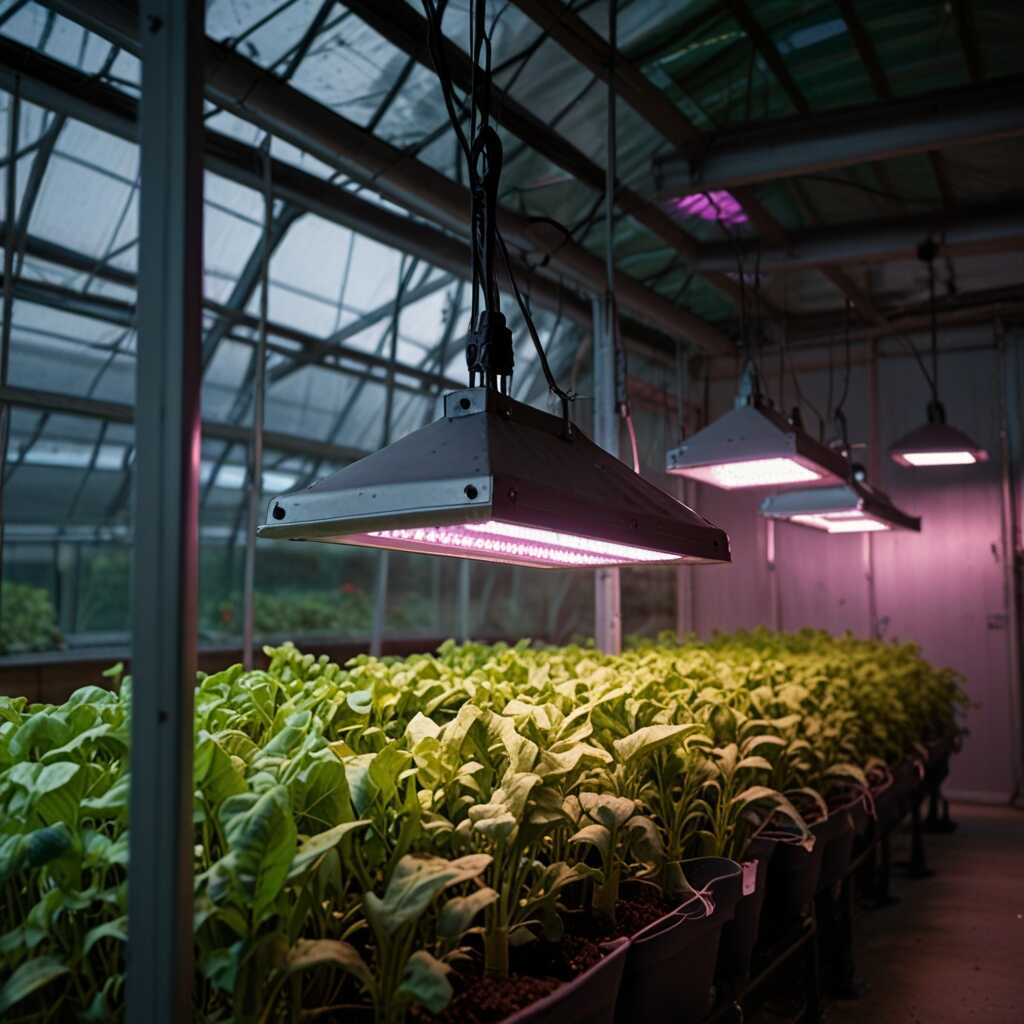
To analyze your greenhouse layout for effective light distribution, start by measuring the dimensions of your space. Create a drawing of your greenhouse layout and identify where your plants will be placed. Incorporate adjustable grow lights to provide flexibility in light positioning. Consider the types of plants you are growing and their specific light needs. Using high-quality grow lights designed for each growth stage is essential. Testing different arrangements helps you find the most efficient lighting setup. Space your lights evenly for proper light coverage.
Selecting the Best Grow Light Types for Your Greenhouse
Selecting the best grow light types involves understanding the light spectrum needs of your plants. Full spectrum LED grow lights deliver the balanced wavelengths crucial for photosynthesis. Different areas of your greenhouse may need different grow light types based on plant size and variety. For example, seedling areas require softer light while flowering sections benefit from stronger light. Mixing different light types can enhance specific growth stages. Using lights with good quality and durability can improve overall plant health and yield effectively.
Numerical Insights for Optimal Lighting Setup
- Ensure lights cover an area of 4ft x 4ft for smaller plants.
- Measure light intensity in lumens to determine how bright your setup is.
- Use a light meter to assess readings at different plant heights.
- Full spectrum lights should provide around 50-100 watts per square meter.
- Plants typically need 12-16 hours of light for growth each day.
- Adjust light height to maintain 12-24 inches from plant tops.
- Monitor temperature changes near light sources to avoid overheating.
Effective Methods for Calculating Light Placement Distances
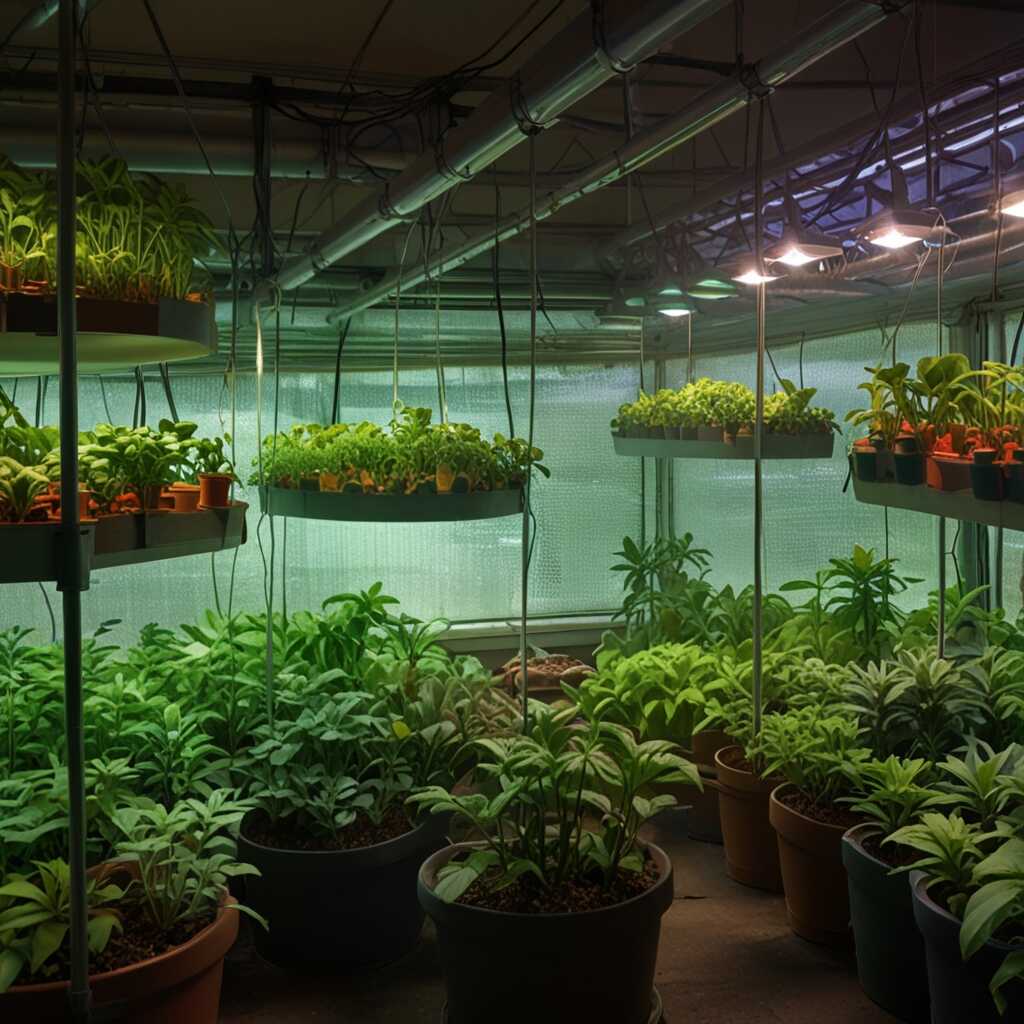
Calculating the optimal distance for grow lights depends on light intensity, type of light, and plant requirements. LED grow lights, for instance, provide excellent light diffusion and typically need to be placed 12 to 36 inches above the plants. Factors like plant height, growth stage, and the specific light spectrum required also influence the positioning. Users should test different distances ensuring the lights deliver sufficient coverage across the whole growing area while avoiding light burn on delicate plants. Conditions, such as humidity and temperature in the greenhouse, may affect light efficiency. Proper testing, reviews, and data comparisons can help gardeners establish the ideal spacing for their unique setup.
Understanding Light Spectrum and Its Impact on Placement
The light spectrum of your grow lights plays a significant role in determining appropriate placement distances. LED grow lights usually emit a full spectrum that benefits all growth stages. For seedlings, a distance of around 12 to 18 inches may be effective, whereas for flowering plants, increasing that distance to 24 to 36 inches can enhance coverage without the risk of burn. The grow light’s wattage and specific features also contribute to light distribution across the coverage area. Monitoring plant reactions will provide insights into adjusting placements effectively, ensuring optimal conditions for healthy growth.
Exploring Light Spectrum Relevance to Plant Growth Stages
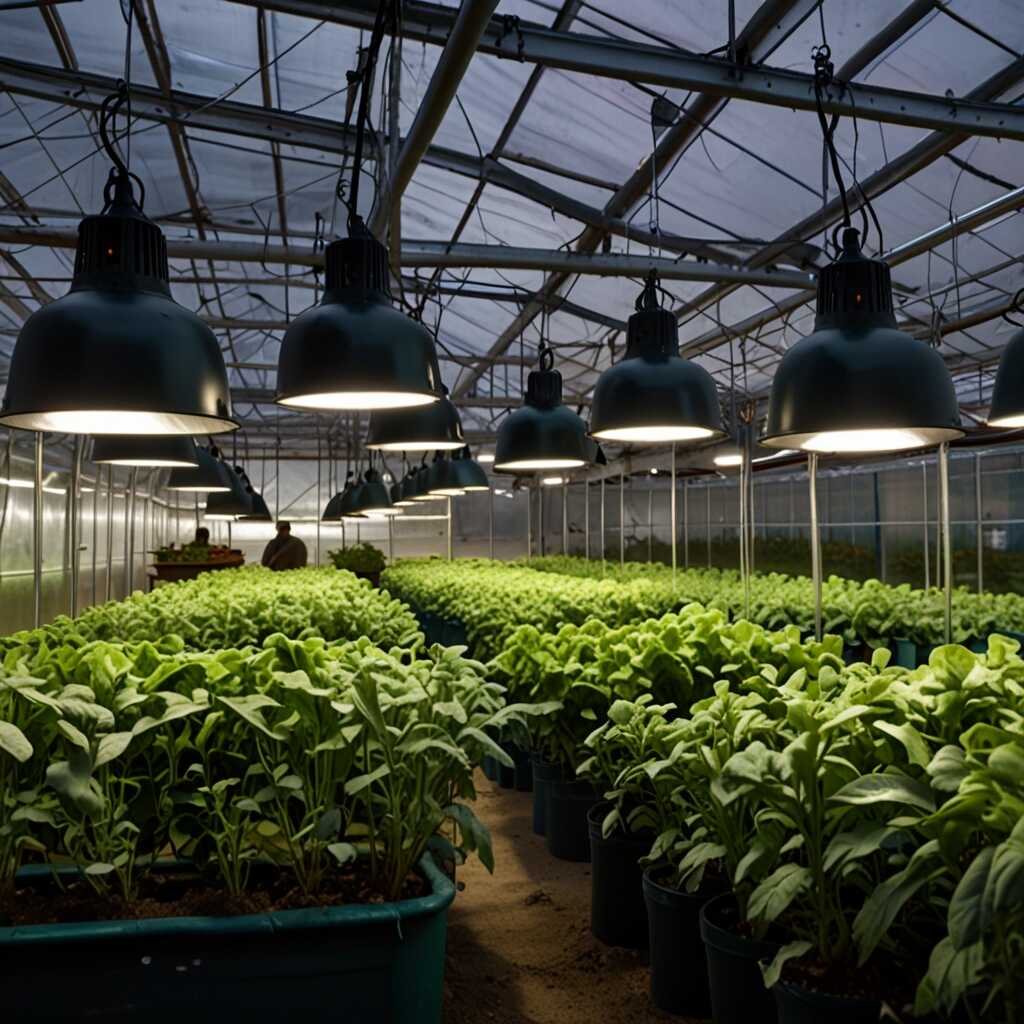
Understanding different light spectrums is crucial for optimizing plant growth in greenhouses. Plants require varying wavelengths of light during each growth stage. For example, blue light (400-500 nm) promotes vegetative growth, while red light (600-700 nm) is essential during flowering. Each plant species may respond differently to specific wavelengths based on its unique needs. Knowing these factors helps greenhouse owners select the most suitable grow lights.
Choosing Grow Lights Based on Plant Needs
When selecting grow lights, consider the specific needs of your plants. For instance, leafy greens thrive under predominantly blue light, enhancing leaf production. Conversely, fruiting plants perform best under higher levels of red light, improving flowering and fruit set. High-quality LED grow lights often offer full spectrum lighting capabilities. This feature enables them to provide both blue and red wavelengths to support various growth stages effectively. Additionally, the best grow lights can efficiently cover a wide area, ensuring all plants receive adequate lighting.
Advantages of Proper Light Measurement Techniques
- Enhance plant health and growth by ensuring adequate lighting.
- Effective light coverage promotes flowering and fruiting stages.
- Reduce energy costs by optimizing light placement and type.
- Use appropriate wavelengths for different growth phases to increase yield.
- Minimize plant stress by avoiding light burn and inadequate lighting.
- Improve seedling success with precise light intensity measurements.
- Encourage robust root development through balanced lighting conditions.
Creating a Lighting Schedule for Ideal Plant Growth Cycles
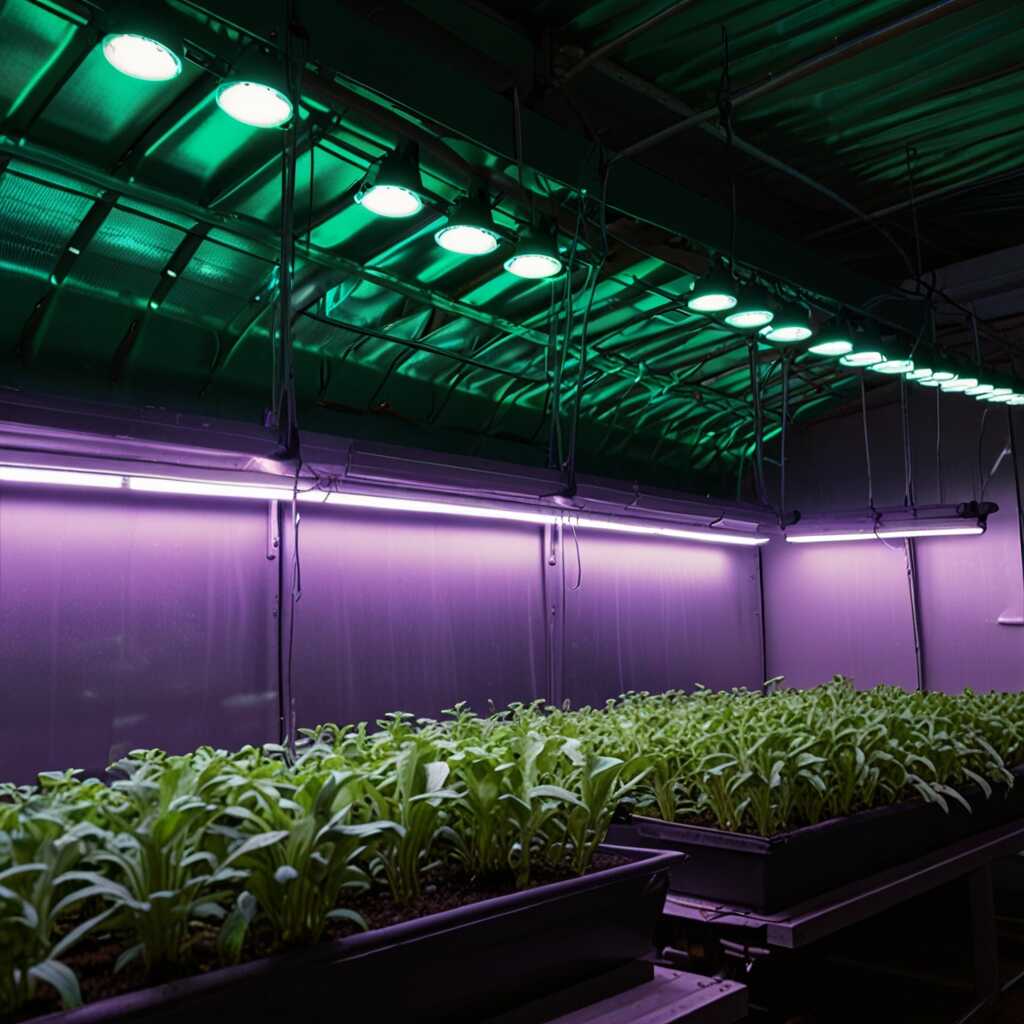
To create a lighting schedule that supports your plant growth cycles, first identify each plant’s light needs. Certain plants thrive in short days, while others prefer long days. Consider factors such as the species of plant, phase of growth, and time of year. Indoor plants typically require 12 to 16 hours of light per day. For optimal growth, use a timer to maintain consistency. Reliable scheduling enhances plant vitality and helps in achieving consistent yields. Testing various durations can yield insights into which works best. This efficient planning ensures that your greenhouse achieves the best possible growth conditions.
Adjusting Light Intensity Throughout Growth Stages
Adjusting light intensity is essential for supporting different growth stages of plants. Seedlings benefit from lower light intensity to avoid burn. As plants mature, they require increased light intensity to encourage healthy growth. Use a dimmer or adjust the distance of your grow lights to meet varying needs. For example, during the flowering stage, plants often require up to 18 hours of light. Research specific species for their unique light needs and adjust your schedule accordingly. This careful planning enhances growth and ensures successful cultivation of your greenhouse plants.
How Environmental Conditions Influence Light Efficiency
Humidity plays a critical role in light efficiency. High humidity levels can lead to water droplets forming on plant leaves, which reduces light absorption. Conversely, low humidity can enhance gas exchange and promote photosynthesis, improving the effectiveness of your grow lights. Temperature impacts light efficiency significantly. Ideal temperatures between 68°F to 75°F allow plants to utilize grow lights more effectively. Air circulation also matters; good airflow prevents hotspot formation and helps distribute light evenly, ensuring all plants receive adequate illumination. Understanding these environmental factors enables greenhouse owners to adjust practices, achieving optimal plant growth.
Understanding the Impact of Humidity and Temperature
When it comes to maximizing light efficiency in your greenhouse, maintaining optimal humidity and temperature levels is essential. Humidity levels should ideally range between 40% to 70% for most plants. This balance prevents excessive moisture that obstructs light while allowing beneficial transpiration to occur. Maintaining temperatures between 68°F to 75°F ensures that your grow lights operate at peak efficiency. Consider installing ventilation systems or fans to enhance air circulation and keep these conditions steady. An effective combination of these factors enhances the overall performance of your grow lights, leading to healthier plant growth.
Diverse User Groups for Effective Light Management
- Greenhouse enthusiasts desire to grow diverse plant species efficiently.
- Urban gardeners seek compact grow light setups for limited spaces.
- Commercial growers benefit from maximizing crop yield and quality.
- Horticulturists require precise measurements for academic research.
- Eco-conscious hobbyists aim to reduce energy waste with LED lighting.
- Indoor farmers explore innovative solutions for year-round cultivation.
- Environmental advocates support sustainable practices in gardening.
Adjusting Grow Light Settings for Continuous Improvement
Regularly adjust your grow light settings to keep up with plant growth. This process should occur every 1-2 weeks or as needed, depending on the response of your plants. Different plant species will require specific light intensities and durations. Environmental factors such as temperature, humidity, and seasonal variations also play a crucial role in determining the best light settings. Effective monitoring of these variables helps enhance your plants’ growth results noticeably.
Understanding the Impact of Environmental Factors
Monitoring factors like humidity, temperature, and soil moisture is essential for effective grow light adjustments. High humidity levels can lead to excessive moisture on leaves, impacting light needs. Conversely, low humidity may require increased light exposure for optimal growth. Varieties of plants such as succulents or leafy greens have different responses to light and need tailored settings. By understanding how environmental factors affect grow light adjustments, you can create the best conditions for every plant species in your greenhouse. Green Writer provides detailed guidance on how to set and fine-tune these factors efficiently.