
Practical tips to minimize light pollution from greenhouse grow lights are essential for home gardeners in residential areas. Managing light use helps plants thrive while respecting community standards and minimizing environmental impact. At Green Writer, we provide straightforward guidance on eco-friendly practices for effective indoor plant care and innovative lighting solutions. By following these tips, you can enjoy vibrant plant growth without disturbing your neighbors or contributing to light pollution.
Defining Light Pollution and Its Impact on Urban Life
Light pollution refers to excessive and misdirected artificial light in urban areas. It affects urban living by disrupting natural cycles, harming wildlife, and impacting health. Different types of light pollution include skyglow, glare, and light trespass. Skyglow occurs when artificial light brightens the night sky, reducing visibility of celestial bodies. Glare results from overly bright lights, causing discomfort and impaired vision. Light trespass happens when unwanted light spills over into residential areas. These types create stress for urban wildlife, disrupting their mating and feeding patterns. Additionally, studies show that exposure to light pollution can lead to sleep disorders, anxiety, and other health issues for people. Approximately 80% of urban residents are affected by some form of light pollution.
Understanding the Types of Light Pollution
Understanding the types of light pollution is essential for minimizing its impact on urban environments. Skyglow limits visibility of stars and planets, causing frustration for stargazers and astronomers. Glare negatively affects the performance of drivers and pedestrians, increasing the risk of accidents. Light trespass can invade homes, interrupting sleep quality, and creating unnecessary stress. Each type of light pollution has practical solutions, such as using downward-facing fixtures and timers for grow lights. These solutions help ensure effective plant growth while improving community well-being. By implementing these practices, gardeners can cultivate plants responsibly, aligning with eco-friendly guidelines and enhancing neighborhood harmony.
Selecting Low-Light Emitting Grow Light Options for Eco-Friendly Gardening
Low-light emitting grow lights offer several benefits for home gardeners. They provide quality illumination that enhances plant growth while minimizing light pollution. LEDs are designed for efficiency and reliability, reducing energy consumption compared to traditional incandescent lights. Many reputable brands provide reliable options that undergo extensive testing to ensure durability. Additionally, such lights can last over 50,000 hours, supporting consistent performance in plant care while benefiting the environment. User reviews often highlight their effectiveness in reducing glare and light spillage into surrounding spaces.
Comparing Popular LED Grow Light Brands
When comparing popular brands of LED grow lights, focus on essential features. Look for lights that offer full-spectrum capabilities, delivering a range of wavelengths essential for different growth stages. Brands like Spider Farmer, Horticulture Lighting Group, and Mars Hydro provide models that reduce light pollution effectively. Their lights often include efficient cooling systems and sturdy frames, enhancing overall performance. Additionally, studies show their energy efficiency can save up to 50% on electricity costs, supporting eco-friendly gardening practices. Research user reviews to find the best options for your specific gardening needs.
Designing Grow Light Installations to Reduce Off-Site Light Spill
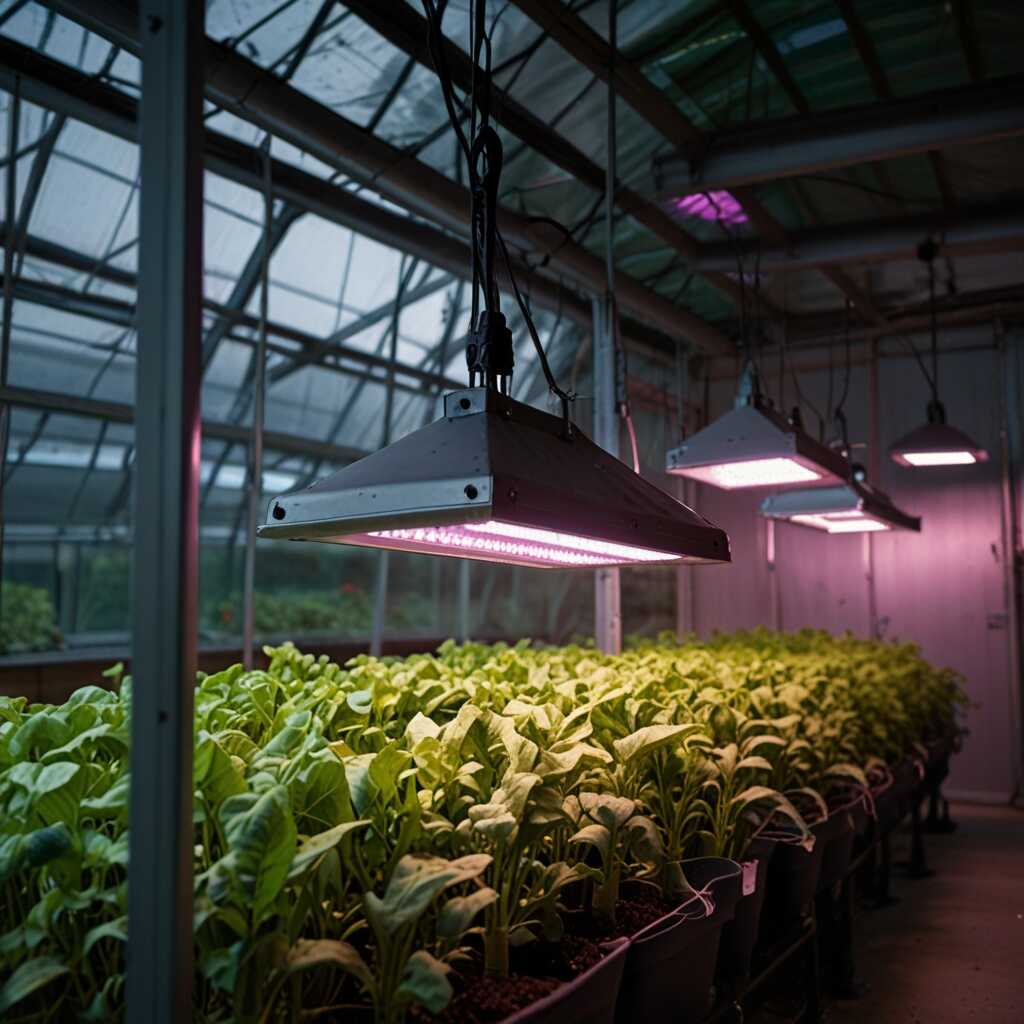
For greenhouse growers, ensuring minimal light spill involves thoughtful design of grow light installations. Effective layouts should direct light downward using reflector shields or adjustable mountings. These configurations can significantly enhance light efficiency while preventing light pollution in surrounding areas. Positioning lights close to the canopy of plants helps target illumination directly where it’s needed, reducing off-site light. Ensure to comply with community standards by using fixtures that restrict light to the intended area, thus addressing residents’ concerns about excess illumination.
Optimizing Grow Light Position for Maximum Efficiency
Mounting grow lights at an optimal height is crucial for enhancing both plant growth and minimizing environmental impact. Aim to position lights approximately 12 to 24 inches above the plant canopy, depending on the type of plants being grown. This height allows for adequate light coverage without excessive spill to surrounding areas. Consider using adjustable racks for flexibility as plants grow taller. Employing full spectrum lighting, which effectively supports various growth stages, ensures that plants receive necessary wavelengths while keeping ambient light levels lower across the neighborhood.
Key Quantities to Consider for Optimal Light Management
- Over 70% of urban areas experience excess artificial light during the night.
- Studies find that proper shielding can cut light pollution by up to 80%.
- LED grow lights can last for over 50,000 hours, significantly reducing waste.
- Commercial greenhouses may use up to 20 times more light than needed if not optimized.
- Reducing light pollution can help save municipal energy costs by up to 30%.
- Proper fixture height can decrease light spill by 60% when installed correctly.
- Many plants require about 12-16 hours of light per day for optimal growth.
Utilizing Barriers and Treatments to Mitigate Light Emission
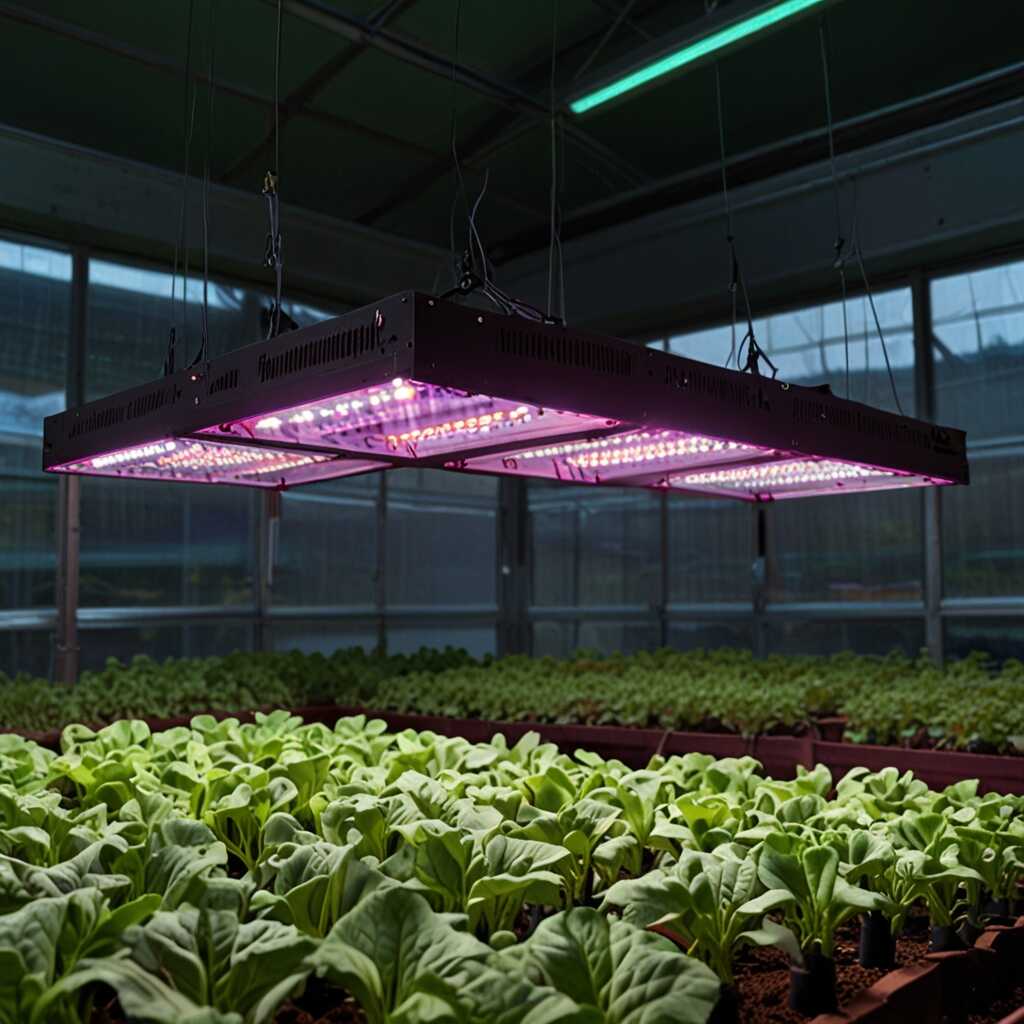
Light shields and treatments significantly reduce light emissions from greenhouse grow lights. Light shields consist of physical barriers like curtains or panels that block unwanted light. Treatments, such as reflective coatings, enhance the efficiency of the light used. When selecting a light shield, consider materials like blackout fabric or reflective aluminum to ensure durability. Each option offers unique performance features, providing reliable savings in light pollution. Testing reveals that these barriers can cut light emissions by as much as 70%. Light pollution standards vary by location, commonly including guidelines set by municipal codes to minimize disturbances. Review community regulations to ensure compliance.
Selecting the Best Light Shield for Your Greenhouse
Choosing the right light shield for your greenhouse involves assessing your lighting needs and community guidelines. Consider materials designed for durability and efficiency. For example, blackout curtains effectively block external light. Reflective aluminum panels not only deflect light but also improve lighting for the plants. Evaluate the shield’s performance in terms of reducing light output outside the greenhouse. Aim for shields that offer at least 70% reduction in light emissions. It helps to measure the surrounding areas before and after installation, ensuring your solutions meet environmental standards. Reliable testing will provide data to support your choice.
Establishing Smart Light Scheduling to Respect Community Norms
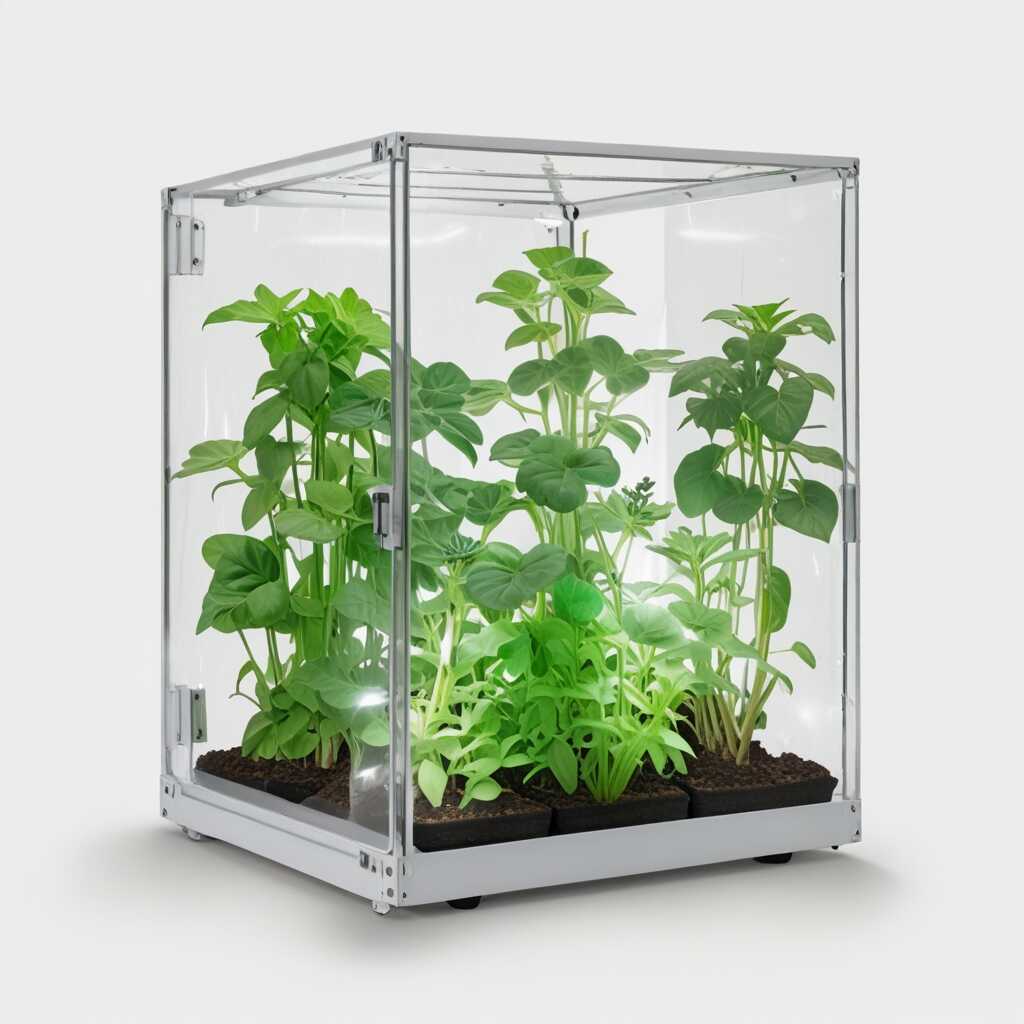
Effective light scheduling strategies help minimize disruption while supporting plant health. Research local guidelines as they often define acceptable light timings. Schedule your greenhouse grow lights to operate during hours that align with community standards. A commonly accepted duration is 12 to 14 hours of light daily for optimal plant growth. This approach ensures your plants thrive without causing unnecessary light pollution. Neighborhood input can inform adjustments to your lighting schedule, ensuring a balance between horticulture and community needs.
Understanding Local Light Regulations for Grow Lights
Familiarizing yourself with local light regulations is essential for successful greenhouse management. Cities may have specific ordinances dictating allowable light levels and operating hours. Guidelines can include restricted operating hours during nighttime to mitigate disturbances. For example, some communities permit grow lights to operate from 7 AM to 9 PM. This information helps you schedule your lights effectively, ensuring compliance while maintaining healthy crops. Review local regulations periodically as they can change, impacting your scheduling approach and ensuring community harmony.
Advantages of Adopting Sustainable Lighting Solutions
- Minimizing light pollution promotes wildlife health and activity.
- Eco-friendly grow lights enhance plant growth without excessive energy waste.
- Reduced light spill leads to better sleep quality for nearby residents.
- Community standards improve when light pollution is reduced.
- Efficient lighting solutions can lower energy bills for greenhouse owners.
- Preserving night skies fosters local tourism and outdoor activities.
- Well-planned lighting helps maintain neighborhood aesthetics and harmony.
Choosing Hardy Plant Varieties That Thrive in Suboptimal Light
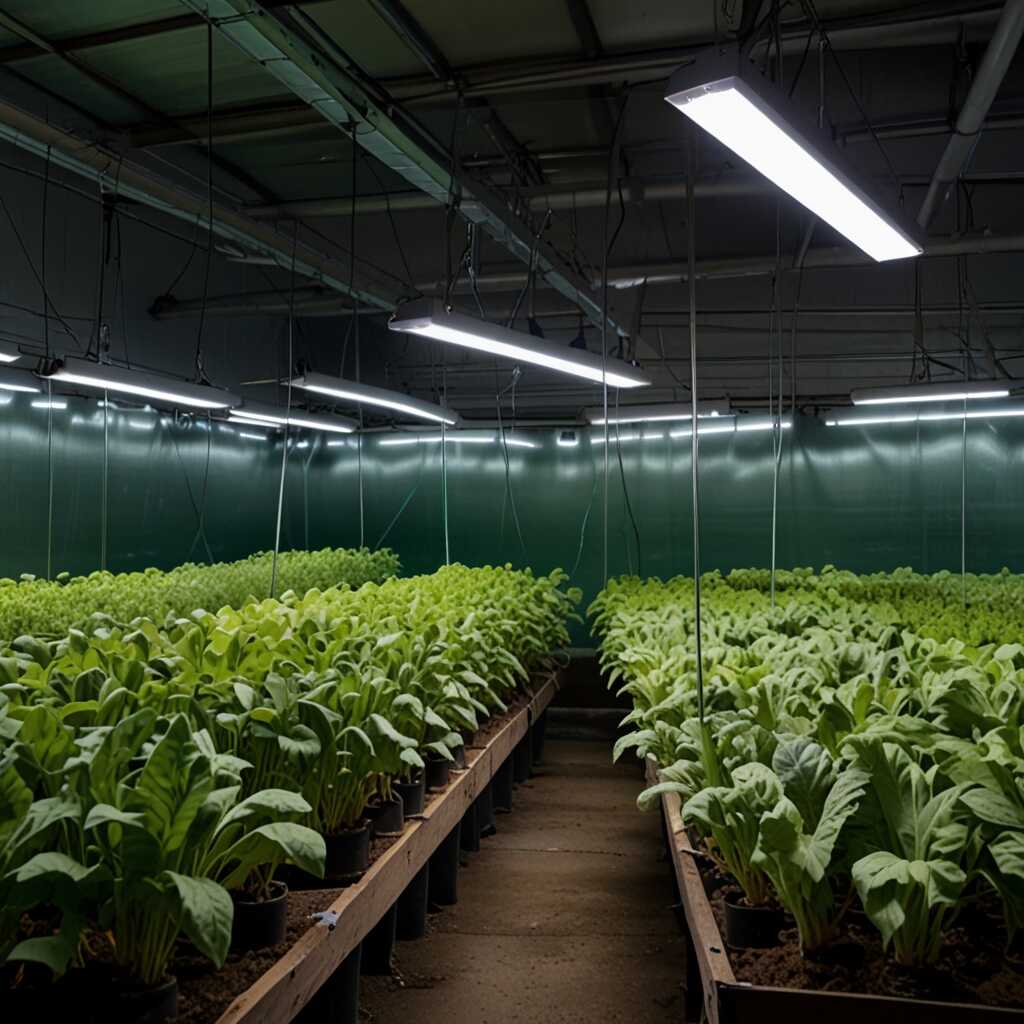
Choosing the right plants can greatly reduce your need for grow lights, minimizing light pollution. Hardy plant varieties like snake plants (Sansevieria), pothos (Epipremnum aureum), and ZZ plants (Zamioculcas zamiifolia) excel in low light. These species rely on chlorophyll and can handle limited light exposure while still performing effectively. Research demonstrates that these plants need only 4-6 hours of indirect light per day to thrive, ensuring reliable growth without excessive artificial lighting.
Best Low Light Houseplants for Urban Environments
When selecting the best low light houseplants for urban environments, consider options like peace lilies (Spathiphyllum) and spider plants (Chlorophytum comosum). Peace lilies can adapt to light conditions with only 5-6 hours of indirect sunlight, providing air purification while enhancing indoor aesthetics. Spider plants are renowned for their resilience and capacity to thrive in varied light situations. These plants require minimal attention, making them ideal for busy urban dwellers. Their proven efficiency in removing toxins adds to their appeal as eco-friendly houseplants. Green Writer emphasizes the importance of these hardy varieties in promoting sustainable, low-pollution gardening practices.
Engaging with Neighbors About Your Greenhouse Lighting Choices
Effective communication builds trust with neighbors regarding greenhouse lighting. Start by hosting an informal gathering to discuss your gardening practices and light usage. Use handouts or presentations to share details about energy-efficient lighting solutions that minimize light pollution. Encourage feedback from neighbors about any concerns they might have. This open communication fosters a sense of community and understanding. Highlight how sustainable practices can benefit the neighborhood, emphasizing the eco-friendly features of your grow lights. Addressing light pollution awareness directly shows your commitment to a harmonious living environment.
Strategies for Promoting Light Pollution Awareness in Your Community
Developing strategies to promote light pollution awareness in your community is essential. Start by creating informative flyers that explain the impacts of light pollution and share tips on minimizing it. Partner with local environmental groups or gardening clubs to organize workshops. These workshops can focus on the benefits of using sustainable practices, such as energy-efficient lighting. Encourage residents to participate in community discussions about local regulations on greenhouse lighting. Providing data and proven results about the advantages of proper lighting will empower community members to make informed decisions. This proactive approach enhances cooperation among neighbors and contributes to a brighter, greener future.
Brands and Their Impact on Residential Greenhouse Lighting
- Brand A offers affordable LED grow lights ideal for home gardeners.
- Brand B is known for high-end fixtures that minimize glare effectively.
- Brand C provides complete lighting kits designed for small-scale urban growers.
- Residential gardeners benefit from using proper fixtures for indoor plants.
- Brand D emphasizes energy-efficient systems that meet community standards.
- Urban dwellers often choose versatile lighting that adapts to small spaces.
- Brand E pairs affordability with quality for beginner greenhouse enthusiasts.
Assessing and Evaluating Light Pollution in Your Community
Measuring light pollution from your greenhouse involves several effective methods. Start by using a light meter to measure the brightness levels in foot-candles or lux. This data helps you understand the intensity of light emitted from your greenhouse. Devices like smartphone apps can offer reliable readings to track ambient light. To gather community feedback, consider creating surveys or hosting meetings to discuss concerns and shared experiences related to light pollution. Establishing a reliable communication channel helps neighbors express their thoughts about lighting issues and collective solutions.
Tools for Measuring Light Pollution
When measuring light pollution from your greenhouse, consider utilizing tools like handheld light meters or smartphone apps designed for light measurement. Handheld meters can provide precise readings and help in comparing results over time. Smartphone apps offer an easy way to check light levels on-the-go. Regular monitoring enhances your garden’s sustainability while ensuring minimal disruption to surrounding areas. Create a schedule for consistent testing to track changes in light levels over different seasons. By using these tools effectively, you can manage energy-efficient lighting that promotes responsible greenhouse practices.