
Positioning grow lights for greenhouse corner and edge plants is essential for maximizing their growth potential. Understanding the right placement ensures that these plants receive adequate light, enhancing their overall health. Green Writer offers practical tips and sustainable methods for positioning grow lights effectively in your greenhouse. This guidance helps you create a thriving environment for your plants while promoting eco-friendly practices.
Importance of Proper Light Positioning in Greenhouses
Proper light positioning is essential for maximizing the health and growth of greenhouse plants. Light directly impacts plant photosynthesis, which is the process by which plants convert light into energy. This energy enhances plant health, increases yield, and improves productivity, especially for plants located in corners and edges of greenhouses that receive less natural light. Optimal placement of grow lights ensures that even shaded plants receive adequate light for growth. Plants may exhibit indicators of poor health, such as stretching or yellowing leaves, if light is insufficient. The recommended angle for positioning grow lights generally varies between 30 to 45 degrees, depending on the type of plant and light fixture used. This placement helps achieve an even light distribution that can enhance overall plant performance.
Recommended Light Angles for Greenhouse Plants
Achieving optimal growth requires precise light angles for greenhouse plants. A 30 to 45-degree angle is optimal for most grow lights, as it mimics the natural sunlight angle during peak hours. This angle minimizes shadowing and allows light to reach all leaves, ensuring light penetration for better photosynthesis. Additionally, adjusting the height of lights to maintain this angle can further enhance the efficiency of light distribution. For taller plants, consider using adjustable mounts that allow light fixtures to be repositioned as needed, ensuring every plant receives adequate light exposure. Understanding and utilizing these light angles can make a significant difference in greenhouse plant productivity and efficiency.
Key Factors Affecting Light Intensity and Distribution
Several factors influence light intensity and distribution in a greenhouse. First, the structural design, such as the roof angle and materials used, affects how light enters. For example, slanted roofs can improve light capture. Second, different growth stages require varying light levels. Seedlings might thrive under lower light, while mature plants often need more intense light for photosynthesis. Lastly, seasonal changes impact the angle and duration of sunlight, necessitating adjustments in your grow light placement. Aim for edge and corner plants to receive approximately 12 to 16 hours of light daily for optimal growth.
Adjusting Light for Optimal Plant Growth in Different Seasons
Understanding how to adjust light for plant growth during different seasons is vital for gardeners. In winter, sunlight is weaker and available for fewer hours. You may need to extend light exposure to around 14 to 16 hours per day for corner and edge plants. In contrast, summer provides longer daylight hours. Reducing supplemental lighting to 10 to 12 hours can prevent overheating and light stress. Use adjustable LED grow lights to manage these seasonal changes effectively, ensuring plants receive appropriate light intensity regardless of outside conditions.
Different Types of Grow Lights for Greenhouse Use
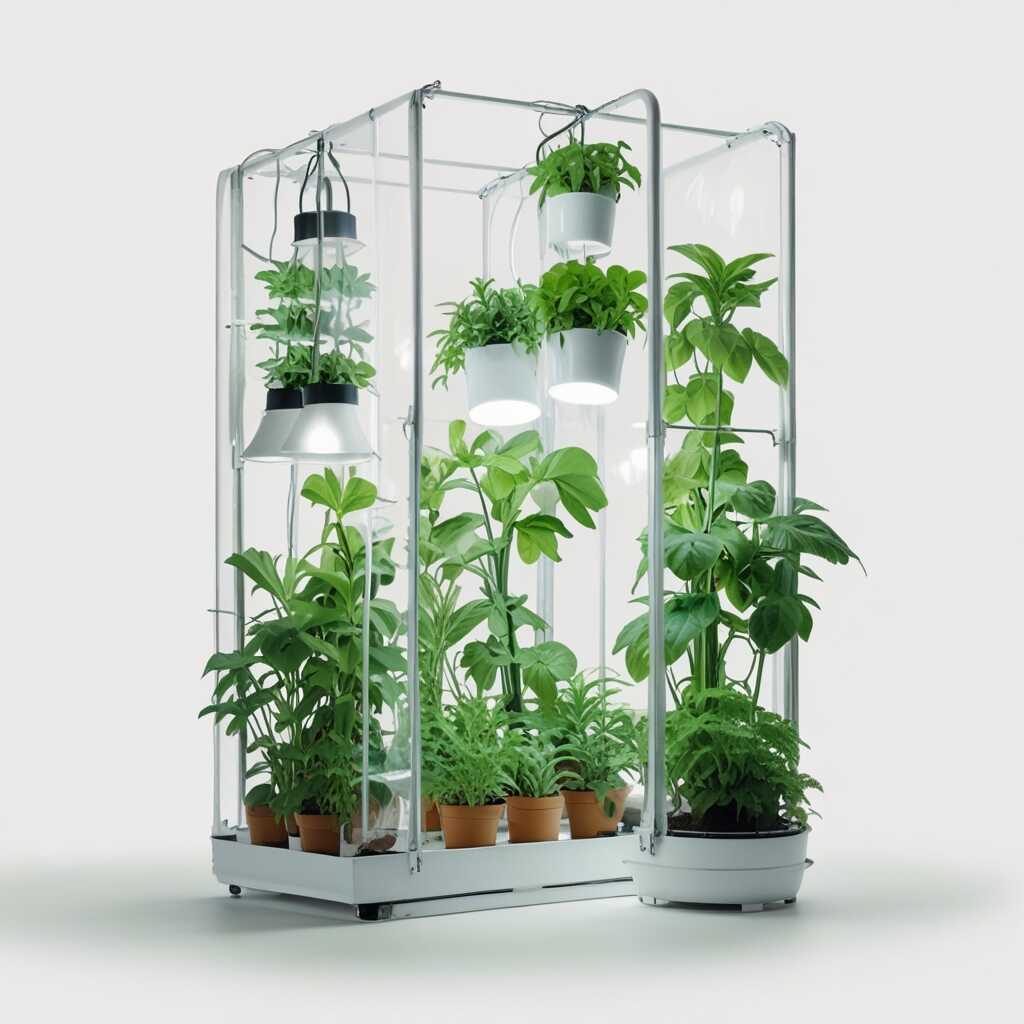
Grow lights play a crucial role in greenhouse gardening by providing essential light for plant growth. The main types include LED, fluorescent, and high-pressure sodium (HPS) lights. LED grow lights are energy-efficient and have a long lifespan, making them suitable for corner and edge plantings. They provide full-spectrum light that enhances photosynthesis at various plant growth stages. Fluorescent lights are affordable and effective for short growth cycles but have a shorter lifespan than LEDs. HPS lights excel in producing high-intensity light, ideal for flowering stages, but they consume more energy. Choosing the right grow light can enhance the health and growth of corner and edge plants in your greenhouse.
Choosing the Right Grow Light for Different Plant Needs
When selecting a grow light for corner and edge plants, consider the specific needs of your plants. For instance, LED grow lights are excellent for all growth stages due to their adjustable light spectrum. This feature allows you to customize lighting to suit seedlings or flowering plants. Fluorescent grow lights work well for light-loving plants placed in shaded corners; their lower heat output prevents overheating. HPS lights are best for flowers requiring intense light, particularly during their blooming phases. Balancing light intensity, coverage, and types of plants ensures optimal growth and health for greenhouse corner and edge plantings.
Key Figures for Effective Light Arrangement
- 2 to 4 feet is the recommended height for hanging lights above plants.
- 75% of corners receive less light than the center area in a greenhouse.
- 8 to 12 hours is the ideal duration for grow light exposure per day.
- 6 inches is the minimum distance between plants and the light source.
- 40 watts per square foot helps ensure adequate light coverage for all plants.
- 5000 to 7000 Kelvin is the optimal color temperature for plant growth.
- 10-20% is the expected increase in growth rate when lights are positioned correctly.
Optimal Angles for Maximum Light Exposure
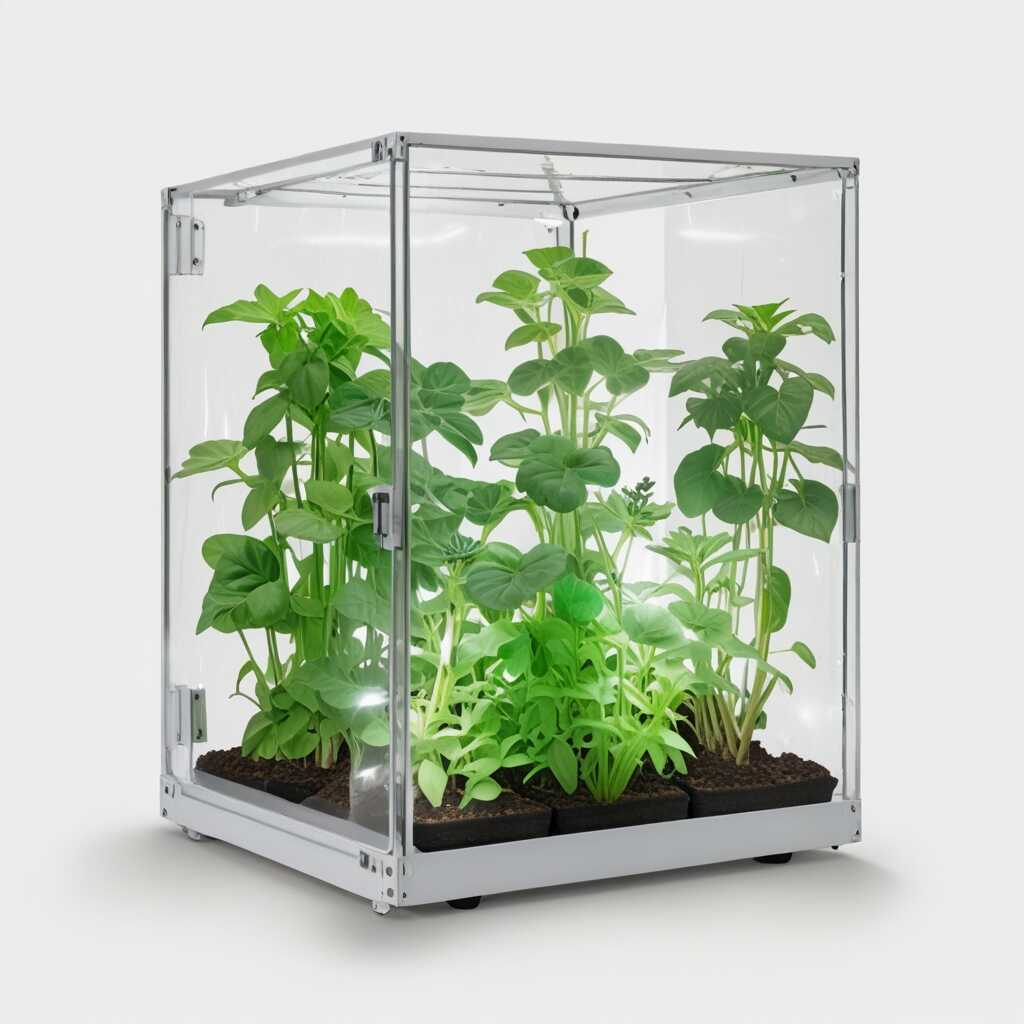
When positioning grow lights for corner and edge plants, consider angles between 30 and 45 degrees. This ensures that light reaches the lower leaves effectively, improving overall plant health. Position your lights at different angles based on plant needs. Corner plants may require a more angled placement towards the center, while edge plants benefit from direct light. Adjust light positions seasonally as sunlight shifts throughout the year. In the spring and summer, move lights higher to mimic the sun’s angle. In the fall and winter, lower the lights to maintain exposure. The ideal distance for grow lights is about 12 to 24 inches above the plants to ensure quality performance without causing heat stress.
Best Practices for Seasonal Adjustments
Regularly adjusting your grow lights seasonally optimizes their effectiveness for corner and edge plants. During winter, lower the lights to maintain consistent exposure, as natural sunlight diminishes. In contrast, during the summer months, higher placements of 20 to 30 inches can prevent plant overheating. Utilize lights that have adjustable features, enhancing convenience. Every few weeks, test the distance and angle of your lights to ensure they are providing sufficient illumination. Monitoring your plants’ growth will help you understand light requirements better, enabling quick adjustments as needed.
Utilizing Reflective Surfaces for Enhanced Light Efficiency
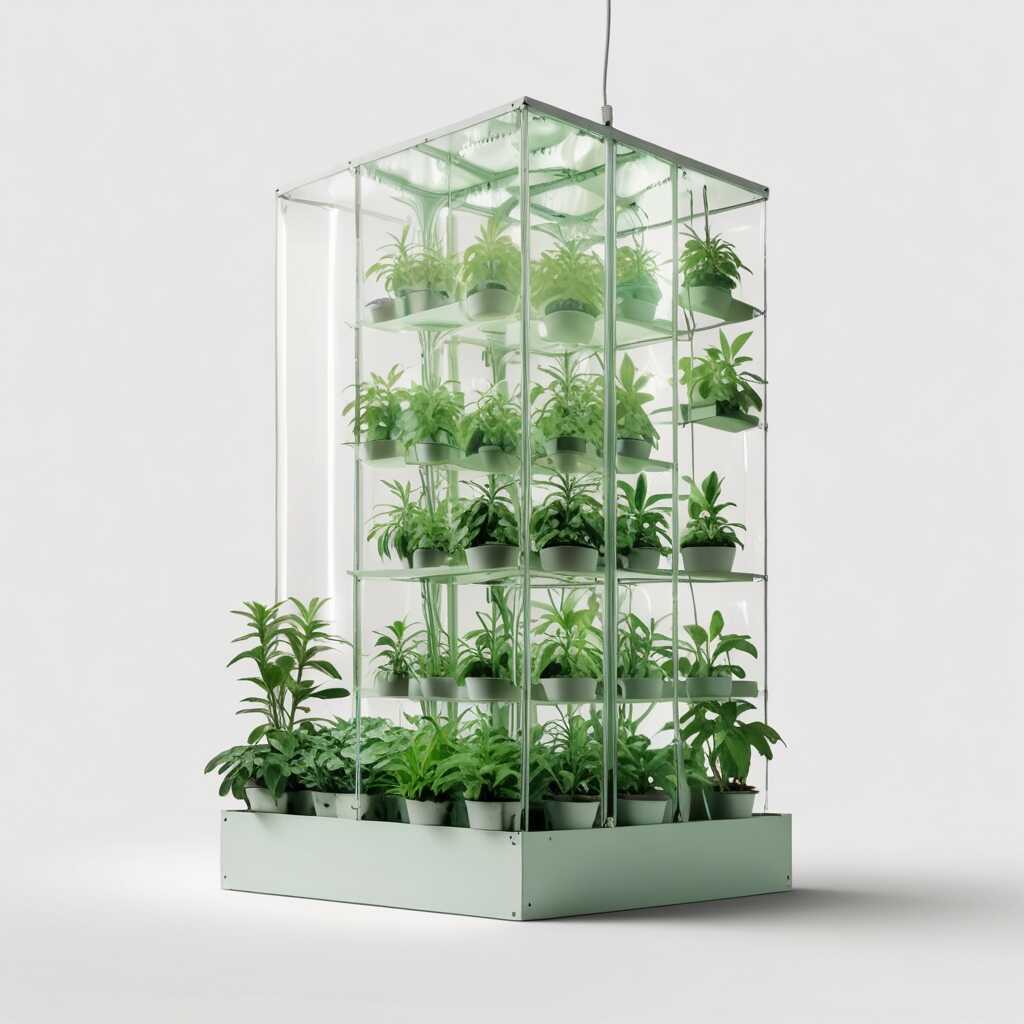
Reflective materials can significantly improve light distribution in greenhouses. Mylar films, aluminum foil, and painted white walls are top choices. They enhance the light efficiency by redirecting light that would otherwise be lost. Using reflective materials can help ensure that plants in corners and edges receive adequate light exposure for growth. Research shows that reflective surfaces can improve light efficiency by up to 30%. This extra light helps plants thrive in less optimal locations within your greenhouse.
Best Reflective Materials for Your Greenhouse
Mylar films are lightweight and highly effective; they reflect up to 95% of light, making them ideal for maximizing light exposure. Aluminum foil is another budget-friendly option, though it’s slightly less efficient than Mylar. Whitewash paint can be applied to walls and offers good reflectivity and durability. Each material varies in cost and installation ease. Evaluate your space to select the best option based on performance, reliability, and ease of application. Incorporating these materials actively supports your plants’ health by ensuring they receive sufficient light without wasting energy.
Positive Outcomes from Proper Lighting Setup
- Consistent lighting boosts the health of plants placed in corners and edges.
- Plants thrive better when grow lights provide full-spectrum illumination.
- Proper placement reduces leggy growth and encourages stronger stems.
- Even light distribution minimizes shadowy areas within the greenhouse.
- Optimized lighting promotes quicker flowering and fruiting by triggering growth cycles.
- Plants use light effectively, leading to healthier leaves and vibrant colors.
- Good light positioning decreases the need for chemical growth boosters.
Benefits of Full Spectrum Lighting in Plant Growth
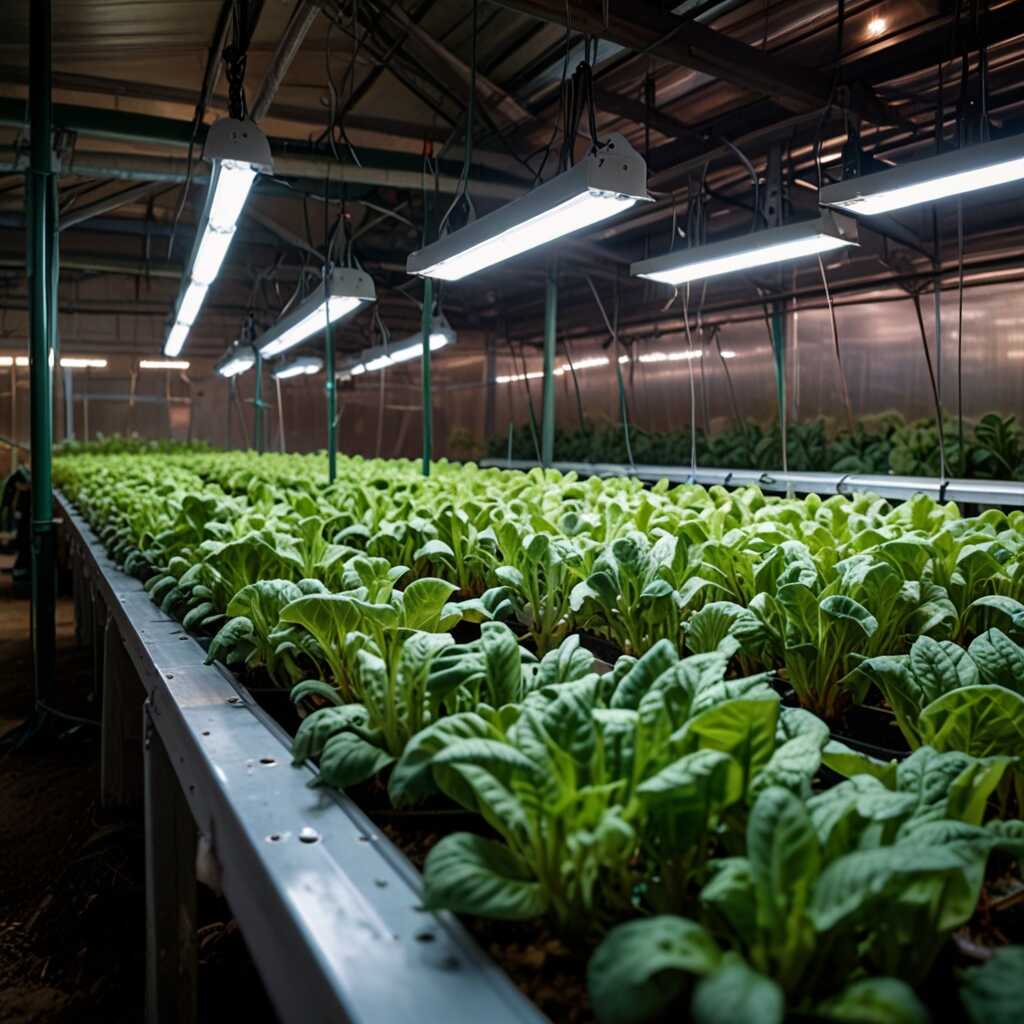
Full spectrum lighting offers significant advantages for greenhouse plants, including enhanced growth and improved health. These lights mimic natural sunlight, providing the full range of wavelengths necessary for effective photosynthesis. Different wavelengths serve various growth phases: blue light promotes vegetative growth, red light enhances flowering, and green light aids in overall plant health. As for optimal wavelength ranges, 400-700 nanometers is typically ideal for plant growth. Full spectrum lighting ensures plants receive the essential light they need during all development stages, thus improving their performance and resilience.
Understanding Wavelength Contributions to Plant Development
Different wavelengths play specific roles in plant development. Blue light, ranging from 400-500 nanometers, supports leafy growth and robust stems. It helps regulate photosynthesis and germination. Red light, found between 600-700 nanometers, is crucial for flowering and fruiting, signaling plants to transition into their reproductive stage. Green light, while less effective for photosynthesis, improves chlorophyll production and plant health by penetrating deeper into the leaf structure. By utilizing full spectrum lighting, greenhouse gardeners can efficiently manage their plant growth phases and significantly enhance overall plant health, making it easier to achieve impressive results.
Developing a Customized Lighting Schedule for Plants
Creating a customized lighting schedule for greenhouse plants involves assessing their specific light requirements. Consider the types of plants you have at the corners and edges. For example, leafy greens generally thrive with 10 to 12 hours of light daily, while flowering plants might need up to 14 to 16 hours. Ensuring you maintain consistent light durations is essential for healthy growth. Monitor your plants to determine how they respond to the provided light. Adjust the scheduling based on their responses to optimize their health.
Understanding Plant Light Needs by Type
Different plants have varying light needs, which makes it essential to tailor your lighting schedule accordingly. For instance, shade-loving plants like ferns require less intense light. They do well with around 8 to 10 hours of indirect light. On the other hand, flowering plants such as tomatoes and peppers prefer 12 to 16 hours of bright light to encourage blooming. Using full spectrum grow lights can help meet these diverse needs effectively, enabling each plant to thrive. Evaluate each plant’s characteristics and adjust the lighting based on observed growth patterns for the best results.
Diverse Stakeholders Interested in Light Placement
- Home gardeners seek effective ways to nurture plants in less illuminated areas.
- Horticulture students learn optimal techniques for efficient plant growth.
- Indoor plant enthusiasts focus on methods for maintaining healthy greenery.
- Greenhouse operators use effective light positioning to minimize energy waste.
- Environmental advocates promote sustainable gardening practices that require less energy.
- Families with children enjoy teaching kids the science of plant growth through lighting.
- Urban gardeners in small spaces benefit from effective light strategies for limited areas.
Maintenance Best Practices for Grow Lights
Essential maintenance for grow lights includes routine cleaning, replacement schedules, and intensity adjustments. Regular cleaning removes dust and grime, which can block light penetration and affect plant growth. Use a soft cloth and a mild detergent to clean the light fixtures every few weeks. Replace LED grow lights every 50,000 hours. Adjust the intensity levels based on the plant growth stages; young plants need less intensity than those in the flowering stage. Consistent maintenance enhances grow light efficiency and extends their life.
Essential Cleaning Methods for Grow Lights
Cleaning grow lights is crucial for maintaining efficiency. Dust buildup can significantly decrease light output, leading to reduced plant health. Use a soft cloth or a microfiber towel to wipe the exterior surfaces. For stubborn spots, a mixture of water and mild soap works well. Ensure the lights are turned off and cooled down before cleaning. Additionally, check the reflectors and lenses regularly. Keeping them clear maximizes light penetration and enhances plant growth. Regular cleaning can improve the effective lifespan of grow lights and ensures reliable performance.