Green Writer is reader-supported: some links on this page are affiliate links, and as an Amazon Associate Green Writer earns from qualifying purchases at no extra cost to you. Learn more.
Discover serviceable LED fixtures with replaceable diode panels for eco-friendly gardening can revolutionize your indoor gardening experience. These innovative lights promote sustainability by enhancing energy efficiency and minimizing waste in your gardening practices. At Green Writer, we explore how these advancements in LED technology support your plants while being kind to the planet. Embracing these eco-friendly solutions allows you to cultivate a thriving indoor garden while reducing your carbon footprint.
Advantages of Serviceable LED Fixtures for Sustainable Indoor Gardening
Serviceable LED fixtures offer numerous benefits for indoor gardening. They enhance energy efficiency, significantly reducing electricity costs. By utilizing replaceable diode panels, these fixtures allow gardeners to easily maintain and update their lighting systems without purchasing entirely new units. This promotes sustainability by minimizing electronic waste. Compared to traditional lighting systems, serviceable LED fixtures last up to 50,000 hours, offering reliable performance and ensuring consistent plant growth. Research shows that these lights efficiently deliver the full spectrum needed for all plant growth stages.
How Replaceable Diode Panels Increase Sustainability
Replaceable diode panels offer a unique way to enhance gardening sustainability. When a panel malfunctions or loses brightness, gardeners can simply replace the affected panel instead of the entire fixture. This feature reduces waste, aligns with eco-friendly gardening practices, and promotes a sustainable approach to indoor gardening. The panels provide targeted wavelengths that support photosynthesis, leading to healthier plants and better yields. Serviceable LED fixtures with these panels are designed to improve efficiency by maintaining optimal light output while minimizing energy consumption. This combination contributes significantly to a greener gardening experience.
How Replaceable Diode Panel Technology Works
Replaceable diode panels in LED fixtures operate by allowing users to replace the specific sections of diodes that may fail while keeping the remaining system intact. This ensures reliability and reduces waste, making it a sustainable choice for indoor gardening. The technology is designed to enhance efficiency, providing consistent lighting for plants. Modern LED fixtures can last over 50,000 hours, ensuring long-term performance. Users benefit from reduced costs as they only need to replace the panel rather than the entire fixture. This design is essential for environmentally conscious gardeners seeking durability and sustainability in their lighting solutions.
Advantages of Using Replaceable Diode Panels in Gardening
Using replaceable diode panels offers multiple advantages for indoor gardening. These panels improve energy efficiency by maintaining optimal light output without wasting energy on outdated diodes. They are crucial for ensuring that plants receive the best possible light spectrum throughout their growth stages. The longevity of LED technology means that users can enjoy high-quality light for years, reducing the frequency of replacements. This technology not only helps gardeners save on utility bills but also supports eco-friendly practices. For anyone involved in indoor plant care, understanding these benefits is key to making informed decisions about their gardening lighting needs.
Criteria for Selecting the Best LED Light for Your Indoor Plants
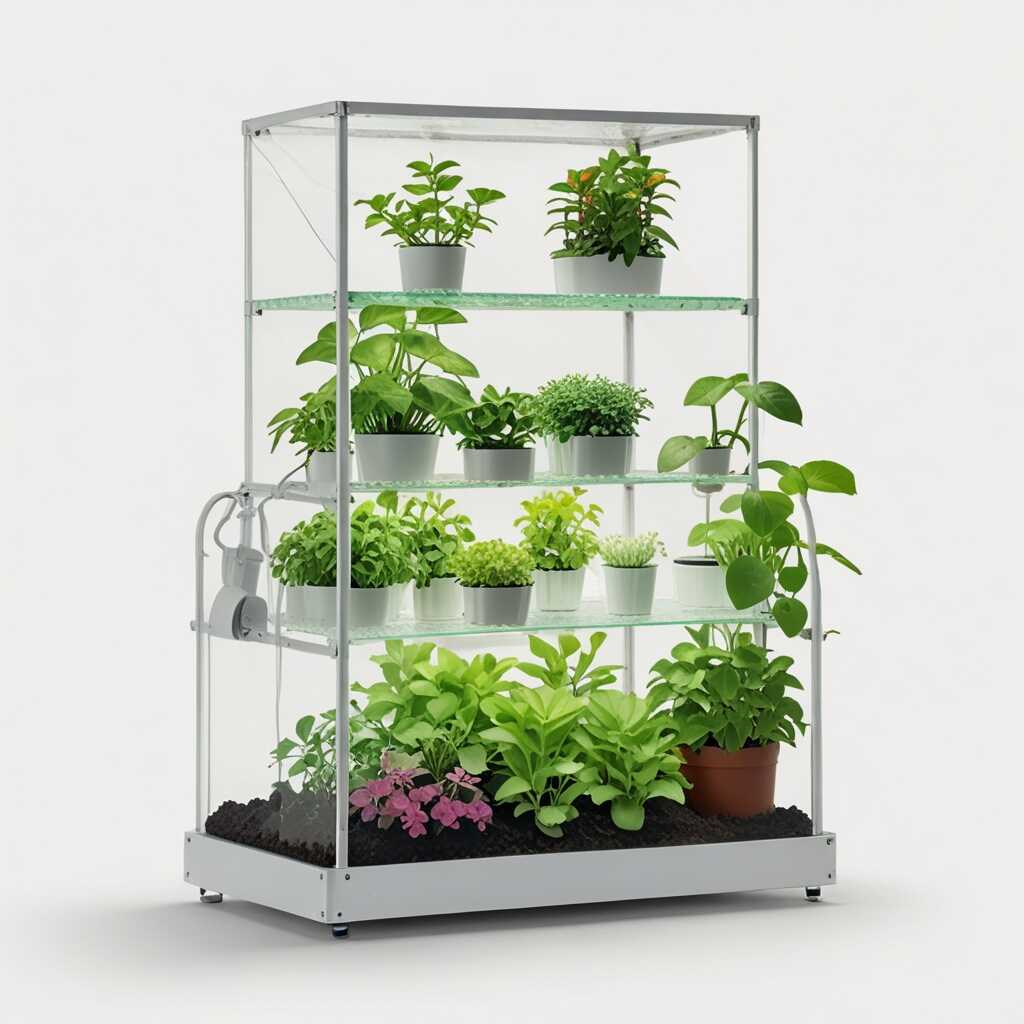
When choosing an LED grow light, consider several important factors. First, evaluate the light spectrum. Different plants have distinct light requirements. For example, succulents thrive under full-spectrum lights, while herbs need a balance of blue and red wavelengths. Second, look at the light output efficiency ratings, which show how well the light produces plant-friendly wavelengths. Third, wattage is crucial. The recommended wattage is about 32-50 watts per square foot, ensuring plants receive sufficient light. Lastly, assess the durability and reliability of the fixture; it should be designed for long-term use with replaceable panels to reduce waste.
Understanding Light Spectrum Types and Plant Needs
Choosing the right light spectrum is essential for plant health. LED lights provide different spectra that cater to specific growth stages. Blue light (400-500 nm) supports vegetative growth, making it ideal for leafy greens and herbs. Red light (600-700 nm) encourages flowering and fruiting, benefiting tomato plants and flowering shrubs. A combination of both, known as full-spectrum lighting, suits a variety of plants, making it a very good choice for diverse indoor gardens. Brands like Green Writer highlight LED lights that enhance plant growth by mimicking natural sunlight, ensuring that your plants receive all necessary wavelengths for maximum growth.
Key Numerical Insights on LED Fixtures
- Serviceable fixtures can last over 50,000 hours with proper care.
- Diode panels can be replaced within minutes, reducing downtime.
- Energy-efficient LEDs use up to 75% less energy than traditional bulbs.
- Replacing diode panels can cut waste by up to 60%.
- Indoor gardens can yield anywhere from 1 to 2 pounds of produce per square foot.
- LED fixtures offer a full spectrum of light, boosting plant growth stages efficiently.
- Average annual savings on energy bills can reach $50 to $150 for users.
The Environmental Impact of Energy Efficient Lighting
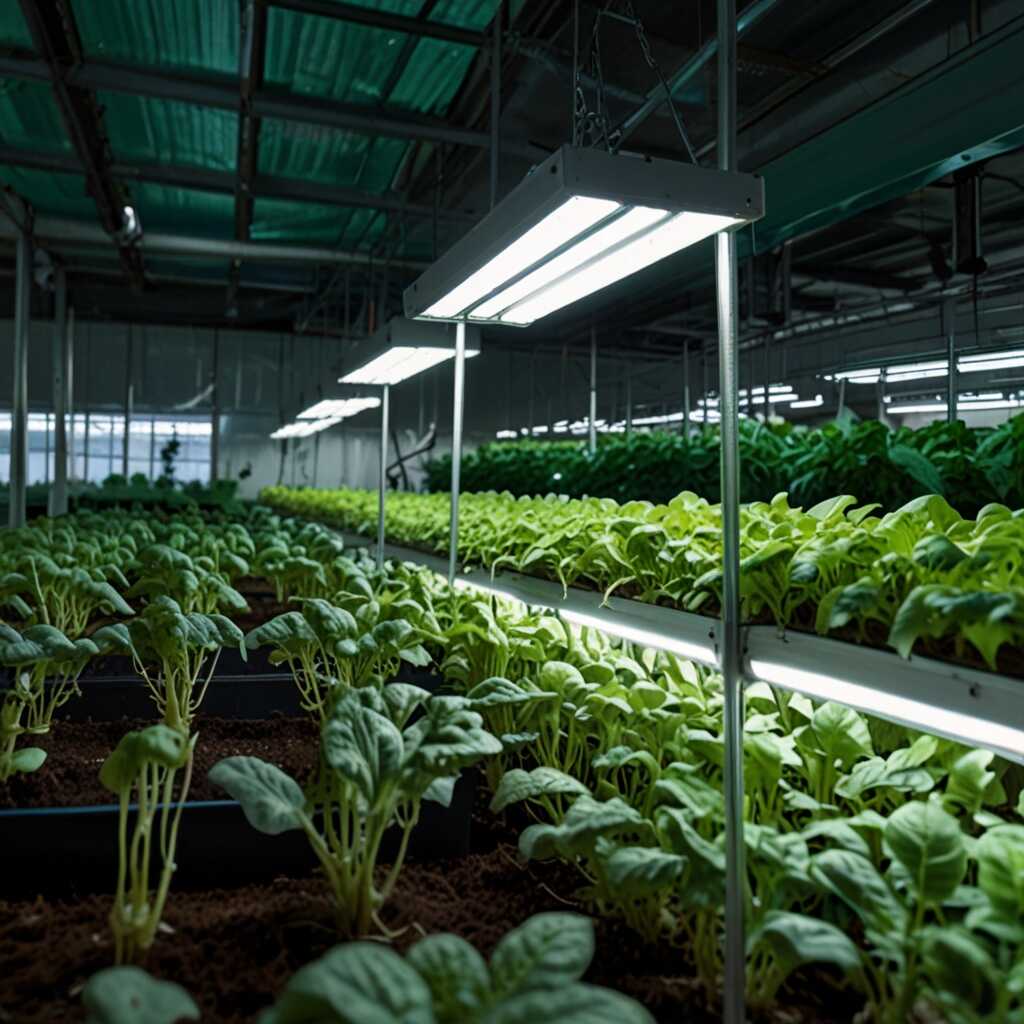
Energy-efficient lighting solutions, such as LED fixtures equipped with replaceable diode panels, significantly reduce energy consumption and minimize carbon emissions. These fixtures use up to 75% less energy than traditional incandescent or fluorescent bulbs, resulting in less electricity generation from fossil fuels. This reduction directly contributes to lower carbon footprints, making energy-efficient lighting crucial for sustainable indoor gardening. Research shows that switching to energy-efficient LED technology can cut energy costs substantially while enhancing plant growth and health. These fixtures are designed for longevity, often lasting 50,000 hours or more, which further decreases waste through fewer replacements.
How Energy-Efficient Lighting Enhances Plant Growth
Energy-efficient lighting not only supports sustainability but also promotes healthier plants. Full spectrum LED lights provide the essential wavelengths needed for all growth stages. These wavelengths range from 400 to 700nm, ensuring optimal photosynthesis and robust plant development. The reliability of LED lighting enhances growth rates, leading to better yields in indoor gardening. Furthermore, the heightened efficiency of these lights results in lower heat output, creating a comfortable environment for plants while reducing the need for additional cooling systems.
Myths Surrounding LED Grow Lights: Facts vs Fiction
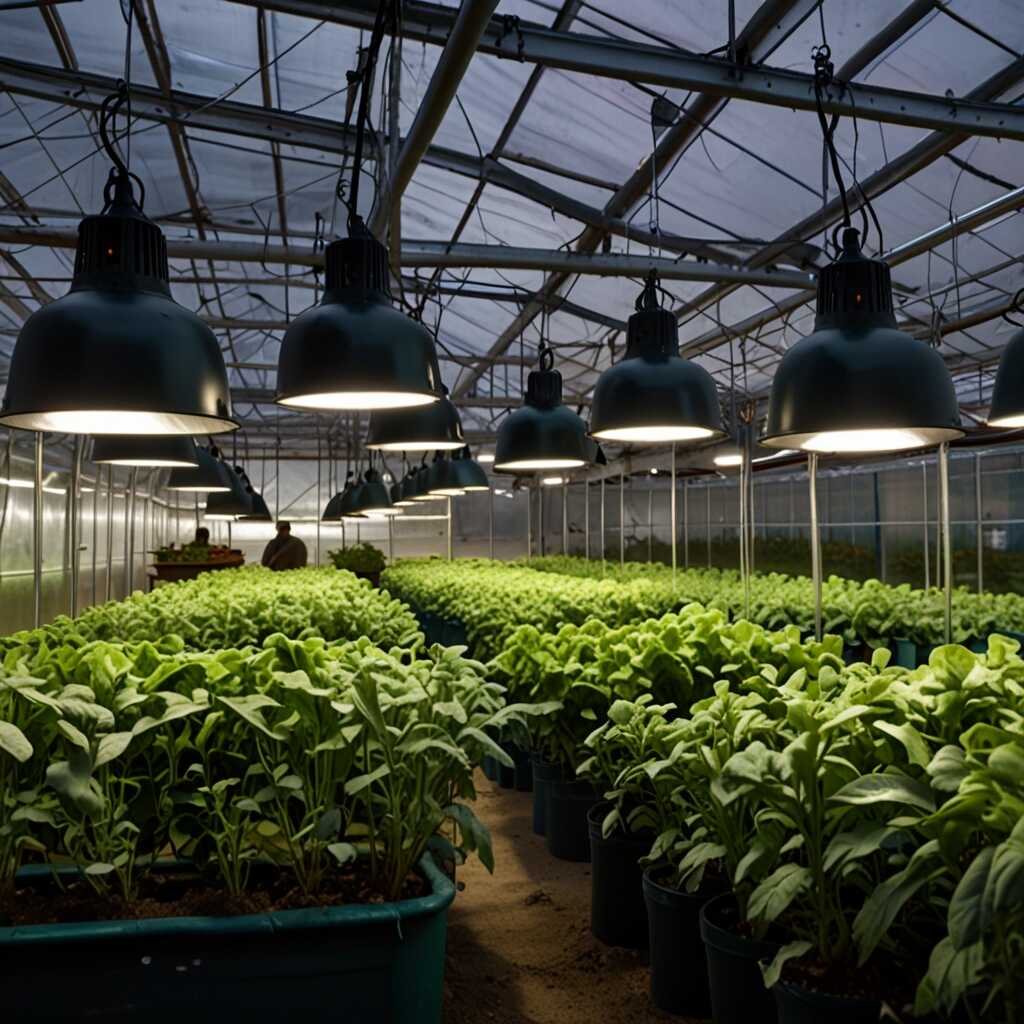
Many myths exist around LED grow lights. Some people believe they are not as effective as traditional lights, but recent research shows LEDs can enhance plant growth significantly. Another misconception is that LED lights are expensive and only meant for professionals. Affordable options now exist that provide excellent performance for all gardeners. Lastly, there is a belief that LED grow lights create too much heat. In reality, high-quality LED systems are designed to produce minimal heat, ensuring reliability and energy efficiency.
Comparing LED Grow Lights to Fluorescent and HPS Lamps
When comparing LED grow lights to traditional options like fluorescent and High-Pressure Sodium (HPS) lamps, LEDs offer superior energy efficiency. For instance, a good LED grow light might consume only 150 watts while delivering results comparable to a 400-watt HPS. This efficiency allows gardeners to save on electricity bills. Additionally, LED lights provide a full spectrum of light, effectively supporting all growth stages, from seedlings to flowering. This is a major advantage over fluorescent and HPS lamps, which may require multiple fixtures to achieve a similar performance level.
Advantages of Using Replaceable Lighting Panels
- Users can minimize waste by changing only the diode panels, not the whole fixture.
- Serviceable LED fixtures ensure continuous light for thriving plants.
- Energy efficiency lowers carbon footprints while saving on electricity costs.
- These innovations allow gardeners to tailor light wavelengths for specific plant needs.
- Low heat emissions protect sensitive plants from heat stress.
- Longer lifespan of LED technology means fewer replacements and less disposal.
- Cost savings from lowered energy consumption lead to smart gardening investments.
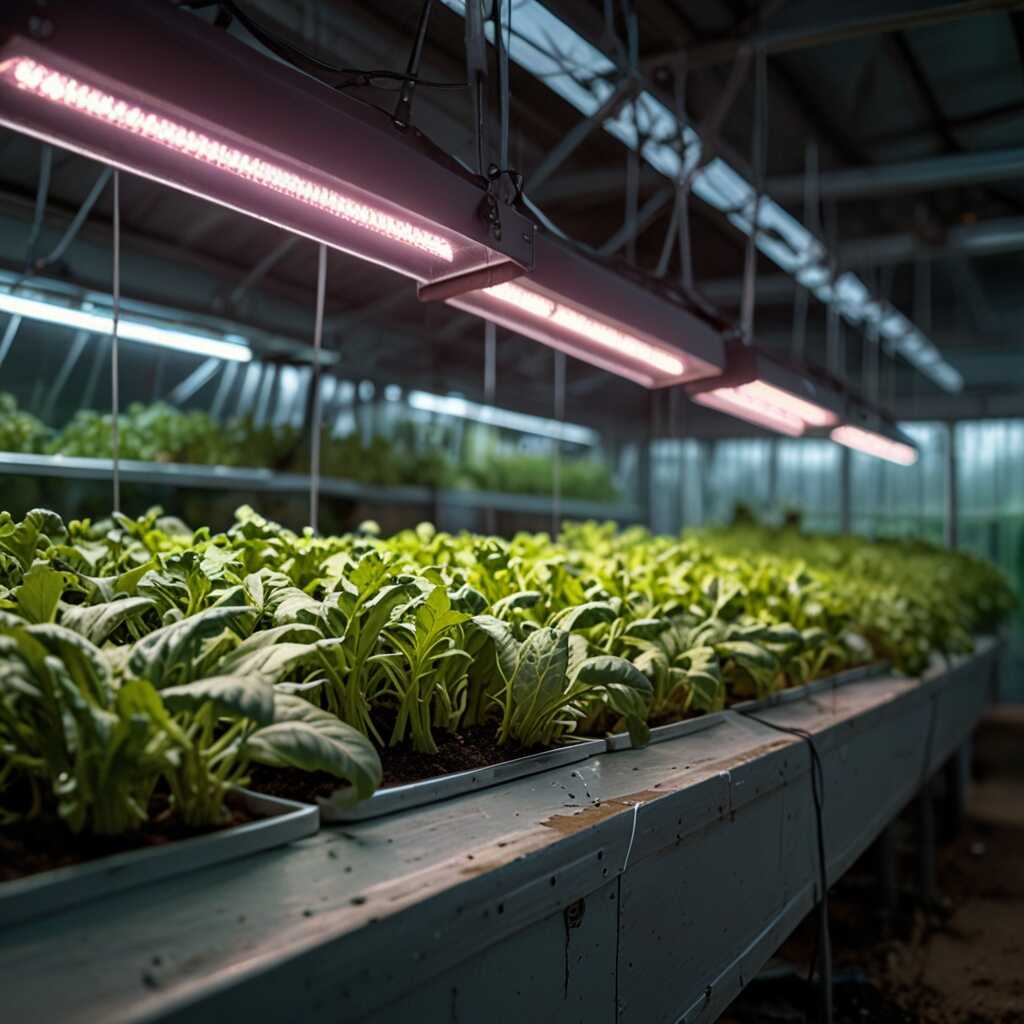
Best Practices for Maintaining Your LED Grow Lights
To ensure optimal performance of your LED grow lights, daily checks are important. Inspect the lights for dust and debris build-up. Ensure that the light intensity is adequate for plant growth. Replaceable diode panels also require attention. Check their connection points for wear. Regularly review the manufacturer’s guidance to enhance energy efficiency. Remember to clean the lights every one to two weeks, depending on the environment’s dust level. This cleaning keeps them functioning at their best.
Essential Cleaning Techniques for LED Fixtures
Cleaning transforms the efficiency of your LED grow lights. Use a soft, dry cloth to gently wipe the surface. For stubborn stains or residues, dampen the cloth lightly with water. Avoid harsh chemicals since they may damage the light fixtures. Pay special attention to the cooling vents on the lights. Preventing blockages can significantly enhance airflow. Good airflow ensures the lights maintain an ideal temperature, which helps prolong their lifespan. Following these practices keeps your lighting systems in very good condition by ensuring they deliver excellent performance.
LED Grow Lights vs Traditional Lighting
LED grow lights offer several advantages over traditional lighting options. They are designed for energy efficiency, consuming significantly less power and resulting in lower electricity bills. LED lights have a lifespan of over 50,000 hours, which is about 5 times longer than standard incandescent bulbs. This longevity means fewer replacements and reduced waste. LEDs provide a full spectrum of light that enhances plant growth stages such as germination and flowering. This broad light spectrum ensures plants receive the right wavelengths needed for photosynthesis. Traditional lighting, like fluorescent or incandescent bulbs, often falls short in efficiency and lifespan, making LEDs a superior choice for indoor gardening.
Benefits of Using LED Grow Lights in Indoor Gardening
Using LED grow lights in indoor gardening results in impressive benefits that traditional lighting simply cannot match. LEDs deliver targeted light that is crucial for photosynthesis and overall plant health. They operate at lower temperatures, reducing the risk of overheating plants. This feature also means growers can place lights closer to plants without causing damage. Additionally, LED fixtures minimize energy consumption, allowing gardeners to cultivate a wide variety of plants with lower carbon footprints. Research supports that using full-spectrum LED lights increases yields and improves plant vitality, making them a valuable tool for both amateur and experienced indoor gardeners.
Audience Insights and Interest Areas
- Hobbyist indoor gardeners seek efficient lighting for their houseplants.
- Commercial growers benefit from cost-effective, sustainable lighting solutions.
- Eco-conscious consumers aim for minimal environmental impact and low energy use.
- Plant nurseries use these fixtures to maintain optimal growing conditions.
- DIY enthusiasts enjoy assembling and customizing their own lighting systems.
- Students studying horticulture engage with advanced gardening strategies.
- Homeowners desiring aesthetic plants also value air quality improvement from these selections.
Emerging Trends in LED Technology for Indoor Gardening
The latest trends in LED lighting technology for indoor gardening focus on improved energy efficiency and sustainability. Companies are developing serviceable fixtures that feature replaceable diode panels. These advancements allow gardeners to replace only the diode panels instead of the entire fixture, resulting in less waste. Additionally, these innovative designs provide enhanced performance and longevity. Major players like Philips, Signify, and Osram contribute to these advancements, ensuring reliability and effectiveness for indoor gardeners. It is estimated that by 2025, LED fixtures can achieve an energy efficiency increase of up to 40% compared to traditional lighting options, making them an essential choice for eco-conscious consumers.
Benefits of Replaceable Diode Panels in LED Fixtures
Replaceable diode panels provide significant advantages for indoor gardening. This technology enables efficient upgrades to lighting systems without discarding entire fixtures. It enhances the flexibility of indoor gardening by allowing users to switch out panels depending on specific plant needs or growth stages. For instance, grow lights can be optimized to provide different wavelengths at different times, supporting healthier plant growth. This customization improves both growth rates and energy efficiency, making replaceable diode panels a preferred choice for environmentally conscious gardeners. Furthermore, these panels often have a longer lifespan, further reducing the environmental impact and enhancing the gardening experience.