
Light shelving units are custom-built vertical plant stands that combine adjustable shelves with integrated grow lights, allowing indoor gardeners to maximize growing space while providing targeted illumination. These DIY structures typically cost between $50-150 to build and can accommodate 8-20 plants depending on size, making them an economical solution for year-round indoor gardening.
Understanding Why Indoor Plants Need Supplemental Lighting Systems
Supplemental lighting addresses the fundamental challenge that most indoor environments receive only 10-50% of the light intensity that plants need for optimal photosynthesis. Natural sunlight provides approximately 100,000 lux on a bright day, while typical indoor lighting delivers only 500-1,000 lux. This dramatic difference explains why many houseplants become leggy, pale, or fail to flower indoors. Light shelving units with quality grow lights can provide 15,000-50,000 lux directly to plant canopies, bridging this critical gap.
How Different Light Wavelengths Affect Plant Development
Plant growth responds to specific wavelengths within the photosynthetically active radiation (PAR) spectrum of 400-700 nanometers. Blue light wavelengths between 400-500nm drive vegetative growth by promoting compact, bushy development and preventing stretching. Red wavelengths from 600-700nm trigger flowering responses and fruit development in many species. Modern LED grow lights combine these wavelengths to create full-spectrum illumination that supports plants through all growth stages. Green wavelengths, while less efficiently absorbed, still contribute to photosynthesis and help light penetrate deeper into plant canopies.
Choosing the Right Grow Lights for Shelving Applications
LED grow lights represent the optimal choice for light shelving units due to their low heat output, energy efficiency, and customizable spectrum options. A typical 24-watt LED panel produces the same light output as a 100-watt fluorescent fixture while generating minimal heat that won’t damage nearby plants. Fluorescent T5 tubes work well for budget-conscious gardeners, though they require replacement every 12-18 months and consume more electricity. Avoid incandescent bulbs entirely, as they produce excessive heat and lack the proper spectrum for plant growth.
Calculating Light Requirements for Your Plant Collection
Different plant categories require varying light intensities measured in Daily Light Integral (DLI), which represents the total amount of light received over 24 hours. Leafy greens like lettuce and herbs need 12-17 DLI, while flowering plants such as tomatoes or peppers require 20-30 DLI. Calculate your lighting needs by considering the number of plants, their growth stage, and desired outcomes. Most home gardeners find that 30-50 watts of quality LED lighting per square foot provides adequate coverage for mixed plant collections on light shelving units.
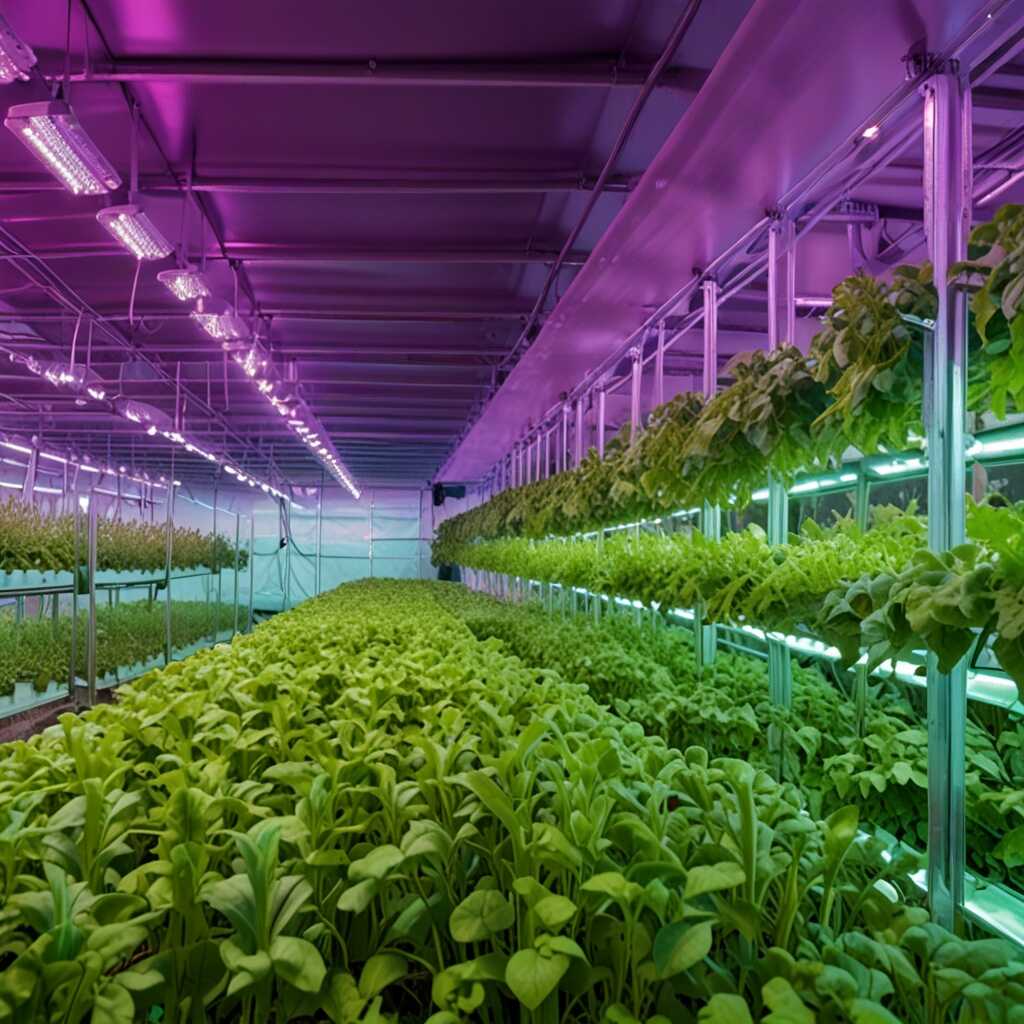
Complete Construction Guide for DIY Light Shelving Units
Building effective light shelving units requires careful planning and the right materials to create a stable, functional growing environment. A basic two-shelf unit measuring 24 inches wide by 12 inches deep by 36 inches tall provides enough space for 8-12 small to medium plants while fitting comfortably in most indoor spaces. The construction process typically takes 3-4 hours for beginners and requires only basic woodworking skills and common household tools.
Essential Materials and Tools for Light Shelving Construction
Gather these materials for a standard light shelving unit: one 4×8 foot sheet of ¾-inch plywood (cut into shelves), eight 1×2 inch pine boards for the frame, wood screws (1¼-inch and 2½-inch lengths), wood glue, and LED strip lights or panel fixtures. Essential tools include a circular saw or miter saw, drill with bits, level, measuring tape, and pencil for marking. Optional but helpful items include a pocket hole jig for stronger joints and a router for rounded shelf edges. The total material cost ranges from $60-120 depending on wood quality and lighting choices.
Step-by-Step Assembly Instructions
Begin by cutting your plywood into three shelves measuring 24×12 inches each, then cut the 1×2 boards into four 36-inch vertical supports and eight 12-inch horizontal braces. Create the frame by connecting vertical supports with horizontal braces every 12 inches, forming a ladder-like structure. Use wood glue and 2½-inch screws at each joint for maximum stability. Attach shelves using 1¼-inch screws from underneath, ensuring each shelf sits level and securely. Mount LED fixtures to the underside of each shelf, positioning them 6-8 inches above the growing surface for optimal light distribution.
Key Measurements for Optimal Plant Growth
- Shelf spacing should measure 12-15 inches to accommodate most houseplants and herbs
- LED fixtures work best positioned 6-12 inches above plant canopies
- Each shelf can support 15-20 pounds when properly constructed
- Allow 2-3 inches of clearance around the unit for air circulation
- Position the unit 12-18 inches from walls to prevent heat buildup
- Install timers to provide 12-16 hours of daily illumination for most plants
- Consider adding drainage trays with ½-inch lips to protect wooden shelves
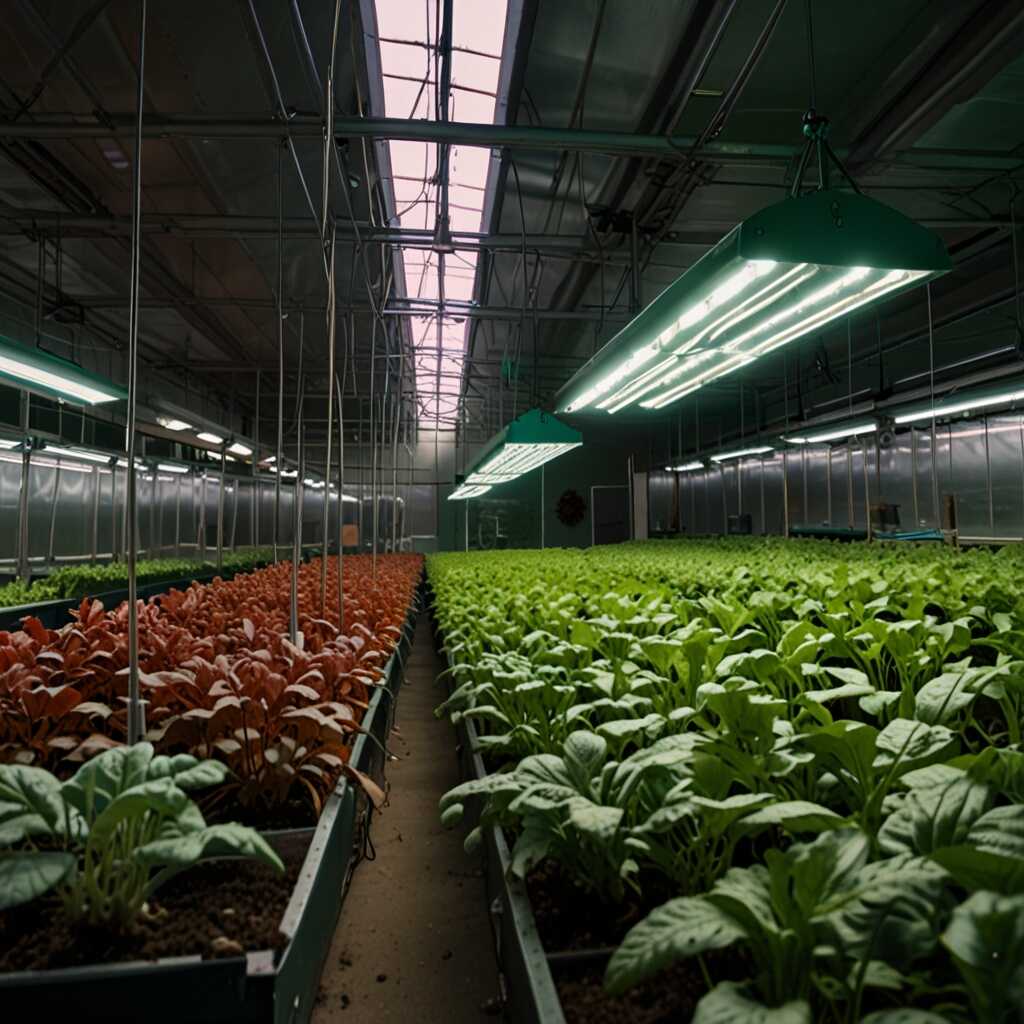
Integrating Light Shelving Units into Your Home Environment
Light shelving units work best when positioned near existing natural light sources like south or west-facing windows, where they can supplement rather than replace sunlight. However, avoid placing units in direct sunlight, which can create excessive heat and stress plants. Consider the aesthetic impact by choosing wood finishes that complement your existing furniture, or paint units to match your room’s color scheme. The gentle hum of LED drivers and fans is barely noticeable, making these units suitable for living areas, kitchens, or home offices.
Optimizing Placement for Maximum Growing Success
Position your light shelving units where they’ll receive good air circulation but remain protected from drafts and temperature fluctuations. Basements, spare bedrooms, and enclosed porches often provide ideal conditions with stable temperatures between 65-75°F. Ensure access to electrical outlets, preferably on dedicated circuits to avoid overloading household systems. Consider safety requirements when installing multiple lighting fixtures, including proper grounding and surge protection for valuable LED equipment.
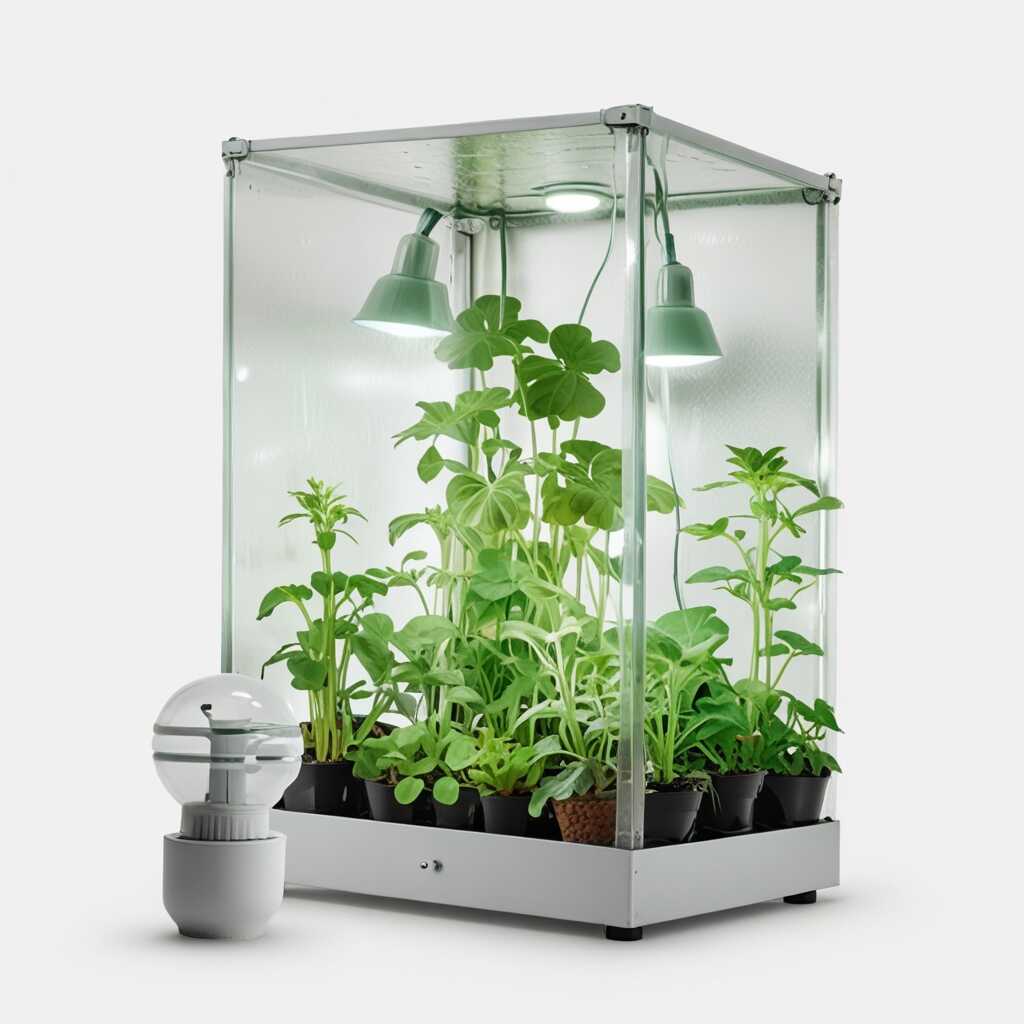
Maintaining Your Plant Lighting System for Long-Term Success
Regular maintenance ensures your light shelving units continue providing optimal growing conditions while extending equipment lifespan. Clean LED panels monthly using a soft, dry cloth to remove dust that can reduce light output by up to 20% over time. Check electrical connections quarterly and replace any frayed cords immediately. Monitor plant growth patterns to determine if lights need repositioning or replacement, as LED output gradually decreases over years of use.
Troubleshooting Common Light Shelving Issues
Address these common problems to maintain healthy plants and efficient operation. If plants show signs of light burn (bleached or crispy leaves), increase the distance between fixtures and plant tops or reduce daily lighting duration. Leggy, stretched growth indicates insufficient light intensity or duration. Poor growth despite adequate lighting often signals problems with watering, nutrition, or air circulation rather than lighting issues. Keep spare LED panels available, as individual diodes can fail over time, creating dark spots that affect plant development.
Essential Maintenance Schedule for Optimal Performance
- Weekly: Check soil moisture and adjust watering schedules for shelved plants
- Monthly: Clean LED panels and inspect all electrical connections
- Quarterly: Rotate plants to ensure even light exposure and development
- Bi-annually: Test timer functions and replace batteries in digital controls
- Annually: Measure light output with a PAR meter to track LED degradation
- Replace LED panels when output drops below 80% of original intensity
- Keep detailed records of plant performance to optimize lighting schedules
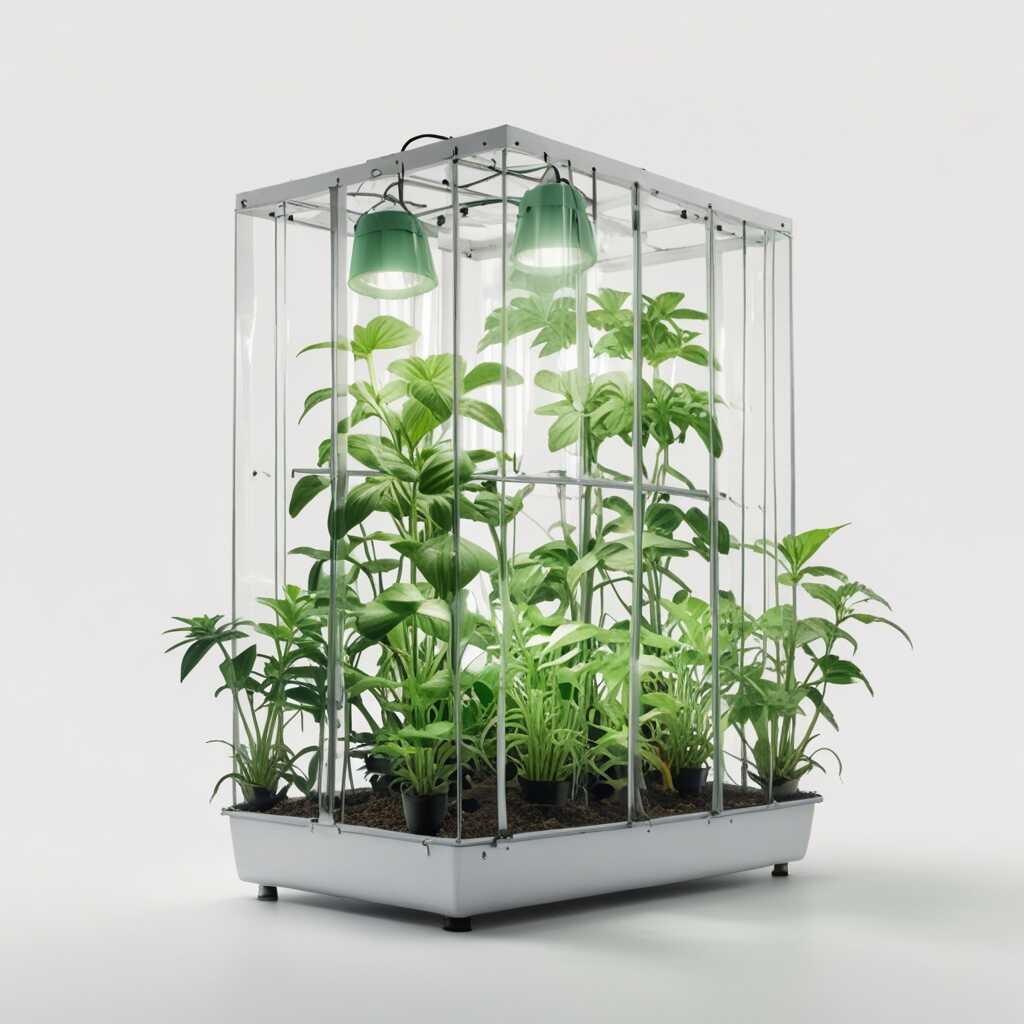
Best Plant Species for Light Shelving Growing Systems
Light shelving units excel at growing compact plants that respond well to controlled environments and artificial lighting. Leafy greens like lettuce, spinach, and kale thrive under LED grow lights and can be harvested continuously. Herbs including basil, oregano, and cilantro produce abundant foliage when provided 14-16 hours of daily illumination. Compact flowering plants such as African violets, begonias, and small orchids adapt well to shelving systems and provide colorful displays year-round.
Matching Plant Requirements to Your Lighting Setup
Different plants have varying light intensity needs that determine their placement within your shelving system. Position high-light plants like tomatoes and peppers on upper shelves closest to LED fixtures, where they receive maximum intensity. Medium-light plants such as lettuce and herbs work well on middle shelves with moderate illumination. Reserve lower shelves for shade-tolerant species like pothos, peace lilies, and ferns that prefer indirect lighting. This strategic arrangement maximizes your growing space while meeting each plant’s specific requirements.
Economic and Environmental Benefits of DIY Light Shelving
Building your own light shelving units provides significant cost savings compared to purchasing commercial growing systems. A DIY two-shelf unit costs approximately $80-120 in materials, while equivalent commercial units sell for $200-400. Over five years, the energy efficiency of LED lighting saves an additional $150-300 in electricity costs compared to fluorescent alternatives. These savings allow gardeners to invest in higher-quality components or expand their growing operations affordably.
Sustainable Material Choices for Eco-Conscious Gardeners
Choose environmentally responsible materials to minimize the ecological impact of your light shelving project. Reclaimed wood from construction sites or old furniture provides character while reducing waste. Bamboo plywood offers rapid renewability and comparable strength to traditional hardwoods. Select LED grow lights with long warranties to ensure extended service life and reduced electronic waste. Consider powder-coated aluminum fixtures that resist corrosion and can be recycled at end-of-life.
Long-Term Value Analysis of DIY vs Commercial Options
- DIY units cost 50-70% less than equivalent commercial growing systems
- Customizable dimensions maximize space efficiency in any indoor environment
- Replaceable components allow for easy upgrades and repairs over time
- LED fixtures typically last 50,000+ hours with minimal maintenance requirements
- Energy costs average $2-5 monthly per shelf depending on usage patterns
- Homegrown produce offsets grocery costs by $200-500 annually for active gardeners
- Increased property value from attractive, functional indoor growing spaces
Building Community Connections for Indoor Gardening Success
Connecting with fellow indoor gardening enthusiasts provides valuable support, troubleshooting help, and inspiration for your light shelving projects. Online communities like Reddit’s r/IndoorGarden and Facebook groups such as “LED Grow Light Users” offer platforms to share experiences and learn from others’ successes and failures. Local gardening clubs and extension offices often host workshops on indoor growing techniques and may provide group purchasing opportunities for quality LED fixtures.
Resources for Advancing Your Indoor Growing Skills
Educational resources help you optimize your light shelving units and expand your indoor gardening knowledge. YouTube channels dedicated to indoor growing provide visual tutorials for construction techniques and plant care. University extension publications offer science-based information on plant lighting requirements and growing methods. Trade publications and industry websites keep you informed about new technologies and techniques that can improve your growing results and system efficiency.