
Exploring light compensation points is essential for the growth of shade-tolerant plants. These points determine how much light a plant needs to photosynthesize efficiently, especially in low-light conditions. At Green Writer, we delve into the strategies for optimizing lighting to enhance your indoor gardening experience while focusing on sustainable practices. Understanding light compensation helps you choose the right eco-friendly lighting solutions for nurturing your plants, ensuring they thrive in your home environment.
Understanding Light Compensation Points in Shade-Tolerant Species
Light compensation points are the light intensity levels at which a plant’s rate of photosynthesis matches its rate of respiration. For shade-tolerant plants, these points are crucial because they determine how effectively these plants can photosynthesize under low light conditions. Shade-tolerant species, like ferns and some types of ivy, thrive in environments where light is limited. Understanding these points helps indoor gardeners optimize their lighting strategies, ensuring the plant’s vitality and overall health.
Impact of Light Compensation Points on Plant Health
Light compensation points significantly influence the health of shade-tolerant plants. When a plant receives light below its compensation point, it cannot perform photosynthesis effectively. This lack of energy can lead to reduced growth and weaker plants. Ensuring that the lighting meets or exceeds this point enables proper photosynthesis efficiency, enhancing plant vitality. Research indicates that many shade-tolerant species, including snake plants and pothos, have lower light compensation points, making them ideal for indoor gardening in low-light spaces.
Why Shade-Tolerant Plants Are Essential for Indoor Spaces
Shade-tolerant plants are crucial for indoor gardening. They thrive in low-light situations, making them suitable for homes with limited sunlight. These plants improve air quality by absorbing toxins and releasing oxygen. Some notable examples include peace lilies and pothos, which add vibrancy and purify the air. Incorporating shade-tolerant species enhances indoor aesthetics, creating a calming and inviting atmosphere. For reliable growth, these plants usually require 4 to 6 hours of indirect light daily. Proper placement and care ensure they flourish, adding to both beauty and health in your living spaces.
Choosing the Best Shade-Tolerant Plants for Your Home
Selecting the right shade-tolerant plants involves considering both aesthetic appeal and air quality benefits. Peace lilies and spider plants are excellent choices due to their proven air-purifying qualities. These plants are designed to thrive in conditions with minimal light while improving indoor air quality. Research shows that these plants can filter harmful chemicals like formaldehyde and benzene. Look for species that offer vibrant foliage or unique flower shapes to enhance your home’s décor. By choosing the best shade-tolerant options, you will create a refreshing indoor environment while maintaining sustainable indoor gardening practices.
The Role of Light in Plant Growth and Health
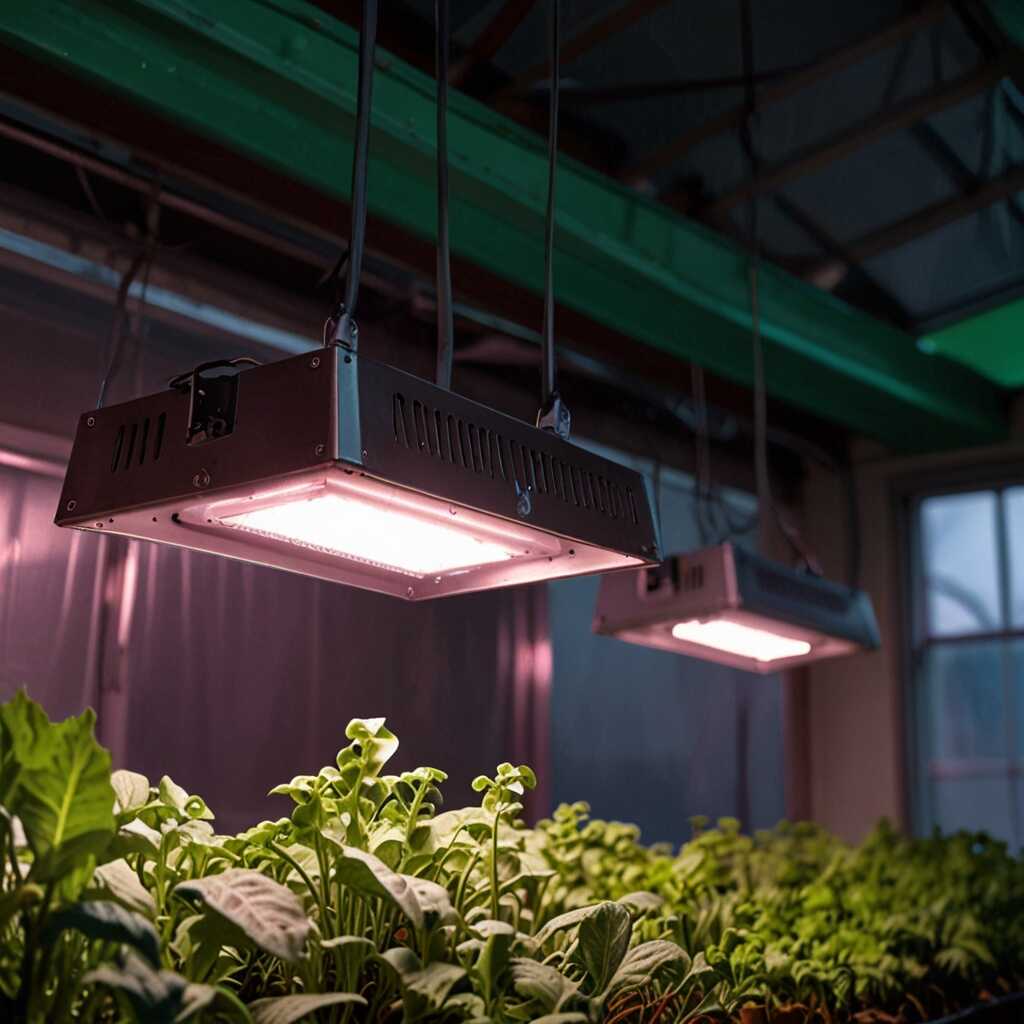
Light plays an essential role in plant growth and health. Different growth stages require varying light quality, intensity, and duration. Light quality affects photosynthesis, where certain wavelengths are crucial for specific developmental stages. For instance, blue light promotes vegetative growth, while red light supports flowering. Plants thrive under specific light intensities, influencing their ability to photosynthesize effectively. Shade-tolerant species may adapt their light compensation points, enabling them to grow well in low-light conditions. The duration of light exposure also significantly impacts flowering; most plants require 12 to 16 hours of light per day for optimal development.
Understanding Light Compensation Points in Shade-Tolerant Plants
Light compensation points are crucial for shade-tolerant plants as they define the minimum light intensity necessary for photosynthesis to match the rate of respiration. These plants have optimal growth at lower light levels than sun-loving species. For instance, species like ferns and certain species of philodendrons exhibit low light compensation points, thriving in dim environments. This adaptation makes them well-suited for indoor gardening. Providing adequate light, such as full-spectrum LED grow lights, can enhance growth efficiency. Understanding these points allows indoor gardeners to create an environment that maximizes plant health and growth, even under suboptimal light conditions.
Numerical Insights into Optimal Light Levels
- Light compensation points for many shade-tolerant plants typically range from 50 to 150 µmol/m²/s.
- Research shows that most of these plants thrive with about 30% to 40% of full sunlight hours.
- Plants often exhibit growth at light levels as low as 100 lux.
- Studies indicate that ferns can have compensation points around 30 µmol/m²/s.
- Shade-tolerant species can require 20% less water when flourishing under optimized light conditions.
- Indoor lighting efficiency can improve plant growth by up to 40% with proper light adjustments.
- Lighting duration of 12-16 hours per day is ideal for optimal shade plant growth indoors.
Care Practices for Growing Shade-Tolerant Plants Indoors
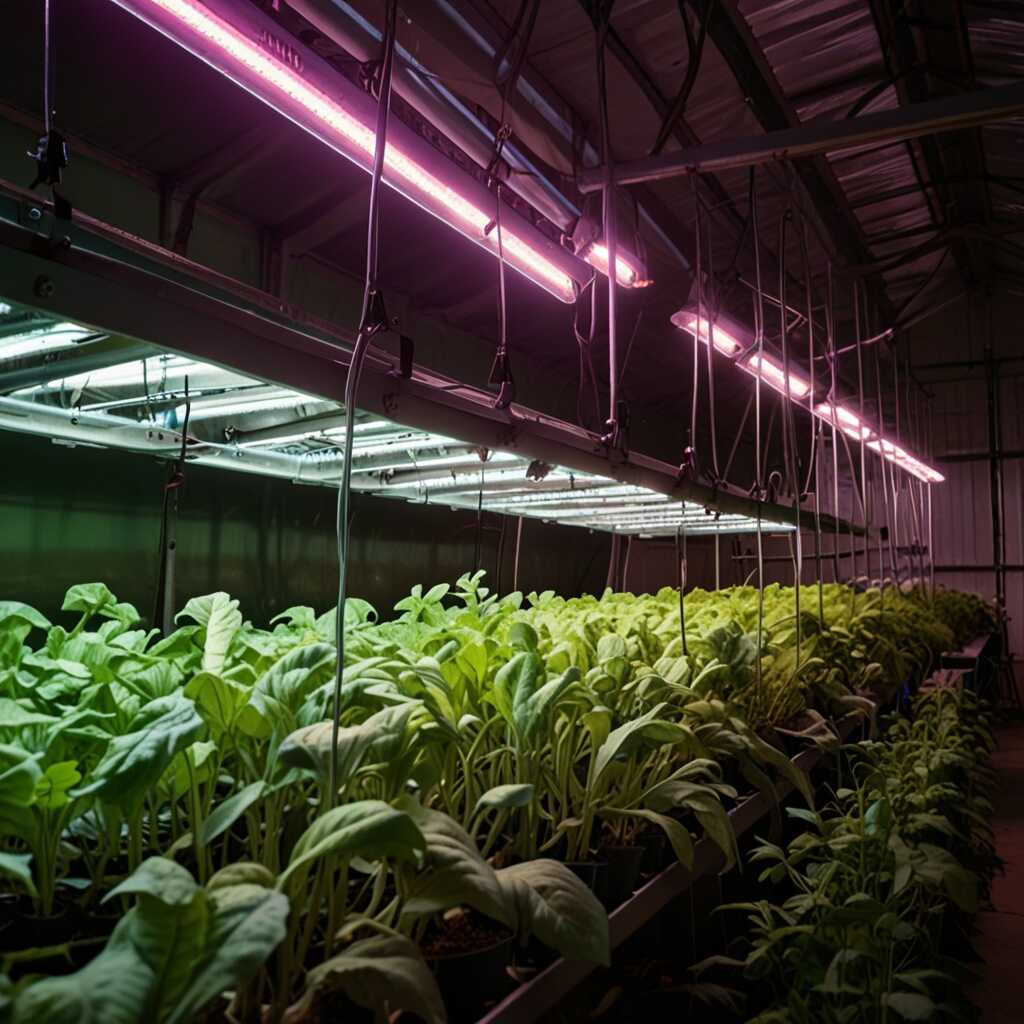
For optimal growth of shade-tolerant species indoors, ensure proper light exposure by using LED grow lights. These lights simulate sunlight and provide sufficient energy for photosynthesis, even in low-light conditions. Regularly rotate plants to ensure even light distribution, which promotes balanced growth. Implement indoor gardening techniques like watering based on moisture levels rather than a schedule. This prevents overwatering and allows roots to breathe. The ideal relative humidity range for shade-tolerant plants is between 40% and 60%. Maintain this through misting or placing a humidifier in the room. Choosing the right potting mix that retains moisture enhances plant health and development.
Optimizing Light and Water for Indoor Shade Plants
To enhance the growth of shade-tolerant species, focus on optimizing light and water efficiently. Use full spectrum plant lights to ensure that the wavelengths, specifically between 400-700nm, support various stages of growth. Monitor water levels carefully and adjust your watering schedule according to the specific needs of each species. For instance, peace lilies prefer consistently moist soil while snake plants thrive in drier conditions. Utilizing a moisture meter can help accurately assess soil moisture and prevent overwatering. Regularly check for pests and diseases during routine care to maintain plant health and ensure risk-free flowering and growth.
Recommended Grow Lights for Shade-Loving Plants
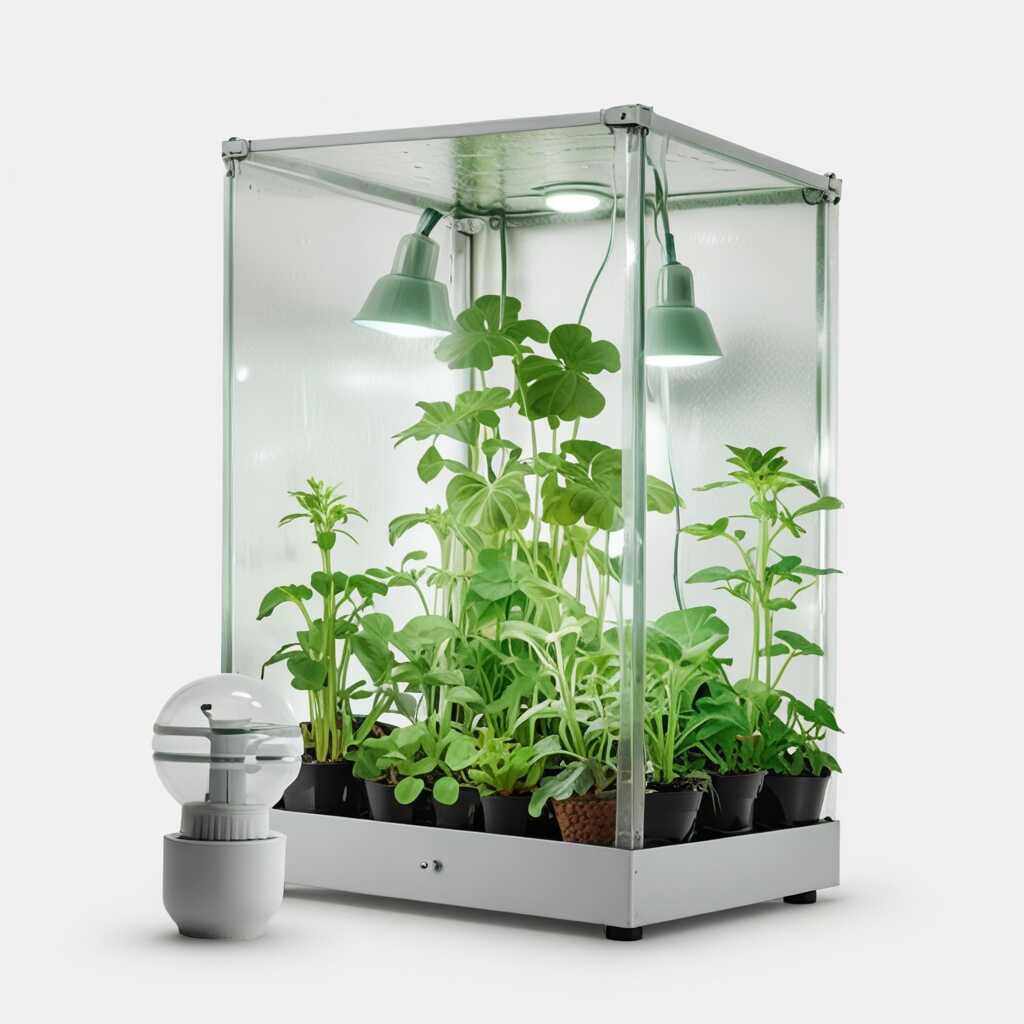
When selecting grow lights for shade-tolerant plants, consider LED and fluorescent lights. LED grow lights are known for their energy efficiency and longer lifespan. They provide the full spectrum of light needed for all growth stages, making them ideal for shade-loving plants. Fluorescent lights, particularly T5 models, offer a good option as well, providing adequate light intensity with lower heat output. The comparison shows that while LED lights have a higher upfront cost, their durability and energy savings often make them the superior choice. The typical wattage range for indoor shade-loving plants is between 15 to 30 watts per square foot, ensuring that low-light plants can thrive efficiently and safely.
Comparison of LED and Fluorescent Grow Lights
When comparing LED grow lights and fluorescent grow lights, several essential factors influence their use in indoor gardening. LED lights are designed to emit less heat, which prevents damage to sensitive shade-tolerant plants. They also consume less electricity while delivering effective light for growth, enabling consistent energy savings. Fluorescent lights, especially the T5 type, are excellent for larger setups. They provide a softer light that some plants may prefer, but they won’t last as long as LEDs. The choice ultimately depends on your specific indoor gardening needs and the types of shade-loving plants you are growing. Green Writer recommends thorough testing and personal experience to determine which option feels best for your gardening environment.
Advantages of Understanding Light Needs for Plants
- Enhanced growth results in healthier, more vibrant plants.
- Shade-tolerant plants grow better with targeted light compensation points.
- Knowledge reduces energy expenses associated with indoor gardening.
- Plants can thrive in lower-light conditions, maximizing usable space.
- Understanding optimal light helps avoid over-watering issues.
- Plant enthusiasts develop more eco-friendly habits with efficient lighting solutions.
- Indoor gardens become more aesthetically pleasing through informed light use.
Assessing Light Levels for Indoor Plants
To measure light levels in your indoor garden, you can use a light meter, which provides accurate readings. Light meters are reliable instruments that measure light intensity in lux or foot-candles. For simple evaluation, you can also observe your plants. If the leaves start to yellow or stretch, that may indicate insufficient light. Make sure to consider the location of your plants. North-facing windows provide low light, while south-facing windows offer more intense light. As for shade-tolerant plants, aim for light intensity around 200-800 lumens for optimal growth. Ensuring the right light levels enhances plant health and growth significantly.
Understanding Lux and Foot-Candle Measurements
Lux and foot-candles are common units used to quantify light intensity in indoor gardening. One lux equals one lumen per square meter, while one foot-candle equals one lumen per square foot. For shade-tolerant plants, a lux level between 100 and 600 typically supports decent growth. Measuring these levels helps gardeners adjust their lighting fixtures more accurately. For example, if your light meter shows below 200 lux, it’s wise to add artificial light like LED grow lights. They provide a spectrum that enhances photosynthesis and improves plant performance under low light situations. Regular testing with these units ensures your garden remains healthy.
Common Misconceptions about Indoor Plant Lighting
Many people believe that all indoor plants require direct sunlight to thrive. However, several shade-tolerant plants can flourish in lower light conditions. For example, peace lilies and pothos are designed to thrive with minimal sunlight, improving air quality in indoor spaces. A common misconception is that brighter light always benefits plants. However, too much light can harm shade-loving species, leading to leaf scorch. Understanding the light compensation point is essential. This is the level at which a plant produces enough energy through photosynthesis to grow. Some shade-tolerant plants can effectively utilize only about 10% to 20% of the sunlight available.
Understanding Light Compensation Points for Efficient Indoor Plant Growth
Light compensation points vary among different indoor plants. Shade-tolerant species like peace lilies thrive in conditions where light levels are significantly lower than other varieties. These plants can photosynthesize effectively at minimal light, making them perfect for dimly lit rooms. Testing the light conditions in your home can help identify the best locations for them. This allows you to create a comfortable environment for your plants. Using LED grow lights can enhance this process, providing the right light spectrum for optimal growth. Ensuring proper lighting reduces the risk of plant stress and improves overall health, resulting in vibrantly green foliage.
Target Demographics and Their Interests
- Indoor gardeners focus on maximizing plant health and yield throughout the year.
- Students of horticulture study light conditions to support academic research and projects.
- Eco-conscious homeowners look to reduce energy consumption with smart gardening solutions.
- Plant researchers analyze shade-tolerant species for their adaptability and resilience.
- Urban dwellers want plants that optimize small spaces and low light environments.
- Light technology helps sustainability advocates promote greener living choices.
- Families with pets often prioritize safe, low-maintenance plants for indoor environments.
Integrating Eco-Friendly Practices in Your Indoor Garden
To create a thriving indoor garden, use eco-friendly lighting options like LED grow lights. These lights are designed to provide reliability with a 50,000+ hour lifespan while minimizing energy consumption. Using full-spectrum LEDs enhances growth by providing the necessary wavelengths for photosynthesis. Different care methods, such as using organic soil and natural fertilizers, support healthier shade-tolerant plants. Research shows plants like peace lilies and snake plants excel in low light while benefiting from proper watering techniques. Switching to LED lighting can save approximately 75% of energy costs compared to traditional lighting options.
Best Practices for Caring for Shade-Tolerant Plants in Low Light
Shade-tolerant plants thrive with minimal light, but optimal care is essential. Use high-quality organic potting soil that retains moisture and provides necessary nutrients. Water these plants only when the top inch of soil feels dry to avoid root rot. Regularly dust leaves to ensure maximum light absorption. Rotate your plants every few weeks to promote even growth. A consistent environment with humidity levels around 40-60% can drastically enhance their performance. Following these practices, along with using energy-efficient solutions, enables a lush indoor garden that aligns with sustainable living values promoted by Green Writer.