
Combining natural and artificial light in greenhouses is essential for optimizing plant growth and energy efficiency. By thoughtfully integrating both light sources, growers can create the ideal conditions for their plants to thrive. At Green Writer, we understand the importance of this balance and provide practical tips to help you harness the benefits of lighting in your greenhouse. Our guidance focuses on enhancing plant development while promoting sustainable practices that minimize your carbon footprint.
Understanding the Basics of Light in Greenhouse Environments
Different wavelengths of light play a vital role in plant growth. Light is divided into categories based on its wavelengths, measured in nanometers (nm). Plants primarily use two wavelengths: blue light (400-500 nm) and red light (600-700 nm). Blue light encourages vegetative growth in leafy plants, while red light promotes flowering and fruiting. Understanding these wavelengths helps growers select appropriate lighting for specific plant types. Furthermore, integrating both natural light and artificial lighting enhances plant health and growth efficiency. Plants absorb light differently, so recognizing individual responses to wavelengths can optimize the growing environment.
Impact of Light on Plant Types
Different plant types react uniquely to various light wavelengths. For example, leafy greens thrive best under blue light since it enhances chlorophyll production, leading to healthier, sturdier plants. Flowering plants, such as tomatoes, show improved yields when exposed to red light. Some plants, like succulents, require both to thrive. In practical terms, growers can use full spectrum grow lights that include acceptable blue and red wavelengths to cater to diverse plant needs. This targeted use of light helps maximize the photosynthesis process, ultimately supporting plant growth in greenhouse settings.
How Natural Sunlight Benefits Plant Growth
Natural sunlight provides essential energy for plant photosynthesis, enabling healthier and faster growth. Sunlight helps plants produce food effectively, leading to improved yields. Using natural sunlight also significantly reduces energy costs associated with artificial lighting. Plants exposed to sunlight exhibit better nutrient absorption, stronger stems, and vibrant leaves. Light from the sun enhances the color and flavor of fruits and vegetables, making them more appealing. Research shows that greenhouses utilizing natural sunlight can reduce energy costs by up to 40% compared to those relying solely on artificial sources.
Maximizing Sunlight in Greenhouse Design
Designing your greenhouse to capture maximum sunlight involves several key elements. Ensure that the greenhouse orientation faces south to receive the most sunlight throughout the day. Use transparent materials like polycarbonate or glass to allow light penetration while maintaining thermal efficiency. Consider installing roof vents to optimize airflow while minimizing humidity, which can reduce the risk of mold. Incorporate thermal mass materials, such as stone or water barrels, to absorb and radiate heat from sunlight, promoting a stable growing environment. These strategies enhance the efficiency of sunlight, ensuring that your plants thrive and thrive sustainably.
Choosing Effective Artificial Lighting Solutions
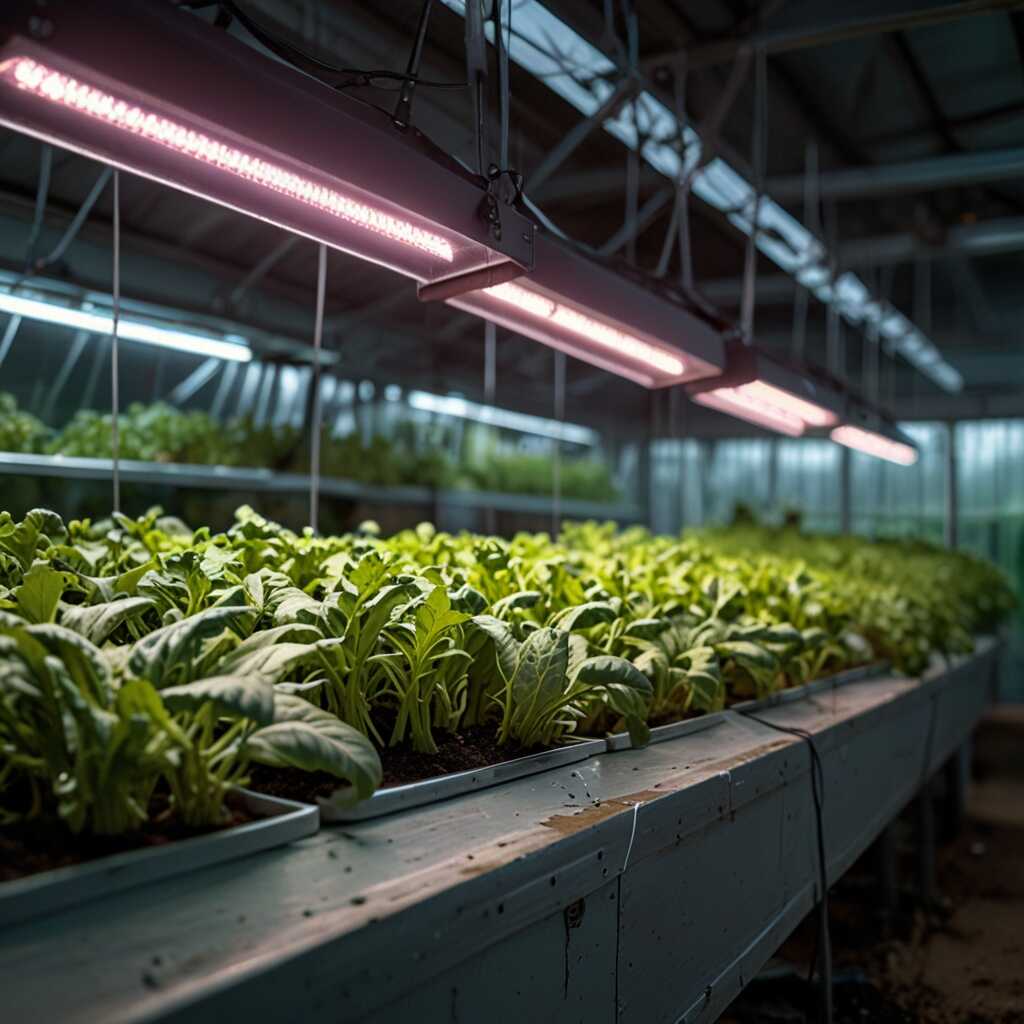
Different types of artificial lighting can significantly impact greenhouse success. The most popular options include LED grow lights, fluorescent lights, and high-intensity discharge (HID) lamps. LED grow lights are renowned for their energy efficiency. They consume less electricity while providing the necessary light spectrum for plant growth. Fluorescent lights offer low heat output and are cost-effective for small-scale gardeners. HID lamps, specifically metal halide and high-pressure sodium, deliver intense luminosity great for larger operations. Each option has distinct advantages, such as LED grow lights lasting up to 50,000 hours and offering a proven ability to enhance photosynthesis through specific wavelengths. By integrating energy-efficient lighting within your greenhouse, growers can save between 30% to 80% on electricity costs.
Comparison of Grow Light Types for Greenhouses
When comparing grow lights for greenhouses, several key factors should be considered. LED grow lights not only have low energy consumption but also provide tailor-made light spectra that support various plant growth stages. Research shows that plants expose to full spectrum light produced from LEDs grow faster and healthier than those under traditional fluorescent or HID lights. Fluorescent lights are beneficial for seedling development. They are less expensive and ideal for small-scale setups. In contrast, HID lights are powerful but can generate a lot of heat, requiring careful monitoring for optimal growing conditions. Understanding the specific needs of the plants, along with the performance and efficiency of each type, helps ensure growers select the best lighting options for their greenhouses.
Interesting Figures About Light in Controlled Environments
- Plants thrive best with 14-16 hours of light daily.
- LED grow lights use 75% less energy than traditional bulbs.
- The ideal temperature for plants during light exposure is 70-80°F.
- Light wavelengths between 400-700nm support plant growth.
- Using natural light can cut operation costs by up to 30%.
- A greenhouse can increase light intensity by 30% compared to outdoor growth.
- About 90% of indoor plants may struggle without proper lighting.
Strategies for Integrating Natural and Artificial Light
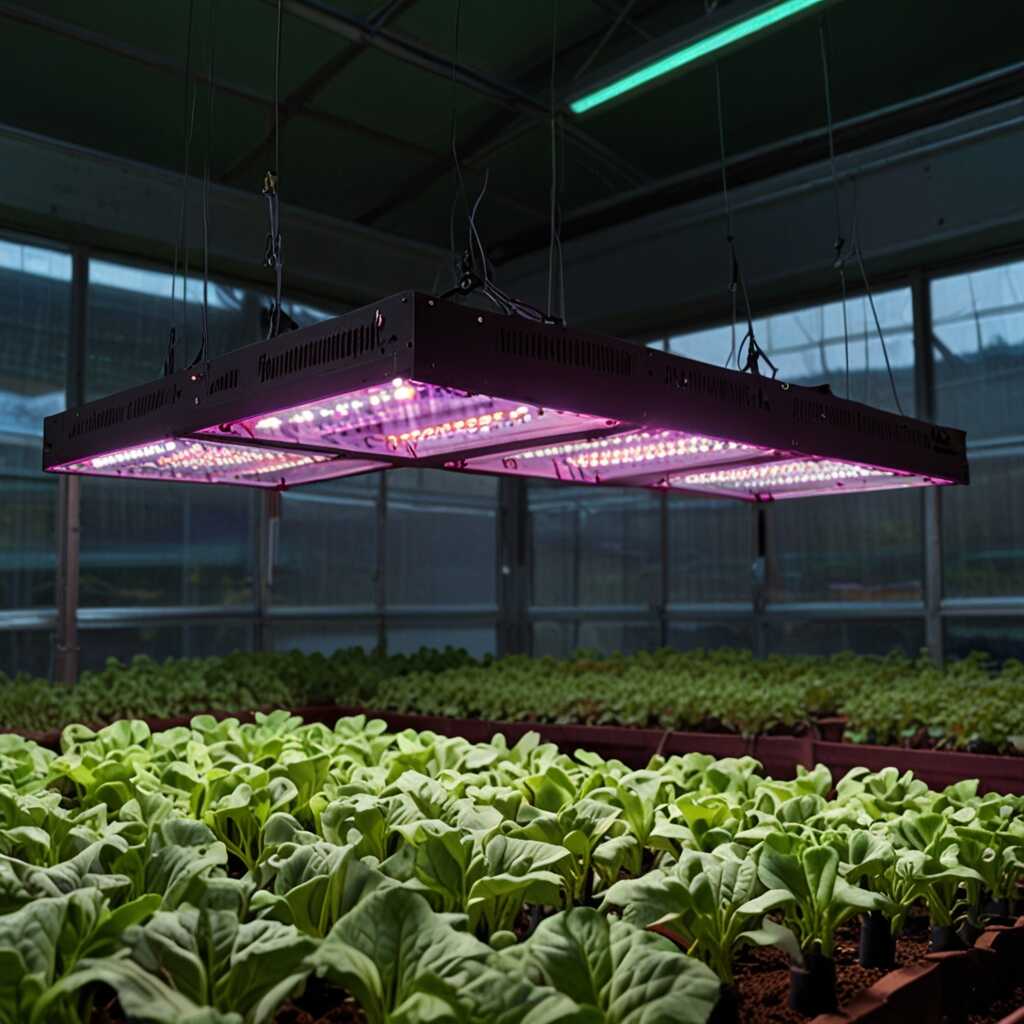
To effectively integrate natural and artificial light in greenhouses, use a combination of positioning and technology. First, place grow lights strategically to fill in shadows created by natural light during the day. Adjust light schedules to align with daylight hours for maximum exposure and energy efficiency. Experiment with full spectrum lights as they replicate natural sunlight and enhance plant growth. Also, consider utilizing reflectors to optimize light distribution. Proper testing will help determine the reliability of light sources for your specific greenhouse conditions.
Optimizing Light Exposure Throughout the Day
Light exposure can greatly impact your plants’ growth and needs to be managed actively. During morning hours, natural light is typically softer, which is ideal for germination and young plants. As the sun rises and intensity increases, consider gradually decreasing artificial light to allow plants to utilize abundant natural sunlight. During late afternoons when natural light diminishes, gradually increase artificial lighting. This combination helps maintain consistent light levels, which is very good for photosynthesis. Research shows that integrating 30% artificial light with 70% natural light improves growth rates significantly.
Adjusting Lighting According to Plant Growth Stages
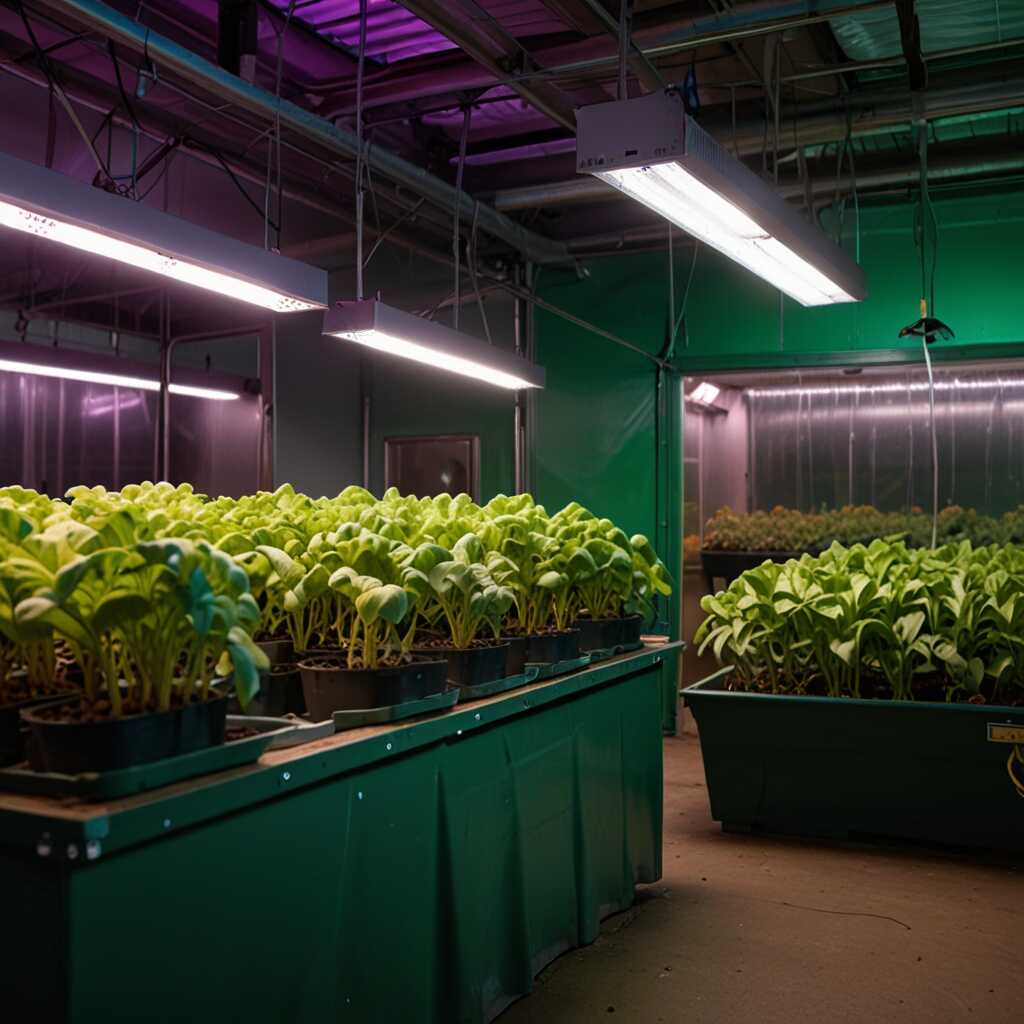
Growers can adjust light types to support different plant growth stages by recognizing the distinct light needs throughout those phases. For seedlings, it is essential to provide more natural light using available sunlight paired with low-intensity artificial grow lights. During the vegetative stage, a combination of full-spectrum artificial lights and direct sunlight helps promote healthy foliage development and stronger roots. Finally, during the flowering stage, shifting the focus to higher intensity lighting not only increases light quality but also enhances plant yield. For optimal light duration, seedlings need around 14 to 16 hours, vegetative plants thrive with 16 to 18 hours, and flowering plants benefit from 12 to 14 hours of light exposure daily.
Maximizing Light Efficiency for Seedlings, Vegetative, and Flowering Stages
Maximizing light efficiency requires an understanding of the specific needs of each growth phase. Seedlings thrive with gentle light to avoid heat stress; placing them near natural light sources while using low-wattage LED lights suffices. During the vegetative phase, employing a combination of full-spectrum fixtures ensures photosynthesis supports robust growth. As plants transition to flowering, opting for stronger artificial grow lights mimics the sun’s intensity and promotes yields. Research shows that modifying the distance between lights and plants significantly impacts growth; for optimal results, maintain a distance of 12 to 18 inches from the tops of plants to artificial lights.
Advantages of Mixing Light Sources for Plants
- Combining light sources boosts plant growth rates.
- This method enhances energy efficiency and reduces power costs.
- Natural and artificial light help prevent leaf burn and stress.
- Supplying full spectrum light supports all growth stages.
- Mixing light types increases yield for flowering plants.
- Plants develop stronger root systems and higher resilience.
- This approach maintains a consistent light cycle for indoor agriculture.
Tools for Measuring Light Intensity in Greenhouses
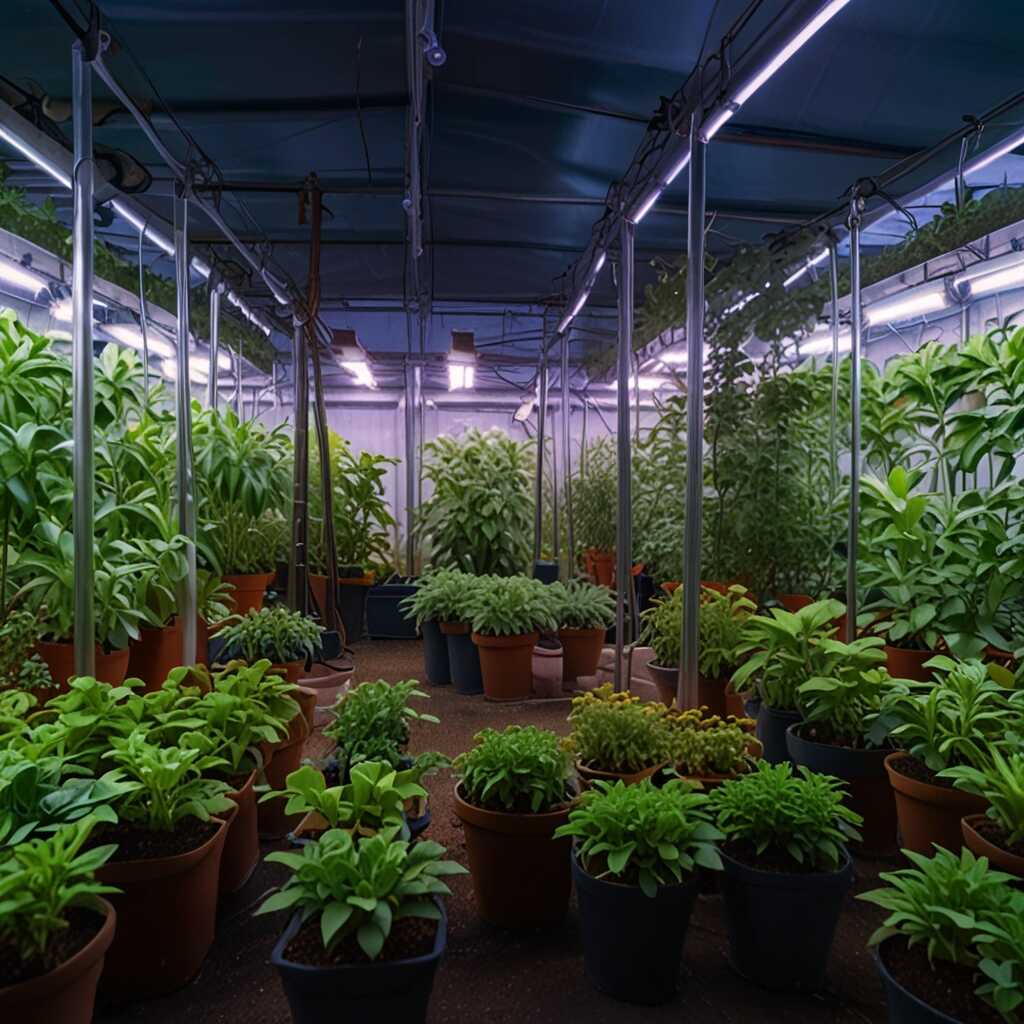
Various tools are essential for measuring light intensity in greenhouse environments. Light meters, such as quantum sensors, provide reliable data by measuring the PAR (Photosynthetically Active Radiation), which is crucial for plant health. Another useful tool is the data logger, which tracks light intensity over time, allowing for thorough testing and comparison of light levels in different sections of your greenhouse. Ensure accuracy by selecting meters with a wide range of sensitivity and good reviews for performance. Mobile apps that connect to external light sensors can also enhance reliability, providing quick access to light intensity data.
Understanding Optimal Light Intensity Levels for Plant Growth
The optimal light intensity for most greenhouse plants typically ranges between 200 to 800 μmol/m²/s, depending on the plant species and growth stage. Seedlings may thrive at around 200-400 μmol/m²/s, whereas flowering plants often require up to 600-800 μmol/m²/s. To ensure that plants receive the correct light intensity, combine sensory equipment with a review of each plant’s specific growth needs. Using high-quality grow lights can greatly improve energy efficiency while providing necessary light. Calculating natural light levels alongside artificial light effectiveness helps create an ideal environment for robust plant development.
Adapting to Environmental Factors for Better Light Access
Climate significantly affects light penetration in greenhouses. Locations with high humidity or pollution can scatter light, reducing its availability for plants. Greenhouses designed with materials such as double polycarbonate can enhance natural light diffusion while minimizing heat loss. The orientation of the greenhouse also plays a crucial role; a south-facing structure receives maximum sunlight exposure throughout the day. Furthermore, if the greenhouse is located in areas with frequent cloud cover, consider using efficient artificial lighting systems to supplement natural light, especially during shorter days. Research indicates that proper greenhouse design can improve light exposure by up to 30% in unfavorable climates. Reliable lighting systems help maintain consistent growth rates.
Maximizing Light Efficiency through Greenhouse Orientation and Design
Correct greenhouse orientation is essential for optimizing light access. Orienting the structure along an east-west axis allows plants to receive sunlight during both morning and evening hours, maximizing photosynthesis. Utilizing high-efficiency reflective materials on walls can help direct more light towards the plants, improving performance. Consider integrating adjustable shading systems to manage direct sunlight during peak hours, balancing the need for light without causing overheating. Research proves that combining natural light with artificial lighting can lead to better crop yields. Regularly review your greenhouse setup for achieving maximum light efficiency and ensuring durability in challenging climates.
Key Players in Grow Light Technology: A Comparison
- Brand A: Offers energy-efficient LED lights with a long lifespan.
- Brand B: Sells affordable CFL lights which are easy to use but less efficient.
- Brand C: Provides full spectrum lights for all plant stages; more expensive.
- Hobbyist gardeners benefit from affordable options that are easy to manage.
- Commercial growers prefer high-output lights for maximizing crops.
- Eco-conscious homeowners like energy-efficient LEDs for sustainability.
- Students studying horticulture often research diverse lighting options for projects.
Additional Resources for Mastering Greenhouse Lighting
For those looking to delve deeper into greenhouse lighting techniques, several excellent books offer insights. “The Greenhouse Gardener’s Primer” provides a solid foundation on lighting systems. Websites like Green Writer offer articles that explain greenhouse light efficiency. Joining indoor gardening communities on platforms like Reddit can provide answers from experienced growers. Most plants typically benefit from 12 to 16 hours of light each day in a greenhouse, ensuring optimal growth and response to seasonal changes.
Exploring Advanced Greenhouse Lighting Strategies
Advanced greenhouse lighting strategies combine natural sunlight and artificial sources for optimal plant growth. Utilizing full-spectrum LED grow lights improves photosynthesis while reducing energy costs. Experts recommend exploring brands that deliver high-quality light output, which can enhance plant health significantly. Systems like light timing controllers allow for precise adjustments to match plant stages. Understanding specific plant light requirements helps growers customize lighting for enhanced performance. Research shows that integrating both light types can increase yield and sustainability in greenhouse operations.