
Boosting grow light efficiency with reflective materials for greenhouses can significantly enhance plant growth and energy use. By strategically placing reflective surfaces, gardeners can maximize light distribution, creating an optimal environment for their plants. Green Writer focuses on sustainability, offering practical advice on using eco-friendly materials to improve gardening practices. This guide will help you create a more efficient greenhouse while supporting your efforts to cultivate thriving, healthy plants.
Understanding the Role of Light in Plant Development
Light plays a critical role in plant development by influencing growth stages through specific light wavelengths. Plants require different wavelengths during stages such as germination, vegetative growth, and flowering. For example, blue light (400-500 nm) is essential during vegetative growth as it promotes leaf development. In contrast, red light (600-700 nm) is crucial during the flowering stage, enhancing bud formation. Understanding how light intensity and duration affect plant health is vital for improving grow light effectiveness. Research shows that plants can absorb around 90% of the light they receive for photosynthesis, making efficient use of available light essential for optimal growth.
Importance of Blue and Red Light in Plant Growth
Blue and red light are vital for plant growth as they trigger various physiological responses. Blue light is essential for chlorophyll production, which is crucial for photosynthesis. It encourages compact plant structures, leading to sturdier plants. Red light, on the other hand, influences flowering and fruiting by regulating the plant’s internal clock. А good grow light system for indoor gardening should provide a balanced spectrum that includes adequate blue and red light. Quality LED grow lights can easily be adjusted to deliver the right light intensity, ensuring maximum absorption rates, leading to better overall plant health.
Types of Reflective Materials for Greenhouse Use
This section covers different reflective materials such as Mylar sheets, aluminum foil, and reflective coatings. Mylar sheets are known for their high reflective efficiency, often exceeding 90%. Aluminum foil is easier to handle and can reflect about 80% of light. Reflective coatings can be applied directly to greenhouse surfaces, offering customizable solutions. Each material has unique advantages that enhance greenhouse efficiency, helping gardeners optimize light for their plants. Testing and user reviews have shown that Mylar provides the best balance of performance and durability, while aluminum foil is a cost-effective alternative. Choose based on your specific greenhouse setup and needs.
Comparing Reflective Materials: Mylar vs. Aluminum Foil
Mylar sheets outperform aluminum foil in reflective efficiency, reflecting up to 95% of light. These sheets are durable and can handle temperature fluctuations. Aluminum foil, while less reflective, is flexible and easier to install. Both materials are cost-effective, but Mylar offers superior light distribution for plant growth. Testing has shown that Mylar enhances growth rates more effectively than aluminum. When considering these materials, prioritize your greenhouse design and specific plant lighting requirements to ensure maximum productivity.
Advantages of Reflective Materials in Compact Greenhouses
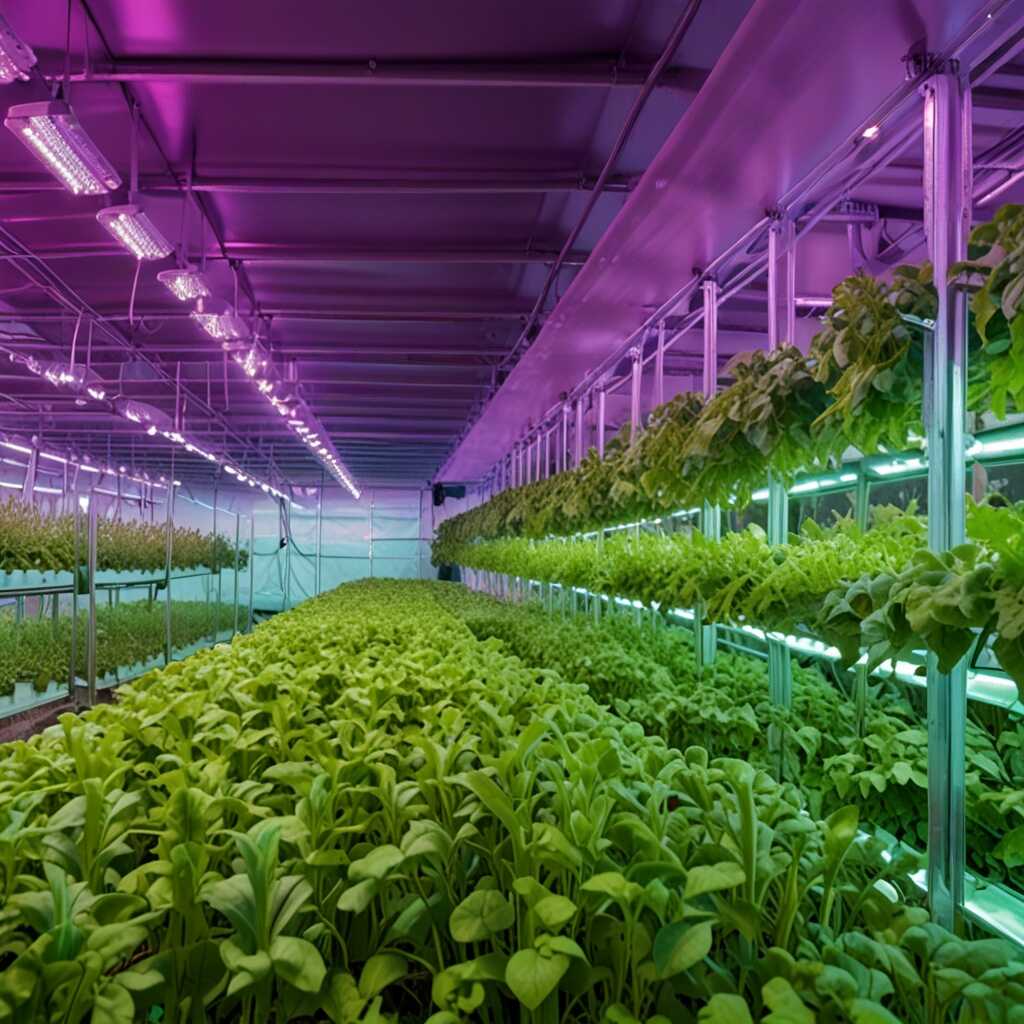
Using reflective materials in small greenhouses offers several advantages. First, reflective materials can significantly boost light efficiency. They bounce light that would otherwise go to waste back onto plants, ensuring better exposure. This helps plants absorb more light, enhancing their growth and health. Second, reflective materials lead to energy savings by reducing the need for additional lighting. By efficiently utilizing available light, growers can expect lower utility bills and sustainable gardening practices. Finally, the overall environment in the greenhouse becomes more favorable for plant development, leading to healthier crops and better yields.
Best Reflective Materials for Greenhouses
Some of the best reflective materials for greenhouses include Mylar, aluminum foil, and white paint. Mylar is a highly reflective and lightweight material that effectively distributes light without absorbing it. Aluminum foil is inexpensive and easy to install, providing excellent light reflection. White paint is another great option, easily applied to walls and surfaces, reflecting light efficiently while also brightening the greenhouse atmosphere. Each of these materials enhances light distribution, creating an optimal environment for all plant growth stages. Using them can lead to increased plant productivity and resilience.
Key Numerical Insights on Light Optimization Techniques
- Reflective materials can increase light efficiency by up to 30%.
- Using reflective surfaces can reduce energy costs by about 15% annually.
- Studies show plants under enhanced light can grow 20% faster.
- Grow lights impact photosynthesis by 90% when combined with reflectors.
- Indoor gardeners can save over 50% energy with proper setup.
- Research indicates that optimal light duration is 12-16 hours daily.
- Reflective covers can last 5-10 years, providing long-term benefits.
Step-by-Step Guide to Installing Reflective Materials
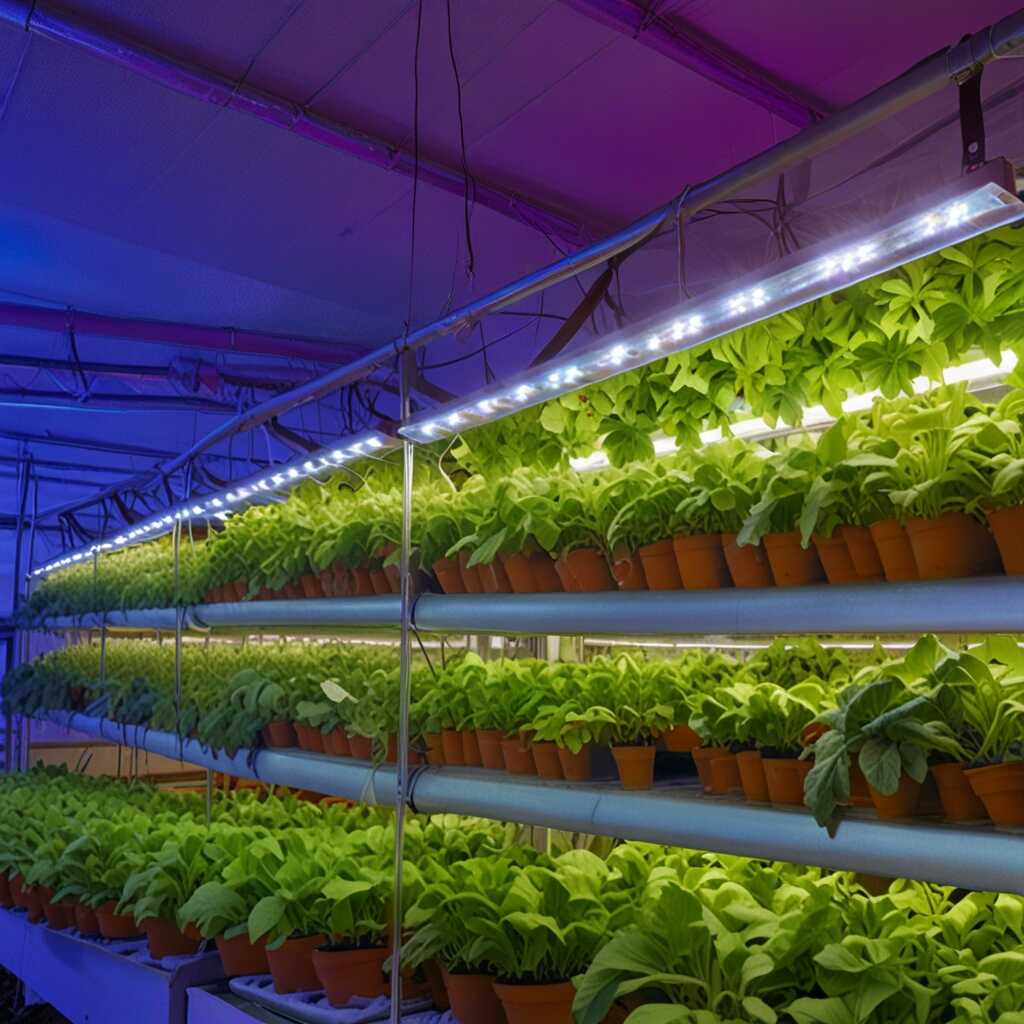
To install reflective materials in your greenhouse, first choose the right materials like Mylar sheets or aluminum foil. These materials are designed to enhance light reflection. Clean the greenhouse walls thoroughly to ensure good adhesion. Use scissors to cut the reflective material into manageable sections. Apply adhesive or double-sided tape to secure the reflective pieces to the walls, ensuring there are no wrinkles or gaps. This installation process maximizes light reflection and improves overall plant growth. Consider using reflective material on the ceiling too, as it helps distribute light uniformly.
Choosing the Right Reflective Material for Your Greenhouse
Choosing the right reflective material greatly affects light efficiency in your greenhouse. Mylar sheets offer a high reflectivity rate of 90% or more, making them an excellent choice. Aluminum foil is also effective and more cost-efficient for smaller projects. When selecting materials, consider durability and ease of installation. Ensure the product can handle the greenhouse’s humidity levels without peeling or degrading. Research suggests that Mylar is a proven leader in enhancing light reflection and improving plant growth. This can lead to better yield and healthier plants.
Optimizing Grow Light Placement with Reflective Techniques
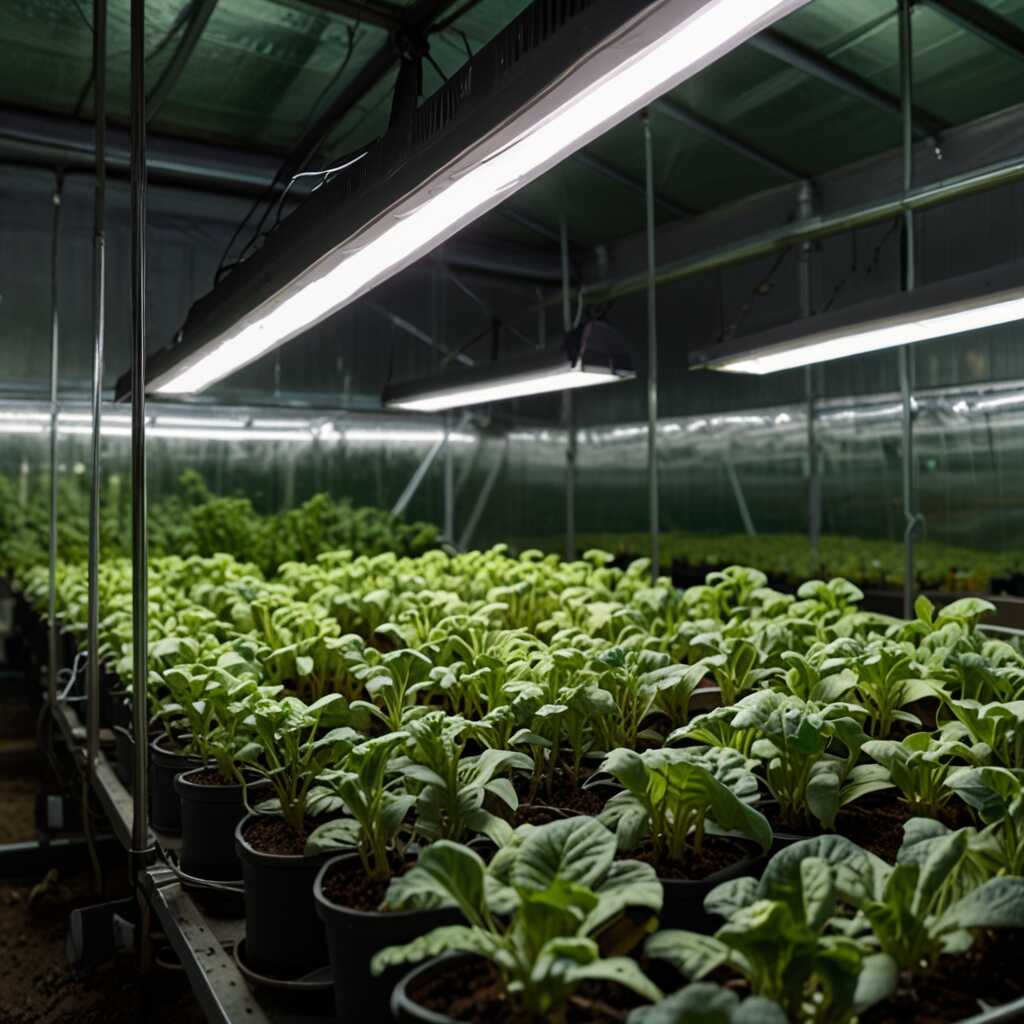
The placement of grow lights and reflective materials plays a key role in improving light distribution. By positioning grow lights at an angle or using reflective materials like mylar or aluminum foil, you can direct more light to your plants. This setup helps ensure that all areas of your greenhouse receive evenly distributed light, enhancing overall grow light efficiency. The recommended distance for grow lights should generally be around 12 to 24 inches above the plants, depending on the light’s intensity and the stage of plant growth. This distance helps to prevent overheating while still maximizing the light’s effectiveness.
Best Reflective Materials for Light Efficiency
Choosing the right reflective materials is crucial for optimizing your greenhouse. Mylar is one of the best options due to its high reflectivity, often over 90%. It effectively bounces light back to your plants, promoting better growth. Aluminum foil is another cost-effective choice that can reflect about 80% of light. For larger areas, consider using white paint or specialized reflective films that are easy to install and maintain. These materials not only enhance light distribution but also create a comfortable and efficient growing environment for your plants.
Advantages of Utilizing Reflective Surfaces in Plant Growth
- Reflective materials maximize light exposure across the greenhouse.
- They promote healthier plants by evenly distributing light.
- Users notice improved flower and fruit production with better light usage.
- They can help in reducing mold growth by promoting dry, even lighting.
- Gardeners find that these materials enhance indoor growing conditions.
- Reflectors also support diverse plant types to thrive under varied light.
- They minimize shadow formation, improving overall growth rates.
Avoiding Common Pitfalls with Reflective Materials
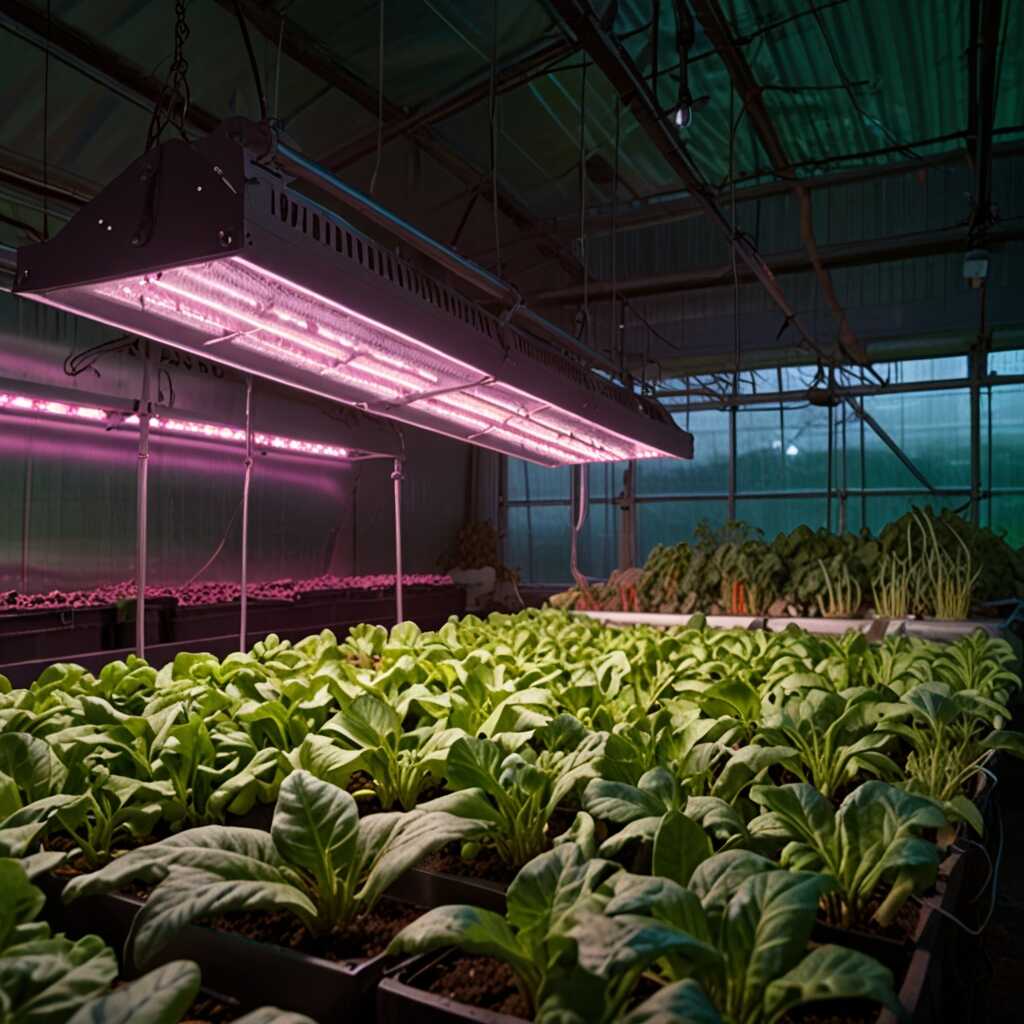
Many indoor gardeners make mistakes when using reflective materials that hinder light efficiency. A common error is positioning reflective surfaces too close to plants. This can lead to excessive heat buildup and harm your plants. Additionally, using low-quality reflective materials can decrease effectiveness. Some gardeners may not consider the angle of light. Incorrect angles can lead to uneven light distribution, leaving areas in shadow. Frequent misuses of reflective materials include neglecting regular cleaning and maintenance, which can reduce their performance over time. To ensure optimal results, focus on proper placement, material quality, and consistent upkeep.
Best Practices for Using Reflective Materials in Greenhouses
To maximize light efficiency in your greenhouse, adhere to best practices for reflective material usage. Select high-quality reflective materials like mylar or white paint to ensure durability. Place these materials at least 12 inches from plant tops to prevent heat stress. Consider the angle of light sources to create even distribution. Regularly wipe down reflective surfaces to maintain high reflectivity. Regular testing of light intensity can help assess effectiveness. Use data to adjust placement or materials as necessary. By following these best practices, you can enhance plant growth and achieve the best results in your indoor gardening efforts.
Inspiring Success Stories from Gardeners Using Reflective Materials
Many gardeners have shared their success stories about using reflective materials effectively in their greenhouses. One case involves a gardener who utilized mylar sheets that boosted light distribution by up to 50%. This led to improved plant growth and an increased yield. Another example features a grower who replaced regular paint with light-colored, reflective paint on their greenhouse walls. This increased light efficiency, helping germination rates to rise significantly. In another instance, a gardener reported a 30% increase in crop yields after installing aluminum foil liners in their greenhouse.
Common Reflective Materials Employed by Successful Gardeners
Successful gardeners commonly use several reflective materials to enhance greenhouse light efficiency. Mylar is popular due to its high reflectivity and durable nature. Aluminum foil is also effective and cost-efficient, providing an easy DIY option for light management. Light-colored paint can reflect sunlight while remaining extremely affordable. A combination of these materials often delivers the best results. Gardeners report design enhancements that improve efficiency and yield, contributing to robust plant health.
Brands and Groups Embracing Eco-Friendly Light Solutions
- Hydrofarm specializes in reflective materials for various setups.
- Gorilla Grow Tents provide portable options for small spaces.
- Botanicare focuses on sustainable materials and energy efficiency.
- Home gardeners often use reflective screens to enhance sunlight indoors.
- Commercial greenhouses invest in large-scale reflective setups.
- Beginners appreciate affordable reflective sheeting for easy application.
- Horticulture students study these materials for their impact on growth science.
Best Practices for Maintaining Your Greenhouse Environment
Using reflective materials is essential for maintaining optimal growing conditions in your greenhouse. To achieve this, consider positioning reflective surfaces, like Mylar or white plastic, to direct light towards your plants. This enhances light distribution, improving overall plant health and productivity. Different materials can vary in quality and effectiveness. Research reveals that Mylar can reflect up to 90% of light, significantly enhancing your greenhouse’s efficiency. Regularly clean reflective surfaces to maintain high performance. Remove dust and debris that can reduce light reflection. Selecting the right reflective materials helps ensure that all your plants benefit from sufficient light, which is crucial for their growth. Furthermore, make sure to monitor temperature and humidity levels, optimizing the environment for continuous plant development.
Choosing the Right Reflective Materials for Your Greenhouse
Choosing the right reflective materials greatly impacts light distribution in your greenhouse. For maximum effectiveness, Mylar is one of the best options available. Its high reflectivity helps divert more light to your plants, promoting significant growth. White paint is another reliable choice that offers good light reflection while remaining affordable. Ensure that reflective surfaces are properly installed to avoid light waste. Invest in durable materials that can withstand greenhouse conditions while providing excellent reliability. Regular testing of light levels across different areas can reveal where additional reflective materials are needed. This helps create an energy-efficient greenhouse environment that supports robust plant development.