
Upgrade your greenhouse with modern LED grow light systems to boost your plants’ growth and health. LED grow lights provide an energy-efficient alternative to traditional lighting, creating optimal growing conditions for various plants. At Green Writer, we believe in sustainable gardening practices that enhance your greenhouse while reducing your carbon footprint. This article will guide you through integrating LED grow light systems, ensuring a vibrant and eco-friendly gardening experience.
Understanding LED Grow Lights
LED grow lights are energy-efficient lighting systems that promote plant growth through specific light wavelengths. They work by emitting light in the blue and red spectrum, essential for photosynthesis. LED grow lights have several advantages over traditional lighting options. They provide higher energy efficiency, lower heat production, and a longer lifespan, typically exceeding 50,000 hours. Compared to fluorescent and incandescent lights, LEDs consume significantly less energy, yielding substantial cost savings. In terms of energy consumption, modern LED systems may use about 30-50% less energy than traditional lamps while delivering higher light levels.
Benefits of LED Grow Lights for Sustainable Gardening
LED grow lights enhance plant growth stages from seedling to flowering, enabling effective photosynthesis. They are designed to provide optimal light spectrums that cater to diverse plant needs. These lights improve growth rates and yield quality by supplying consistent, reliable light. Furthermore, they help greenhouse owners adopt sustainable gardening practices. LED lights are durable, requiring minimal maintenance and offering a good return on investment. Switching to LED technology not only supports healthier plants but also reduces electricity costs, making it a practical choice for eco-conscious gardeners and agricultural professionals.
Advantages of Transitioning to LED Grow Lights in Greenhouses
Switching to LED grow lights provides significant energy savings. LED technology consumes up to 80% less energy compared to traditional lights. This high energy efficiency results in lower electricity bills. Reduced heat output is another crucial benefit. LEDs emit less heat, which minimizes cooling requirements in your greenhouse. This helps maintain ideal growing temperatures and Protects your plants. Enhanced growth rates are another major advantage of LED systems. These lights are designed to provide the full spectrum of light plants need for photosynthesis. Many growers report over 20% increases in crop yields from using advanced LED technology. The transition also leads to lower operational costs, as LEDs have long lifespans of around 50,000 hours. This durability reduces the need for frequent replacements.
Understanding Advanced Features of LED Grow Systems
Modern LED grow light systems incorporate advanced features that enhance plant growth. An essential aspect is full spectrum lighting, which covers wavelengths from 400nm to 700nm. This range supports all growth stages, from seedling to flowering. Many systems also include adjustable light intensity options, allowing growers to customize light levels for different plants. Some LED fixtures come with built-in timers or smart technology, enabling automatic light schedules. This automation enhances efficiency and reliability. Research indicates that plants exposed to the right light spectrum grow faster and healthier. Using LED grow lights can result in various beneficial outcomes for greenhouse owners.
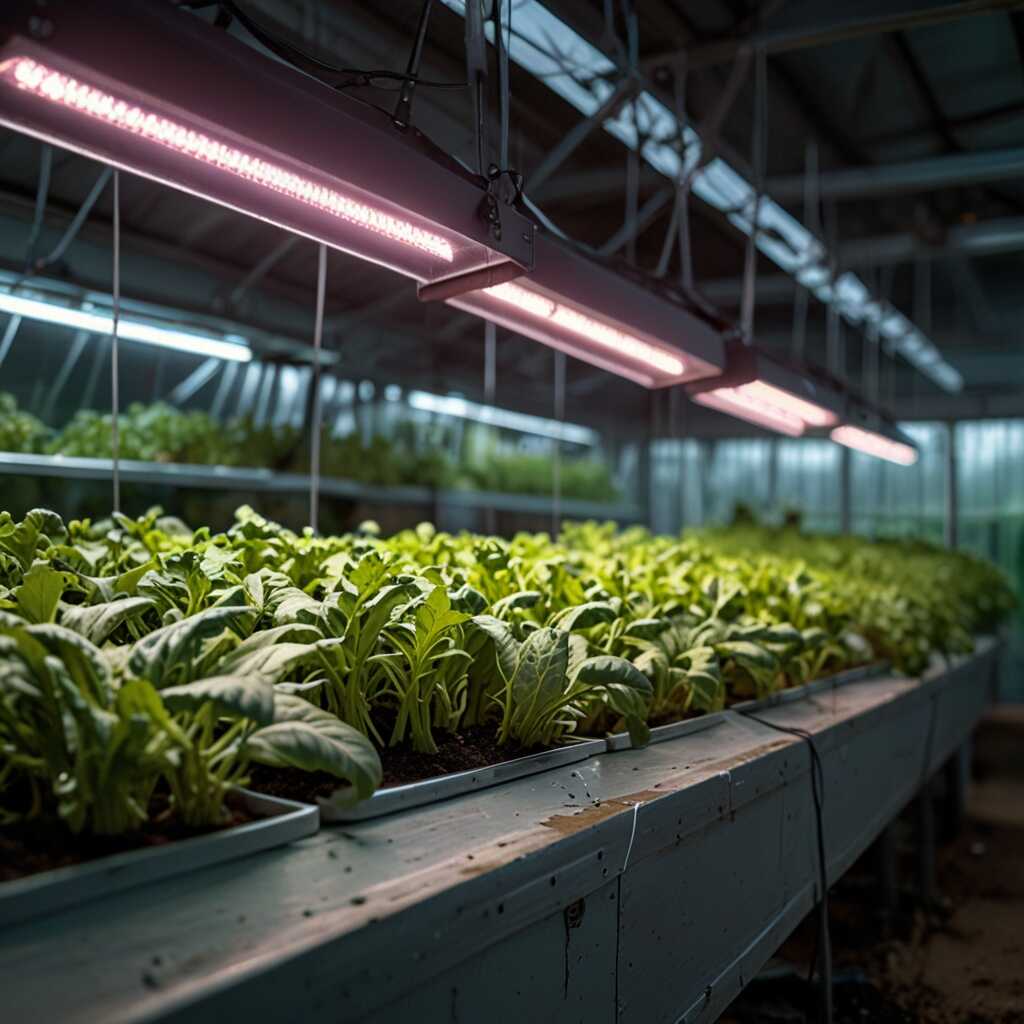
Assessing Your Greenhouse Setup for LED Integration
To evaluate your greenhouse layout for LED grow light integration, consider several factors. First, ensure your greenhouse has a level surface to support the lights and fixtures. Evaluate the plant arrangement to ensure light effectively reaches all plants. Look for shadows that might indicate inadequate light coverage. Check the height of your greenhouse. A height of at least 6 to 7 feet is important to install lights without obstruction. Additionally, assess electrical requirements; LED grow lights require stable circuits and sufficient power. Use electrical testing devices to confirm your system can handle the energy needed for high-quality lighting setups. These considerations are essential for optimizing plant growth and efficiency.
Essential Features for Effective LED Grow Light Installation
When examining essential features for effective LED grow light installation, focus on the greenhouse’s height and electrical setup. A minimum height of 6 feet allows for proper installation and light distribution. Evaluate your existing wiring; it should support the power demands of your LED grow lights without overload. Good insulation and durable materials ensure heat efficiency, leading to stable temperatures for your plants. Make sure to include timers or smart controls to manage light cycles easily. Proper ventilation paired with LED technology enhances growth while maintaining energy efficiency. This careful planning enables effective integration, ensuring you achieve satisfactory results in your greenhouse.
Facts About Grow Light Technology in Gardening
- LED grow lights last over 50,000 hours, reducing the need for replacements.
- They consume up to 80% less energy than traditional grow lights.
- LEDs produce less heat, lowering cooling costs in greenhouses.
- Modern lights cover full spectrum wavelengths (400-700nm) for all growth stages.
- Many LED systems can fit within standard greenhouse structures easily.
- Using LED lights can boost plant yield by up to 30% in optimal conditions.
- Investing in these systems usually provides quick returns through energy savings.
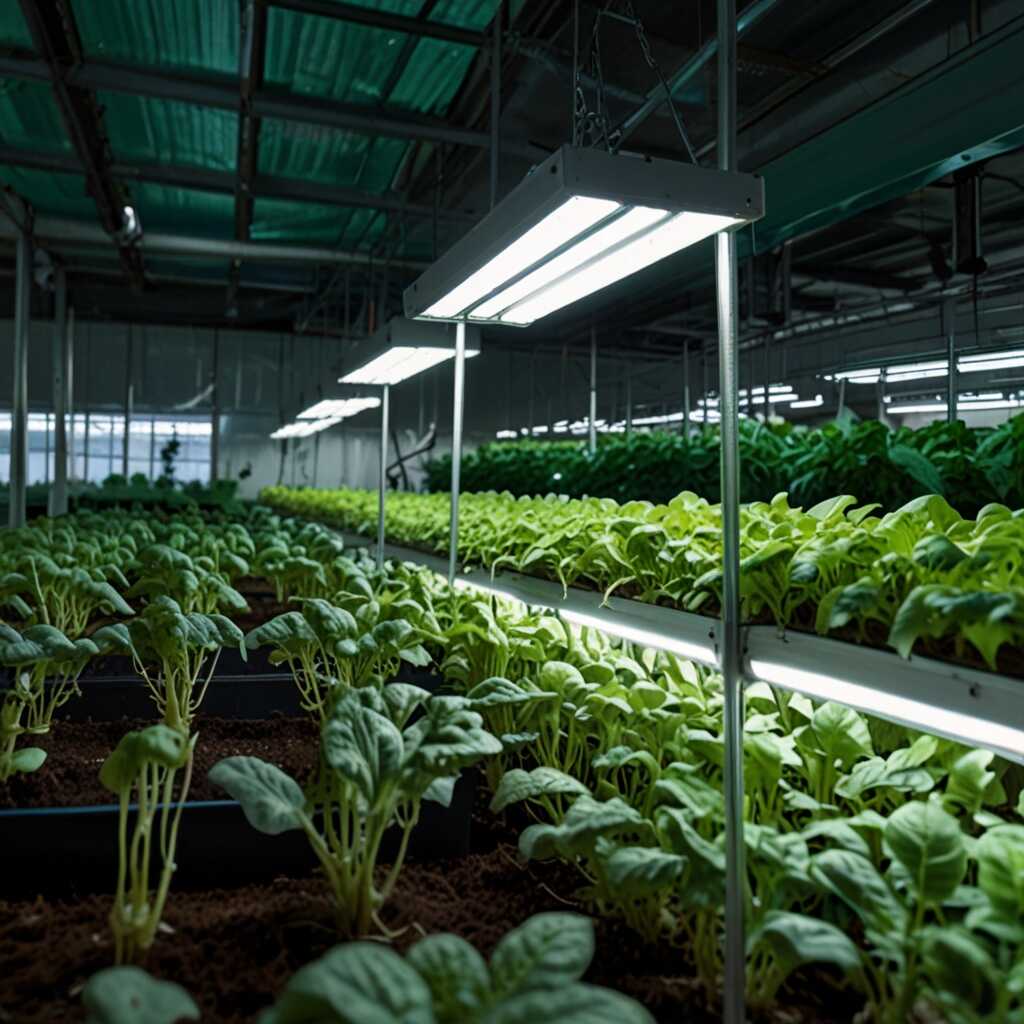
Selecting the Optimal LED Grow Lights Based on Your Plants Needs
Choosing the right LED grow lights depends on light intensity, spectrum, and duration. Light intensity affects plant growth rate and is measured in lumens or PAR (photosynthetic active radiation). Full spectrum lighting, which includes wavelengths from 400 to 700 nanometers, supports various plant growth stages. For tomatoes, peppers, and herbs, bright lighting with a ratio of red (660nm) to blue (450nm) in the spectrum enhances flowering and fruiting. Indoor flowers typically need around 12 to 16 hours of light daily for optimum growth. This duration ensures the plants receive adequate energy without overstressing them.
Understanding Light Spectrum and Plant Needs
Different plants require specific light spectrums to thrive. For example, blue light (400-500nm) is crucial for vegetative growth, while red light (600-700nm) aids flowering and fruit production. LED grow light systems engineered with adjustable spectrums can cater to changes in your plant’s growth stages. Research shows that combining these spectrums improves overall yield. Reliable LED fixtures designed for both vegetative and flowering stages help conserve energy while boosting plant health. Knowing the light needs of plants, such as the preference of leafy greens for higher blue light, makes selecting the right grow lights more efficient.
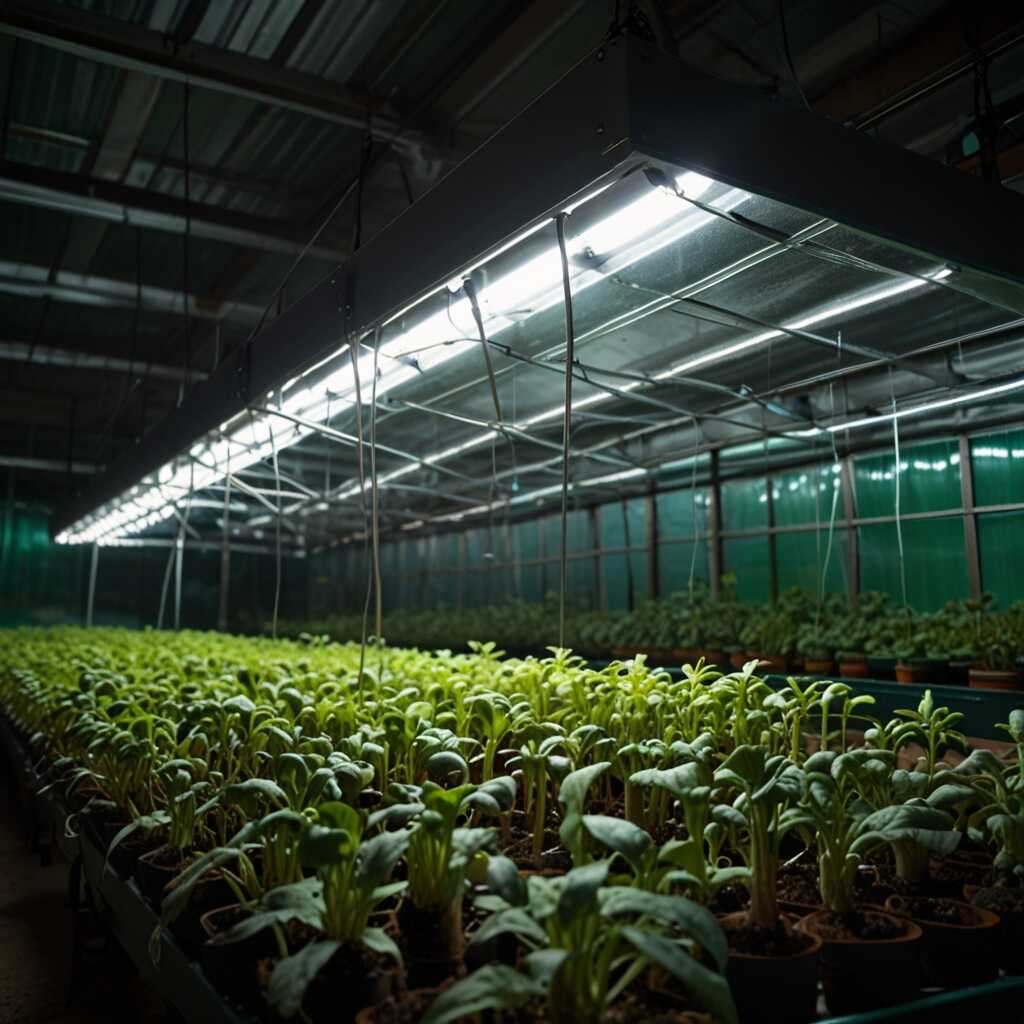
Installation Guidelines for Efficient and Safe LED Grow Light Setup
To safely install LED grow lights in a greenhouse, start by gathering your materials. Use commercial-grade wiring for durability. Consider the wattage and layout for proportional distribution in your planting area. Install lights at least 12 to 24 inches above the plants for effective light coverage. Ensure lights are securely mounted to prevent fall hazards. Confirm that the electrical connection is waterproof to enhance overall safety. Testing the system before full use can ensure reliability and performance.
Optimal Light Placement for Maximum Plant Growth
Placing your LED grow lights strategically in the greenhouse is key for maximizing plant growth. Consider spacing the lights approximately two feet apart to ensure even light distribution. This will help prevent light hotspots, enhancing efficiency. Use adjustable fixtures, allowing you to raise or lower lights as plants grow. This adaptability can help plants receive appropriate light during different growth stages. Research shows that full spectrum lights provide better results compared to other options. Proper placement combined with high-quality LED lights will significantly improve plant health and yield.
Advantages of Installing Advanced Lighting Systems
- They enhance plant growth by providing perfect light for photosynthesis.
- LED grow lights improve energy efficiency, saving money on electricity bills.
- They allow year-round gardening, independent of natural sunlight.
- Modern systems optimize the growing conditions for various plants.
- They reduce heat stress on plants, encouraging healthier development.
- Many systems offer flexibility with adjustable brightness and timers.
- Through reduced energy use, they contribute to a more sustainable environment.
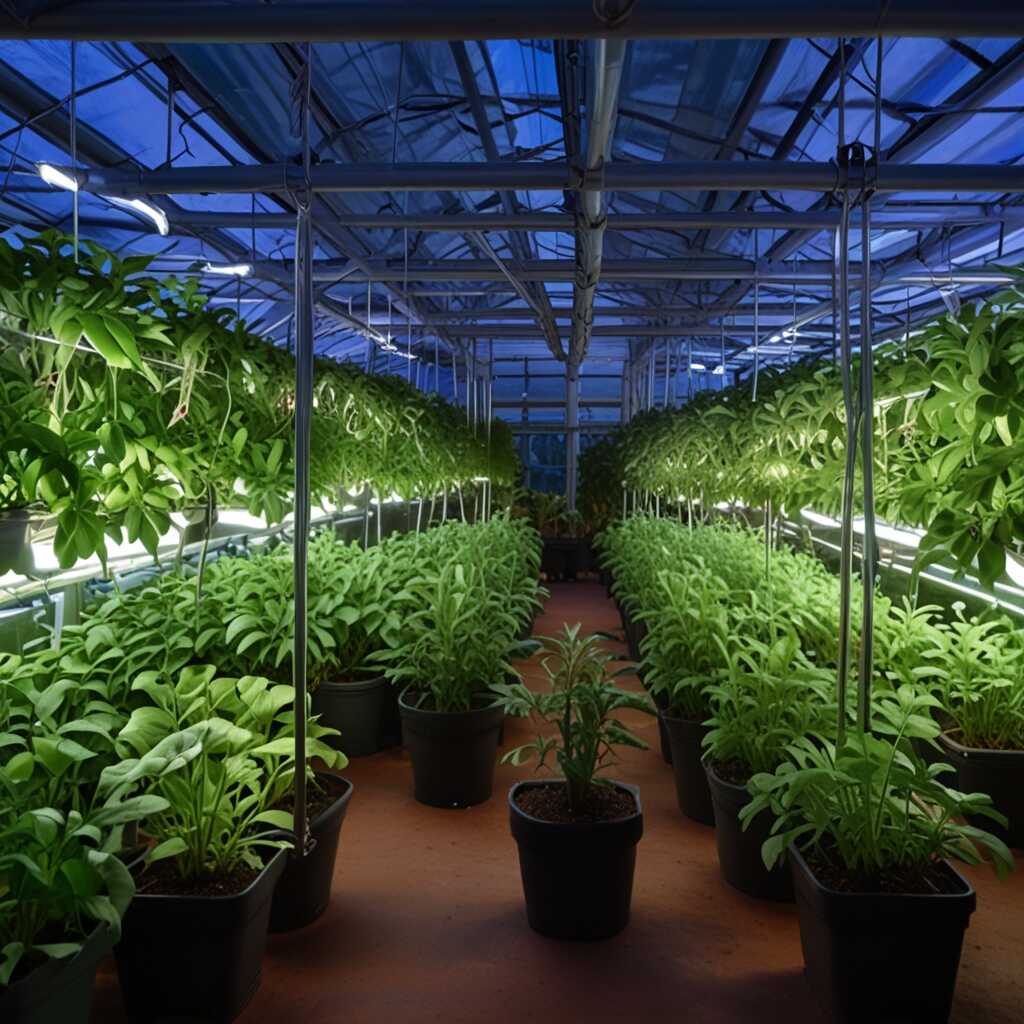
How to Boost Energy Efficiency with Smart Lighting Technologies
Integrating smart lighting technologies with LED systems provides numerous benefits for greenhouse owners. These technologies enhance energy efficiency through automated light controls. With smart sensors, lighting can adjust based on plant needs, optimizing growth conditions. It ensures that lights are only on when necessary, reducing energy costs. Popular smart systems include Wi-Fi-enabled timers and apps that allow remote monitoring and control. This makes managing light schedules convenient and efficient. According to research, using LED grow lights with these technologies can lead to energy savings of up to 50% compared to conventional lighting.
Best Smart Lighting Solutions for Greenhouses
When selecting smart lighting solutions for greenhouse optimization, look for reliable systems that offer adjustable settings. Features like programmable timers, light dimmers, and spectrum adjustability enhance plant growth conditions. High-quality systems provide remote access via smartphone apps for easy adjustments. Some effective options available in 2025 include smart thermostats that integrate with your lighting for improved energy savings. Choosing energy-efficient LED grow lights that work seamlessly with these smart systems will ensure durability and excellent performance over time. Research shows that the best smart systems help maintain optimal lighting conditions and significantly reduce energy usage.
Maintenance Tips for Ensuring Long-Lasting LED Grow Light Performance
Regular maintenance practices enhance the reliability of LED grow lights. Cleaning LED lights every month removes dirt and dust, which can block light and reduce plant growth. A soft cloth and a mild, non-abrasive cleaner are effective for this task. Monitoring light performance weekly helps users notice any inconsistencies in brightness or color, which can signal problems. If issues occur, refer to troubleshooting guides specifically designed for brands like Philips and GE. These guides can provide insights into common problems, ensuring users can quickly address issues and enhance light efficiency.
How to Clean Your LED Grow Lights Effectively
Cleaning LED grow lights effectively ensures they operate at optimal performance. Start by turning off the lights and allowing them to cool down. Use a microfiber cloth dampened with water or a gentle cleaning solution. Avoid getting moisture into the electrical components. Wipe the surface gently to remove dust and grime without scratching the lenses. This cleaning method can help maintain light intensity, which directly affects plant growth. Regular cleaning improves the longevity of the grow lights, allowing users to enjoy excellent performance for years.
Popular Brands and Their Customer Focus in Grow Lighting
- Brand A offers high-tech LED options for serious greenhouse operations.
- Brand B delivers budget-friendly choices for hobbyist gardeners.
- Brand C specializes in full-spectrum lights for diverse plant needs.
- Brand D features smart monitoring systems for tech-savvy growers.
- Brand E promotes eco-friendly materials in its products for sustainable practices.
- Many commercial growers prefer high-efficiency models for larger yields.
- Home gardeners appreciate affordability and easy setup in various sizes.
Common Questions about LED Grow Lights in Greenhouse Applications
Using LED grow lights in a greenhouse offers several benefits. They enhance energy efficiency by consuming less power and producing more light for photosynthesis. LED grow lights provide a full spectrum of light that supports different plant growth stages, from seedlings to maturity. They are also designed to last longer than traditional lighting, typically boasting lifespans of over 50,000 hours. This means reduced costs for replacements and lower energy bills, making them environmentally friendly. Additionally, LED grow lights are reliable and provide consistent light output, ensuring optimal growing conditions for your plants.
Understanding Light Spectrums for Plant Growth
Different light spectrums significantly affect plant growth stages. For seedling development, blue light promotes healthy foliage, while red light promotes flowering and fruiting. High-quality LED grow lights are equipped with adjustable spectrums allowing you to switch based on plant needs. Research has shown that plants exposed to the right light spectrum grow faster and yield better results. LEDs designed with a balanced spectrum can handle various growth phases, enhancing your greenhouse’s efficiency. This capability ensures that you fully utilize your greenhouse space and resources.