
Choosing the best spectrum LED grow lights is crucial for supporting your plants during different growth stages. Understanding the specific lighting needs, such as wavelengths from 400-700nm, can significantly enhance your indoor gardening success. Green Writer offers guidance on selecting energy-efficient lighting options that not only promote vigorous plant growth but also align with eco-conscious practices. By following this advice, you can cultivate a thriving indoor garden while minimizing your carbon footprint.
Overview of Plant Growth Stages and Their Lighting Requirements
Plants go through several key growth stages: germination, seedling, vegetative, and flowering. Each stage has unique lighting requirements that are essential for optimal growth. During germination, low light levels are sufficient as seeds begin to sprout. In the seedling stage, plants need around 16-18 hours of light with high-quality, full-spectrum LED grow lights to promote strong development. The vegetative stage requires 18-24 hours of light for robust leaf growth. During this stage, a light spectrum strongly dominated by blue wavelengths enhances leaf expansion. Lastly, when plants transition to the flowering stage, they need a spectrum rich in red wavelengths. This shift should involve 12 hours of light and 12 hours of darkness to stimulate blooms. Understanding these plant growth stages and tailored lighting needs helps maximize the efficiency and health of indoor plants.
Understanding Light Spectra for Plant Development
Each growth stage of plants benefits from specific light spectra. During the vegetative stage, a light spectrum with more blue wavelengths ranging from 400-500 nm enhances chlorophyll production and leaf growth. Selecting full-spectrum LED grow lights that emphasize these blue wavelengths is crucial for optimizing indoor plant care. In contrast, for the flowering stage, plants thrive under red wavelengths between 600-700 nm, which are proven to trigger blooming processes. Using LED grow lights designed to produce these spectrums can significantly enhance the performance and yields of flowering plants. Research indicates that durability and efficiency of these lights lead to better results in terms of plant health and growth. Choosing the right spectrum is essential for sustaining thriving indoor gardens.
Significance of Light Spectrum on Plant Growth and Development
Understanding the significance of light spectrum is vital for maximizing photosynthesis and plant health. Different wavelengths play specific roles during key plant growth phases. For example, blue light (400-500nm) is crucial during the vegetative phase. It helps plants develop strong stems and healthy leaves. Red light (600-700nm) becomes essential during the flowering phase, promoting blooming and fruit production. The balance of these wavelengths ensures optimal photosynthesis efficiency, resulting in vigorous plant growth. Studies show that specific blue and red light combinations can enhance chlorophyll production by up to 40%, significantly impacting growth speed and health.
How Light Color Affects Different Plant Stages
Light color profoundly affects plant stages, especially when transitioning from vegetative to flowering growth. Seedlings thrive best under blue light, which encourages strong stem development and leaf growth. As plants enter the flowering phase, red light becomes predominant. Incorporating both blue and red lights in the correct ratios enhances flower and fruit output. Research indicates that a light spectrum mixing 60% red and 40% blue leads to optimal growth and vibrant blooms. This approach ensures reliable results and improved plant performance, benefiting indoor gardeners and plant enthusiasts aiming for sustainable growth practices.
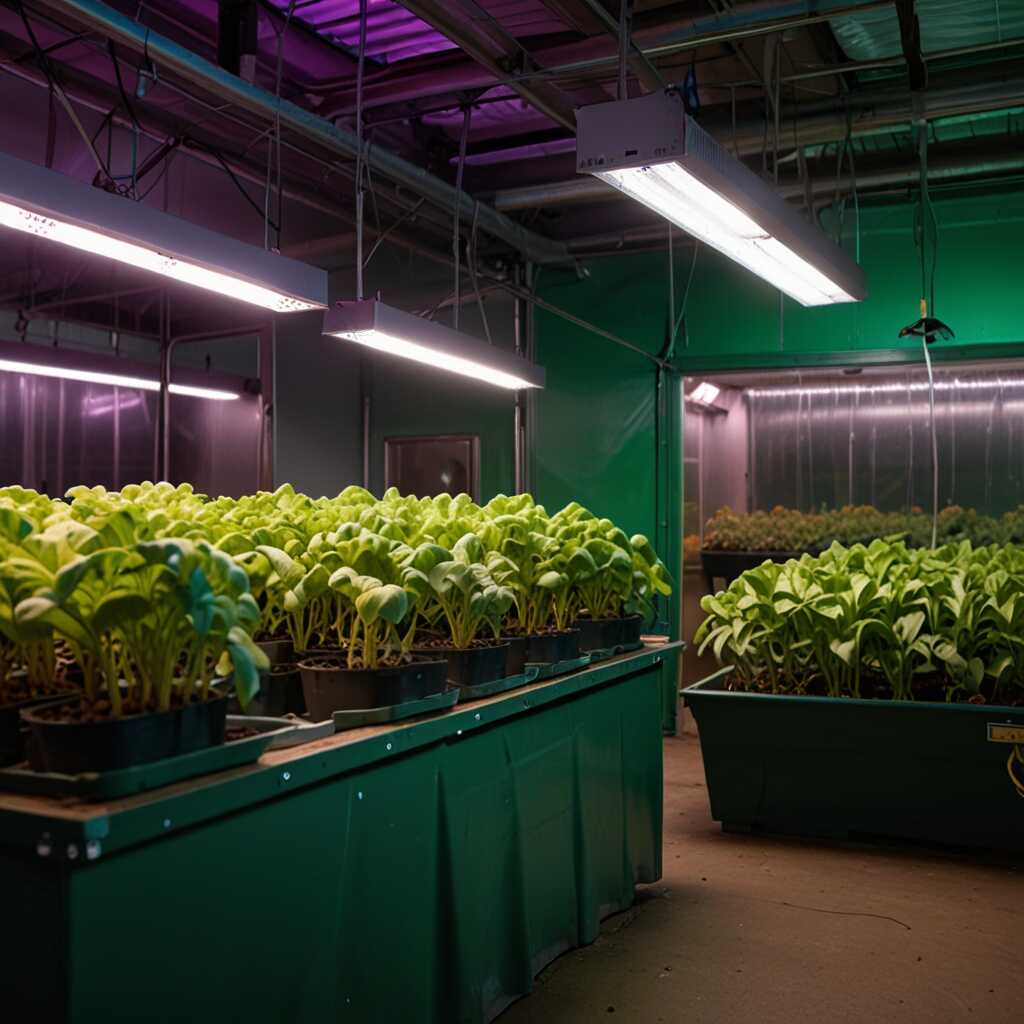
Optimal LED Lighting for Seedlings Development Stage
During the seedling stage, it is essential to select LED grow lights with a wattage between 20 to 40 watts for efficient growth. The blue light spectrum is particularly beneficial as it encourages compact and healthy growth. Red light also plays a role in the overall development but is more crucial in later stages. Research shows that LED grow lights can last over 50,000 hours, making them a reliable choice for long-term use. These lights are capable of delivering energy-efficient lighting, ensuring that young plants receive enough light without excessive heat, which could damage delicate seedlings.
Understanding Light Spectrum for Seedlings
Understanding light spectrum requirements for seedlings is crucial for successful plant cultivation. Blue light, in the 400-500nm range, promotes photosynthesis and enhances leaf development. Red light, around 600-700nm, supports flowering later. Optimal LED grow lights include both spectrums and often feature adjustable settings to cater to various plant types. A balanced combination of blue and red light allows seedlings to grow strong and healthy. High-quality LED grow lights designed for seedling stages can provide the necessary light intensity to stimulate growth while minimizing energy consumption.
Key Numerical Insights on LED Grow Lighting
- LED grow lights can last over 50,000 hours, minimizing replacement costs.
- Plants require about 12-16 hours of light daily during growth stages.
- Full spectrum lights cover wavelengths from 400 to 700 nm.
- Energy-efficient LED lights can reduce electricity consumption by up to 75%.
- Typical LED grow light output varies from 100 to 600 watts.
- Plants may need specific light intensity levels of 200-1000 µmol/m²/s.
- Maximum light absorption occurs within 400-700 nm for optimal growth.
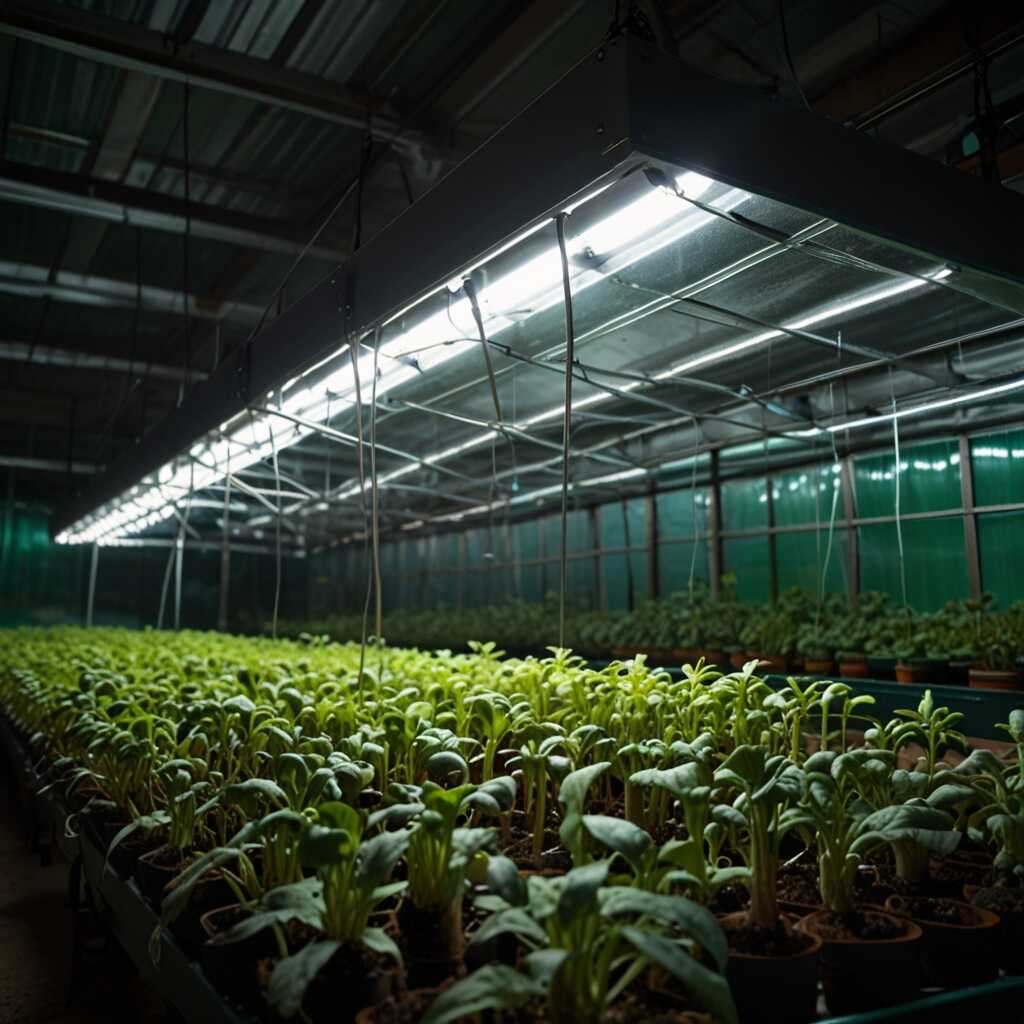
Effective Lighting Solutions for Vegetative Growth of Plants
The best LED grow lights for the vegetative growth period include blue spectrum lights. These lights support healthy leaf and stem development, providing essential energy for photosynthesis. The light intensity should ideally be between 200 to 400 μmol/m²/s for optimal growth. The full spectrum, especially in the blue range (400-500 nm), is crucial as it enhances the chlorophyll production in plants. For optimal efficiency, choose LED lights designed for vegetative growth that can handle the demands of your plants. It’s also recommended to maintain a distance of 12-24 inches between the lights and the plant canopy to ensure uniform light distribution.
Determining Light Spectrum for Different Plant Types
Understanding the light spectrum is essential for tailored vegetative growth. Different plants require specific wavelengths for optimal growth. For instance, leafy greens thrive under higher blue light (400-500 nm), while more robust plants like tomatoes may benefit from a mixture of blue and red wavelengths. Research shows that a ratio of 3:1 blue to red can help improve leaf development and stem strength. An LED grow light with adjustable spectrum features can enhance plant health during the vegetative period. Opt for lights providing the best performance according to your specific plant type.
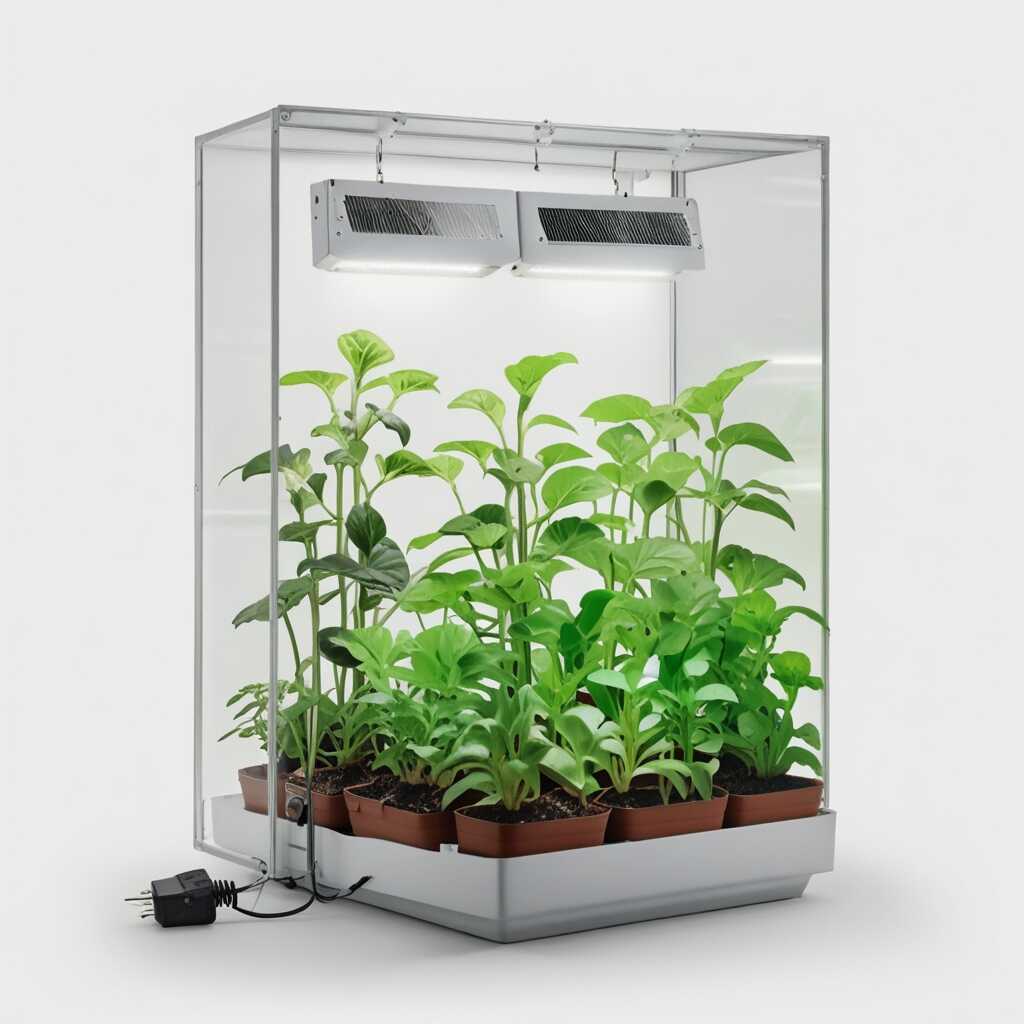
Lighting Requirements During Flowering Stage for Maximum Yield
During the flowering stage, plants require specific light spectrums to achieve maximum yield. The optimal spectrum includes a balance of red light (around 620-750nm) to encourage blooming, along with some blue light (400-500nm) to support overall health and prevent stretching. LED grow lights designed for flowering typically provide higher red light emissions, which helps plants efficiently transition into the flowering stage. For best results, focus on grow lights that have a full spectrum feature, ensuring that your plants receive all necessary wavelengths for successful blooming and fruiting. Testing different light intensities reveals that an intensity of 600-900 µmol/m²/s is often recommended for flowering plants, enabling reliable growth and vibrancy.
Choosing the Right LED Grow Light for Flowering
Selecting the right LED grow light is essential for supporting plants during the flowering stage. Look for lights that feature specific spectrums designed for flowering, such as the combination of red and blue LEDs. Some products include high-efficiency models that can handle the demands of flourishing plants. Research LED grow lights with the best performance ratings and reviews, focusing on their ability to emit the right light spectrums and intensities. A reliable grow light should provide consistent energy efficiently, with a lifespan exceeding 50,000 hours. This ensures that you have long-term, effective support for your indoor gardening needs while maintaining eco-friendly practices.
Advantages of Using Advanced Lighting Solutions
- Energy-efficient options significantly lower utility bills.
- LED grow lights provide essential spectrum requirements for all growth stages.
- Lights produce less heat, reducing cooling needs in growing spaces.
- Durable designs reduce the need for frequent replacements.
- Environmentally friendly, leading to less CO2 emissions during usage.
- Versatile lighting setups cater to various indoor plant types.
- Improved plant health and yield through enhanced lighting control.
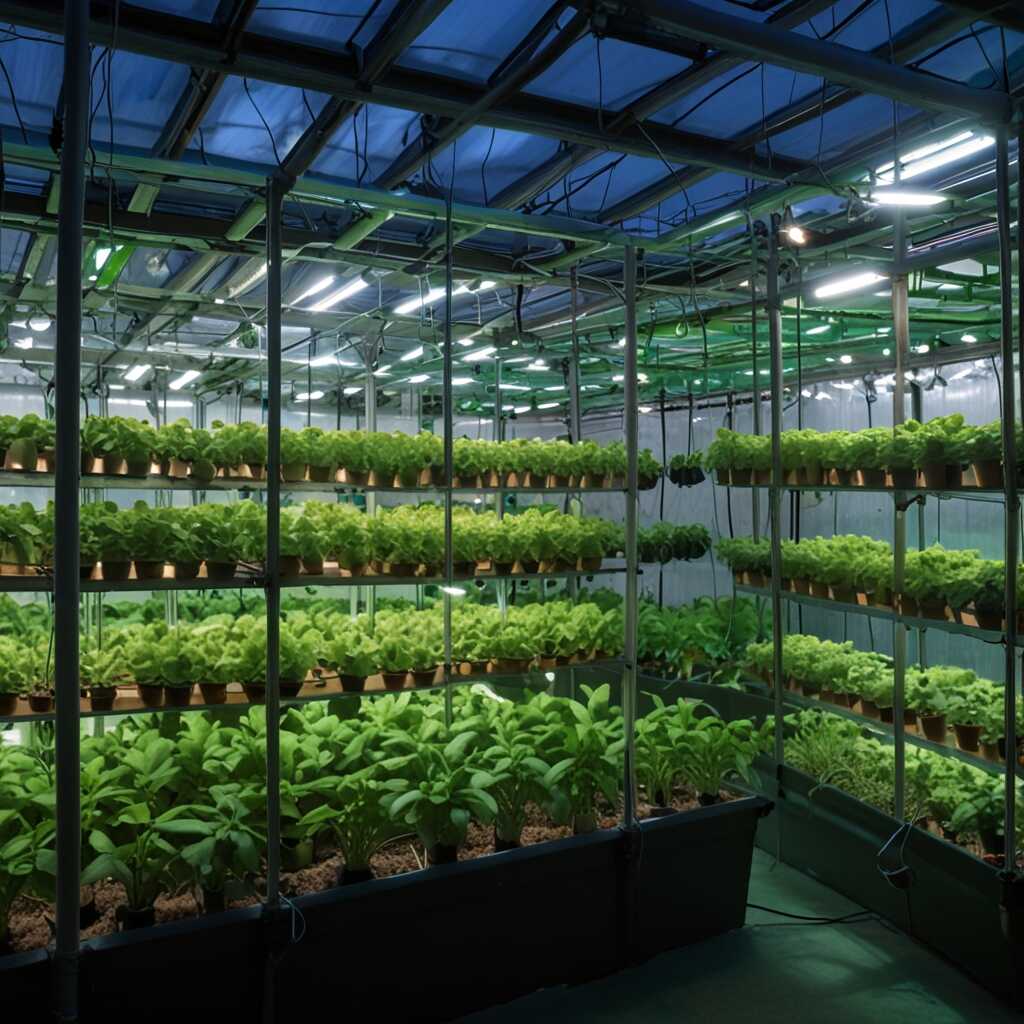
Advantages of Energy Efficient LED Grow Lights
Energy efficient LED grow lights offer several benefits over traditional lighting systems. First, they consume significantly less power than options like fluorescent and HID lights. This results in lower electricity bills, enhancing cost-effectiveness for any indoor gardener. LED technology typically has a lifespan exceeding 50,000 hours, far exceeding the durability of traditional lights. This durability means less frequent replacement and waste. LEDs provide targeted light spectrums catering to different plant growth stages. This precision leads to better plant health and growth. Additionally, using LED grow lights supports environmental sustainability by reducing energy consumption, which can offset carbon footprints. By choosing energy-efficient options, growers contribute positively to ecological conservation and economic savings.
Comparing LED Grow Lights with Fluorescent and HID Options
LED grow lights demonstrate impressive performance when compared to fluorescent and HID lighting options. While fluorescent lights are more efficient than incandescent bulbs, they still use more energy than LEDs. For instance, a 400-watt HID light might produce a similar amount of usable light but consume much more electricity than a 100-watt LED. This efficiency makes LEDs more suitable for energy-conscious gardeners. LED grow lights not only reduce electricity costs but also generate less heat, minimizing cooling costs. Assessing these features helps users make informed decisions for energy-efficient indoor gardening.
Integration of Advanced Techniques in Indoor Gardening
Innovative practices can enhance plant growth in indoor gardens. Smart gardening solutions include automated systems that monitor moisture levels and provide timely watering. Nutrient management techniques ensure plants receive essential elements at the right growth stages. Optimizing lighting conditions involves choosing the right spectrum of LED grow lights designed to maximize photosynthesis. Technologies such as grow tents and hydroponic systems can also help indoor gardeners maximize yield and plant health.
Nutrient Management and Lighting Optimization
Effective nutrient management is vital for indoor gardening efficiency. Using nutrient solutions tailored for different plant growth stages offers excellent results. For example, during vegetative growth, plants benefit from higher nitrogen levels. Advanced lighting conditions can be managed with timers and light sensors that adjust LED grow lights to mimic natural sunlight. This approach helps plants achieve optimal growth rates, leading to healthier and more productive harvests.
Popular Brands and Their Ideal Users
- Brand A offers high-quality, energy-efficient lights perfect for commercial growers.
- Brand B features versatile products suitable for hobbyists and small-scale gardeners.
- Brand C provides budget-friendly options favored by novice indoor gardeners.
- Brand D specializes in full-spectrum lights designed for serious plant enthusiasts.
- Brand E is known for compact designs appealing to urban gardeners with limited space.
- Brand F has user-friendly features making it popular among students and beginners.
- Brand G targets eco-conscious consumers seeking sustainable lighting solutions.
Essential Maintenance Tips for LED Grow Lights Longevity
Cleaning your LED grow lights is essential. Dust and debris can block light, diminishing their effectiveness. Use a soft, damp cloth to gently wipe the glass or plastic covers. Avoid harsh chemicals as they can damage the materials. Regularly check for issues like flickering or dimming lights. These might indicate a problem that needs troubleshooting. Early intervention can prevent the need for costly replacements. Aim to evaluate your LED grow lights every 6 to 12 months. This periodic testing ensures they perform optimally throughout their lifespan.
Effective Cleaning Techniques for LED Grow Lights
To maintain your LED grow lights, focus on effective cleaning techniques. Begin by turning off and unplugging the lights to ensure safety. Use a microfiber cloth for a gentle wipe down, avoiding any abrasive materials. If stubborn stains are present, a solution of mild soap and water can help. Ensure you dry the surfaces completely to prevent moisture buildup, which can cause damage. For deeper cleaning, consider removing the light housing to clean internal components. This enhances reliability and maintains optimal light output for plant growth.