
Choosing the right wattage for grow lights in your greenhouse is crucial for plant health and growth. The wattage affects how much light your plants receive and can make a big difference in their development. At Green Writer, we understand the importance of selecting the right lighting to create an energy-efficient environment for your indoor garden. This guide will help you identify the ideal wattage based on your greenhouse size and specific plant needs.
Identifying the Light Needs of Different Plant Types
Understanding the light requirements for different plant species is essential for successful indoor gardening. Leafy greens like lettuce need around 12 to 16 hours of light. Succulents and cacti prefer direct sunlight and require at least six hours daily. Annual plants often thrive with 14 to 16 hours of light, while perennials can handle less. Adjust the energy-efficient grow lights accordingly to suit these requirements. Furthermore, younger plants generally need more light than older plants, supporting their growth stages.
Specific Light Needs at Different Growth Stages
Different stages of plant growth demand various light intensities. Seedlings require significantly more light to encourage strong stem development. They thrive under grow lights providing around 300-800 lumens per square foot. Vegetative plants need consistent light and benefit greatly from full-spectrum lights. During flowering, many plants require a switch to red-dominant light spectrums, giving them 12 hours of light followed by 12 hours of darkness. Tailoring the light setup to each stage can enhance overall plant health and yield.
Key Factors That Impact Grow Light Selection
When choosing grow lights, wattage is essential for providing the right energy level for plants. It is crucial to match wattage to the size of your greenhouse to ensure optimal growth. For example, low-wattage lights might not provide enough energy for larger spaces, while high-wattage lights may lead to excessive heat and energy waste. The light spectrum plays a significant role as well; it determines which wavelengths your plants utilize for photosynthesis. Additionally, color temperature affects plant development; warmer hues help with flowering while cooler shades support vegetative growth. Proper placement of grow lights, including hanging height and distance from the plants, is also important to maximize their effectiveness and ensure plant health.
Understanding Light Spectrum and Its Role in Plant Growth
Light spectrum refers to the range of wavelengths emitted by grow lights. Different plants require specific wavelengths for various growth stages. For vegetative growth, plants thrive under blue light, typically found in the 400-500 nm range. During flowering, red light, around 600-700 nm, supports reproductive success. Full-spectrum grow lights are designed to include all necessary wavelengths, enhancing overall plant performance. Quality full-spectrum lights can help indoor gardeners achieve the best results with minimal energy loss. By balancing color temperature and wattage, you can create a tailored environment that ensures your indoor plants flourish.
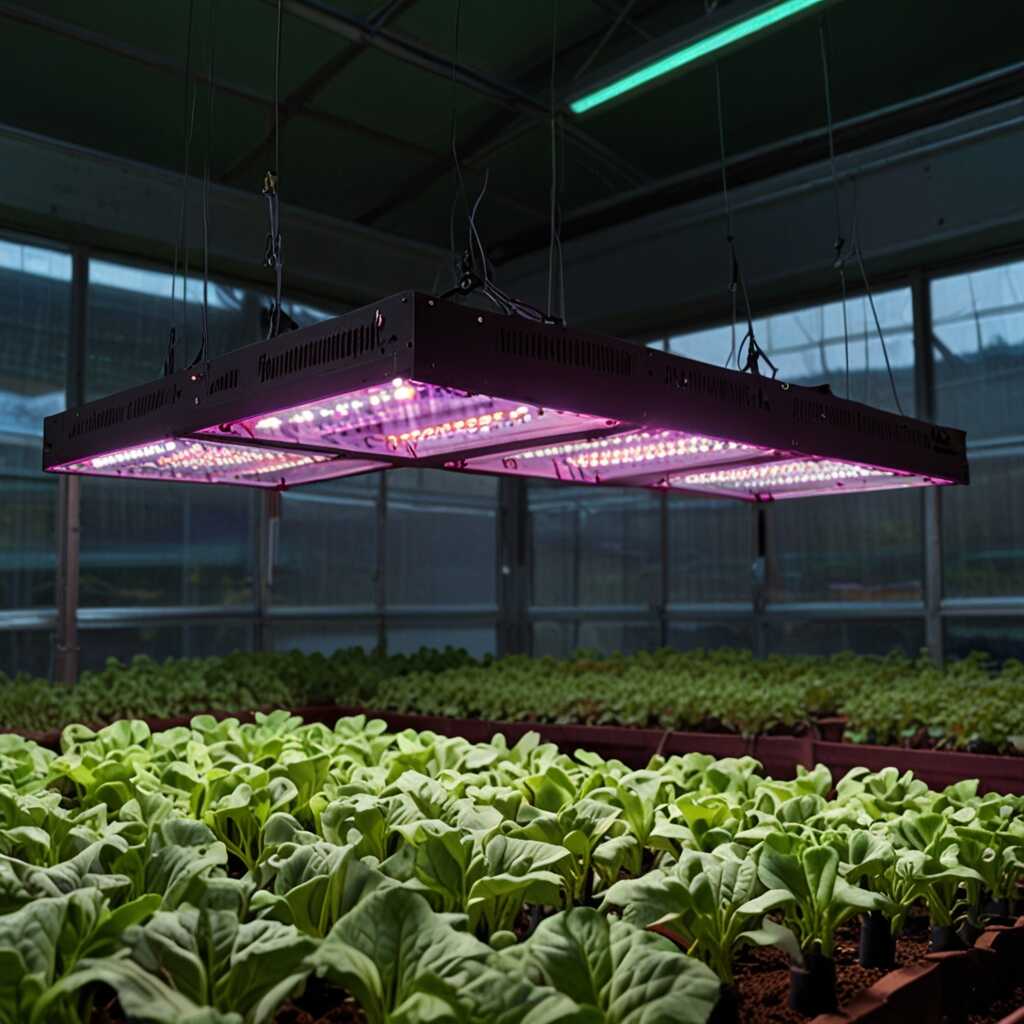
Determining the Ideal Wattage for Your Greenhouse Size
To calculate the wattage needed for your greenhouse, first measure its length and width to find the total square footage. A standard approach is to use 20 to 40 watts per square foot, depending on the type of plants you grow and their light needs. For instance, leafy greens may require less light than fruiting plants. Evaluate your plant density requirements as well. Different plants have varying light demands based on their growth stages, so understanding their needs will streamline your wattage selection. It is essential to consider the lighting efficiency ratings of your grow lights. Energy-efficient grow lights reduce energy consumption while providing adequate light levels for healthy plant growth.
Understanding Plant Light Needs and Wattage
Knowing the specific light needs of your plants drastically enhances your greenhouse results. Leafy greens like spinach thrive with 10 to 20 watts per square foot, while fruiting vegetables such as tomatoes need around 30 to 40 watts. Adjust your light wattage based on the stage of growth. Seedlings prefer softer light to mature plants, which need intense lighting for robust growth. Select lighting with good reliability and quality features to ensure even light distribution. Testing lighting placement within your greenhouse is also vital for optimizing performance. You can enhance plant growth by making these adjustments and monitoring their development.
Key Numerical Insights for Effective Lighting Selection
- Most indoor plants require between 200 to 800 watts for optimal growth.
- LEDs can use 50% less energy than traditional bulb systems while providing the same light output.
- Full-spectrum lights typically operate in a range of 400-700 nanometers for plant growth.
- The average lifespan of quality LED grow lights can exceed 50,000 hours.
- Depending on greenhouse space, consider at least 20-40 watts per square foot.
- Using too low wattage may lead to stunted plant growth or poor yields.
- Higher wattage systems can lead to increased energy bills unless planned efficiently.
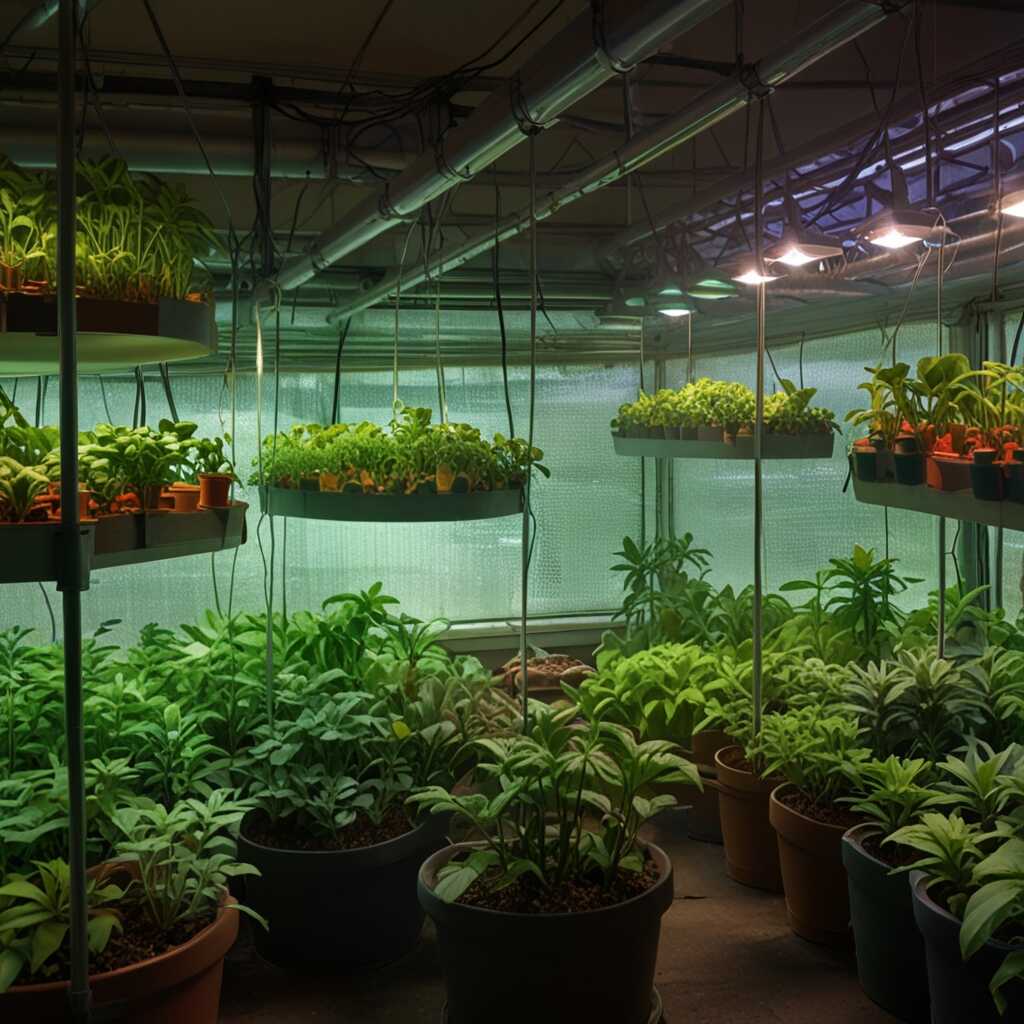
Advantages of Using Energy Efficient Grow Lights
Energy-efficient grow lights provide several key benefits for indoor gardening. They significantly reduce electricity costs due to lower wattage consumption compared to traditional lighting systems. Energy-efficient grow lights, like LEDs, can last up to 50,000 hours, which results in less frequent replacements. This durability further enhances cost savings. Additionally, they produce less heat, minimizing the need for cooling systems, which contributes to lower energy consumption overall. Choosing these lights supports sustainable gardening practices by reducing carbon footprints associated with energy production.
Understanding Cost Savings With Energy Efficient Grow Lights
When considering the financial impact of energy-efficient grow lights, it’s important to look at long-term savings. LED grow lights can reduce electricity bills by up to 75% compared to incandescent bulbs. Based on average electricity costs, a grow light using 30 watts can save you around $100 per year on energy. Their efficiency also means your plants receive optimal lighting without excessive energy waste. This approach not only enhances indoor plant cultivation but also supports eco-friendly gardening efforts. Thus, energy-efficient grow lights are a smart choice for both the planet and your wallet.
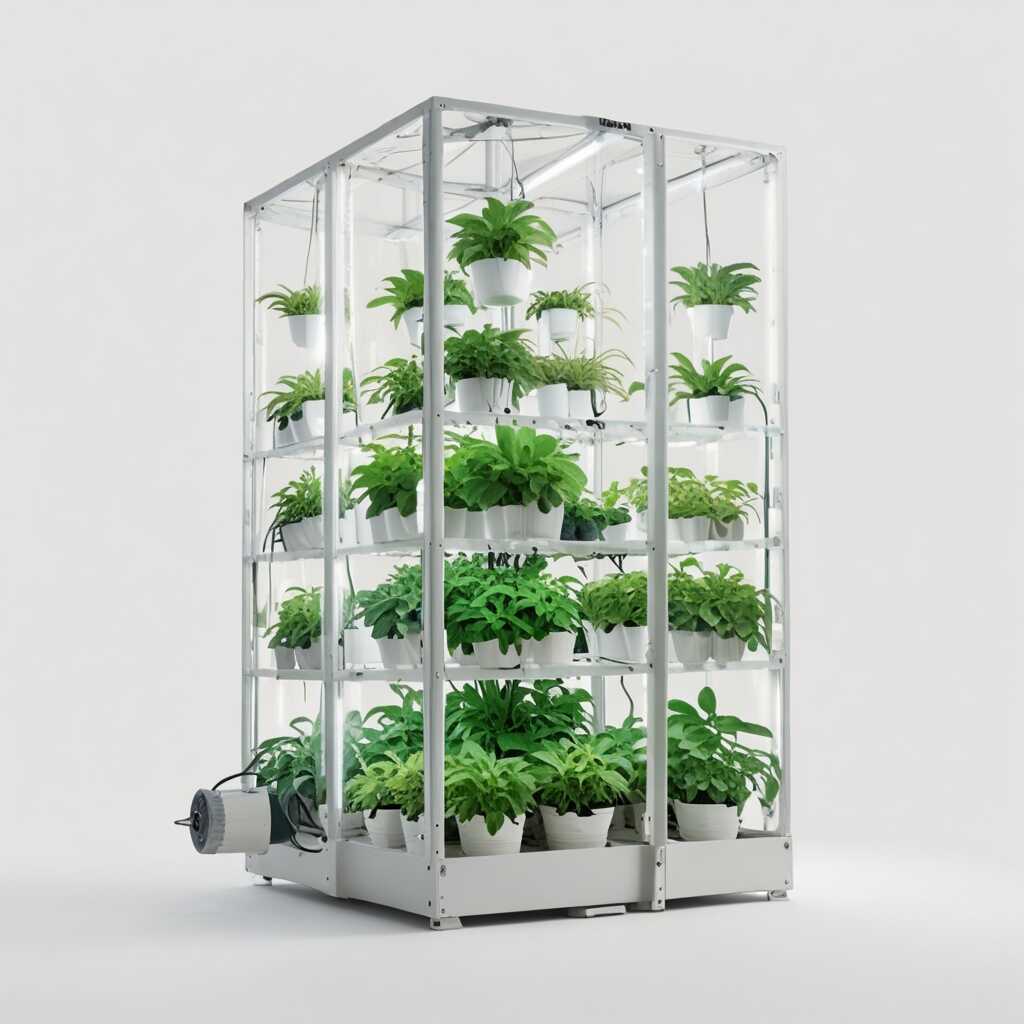
Overview of Common Grow Light Types and Their Uses
LED grow lights are known for their energy efficiency and long lifespan compared to fluorescent and high-intensity discharge (HID) lights. They produce less heat, making them safer for your plants and reducing cooling costs. Fluorescent grow lights are suitable for seedlings and leafy greens, as they provide good light coverage at lower intensity. HID lights are powerful and effective for larger plants and flowering stages due to their high output. They also consume more energy. Each type of grow light has its specific applications, with LEDs being ideal for diverse plant growth stages, from seedling to harvest, ensuring optimal performance.
Specific Applications of Different Grow Light Types
When considering the specific applications of grow light types, LED grow lights excel for a wide variety of indoor plants. They offer a full spectrum that supports photosynthesis throughout all growth stages. Fluorescent grow lights provide an excellent solution for starting seeds and growing herbs, as they distribute light evenly without creating excess heat. HID lights are more suitable for experienced growers who cultivate large flowering plants, providing intense lighting needed for robust growth. Choosing the right grow light type enhances reliability, ensuring your indoor garden thrives in any setting.
Advantages of Utilizing Appropriate Light Output
- Better growth rates occur when using the right wattage for your greenhouse plants.
- Optimal lighting enhances flowering and fruiting phases of plant development.
- Proper wattage prevents issues like leggy or weak plants by providing sufficient light.
- Cost savings emerge from energy-efficient lighting options like LEDs that provide long-term benefits.
- Enhancing plant health through targeted wavelength supports overall greenhouse productivity.
- Using suitable wattage reduces the risk of overheating or damaging plants.
- Improved aesthetics allow for healthier, thriving plants, making your greenhouse more inviting.
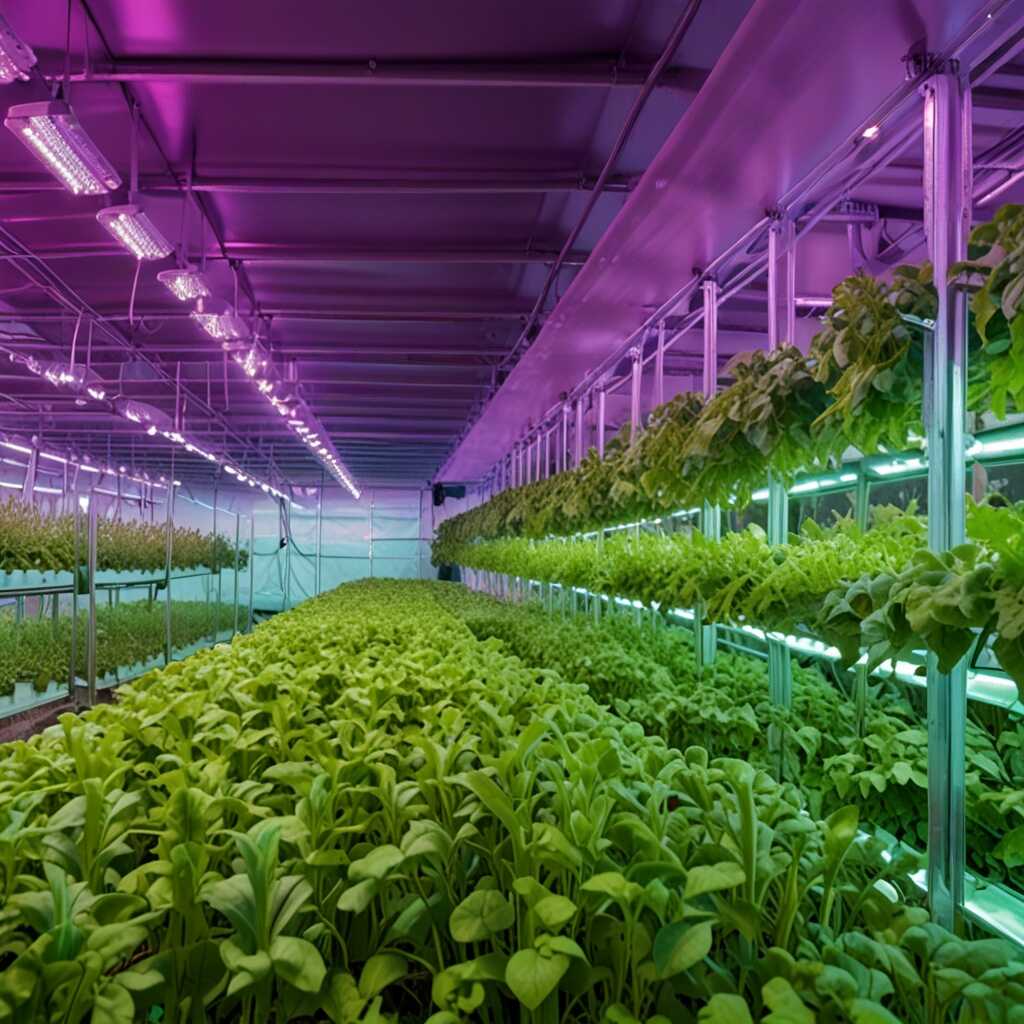
Modifying Light Intensity Throughout Plant Growth Stages
Adjusting light intensity throughout plant growth stages is essential for optimizing growth. During the seedling stage, plants thrive with approximately 200-400 μmol/m²/s of light intensity, which helps them develop strong roots and healthy leaves. For the vegetative phase, increasing the intensity to around 400-600 μmol/m²/s supports higher growth rates and fuller foliage. In the flowering phase, a light intensity of 600-900 μmol/m²/s maximizes blooming and fruiting potential. Seedlings usually require 16-18 hours of light daily, while vegetative plants benefit from 14-16 hours. During flowering, 12 hours of light followed by 12 hours of darkness creates optimal conditions.
Understanding Light Requirements During Each Growth Phase
Each growth phase of plants requires specific light conditions for optimal health. Seedlings need gentle, diffused light to build sturdy stems. Placing them under LED grow lights at 200-400 μmol/m²/s ensures they avoid light stress. During the vegetative stage, plants should receive more direct light; thus, increasing towards 400-600 μmol/m²/s enhances their overall size and health. Lastly, during the flowering phase, a higher intensity of 600-900 μmol/m²/s helps increase flower production. Using quality, full spectrum grow lights can enhance the results during each phase, helping achieve a bountiful harvest.
Common Pitfalls When Using Grow Lights and Solutions
Many gardeners struggle with grow light mistakes that can hinder plant success. Common errors include selecting inappropriate lights, such as using a bulb without a full spectrum, which affects plant growth. Choosing too high or too low wattage can also lead to overexposure to light or insufficient lighting. For a 4×4 greenhouse, aim for around 400 to 800 watts as ideal wattage to support diverse plant needs. Regularly check light distance to avoid burn and ensure energy efficiency. Testing and adjusting positioning based on plant response can significantly enhance results.
Choosing the Right Spectrum for Your Grow Lights
Understanding the light spectrum requirements of your plants is essential. Different plants thrive under various wavelengths. For instance, blue light supports vegetative growth while red light is crucial for flowering. A good grow light should provide a full spectrum ranging from 400nm to 700nm. LED grow lights offer excellent reliability and efficiency, providing the necessary light without excessive heat. Research shows that using a combination of blue and red light enhances plant growth phases remarkably. This informed choice can lead to healthier plants and a successful indoor gardening experience.
Brands and Demographics Related to Lighting Choices
- Hydrofarm offers reliable grow lights suited for both beginner and professional growers.
- Roleadro focuses on energy-efficient LED lights for budget-conscious gardeners.
- Gavita serves high-end growers who need advanced features for commercial setups.
- Seedlings attract novice gardeners looking for user-friendly lighting solutions.
- Organic farmers seek sustainable light options to maintain eco-friendly practices.
- Urban dwellers often favor compact grow lights due to limited indoor space.
- Commercial growers require high-output lights for maximizing large-scale yields efficiently.
Essential Maintenance for Your Grow Light System
Proper maintenance of your grow light system is vital for ensuring reliable performance and longevity. Regular cleaning of the grow lights helps to remove dust and debris, which can diminish their efficiency. Bulb replacement is essential; different bulbs have various lifespans, with LED grow lights typically lasting 50,000 hours. Keeping a bulb replacement schedule ensures your grow lights perform at their best. Additionally, troubleshooting common issues, such as flickering or dimming lights, enhances overall system reliability and effectiveness.
Important Steps for Cleaning and Maintaining Grow Lights
Cleaning your grow lights should be done at least every month. Use a soft cloth and a gentle cleaner to avoid damage. Check the housing and fixtures for any signs of wear or corrosion. Dust buildup can block light and reduce plant growth. Check bulb connections regularly to ensure they are tight and undamaged. This maintenance task allows for better performance and extends the lifespan of bulbs. Adopting these grow light maintenance techniques can enhance the efficiency of your indoor gardening efforts.