
“Comprehensive Guide to Setting Up Grow Lights in Greenhouse Systems” offers essential insights for enhancing plant growth in aquaponic and hydroponic setups. Properly installed grow lights can create optimal conditions for your greenhouse, ensuring vibrant and healthy plants. At Green Writer, we provide guidance on energy-efficient grow lights that support sustainability and promote successful indoor gardening. This guide will explore practical strategies for effectively utilizing lighting in your greenhouse, contributing to environmentally friendly practices and plant care success.
The Importance of Grow Lights for Thriving Plants in Greenhouses
Grow lights are essential for greenhouses because they enhance photosynthesis, ensuring plants receive the light needed for growth. In environments where natural light is inadequate, such as during winter or in shaded areas, grow lights compensate for this lack. The use of proper supplemental lighting can significantly improve plant health. Studies indicate that specific plants, like tomatoes and lettuce, respond exceptionally well to grow lights. For optimal growth, most plants require 12 to 16 hours of light daily. This level of exposure enhances their development and increases yields, making grow lights a vital part of greenhouse systems.
How to Choose the Right Grow Lights for Your Greenhouse
Choosing the right grow lights for your greenhouse involves considering light spectrum, wattage, and fixture type. LED grow lights are often recommended for their efficiency and long lifespan, effectively providing the full spectrum of light required for photosynthesis. Many plants, especially flowering varieties, thrive under the 400-700nm spectrum. Higher wattage lights may provide more light intensity, but understanding your plants’ specific needs can help you avoid light burn. Research shows that grow lights delivering 300-600μmol/m²/s can boost plant performance significantly. Green Writer emphasizes the importance of selecting quality fixtures that can handle the humidity and temperature fluctuations of greenhouse environments, ensuring a reliable setup.
Different Types of Grow Lights for Aquaponic and Hydroponic Systems
This section provides insights into the main types of grow lights used in aquaponic and hydroponic systems. LED grow lights, fluorescent grow lights, and high-intensity discharge (HID) lights each offer unique benefits. LED lights are known for their energy efficiency and long lifespan, lasting around 50,000 hours. Fluorescent grow lights, while less efficient, have a lower initial cost and are effective for specific plant growth stages. HID lights deliver high intensity and warmth but consume more energy, making them less sustainable. Understanding these differences helps gardeners choose the right type of lighting for their plants.
Comparative Advantages of Grow Light Types
LED grow lights provide the highest energy efficiency, making them great for long-term use in greenhouse environments. They enhance photosynthesis by emitting specific wavelengths that different plant types need during growth. In comparison, fluorescent grow lights are perfect for seedlings, as they deliver adequate light intensity at a lower cost. High-intensity discharge lights are ideal for larger plants due to their powerful output, but they consume more electricity and generate heat. Understanding these advantages helps aquaponic and hydroponic enthusiasts optimize their systems for better plant care and sustainability.
Effective Placement Techniques for Maximum Light Reach in Greenhouses
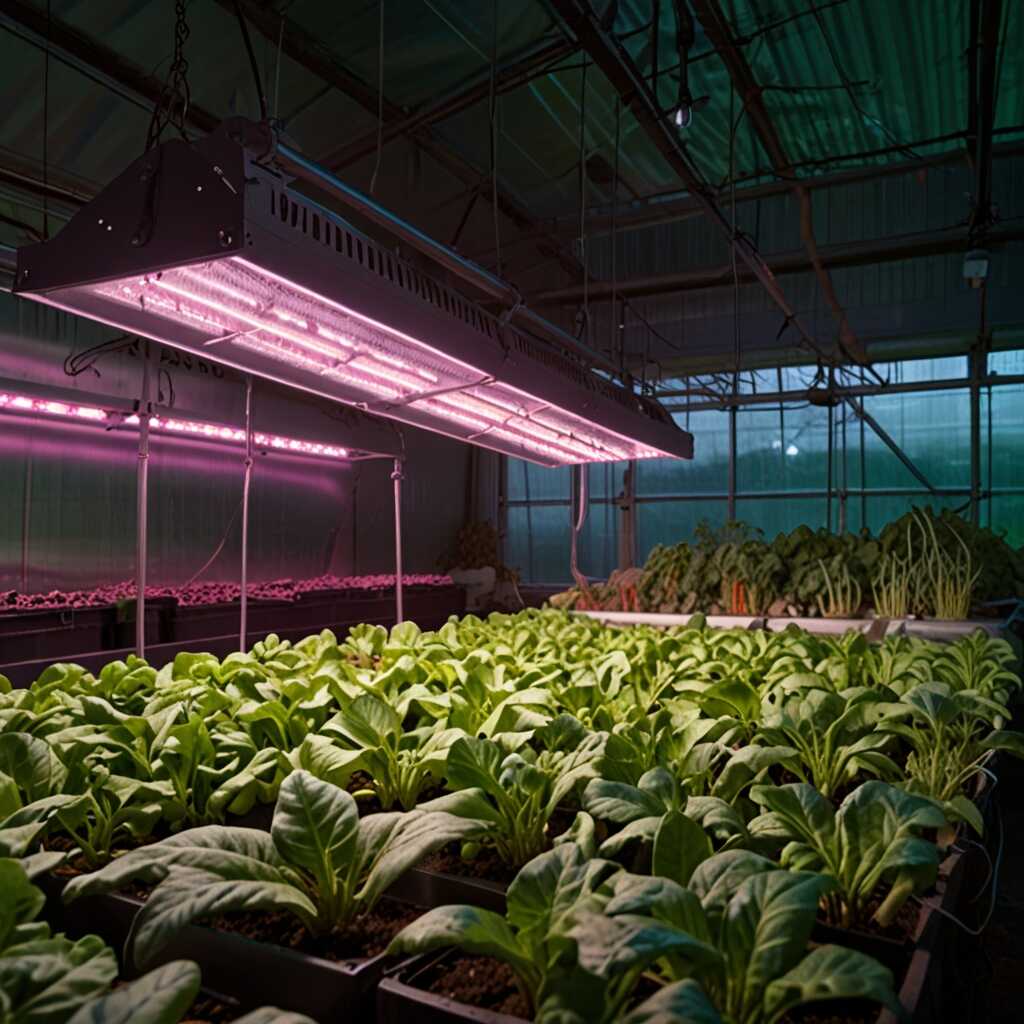
Proper grow light positioning in your greenhouse is crucial for ensuring all plants receive adequate light. One effective strategy involves arranging lights in a grid pattern to promote even light distribution. This method minimizes shadows and helps every plant get the essential light needed for photosynthesis. Light height is also important. Placing lights too high may result in inadequate coverage, while positioning them too low can cause burning. You should keep lights approximately 12 to 24 inches above the plant tops, depending on their light requirements. Testing different heights can reveal which distance works best for your specific plants.
Understanding Light Distribution Techniques
Light distribution techniques are critical in maximizing plant growth. Use full spectrum grow lights that emit all wavelengths to cater to various growth stages. Positioning lights at different angles can also help avoid dead spots. Consider the size of your greenhouse as well. Larger spaces might require multiple light sources for even coverage. When planning your setup, use a light meter to measure intensity across different areas. Reliable data from these tests can guide you in adjusting your grow lights, ensuring that each plant receives optimal light for robust growth. This method not only enhances growth rates but also improves overall plant health.
Key Numerical Insights for Effective Lighting
- Optimal light duration for many plants ranges from 12 to 18 hours per day.
- LED grow lights can last over 50,000 hours compared to traditional bulbs.
- A light intensity of 200 to 400 µmol/m²/s is often ideal for growth.
- Full spectrum lights provide wavelengths between 400 and 700 nm.
- Plants benefit most when temperature stays between 68°F and 77°F.
- Hydroponic systems often require 400 watts of light per 100 square feet.
- Up to 30% energy savings can be achieved with efficient lighting solutions.

Exploring Light Spectrums and Their Impact on Plant Growth Stages
Light spectrums play a crucial role in plant growth. Different wavelengths, such as blue (400-500 nm) and red (600-700 nm), significantly influence stages from germination to flowering. Blue light supports vegetative growth by encouraging strong stem and leaf development. Red light promotes flowering and fruiting, making it essential for plants in their later growth stages. Understanding how these spectrums impact plant development enables growers to tailor their lighting setups, ensuring maximal growth through controlled conditions. Properly combining these wavelengths can enhance overall plant health and yield during each growth stage.
Understanding Key Wavelengths for Optimal Growth
For optimal plant growth, focusing on key light wavelengths is essential. Germination typically benefits from broader light spectrums, with an emphasis on blue light. In the vegetative stage, plants rely more on blue wavelengths to build strong foliage. As plants transition to flowering, the ratio shifts. Red wavelengths become crucial, comprising about 60% of the light spectrum for flowering plants. This balance, often referred to as the “growth light ratio,” ensures plants receive the necessary energy for each stage effectively. Using efficient grow lights that provide this ideal spectrum can lead to healthier and more productive plants.
Assessing Energy Efficiency and Cost-effectiveness of Grow Lighting
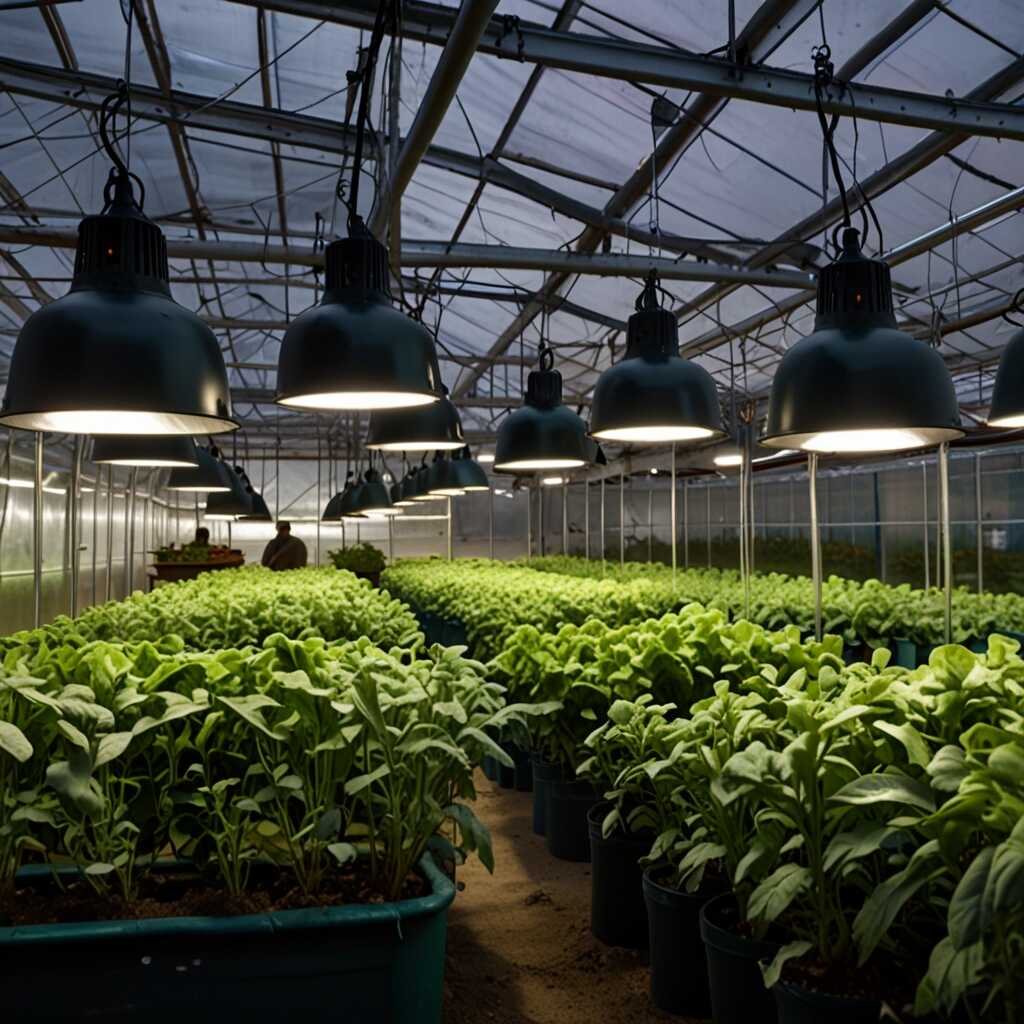
When selecting energy-efficient grow lights for aquaponics and hydroponics systems, look for LED technology. LED grow lights are designed to deliver high-quality light while consuming less energy. They can improve plant growth while reducing energy costs. Compare various options including fluorescent and HID lights. Each type has distinct features that impact plant growth and energy use. Conducting reliable comparison tests can help you choose the best option for your greenhouse. You can save significant costs annually when opting for LED lights, often around 75% compared to traditional lighting. This investment not only promotes plant health but also aligns with sustainability values.
Understanding Different Lighting Types for Sustainable Growth
Choosing the right lighting type is essential for maximizing efficiency in greenhouse systems. The most common types are LED, fluorescent, and HID lights. LEDs provide full-spectrum light and have a lifespan exceeding 50,000 hours. They offer excellent efficiency, which helps maintain reliable plant growth cycles. Fluorescent lights are more affordable but less energy-efficient and have shorter lifespans. HID lights, while powerful and producing high heat, require more energy and proper heat management. Research shows that LEDs outperform others in energy consumption and plant health. Evaluating growth results can help you determine the most effective and sustainable lighting for your specific greenhouse needs.
Benefits of Using Grow Lights in Greenhouse Methods
- Boosts plant growth rates and ensures year-round production.
- Enhances photosynthesis, leading to healthier plants and yields.
- Allows cultivation of plants in areas with less natural sunlight.
- Supports aquaponic and hydroponic systems effectively.
- Helps mature plants faster, making them ready for harvest sooner.
- Promotes consistent growth by providing controlled lighting conditions.
- Encourages biodiversity by enabling diverse plant selection.
Creating Optimal Light Cycles for Enhanced Plant Development
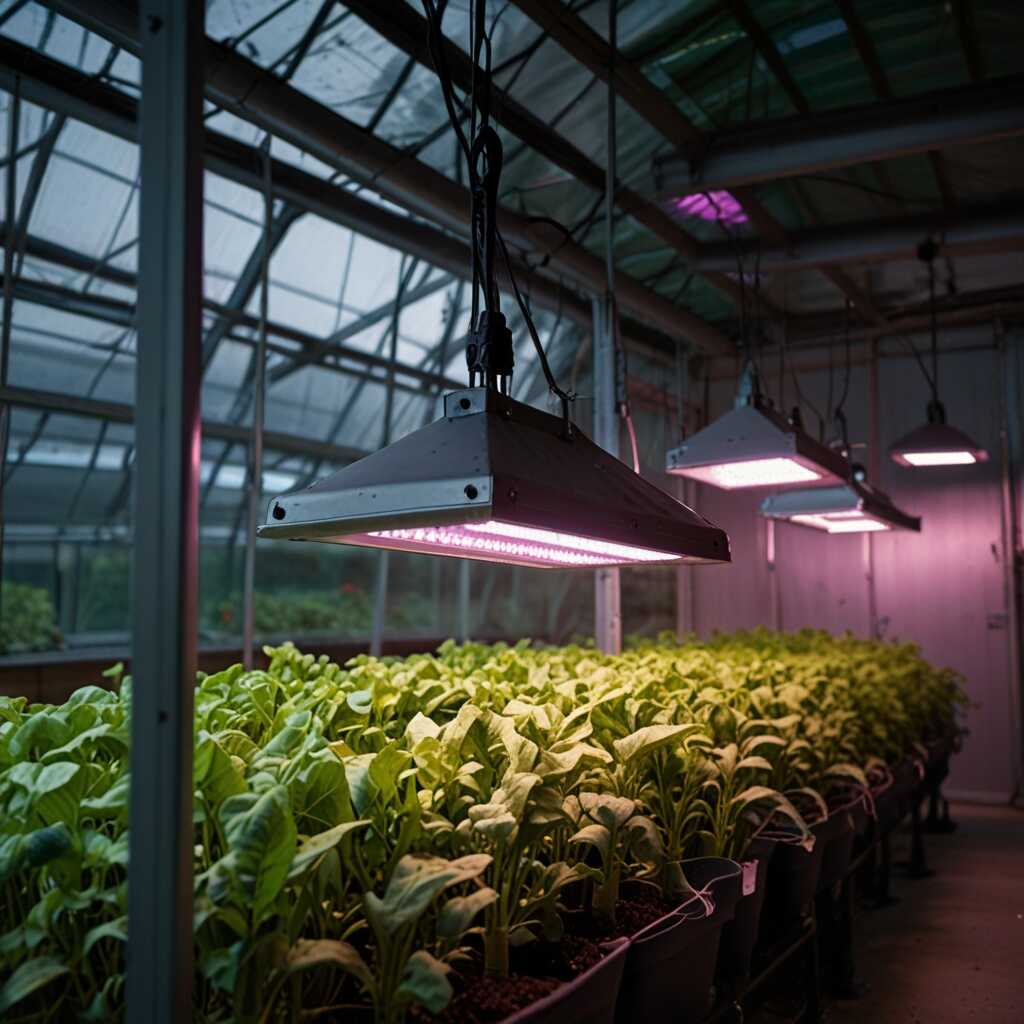
Creating effective light cycles is crucial for the development of plants in aquaponic and hydroponic systems. Factors to consider include the type of grow light used, the specific growth phase of your plants, and the duration of light exposure. For instance, LED grow lights deliver energy-efficient lighting tailored to different growth stages. In the vegetative phase, plants generally require 18-24 hours of light, while flowering typically benefits from 12 hours of light. Reliable testing and research show that these durations enhance growth and yield.
Understanding Growth Phase Requirements for Light Duration
Each plant species has unique light duration needs during its life cycle. During the vegetative phase, a light schedule of 18 hours on and 6 hours off helps ensure strong leaf and stem development. In contrast, plants entering the flowering phase thrive with 12 hours of light, which mimics natural day length variations. This specific light cycle enables plants to transition effectively, improving overall health and flower production. Grow lights that include full spectrum capabilities can deliver the necessary wavelengths for both phases, ensuring optimal energy efficiency and plant performance.
Practical Maintenance Suggestions for Prolonging Grow Light Lifespan
Regular maintenance is essential for ensuring grow lights operate reliably. Keep lenses clean to enhance light output. Dust and grime can block light, affecting plant growth. Regularly check for burnt-out bulbs and replace them promptly. This proactive approach saves money on replacements and improves energy efficiency. Schedule periodic testing of light intensity to ensure optimal performance. Testing helps identify any drop in efficiency, enabling timely solutions. Familiarize yourself with the specific maintenance practices for different types of grow lights. For example, LED grow lights often have long lifespans but benefit from testing their heat management features to prevent overheating.
Understanding Different Grow Light Types and Maintenance Needs
Different grow light types, like LEDs and fluorescents, come with unique maintenance requirements. LED grow lights provide energy-saving features and typically last longer than fluorescent lights. Their average lifespan is around 50,000 hours, while fluorescents last about 10,000 hours. Regular maintenance of LEDs includes checking heat sinks to ensure proper cooling, which maintains efficiency. For fluorescent lights, keep bulbs clean and replace them according to the manufacturer’s recommendations to maintain consistent light output. Understanding these distinctions helps you choose the best maintenance practices that enhance the performance of your specific grow light type.
Popular Brands and Their Use Cases for Grow Lighting
- Brand A focuses on home gardeners needing efficient indoor lighting.
- Brand B is ideal for commercial growers looking for larger setups.
- Brand C appeals to sustainability advocates seeking eco-friendly options.
- Brand D targets aquaponics enthusiasts needing specific light spectrums.
- Brand E serves hobbyists with budget-friendly solutions for small projects.
- Brand F offers high-tech solutions for serious hydroponics operations.
- Brand G suits urban gardeners confined to small spaces needing install-friendly choices.
Avoiding Common Pitfalls in Grow Light Installation and Usage
This section explores common mistakes in grow light setup and offers solutions to improve results. A frequent error is improper grow light placement, which affects light exposure and limits plant growth. Ensuring that lights are at the correct distance from plants is crucial. Another common mistake involves neglecting to consider light spectrum needs. Different plant species require specific wavelengths for optimal growth; for example, flowering plants need more red light. Finally, understanding how often to adjust grow lights based on plant growth stages can significantly enhance plant health. Keeping these factors in mind can lead to great improvements in your gardening success with grow lights.
Understanding Plant Growth Stages and Light Needs
Plants go through various growth stages, each demanding different light levels. During the seedling stage, a shorter duration of light at low intensity is ideal to avoid stress. As plants transition to the vegetative stage, increase light intensity and adjust the light spectrum to include more blue wavelengths. In the flowering stage, switching to a higher ratio of red light encourages blooming. Tracking these changes is vital for optimal performance, ensuring each phase receives the correct light duration and intensity. Research in horticulture emphasizes that using adjustable energy-efficient lighting during these stages significantly improves plant health and yield. Understanding this process ensures informed decisions when setting up your grow lights.